Best places for wild swimming in the UK: Lakes, rivers, lochs and coastal spots
Published 23rd April 2026
Wild swimming in the UK has become one of the most rewarding ways to experience the outdoors, with an incredible variety of settings to explore. From rugged coastlines and sandy beaches to calm lakes, winding rivers and remote Highland lochs, no two swims feel the same. Whether you’re after an invigorating cold-water dip or a peaceful swim surrounded by nature, there’s something for everyone.
What makes it so special is this diversity. Sea swimming offers waves and dramatic views, while lakes are calmer and ideal for relaxed, longer swims. Rivers bring a sense of movement and adventure, and Scottish lochs feel vast, quiet and wonderfully remote. Choosing the right environment can completely shape your experience.
That’s why thinking about where you swim matters just as much as how. Whether you prefer easy access or hidden spots, gentle waters or something more adventurous, the right location helps you feel comfortable and immersed. Pair it with a great place to stay nearby, and it turns a simple swim into a truly memorable escape.
Click on the links to jump to that section.
Cornwall – Turquoise coves and Atlantic swells
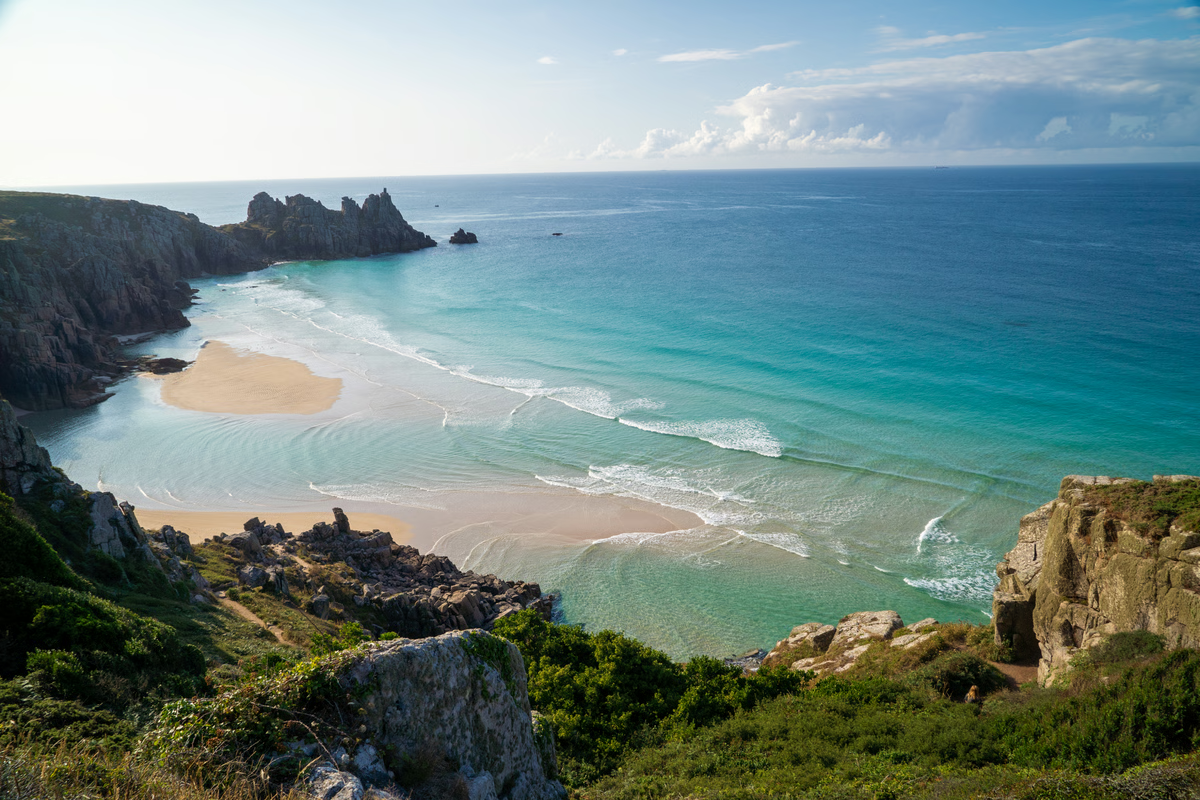
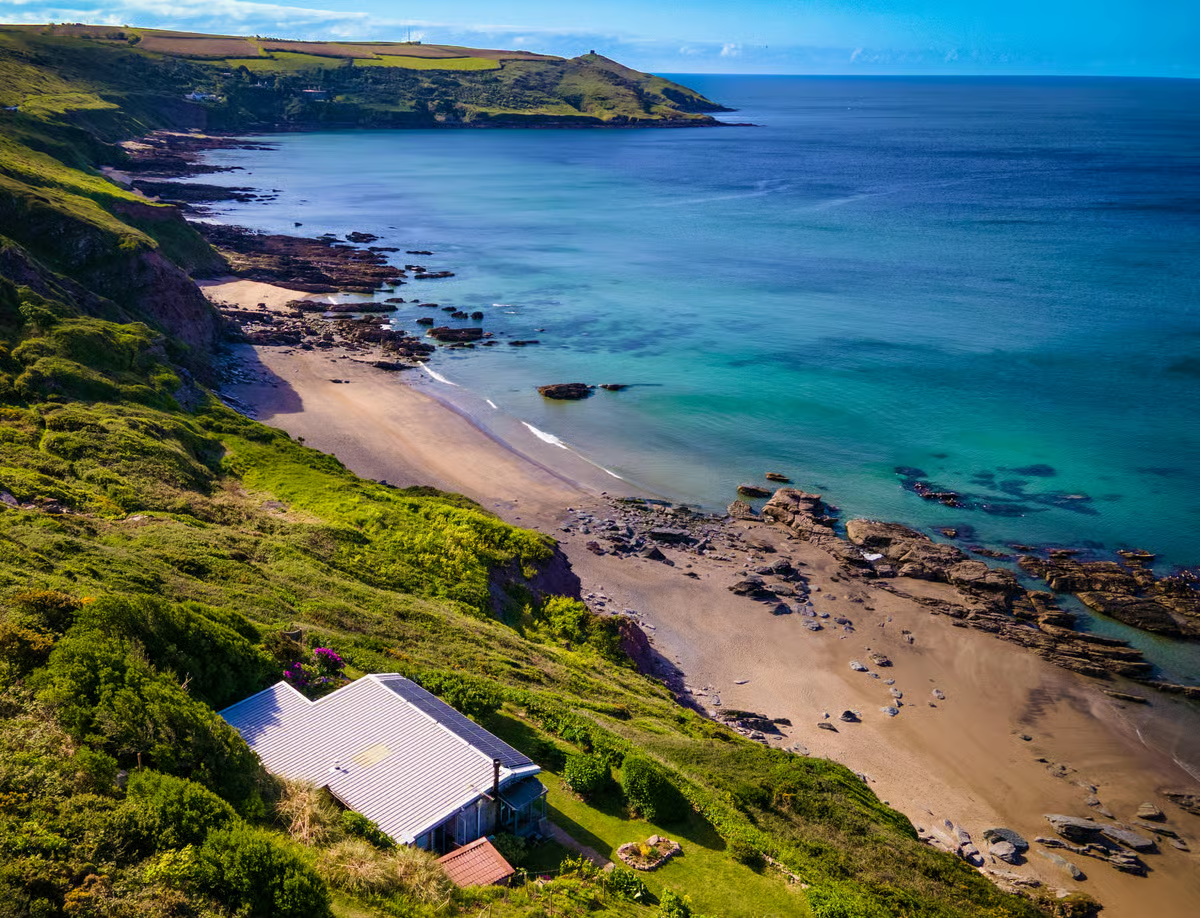
Cornwall, located in the far South West of England and surrounded by the Atlantic Ocean, is widely considered one of the best places for wild swimming in the UK. Known for its clear waters, dramatic coastline and diverse beaches, it offers an incredible variety of sea swimming experiences. Whether you’re dipping into calm, sheltered coves or braving the rolling Atlantic swells, wild swimming in Cornwall combines natural beauty with a real sense of adventure, making it a standout destination for open water enthusiasts.
- Crystal-clear water: Cornwall is famous for some of the cleanest and clearest sea waters in the UK, particularly on calm summer days when visibility can be exceptional.
- Variety of beaches: From hidden coves tucked beneath cliffs to wide sandy bays, Cornwall offers a huge range of swimming environments to suit every preference.
- Warmer conditions: Its southern location means sea temperatures here are often slightly milder than elsewhere in the UK, especially in late summer.
- Dramatic scenery: Rugged cliffs, turquoise waters and golden sands create a striking and memorable backdrop for every swim.
- Strong swimming culture: With lifeguarded beaches, surf communities and coastal towns, Cornwall is welcoming and well-suited to both beginners and experienced swimmers.
- Kynance Cove: Known for its vivid turquoise waters and unique rock formations, this is one of Cornwall’s most iconic swimming spots. Best visited at low tide for access to its quieter coves and calmer pools.
- Porthcurno Beach: A sheltered bay with soft white sand and clear, gentle water, making it ideal for relaxed swims and those newer to sea swimming.
- Fistral Beach: Famous for surfing, this beach suits more confident swimmers who are comfortable in livelier conditions with waves and stronger currents.
- Pedn Vounder Beach: A more secluded and unspoilt stretch of coastline with exceptionally clear water, perfect for those seeking a quieter, more immersive wild swimming experience.
- Gyllyngvase Beach: Located near Falmouth, this accessible beach often offers calmer conditions and is well-suited to beginners or those looking for an easy, enjoyable swim.
- By car: Cornwall can be reached via the M5 motorway, followed by the A30 or A38 into the region. Driving is ideal if you want the flexibility to explore multiple beaches and more remote coastal spots.
- By train: Direct services run from London Paddington to destinations such as Newquay, St Ives (via St Erth), Truro and Penzance, offering a scenic and convenient way to reach the coast.
- By public transport: Local bus routes connect many towns and beaches across Cornwall, though services can be less frequent in rural areas, so planning ahead is recommended.
Read our guide titled: The best beaches in Cornwall today!
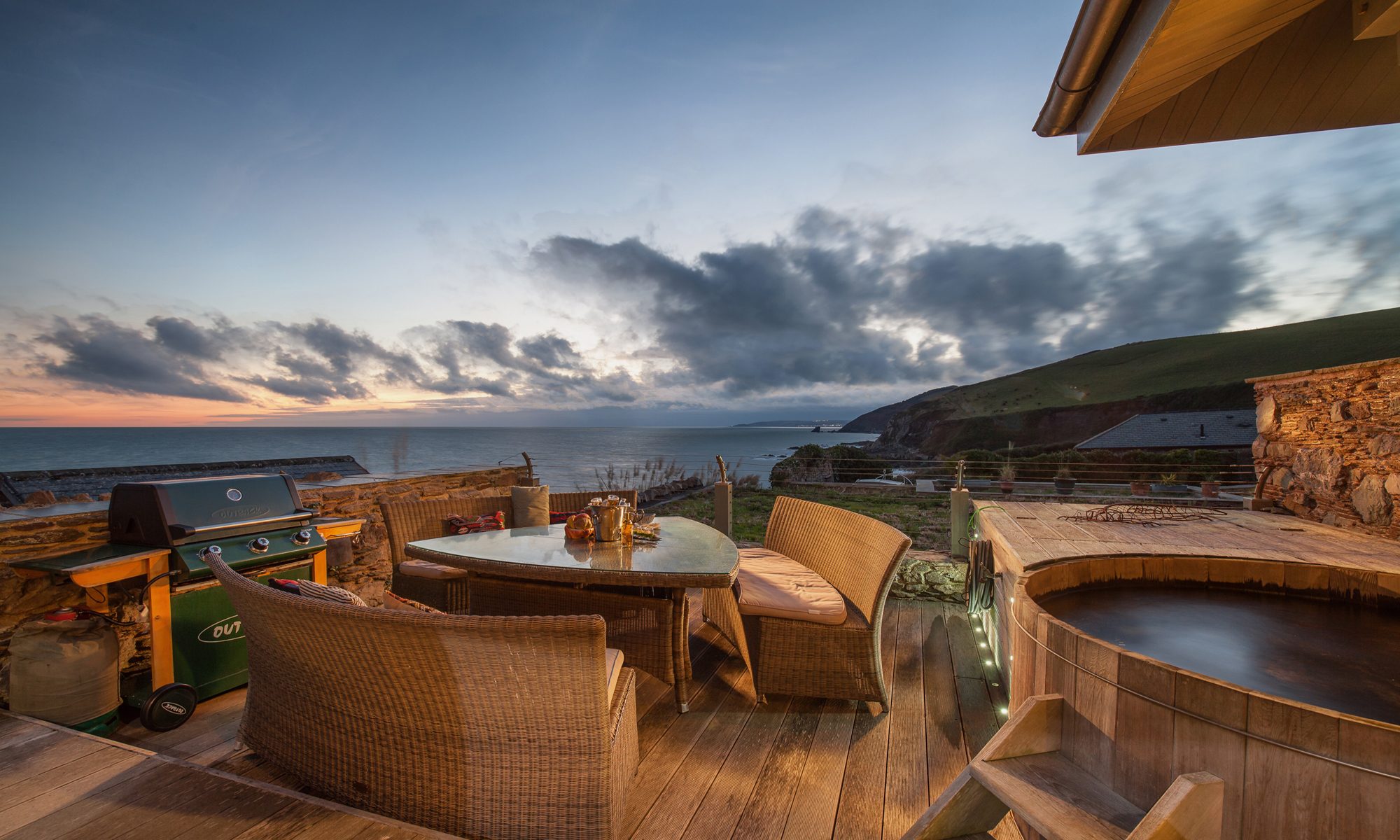
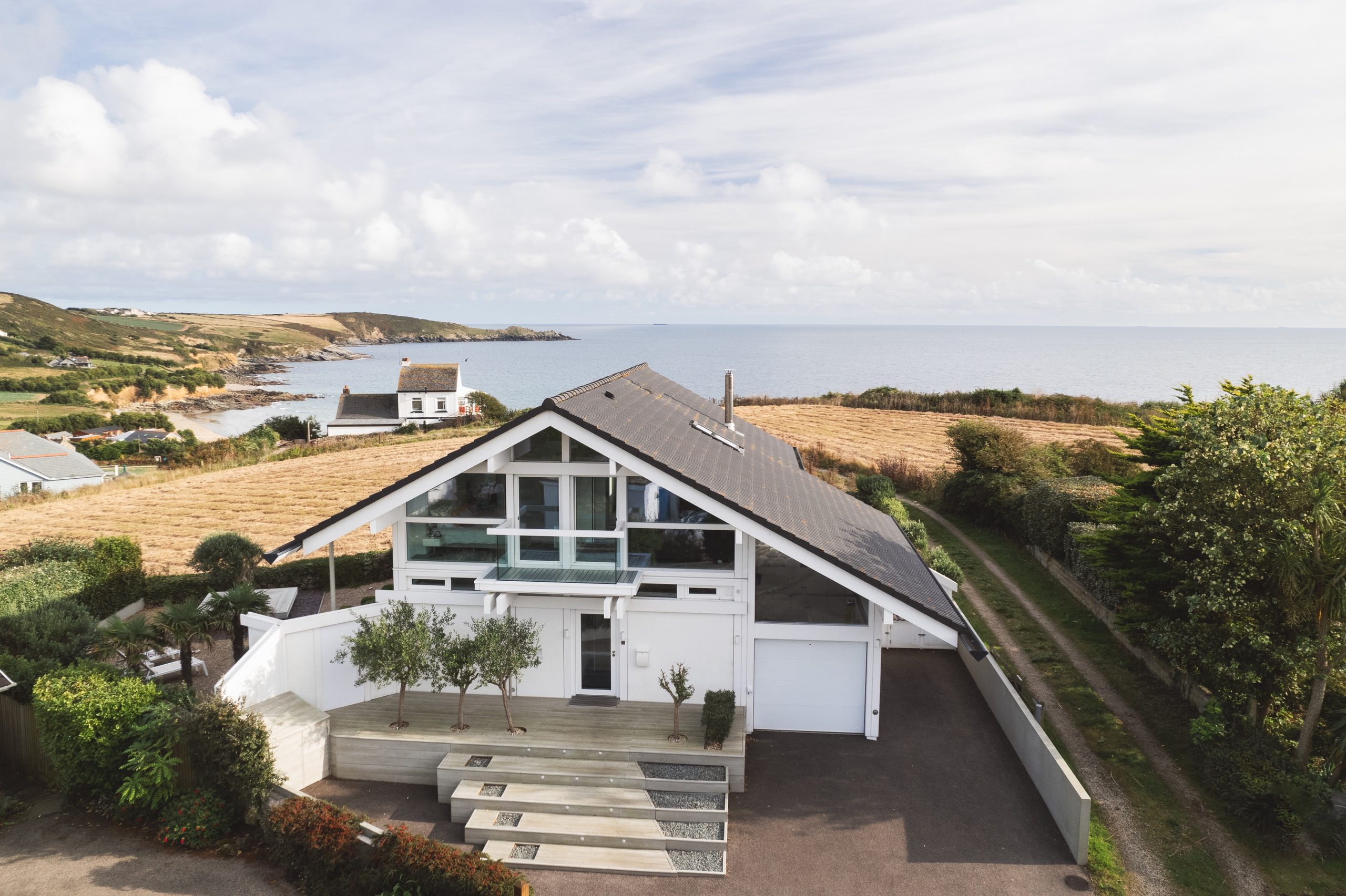
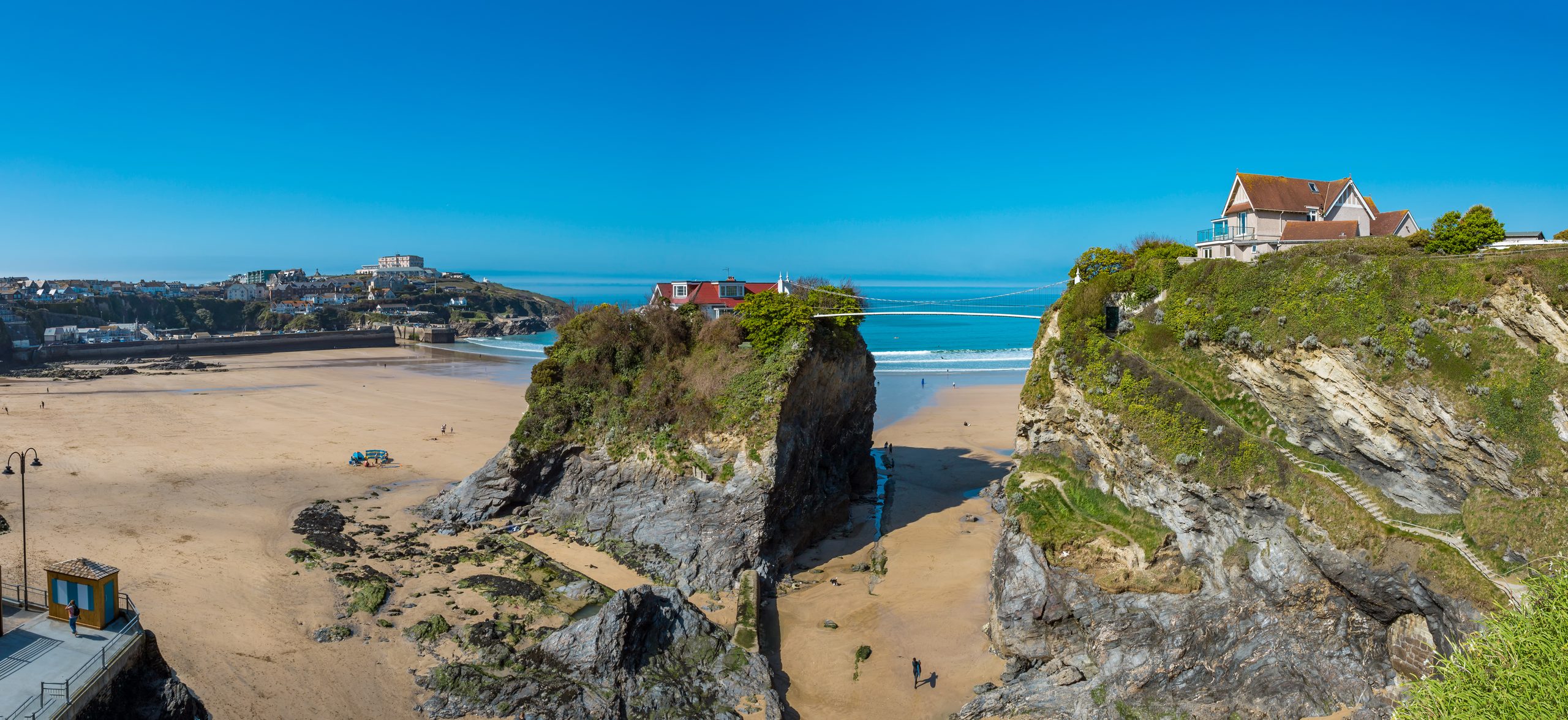
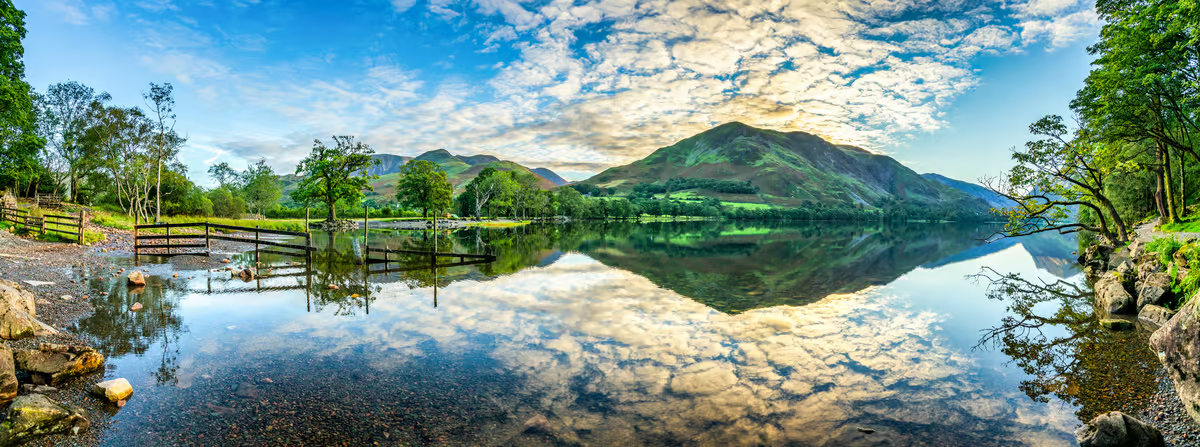
Some of our favourite Cornish stays
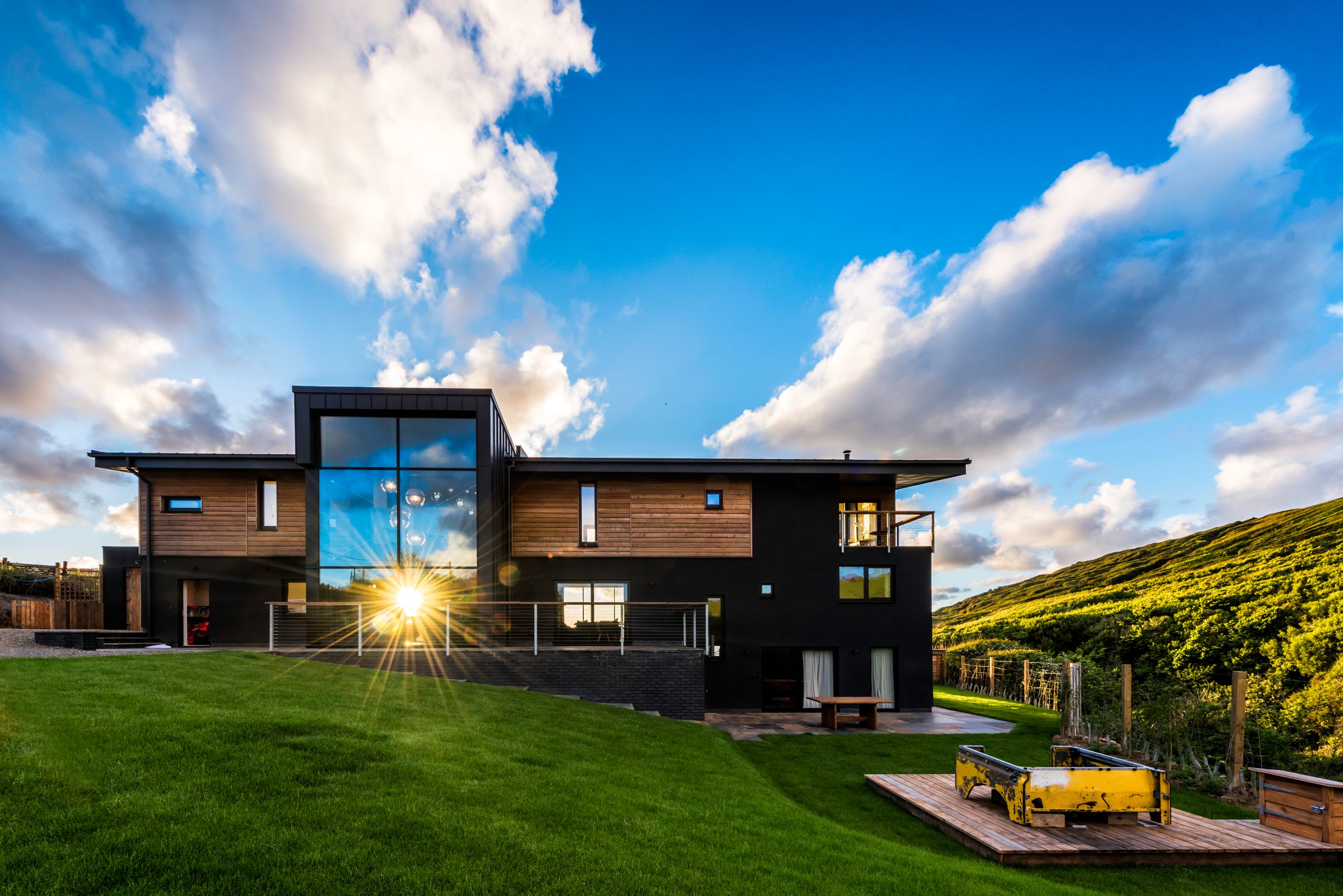
Barford Beach House
nr. Bude
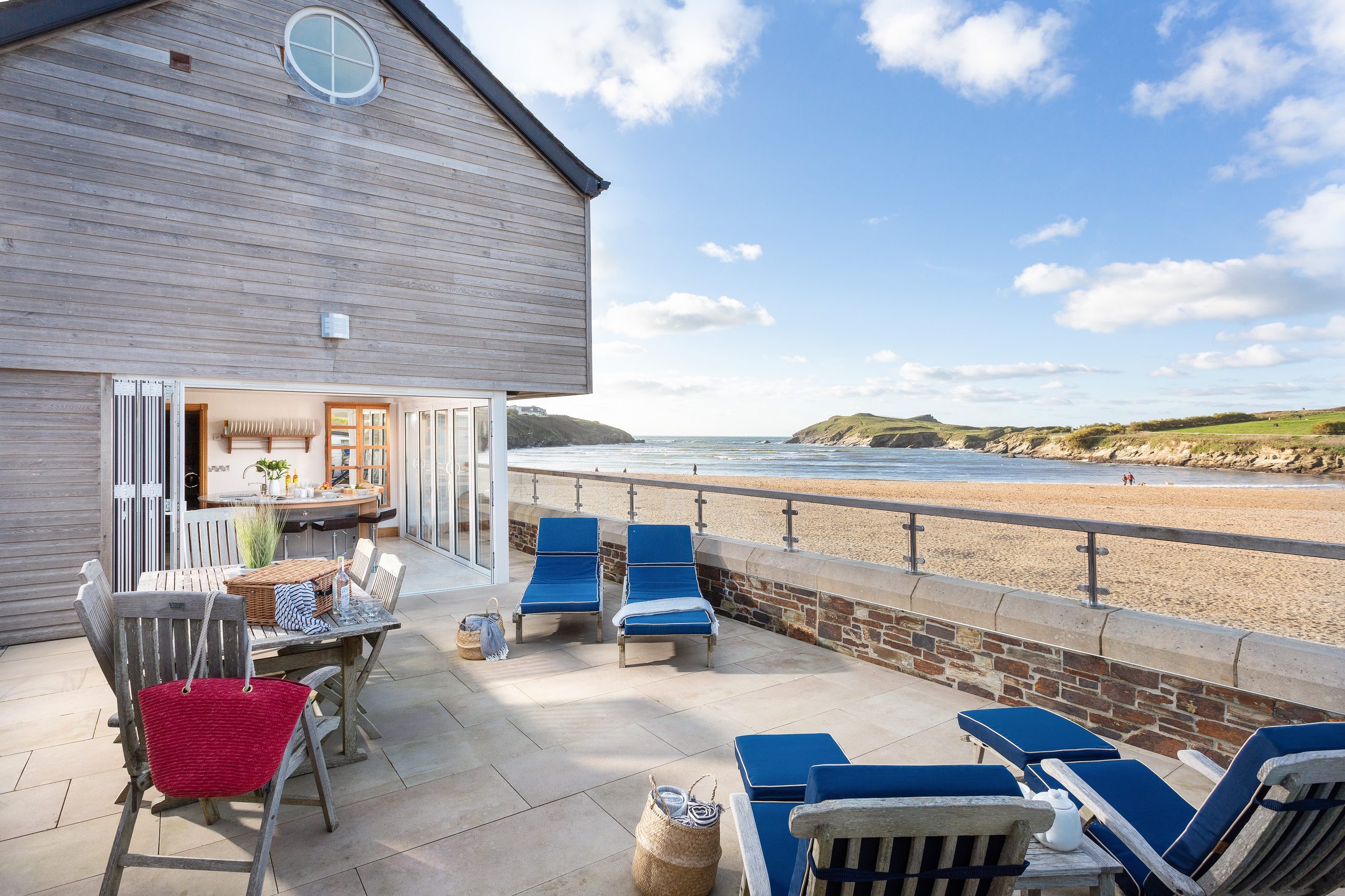
The Sail Loft
Porth
Buddha Beach House
Near Looe
Angel View
Perranuthnoe
The Island
Newquay
Lake District – Freshwater swimming with mountain views
The Lake District, set in the heart of Cumbria in North West England, is one of the most scenic places for wild swimming in the UK. Famous for its vast lakes, dramatic fells and tranquil valleys, it offers a completely different experience to coastal swimming. Wild swimming in the Lake District is all about calm, open water, breathtaking mountain backdrops and a slower, more peaceful pace — perfect for those looking to fully immerse themselves in nature.
- Stunning natural scenery: Surrounded by mountains and rolling hills, the lakes provide some of the most picturesque swimming settings in the UK.
- Calm freshwater swimming: Unlike the sea, many lakes offer still, flat water that’s ideal for relaxed swims and longer dips.
- Variety of swim spots: From large, well-known lakes to smaller, quieter tarns, there’s something for every level of swimmer.
- Accessible locations: Many lakes are easy to reach, with clear entry points and nearby walking routes.
- Year-round appeal: Each season brings a different atmosphere, from warm summer swims to crisp, invigorating winter dips.
- Lake Windermere: The largest lake in England, offering plenty of accessible entry points and ideal conditions for longer, scenic swims.
- Buttermere: Known for its crystal-clear water and peaceful setting, this lake is perfect for a more tranquil and immersive swim.
- Ullswater: A beautiful, less crowded lake with a mix of easy access points and more secluded swimming spots.
- Rydal Water: Smaller and more sheltered, making it a great choice for beginners or those looking for a gentler swim.
- Grasmere: A picturesque and relatively shallow lake with easy access, ideal for relaxed swims surrounded by iconic Lake District scenery.
- By car: The Lake District is easily reached via the M6 motorway, with key access points including junctions for Windermere, Penrith and Kendal. Driving allows you to explore multiple lakes and more remote areas.
- By train: Direct trains run from major cities such as London, Manchester and Glasgow to Oxenholme (for Windermere) and Penrith, with connecting services into the National Park.
- By public transport: Local buses and seasonal services connect many of the main towns and lakes, though services can be limited in more rural areas, so planning ahead is recommended.
Some of our favourite Lake District stays
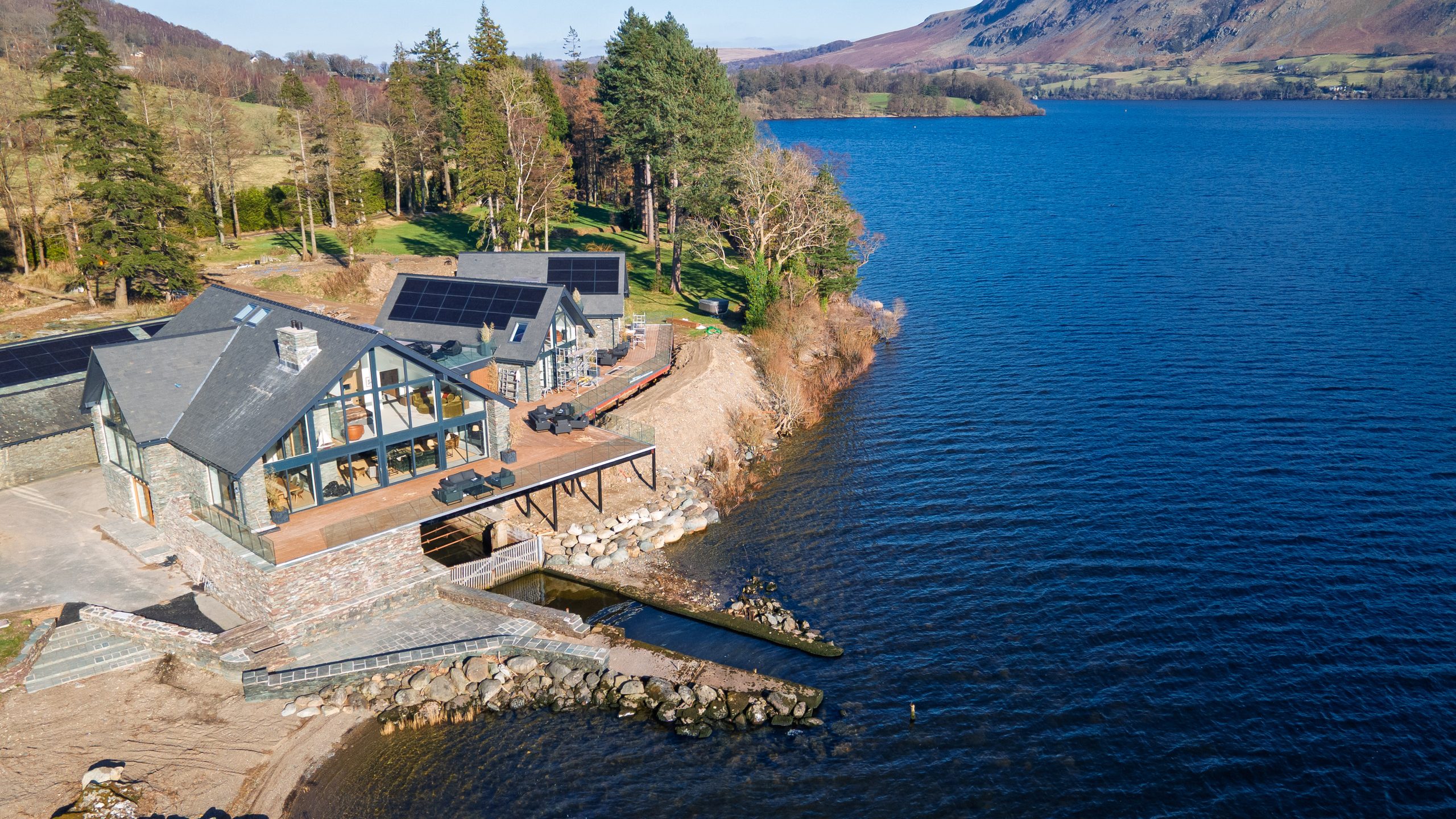
Lakefield Boathouse
Watermillock
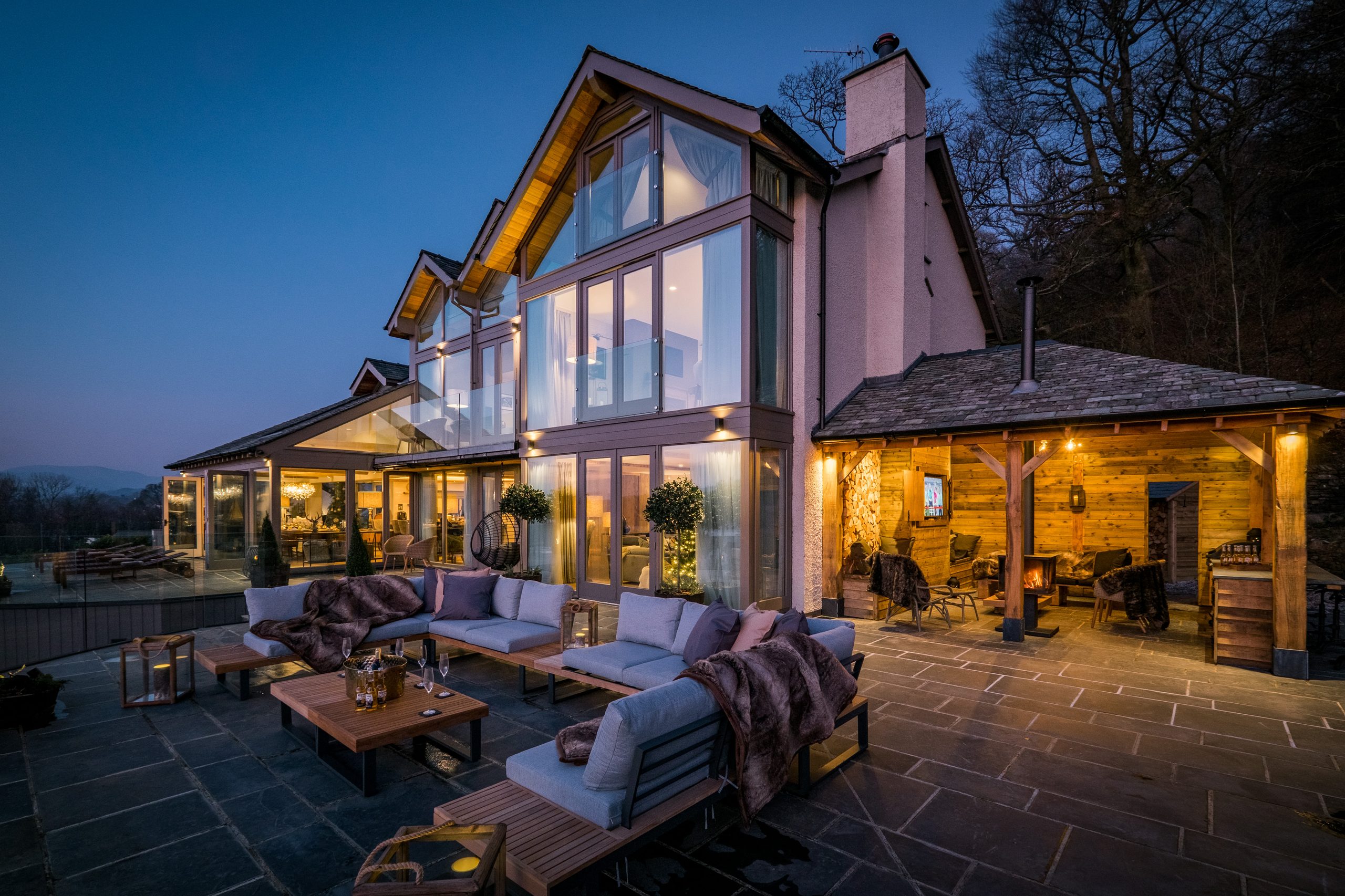
Post Knott Lodge
Windermere
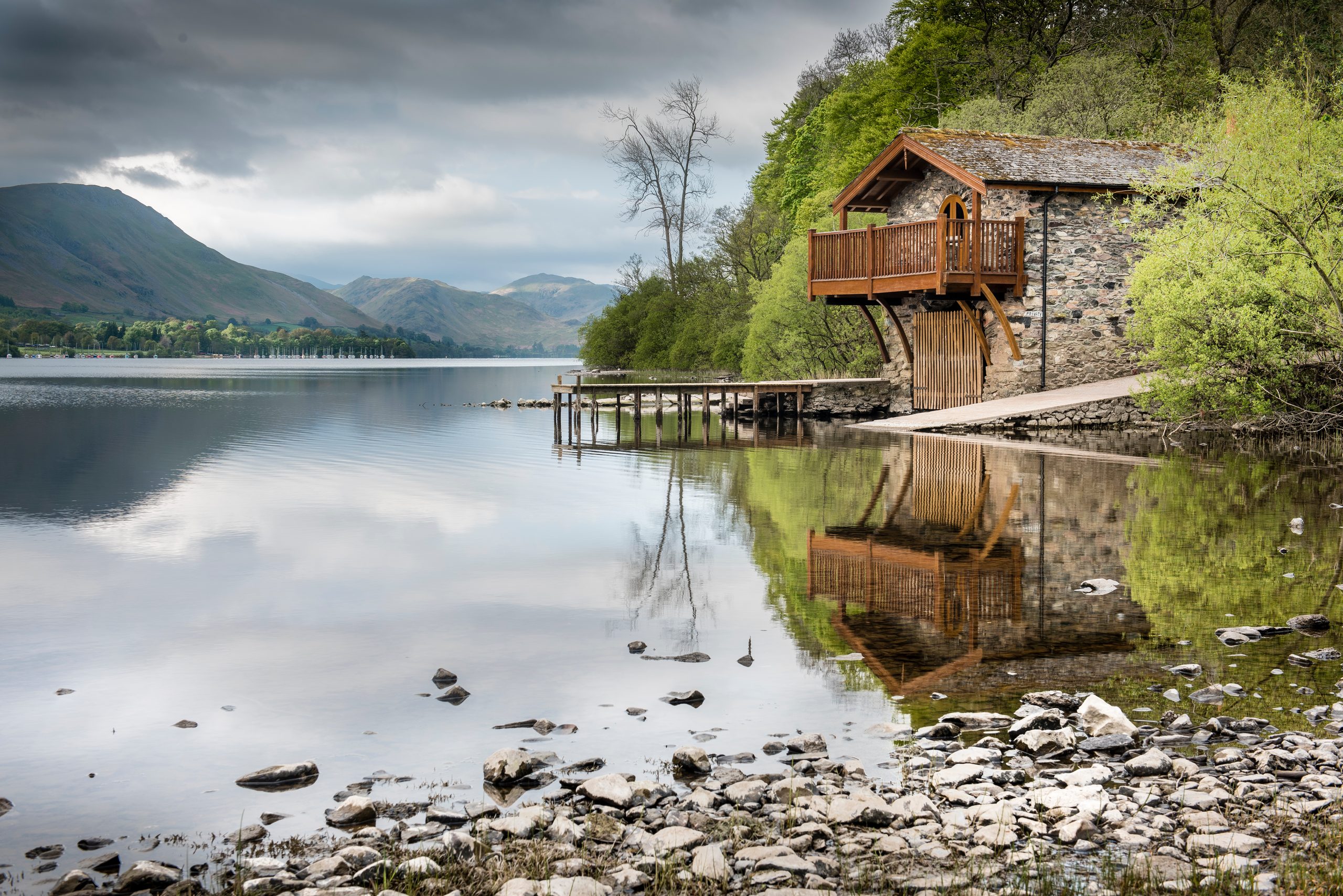
Duke of Portland Boathouse
Penrith
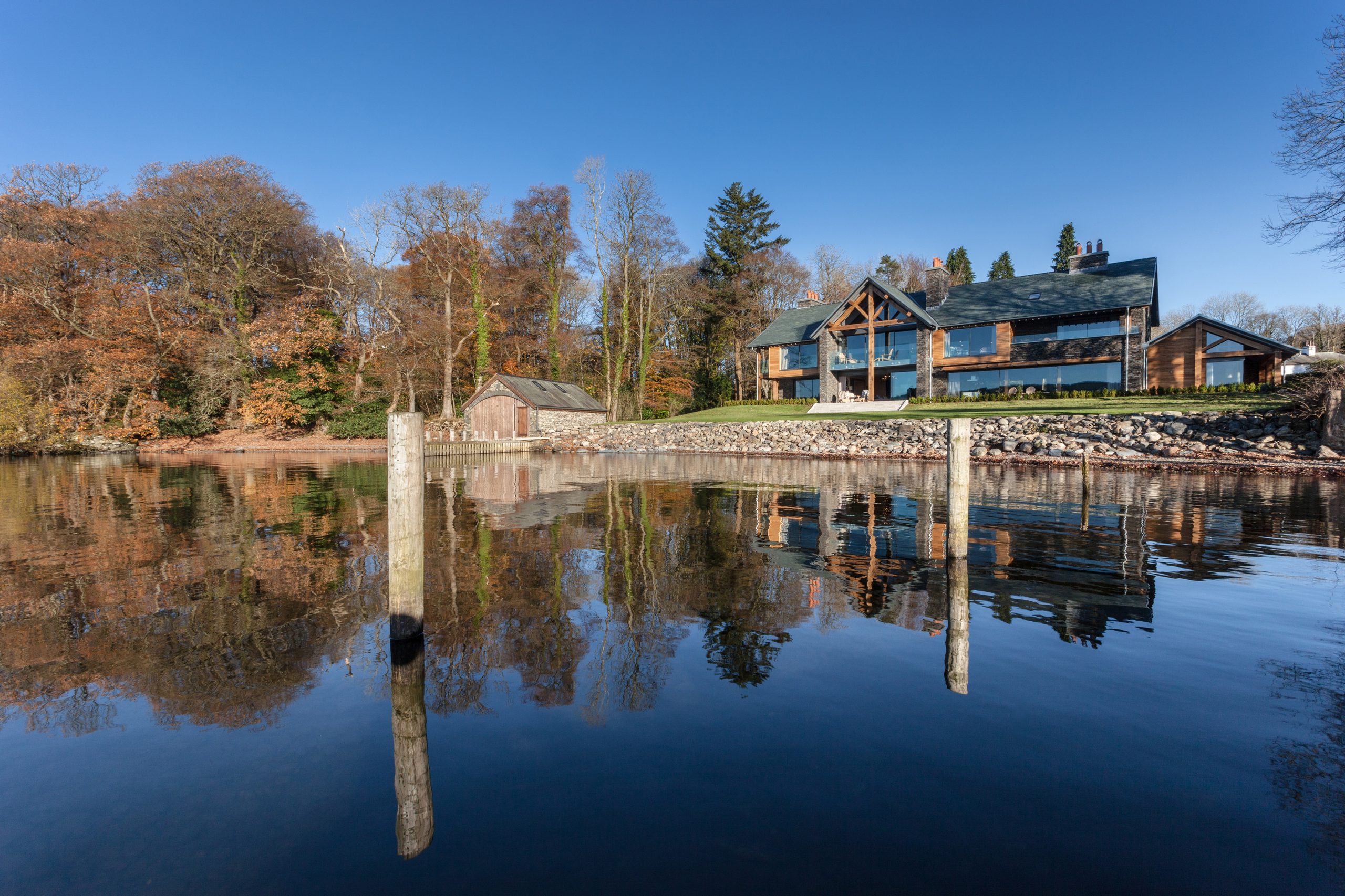
Grey Gables
Bowness on Windermere
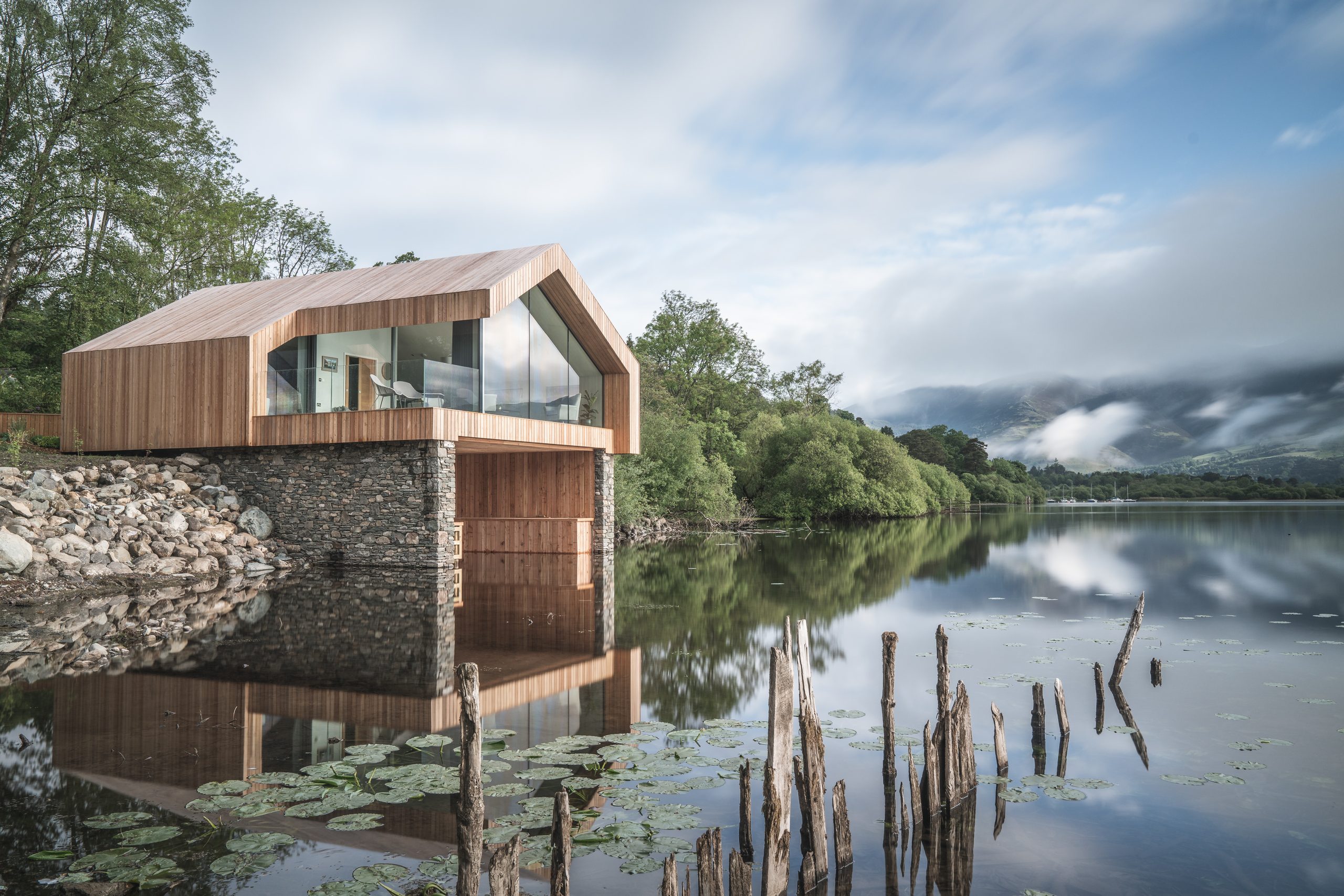
Lingholm Boathouse
Keswick
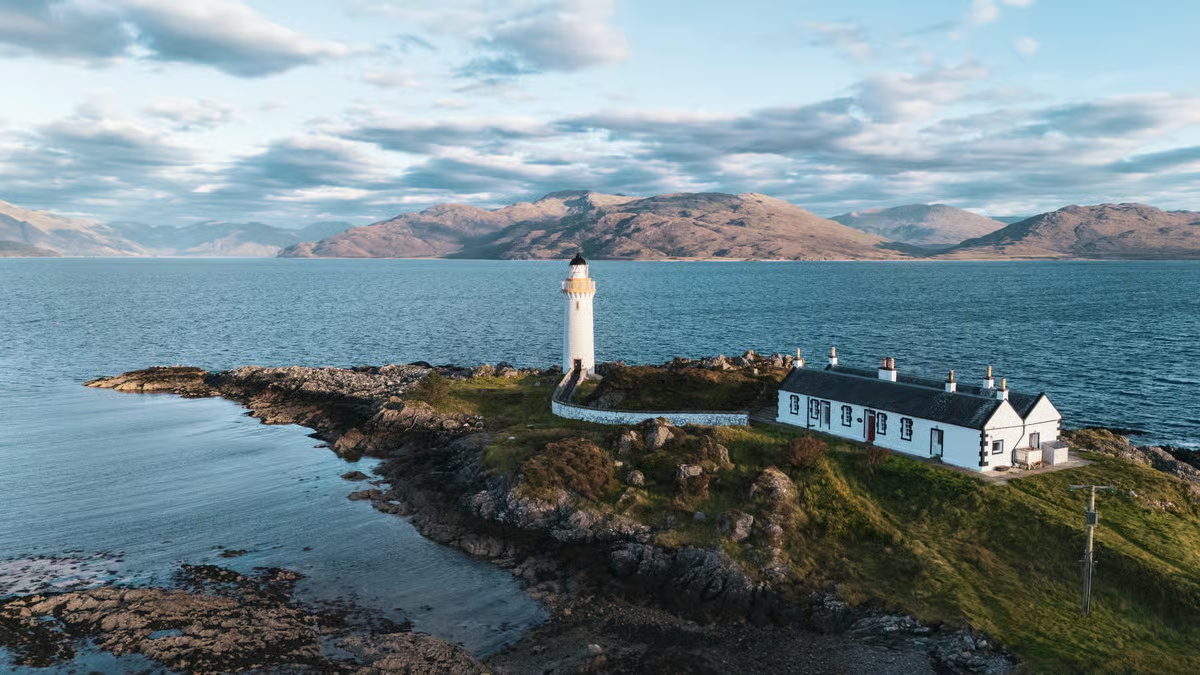
Scottish Highlands – Remote lochs and truly wild swimming
The Scottish Highlands are home to some of the most remote and breathtaking wild swimming locations in the UK. Stretching across vast landscapes of mountains, glens and untouched wilderness, this region is defined by its deep, still lochs and dramatic scenery. Wild swimming in the Scottish Highlands is less about convenience and more about immersion — quiet, powerful, and often completely solitary. For those willing to embrace cooler waters and wilder conditions, it offers one of the most unforgettable open water experiences in the country.
- Unspoilt, remote locations: Many Highland lochs are set far from towns and roads, offering a true sense of escape and solitude.
- Dramatic landscapes: Towering mountains, misty glens and vast open ???????????? create an unforgettable backdrop for every swim.
- Crystal-clear freshwater: Many lochs are incredibly ??????, with dark, peaty tones that add to their wild and atmospheric feel.
- Peace and tranquillity: You’ll often have entire stretches of water to yourself, making it ideal for mindful, uninterrupted swims.
- A true sense of adventure: Swimming here feels raw and untamed, perfect for experienced swimmers looking for something more challenging.
- Loch Morlich: Set beneath the Cairngorm mountains, this sandy-edged loch offers relatively accessible swimming with incredible views.
- Loch Ness: One of Scotland’s most famous lochs, offering vast, deep waters and a unique, atmospheric swimming experience.
- Loch Lomond: On the edge of the Highlands, this large loch offers a mix of accessible beaches and quieter, more secluded spots.
- Fairy Pools, Isle of Skye: A series of crystal-clear pools and waterfalls, perfect for those seeking a more adventurous and scenic dip.
- Loch Affric: Often considered one of Scotland’s most beautiful glens, this loch offers peaceful, remote swimming surrounded by forest and mountains.
- By car: The Highlands are best explored by car, with routes from cities like Glasgow, Edinburgh and Inverness leading deep into the region. Driving allows access to more remote lochs and hidden swimming spots.
- By train: Rail services run to key hubs such as Inverness, Fort William and Aviemore, with some of the most scenic train journeys in the UK.
- By public transport: Buses connect major towns and villages, but services can be infrequent in remote areas, so careful planning is essential.
Some of our favourite Highland stays
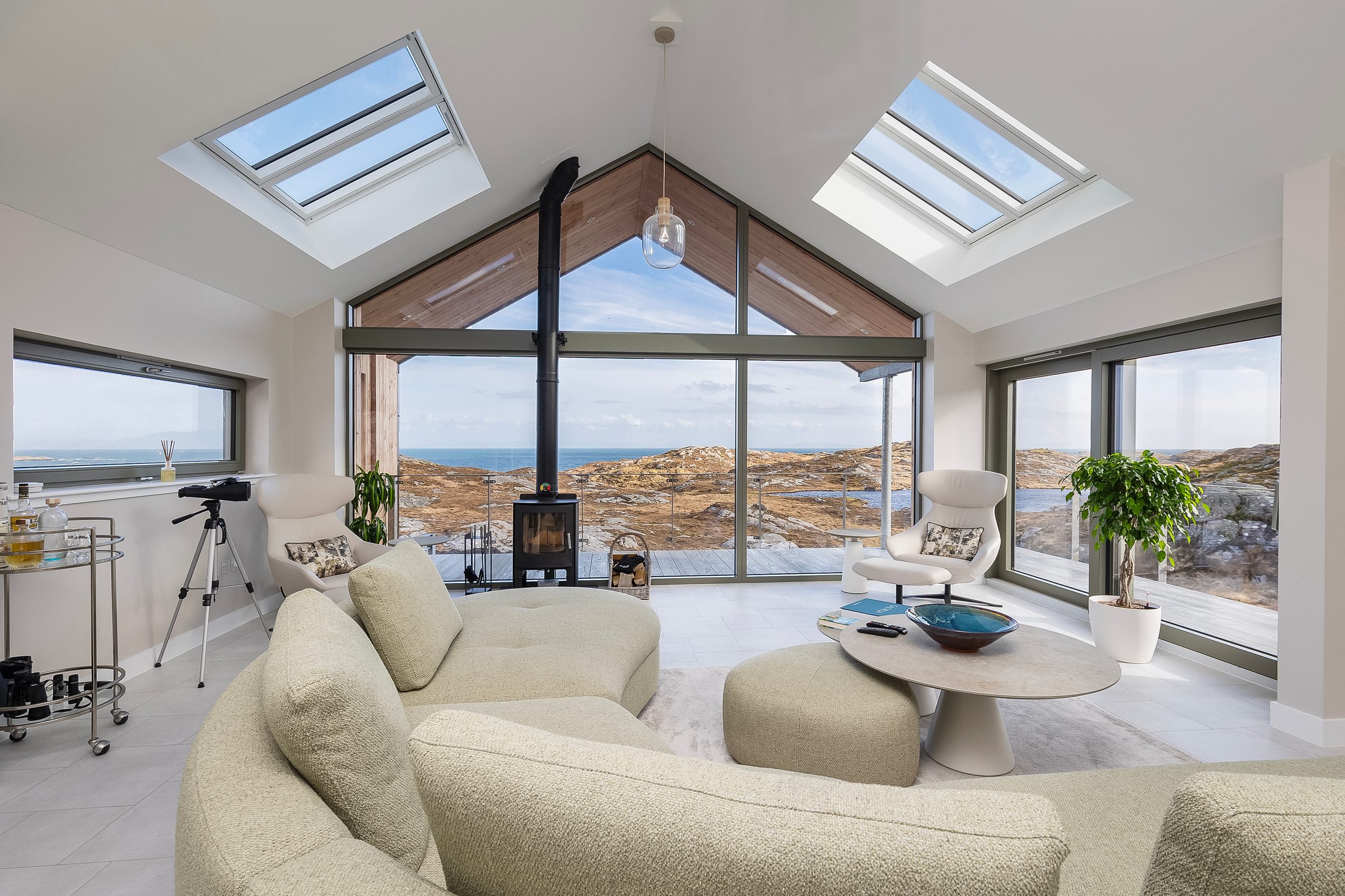
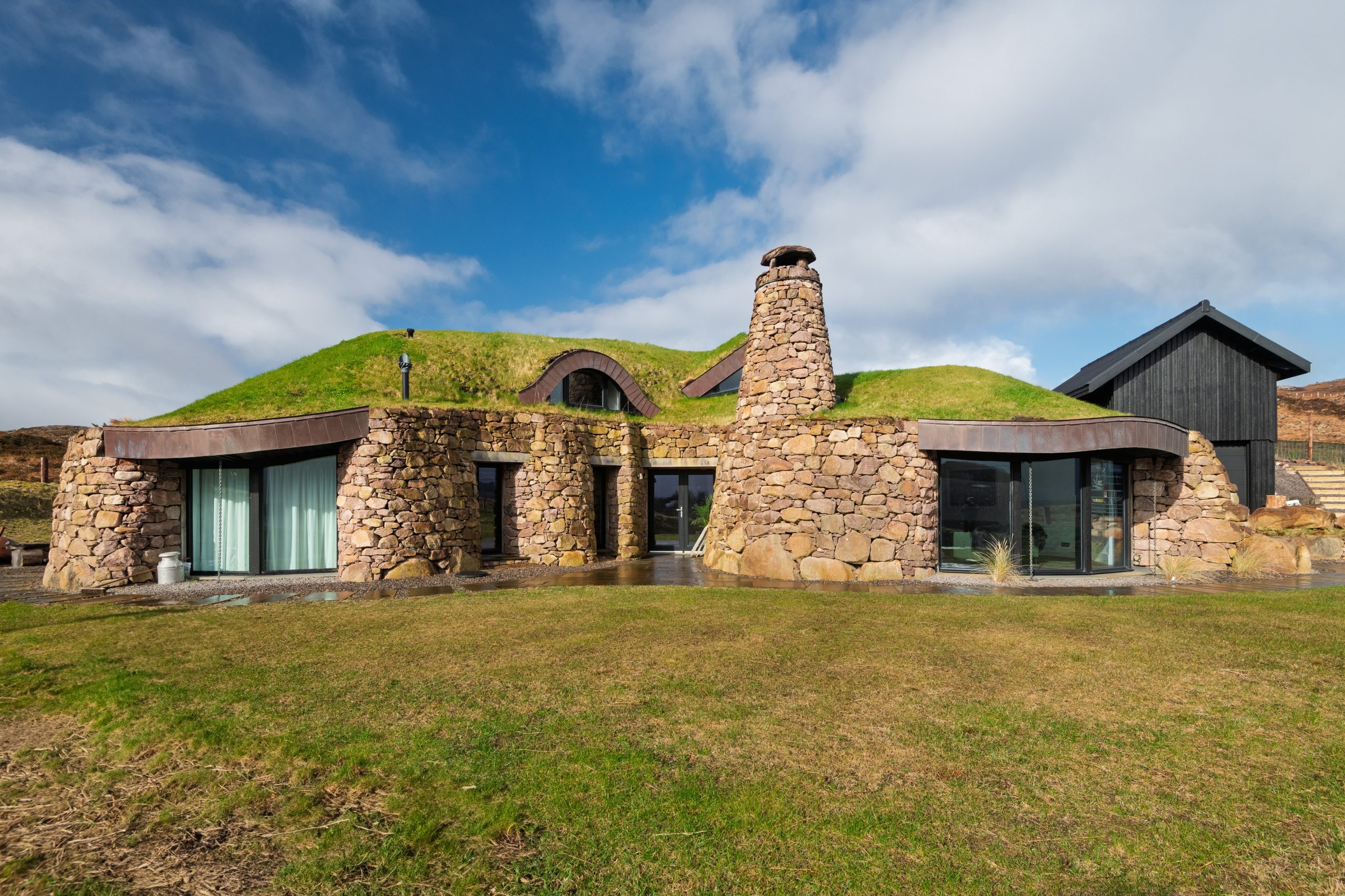
Baile An Or
Isle of Harris
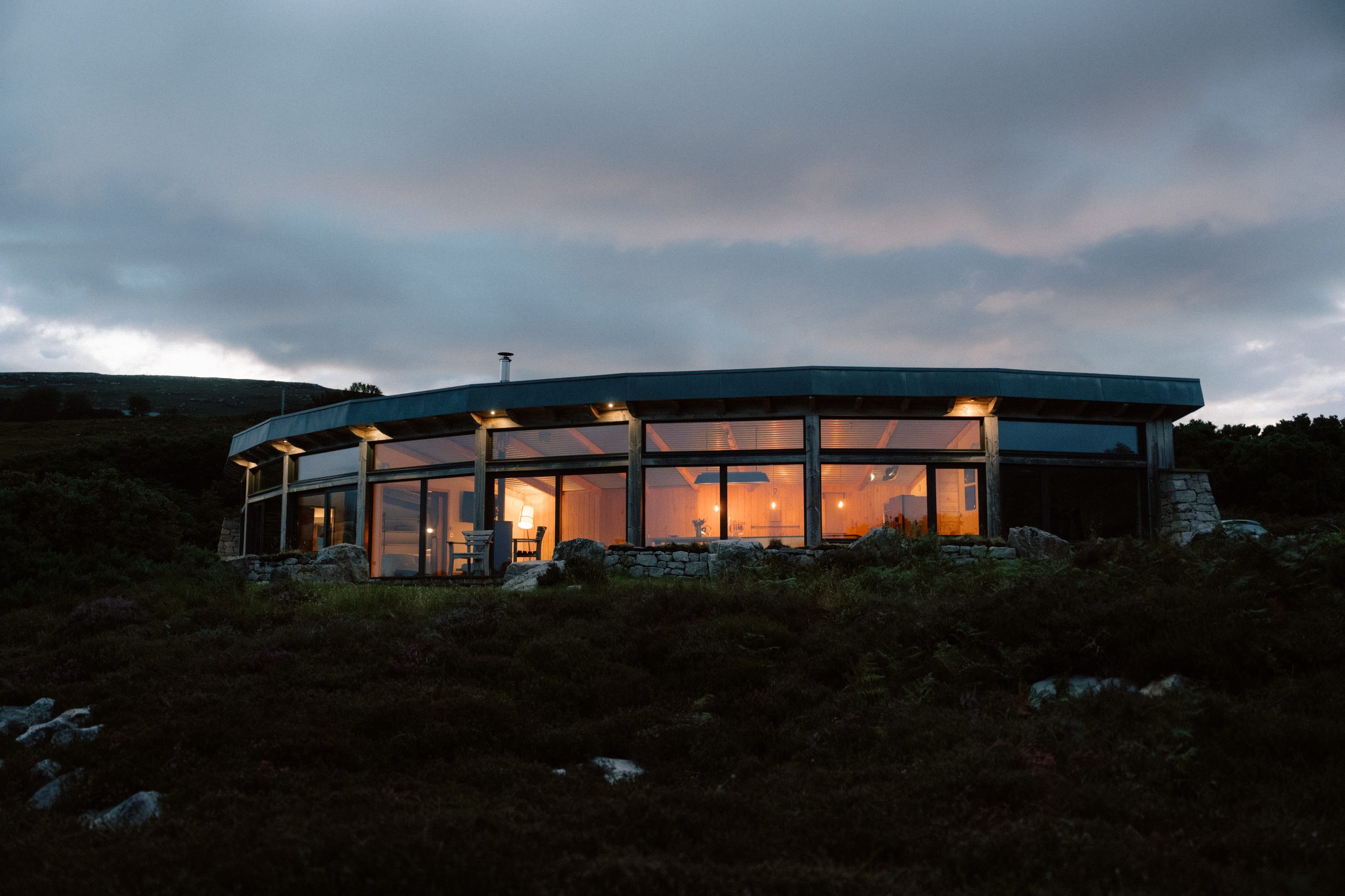
Croft 103
Durness
Lewie’s Croft
Achnasheen
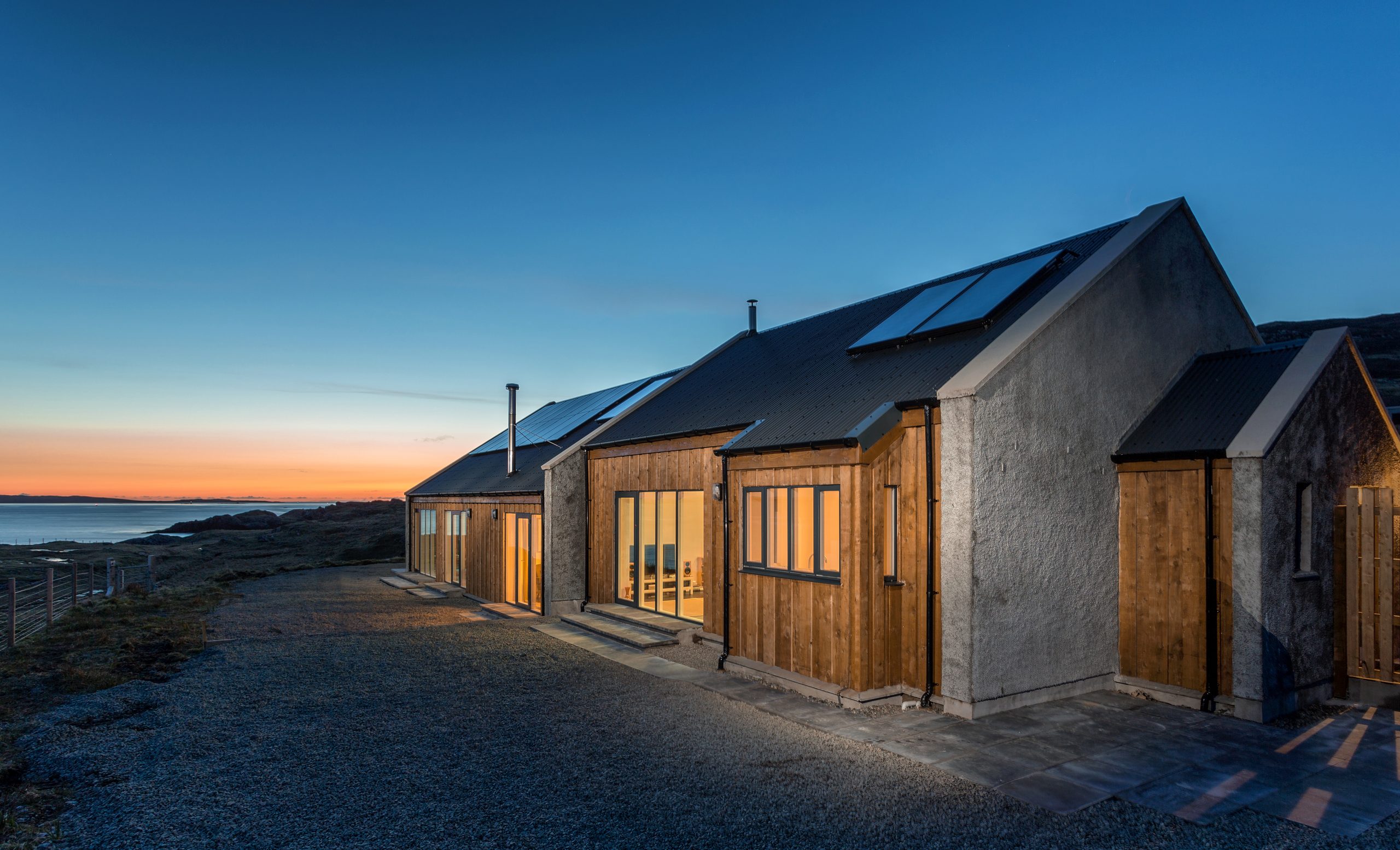
Sound of Harris - The Other House
Isle of Harris
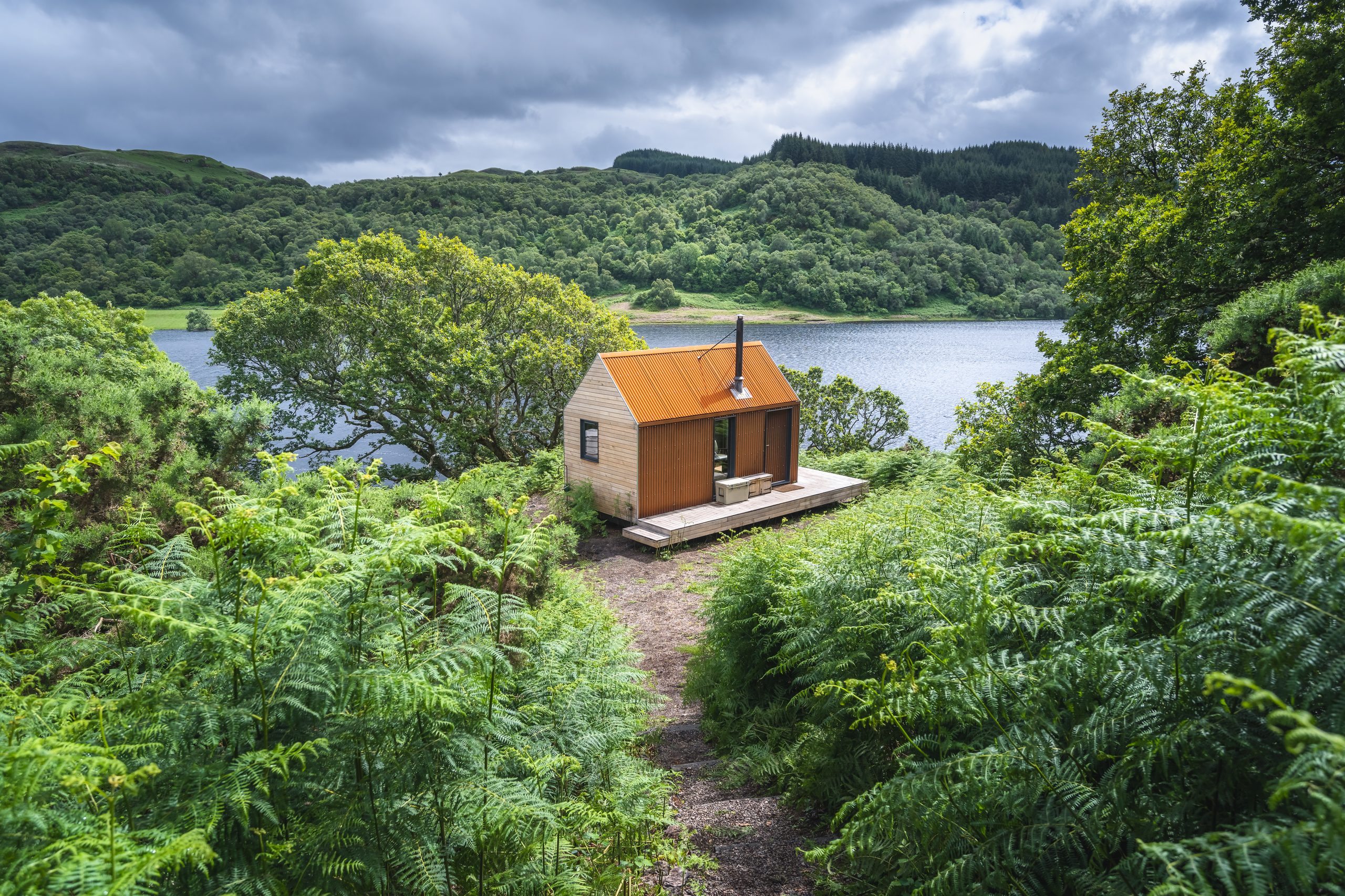
Inverlonan Bothies
Oban
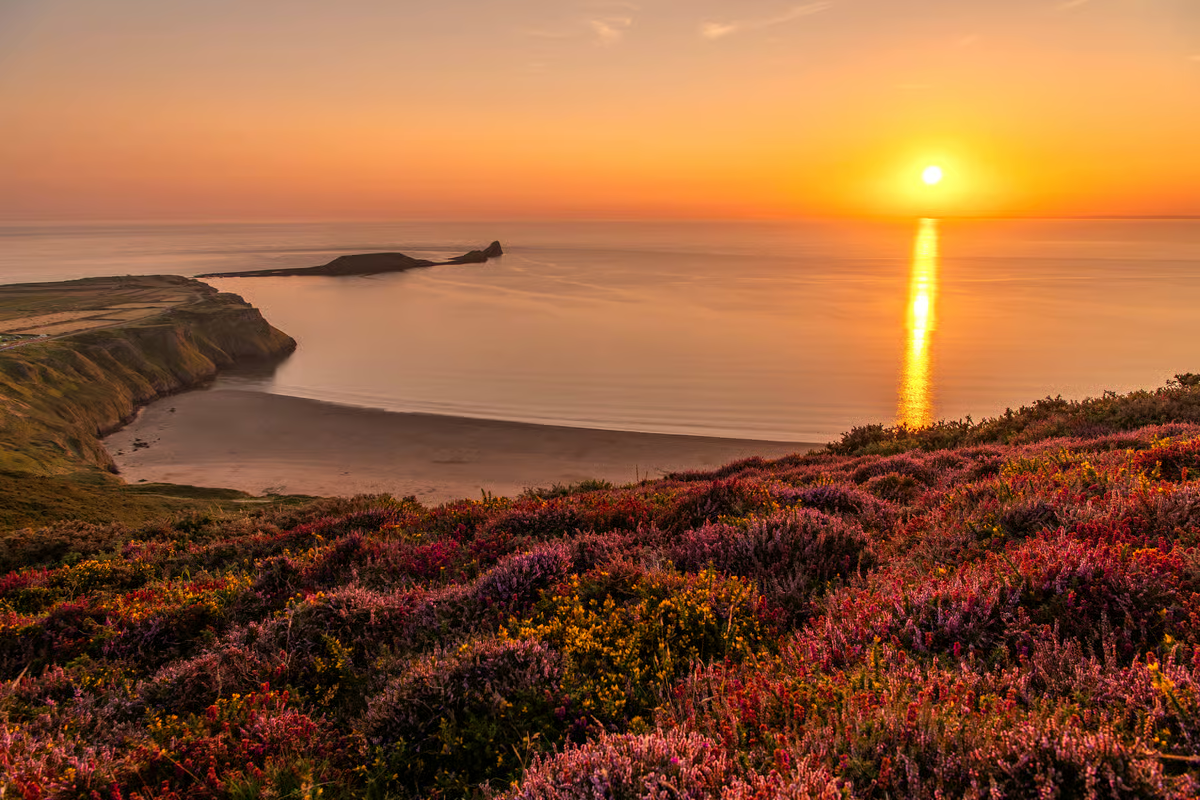
Wales – Rivers, waterfalls and natural plunge pools
Wales is one of the most diverse and adventurous destinations for wild swimming in the UK, offering everything from fast-flowing rivers and hidden woodland pools to dramatic waterfalls and mountain lakes. From the rugged landscapes of Snowdonia (Eryri) to the lush valleys of the Brecon Beacons (Bannau Brycheiniog), wild swimming in Wales is all about discovery. Expect cool, fresh water, ever-changing conditions and a real sense of exploration as you seek out some of the country’s most beautiful natural swimming spots.
- Incredible variety of locations: From rivers and waterfalls to lakes and coastal spots, Wales offers a huge range of wild swimming environments.
- Waterfall swims: Some of the UK’s most iconic waterfall plunge pools can be found here, offering a truly unique swimming experience.
- Lush, scenic landscapes: Think forested valleys, rugged mountains and hidden valleys that create a magical setting for a swim.
- Adventure and exploration: Many spots require a short hike or bit of searching, adding to the sense of discovery.
- Quieter than other regions: You can often find peaceful, lesser-known locations away from the crowds.
- Watkins Path Pools (Snowdonia/Eryri): A series of clear mountain pools along the path to Snowdon, perfect for a refreshing dip after a hike.
- Blue Lagoon, Abereiddy (Pembrokeshire): A striking former quarry with deep blue water, popular for adventurous swimmers and coasteering.
- Sgwd Yr Eira (Brecon Beacons/Bannau Brycheiniog): A stunning waterfall where you can walk behind the cascade before taking a dip in the pool below.
- Llyn Padarn (Snowdonia/Eryri): A large glacial lake with easy access points and incredible mountain views, suitable for longer swims.
- Afon Ddu Pools (North Wales): Hidden river pools surrounded by woodland, offering a quieter and more secluded swimming experience.
- By car: Wales is easily accessible via major routes such as the M4 (South Wales) and A55 (North Wales). Driving is the best way to reach more remote rivers, lakes and waterfall locations.
- By train: Direct services run from cities like London, Manchester and Birmingham to destinations such as Cardiff, Swansea, Bangor and Llandudno, with connections into national parks.
- By public transport: Local buses serve many towns and villages, but reaching more remote wild swimming spots often requires additional walking or planning ahead.
Some of our favourite Welsh stays
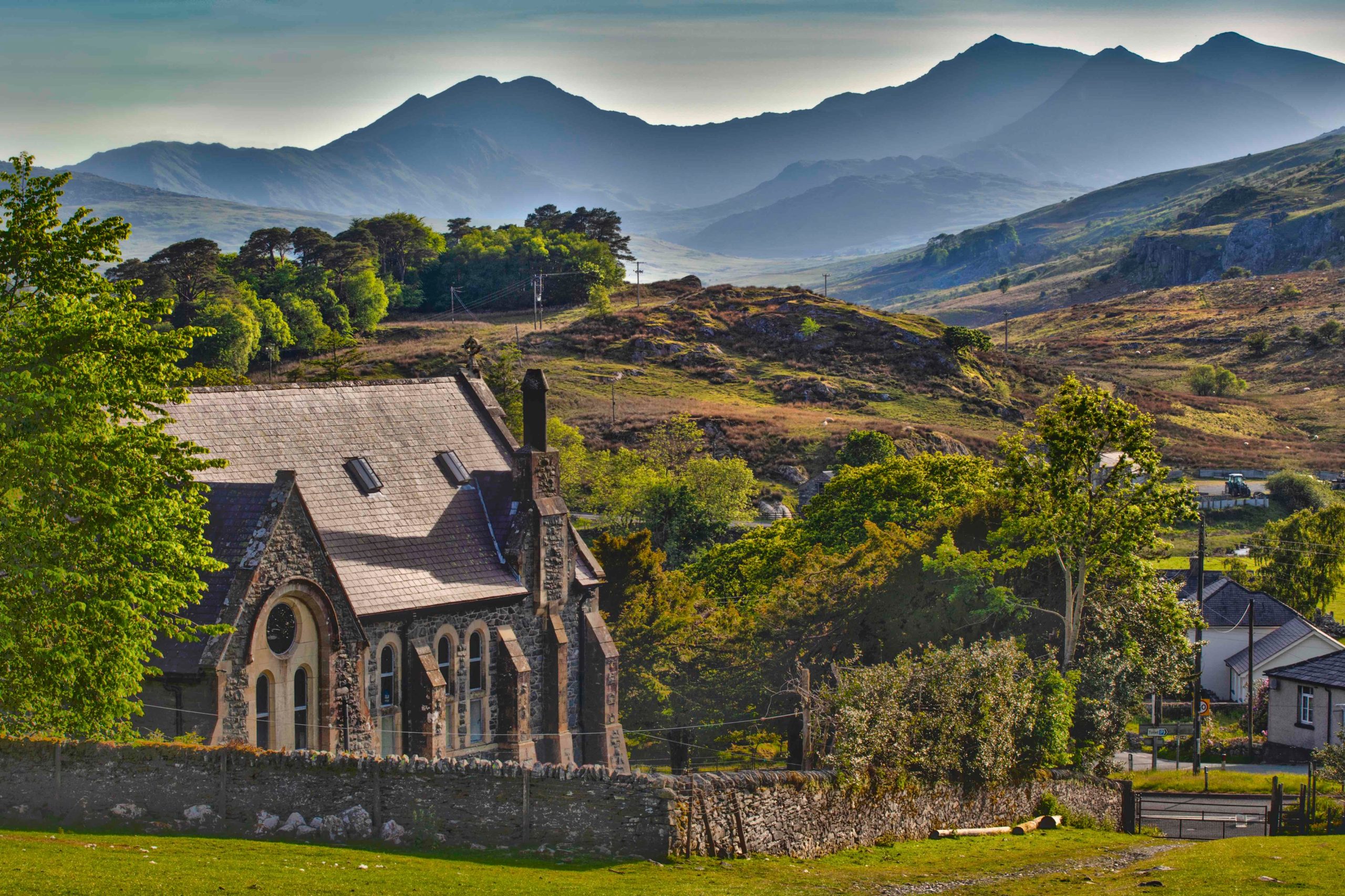
St Curig's Church
Betws y coed
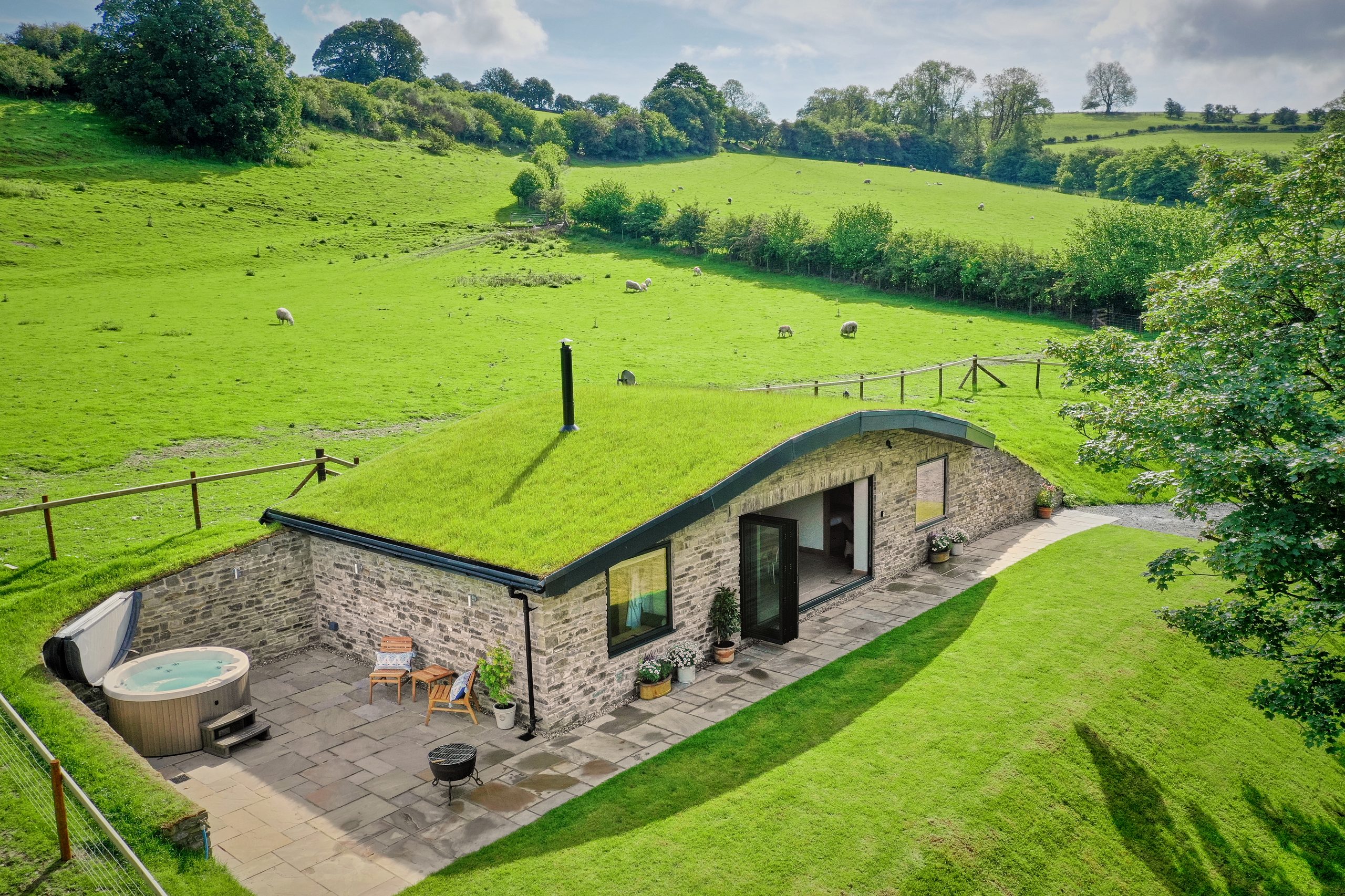
The Burrow
Bleddfa
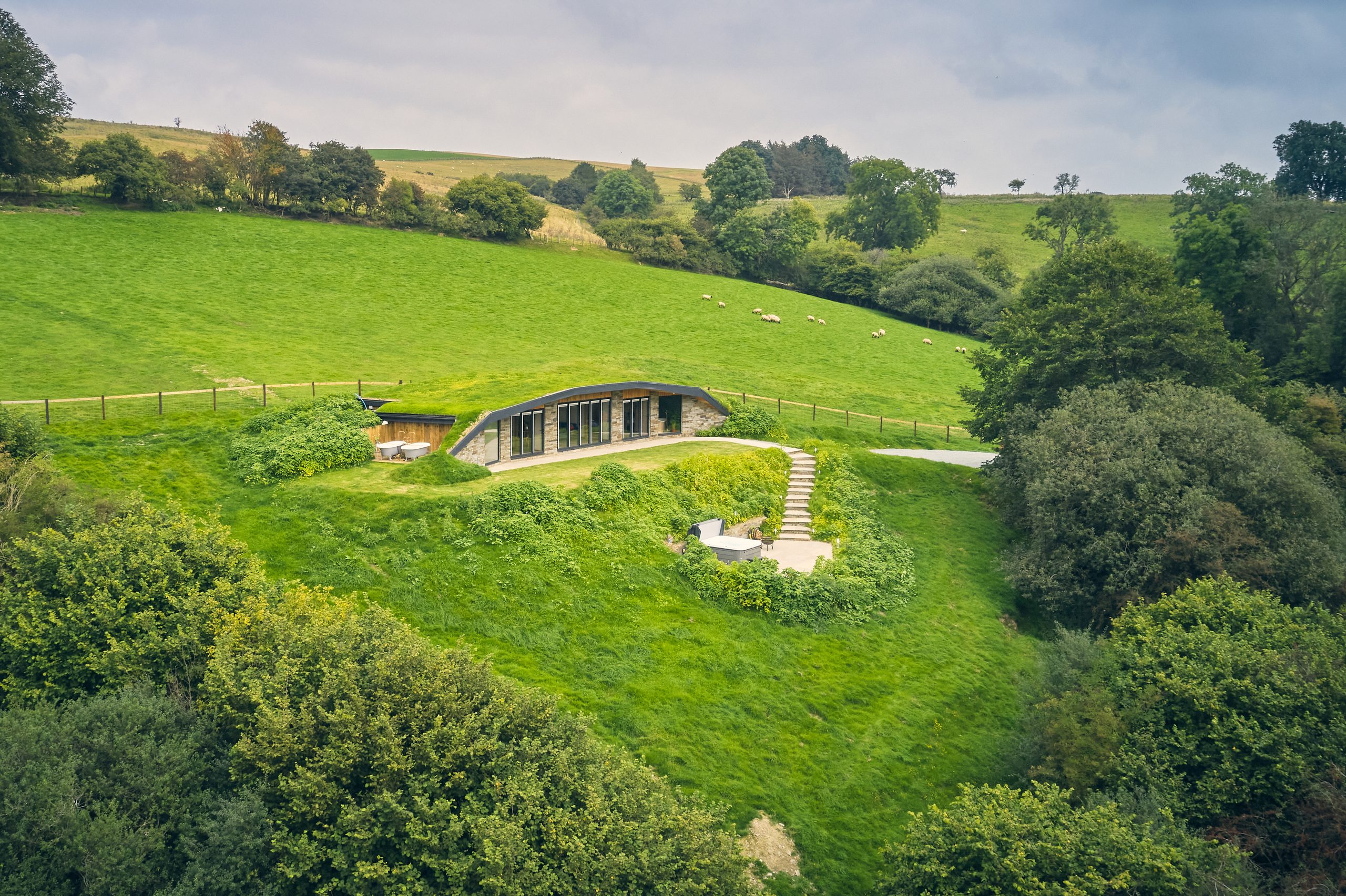
The Nest
Knighton
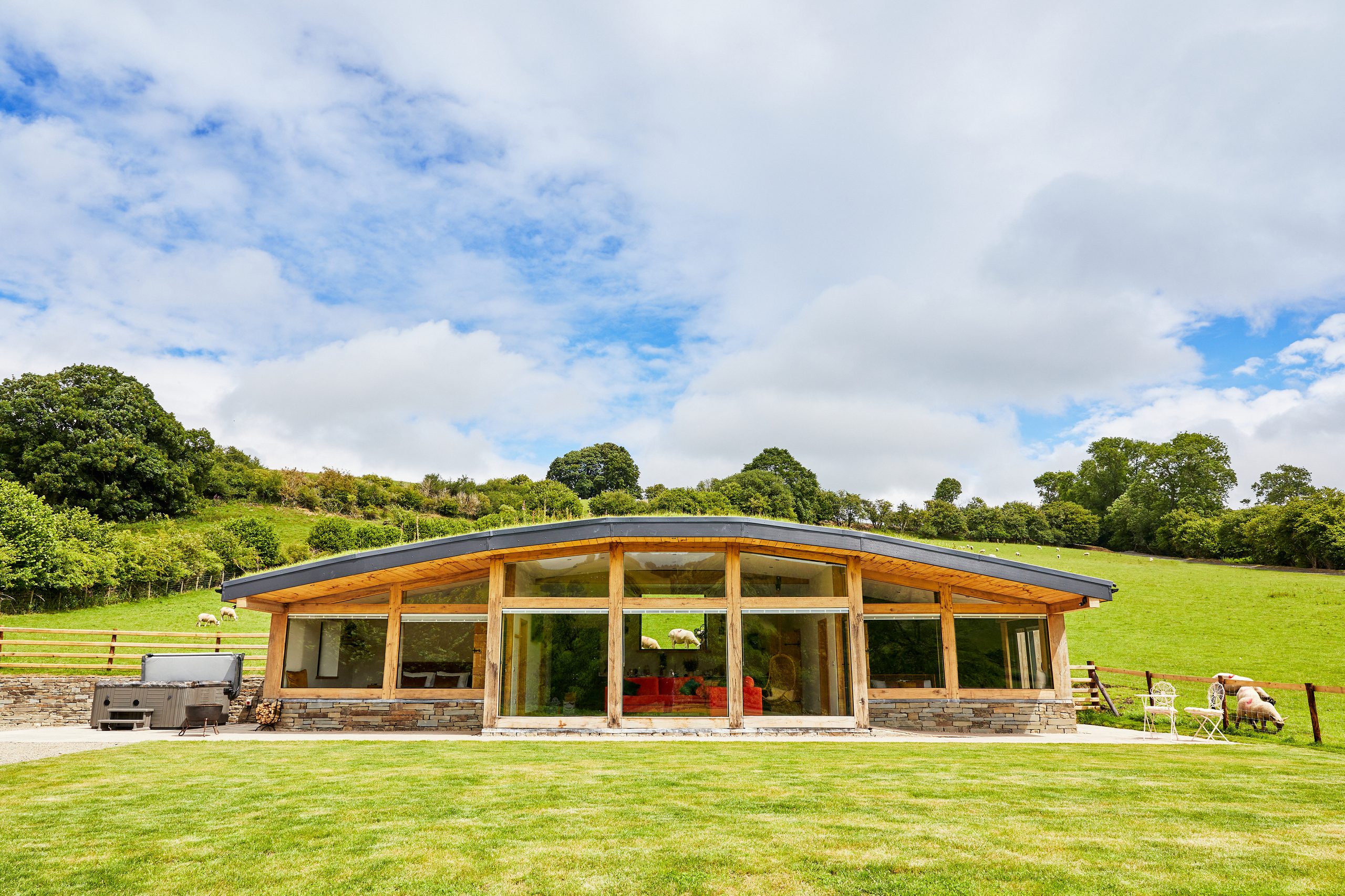
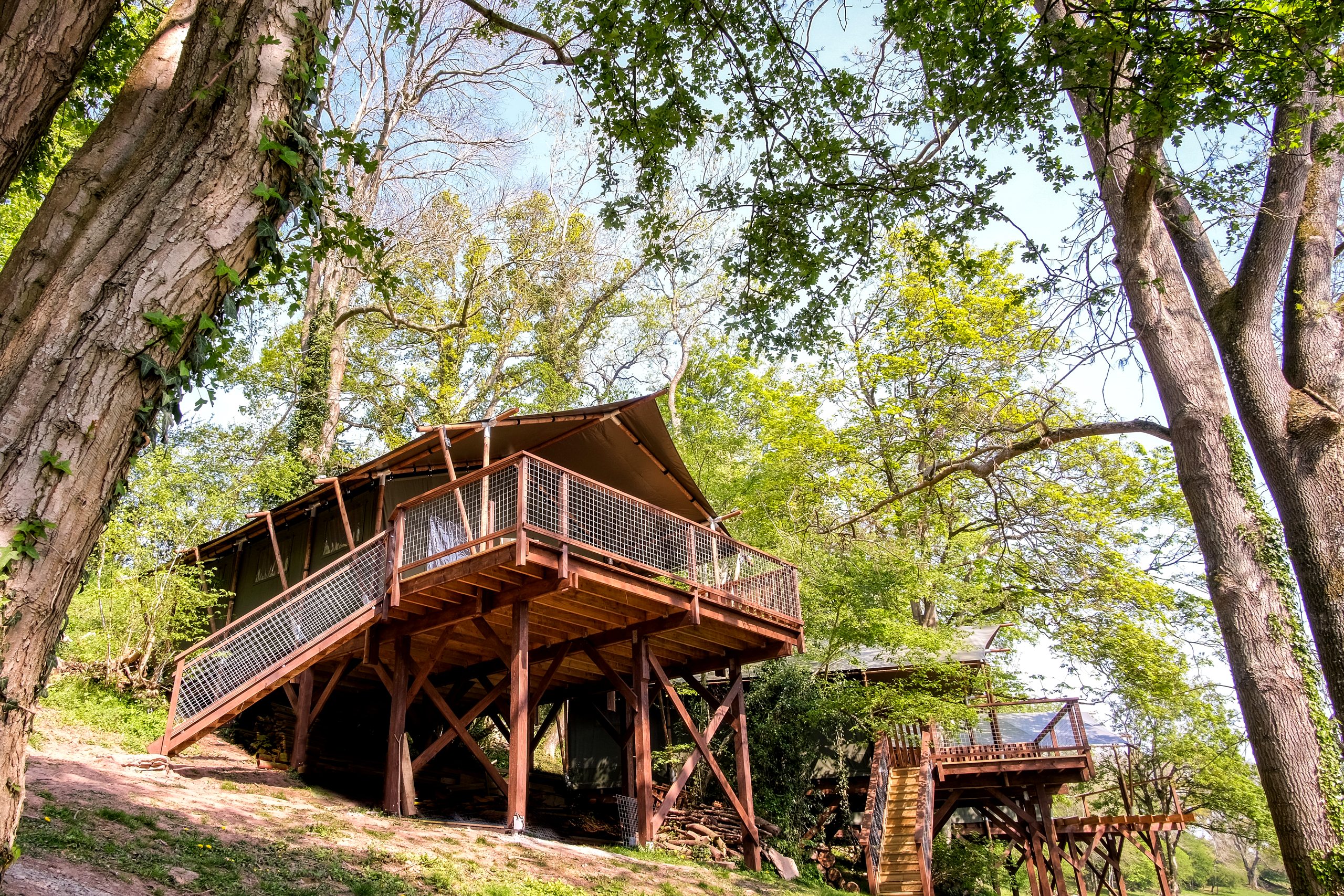
The Warren
Knighton
By the Wye
Hay-on-Wye
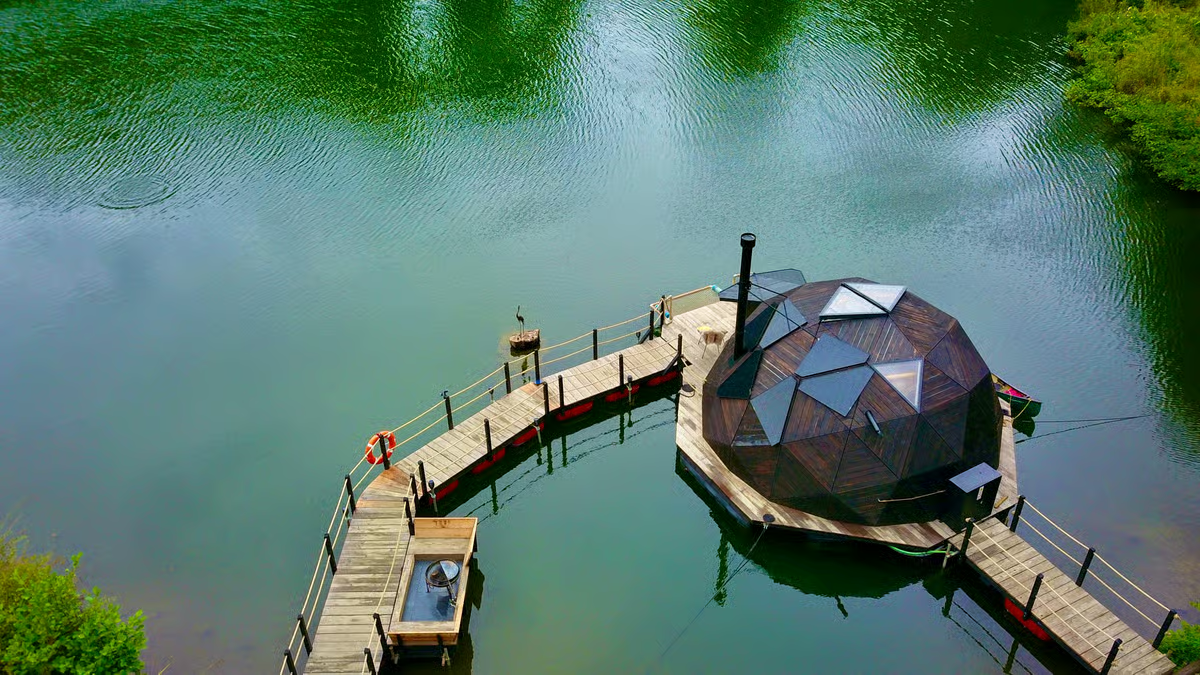
Devon & Dorset – Sheltered bays and coastal swims
Devon and Dorset, stretching along England’s stunning south coast, offer some of the most accessible and varied sea swimming in the UK. From the rolling cliffs of the Jurassic Coast to the calmer, sun-soaked shores of South Devon, this region is ideal for those looking for a more relaxed wild swimming experience. Wild swimming in Devon and Dorset is characterised by sheltered coves, clearer conditions and a slightly gentler pace than the wilder Atlantic-facing coasts, making it perfect for beginners, families and leisurely dips.
- Sheltered swimming spots: Many bays and coves are protected from strong winds and currents, creating calmer and more manageable conditions.
- Warmer, gentler waters: The south coast often enjoys slightly warmer sea temperatures and less powerful waves than the Atlantic side.
- Beautiful coastal scenery: From fossil-rich cliffs to sandy beaches and hidden coves, the landscapes are varied and visually stunning.
- Great for all levels: Ideal for beginners, families and those looking for a more relaxed sea swimming experience.
- Easy access: Many beaches are well-connected, with good facilities and straightforward entry points into the water.
- Durdle Door (Dorset): One of the UK’s most iconic coastal landmarks, offering clear waters and a memorable swim beneath its famous limestone arch.
- Lulworth Cove (Dorset): A near-perfect circular bay with calm, sheltered water, making it ideal for gentle, scenic swims.
- Blackpool Sands (Devon): A sheltered shingle beach with clean, clear water and a more tranquil atmosphere than many nearby spots.
- Bantham Beach (Devon): A wide sandy beach with beautiful views and generally good swimming conditions, though tides can influence the experience.
- Beer Beach (Devon): A charming, sheltered cove with clear water and a traditional fishing village feel, perfect for a relaxed dip.
- By car: Both counties are easily reached via the M5 (Devon) and A31/A35 (Dorset). Driving is ideal for exploring multiple beaches and finding quieter coves along the coast.
- By train: Direct trains run from London Waterloo and Paddington to destinations such as Exeter, Plymouth, Bournemouth and Weymouth, with connections to coastal towns.
- By public transport: Local buses and regional rail services connect many seaside towns and beaches, though some smaller coves may require a short walk to access.
Some of our favourite Devon and Dorset stays
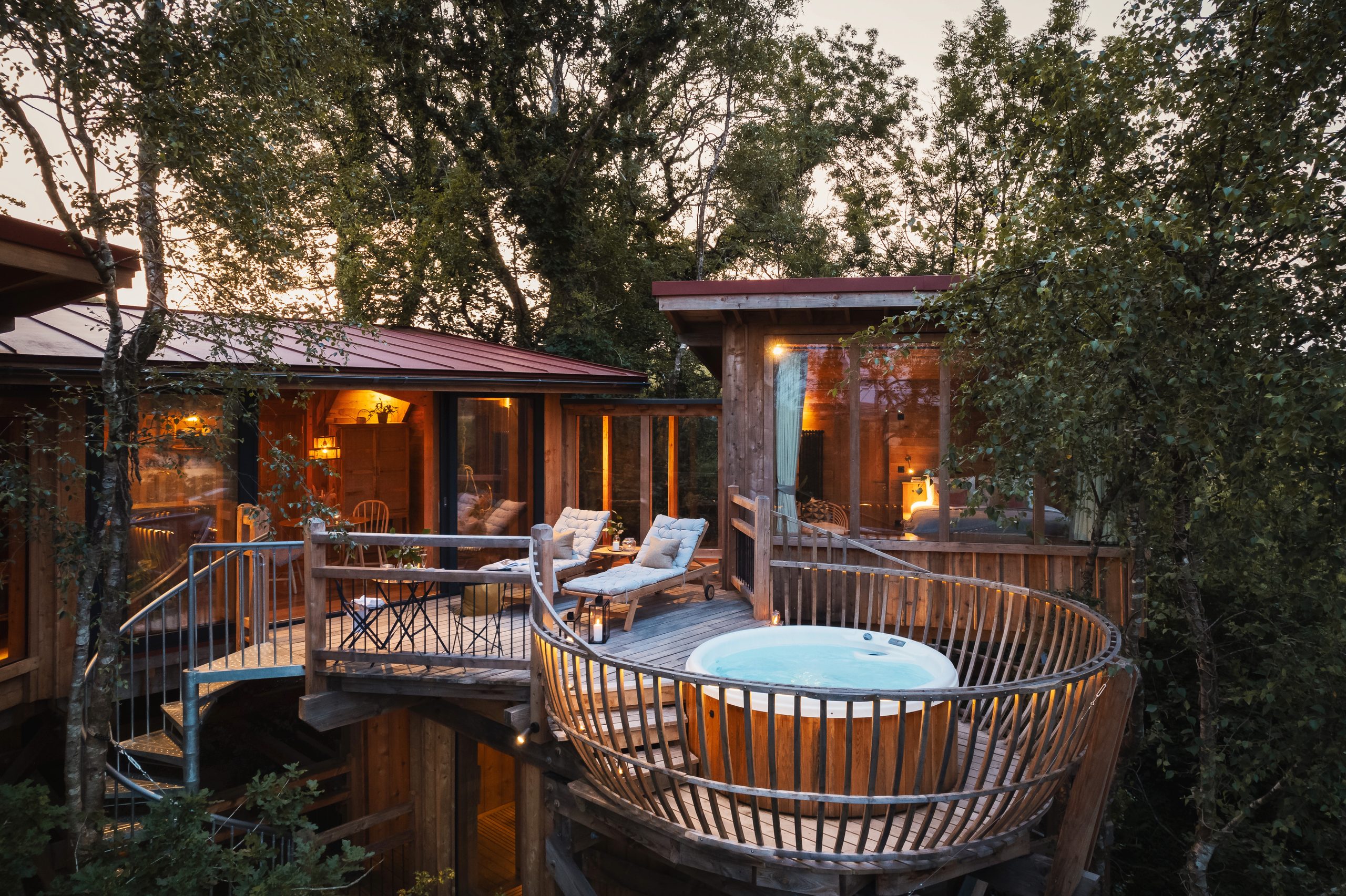
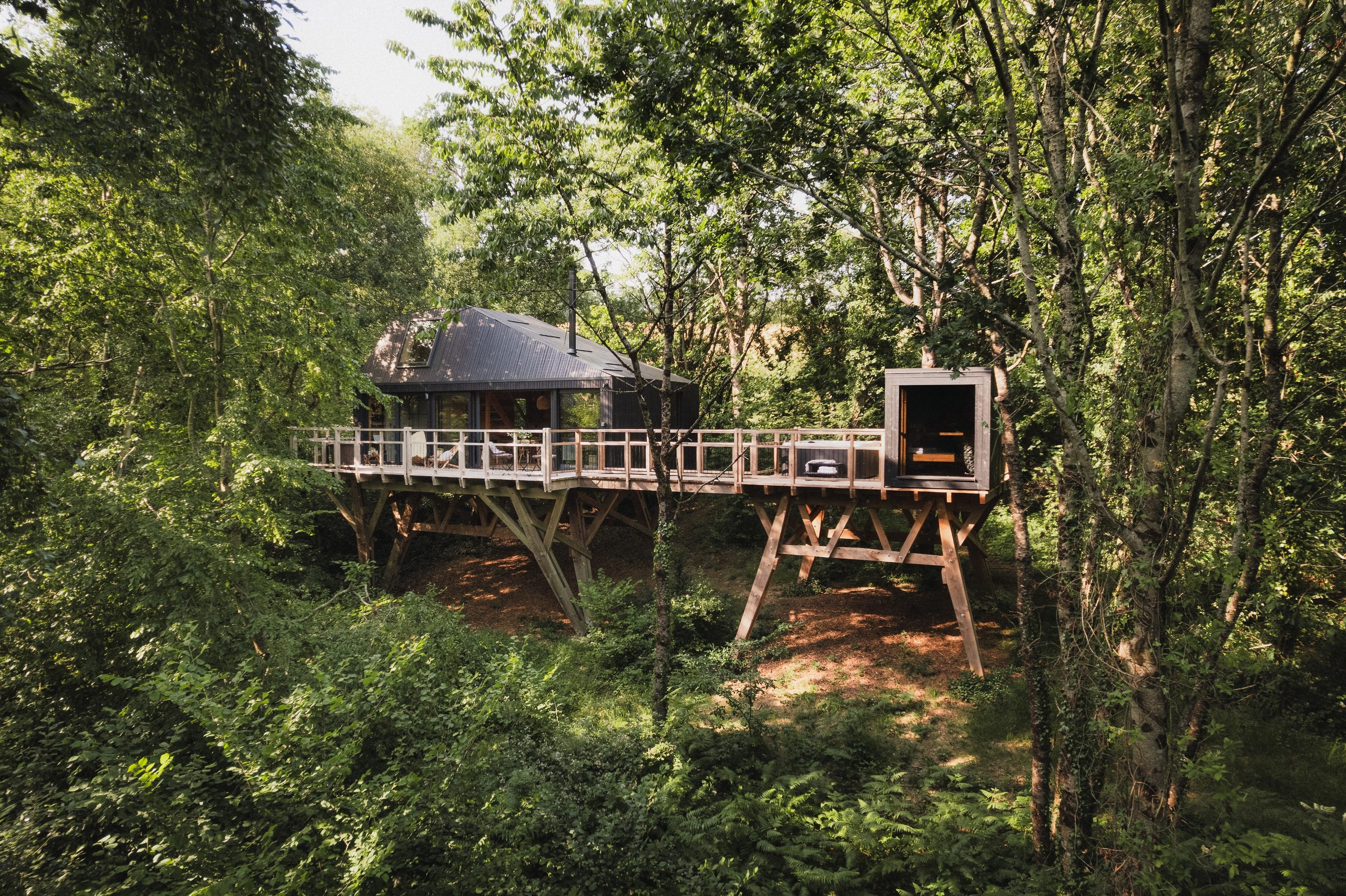
Wolf Wood Spa Treehouse
Okehampton
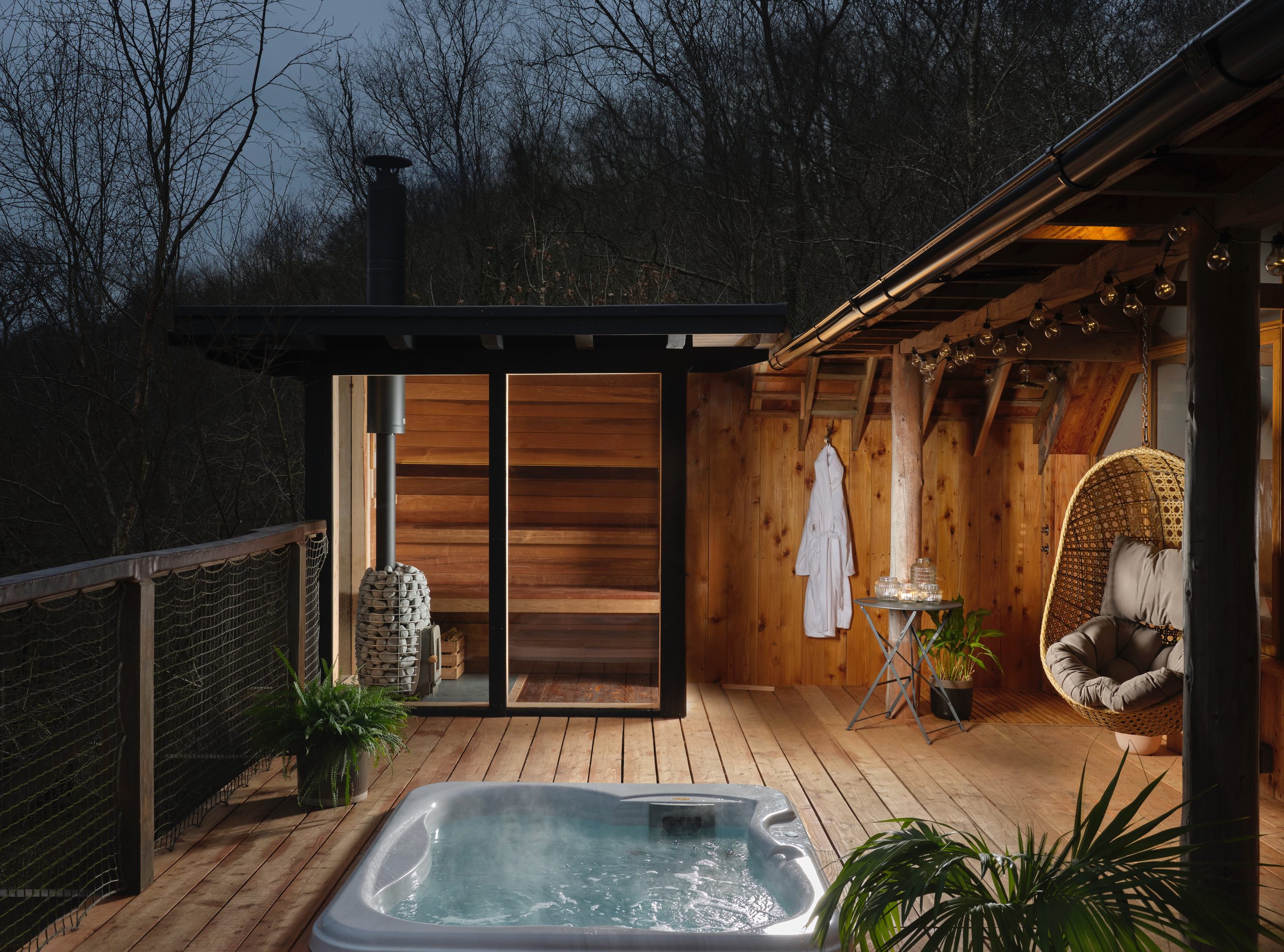
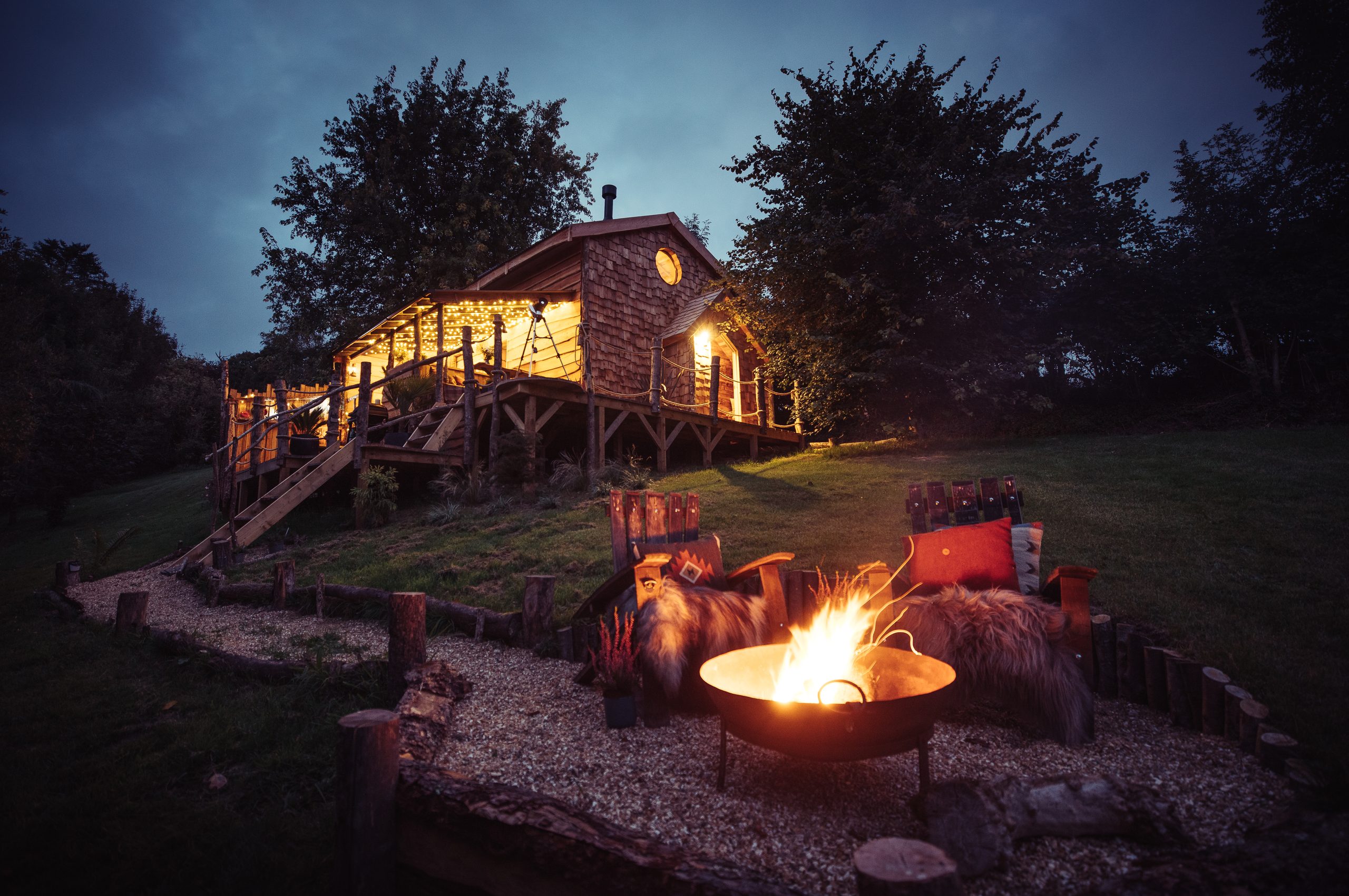
Stargazer Treehouse
Okehampton
Starling Spa Treehouse
Crediton
Ursabear Cabin
Bampton
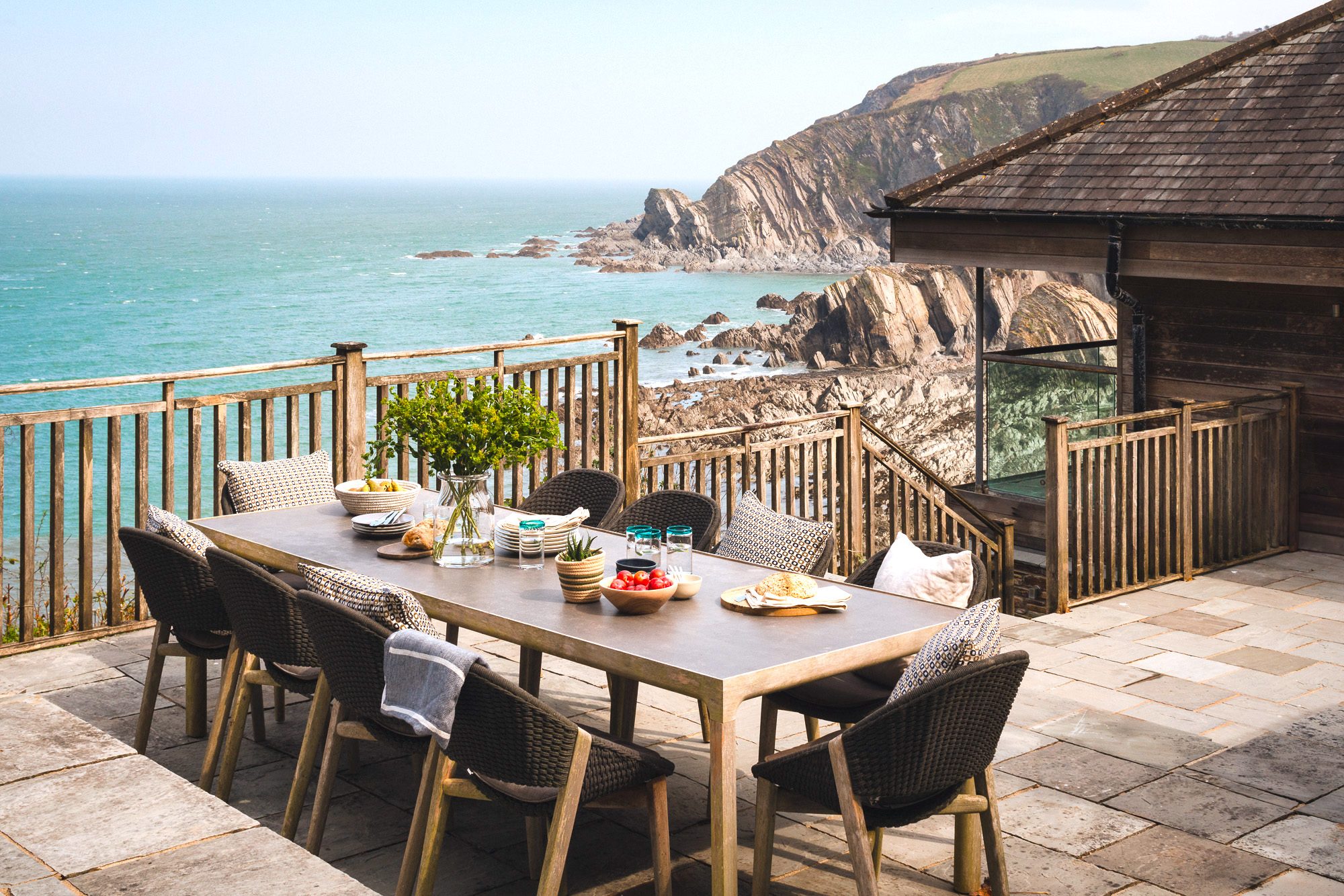
Cliffe House
Ilfracombe
Yorkshire & the North – Rivers, waterfalls and hidden spots
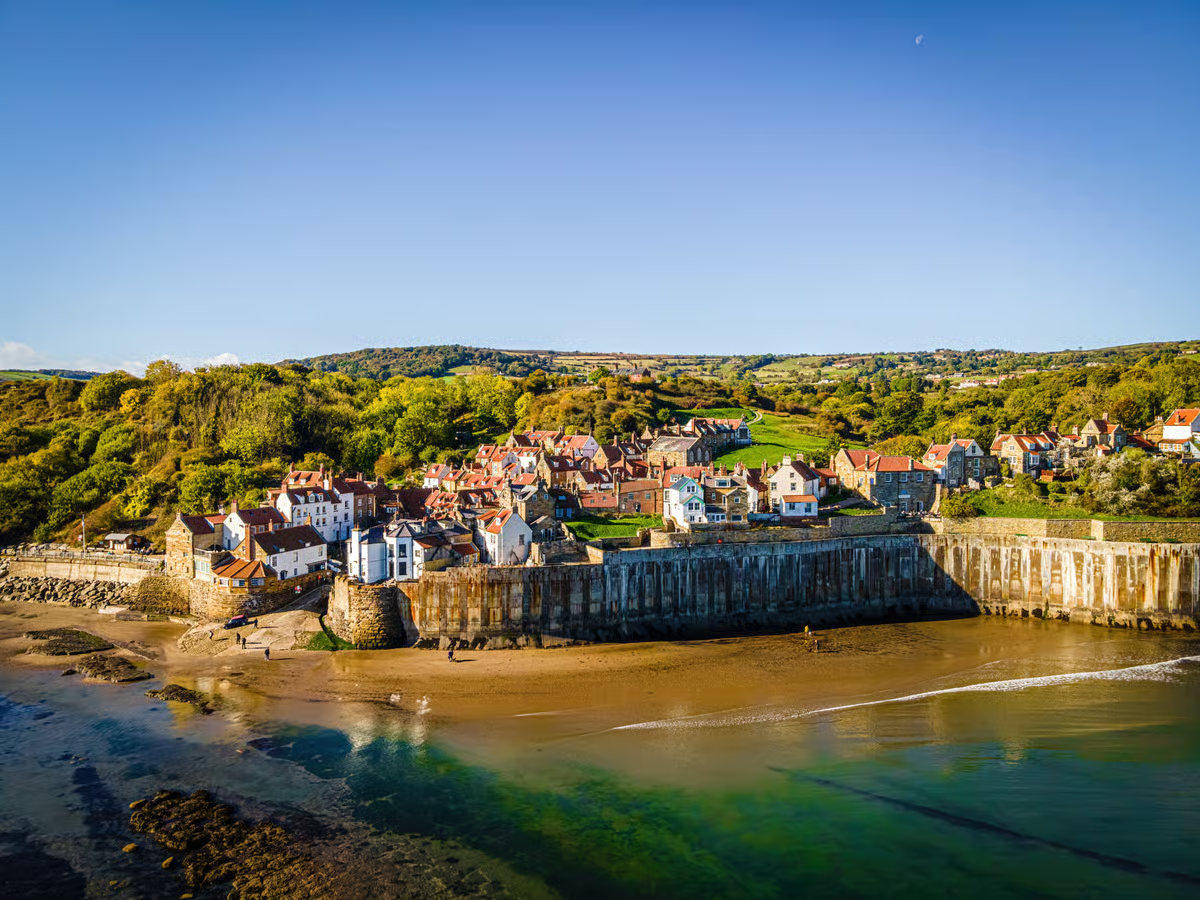
Yorkshire and the North of England offer some of the UK’s most underrated wild swimming experiences, away from the crowds of more well-known destinations. From the rolling landscapes of the Yorkshire Dales to the dramatic valleys of Northumberland and beyond, this region is rich in rivers, waterfalls and secluded pools. Wild swimming here feels more off-the-beaten-track — quieter, more local, and perfect for those looking to discover hidden gems and enjoy nature at a slower pace.
- Underrated and less crowded: Compared to more famous regions, you’ll often find quieter spots and fewer people, especially midweek or off-season.
- Beautiful river swimming: The area is known for its clear, flowing rivers, offering refreshing swims in scenic countryside settings.
- Waterfalls and plunge pools: From gentle cascades to dramatic falls, there are plenty of opportunities to swim beneath or near waterfalls.
- Varied landscapes: Expect rolling hills, limestone valleys and rugged moorland backdrops that make each swim feel unique.
- Great for exploring: Many spots are tucked away, making them ideal for those who enjoy walking and discovering hidden locations.
- Janet’s Foss (Yorkshire Dales): A picturesque waterfall with a small pool beneath it, perfect for a refreshing dip in a magical woodland setting.
- Aysgarth Falls (Yorkshire Dales): A series of broad, cascading waterfalls with calmer sections nearby where swimming is possible in the right conditions.
- River Wharfe at Burnsall (Yorkshire Dales): A popular and accessible river swimming spot with clear water and scenic surroundings.
- Hindhope Linn (Northumberland): A hidden waterfall and plunge pool set within woodland, offering a peaceful and more secluded experience.
- Ingleton Waterfalls Trail (Yorkshire): While swimming is restricted in parts, nearby areas offer beautiful river settings for a dip after exploring the trail.
- By car: The region is well connected via major routes such as the M1, A1(M) and M62, making it easy to access national parks like the Yorkshire Dales and North York Moors. Driving is best for reaching more remote swimming spots.
- By train: Major cities such as Leeds, York and Newcastle are well served by rail from across the UK, with onward connections into rural areas.
- By public transport: Local buses run into many towns and villages, but reaching more secluded rivers and waterfalls often requires additional walking and planning ahead.
How to choose the right wild swimming location
Choosing the right wild swimming location comes down to understanding what kind of experience you’re looking for. If you’re new to wild swimming, calmer environments like lakes or sheltered coastal bays are often the best place to start, offering more predictable conditions and easier entry points. More experienced swimmers might be drawn to rivers, waterfalls or open sea swims, where conditions can be more varied and adventurous.
It’s also worth thinking about the setting you want to immerse yourself in. Coastal locations offer fresh sea air and expansive views, while inland areas like the Lake District or Yorkshire Dales provide a more peaceful, nature-led experience. If solitude and remoteness are high on your list, the Scottish Highlands and their vast lochs deliver something truly special. On the other hand, if you prefer convenience and accessibility, destinations with well-known swimming spots and nearby facilities might be a better fit.
Practical considerations matter too. Water temperature, weather conditions, access points and local safety guidance can all influence your experience, so it’s important to do a little research before you go. Think about the time of year, how far you’re willing to travel, and whether you’ll need things like parking, public transport links or nearby amenities.
Our collection of wild swimming stays is designed to help you find exactly the right match — whether that’s a coastal cottage just moments from the sea, a lakeside cabin with direct water access, or a remote retreat near a quiet river or loch. Wherever you choose, the goal is the same: to make it easy to step outside, take a deep breath, and dive straight into nature.
Wild swimming means swimming in natural bodies of water such as the sea, lakes, rivers and lochs, rather than in swimming pools.
Some of the best locations include Cornwall for sea swimming, the Lake District for lakes, Wales for rivers and waterfalls, and the Scottish Highlands for remote lochs.
Wild swimming can be safe if you take the right precautions, such as checking conditions, avoiding strong currents, swimming with others and following local advice.
You don’t need to be highly experienced, but you should be a confident swimmer and choose locations that match your ability.
Bring a towel, warm clothes, suitable swimwear, and consider water shoes or a wetsuit, especially in colder conditions.
Summer is the most popular time due to warmer temperatures, but wild swimming can be enjoyed year-round with proper preparation.
Lakes are usually calmer and better for beginners, while the sea offers a more varied and sometimes more challenging experience.
Yes, rivers are popular for wild swimming, but you should always check for currents, water levels and local safety guidance.
Some popular spots have facilities like parking and toilets, but more remote areas may have limited or no amenities.
Staying nearby allows you to enjoy quieter swims, make the most of early mornings or evenings, and fully immerse yourself in the natural surroundings.