The ultimate guide to North Devon: Best beaches, towns, family days out & outdoor activities
Published 8th May 2026
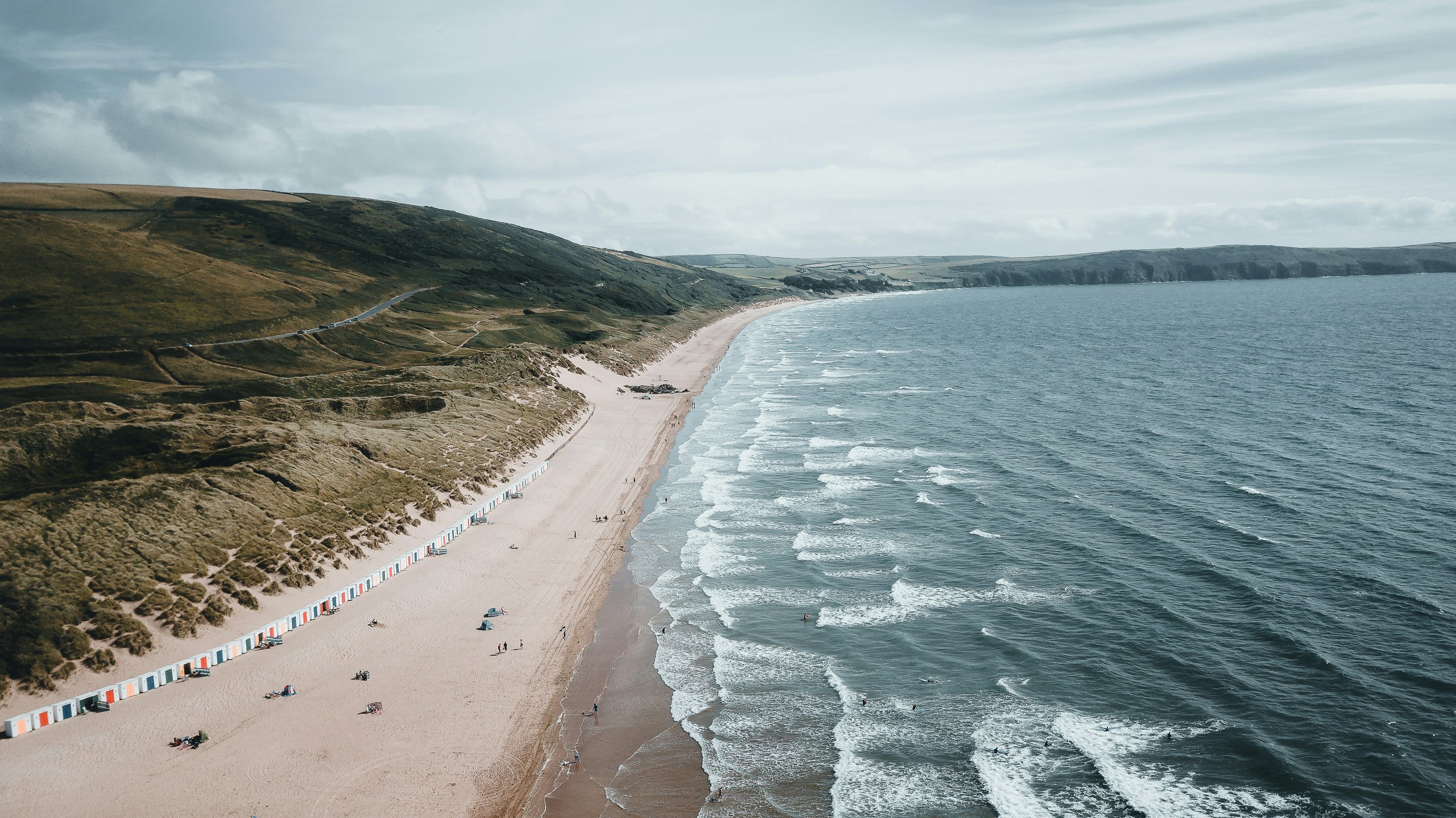
North Devon feels like a world apart from the gentler, postcard-perfect landscapes of South Devon. While the south is known for its sailing towns, sheltered estuaries and rolling countryside, North Devon is wilder, moodier and more dramatic. It’s a place of vast sandy beaches, towering cliffs, windswept moorland and surf rolling in from the Atlantic.
Life moves differently here too. The coastline feels untamed, the villages more rugged and remote, and the scenery somehow bigger, bolder and more elemental. Whether you’re watching the sunset from a clifftop pub, hiking along the South West Coast Path or spending the day barefoot on a huge stretch of sand, North Devon has a raw beauty all of its own.
In this guide, we’ll explore everything that makes North Devon such a special corner of the country. Whether you’re planning a laid-back coastal escape or an adventure-filled break, North Devon offers a slice of the South West that feels rugged, untamed and completely unique.
If you're interested in exploring Devon as a whole, then read our Complete Devon Travel Guide today.
Click on the links below to visit that part of our guide:
Best outdoor activities in North Devon
Exploring Exmoor National Park
- Best for: Walking, hiking, wildlife spotting and scenic drives.
- Vibe: Wild, peaceful and beautifully untamed.
- Don’t miss: Watching the sunset at Valley of Rocks or visiting the ancient Tarr Steps.
- Ideal stay length: A long weekend or 3–4 days.
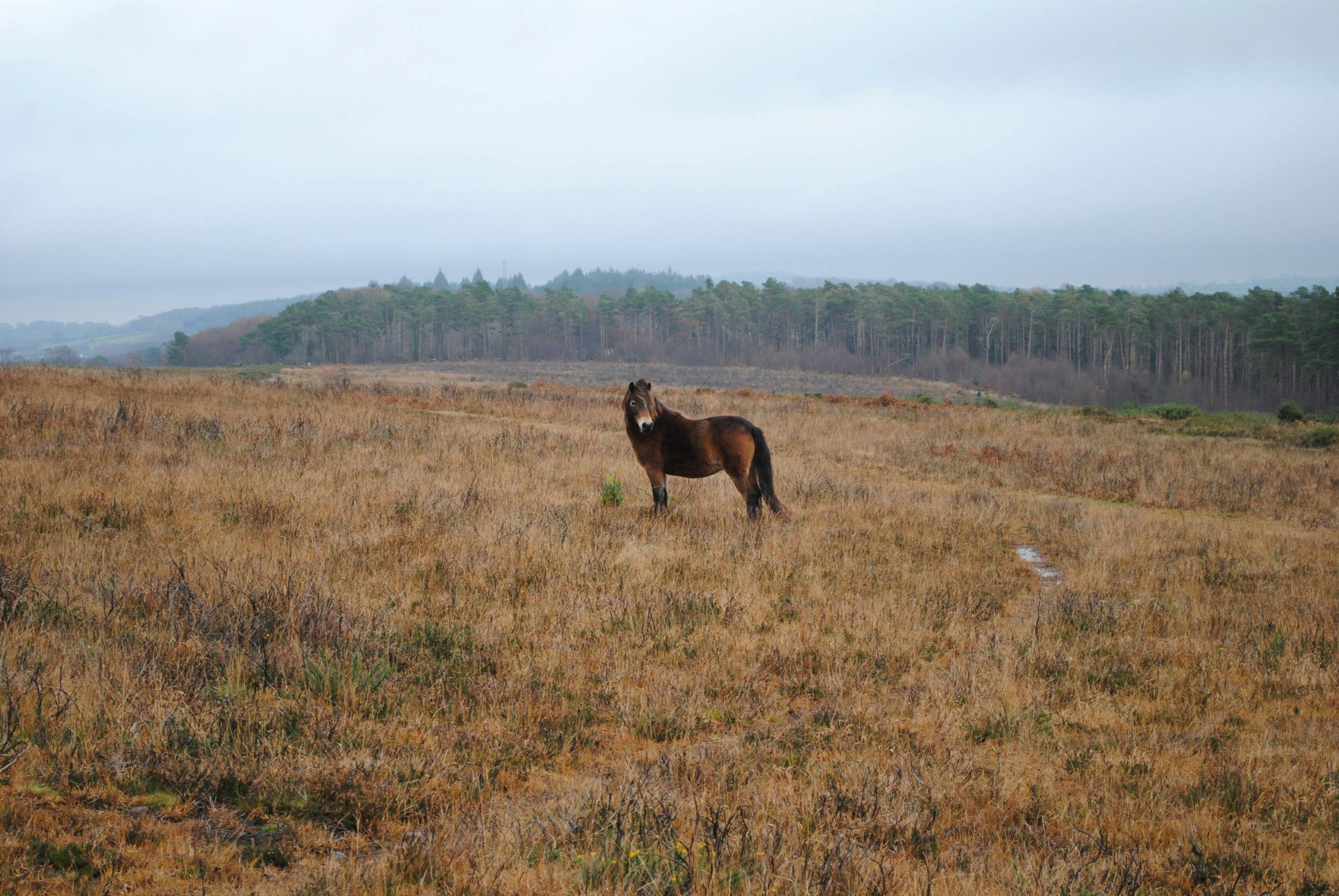
Exmoor National Park offers a completely different side to Devon; one shaped by sweeping moorland, ancient woodland, dramatic coastal cliffs and quiet winding lanes. It’s the kind of place where you can spend hours without seeing another soul, stopping only for a pub lunch in a tiny stone village or a tea break beside a rushing river.
From the rugged beauty of Valley of Rocks to panoramic views from Dunkery Beacon, the landscapes here feel vast, cinematic and endlessly unspoilt. It’s also one of the best places in the South West for walking, wild swimming, cycling and stargazing, making it perfect for anyone wanting to spend more time outdoors.
Why we love Exmoor National Park:
- The scenery: From rugged coastline to heather-covered moors, the landscapes feel vast, cinematic and constantly changing.
- The wildlife: Keep an eye out for red deer, birds of prey and the famous free-roaming Exmoor ponies.
- The walking and hiking trails: Exmoor is packed with scenic routes, from gentle riverside strolls to challenging hill walks with incredible views.
- The dark skies: As Europe’s first International Dark Sky Reserve, Exmoor is one of the best places in the UK for stargazing.
- The villages and landmarks: Picture-perfect spots like Dunster, Lynton and Lynmouth sit alongside famous attractions including Tarr Steps and the Lynton & Lynmouth Cliff Railway.
Walking the South West Coast Path
- Best for: Coastal walks, hiking trails, sea views and discovering hidden coves.
- Vibe: Windswept, dramatic and endlessly scenic.
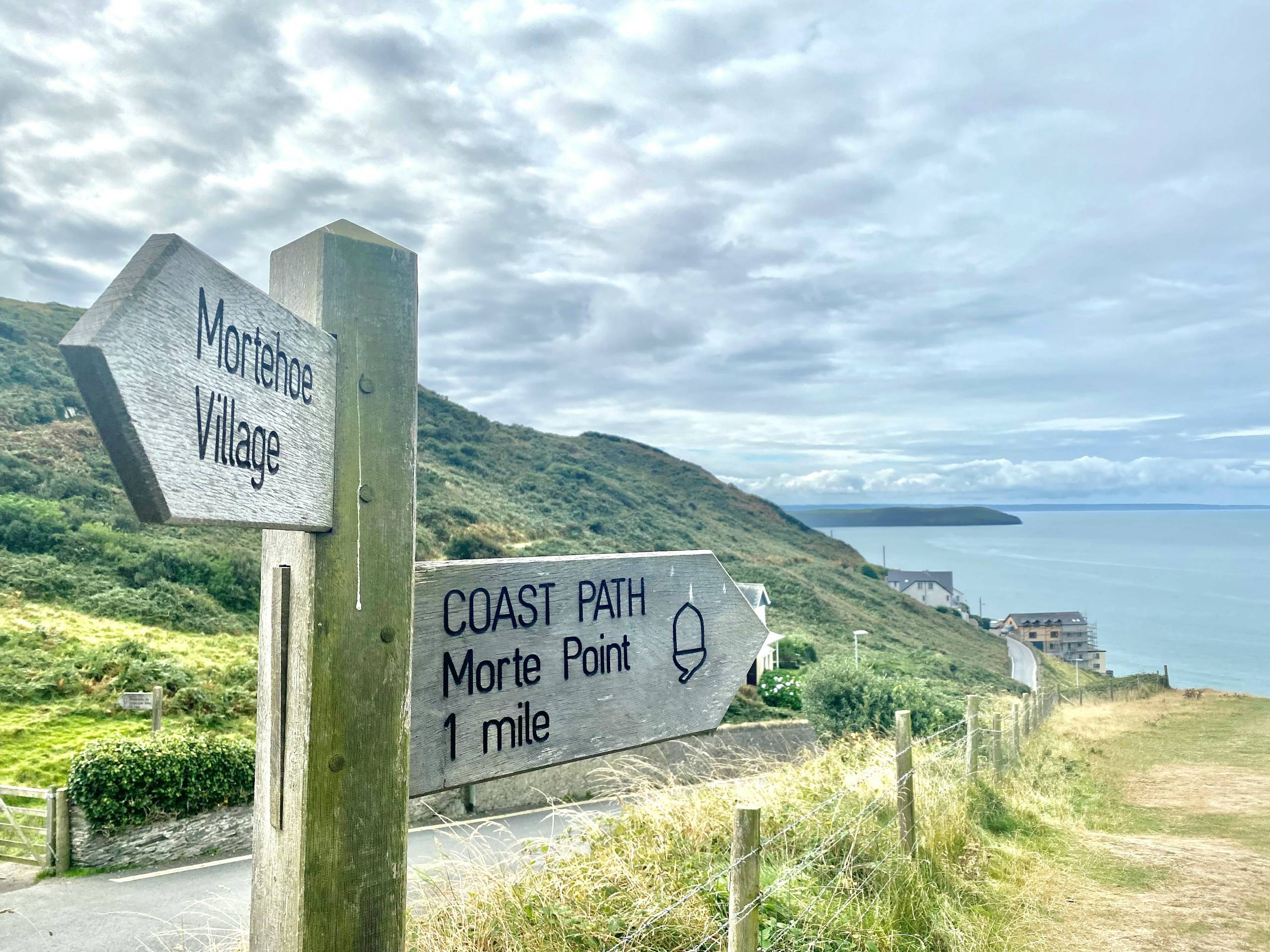
- Don’t miss: Walking the stretch between Morte Point and Woolacombe or spotting seals around Baggy Point.
- Ideal stay length: 2–3 days, or longer if you’re planning multiple walks.
Few walking routes in the UK rival the South West Coast Path for sheer scenery, and the North Devon section is one of its most spectacular stretches. Winding along towering cliffs, quiet headlands and sweeping bays, the path offers constantly changing views across the Atlantic, with opportunities to stop in charming coastal villages and beachside pubs along the way. Whether you tackle a full-day hike or a shorter circular route, walking the South West Coast Path is one of the best ways to experience North Devon’s coastal scenery, hiking trails and hidden beaches up close. Many sections are ideal for casual walkers, while others offer more challenging long-distance hiking routes for experienced adventurers. From the wild beauty of Hartland Quay to the postcard-perfect streets of Clovelly, every stretch feels completely different from the last.
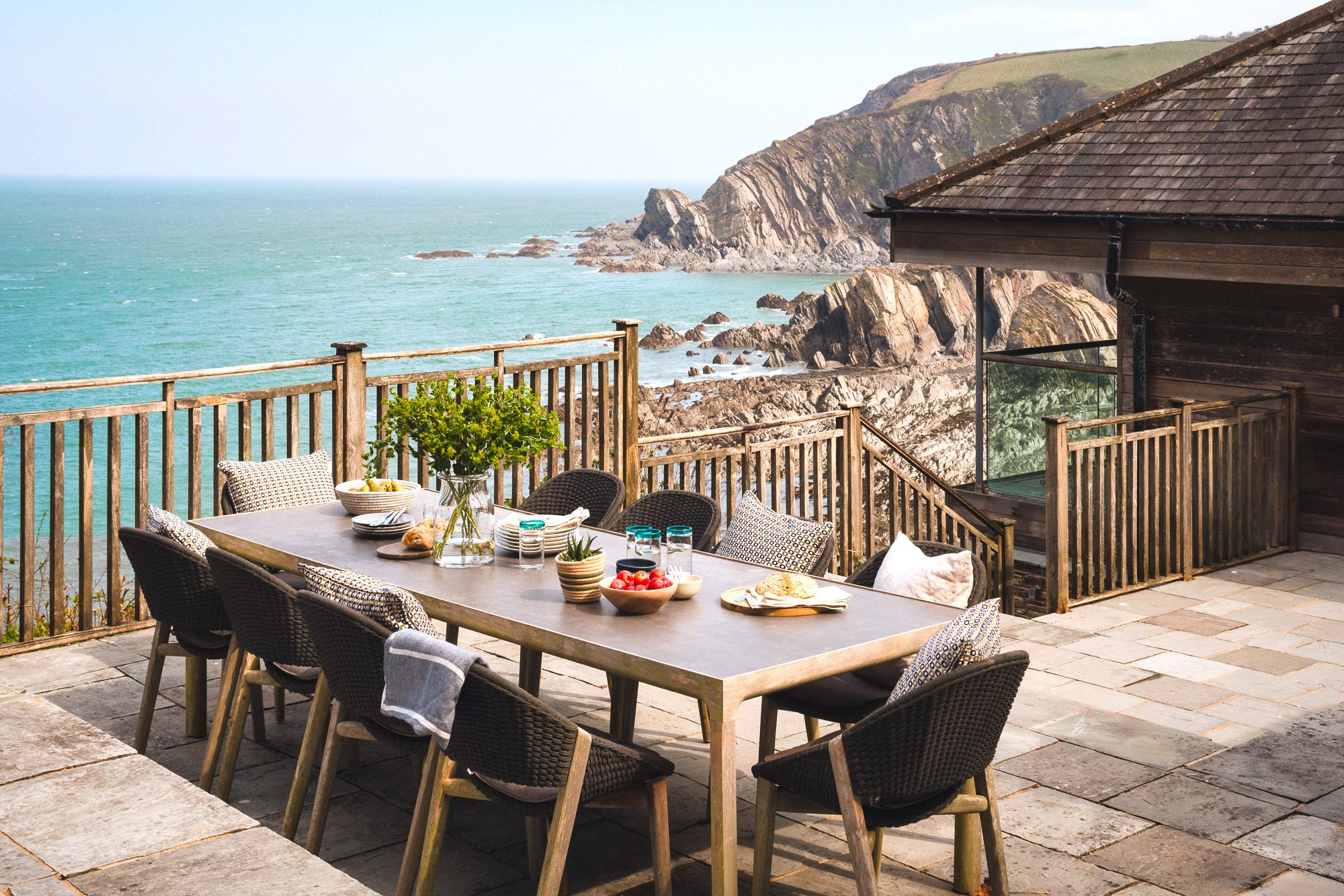
Here are some of our favourite North Devon stays by the sea.
Why we love the South West Coast Path:
- The coastal views: Expect dramatic cliffs, crashing waves and huge panoramic sea vistas around almost every corner.
- The variety of walks: From gentle clifftop strolls to challenging full-day hikes, there are routes for every ability.
- The hidden beaches and coves: Walking the path often leads to secluded sandy spots you’d never find by car.
- The wildlife: Keep an eye out for seals, seabirds and dolphins just offshore.
- The coastal villages and pubs: Stops in places like Clovelly, Woolacombe and Ilfracombe make every walk feel even more rewarding.
Surfing at Croyde Bay & Woolacombe Beach
- Best for: Surfing, beach days and laid-back coastal escapes.
- Vibe: Relaxed surf-town atmosphere with a lively coastal buzz.
- Don’t miss: Catching sunset waves at Croyde Bay or walking the huge sandy stretch at Woolacombe Beach.
- Ideal stay length: A long weekend or 3–5 days.
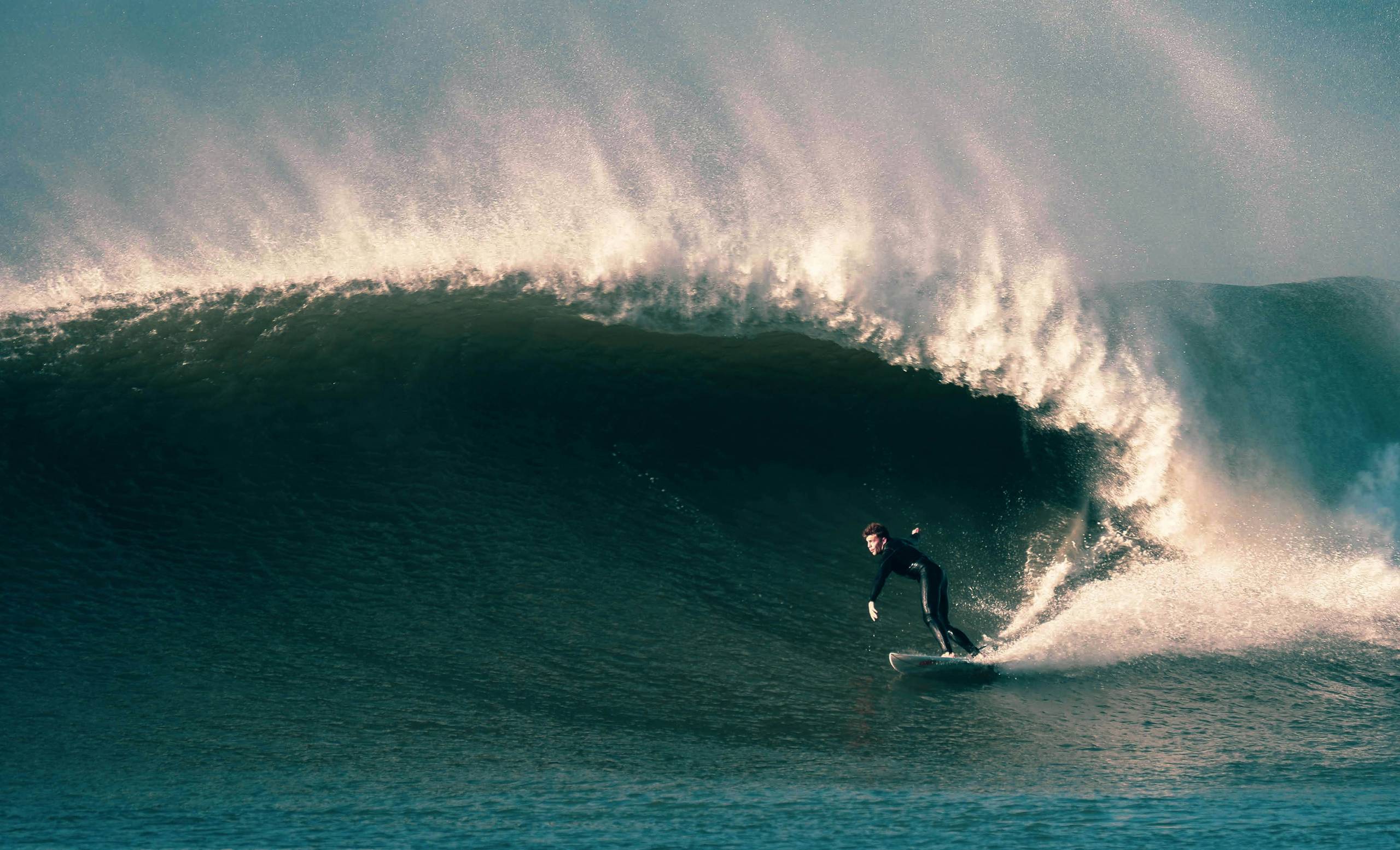
North Devon is one of the best places for surfing in the UK, and nowhere captures the region’s surf culture better than Croyde Bay and Woolacombe Beach. With reliable Atlantic waves, excellent surf schools and plenty of surf lessons for beginner surfers, both beaches attract everyone from first-timers to experienced surfers throughout the year. But even if you never touch a surfboard, the atmosphere alone makes these beaches worth visiting. Think salty sea air, barefoot beach cafés, rolling dunes and long afternoons spent watching surfers carving through the waves. It’s also one of the best areas in North Devon for coastal walks, sea swimming and classic British beach days during the summer months.
Why we love Croyde Bay & Woolacombe Beach:
- The surfing conditions: Consistent waves and excellent surf schools make this one of the UK’s top surfing destinations.
- The beaches: Wide sandy bays backed by dunes create the perfect setting for long beach days and sunset walks.
- The atmosphere: Expect a relaxed surf-town feel with beach cafés, local pubs and independent shops nearby.
- The coastal scenery: Rugged cliffs and sweeping sea views make the whole area feel incredibly cinematic.
- The surrounding beaches: Nearby spots like Saunton Sands and Putsborough Beach make it easy to explore even more of North Devon’s spectacular coastline.
Here at Coolstays we have a number of fab stays in and around Woolacombe for you to choose from.
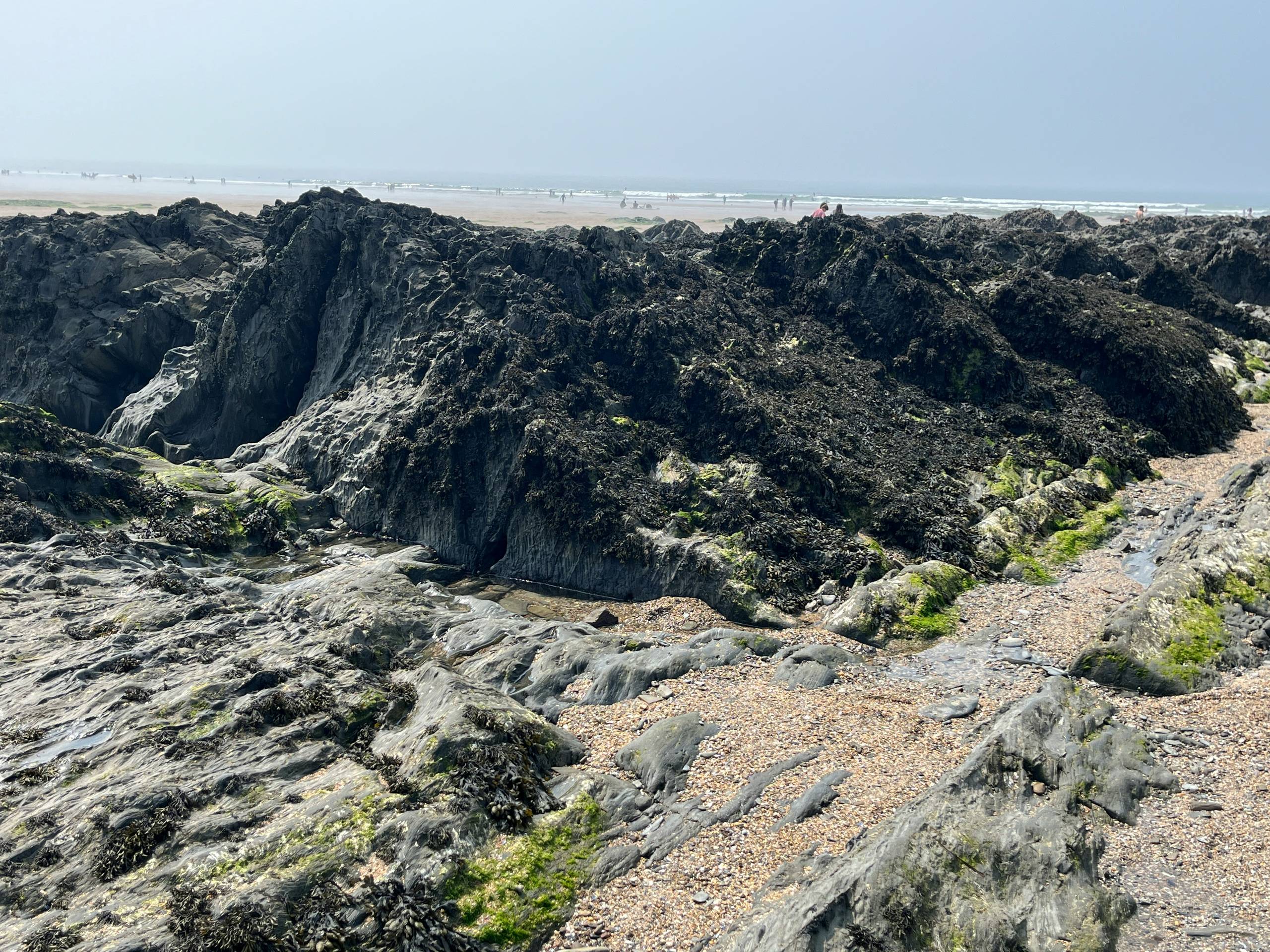
Coasteering, kayaking & paddleboarding
- Best for: Coastal adventures, water sports and exploring hidden parts of the coastline.
- Vibe: Adrenaline-fuelled, refreshing and wildly fun.
- Don’t miss: Coasteering beneath the cliffs near Ilfracombe or paddleboarding through the calm waters of the Taw and Torridge estuary.
- Ideal stay length: 2–4 days.
North Devon’s rugged coastline and sheltered estuaries make it one of the best places in the South West for water-based outdoor activities. From scrambling across rocky shorelines during coasteering sessions to kayaking into hidden sea caves and paddleboarding along peaceful estuaries, there are endless ways to experience the coastline from the water. Many activities are suitable for beginners, with guided tours and equipment hire available across North Devon, particularly around Ilfracombe, Combe Martin and Woolacombe. Whether you’re looking for adrenaline-filled adventure or slower ways to soak up the scenery, getting out onto the water offers a completely different perspective on the region’s dramatic coastal landscapes.
Why we love coasteering, kayaking & paddleboarding:
- The hidden coastline: Exploring by water reveals secluded coves, sea caves and quiet beaches inaccessible by road.
- The variety of activities: From high-energy coasteering to peaceful paddleboarding, there’s something for every pace of adventure.
- The wildlife spotting: Seals, seabirds and even dolphins are regularly seen along the North Devon coast.
- The beginner-friendly options: Local guides and activity centres make it easy for first-timers to get involved safely.
- The scenery from the water: Seeing North Devon’s cliffs, beaches and headlands from sea level makes the coastline feel even more dramatic.
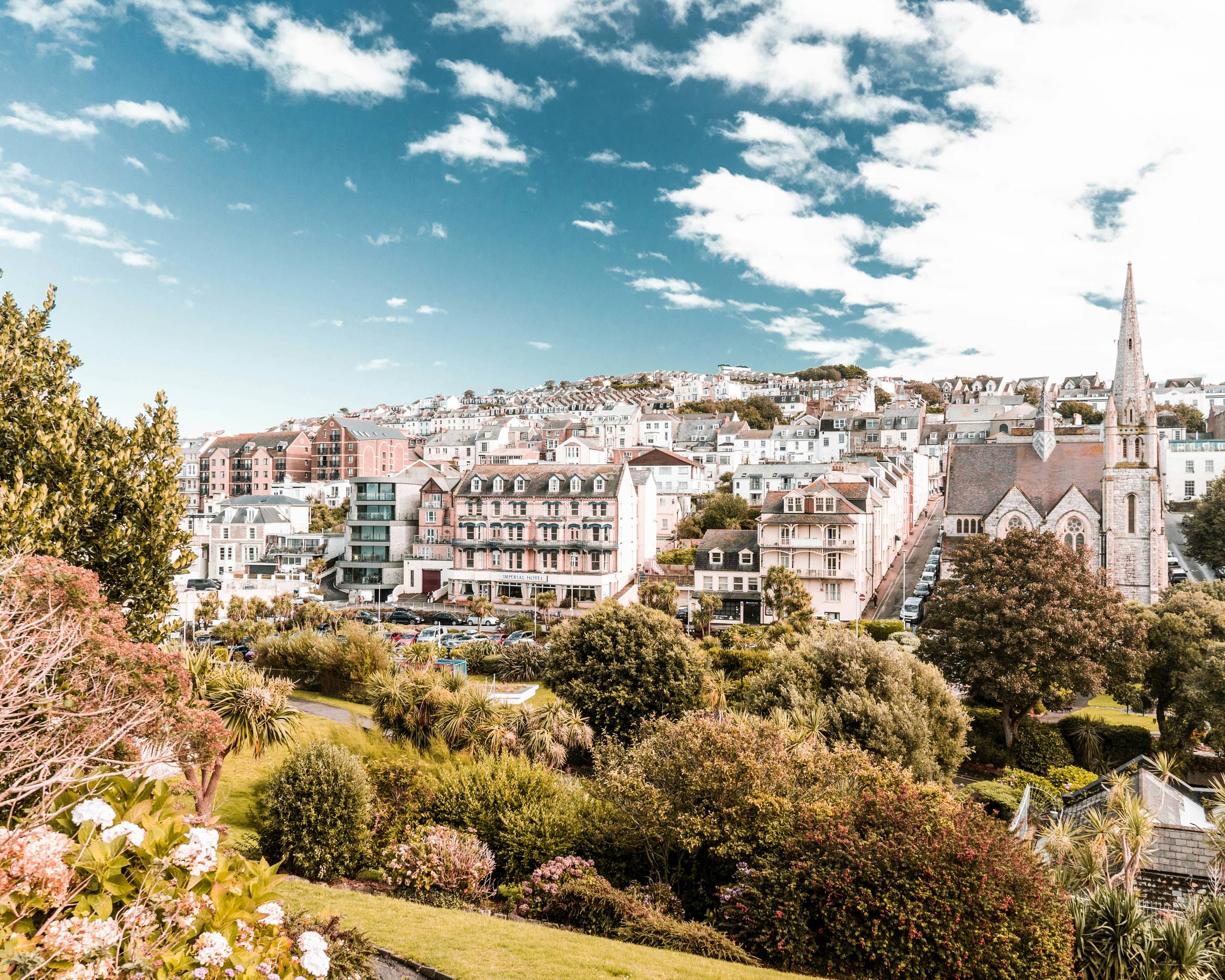
Best towns and villages to visit in North Devon
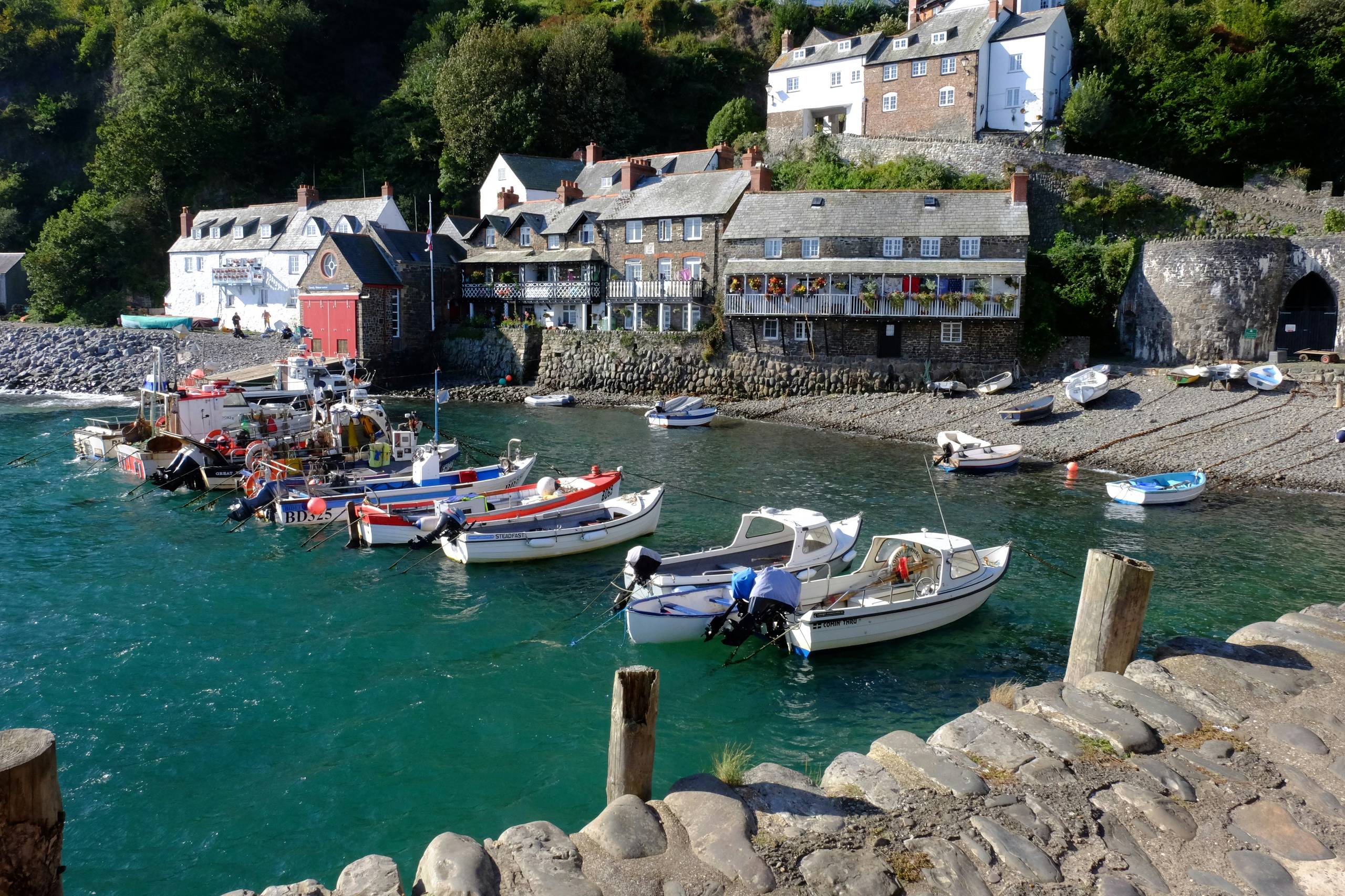
Clovelly
- Best for: Coastal walks, historic charm and postcard-perfect views.
- Vibe: Timeless, quaint and wonderfully atmospheric.
- Don’t miss: Walking down the steep cobbled high street to Clovelly Harbour for fresh seafood and sea views.
- Ideal stay length: A day trip or 1–2 nights.
Clovelly is one of the most famous villages in North Devon, known for its impossibly picturesque cobbled streets, whitewashed cottages and dramatic cliffside setting overlooking the Bristol Channel. Completely traffic-free, the village feels frozen in time, with goods still transported by sledges rather than cars along the famously steep main street. As you wander downhill towards the historic harbour, you’ll pass flower-covered cottages, independent craft shops and traditional pubs, all framed by sweeping coastal views. Whether you visit for a few hours or stay overnight nearby, Clovelly offers one of the most unique and memorable experiences anywhere in North Devon.
Why we love Clovelly:
- The cobbled streets: The steep traffic-free lanes give the village its instantly recognisable character and charm.
- The harbour: Clovelly Harbour is perfect for seafood lunches, coastal views and watching fishing boats bob in the water.
- The coastal scenery: Perched dramatically above the sea, the village enjoys some of the most beautiful views in North Devon.
- The historic atmosphere: From traditional cottages to old fishing heritage, Clovelly feels wonderfully untouched by time.
- The nearby walks: The South West Coast Path passes close by, making it easy to combine a visit with spectacular coastal hiking.
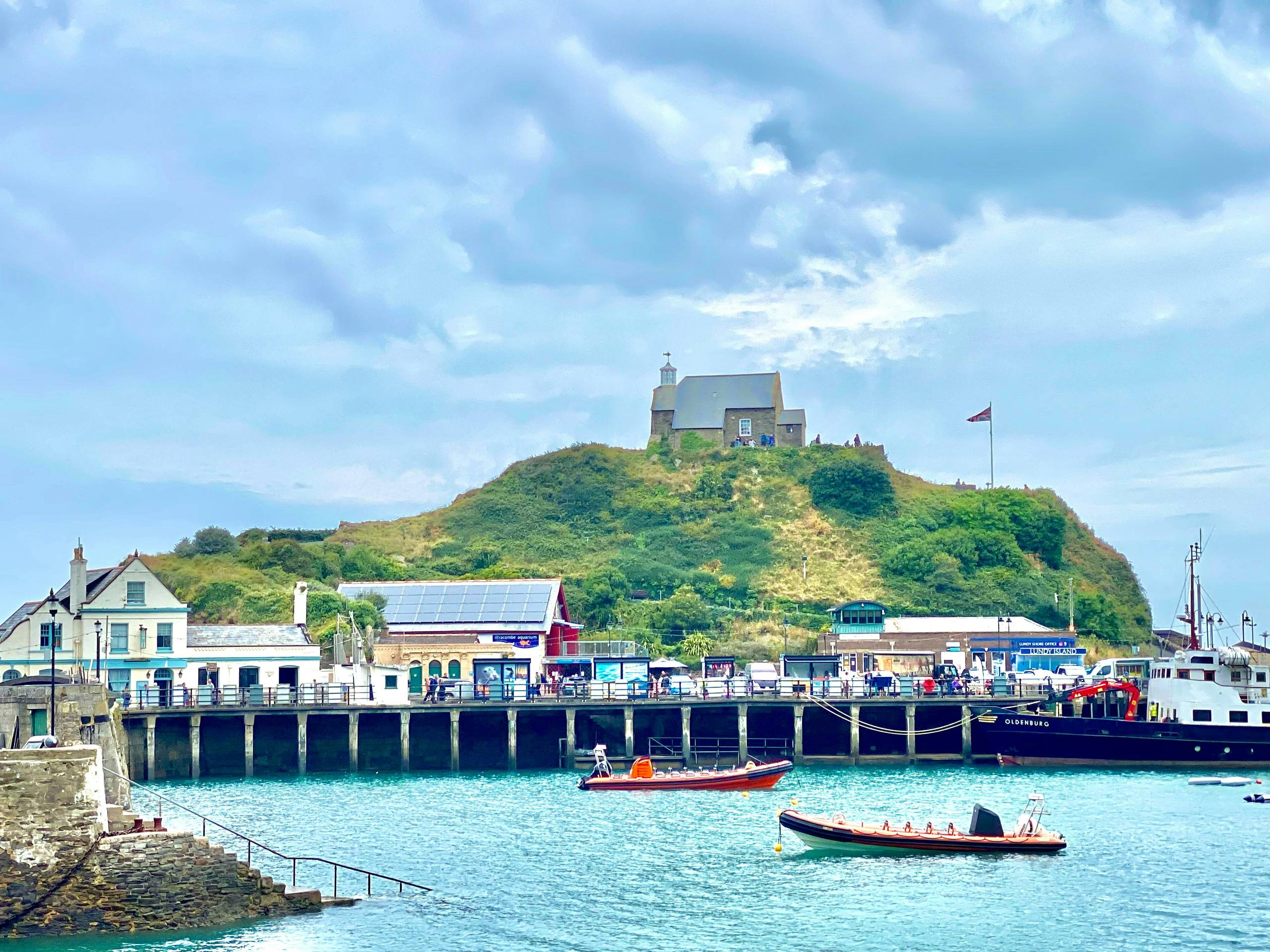
Ilfracombe
- Best for: Seaside culture, coastal walks and harbour-front dining.
- Vibe: Creative, lively and full of classic coastal charm.
- Don’t miss: Visiting Damien Hirst’s Verity sculpture or taking a boat trip from Ilfracombe Harbour.
- Ideal stay length: 2–3 days.
Ilfracombe is one of North Devon’s most popular seaside towns, combining traditional coastal character with a growing food, art and independent café scene. Set around a historic harbour and surrounded by dramatic cliffs, the town offers easy access to some of North Devon’s best beaches, walking routes and boat trips. Colourful streets filled with galleries, seafood restaurants and local shops give Ilfracombe a creative, slightly bohemian feel, while nearby spots like Tunnels Beaches and Hele Bay make it ideal for relaxed days by the sea. Whether you’re exploring the harbour, walking the South West Coast Path or catching a ferry across to Lundy Island, Ilfracombe makes a fantastic base for discovering the North Devon coast.
Why we love Ilfracombe:
- The harbour: The historic harbour is packed with fishing boats, seafood restaurants and beautiful coastal views.
- The food scene: From fresh seafood to cosy cafés and gastropubs, Ilfracombe has one of the best food scenes in North Devon.
- The coastal walks: The South West Coast Path offers spectacular cliff-top walking routes directly from the town.
- The nearby beaches: Tunnels Beaches, Hele Bay and nearby Woolacombe make it easy to combine town life with beach days.
- The creative atmosphere: Independent galleries, local shops and Damien Hirst’s famous Verity sculpture give the town its distinctive character.
Lynmouth & Lynton
- Best for: Dramatic scenery, coastal walks and peaceful escapes.
- Vibe: Romantic, atmospheric and beautifully old-fashioned.
- Don’t miss: Riding the historic Lynton & Lynmouth Cliff Railway or exploring Valley of Rocks nearby.
- Ideal stay length: 2–4 days.
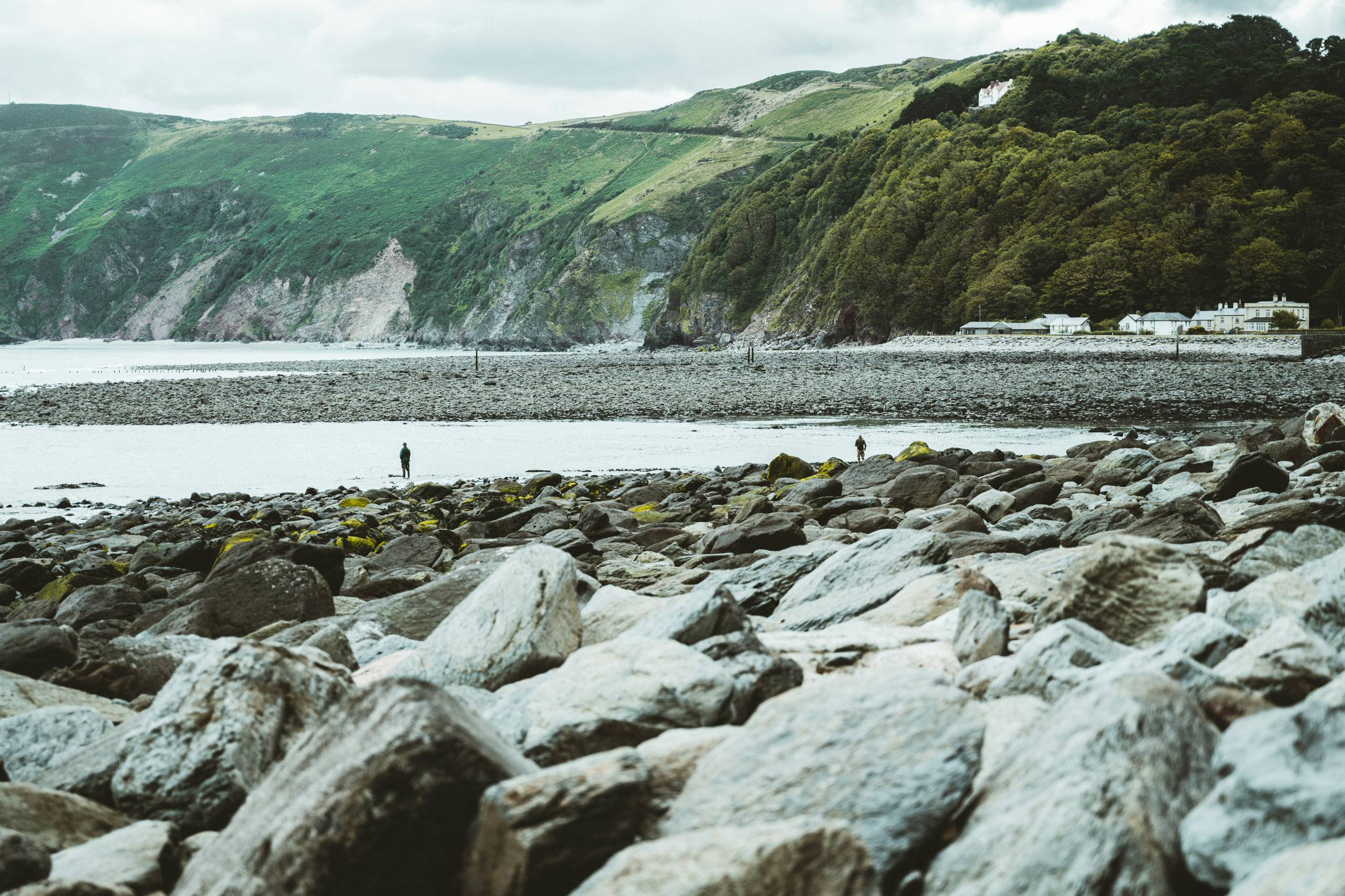
Perched where Exmoor National Park meets the North Devon coastline, the twin villages of Lynmouth and Lynton offer some of the most spectacular scenery anywhere in the South West. Lynmouth sits at the water’s edge with its historic harbour, riverside cafés and traditional stone cottages, while clifftop Lynton enjoys sweeping coastal views high above the sea. Connected by the famous water-powered Cliff Railway, the two villages feel wonderfully timeless, surrounded by dramatic cliffs, wooded valleys and scenic walking trails. Whether you’re exploring nearby Valley of Rocks, hiking the South West Coast Path or simply soaking up the peaceful atmosphere, Lynmouth and Lynton make an unforgettable base for discovering Exmoor and the North Devon coast.
Why we love Lynmouth & Lynton:
- The scenery: Towering cliffs, wooded valleys and rugged coastline create some of the most dramatic landscapes in North Devon.
- The Cliff Railway: The historic water-powered railway is one of the area’s most iconic attractions.
- The walking and hiking trails: Routes around Valley of Rocks, Watersmeet and the South West Coast Path are packed with incredible views.
- The atmosphere: The villages feel peaceful, traditional and refreshingly slower-paced.
- The location: Sitting between Exmoor National Park and the coast makes it easy to combine countryside adventures with seaside escapes.
Appledore
- Best for: Riverside walks, independent shops and relaxed coastal weekends.
- Vibe: Colourful, creative and quietly charming.
- Don’t miss: Watching the boats along the quayside or wandering the narrow pastel-coloured streets at sunset.
- Ideal stay length: 2–3 days.
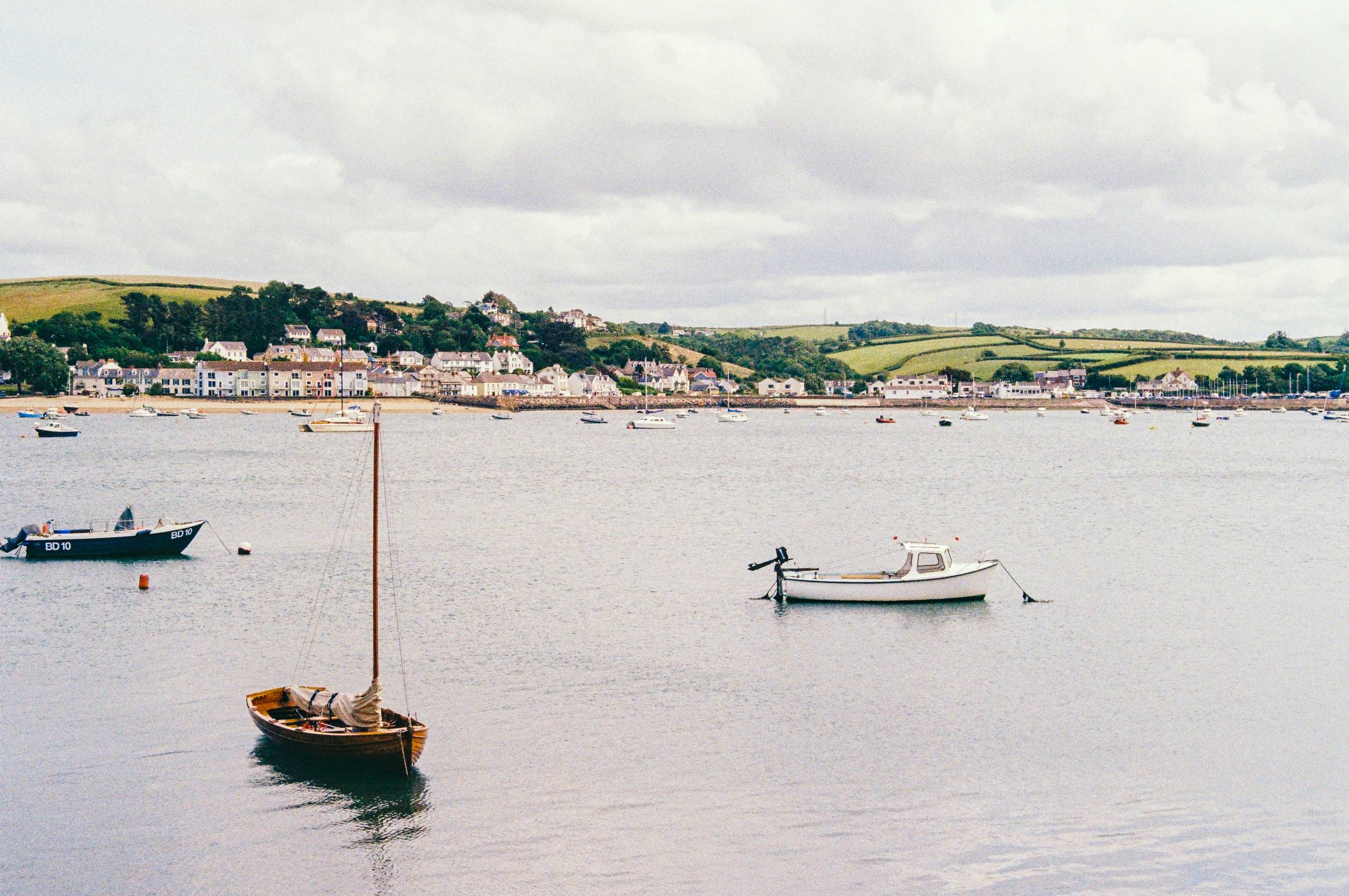
Set where the River Torridge meets the Taw estuary, Appledore is one of North Devon’s prettiest fishing villages, loved for its colourful houses, winding lanes and laid-back atmosphere. Smaller and quieter than some of the region’s busier seaside towns, Appledore feels wonderfully relaxed, with independent galleries, cosy pubs and waterside cafés scattered throughout the village. The estuary setting gives it a completely different feel to North Devon’s surf beaches and rugged cliffs, offering calmer waters, scenic harbour views and beautiful sunsets across the river towards Instow. Whether you’re browsing local shops, crabbing from the quay or taking the ferry across the estuary in summer, Appledore is the kind of place that invites you to slow down and stay awhile.
Why we love Appledore:
- The colourful streets: Pastel-painted cottages and narrow winding lanes make every corner feel postcard-worthy.
- The estuary views: Watching the changing light across the Taw and Torridge estuary is endlessly relaxing.
- The independent shops and galleries: Appledore has a thriving creative scene filled with local art, crafts and boutiques.
- The slower pace: Compared with North Devon’s busier beach towns, Appledore feels calm, peaceful and unhurried.
- The nearby beaches: Instow Beach and Westward Ho! are both just a short drive away for easy seaside days out.

Best family days out in North Devon
The Big Sheep
- Best for: Younger children, farm fun and all-weather family days out.
- Vibe: Playful, energetic and wonderfully chaotic.
- Don’t miss: The famous sheep race or the giant indoor play areas.
- Ideal stay length: Half a day to a full day.
One of North Devon’s best-known family attractions, The Big Sheep combines classic farm park fun with rides, live shows and huge indoor and outdoor play areas. Located near Bideford, it’s particularly popular with younger children thanks to its relaxed atmosphere and variety of activities, from animal encounters to rollercoasters and soft play. Rainy weather is never much of a problem either, making it a reliable option for family holidays in North Devon throughout the year.
Why we love The Big Sheep:
- The sheep races: Fast-paced, funny and surprisingly competitive.
- The indoor play areas: Perfect for rainy days or burning off extra energy.
- The variety of attractions: Rides, animals, live shows and outdoor activities keep children entertained for hours.
- The family atmosphere: Everything feels geared towards relaxed, stress-free family fun.
- The location: Easy to combine with nearby beaches and days out around Bideford and Westward Ho!.

Exmoor Zoological and Conservation Centre
- Best for: Animal lovers, younger children and relaxed outdoor days.
- Vibe: Friendly, hands-on and surprisingly peaceful.
- Don’t miss: Feeding experiences and spotting the famous Exmoor Beast-inspired black leopard.
- Ideal stay length: Half a day to a full day.
Nestled on the edge of Exmoor National Park, Exmoor Zoological and Conservation Centre offers a more intimate and laid-back wildlife experience than many larger zoos. Home to everything from meerkats and wallabies to wolves, lemurs and big cats, the zoo focuses heavily on conservation, education and close-up encounters. The spacious rural setting also makes it feel calmer and less crowded than many bigger attractions, which is ideal for families wanting a slower-paced day out surrounded by nature.
Why we love Exmoor Zoological and Conservation Centre:
- The animal encounters: Opportunities to get surprisingly close to a wide variety of animals.
- The relaxed setting: The countryside location gives the whole zoo a calm, easy-going feel.
- The educational side: Keeper talks and feeding sessions make visits genuinely engaging for children.
- The variety of wildlife: From tropical species to native animals, there’s plenty to discover.
- The Exmoor location: Easy to combine with scenic drives and outdoor adventures nearby.

The Milky Way Adventure Park
- Best for: Action-packed family days and entertaining younger children.
- Vibe: Fun-filled, lively and brilliantly family-focused.
- Don’t miss: The indoor rollercoasters and massive soft play areas.
- Ideal stay length: A full day.
The Milky Way Adventure Park is one of North Devon’s most popular family attractions, especially for younger children and primary-school-aged kids. Located near Clovelly, the park combines indoor rides, adventure play zones, live entertainment and outdoor attractions, making it ideal whatever the weather. From dodgems and rollercoasters to sensory play and obstacle courses, there’s enough variety here to easily fill an entire day during a North Devon family holiday.
Why we love The Milky Way Adventure Park:
- The indoor attractions: Brilliant for keeping children entertained on rainy days.
- The rides and activities: Rollercoasters, climbing zones and adventure play create endless excitement.
- The family-friendly setup: Everything feels easy, relaxed and designed with families in mind.
- The entertainment: Live shows and interactive experiences add even more variety.
- The location near Clovelly: Easy to combine with one of North Devon’s prettiest villages.

Boat trips to Lundy Island
- Best for: Wildlife spotting, adventurous families and unforgettable day trips.
- Vibe: Wild, remote and completely unique.
- Don’t miss: Spotting puffins, seals and dolphins during the crossing.
- Ideal stay length: A full-day trip.
Sitting out in the Bristol Channel around 12 miles off the North Devon coast, Lundy Island feels like a true adventure from the moment the boat leaves the harbour. Accessible by ferry from Ilfracombe and Bideford during the warmer months, the island is famous for its dramatic cliffs, wildlife and rugged walking trails. Families can spend the day exploring quiet coves, spotting seabirds and learning about the island’s fascinating history, all while enjoying a completely different side of North Devon away from the mainland crowds.
Why we love boat trips to Lundy Island:
- The wildlife spotting: Puffins, seals, dolphins and seabirds make the crossing incredibly memorable.
- The sense of adventure: Reaching the island feels like discovering a hidden world off the North Devon coast.
- The scenery: Rugged cliffs and panoramic sea views make Lundy feel wonderfully wild.
- The walking trails: The island is packed with scenic routes and peaceful picnic spots.
- The boat journey itself: For many children, the ferry ride becomes one of the highlights of the trip.
Best beaches in North Devon
From vast surfing beaches and hidden coves to peaceful stretches of sand backed by dunes, North Devon is home to some of the best beaches in the UK. Shaped by Atlantic swells and dramatic coastal scenery, the region’s beaches are perfect for everything from surfing and paddleboarding to family beach days and long sunset walks. Whether you’re looking for lively seaside atmosphere or quieter spots to escape the crowds, North Devon’s coastline offers a beach for every kind of coastal getaway.
If you love a Devon beach, then make sure you read our Best Beaches in Devon blog post today!
Woolacombe Beach
- Best for: Family beach days, surfing and long coastal walks.
- Vibe: Spacious, lively and effortlessly scenic.
- Don’t miss: Walking the full three-mile stretch of golden sand at sunset.
- Ideal stay length: A full day or 2–3 nights nearby.
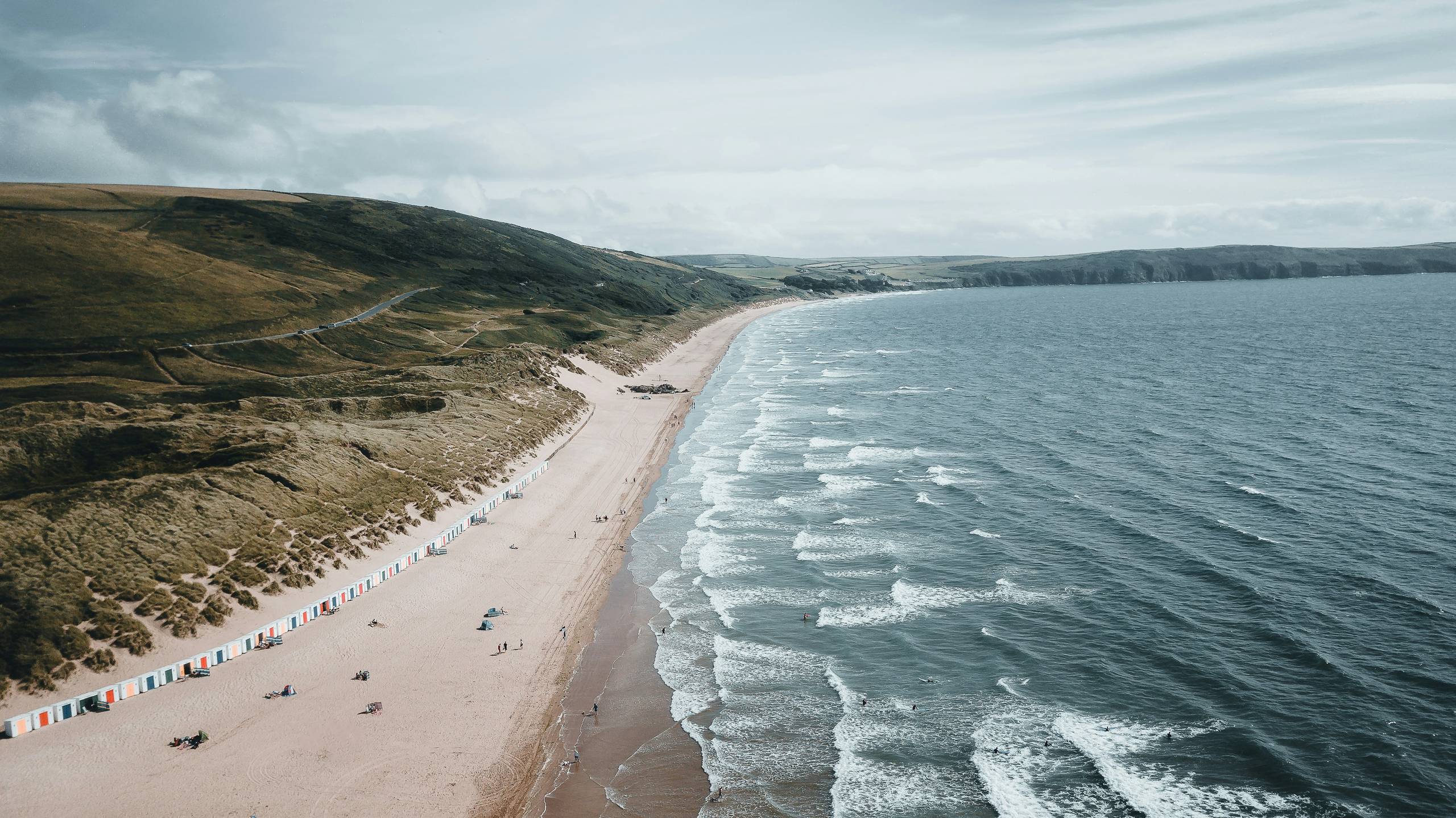
Regularly ranked among the best beaches in the UK, Woolacombe Beach is famous for its huge sandy shoreline, reliable surf and spectacular coastal scenery. Backed by rolling dunes and dramatic cliffs, the beach offers plenty of space even during the busy summer months, making it ideal for families, surfers and dog walkers alike. The nearby village adds to the appeal with surf shops, cafés and relaxed seaside atmosphere, while the surrounding coastline offers easy access to the South West Coast Path and scenic walks towards Morte Point.
Why we love Woolacombe Beach:
- The huge sandy beach: Three miles of golden sand mean there’s always space to spread out.
- The surfing: Consistent Atlantic waves make Woolacombe one of the best surfing beaches in North Devon.
- The family-friendly feel: Lifeguards, facilities and easy access make it ideal for families with children.
- The sunsets: Evening light across the beach and cliffs is genuinely spectacular.
- The nearby walks: Coastal routes around Morte Point offer incredible sea views and wildlife spotting.
Croyde Bay
- Best for: Surfing, beach cafés and classic North Devon surf culture.
- Vibe: Relaxed, youthful and full of coastal energy.
- Don’t miss: Watching surfers tackle the waves from the dunes above the beach.
- Ideal stay length: 2–4 days.
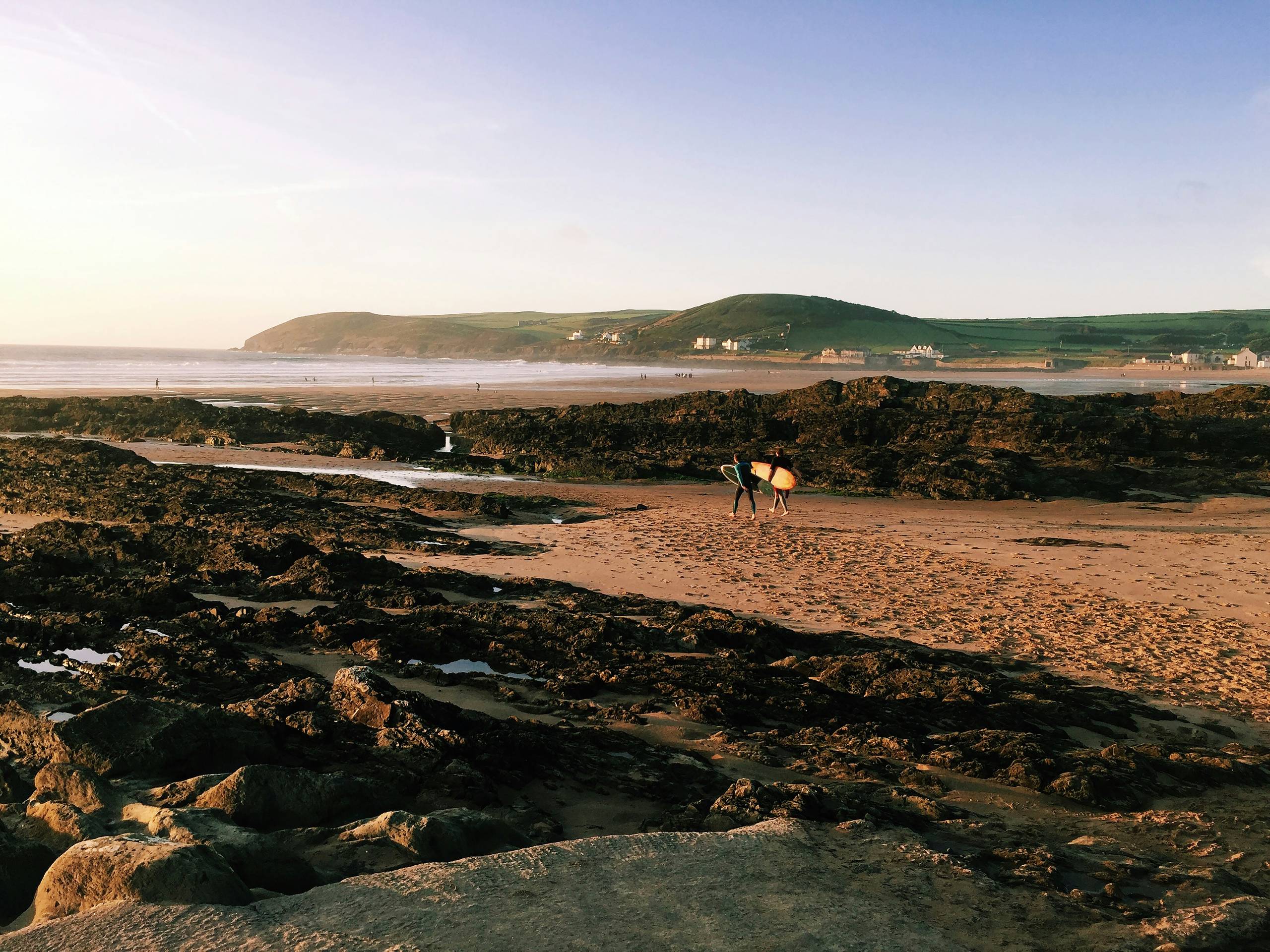
Croyde Bay is one of the UK’s most iconic surfing beaches, attracting wave-seekers from across the country thanks to its powerful Atlantic swell and lively surf-town atmosphere. Smaller and more enclosed than nearby Woolacombe, the beach feels wonderfully intimate, framed by grassy dunes and rugged headlands. Beyond the surf scene, Croyde is packed with cosy pubs, beach cafés and scenic coastal walks, making it just as appealing for relaxed seaside escapes as it is for active holidays on the water.
Why we love Croyde Bay:
- The surf culture: Surf schools, beach cafés and local shops give Croyde its laid-back coastal identity.
- The scenery: Sand dunes, rolling waves and dramatic cliffs create a stunning setting.
- The beach atmosphere: Busy without feeling overwhelming, especially outside peak summer weeks.
- The nearby walks: Baggy Point offers one of the most scenic coastal walks in North Devon.
- The village: Traditional pubs and independent cafés make it easy to linger long after the beach day ends.
Saunton Sands
- Best for: Long walks, beginner surfing and quieter beach days.
- Vibe: Peaceful, expansive and wonderfully unspoilt.
- Don’t miss: Walking through Braunton Burrows, one of the UK’s largest dune systems.
- Ideal stay length: A full day or a long weekend nearby.
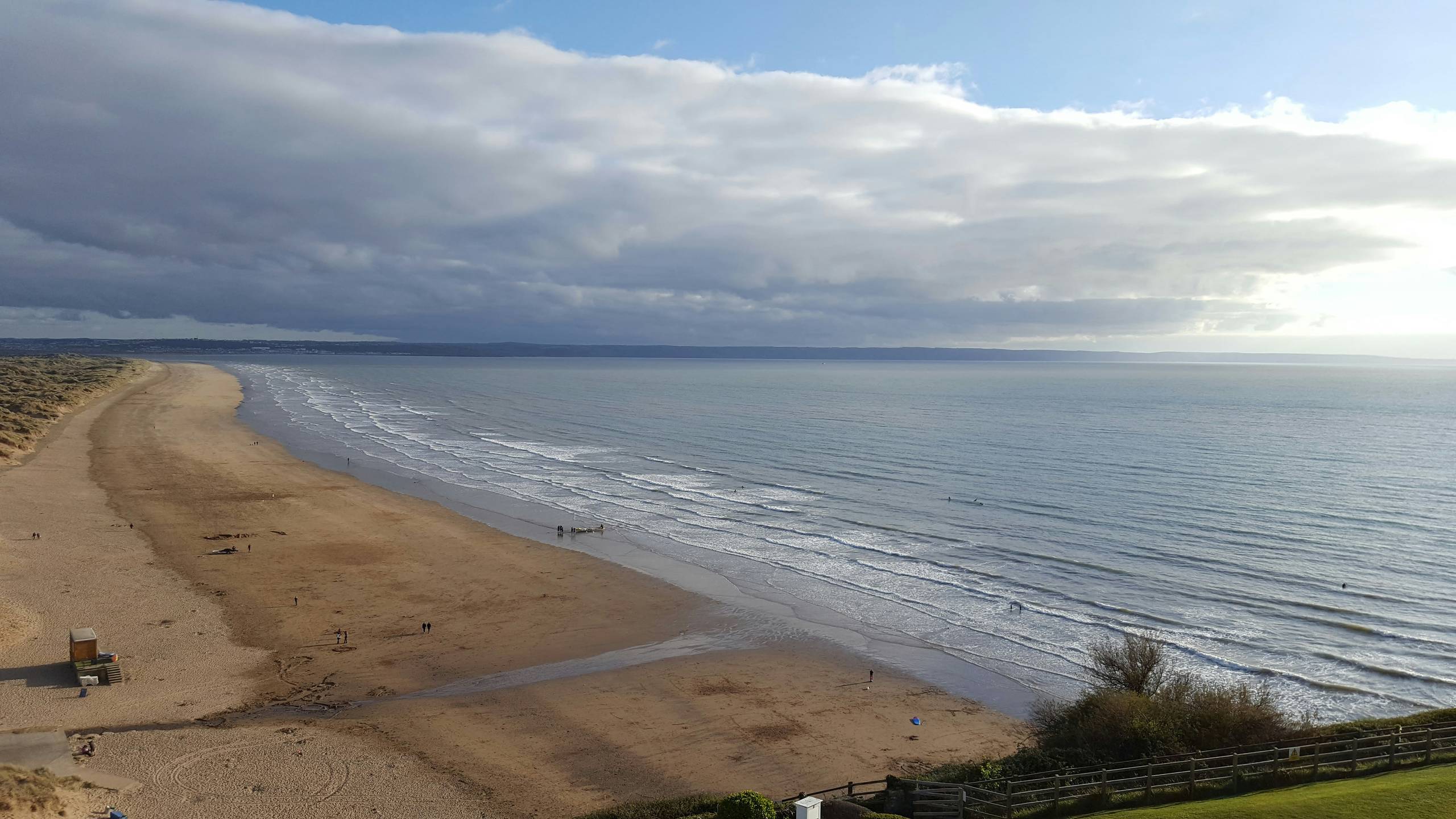
Stretching for miles along the North Devon coast, Saunton Sands feels wonderfully wild and open, with vast sands backed by the protected dunes of Braunton Burrows UNESCO Biosphere Reserve. Thanks to its gentle waves and huge tidal beach, it’s particularly popular with beginner surfers, paddleboarders and walkers looking for more space away from the busier beaches nearby. Even during summer, Saunton retains a calmer, more laid-back atmosphere, making it perfect for slower beach days and scenic coastal escapes.
Why we love Saunton Sands:
- The space: The enormous beach never feels overcrowded, even during peak season.
- The beginner-friendly surf: Gentle waves make it one of the best beaches in North Devon for learning to surf.
- The dunes: Braunton Burrows adds a unique wild beauty to the landscape.
- The dog-friendly feel: Popular with walkers year-round thanks to its huge open shoreline.
- The sunsets: Wide-open views across the Atlantic make sunset here unforgettable.
Westward Ho!
- Best for: Traditional seaside fun, family holidays and coastal walks.
- Vibe: Classic, friendly and full of nostalgic charm.
- Don’t miss: Walking the pebble ridge or grabbing fish and chips by the seafront.
- Ideal stay length: A day trip or 2–3 nights.
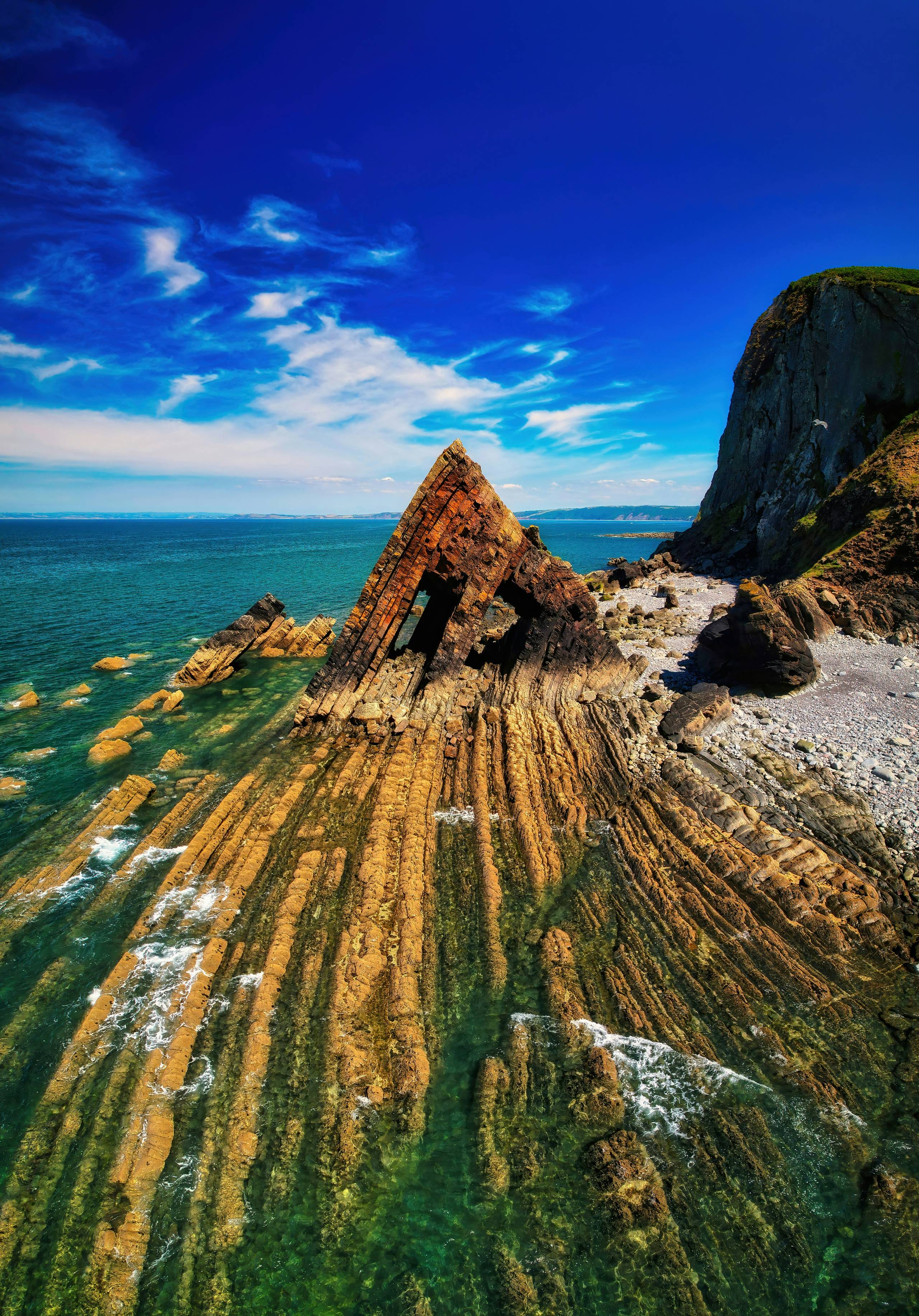
With its unique name and long pebble-backed beach, Westward Ho! is one of North Devon’s best-loved seaside resorts. Popular with families for generations, the beach combines classic British seaside atmosphere with excellent surfing, scenic coastal walks and plenty of space for beach games and paddling. The wide promenade, arcades and cafés give it a fun, traditional feel, while nearby Northam Burrows Country Park offers quieter stretches of coastline and beautiful walking routes overlooking Bideford Bay.
Why we love Westward Ho!:
- The traditional seaside atmosphere: Arcades, ice cream shops and fish and chips create classic holiday nostalgia.
- The surfing: The beach is popular with surfers thanks to its consistent waves and wide open shoreline.
- The family appeal: Safe swimming areas and lots of nearby facilities make it ideal for children.
- The coastal walks: Northam Burrows and the South West Coast Path offer fantastic scenery nearby.
- The sunsets over Bideford Bay: Evening views across the water are some of the best on the North Devon coast.
The best pubs and restaurants in North Devon
The best pubs in North Devon
A firm favourite among locals and visitors alike, The Rock Inn combines a cosy village pub atmosphere with excellent food, local ales and one of the best beer gardens in the area. Just minutes from Croyde and Putsborough, it's the perfect place to refuel after a day on the coast.
Tucked away in the tiny coastal village of Lee, The Grampus Inn is everything a Devon pub should be. Expect roaring fires in winter, a welcoming garden in summer and a relaxed atmosphere that makes it easy to while away an afternoon after exploring the nearby coves and cliff paths.
Hidden deep within a wooded valley near Watermouth, this atmospheric pub feels wonderfully off-grid, with roaring fires, candlelit corners and hearty food served beside a peaceful stream.
Sitting on the edge of Exmoor National Park, The Blue Ball Inn is the kind of traditional countryside pub made for post-walk pints, featuring low-beamed ceilings, open fires and classic Devon hospitality.
The best restaurants in North Devon
Set right on the sand at Woolacombe Beach, The Beach House serves fresh seafood, seasonal dishes and laid-back coastal dining with uninterrupted views of one of Britain's best beaches. It's hard to beat for a long lunch overlooking the waves.
Bringing modern Japanese-inspired dining to the North Devon coast, Roku has quickly established itself as one of the area's most exciting restaurants. Expect beautifully presented small plates, fresh local ingredients and a stylish atmosphere just moments from the beach.
Perched above the coastline with panoramic views across Woolacombe Bay, The Porthole pairs spectacular scenery with thoughtfully prepared food showcasing the best local produce. Sunset dinners here are particularly memorable.
One of North Devon's most unique dining experiences, Barricane Beach Café is famous for its Sri Lankan curries served just metres from the sea. Grab a table overlooking Barricane Beach and watch the sun dip below the horizon while enjoying a meal that has earned national recognition, including features in The Guardian.
The best time of year to visit North Devon
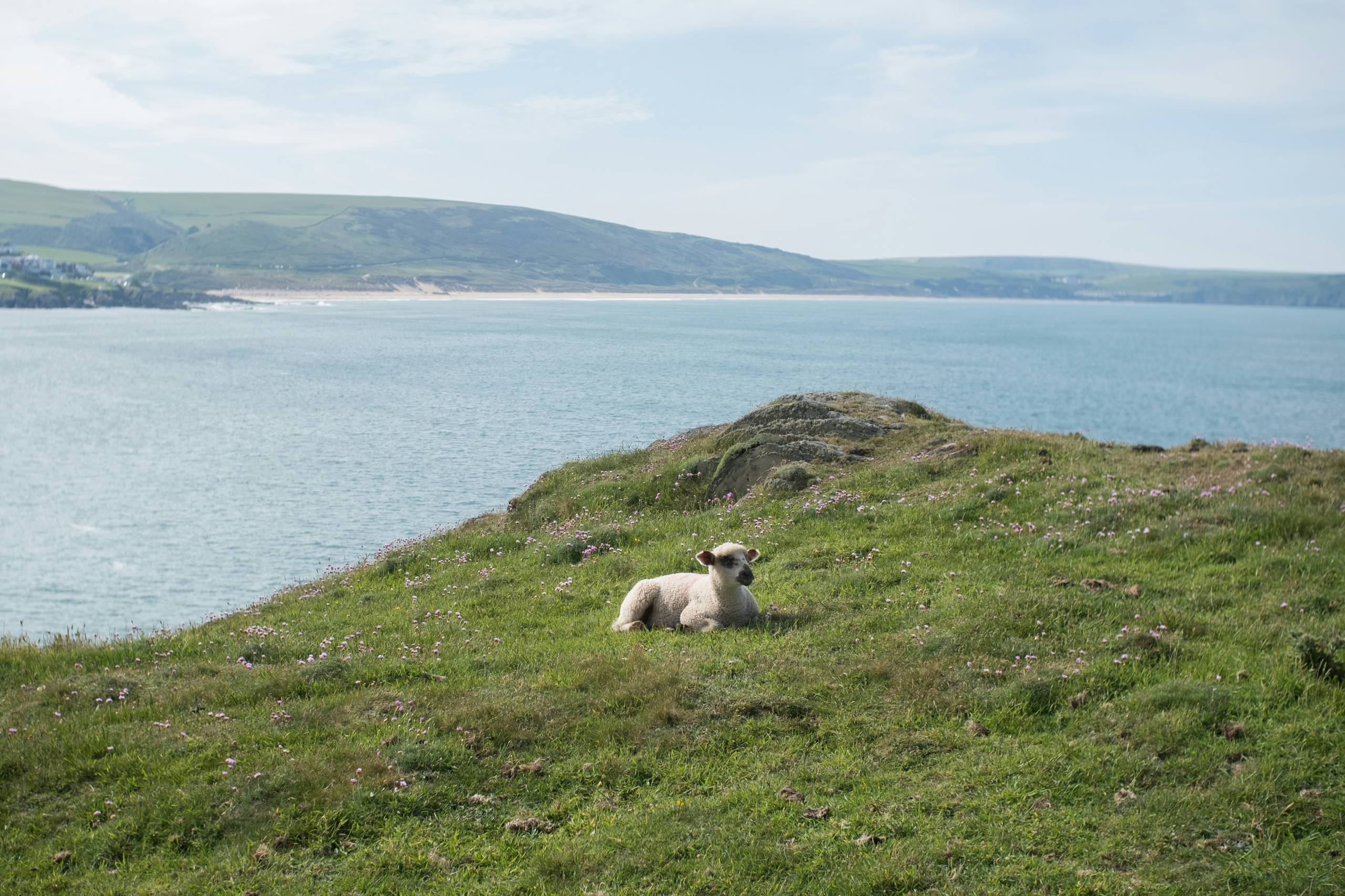
Whether you’re planning beach days, coastal walks, surfing weekends or cosy countryside escapes, North Devon offers something completely different in every season. Summer brings long days and lively seaside atmosphere, while autumn and winter reveal a quieter, wilder side to the coastline and moorland. Spring, meanwhile, is perfect for scenic walks, wildlife spotting and avoiding the busiest crowds. The best time to visit North Devon really depends on the kind of trip you’re looking for — but each season has its own unique charm.
- Best for: Coastal walks, wildflowers and quieter escapes.
- Vibe: Fresh, peaceful and full of new energy.
- Don’t miss: Exploring Exmoor during bluebell season or walking the coast before summer crowds arrive.
- Ideal stay length: A long weekend or 3–5 days.
Spring is one of the most underrated times to visit North Devon, with longer days, milder temperatures and landscapes bursting back into life after winter. Coastal walking trails are quieter, beaches feel peaceful and Exmoor National Park becomes especially beautiful as wildflowers begin to bloom across the countryside. It’s also a brilliant time for slower-paced getaways, pub lunches and scenic drives before the peak summer season begins.
Why we love North Devon in spring:
- The quieter beaches: Many of North Devon’s best beaches feel wonderfully peaceful before summer arrives.
- The walking weather: Cooler temperatures make hiking and coastal walks far more comfortable.
- The landscapes: Wildflowers, blossom and fresh greenery make the countryside especially scenic.
- The wildlife spotting: Spring is one of the best times to see seabirds, deer and coastal wildlife.
- The relaxed atmosphere: Everything feels calmer, slower and less crowded.
- Best for: Beach holidays, surfing and family days out.
- Vibe: Lively, sun-soaked and full of energy.
- Don’t miss: Sunset beach evenings at Woolacombe or surfing at Croyde Bay.
- Ideal stay length: 5–7 days.
Summer is peak season in North Devon for good reason. Long sunny days bring the coastline to life, with surfers filling the beaches, cafés spilling onto harboursides and coastal paths glowing in the evening light. Families flock to the region for classic seaside holidays, while outdoor adventures like kayaking, paddleboarding and boat trips are at their best. Although the most popular spots can get busy during school holidays, the sheer size of North Devon’s coastline means it’s still easy to find quieter stretches of beach and hidden coves.
Why we love North Devon in summer:
- The beaches: Warm weather and long days make beach hopping irresistible.
- The outdoor activities: Surfing, paddleboarding and coastal adventures are at their best.
- The atmosphere: Seaside towns buzz with energy, outdoor dining and live events.
- The sunsets: Summer evenings along the coast are genuinely spectacular.
- The family-friendly feel: Attractions, beaches and villages are all in full swing.
- Best for: Surf trips, cosy pubs and quieter coastal escapes.
- Vibe: Atmospheric, windswept and beautifully peaceful.
- Don’t miss: Stormy walks along the South West Coast Path followed by fireside pub dinners.
- Ideal stay length: A long weekend or 3–4 days.
Autumn brings a calmer, moodier beauty to North Devon, with golden light, quieter beaches and dramatic Atlantic swells rolling onto the coast. September often still feels surprisingly warm, especially for surfing and beach walks, while later autumn is perfect for cosy weekends centred around scenic drives, countryside pubs and windswept coastal scenery. It’s also one of the best seasons for photography, with softer light and fewer crowds across the region.
Why we love North Devon in autumn:
- The surfing conditions: Autumn swells create some of the best surfing waves of the year.
- The quieter coastline: Beaches and coastal paths feel far less crowded after summer.
- The cosy pubs: Countryside inns and seaside pubs feel especially inviting on cooler evenings.
- The scenery: Golden light and dramatic skies make the landscapes feel cinematic.
- The slower pace: The whole region becomes calmer and more relaxed.
- Best for: Storm watching, cosy getaways and peaceful countryside escapes.
- Vibe: Wild, dramatic and wonderfully restorative.
- Don’t miss: Watching winter waves crash against the cliffs around Hartland Quay.
- Ideal stay length: 2–4 days.
Winter reveals North Devon at its most dramatic, with empty beaches, crashing Atlantic waves and misty landscapes across Exmoor National Park. While it’s not the season for traditional beach holidays, it’s perfect for cosy cottage stays, scenic pub lunches and stormy coastal walks wrapped up against the sea air. The quieter atmosphere also gives many of North Devon’s towns and villages a more authentic feel, making winter ideal for slower escapes focused on scenery, food and relaxation.
Why we love North Devon in winter:
- The dramatic coastline: Winter storms make the North Devon coast feel wild and powerful.
- The peaceful atmosphere: Beaches, villages and walking trails become wonderfully quiet.
- The cosy stays: Fireside pubs, sea-view cottages and countryside inns feel even more inviting.
- The stargazing: Clear winter skies make Exmoor one of the best places in the UK for dark skies.
- The slower travel experience: Winter is perfect for relaxing weekends away without the crowds.
How to get to North Devon
Despite its wonderfully remote feel, North Devon is surprisingly easy to reach from many parts of the UK. Whether you’re driving down for a long weekend, catching the train for a coastal escape or planning a slower countryside road trip, there are plenty of ways to get here. While the journey can take a little longer than some other UK destinations, the dramatic coastline, peaceful beaches and wild landscapes more than reward the effort once you arrive.
Driving is by far the easiest and most flexible way to explore North Devon, especially if you’re planning to visit beaches, coastal villages and Exmoor National Park during your stay.
The quickest route is usually via the M4 and M5, before joining the A361 towards Barnstaple. Depending on traffic and where you’re staying, the journey typically takes around 4–5 hours from London. Leaving early or travelling outside peak holiday periods can make a big difference during summer months.
Most routes from Birmingham and the Midlands follow the M5 south towards Exeter before continuing onto the A361 into North Devon. Expect driving times of around 3.5–5 hours depending on your starting point and final destination.
Visitors travelling from Manchester, Leeds and the North of England will usually follow the M6 and M5 southbound before joining the A361. The journey is longer — often around 6–8 hours — but breaking the drive up with a stop near Somerset or Exmoor can make it far more relaxed.
Why we recommend driving in North Devon:
- The flexibility: Many beaches, villages and walking routes are easiest to reach by car.
- The scenic roads: Coastal drives and countryside lanes become part of the experience.
- The freedom to explore: It’s easy to combine beaches, towns and Exmoor in one trip.
- The hidden spots: Some of North Devon’s best coves and viewpoints are only accessible by road.
- The convenience for families: Travelling by car makes beach gear, walking equipment and luggage much easier to manage.
Travelling to North Devon by train can be a relaxing and scenic option, especially for visitors coming from London and the South East.
Direct trains run regularly from London Paddington to Exeter St Davids, where you can connect onto services towards Barnstaple. Total journey times are usually around 4–5 hours depending on connections.
Travellers from Birmingham and the Midlands can usually change at Exeter St Davids before continuing to Barnstaple. Journey times typically range from 4–6 hours.
From northern cities like Manchester and Leeds, train journeys often involve connections through Birmingham and Exeter before reaching Barnstaple. Travel times are longer, but the route through Devon can be especially scenic.
Why we love travelling by train:
- The relaxed journey: No traffic, no parking and plenty of countryside views along the way.
- The scenic approach into Devon: Rolling countryside and estuary views make the journey feel part of the holiday.
- The easy London connections: Paddington services make North Devon surprisingly accessible without a car.
- The sustainable option: A great lower-impact alternative to driving.
- The slower pace: Arriving by train feels calmer and more leisurely from the very start.
Coach travel offers one of the cheapest ways to reach North Devon, with regular services connecting major UK cities to towns like Barnstaple, Bideford and Ilfracombe.
National Express coaches run from London Victoria towards North Devon, usually taking around 6–7 hours depending on stops and traffic.
Coach routes from Birmingham and surrounding cities generally connect through Bristol or Exeter before continuing into North Devon.
Long-distance coach routes from northern cities are available but can involve lengthy journey times and multiple changes, making them better suited to budget-conscious travellers rather than shorter breaks.
Why coach travel works well:
- The affordability: Often one of the cheapest ways to reach North Devon.
- The direct town connections: Coaches can drop you directly into seaside towns and larger villages.
- The stress-free travel: No driving or parking needed.
- The scenery: Coastal and countryside views make the route surprisingly enjoyable.
- The convenience for solo travellers: Ideal for slower-paced trips without needing a car.
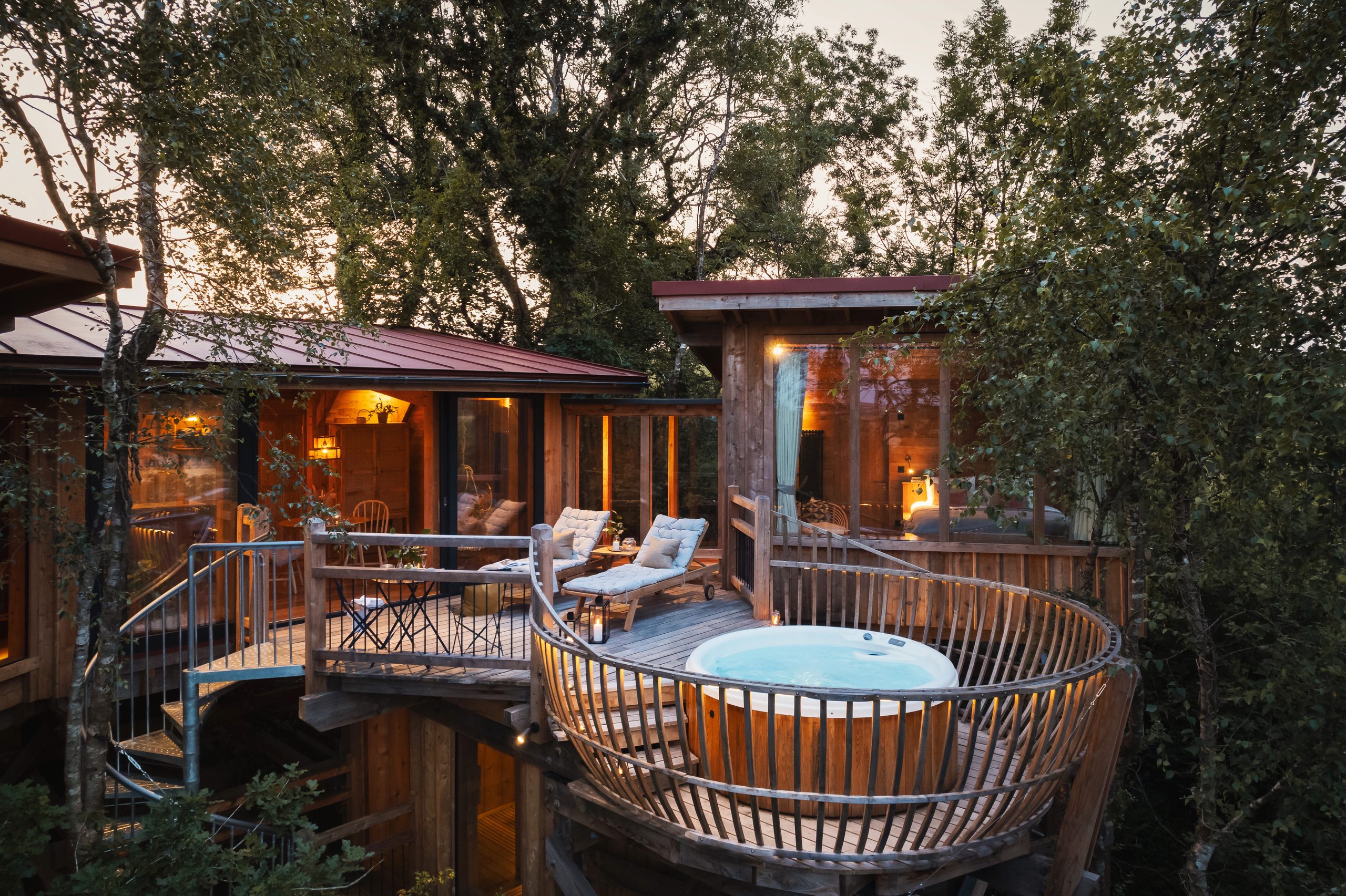
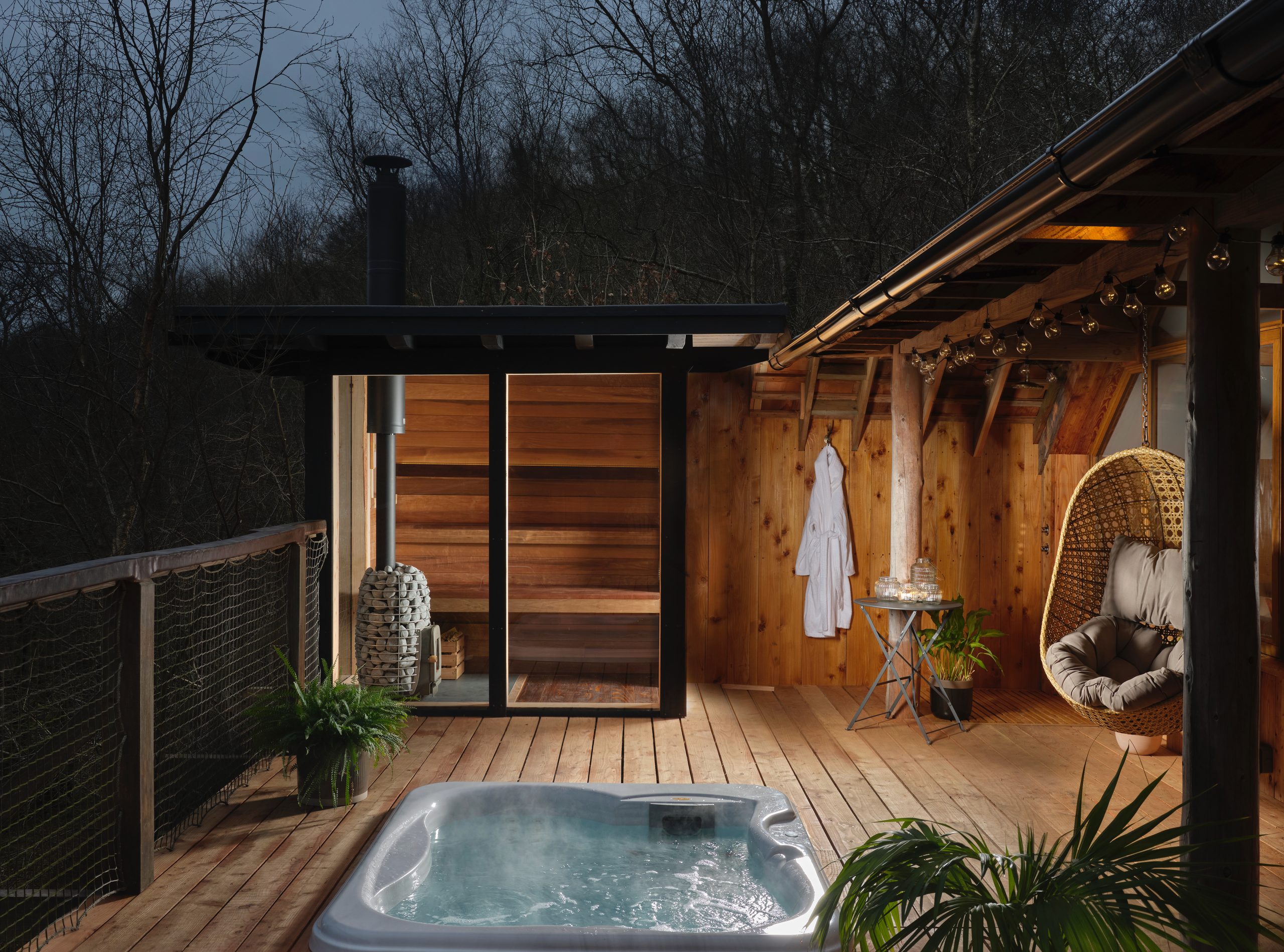
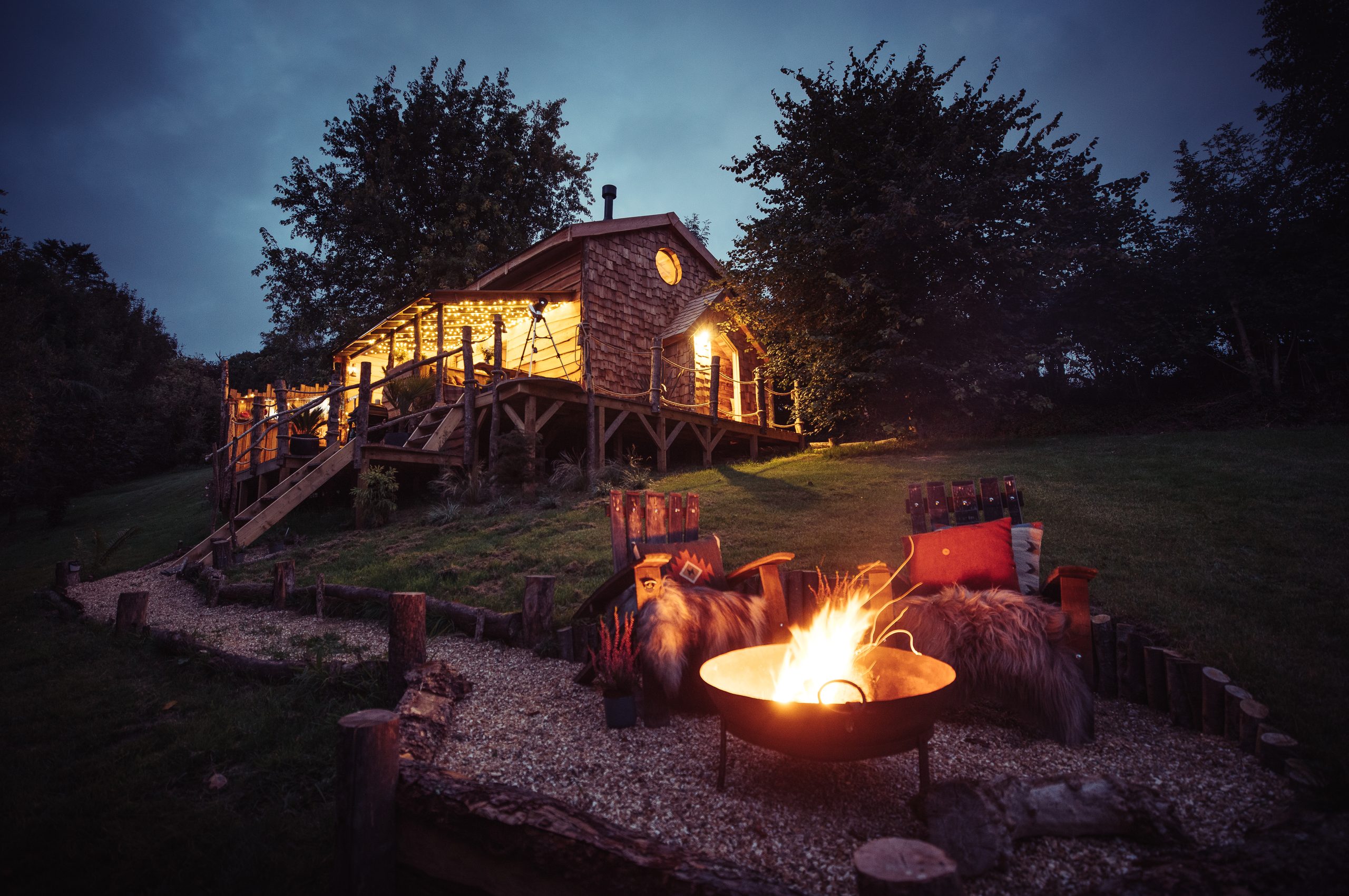
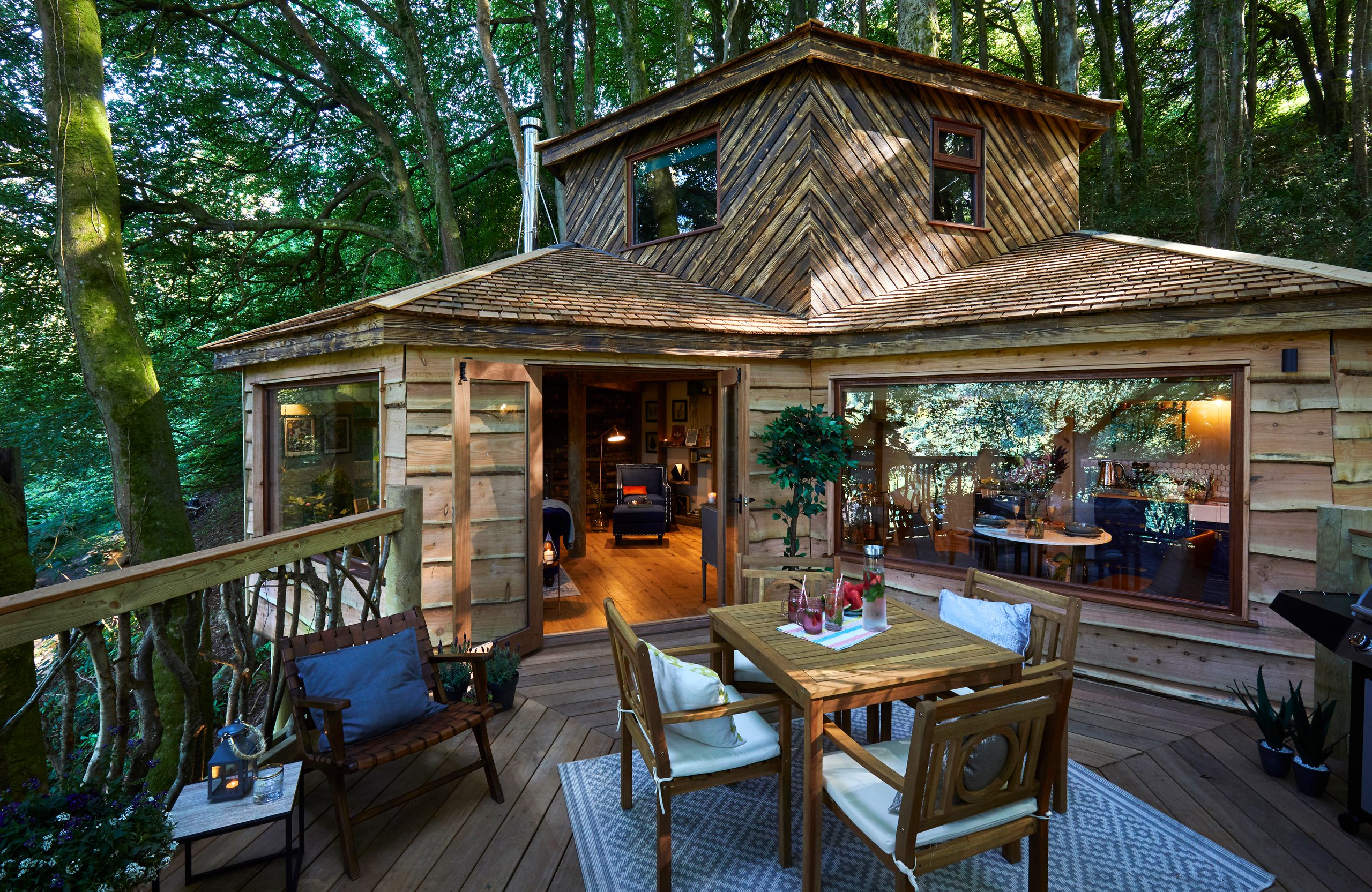
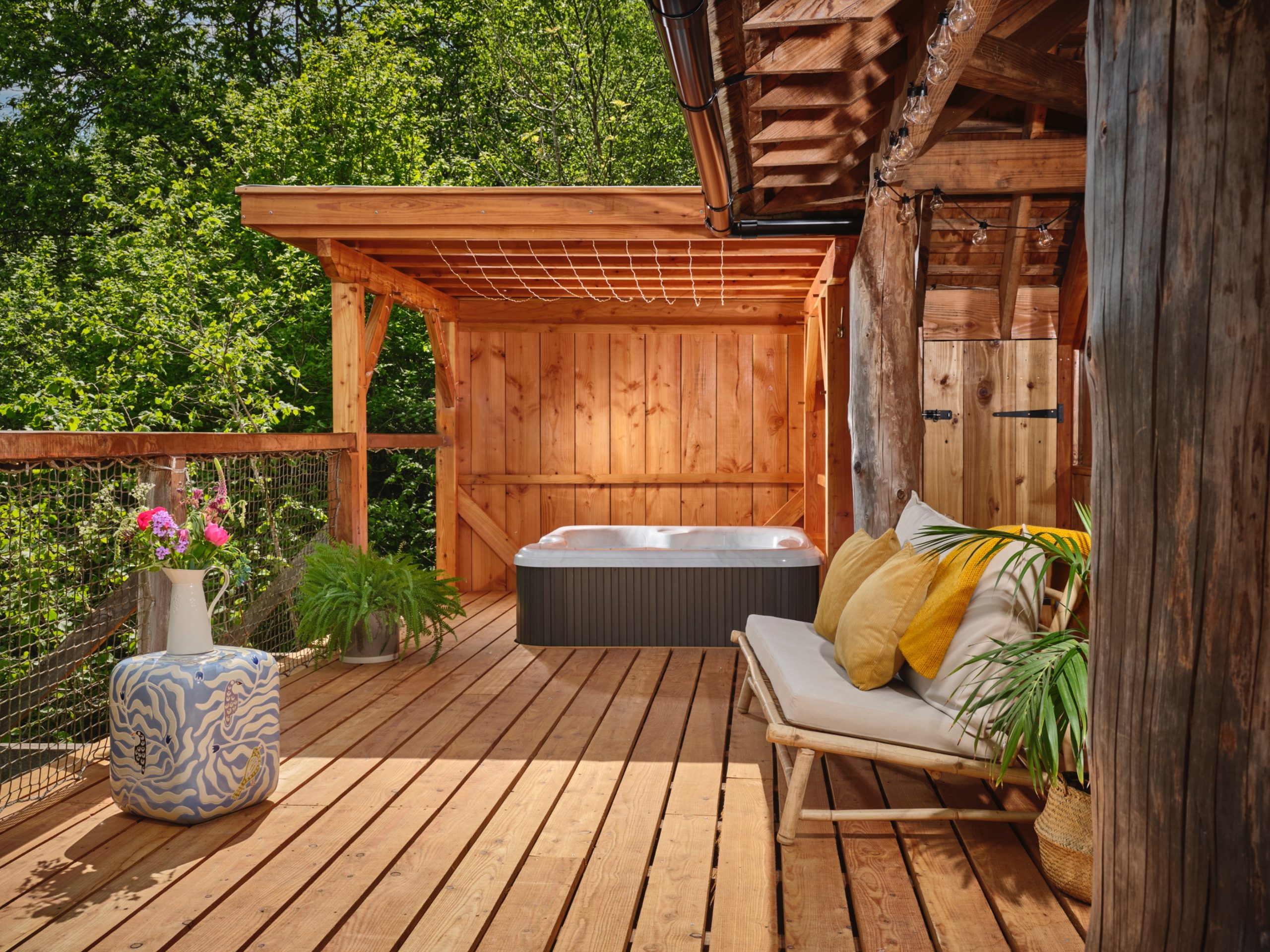
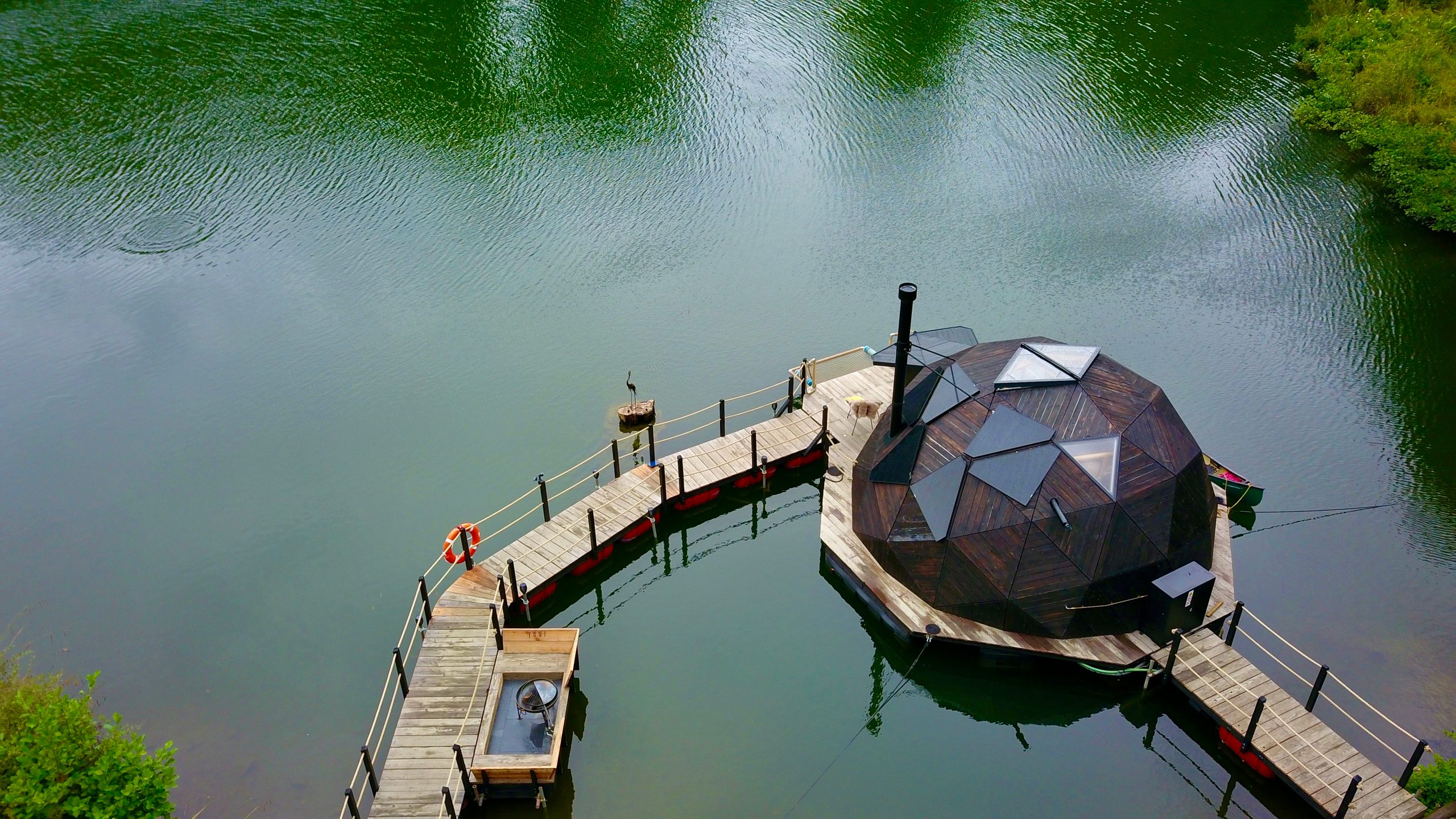
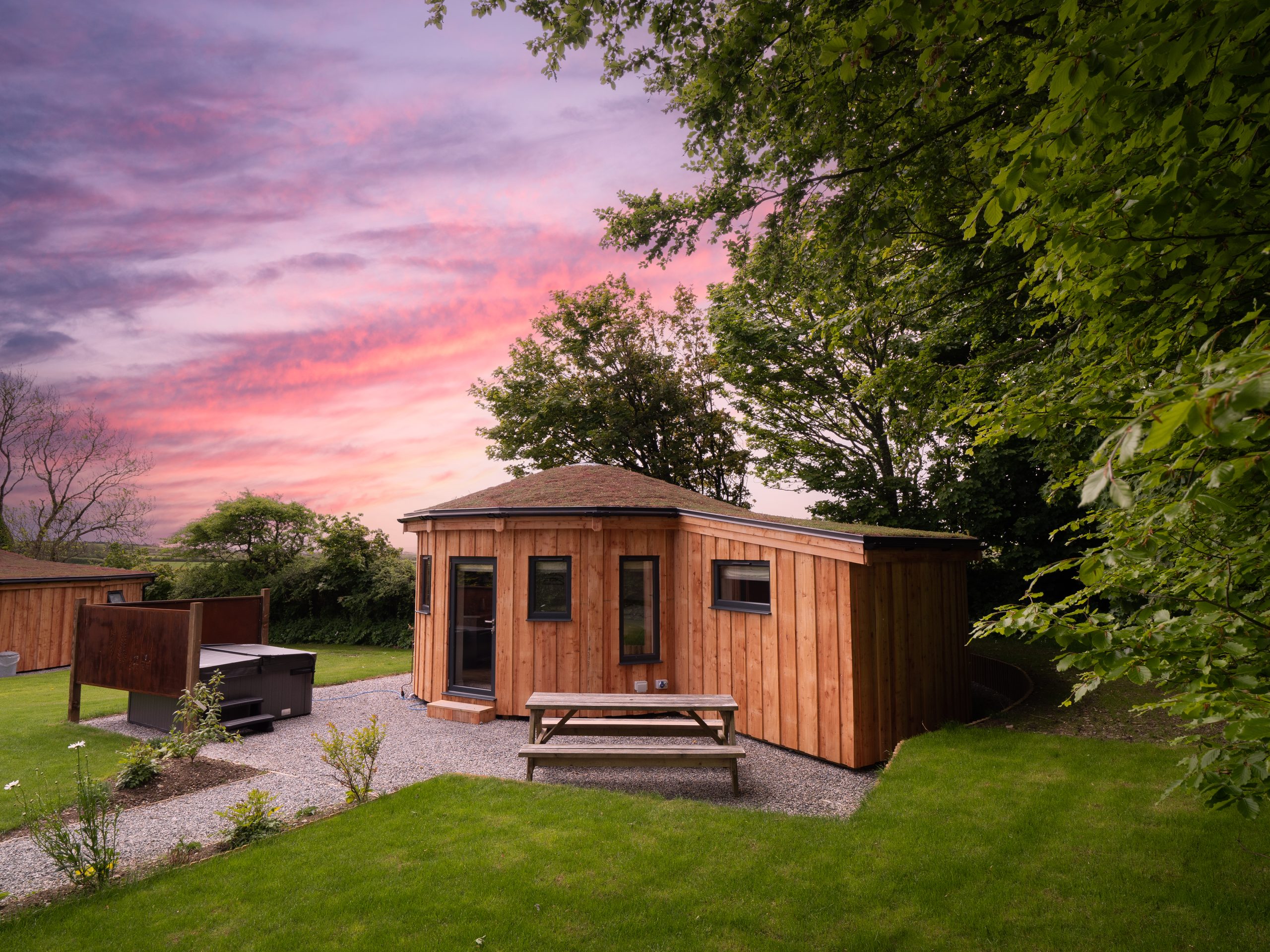
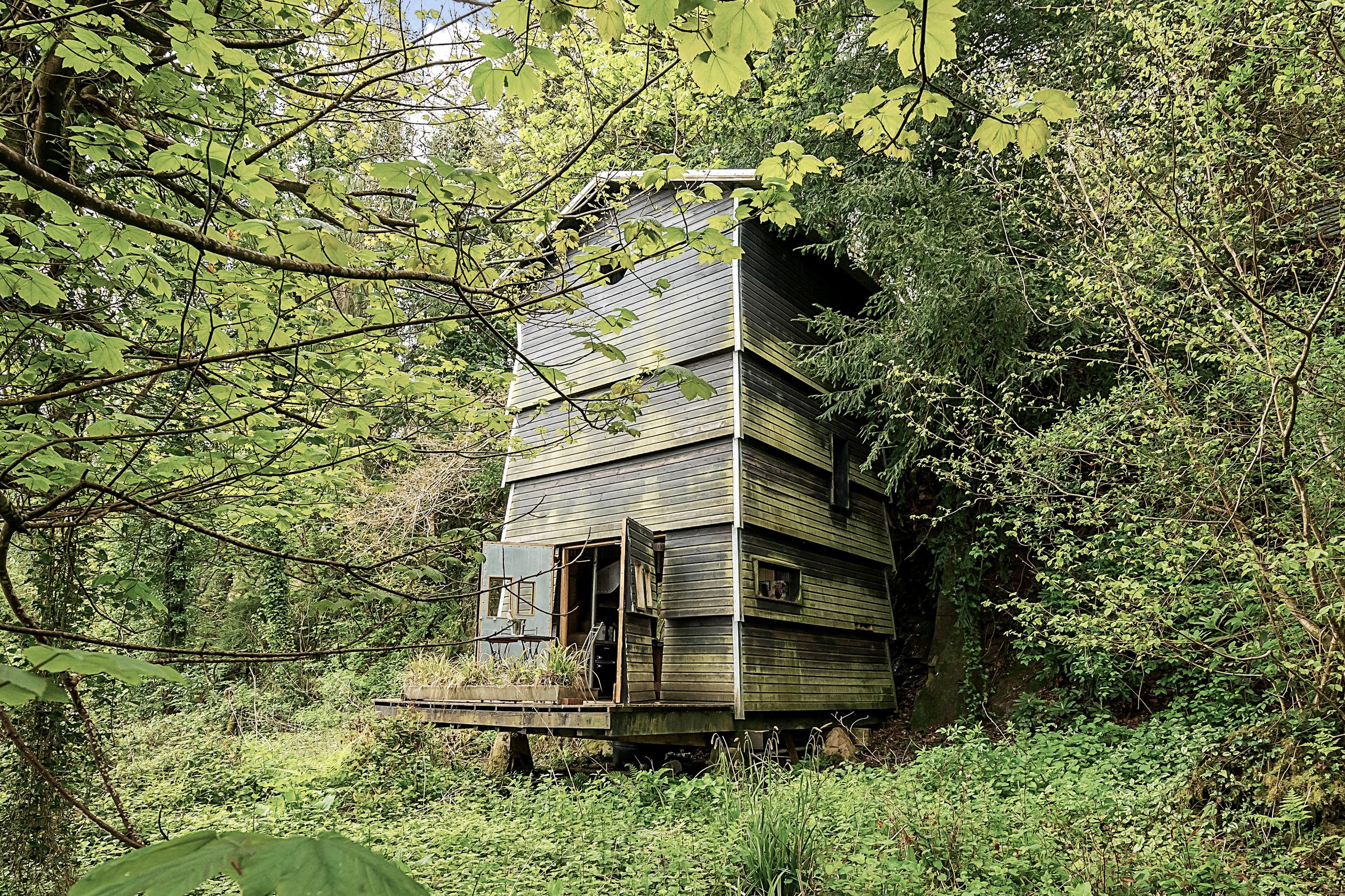
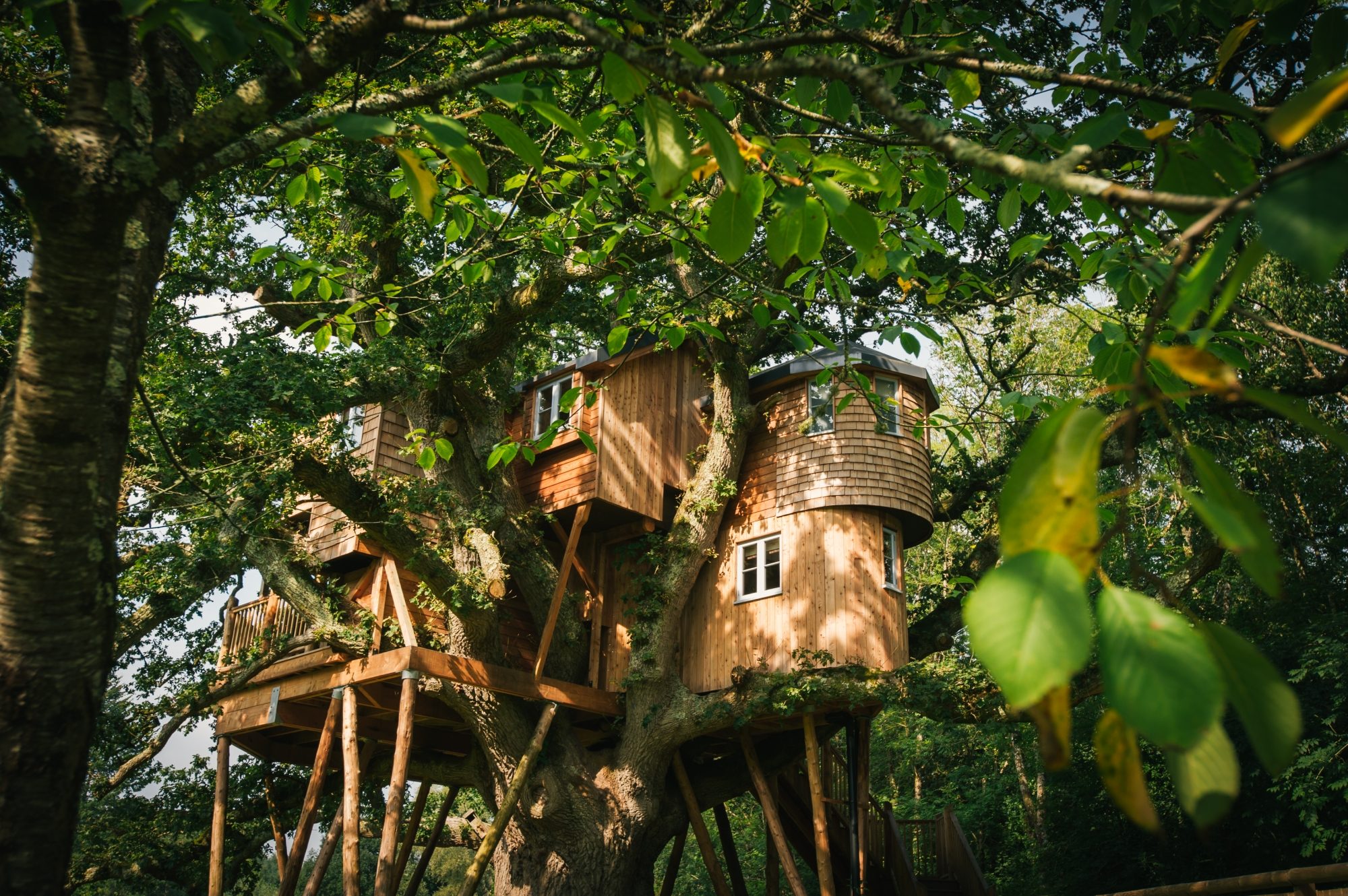
Some of our favourite North Devon stays
North Devon is best known for its dramatic coastline, sandy surfing beaches, rugged countryside, charming fishing villages and outdoor activities like walking, surfing and kayaking.
Some of the best beaches in North Devon include Woolacombe Beach, Croyde Bay, Saunton Sands and Westward Ho!, each offering a different mix of surfing, scenery and family-friendly atmosphere.
Yes — North Devon is one of the best UK destinations for family holidays, with attractions like The Big Sheep, Exmoor Zoo, adventure parks, huge beaches and plenty of outdoor activities for all ages.
Summer is best for beach holidays and surfing, while spring and autumn are ideal for quieter coastal walks and outdoor adventures. Winter is perfect for cosy countryside escapes and dramatic coastal scenery.
While it’s possible to visit North Devon by train or coach, having a car makes it much easier to explore beaches, coastal villages, Exmoor National Park and more remote parts of the coastline.
Absolutely. North Devon is one of the UK’s top surfing destinations, with beaches like Croyde Bay, Woolacombe and Saunton Sands attracting surfers throughout the year.
Clovelly, Appledore, Ilfracombe, Lynmouth and Lynton are among the most picturesque places to visit in North Devon, each offering its own unique coastal charm and scenery.
A long weekend is enough to explore some highlights, but 5–7 days allows time to properly enjoy the beaches, towns, coastal walks and Exmoor National Park.
Definitely. Exmoor National Park is one of the most beautiful areas in the South West, known for its moorland scenery, walking trails, wildlife, dark skies and dramatic coastline.
Yes — while the coastline is a major draw, North Devon also offers scenic countryside, historic villages, great pubs and restaurants, Exmoor National Park and plenty of inland walking and cycling routes.