Coolstays guide to Dorset
Published 23rd September 2026
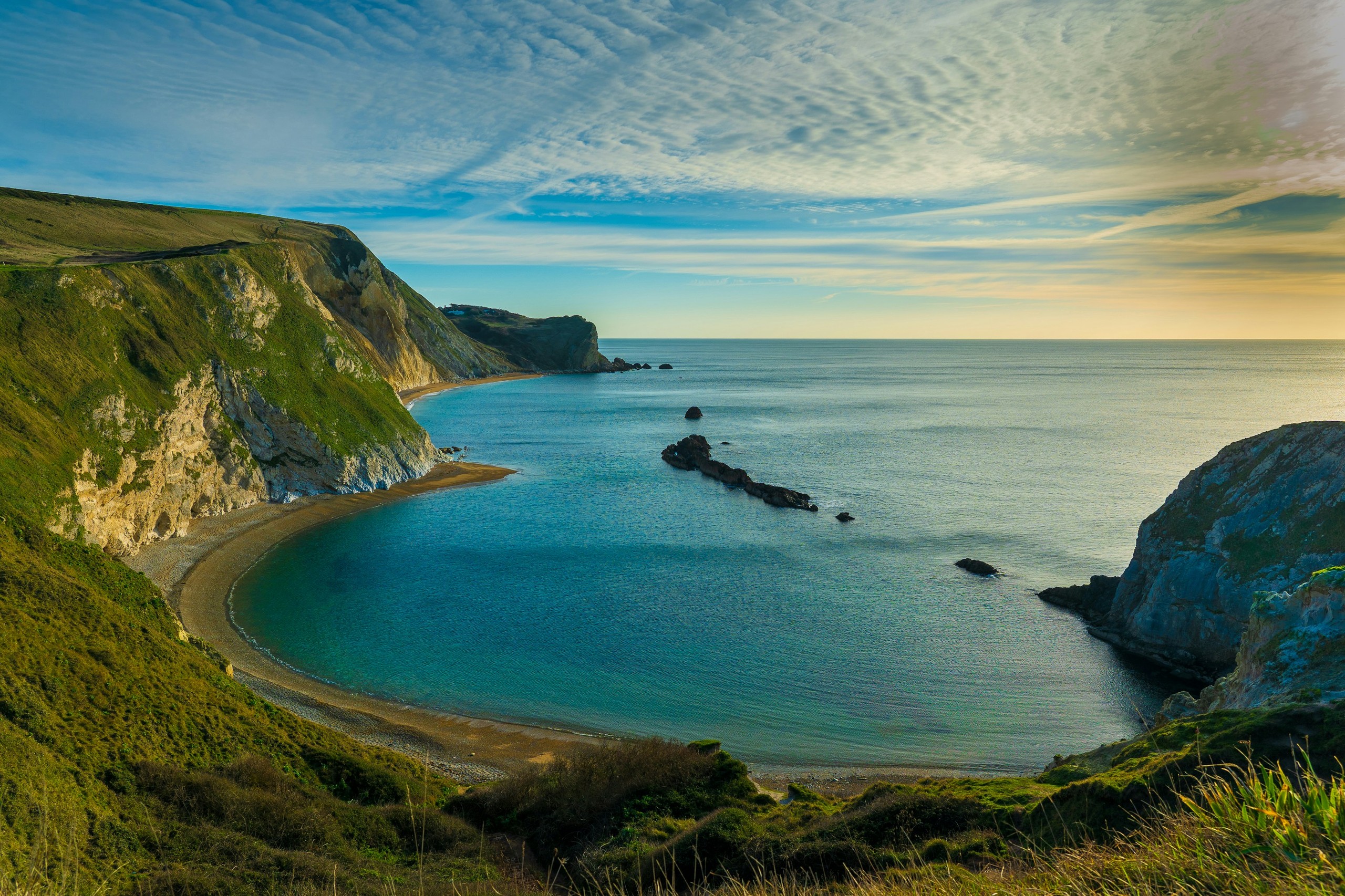
Dorset is one of those places that seems to pack an extraordinary amount into a relatively small corner of England. Along its spectacular coastline you’ll find sweeping sandy beaches, secluded coves, towering cliffs and some of the country’s most recognisable natural landmarks, while inland there are rolling hills, historic villages, ancient sites and miles of peaceful countryside to explore.
The Jurassic Coast is undoubtedly the headline attraction. Stretching for 95 miles across Dorset and East Devon, this UNESCO World Heritage Site reveals around 185 million years of Earth’s history, with famous landmarks including Durdle Door, Lulworth Cove, Chesil Beach and the cliffs around Lyme Regis. It’s also one of the best places in Britain to go fossil hunting, particularly around Lyme Regis and Charmouth.
But there are plenty more things to do in Dorset beyond the coast. You can wander through the ruins of Corfe Castle, explore pretty Dorset towns and villages, walk spectacular stretches of the South West Coast Path or spend lazy days beside the sea. Families can ride heritage railways and visit some of the county’s excellent attractions, while food lovers will find everything from freshly caught seafood to traditional country pubs.
Whether you’re planning a Dorset weekend break, a family holiday by the sea or a longer stay exploring the Jurassic Coast, this guide covers the best places to visit in Dorset, the county’s finest beaches and walks, things to do, places to eat and where to stay.
Click the links below to skip to that section of our guide
- Dorset at a glance
- Best places to visit in Dorset
- Best towns and villages in Dorset
- Best beaches in Dorset
- Best walks in Dorset
- Exploring the Jurassic Coast
- Best family days out in Dorset
- Castles, history and heritage
- Outdoor activities in Dorset
- Wildlife and nature in Dorset
- Best pubs and places to eat in Dorset
- Choose the perfect Dorset break
- Best time to visit Dorset
- How to get to Dorset
- Some of our favourite Dorset stays
Dorset at a glance
- Where: South West England, bordered by Devon, Somerset, Wiltshire and Hampshire.
- Best for: Beaches, coastal walks, fossil hunting, pretty villages, family holidays, historic sites and countryside escapes.
- How many days: Three to four days is ideal for a Dorset weekend break, while a week gives you time to explore both the eastern and western parts of the county.
- Famous for: The Jurassic Coast, Durdle Door, Lulworth Cove, Lyme Regis, Chesil Beach, Corfe Castle and Old Harry Rocks.
- Best time to visit: April to October, with late spring and early autumn particularly good for walking, sightseeing and avoiding the busiest summer crowds.
Best places to visit in Dorset
Durdle Door
- Best for: Iconic Dorset scenery and coastal walks
- Don’t miss: Walking between Durdle Door and Lulworth Cove
- Allow: Two to three hours, or longer for a beach day
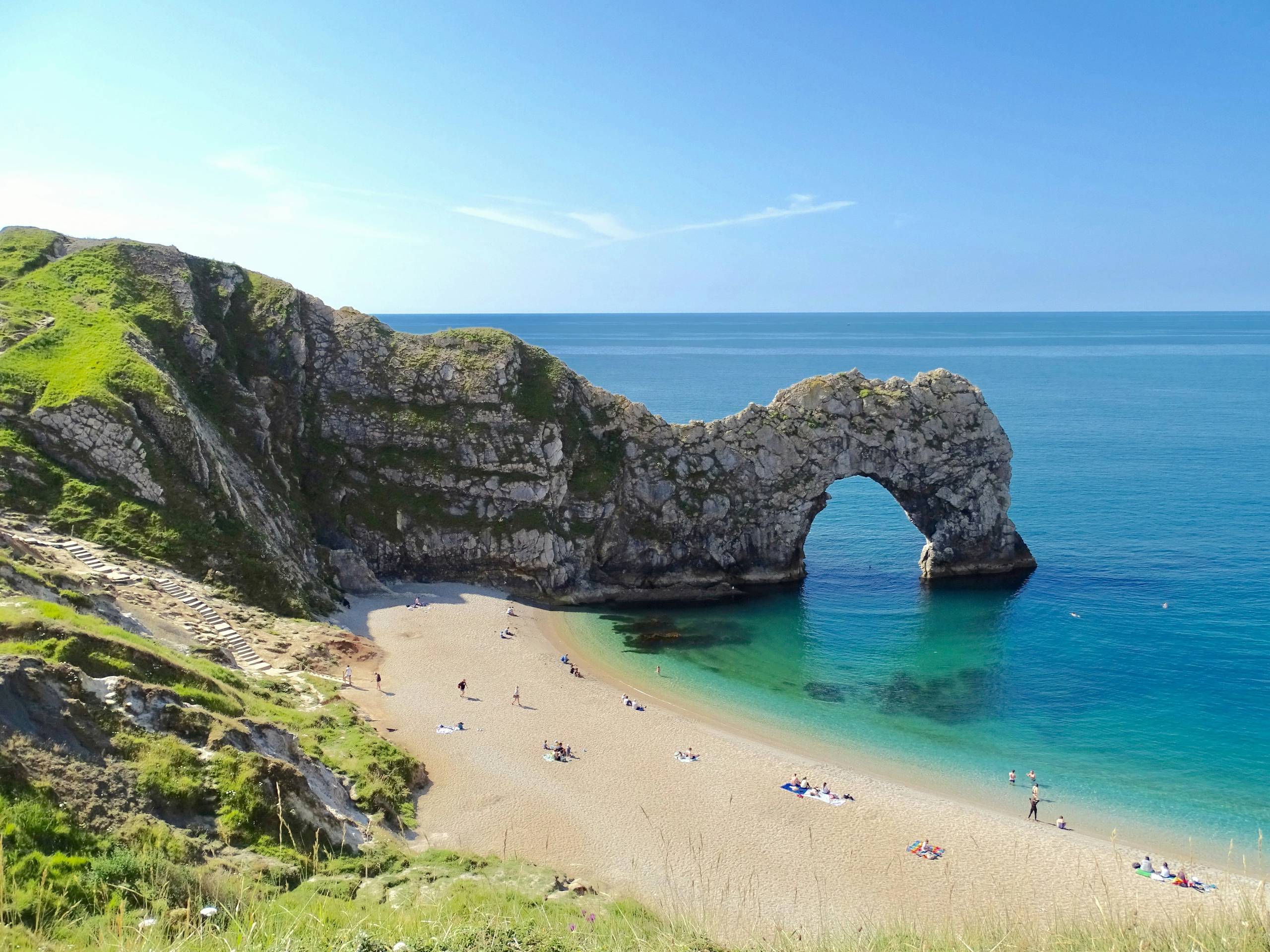
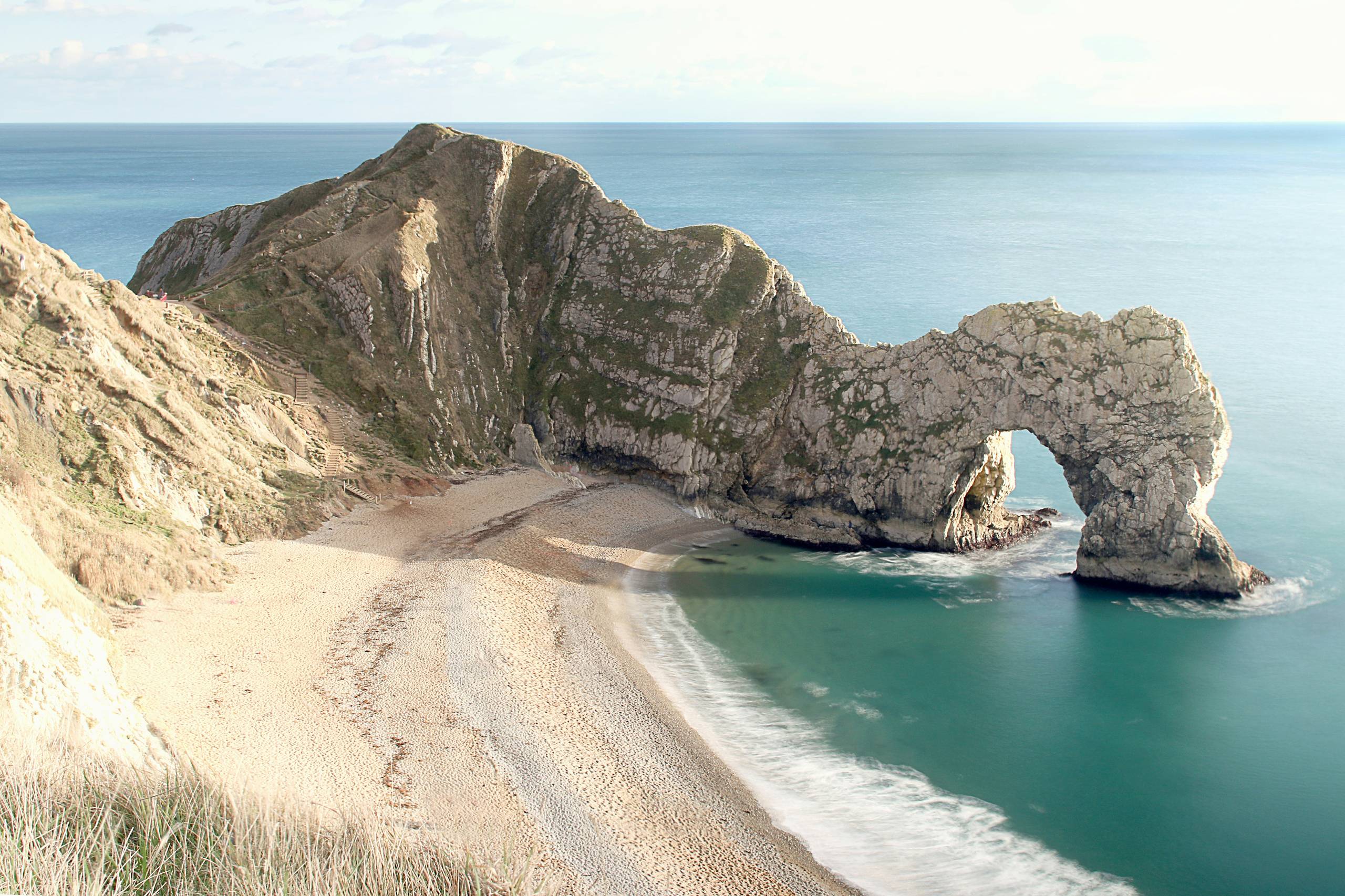
Few sights are more closely associated with Dorset than Durdle Door. This huge natural limestone arch rises from the sea on the Jurassic Coast and is one of the most recognisable landmarks on England’s south coast.
A steep path leads down towards the beach, where you can admire the arch from the shore, but some of the best views are found from the cliffs above. One of the best ways to experience the area is to walk between Durdle Door and nearby Lulworth Cove, following a spectacular section of the South West Coast Path.
Durdle Door gets extremely busy during the summer, so visit early in the morning or outside peak season if you want to experience it at its quietest.
Lulworth Cove
- Best for: Coastal scenery, geology and walking
- Don’t miss: The viewpoints above the cove
- Combine with: Durdle Door
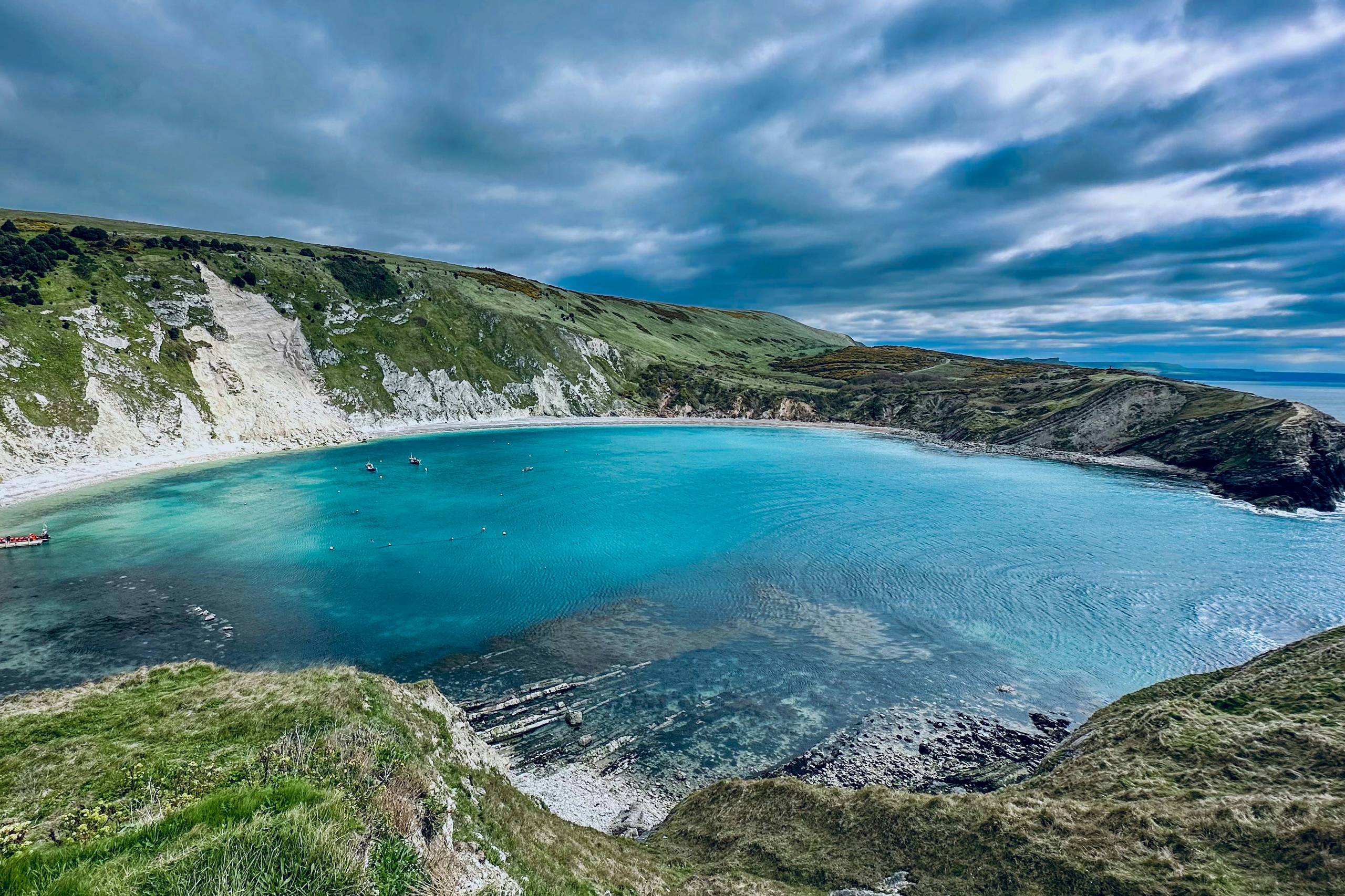
Almost perfectly circular, Lulworth Cove is another of the Jurassic Coast’s most recognisable natural landmarks. Its distinctive shape was created over thousands of years as the sea broke through bands of rock, leaving behind the sheltered cove you see today.
Walk down to the shoreline before climbing onto the surrounding cliffs for views across the coast. Lulworth is also an excellent starting point for walks, with Durdle Door around a mile away along the coast path.
There’s also a visitor centre where you can learn more about the area’s fascinating geology, as well as cafés and places to eat around West Lulworth.
Corfe Castle
- Best for: History, views and family days out
- Don’t miss: Exploring Corfe village
- Combine with: Swanage and the Swanage Railway
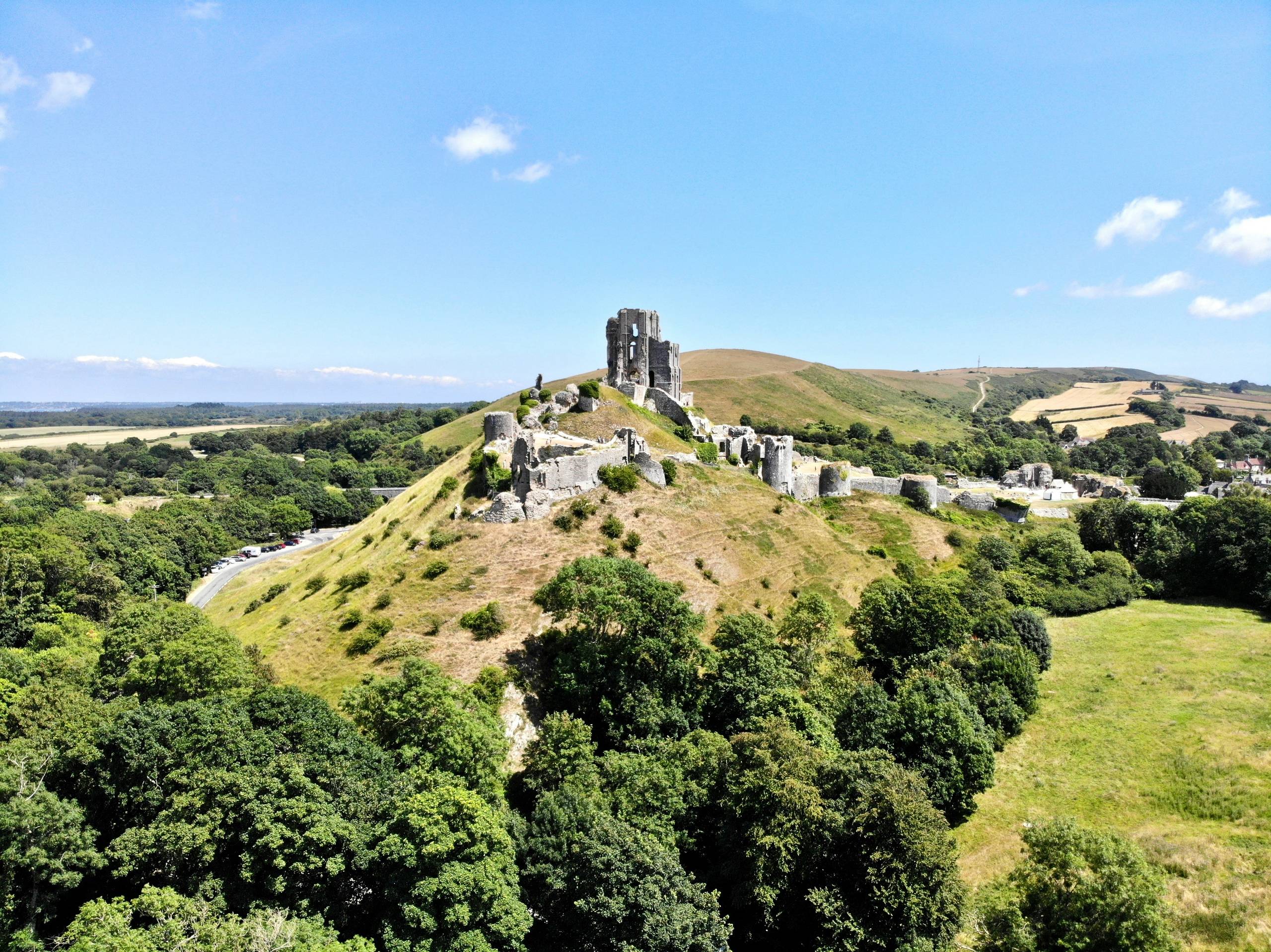
Rising dramatically above the Purbeck countryside, the ruins of Corfe Castle are among Dorset’s most atmospheric historic sights. The castle has stood here in various forms for around 1,000 years, and its hilltop position provides fantastic views across the surrounding landscape.
Explore the ruins before wandering through the stone-built village below, where you’ll find traditional pubs, tearooms and independent shops.
For a memorable day out, combine Corfe Castle with a journey on the Swanage Railway. Heritage trains run through the countryside between Norden, Corfe Castle and Swanage, making this an especially good option for families.
Old Harry Rocks
- Best for: Coastal walking and panoramic views
- Don’t miss: The walk from Studland
- Allow: Around two hours for an easy return walk
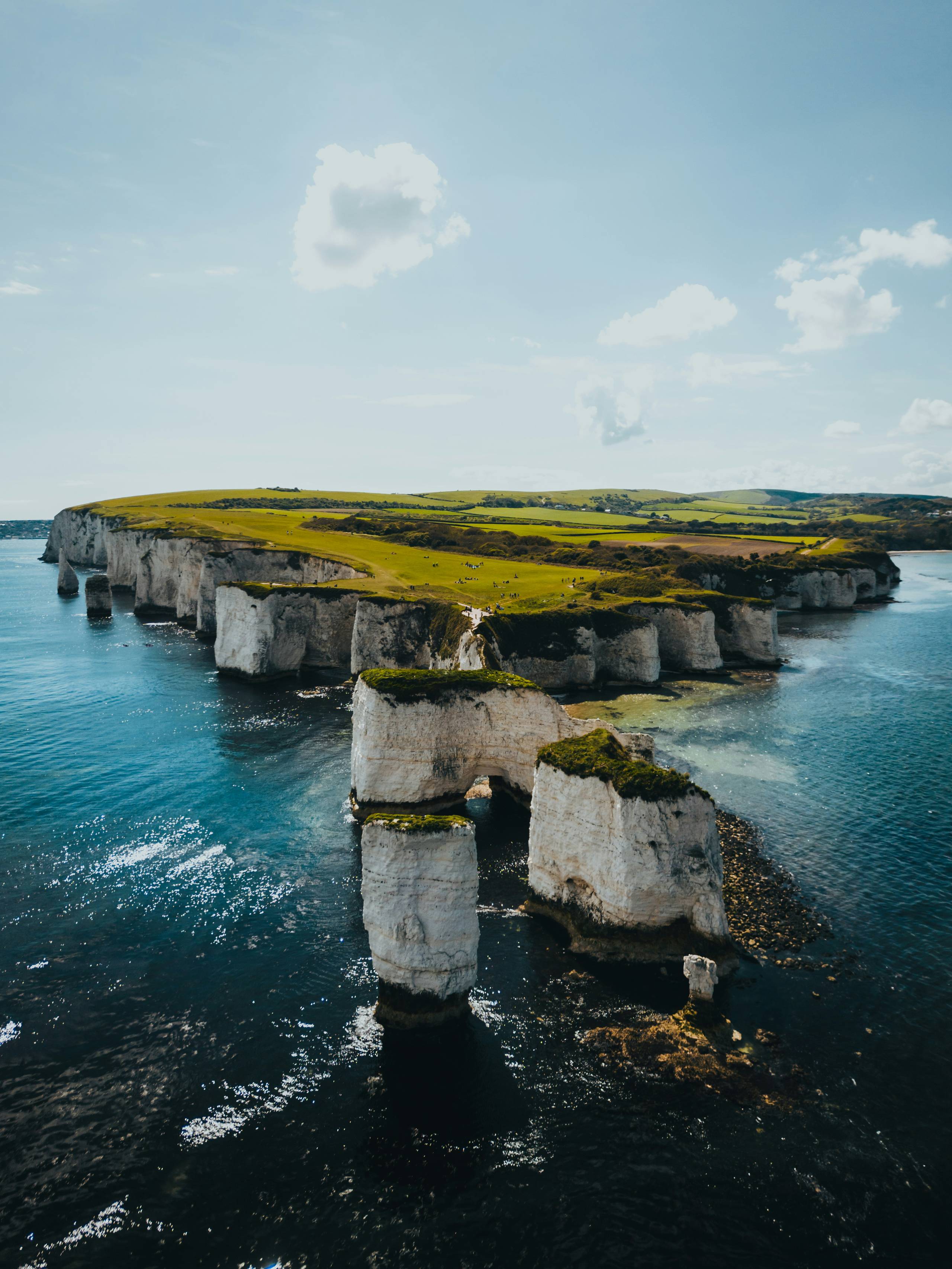
Standing at the eastern end of the Jurassic Coast, Old Harry Rocks are a collection of dramatic white chalk formations rising from the sea near Studland.
The classic approach is an easy walk from Studland village, following the coast towards the headland. Once you reach the rocks, you’ll be rewarded with sweeping views across Poole Bay and towards the Isle of Wight.
For a longer day out, continue across Ballard Down towards Swanage or combine the walk with some time on the beautiful beaches of Studland Bay.
Best towns and villages in Dorset
Lyme Regis
- Best for: Fossils, food and classic seaside charm
- Don’t miss: The Cobb and a guided fossil hunt
- Good base for: Exploring western Dorset
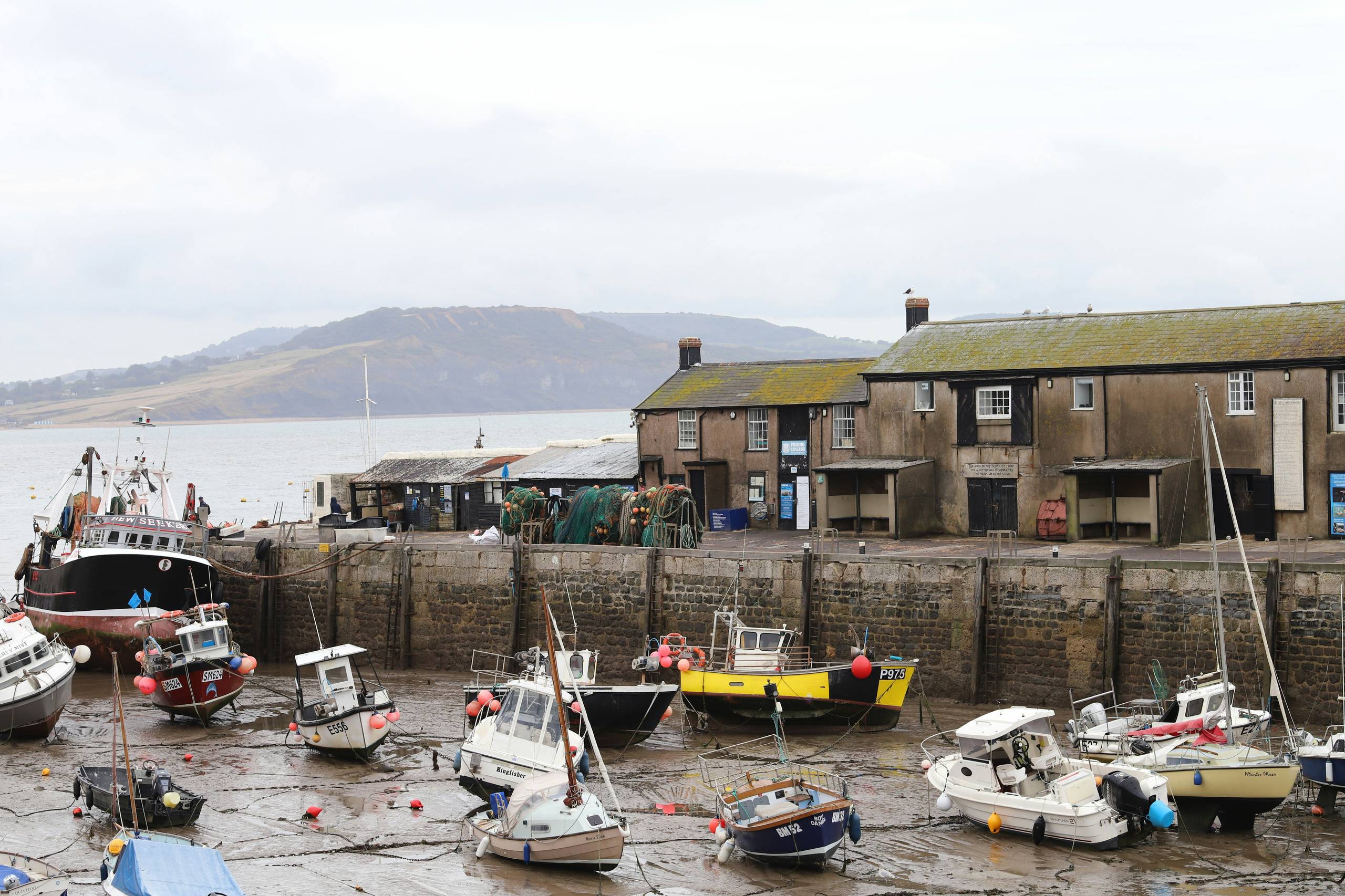
Lyme Regis is one of the best places to stay in Dorset if you want to combine the Jurassic Coast with great food, independent shops and a traditional seaside atmosphere.
The town is famous for its historic harbour wall, known as The Cobb, as well as its connections with pioneering fossil collector Mary Anning. The beaches around Lyme Regis and neighbouring Charmouth are among Britain’s most famous fossil-hunting locations, and joining a guided fossil walk is a great introduction.
Leave time simply to explore the town too. Wander along the seafront, browse the independent shops and galleries, then settle down for seafood or a drink overlooking the water.
Swanage
- Best for: Families, beaches and exploring Purbeck
- Don’t miss: Swanage Railway
- Good base for: Corfe Castle, Studland and Old Harry Rocks
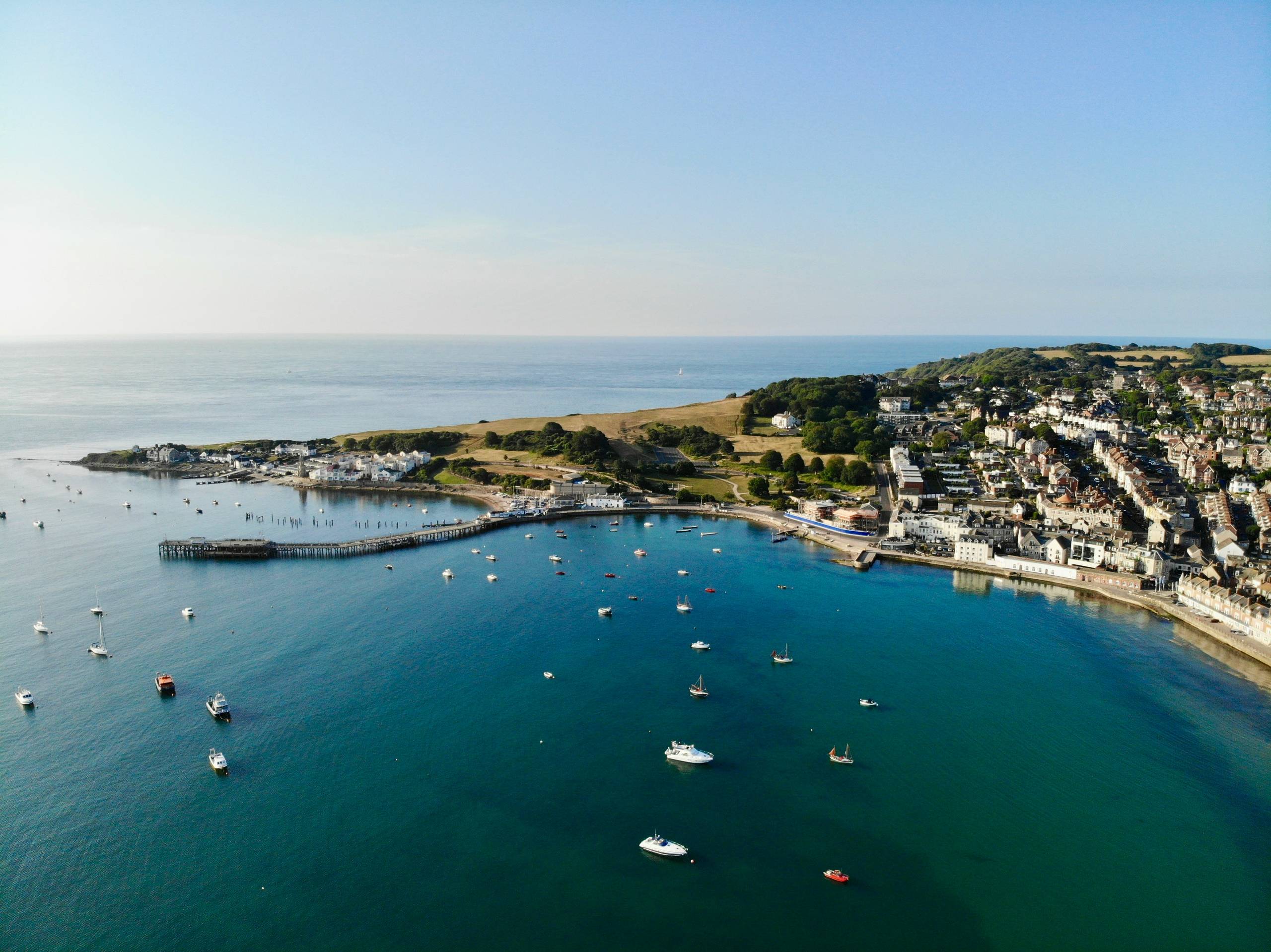
With its sandy beach, traditional seafront and easy access to some of eastern Dorset’s biggest attractions, Swanage makes an excellent base for a Dorset holiday.
Spend a morning on the beach, ride the heritage Swanage Railway to Corfe Castle or head out along the coast towards Durlston Country Park. Studland Bay and Old Harry Rocks are also nearby, putting some of Dorset’s best beaches and coastal walks within easy reach.
Abbotsbury
- Best for: History, gardens and countryside
- Don’t miss: Abbotsbury Swannery
- Combine with: Chesil Beach
Set among the hills behind Chesil Beach, Abbotsbury is one of Dorset’s loveliest villages. Characterful cottages line its historic streets, while the surrounding landscape tumbles towards The Fleet and the coast.
The village is particularly well known for Abbotsbury Swannery, home to a large colony of mute swans, and Abbotsbury Subtropical Gardens. You can also climb to St Catherine’s Chapel for wonderful views across Chesil Beach and the surrounding countryside.
Bridport and West Bay
- Best for: Food, markets and coastal scenery
- Don’t miss: West Bay’s towering cliffs
- Good base for: Exploring the western Jurassic Coast
Bridport and nearby West Bay make a great combination for anyone who wants countryside, coast and a lively independent food scene.
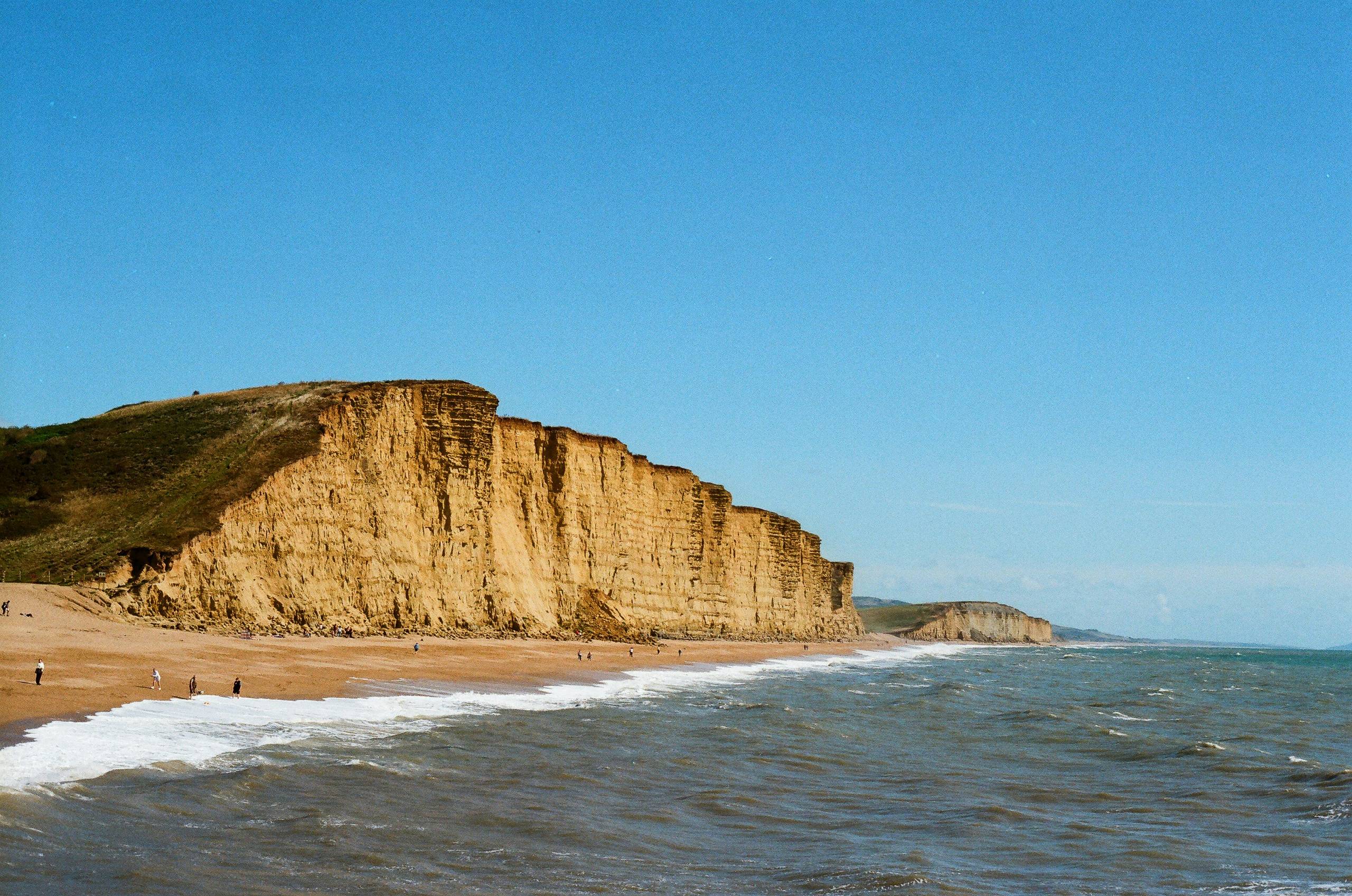
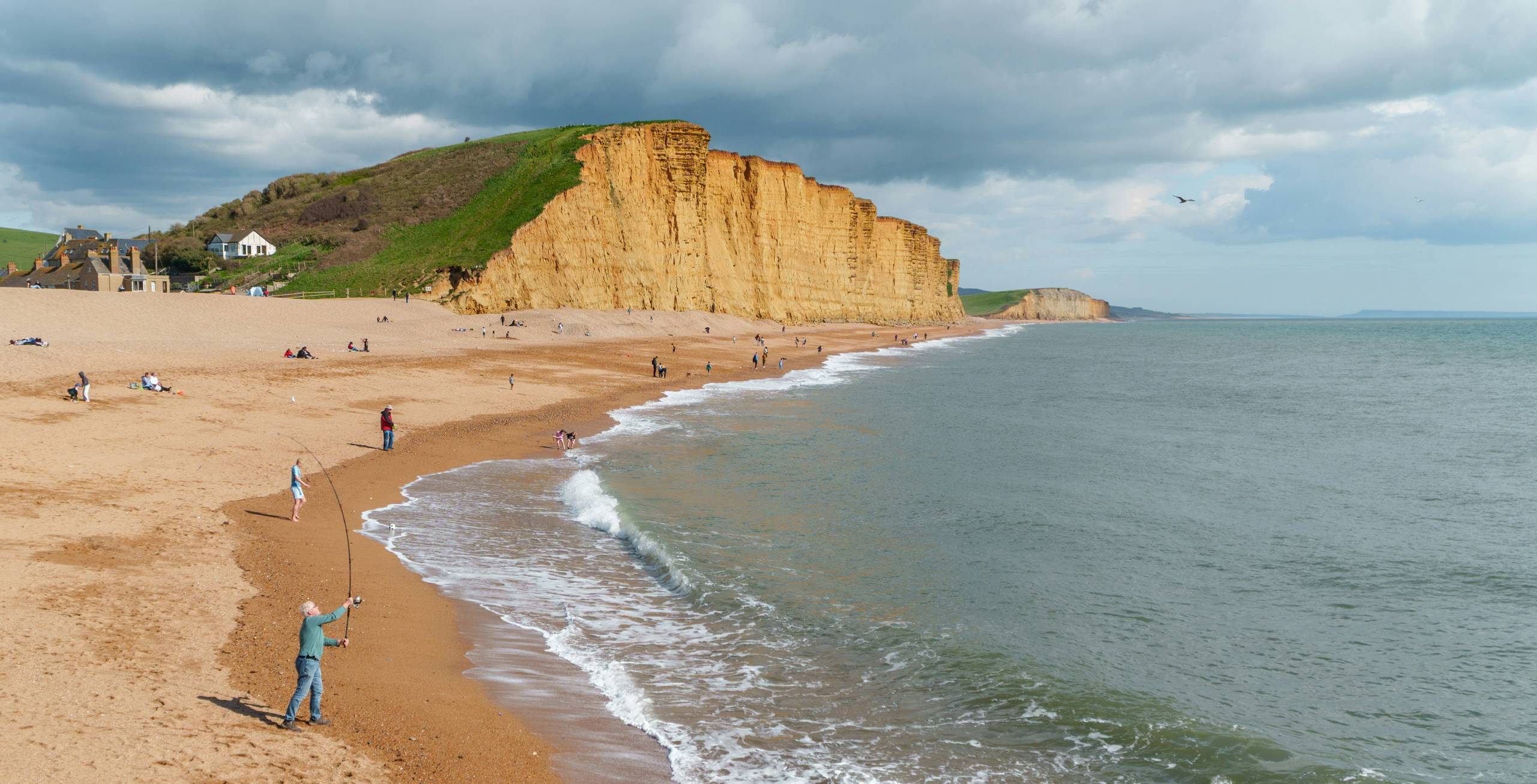
Bridport is known for its markets, independent shops, arts scene and places to eat, while West Bay sits just a couple of miles away on the coast. Here, dramatic golden sandstone cliffs rise above the beach and harbour, creating one of western Dorset’s most recognisable landscapes.
West Bay is also directly on the South West Coast Path, making it a good starting point for walks towards Golden Cap and Seatown.
Shaftesbury
- Best for: Historic streets and countryside views
- Don’t miss: Gold Hill
- Good base for: Exploring inland Dorset
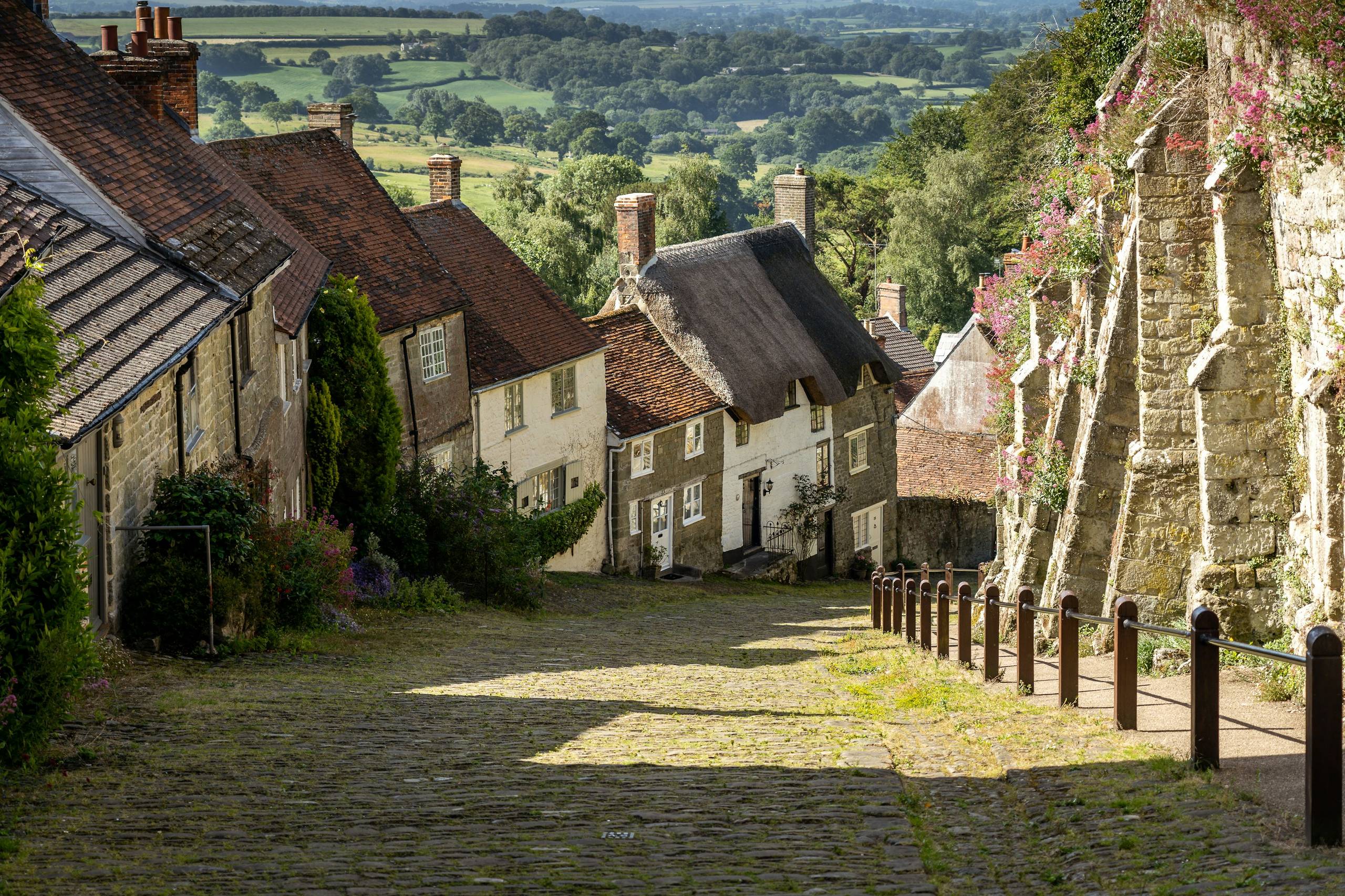
Shaftesbury provides a very different side of Dorset to the Jurassic Coast. Perched high above the Blackmore Vale, this historic hilltop town is best known for Gold Hill, the steep cobbled street lined with cottages that has become one of the county’s most photographed views.
Beyond Gold Hill, you’ll find independent shops, cafés and historic streets to explore, while the surrounding countryside is ideal for peaceful walks and slower-paced escapes.
Cerne Abbas
- Best for: Village charm, walking and history
- Don’t miss: The Cerne Giant
- Good base for: Rural Dorset
Cerne Abbas is a small but beautiful Dorset village surrounded by rolling countryside. It’s best known for the enormous Cerne Giant carved into the nearby chalk hillside, but the village itself is well worth exploring.
You’ll find historic cottages, traditional pubs, the remains of Cerne Abbey and plenty of countryside walks nearby. It’s a lovely choice if you want to experience a quieter, more rural side of Dorset away from the busy Jurassic Coast.
Best beaches in Dorset
Studland Bay
- Best for: Sandy beaches, swimming and families
- Don’t miss: Walking to Old Harry Rocks
- Nearby: Swanage and Corfe Castle
Studland Bay offers four miles of beautiful sandy coastline backed by heathland and dunes. The relatively sheltered waters make it a popular spot for swimming, kayaking and paddleboarding, while the wide beaches are ideal for long, lazy days beside the sea.
There are several different sections to choose from, including Shell Bay, Knoll Beach, Middle Beach and South Beach. Studland is also a brilliant starting point for the walk to Old Harry Rocks, allowing you to combine a beach day with one of Dorset’s classic coastal walks.
Durdle Door Beach
- Best for: Dramatic scenery and photography
- Don’t miss: The view from the cliffs above
- Nearby: Lulworth Cove
Sitting beneath Dorset’s famous limestone arch, Durdle Door Beach has one of the most spectacular settings on the Jurassic Coast. The steep walk down is rewarded with wonderful views of the cliffs, clear water and Durdle Door itself.
It’s particularly beautiful outside the busiest summer months, when you can experience the coastline without the peak-season crowds. The steep paths and shingle beach mean it won’t suit everyone, but for scenery it’s difficult to beat.
Weymouth Beach
- Best for: Families and traditional seaside days
- Don’t miss: Weymouth Harbour
- Nearby: Portland and Chesil Beach
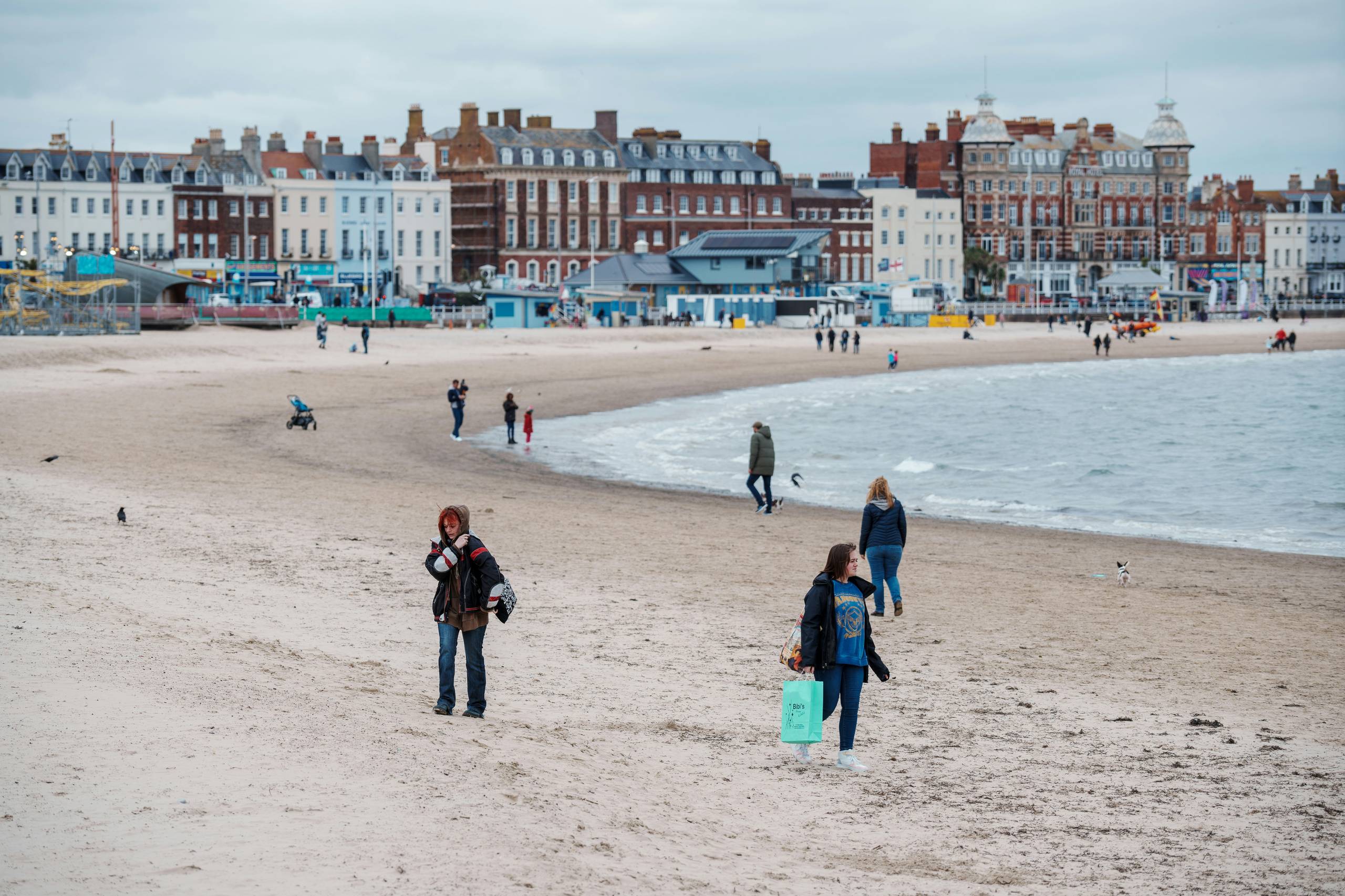
Weymouth’s long, sandy beach is one of Dorset’s best choices for a traditional day beside the sea. Its central location, shallow waters and easy access to cafés, restaurants and attractions make it particularly convenient for families.
Once you’ve had enough of the sand, wander around the colourful harbour or use Weymouth as a base for exploring Portland, Chesil Beach and the wider Jurassic Coast.
Charmouth Beach
- Best for: Fossil hunting
- Don’t miss: A guided fossil walk
- Nearby: Lyme Regis and Golden Cap
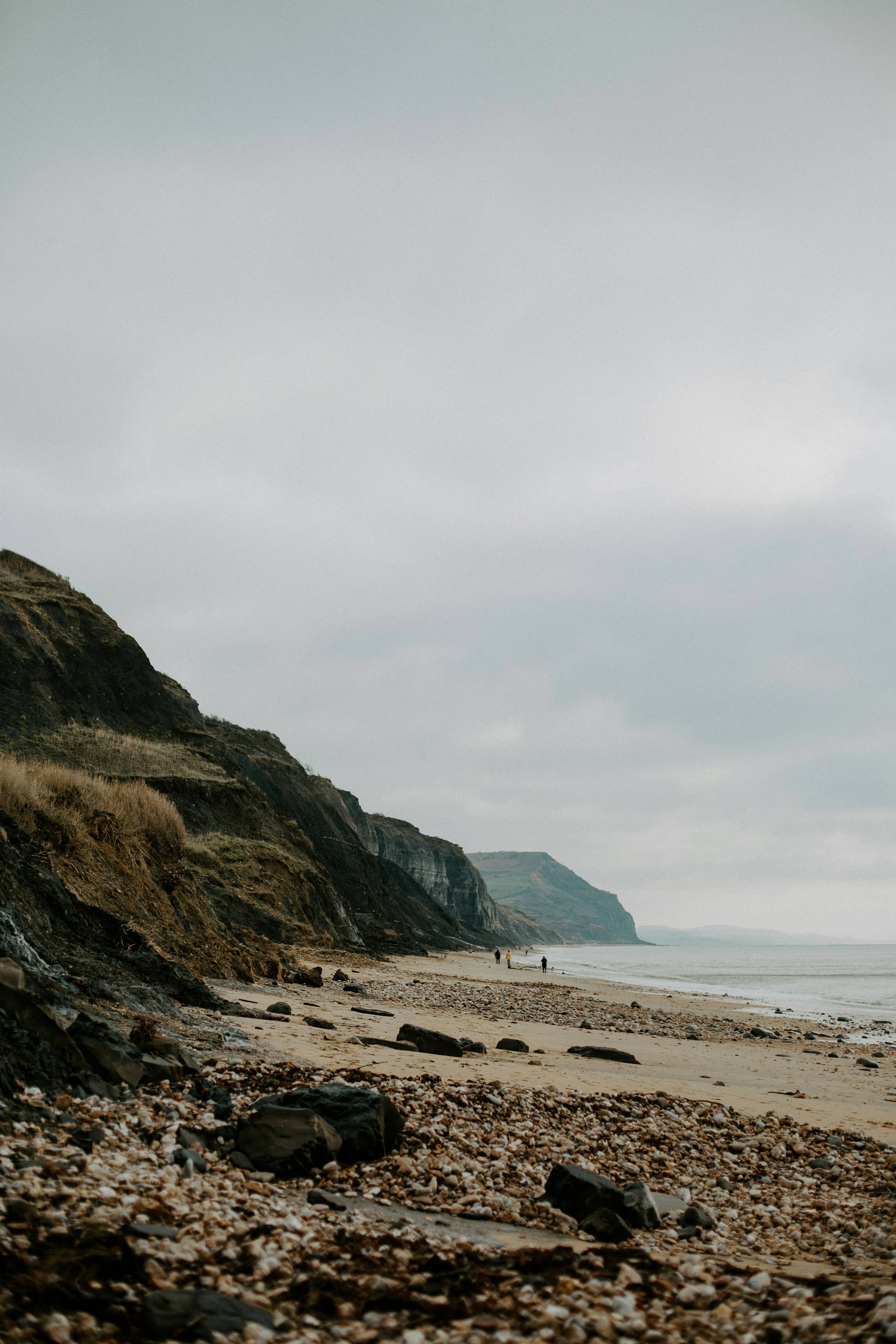
Charmouth is one of the most famous fossil-hunting beaches in Britain. The cliffs here form part of the Jurassic Coast and regularly reveal fossils, making the beach particularly popular with families and anyone interested in Dorset’s prehistoric past.
Visit the Charmouth Heritage Coast Centre to learn more about the area before joining a guided fossil walk. Avoid digging into the cliffs, which can be unstable, and always check tide times and local safety advice before exploring.
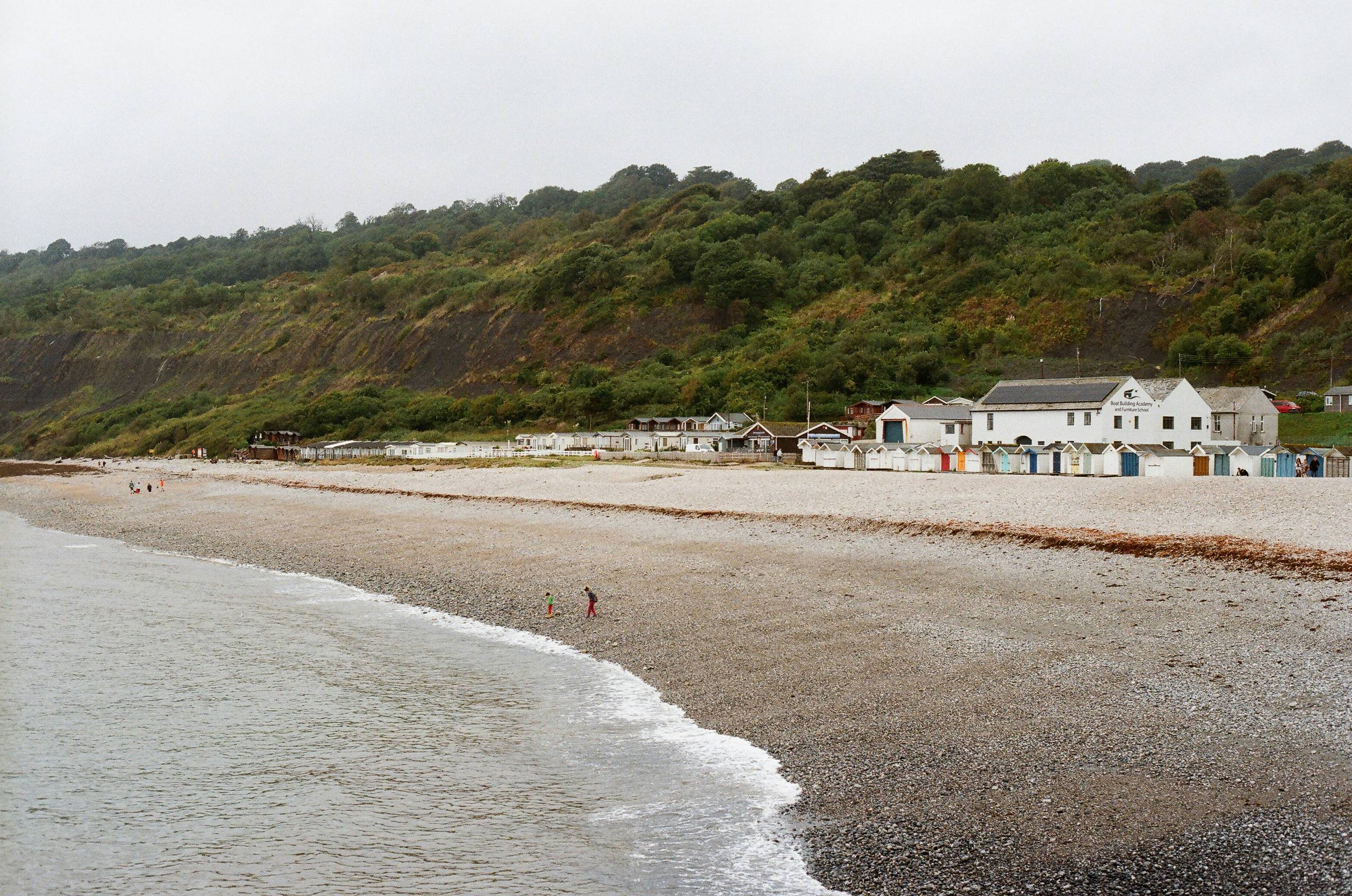
Lyme Regis
- Best for: Seaside atmosphere and fossil hunting
- Don’t miss: The Cobb
- Nearby: Charmouth
Lyme Regis offers several beaches alongside its famous harbour and historic seafront. Sandy Town Beach is a good choice for a classic beach day, while the stretches of coast towards Charmouth are better known for fossil hunting.
Its biggest advantage is having everything else Lyme Regis offers just moments away. You can spend the morning beside the sea before wandering around The Cobb, browsing the town’s independent shops and stopping for lunch overlooking the water.
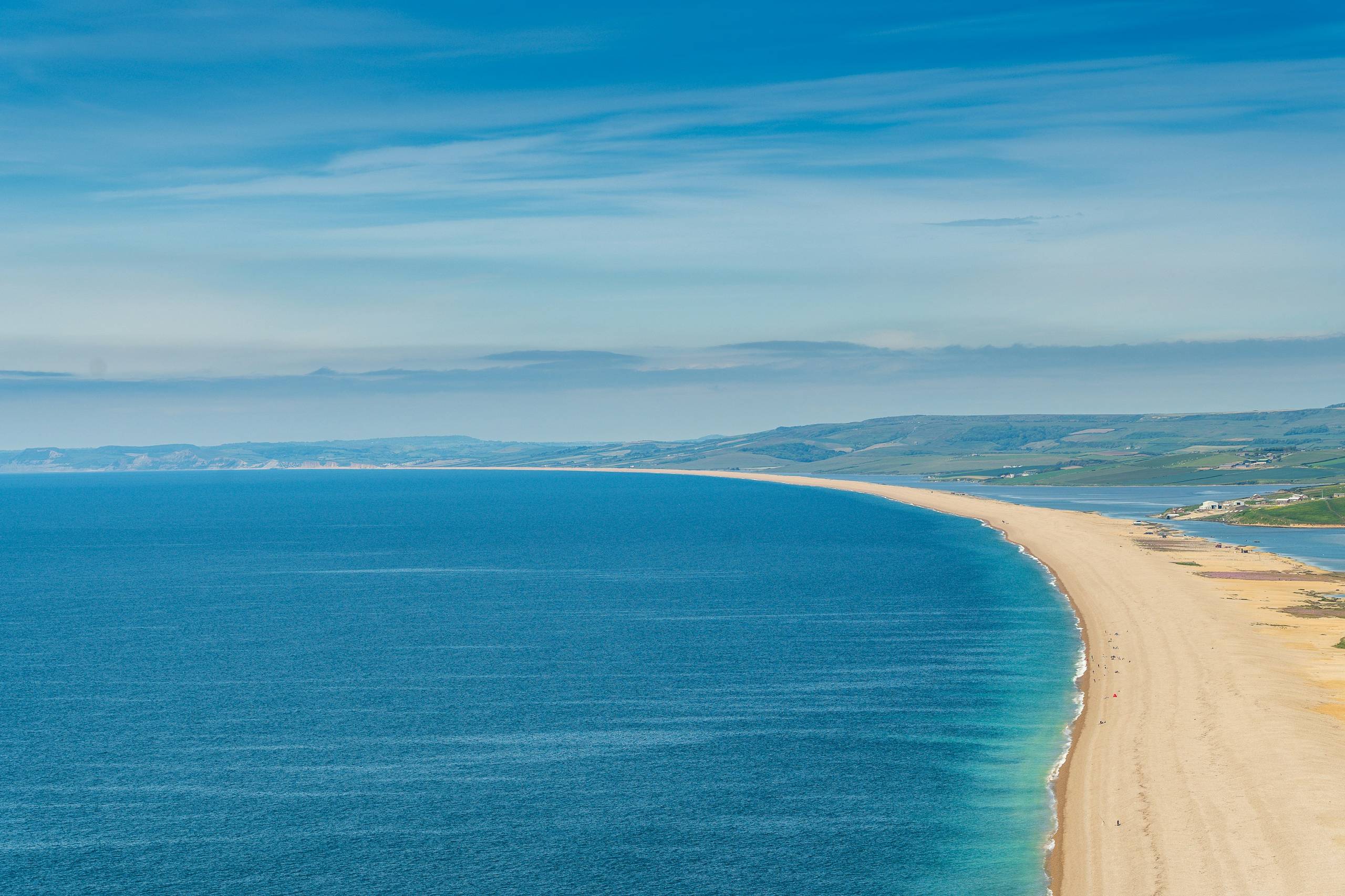
Chesil Beach
- Best for: Wild scenery and coastal walks
- Don’t miss: Sunset over the beach
- Nearby: Abbotsbury and Portland
Chesil Beach is very different from Dorset’s traditional seaside beaches. Stretching for around 18 miles, this enormous ridge of shingle creates one of the most dramatic landscapes on the Jurassic Coast.
Come here for the scenery, wildlife and sense of space rather than a conventional beach day. The exposed coastline and steeply shelving shore can make swimming dangerous, so it’s better enjoyed on foot while exploring The Fleet, Abbotsbury and Portland.
Best walks in Dorset
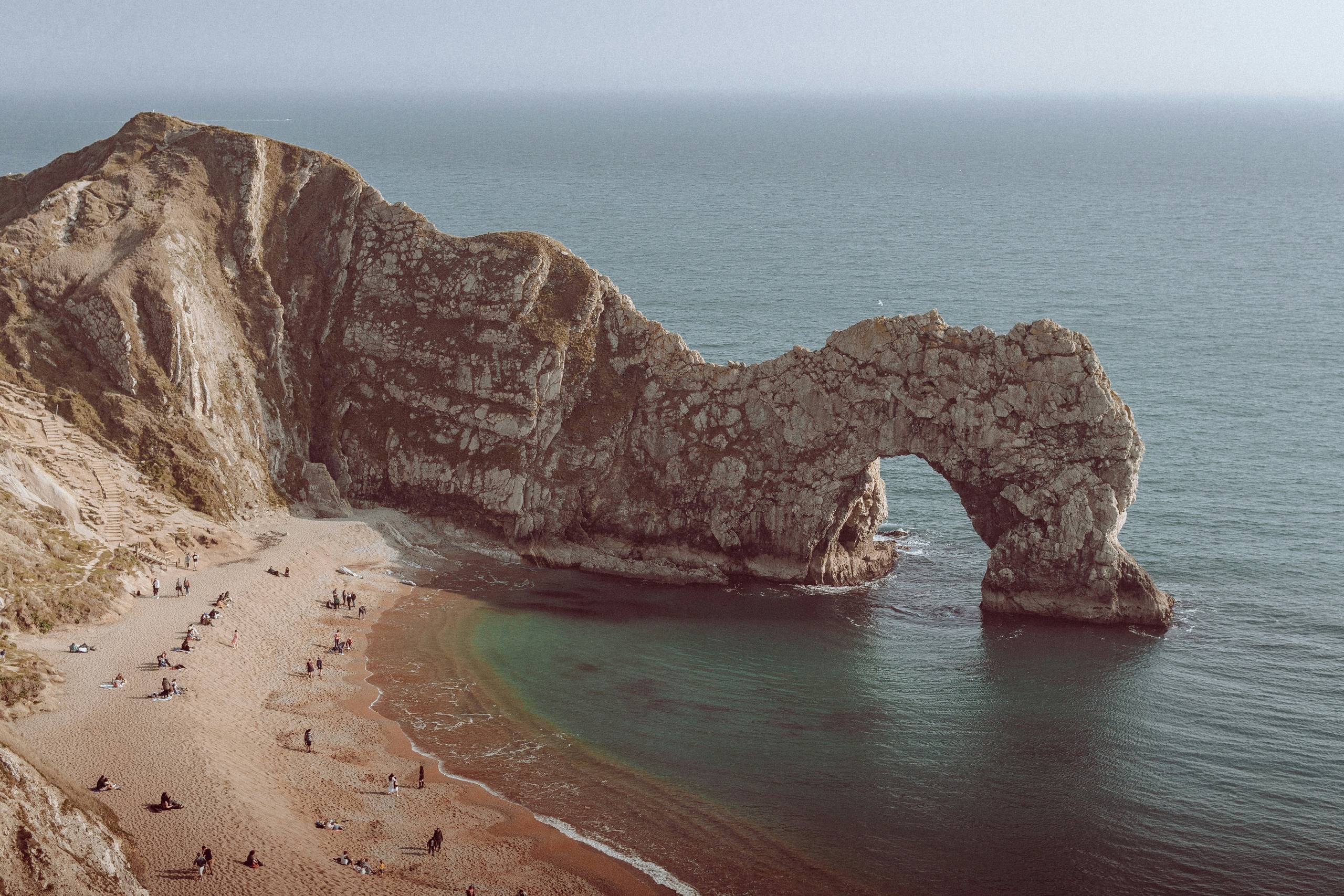
Durdle Door and Lulworth Cove
- Distance: Around 4–5 miles depending on the route
- Difficulty: Moderate
- Best for: Classic Jurassic Coast scenery
This is one of the essential Dorset walks, linking two of the Jurassic Coast’s most famous landmarks. Starting around Lulworth Cove, the route climbs steeply onto the cliffs before following the South West Coast Path towards Durdle Door.
There are fantastic views throughout, with plenty of opportunities to stop and admire the coastline. The route includes some steep climbs, but you can shorten the walk by simply travelling between Lulworth Cove and Durdle Door and returning the same way.
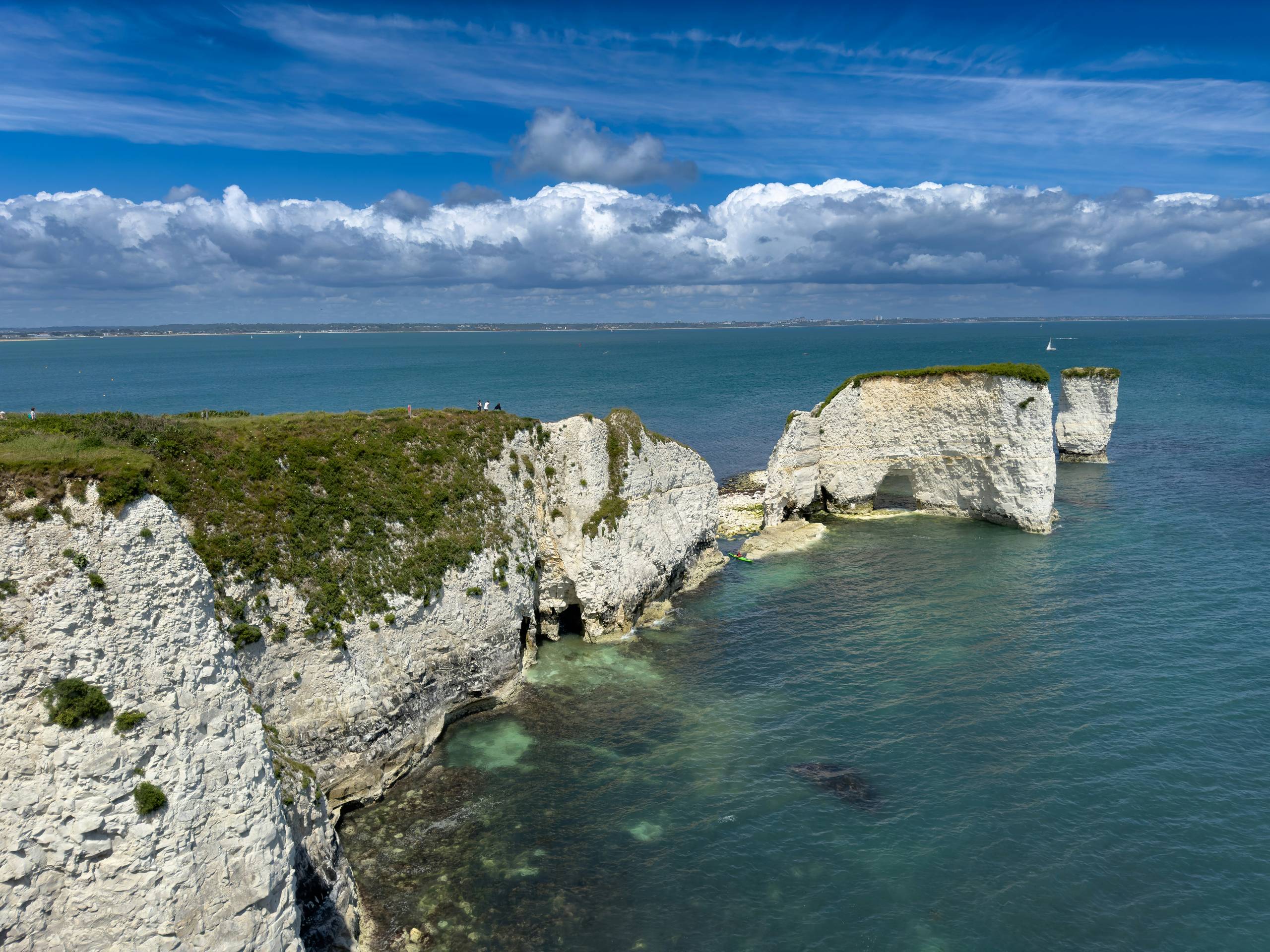
Old Harry Rocks and Ballard Down
- Distance: Around 3–5 miles depending on the route
- Difficulty: Easy to moderate
- Best for: Sea views and chalk cliffs
Starting in Studland, follow the coast towards Old Harry Rocks, where towering white chalk formations mark the eastern end of the Jurassic Coast.
You can simply walk out to Old Harry Rocks and return, or extend the route across Ballard Down for sweeping views across Poole Harbour, Swanage and the surrounding countryside. Combine it with Studland Bay for a brilliant half-day adventure.
West Bay to Golden Cap
- Distance: Around 8–10 miles depending on the route
- Difficulty: Challenging
- Best for: A longer coastal hike
For a more substantial day on the South West Coast Path, follow the coast west from West Bay towards Golden Cap. The route takes you above dramatic sandstone cliffs and through some of western Dorset’s finest coastal scenery.
There are plenty of steep ascents and descents, so allow plenty of time and come prepared for changing coastal conditions. A linear version can work particularly well if you use local buses to return to your starting point.

Cerne Abbas and the Cerne Giant
- Distance: Around 3–5 miles depending on the route
- Difficulty: Easy to moderate
- Best for: Rural Dorset
This countryside walk provides a welcome contrast to Dorset’s coastal trails. Starting in the historic village of Cerne Abbas, you can follow footpaths through the surrounding chalk downland and take in views of the famous Cerne Giant.
Leave time afterwards to explore the village, see the remains of Cerne Abbey and settle into one of the local pubs.
Exploring the Jurassic Coast
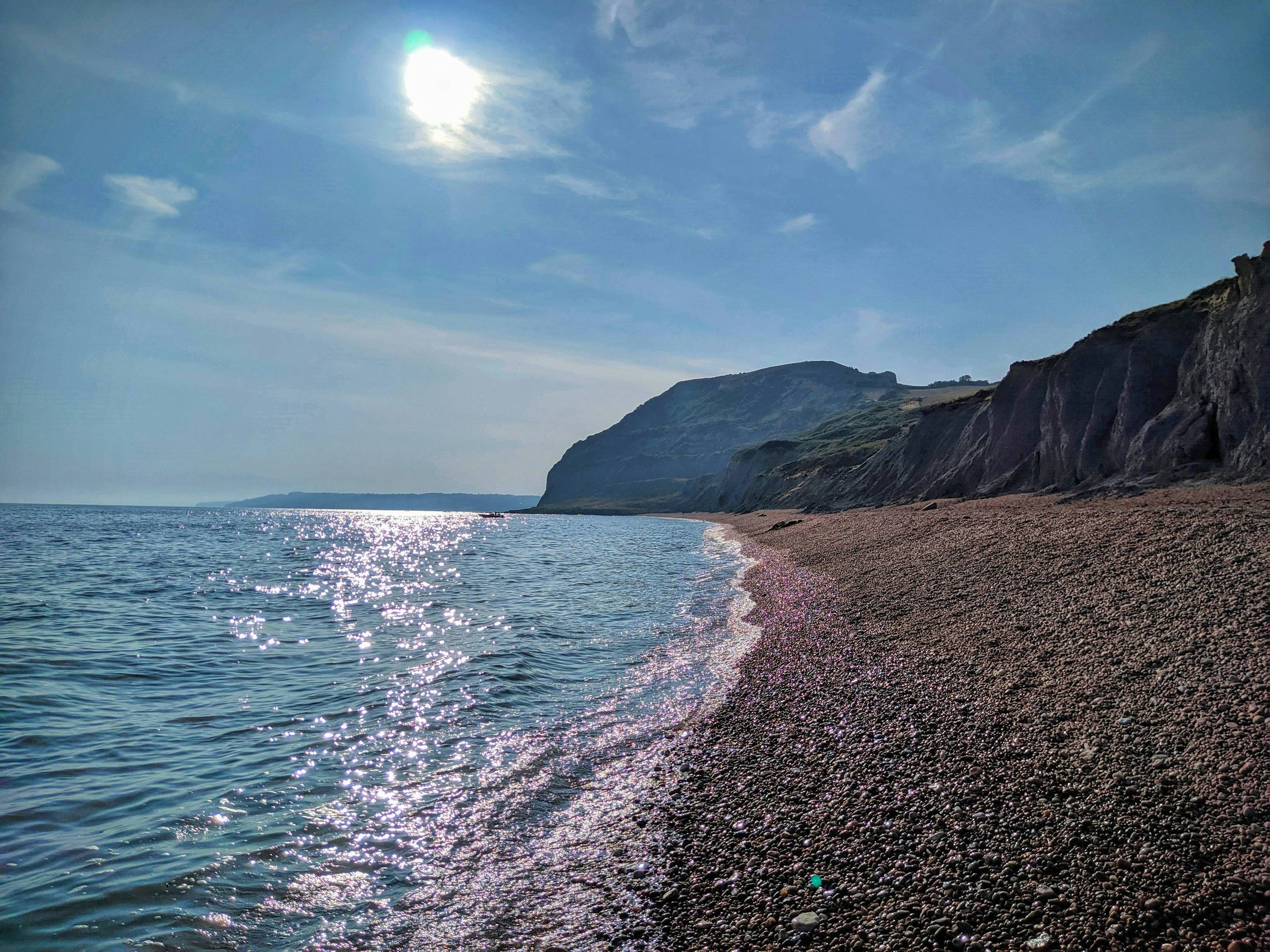
The Jurassic Coast is the defining feature of Dorset’s coastline and one of the most remarkable natural landscapes in Britain. Stretching for 95 miles from Exmouth in East Devon to Studland Bay in Dorset, the UNESCO World Heritage Site records around 185 million years of Earth’s history through its rocks, cliffs, fossils and coastal formations.
From famous landmarks such as Durdle Door and Lulworth Cove to the fossil-rich beaches around Lyme Regis and Charmouth, there are countless ways to explore it. Follow the South West Coast Path, join a fossil hunt, take to the water on a guided kayak trip or simply spend a day discovering its beaches and seaside towns.
- Length: 95 miles
- Best for: Coastal scenery, walking, geology and fossil hunting
- Don’t miss: Durdle Door, Lulworth Cove, Lyme Regis and Old Harry Rocks
The Jurassic Coast became a UNESCO World Heritage Site in 2001 in recognition of its exceptional geology. Its rocks span the Triassic, Jurassic and Cretaceous periods, providing an almost continuous record of around 185 million years of Earth’s history.
You don’t need to be interested in geology to appreciate it. This stretch of coast includes some of Dorset’s most spectacular scenery, from chalk stacks and limestone arches to towering cliffs, sweeping beaches and hidden coves.
Best Jurassic Coast landmarks in Dorset
- Durdle Door: Dorset’s famous natural limestone arch and one of the most recognisable sights on the Jurassic Coast.
- Lulworth Cove: A beautiful, almost circular cove surrounded by dramatic cliffs.
- Old Harry Rocks: White chalk stacks near Studland marking the eastern end of the Jurassic Coast.
- Kimmeridge Bay: A particularly interesting stretch of coastline for geology, rock pools and marine life.
- Chesil Beach: An extraordinary shingle ridge stretching for around 18 miles beside The Fleet lagoon.
- West Bay: Famous for its towering golden cliffs and harbour.
- Golden Cap: The highest point on the south coast of England and a fantastic destination for walkers.
- Charmouth: One of the best places on the Jurassic Coast to search for fossils.
- Lyme Regis: A historic seaside town with strong connections to fossil hunter Mary Anning and the early study of palaeontology.
Fossil hunting in Dorset
- Best for: Families, geology and discovering the Jurassic Coast
- Best places: Charmouth and Lyme Regis
- Don’t miss: A guided fossil walk
The beaches around Charmouth and Lyme Regis are the best places to go fossil hunting in Dorset, with ammonites and belemnites among the finds you might discover along the shoreline. The cliffs here continue to erode naturally, releasing fossils from rocks formed millions of years ago.
For your first fossil hunt, it’s worth joining an organised walk from Charmouth Heritage Coast Centre or Lyme Regis Museum. Local guides can show you what to look for while helping you explore the coastline safely.
Lyme Regis is particularly associated with Mary Anning, whose important fossil discoveries during the early 19th century helped transform scientific understanding of prehistoric life. Lyme Regis Museum stands on the site of her former home and offers fossil displays alongside guided walks.
You can also visit The Etches Collection at Kimmeridge, where fossils collected from the surrounding coastline reveal the marine creatures that once inhabited this part of Dorset.
- Stay safe: Always search for loose fossils on the beach rather than digging into the cliffs. Rockfalls and landslides are a serious hazard around Lyme Regis and Charmouth, so keep away from the cliff faces and check tide times before setting out.
Best family days out in Dorset
Dorset is a brilliant destination for family holidays, with plenty to do beyond its beaches. You can search for fossils on the Jurassic Coast, ride behind a steam train through the Purbeck countryside, explore a ruined castle or spend the day discovering tanks, wildlife and dinosaurs.
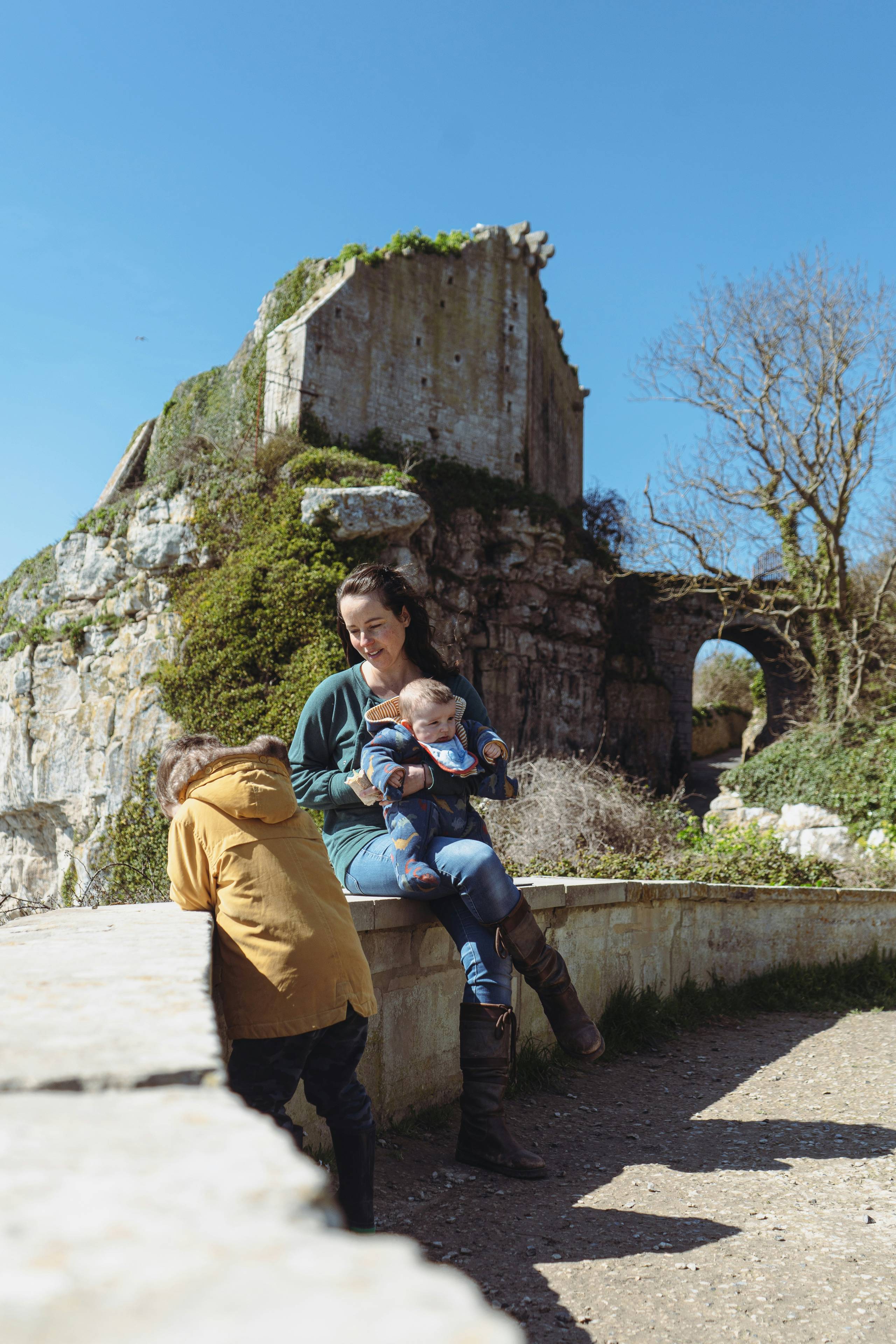
With crumbling ruins, towers and plenty of stories to discover, Corfe Castle is an easy way to bring Dorset’s history to life for younger visitors. Explore the castle before wandering through Corfe village or hopping aboard the Swanage Railway for a heritage train ride through the countryside.
The Swanage Railway is one of Dorset’s classic family days out, with heritage trains running through the Isle of Purbeck countryside. Combine the journey with a visit to Corfe Castle and some time beside the sea in Swanage for an easy full day of sightseeing.
Near Bovington, The Tank Museum is one of Dorset’s biggest indoor attractions and a particularly useful option when the weather isn’t cooperating. Its enormous collection traces the history of tanks and armoured warfare, with exhibitions, interactive displays and historic vehicles from different periods.
Monkey World Ape Rescue Centre near Wareham is home to rescued and rehabilitated primates from around the world. There are large enclosures to explore and plenty to see throughout the day, making it a great choice for animal-loving families.
Set beside The Fleet, Abbotsbury Swannery offers the unusual experience of walking through a colony of nesting mute swans. Combine your visit with a wander around Abbotsbury village, the nearby subtropical gardens or a trip to Chesil Beach for a relaxed family day out.
Few family activities feel more appropriate to Dorset than searching for your own fossil. Charmouth is one of the best places to start, and joining a guided fossil walk is a great way for children to learn what to look for while exploring the Jurassic Coast safely.
Farmer Palmer’s Farm Park near Poole is particularly well suited to families with younger children, with farm animals, play areas and plenty of hands-on activities. It’s a good alternative when you want a break from Dorset’s beaches and coastal walks.
Located in Dorchester, Dorset Museum & Art Gallery explores millions of years of local history, from fossils and archaeology to Thomas Hardy and Dorset’s cultural heritage. Its prehistoric collections make it particularly worth visiting for children who have become fascinated by fossils and the Jurassic Coast.

Castles, history and heritage
Dorset’s history stretches from prehistoric hillforts and Roman settlements to medieval castles and the landscapes that inspired Thomas Hardy. Away from the beaches, you’ll find ruined fortresses, grand country houses, ancient monuments and historic towns that offer a completely different way to explore the county.
Standing dramatically above the Isle of Purbeck, Corfe Castle is one of Dorset’s most impressive historic landmarks. The castle has a history stretching back around 1,000 years and played an important role during the English Civil War before being partially demolished in 1646. Today you can explore the atmospheric ruins, enjoy far-reaching views across Purbeck and wander through the historic village below.
Just outside Dorchester, Maiden Castle is one of the largest and most complex Iron Age hillforts in Europe. Huge ramparts surround the site, which was occupied for thousands of years before the Roman conquest. It’s free to explore and makes for a fascinating walk, with wide views across the Dorset countryside.
Kingston Lacy is an elegant country house surrounded by extensive gardens and parkland near Wimborne Minster. Inside you’ll find lavish interiors and an impressive art collection, while outside there are formal gardens, woodland walks and acres of countryside to explore. It’s an easy choice for a relaxed day away from the coast.
Thomas Hardy was born in this small cob and thatch cottage near Dorchester in 1840. Surrounded by woodland and countryside, it was here that he wrote some of his early novels. Visiting gives you a glimpse into Hardy’s early life and the rural Dorset landscapes that would later inspire his fictional Wessex.
Also in Dorchester, Max Gate was designed by Thomas Hardy and became his home from 1885 until his death in 1928. He wrote several of his best-known works here, including Tess of the d’Urbervilles and Jude the Obscure. Visit alongside Hardy’s Cottage for a deeper look at the writer’s life and his connections with Dorset.
Cerne Abbas is best known for the Cerne Giant, the enormous chalk figure overlooking the village. The origins and age of the figure have long been debated, but archaeological work has dated its creation to the Anglo-Saxon period. Down in the village, you can also discover the remains of Cerne Abbey and wander past centuries-old cottages and historic buildings.
Sherborne is one of Dorset’s most attractive historic towns and is well worth allowing a full day to explore. Visit the magnificent Sherborne Abbey, wander through its historic streets and discover both Sherborne Old Castle and the later Sherborne Castle, which was associated with Sir Walter Raleigh.

Outdoor activities in Dorset
With the Jurassic Coast on one side and rolling countryside on the other, Dorset is a fantastic destination for outdoor adventures. Walking is the obvious highlight, but you can also kayak beneath towering cliffs, paddleboard across sheltered bays, cycle quiet country lanes or take to the water around Poole and Weymouth.
The South West Coast Path provides some of Dorset’s finest walking, connecting many of the county’s most spectacular beaches, cliffs and coastal landmarks. Classic stretches include Lulworth Cove to Durdle Door, Studland to Old Harry Rocks and the trails around Golden Cap. Head inland and you’ll find quieter walks across the Purbeck Hills, Cranborne Chase and the rolling countryside around villages such as Cerne Abbas.
Seeing the Jurassic Coast from the water offers an entirely different perspective on Dorset’s cliffs, arches and coves. Guided kayaking trips operate around several parts of the coastline, with the waters around Lulworth particularly popular. Going with an experienced local guide is the safest option and also gives you the chance to learn more about the geology and wildlife along the way.
Dorset’s more sheltered bays and harbours provide some excellent opportunities for stand-up paddleboarding. Studland Bay, Poole Harbour and parts of the Weymouth coastline are popular places to get on the water, with equipment hire and lessons available for beginners. Always check local weather, tides and sea conditions before setting out.
There are plenty of beautiful places to swim along the Dorset coast, from sandy beaches at Studland and Weymouth to smaller coves along the Jurassic Coast. Conditions can vary considerably, however, and some stretches have strong currents, steeply shelving beaches or limited lifeguard cover. Choose recognised swimming beaches and check local safety information before entering the water.
Dorset’s network of country lanes, bridleways and trails makes it a rewarding place to explore by bike. The Isle of Purbeck is particularly good for combining cycling with coastal scenery, while quieter inland routes take you through villages, farmland and rolling hills. There are options for leisurely family rides as well as more challenging routes for experienced cyclists.
Poole Harbour is one of Dorset’s major watersports hubs, with opportunities for sailing, windsurfing, kayaking and paddleboarding. Weymouth and Portland are another highlight, with the waters here famously hosting the sailing events during the London 2012 Olympic and Paralympic Games. Whether you’re an experienced sailor or trying a watersport for the first time, there are plenty of schools and activity providers around the Dorset coast.

Wildlife and nature in Dorset
Dorset’s landscapes are incredibly varied, with chalk downs, heathland, woodland, wetlands and a spectacular coastline all providing habitats for wildlife. From birdwatching around Poole Harbour to exploring rock pools at Kimmeridge, there are plenty of ways to experience the county’s wilder side.
Sitting in the middle of Poole Harbour, Brownsea Island is one of Dorset’s best-known wildlife destinations. The island is particularly famous for its population of red squirrels, while its woodland, heathland and lagoon attract a wide variety of birds. Regular boats run across from Poole, making it an easy and memorable day trip.
Behind the beaches of Studland lies an important landscape of dunes, woodland and lowland heath. Walking trails lead through the nature reserve, where you might spot reptiles, insects and heathland birds before emerging onto the coast. Combine it with Studland Bay and Old Harry Rocks for a full day outdoors.
Overlooking Poole Harbour, RSPB Arne is a beautiful mixture of heathland, woodland and wetland. It’s an excellent place for birdwatching throughout the year, with trails and viewpoints overlooking the harbour and surrounding countryside.
Running behind Chesil Beach, The Fleet is a long, sheltered lagoon and an internationally important habitat for wildlife. Its waters, reedbeds and surrounding landscape support a wide variety of birds, while viewpoints around Abbotsbury provide wonderful views across the lagoon and Chesil Beach.
Kimmeridge Bay is one of the best places in Dorset to discover marine wildlife. At low tide, the rocky shoreline reveals rock pools filled with marine life, while the surrounding cliffs and ledges provide another fascinating glimpse into the geology of the Jurassic Coast.

Best pubs and places to eat in Dorset
Dorset’s food scene is closely connected to its landscape, with seafood from the coast, produce from local farms and plenty of excellent country pubs scattered throughout the county. From destination restaurants to relaxed seaside cafés, there are plenty of places worth building into a Dorset break.
Set in a handsome historic building in Beaminster, The Ollerod is a great choice for a special meal in West Dorset. The restaurant focuses on seasonal cooking and local ingredients, making it particularly appealing if you’re staying around Bridport, Beaminster or the western Jurassic Coast.
Perched above the coast at Burton Bradstock, The Seaside Boarding House combines excellent food with sweeping sea views. It’s a lovely place for lunch or dinner after a walk along the coast, with a menu that makes the most of seafood and produce from the surrounding area.
Just moments from the beach at Seatown, The Anchor Inn is brilliantly positioned for walkers exploring Golden Cap and the South West Coast Path. Settle in for a pint and something to eat after a day on the cliffs, with views towards the sea adding to the appeal.
This characterful country pub in the village of Evershot has strong connections with Thomas Hardy, appearing as The Sow and Acorn in Tess of the d’Urbervilles. Today it’s a welcoming place for seasonal food, local drinks and a relaxed meal in the Dorset countryside.
Overlooking The Fleet near Weymouth, The Crab House Café is a popular choice for seafood lovers. The focus is firmly on fresh fish and shellfish, making it a good stop when exploring Weymouth, Portland and Chesil Beach.
Look out for Dorset Blue Vinny, a traditional blue cheese with roots in the county, as well as Dorset apple cake, locally caught crab and seafood, regional cider and ice cream made using Dorset milk. Farm shops and local markets are also worth seeking out if you want to take a taste of Dorset home with you.
Choose the perfect Dorset break
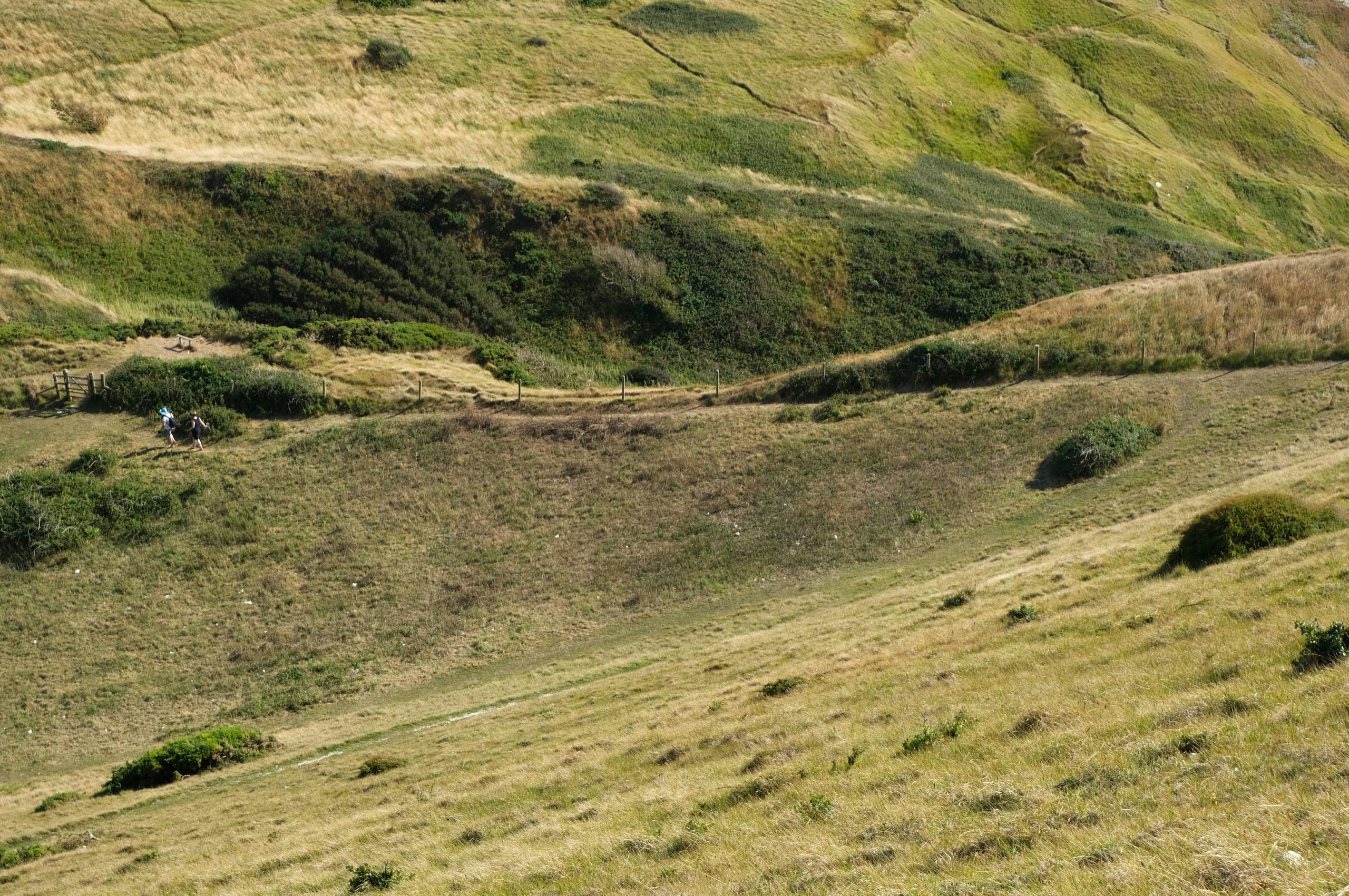
Dorset works equally well for an active weekend on the coast, a family summer holiday or a peaceful countryside escape. Where you stay can make a big difference, so choose a base that suits the kind of Dorset break you’re planning.
- Best places to stay: Lulworth, Swanage, West Bay or Lyme Regis
- Don’t miss: South West Coast Path, Golden Cap, Old Harry Rocks, Durdle Door and Lulworth Cove
Dorset is fantastic walking country, but the Jurassic Coast is the obvious highlight. Base yourself close to the South West Coast Path and you can head straight onto spectacular clifftop trails, with plenty of pubs, beaches and seaside towns providing natural stopping points along the way.
- Best places to stay: Lyme Regis, Bridport, Shaftesbury or rural West Dorset
- Don’t miss: Dinner overlooking the coast, a countryside pub, Lyme Regis at sunset and quiet walks in West Dorset
For a romantic Dorset break, look beyond the busiest seaside resorts and choose a cottage in the countryside or a smaller coastal town. Spend your days walking, browsing independent shops and discovering quiet villages before settling into a country pub or restaurant for the evening.
- Best places to stay: Weymouth, Swanage or the Isle of Purbeck
- Don’t miss: Monkey World, The Tank Museum, Swanage Railway and fossil hunting at Charmouth
Families have plenty of choice in Dorset. Weymouth offers a classic seaside holiday, while Swanage puts beaches, Corfe Castle and the Swanage Railway within easy reach. Add fossil hunting, wildlife attractions and plenty of outdoor space and it’s easy to fill a week.
- Best places to stay: Studland, Swanage, Weymouth or Lyme Regis
- Don’t miss: Studland Bay, Durdle Door, Weymouth Beach and smaller Jurassic Coast coves
Choose eastern Dorset for long sandy beaches around Studland and Swanage, Weymouth for a traditional seaside break or head west for dramatic Jurassic Coast scenery around Lyme Regis and Charmouth.
- Best places to stay: Lyme Regis, Bridport or West Dorset
- Don’t miss: Fresh Dorset seafood, country pubs, Bridport’s markets and local cheese and cider
West Dorset is particularly rewarding for food-focused breaks, with excellent restaurants, farm shops, markets and pubs alongside easy access to the coast. Bridport makes a particularly useful base, with West Bay and the surrounding countryside nearby.
- Best places to stay: Lyme Regis or Charmouth
- Don’t miss: A guided fossil walk, Charmouth Heritage Coast Centre, Lyme Regis Museum and The Etches Collection
Stay around Lyme Regis or Charmouth and you’ll be right at the heart of Dorset’s fossil country. Join an organised walk to learn what to look for, then explore the museums and collections that tell the story of the Jurassic Coast.
- Best places to stay: Cerne Abbas, Cranborne Chase or rural West Dorset
- Don’t miss: Country walks, tiny Dorset villages, traditional pubs and stargazing
You don’t have to stay beside the sea to enjoy Dorset. Head inland and the pace slows considerably, with peaceful valleys, rolling farmland and villages connected by quiet country lanes and footpaths.
Best time to visit Dorset
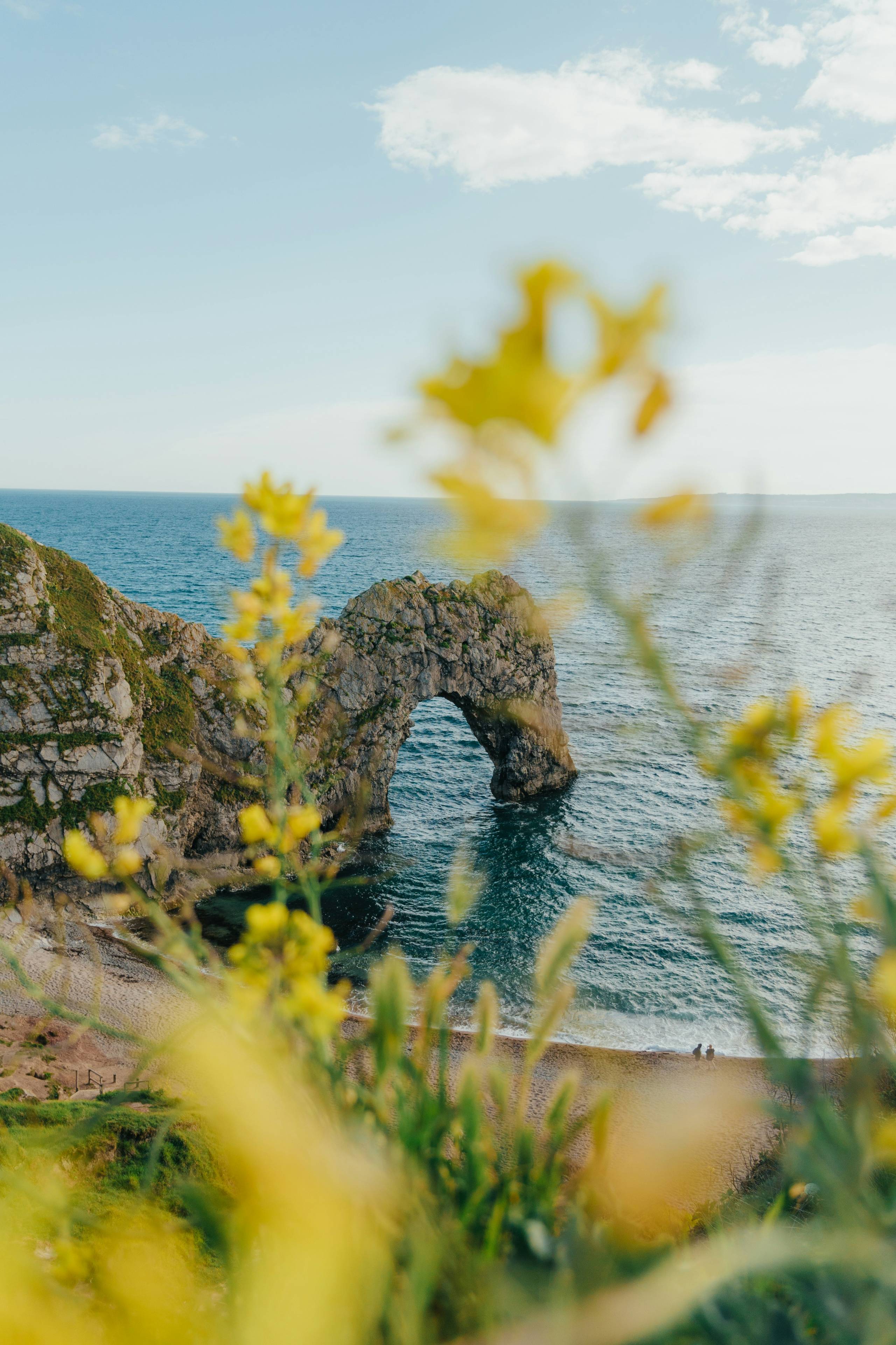
Visiting Dorset in spring
- Best for: Walking, wildflowers and quieter sightseeing
- Vibe: Fresh, peaceful and increasingly sunny
- Don’t miss: Coastal walks and Dorset’s countryside in bloomVisiting Dorset in spring
Spring is one of the best times to visit Dorset if you want to explore on foot. Days are getting longer, the countryside is bursting into life and the coast is generally quieter than during the summer holidays. April and May are particularly good for combining walks with visits to Dorset’s towns and attractions.
Why we love Dorset in spring: Quieter coastal paths, spring flowers and wildlife, comfortable walking temperatures, fewer crowds at major landmarks and longer days for exploring.

Visiting Dorset in summer
- Best for: Beaches, swimming and family holidays
- Vibe: Lively, sunny and seaside-focused
- Don’t miss: A full day on one of Dorset’s beaches
Summer is Dorset’s busiest season, particularly around Durdle Door, Lulworth Cove, Studland, Weymouth and Lyme Regis. The trade-off is long days, warmer weather and the best conditions for beach trips, watersports and evenings beside the sea.
Why we love Dorset in summer: Long days on the beach, swimming and watersports, lively seaside towns, evening coastal walks and plenty of family attractions.

Visiting Dorset in autumn
- Best for: Walking, food and quieter escapes
- Vibe: Relaxed, atmospheric and colourful
- Don’t miss: Golden-hour walks along the Jurassic Coast
September can be an excellent month to visit Dorset, with fewer families around once the school holidays finish but plenty of daylight remaining. As autumn progresses, woodland and countryside take on richer colours and Dorset’s pubs become particularly inviting after a day outdoors.
Why we love Dorset in autumn: Quieter beaches, excellent walking conditions, autumn colour inland, seasonal local food and cosy country pubs.
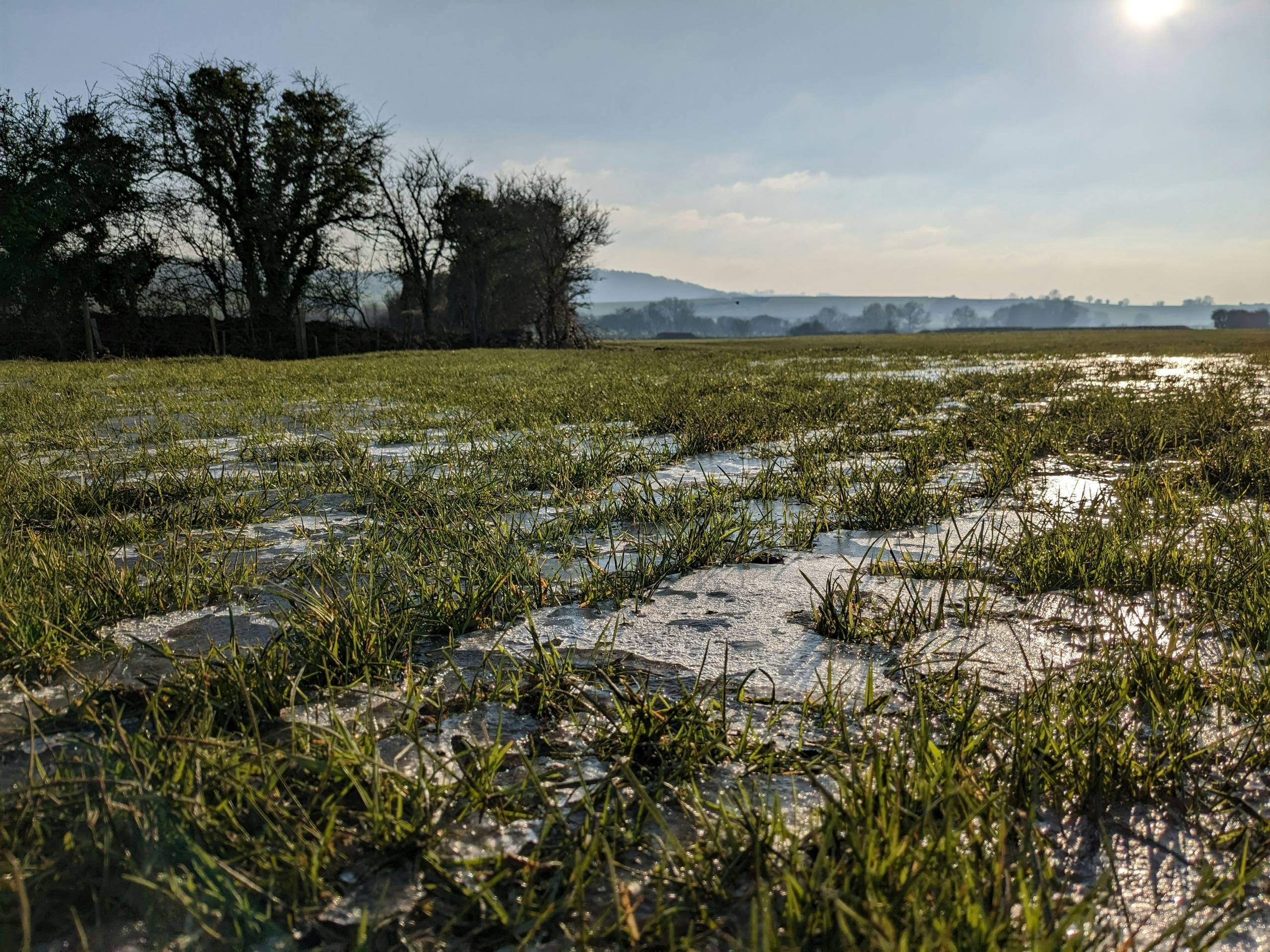
Visiting Dorset in winter
- Best for: Peaceful escapes and dramatic coastal scenery
- Vibe: Quiet, wild and cosy
- Don’t miss: A blustery walk followed by a pub lunch
Winter shows Dorset at its quietest. Some seasonal businesses and attractions reduce their opening hours, but this can be a wonderful time for countryside escapes and bracing coastal walks. Pick a cosy cottage, pack waterproofs and enjoy having some of the county’s best-known landscapes largely to yourself.
Why we love Dorset in winter: Peaceful coastal walks, dramatic winter seas, cosy cottages and pubs, far fewer visitors and atmospheric countryside.
How to get to Dorset
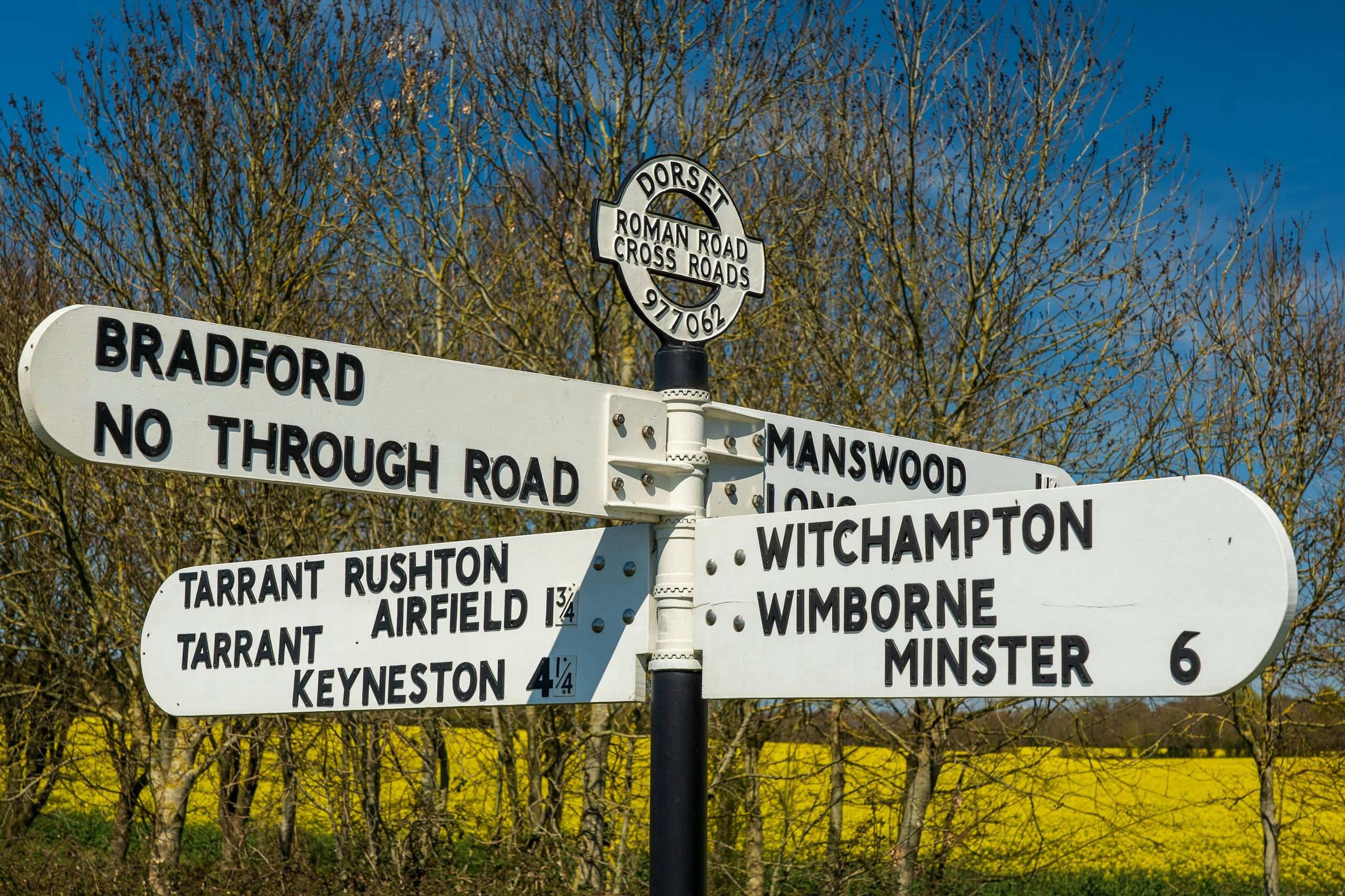
Dorset is easily reached from London and much of southern England, although journey times can increase considerably during busy summer weekends. Having a car gives you the most freedom, but several towns and coastal destinations can also be explored using trains and buses.
Around two to three hours from London depending on your destination and traffic. Good access is also available from Bristol, Southampton and Exeter, with the A31 providing a major route into eastern Dorset and the A35 crossing much of the county from east to west.
Driving is the easiest way to explore Dorset’s smaller villages, rural attractions and more remote stretches of coast. If you’re travelling during summer or on a Bank Holiday, leave extra time and arrive early at popular places such as Durdle Door, Lulworth Cove and Studland, where car parks can fill quickly.
Direct trains from London Waterloo serve destinations including Bournemouth, Poole, Wareham, Dorchester and Weymouth. Wareham is particularly useful for exploring the Isle of Purbeck, while Dorchester and Weymouth provide good bases for central and southern Dorset.
For Lyme Regis and the western Jurassic Coast, Axminster in neighbouring Devon is the nearest mainline station, with onward bus connections towards Lyme Regis.
Local buses connect many of Dorset’s towns, villages and coastal destinations, making it possible to explore parts of the county without a car. Bus services can be particularly useful for walkers, allowing you to complete linear sections of the South West Coast Path without having to retrace your route.
Services are generally less frequent in rural areas and some routes are seasonal, so check current timetables before travelling.
Bournemouth Airport is the closest airport for eastern Dorset, while Southampton Airport is another useful option. Exeter Airport can be convenient for western Dorset, with Bristol Airport another possibility depending on where you’re staying.
For most visitors travelling from elsewhere in the UK, road or rail will generally be the easiest way to reach Dorset.
Some of our favourite Dorset stays
Nightjars
Bridport
Coast & Canopy Treehouse at Hogchester Farm
Charmouth
Lym House
Lyme Regis
Knighton
Dorchester
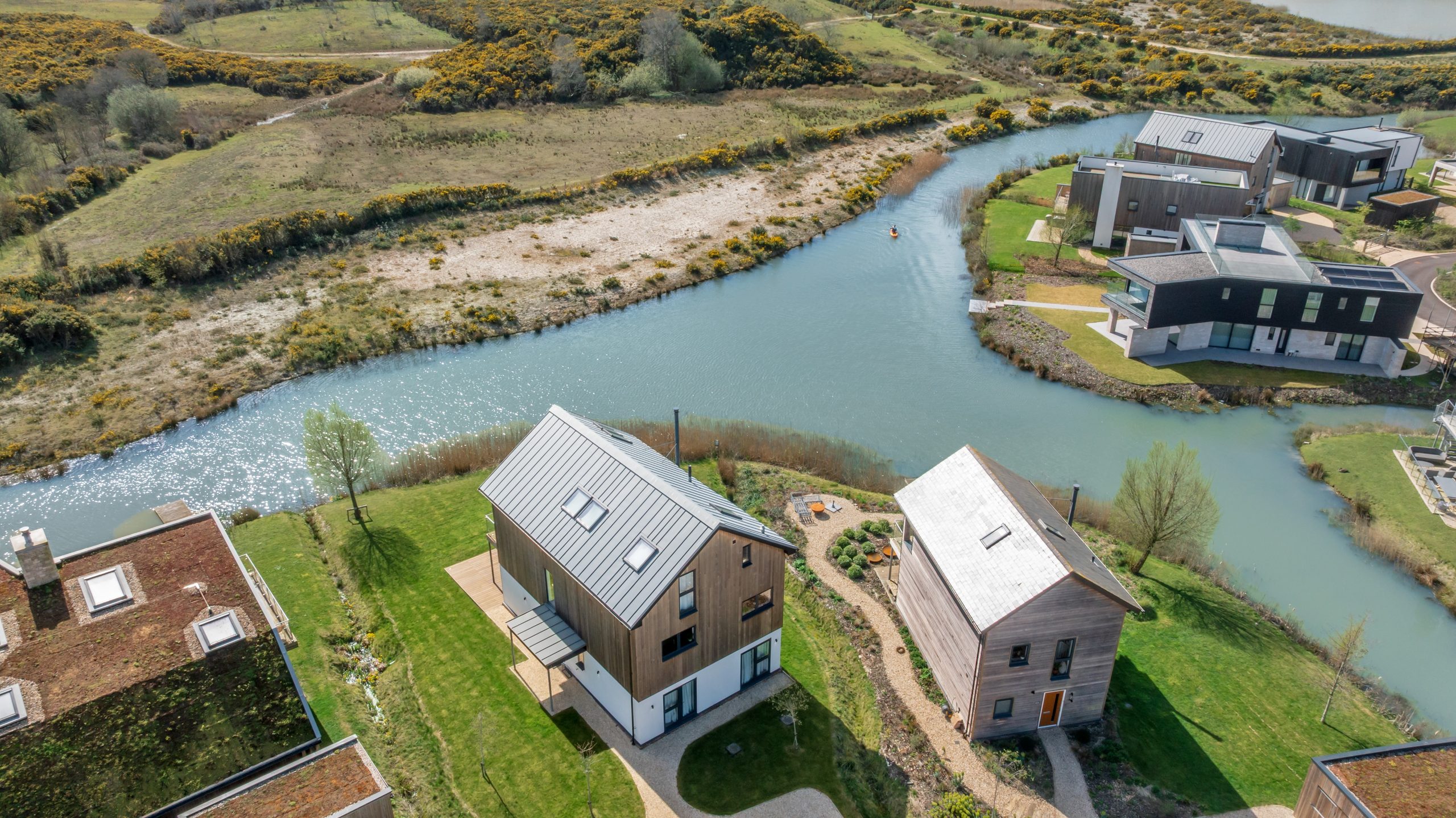
Reflections
Dorchester
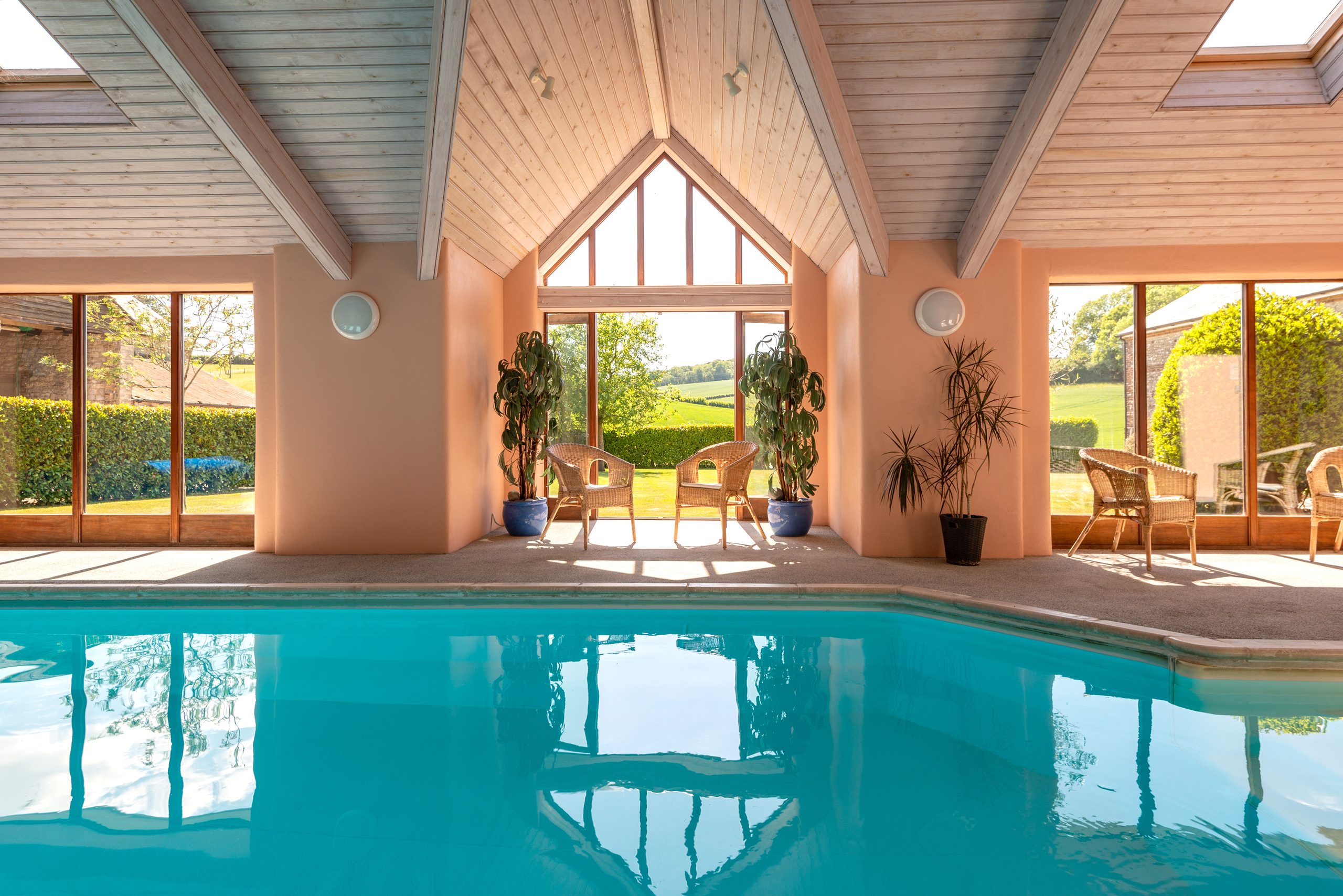
Dove House
Dorchester
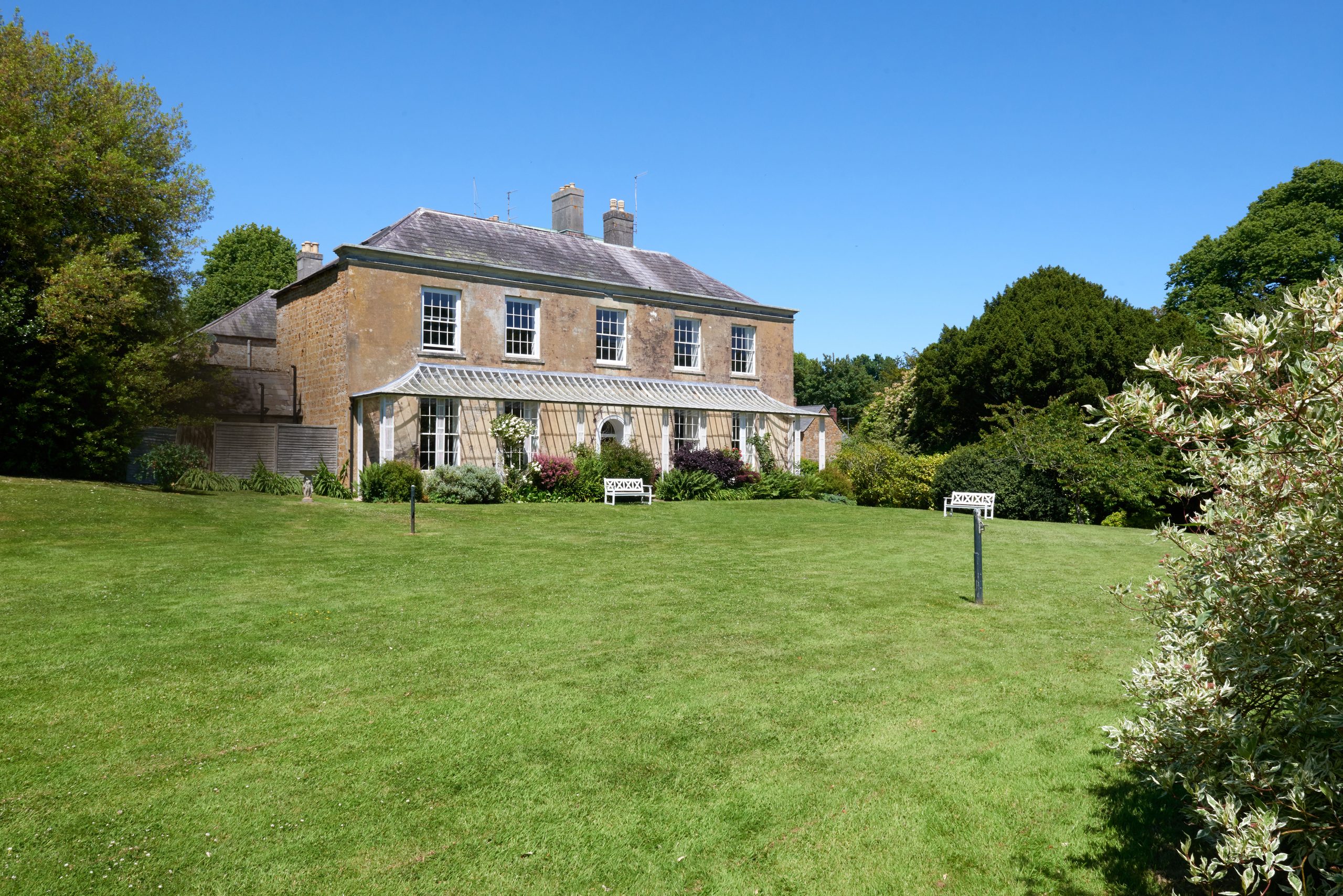
The Old Rectory Dorset
Symondsbury

The Woodman's Treehouse
Holditch

Deco Beach
Christchurch
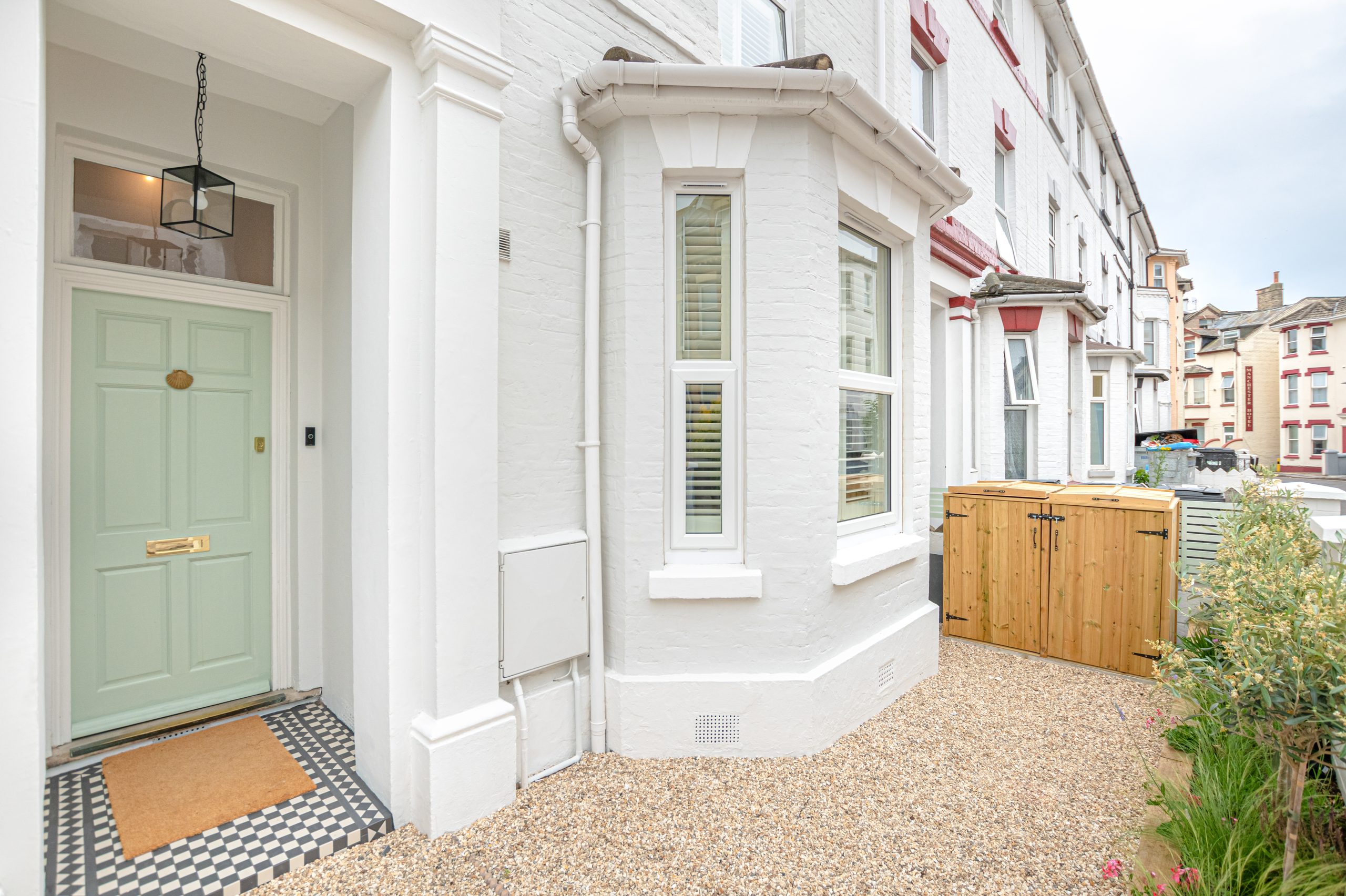
The Shell House
Bournemouth
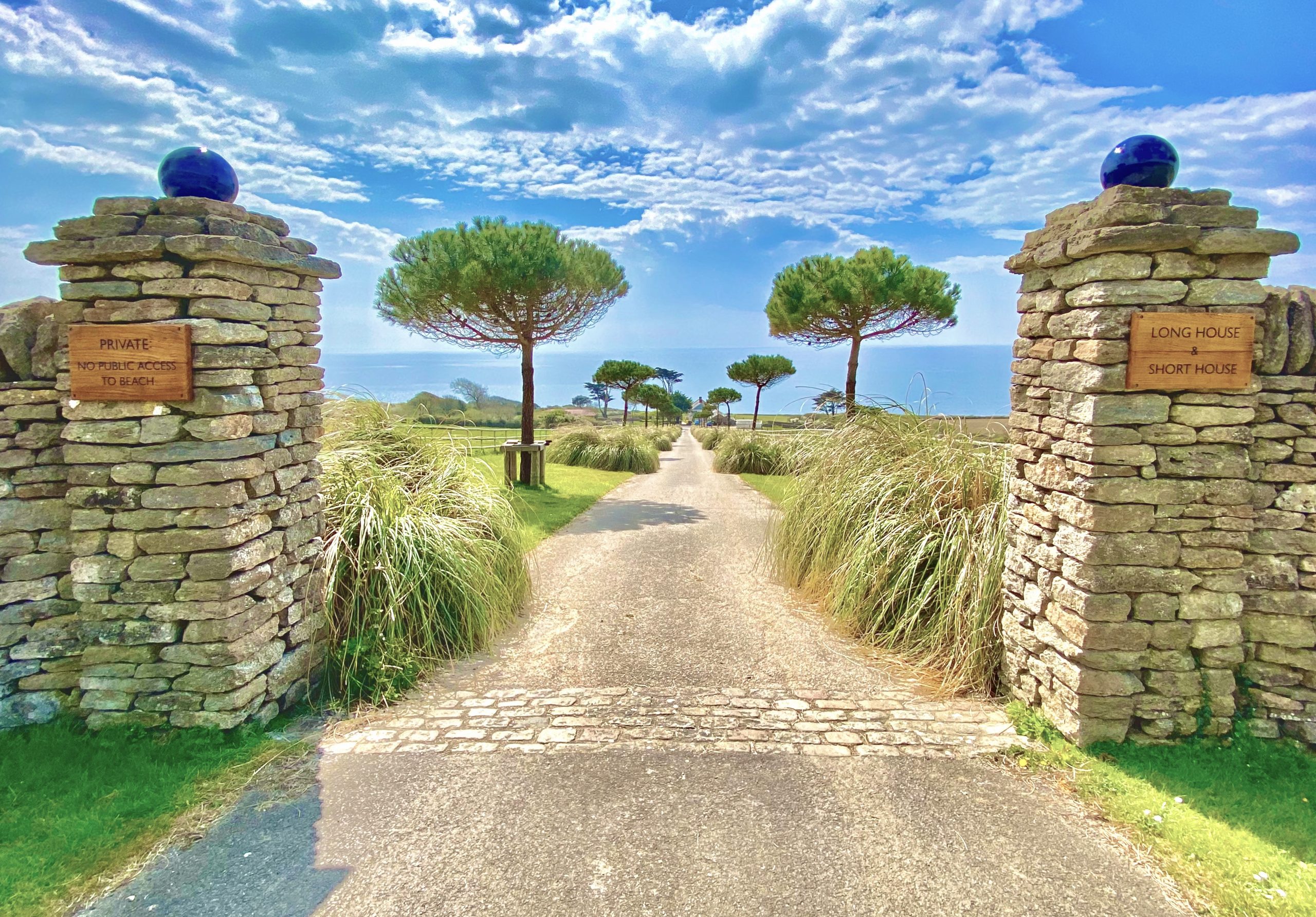
Short House Chesil Beach
nr. Bridport
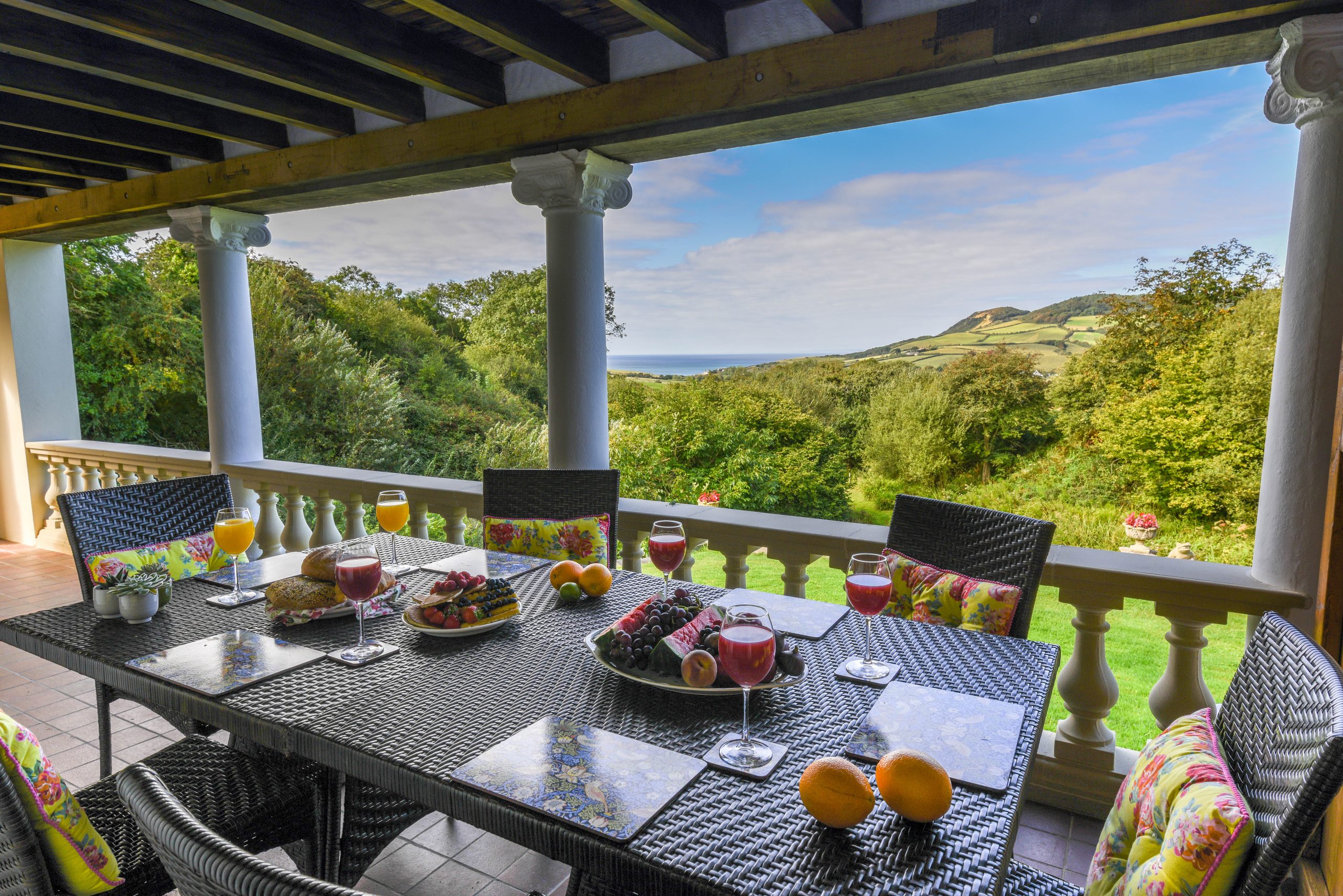
Frog By The Sea
Bridport
Dorset is a county in South West England, bordered by Devon, Somerset, Wiltshire and Hampshire. Its coastline faces the English Channel and includes much of the UNESCO-listed Jurassic Coast.
Dorset is famous for the Jurassic Coast, Durdle Door, Lulworth Cove, Chesil Beach, Lyme Regis, Corfe Castle and Old Harry Rocks. It is also known for fossil hunting, Thomas Hardy, beautiful countryside and traditional seaside towns.
Three or four days is enough for a Dorset weekend break focused on one part of the county. Allow around a week if you want to explore both eastern and western Dorset, visit several beaches and attractions and enjoy some longer walks.
Durdle Door, Lulworth Cove, Corfe Castle, Old Harry Rocks, Chesil Beach and Lyme Regis are among Dorset’s biggest highlights. Swanage, Bridport, West Bay, Shaftesbury and Abbotsbury are also well worth visiting.
The Jurassic Coast contains some of Dorset’s most spectacular scenery, particularly around Lulworth, Purbeck, Golden Cap and Lyme Regis. Inland, the countryside around Cerne Abbas, Shaftesbury and West Dorset offers a quieter landscape of rolling hills and historic villages.
Studland Bay and Weymouth are excellent choices for sandy beach days, while Durdle Door offers spectacular scenery. Charmouth is particularly good for fossil hunting, and Chesil Beach is best experienced for its wild landscape and coastal walks.
The Jurassic Coast is a 95-mile UNESCO World Heritage Site stretching from Exmouth in Devon to Studland Bay in Dorset. Its cliffs and rocks record around 185 million years of geological history across the Triassic, Jurassic and Cretaceous periods.
Charmouth and Lyme Regis are the best-known places for fossil hunting in Dorset. Beginners should consider joining a guided fossil walk, which is a safer way to learn where to search and what to look for.
Some of Dorset’s best walks include Durdle Door and Lulworth Cove, Old Harry Rocks and Ballard Down, Golden Cap, the South West Coast Path around West Bay and walks through the Purbeck Hills around Corfe Castle.
Yes. Dorset has sandy beaches, fossil hunting, castles, wildlife attractions, heritage railways and family attractions including Monkey World and The Tank Museum. Weymouth, Swanage and the Isle of Purbeck are particularly convenient bases for families.