Best mountain breaks in the UK
Published 20th March 2026
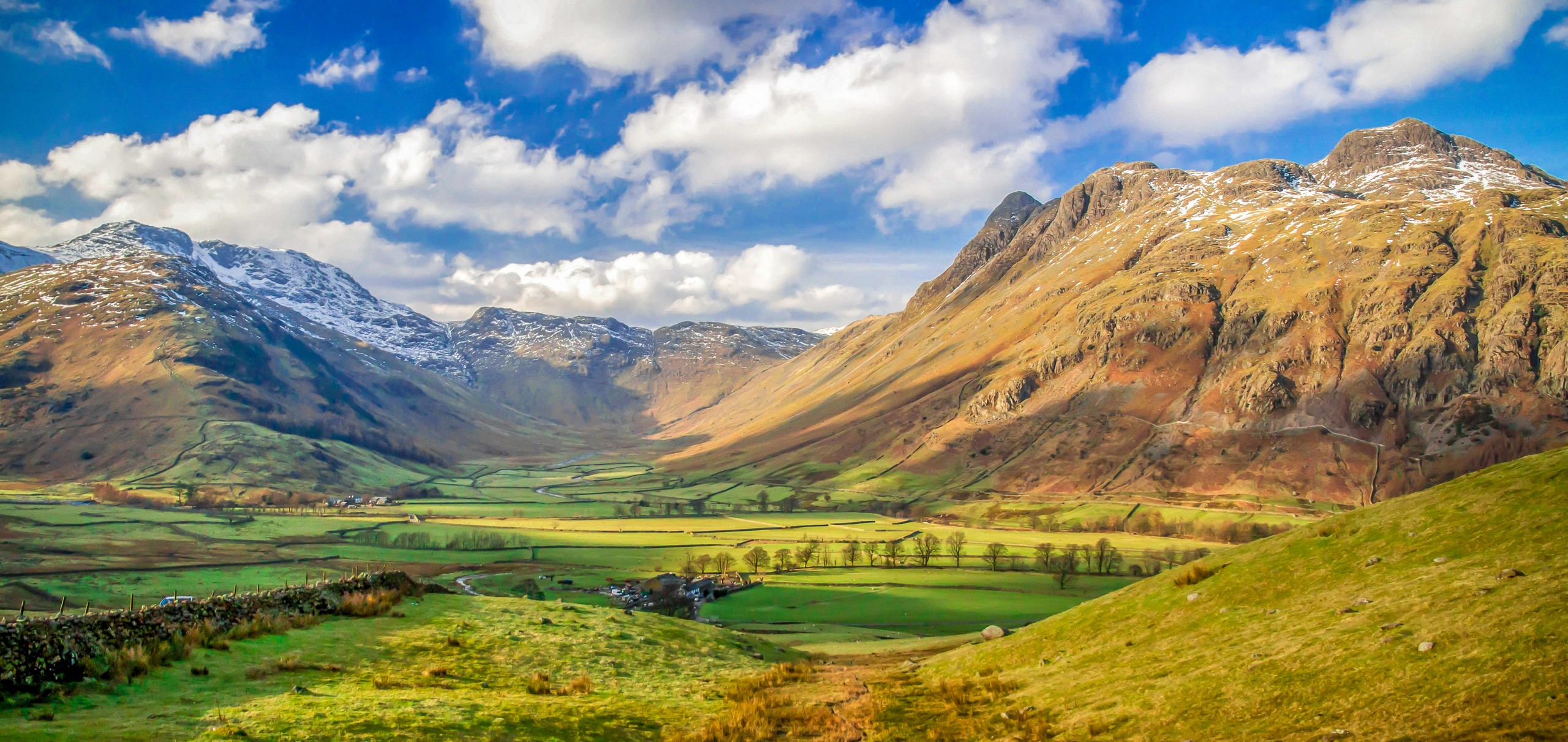
There’s something about the mountains that shifts your perspective. The air feels sharper, the views stretch further, and time seems to slow to match the rhythm of the landscape. Whether you’re chasing dramatic ridgelines, quiet valleys, or just a sense of escape, the UK offers an extraordinary range of mountain destinations that feel worlds away from everyday life.
From the wild, weather-beaten peaks of the Scottish Highlands to the softer, rolling heights of the Peak District, each region has its own personality, pace and atmosphere. Some are rugged and remote, others are gentle and accessible, but all offer that same sense of elevation and escape.
Here’s where to go for the best mountain breaks in the UK, and how to make the most of each one.
The Scottish Highlands
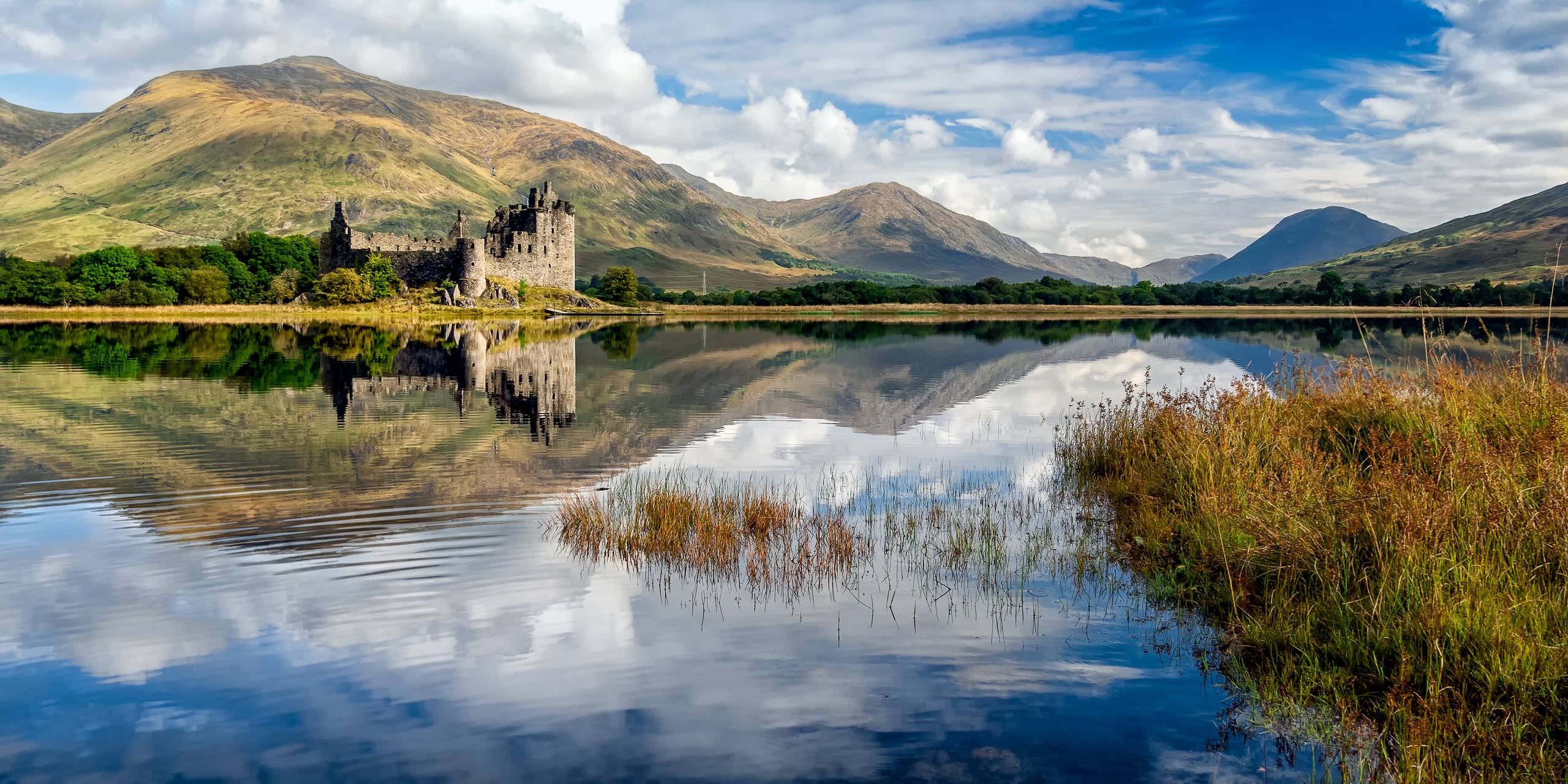
The Scottish Highlands are the UK at its most dramatic. Vast, untamed and often gloriously empty, this is where mountains rise steeply from deep glens and lochs reflect ever-changing skies. It’s a place that feels elemental, shaped by weather, history and time. Here, winding single-track roads lead to remote corners where silence settles in, broken only by wind, water and distant wildlife.
The scale of the landscape invites you to slow down, to pause and take it all in. Light shifts constantly across the peaks, revealing new textures and colours throughout the day. Whether you’re standing on a rugged summit, walking through heather-covered hills or gazing across a mist-filled valley, the Highlands offer a sense of escape that feels both powerful and deeply restorative.
Best for: Remote escapes, dramatic scenery and truly wild mountain experiences
- Ben Nevis – The UK’s highest peak, offering a challenging but rewarding ascent
- Glencoe’s ridges – Knife-edge routes like Aonach Eagach for experienced hikers
- Cairn Gorm and beyond – A gateway to wider Highland exploration
- Drive the North Coast 500 – A scenic route weaving through mountains and coastlines
- Walk through Glen Etive – A cinematic valley that feels beautifully remote
- Visit Loch Ness – Combining legend with sweeping Highland scenery
- Stay in a remote lodge or cabin – Wake up surrounded by silence and drifting mist
- Wild swimming in lochs – Bracing, invigorating and unforgettable
- Stargazing – Some of the darkest skies in the UK
- Spring (April–June) – Fresh greenery, fewer midges, and longer days
- Summer (July–August) – Warmest weather and access to high routes, though busier
- Autumn (September–October) – Golden landscapes and quieter trails
- Winter (November–March) – Snow-capped peaks and a raw, dramatic atmosphere
- By car – The best way to explore, with routes via the A82 into Glencoe and Fort William
- By train – Services to Inverness, Fort William, and Kyle of Lochalsh offer scenic journeys
- By air – Flights into Inverness or Glasgow, then onward by car
Some of our favourite Scottish Highland stays
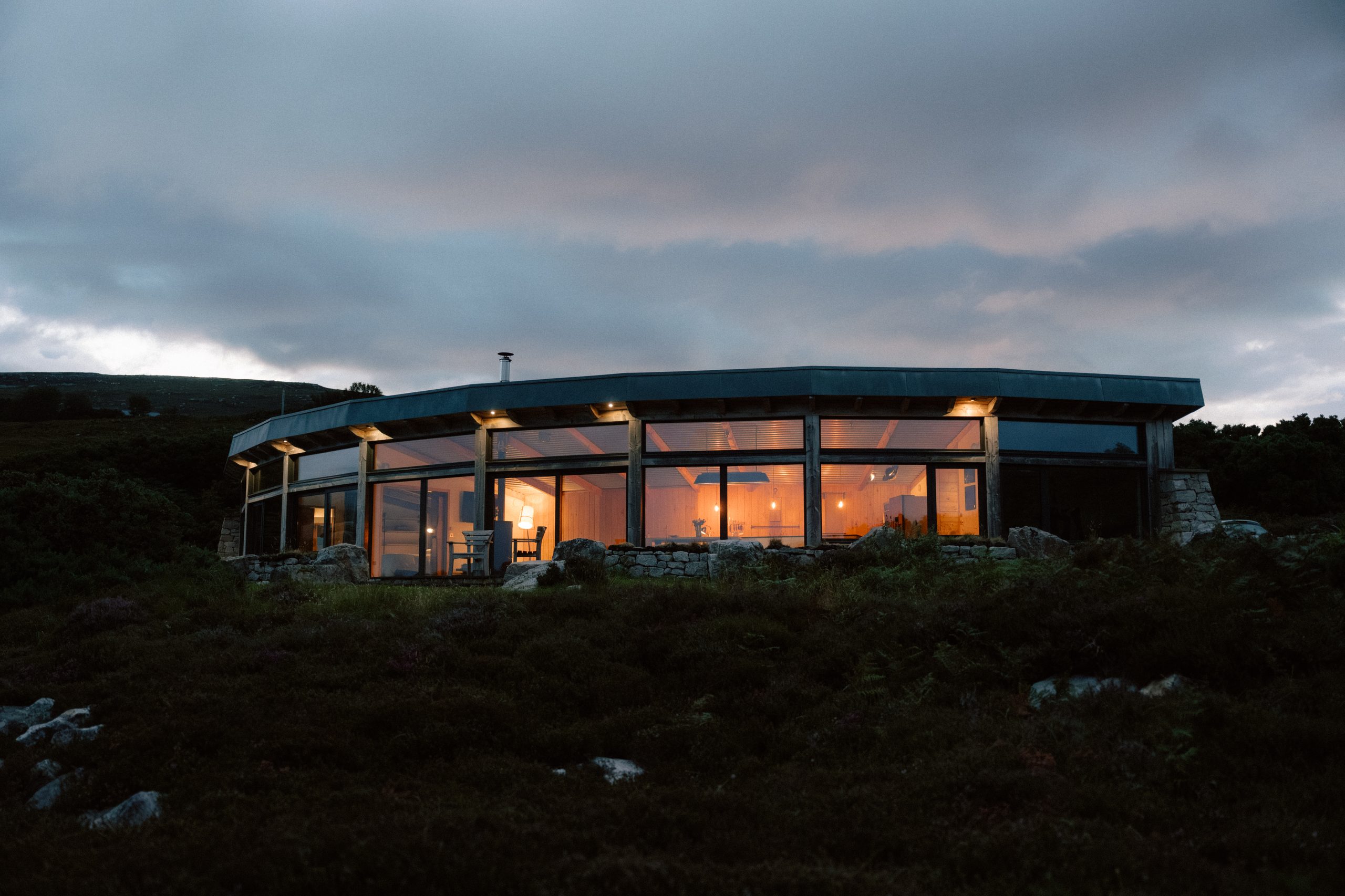
Croft 103
Durness
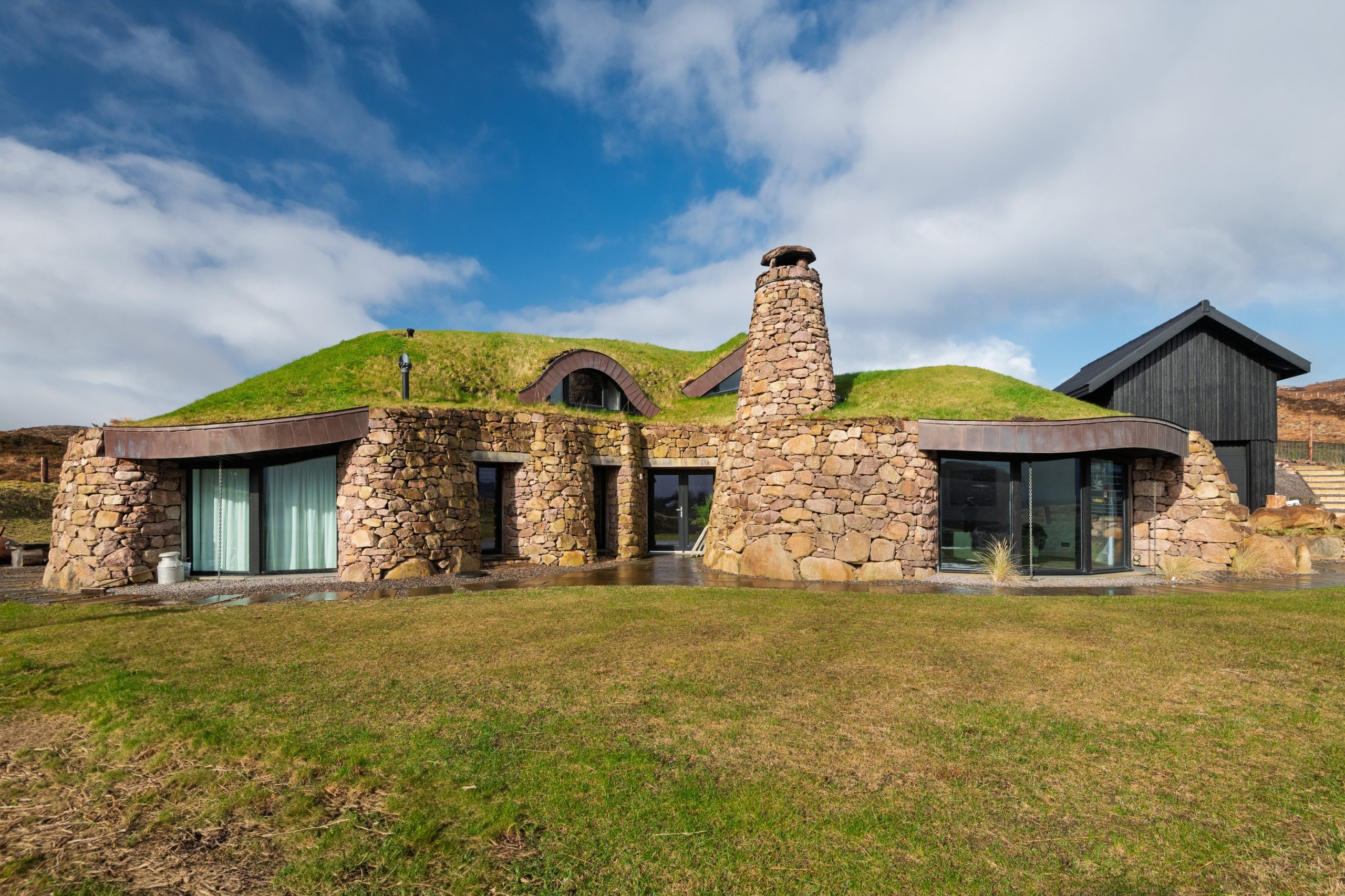
Lewie’s Croft
Achnasheen
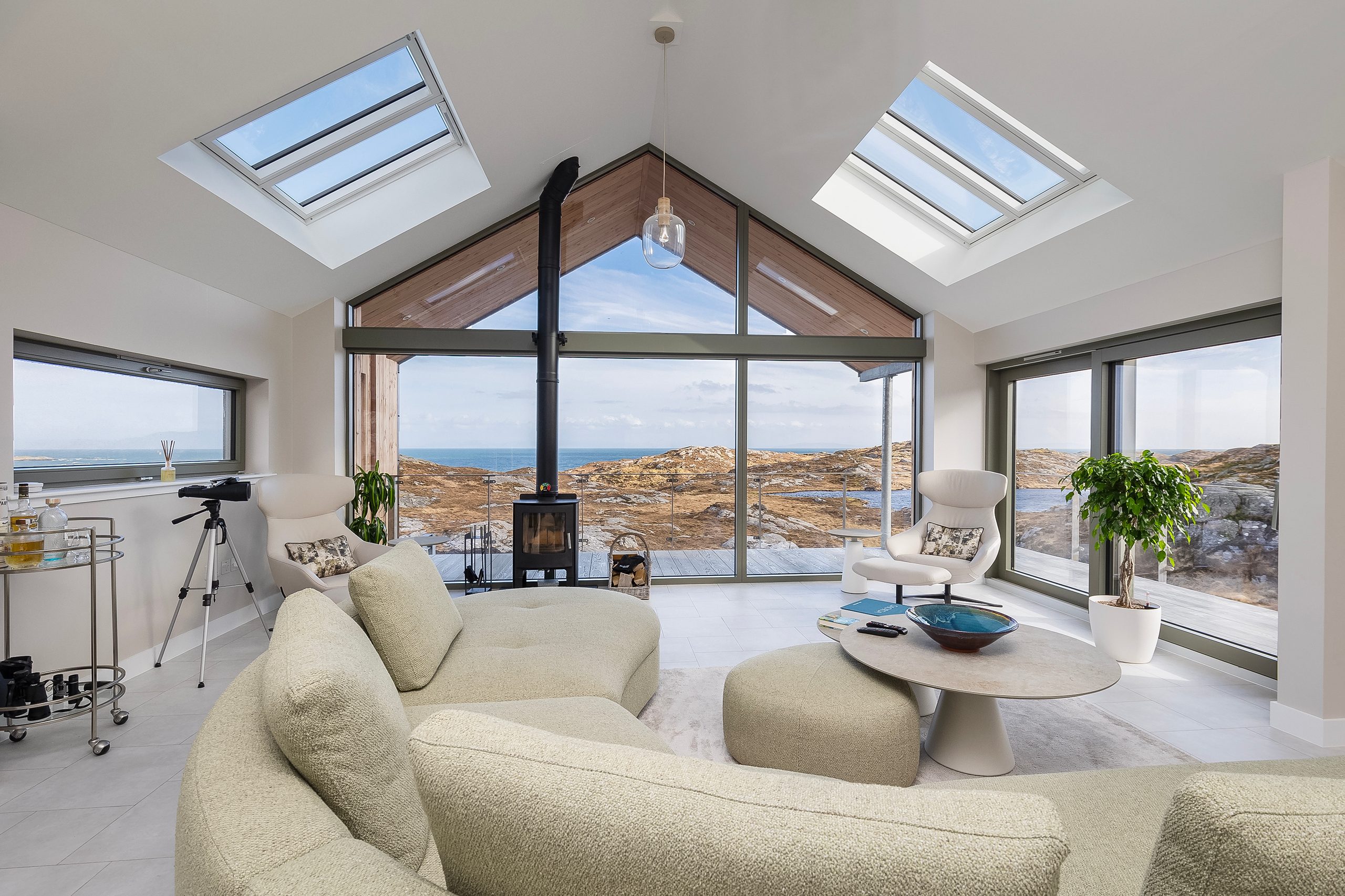
Baile An Or
Isle of Harris
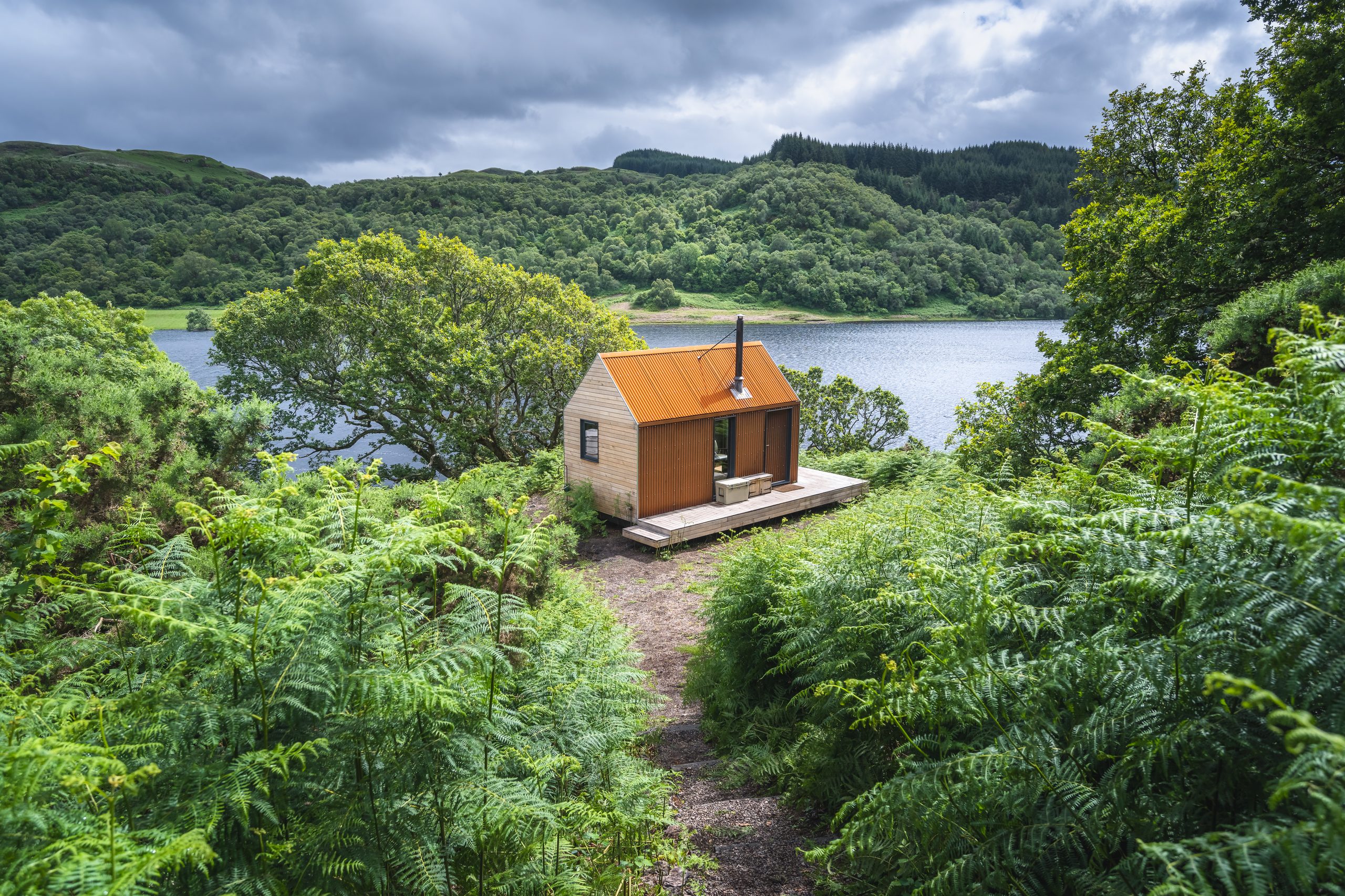
Inverlonan Bothies
Oban
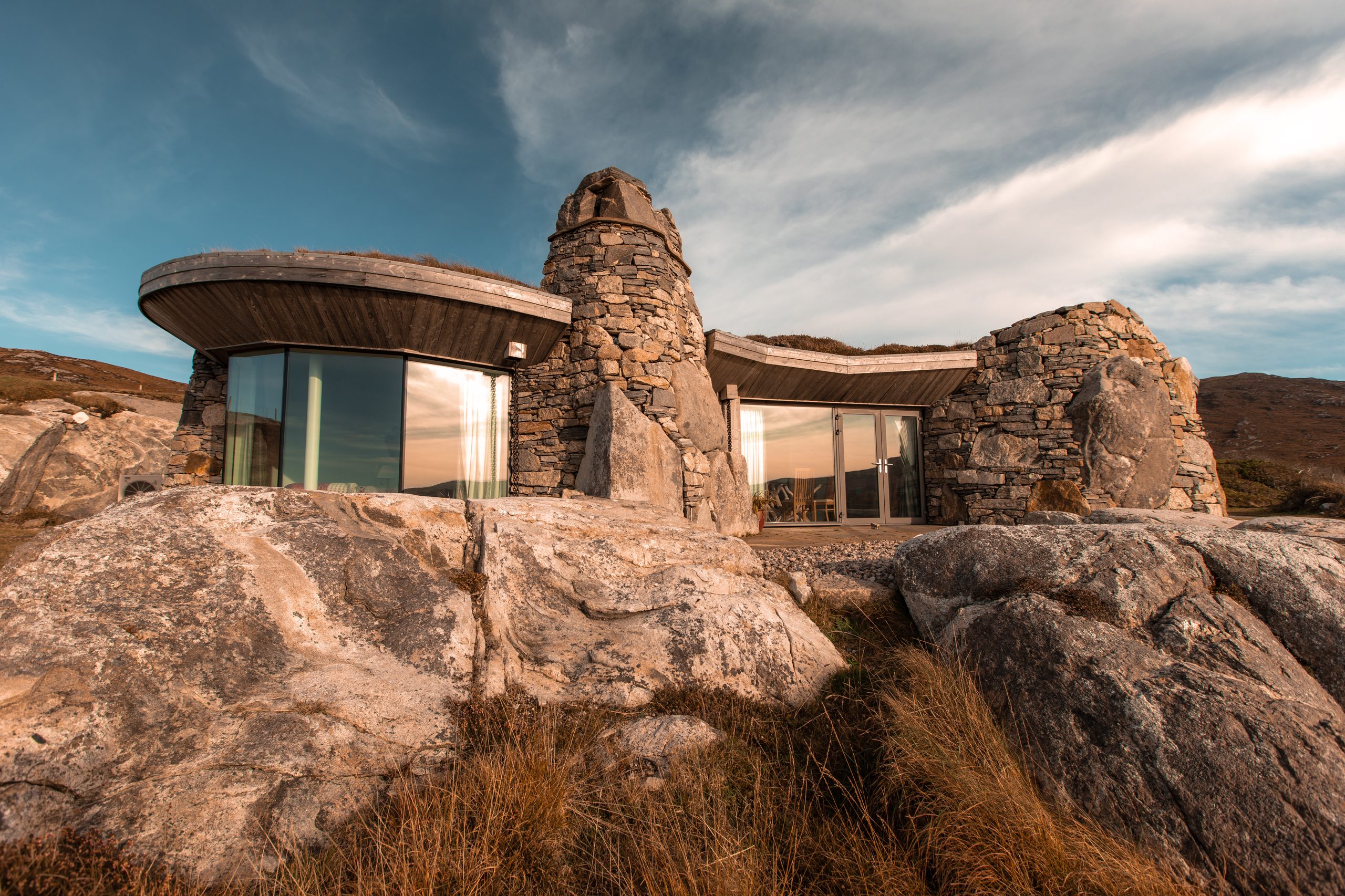
The Rock House
Isle of Harris
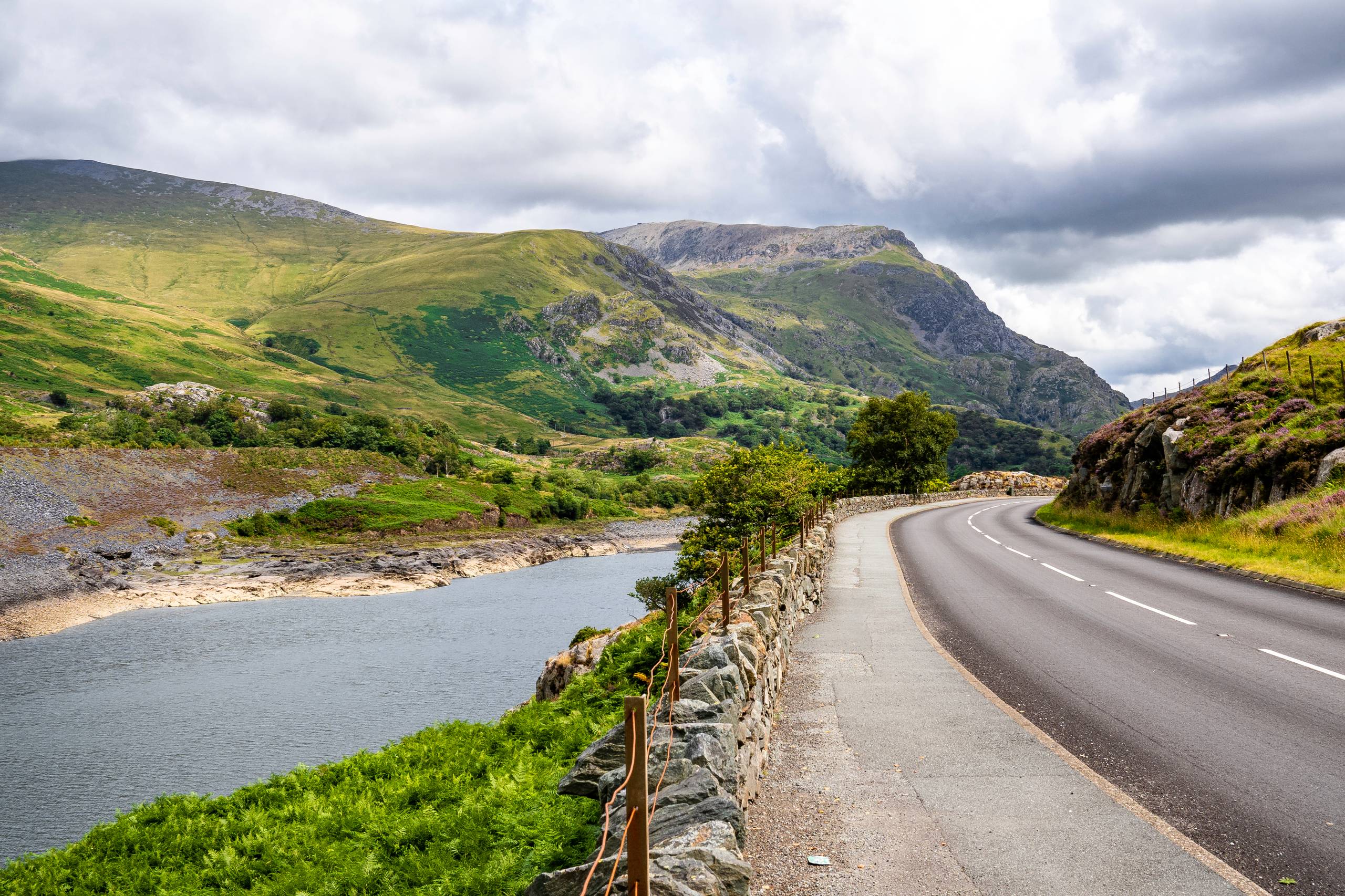
Eryri National Park (Snowdonia)
Eryri (Snowdonia) National Park in North Wales is a place where rugged peaks meet deep valleys and sweeping coastal views. Compact yet incredibly varied, it’s ideal for a mountain break that blends adventure with accessibility. Here, dramatic ridgelines rise above glacial lakes, while quiet valleys offer a softer, slower pace just moments away. Trails range from gentle waterside walks to challenging summit routes, all within easy reach.
The landscape feels constantly shifting, with mist rolling over peaks and light catching on rocky slopes. Whether you’re climbing Yr Wyddfa or exploring hidden corners, Eryri delivers a rich, immersive mountain experience.
Best for: Iconic peaks, varied terrain and combining mountains with coast
- Yr Wyddfa (Snowdon) – The highest mountain in Wales, with multiple routes to the summit
- Tryfan and the Glyderau – Dramatic, rocky peaks for more adventurous hikers
- Cadair Idris – A quieter alternative with equally stunning views
- Llyn Idwal – A glacial lake surrounded by steep cliffs
- Swallow Falls – One of Wales’ most famous waterfalls
- Llyn Padarn – Perfect for waterside walks and kayaking
- Stay in a stone cottage or shepherd’s hut – Traditional, cosy and full of character
- Explore Betws-y-Coed – A charming village with cafés and craft shops
- Ride the Snowdon Mountain Railway – A scenic alternative to hiking
- Spring – Wildflowers and quieter trails
- Summer – Ideal for hiking, though Yr Wyddfa can be busy
- Autumn – Crisp air and rich colours across the valleys
- Winter – Dramatic and often snow-covered, best for experienced walkers
- By car – Accessible via the A55 along the North Wales coast or A5 through the park
- By train – Services to Bangor, Llandudno Junction, and Betws-y-Coed
- By bus – Sherpa bus network connects key walking routes and villages
Some of our favourite stays near Snowdonia
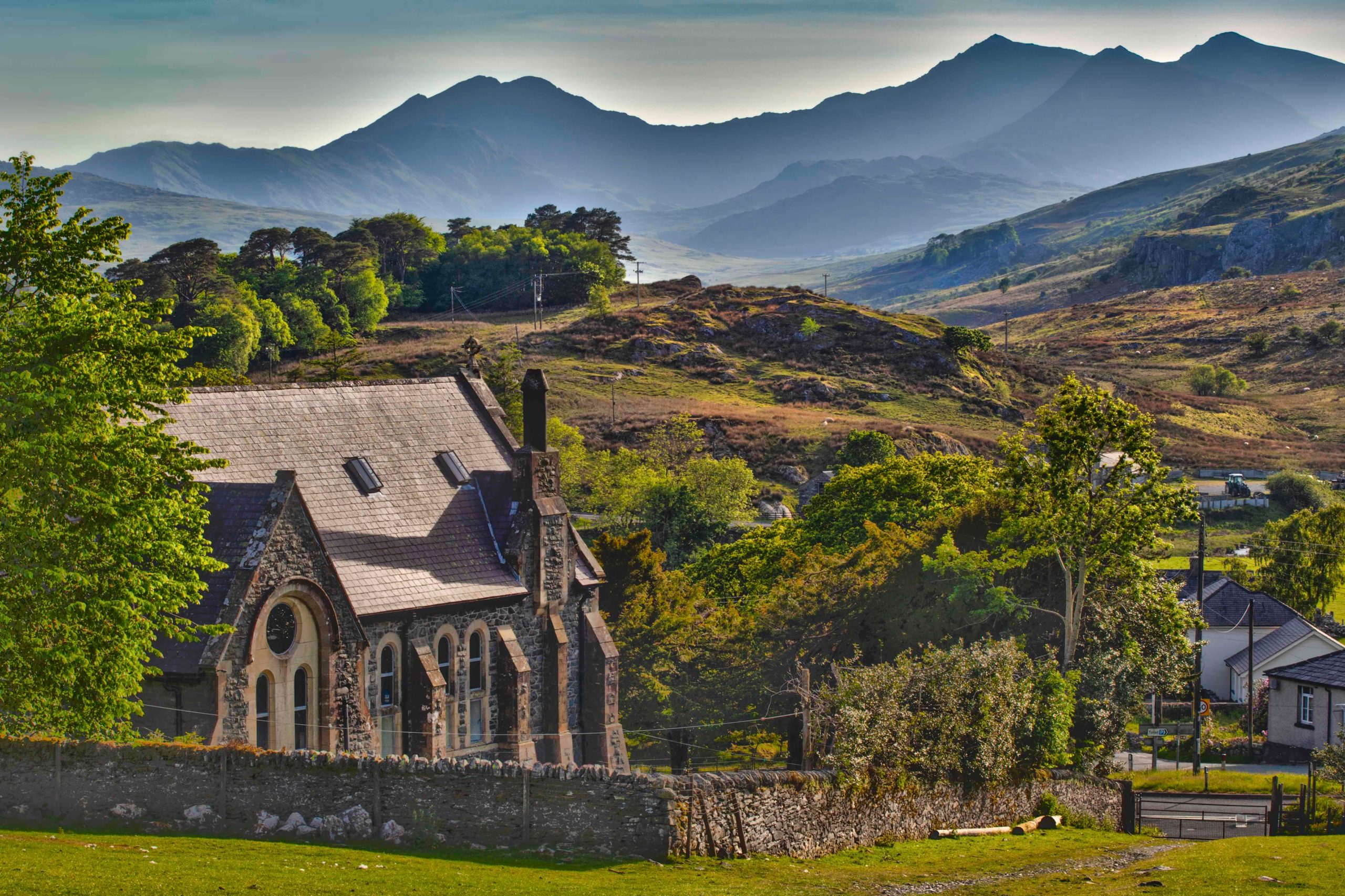
St Curig's Church
Betws y coed
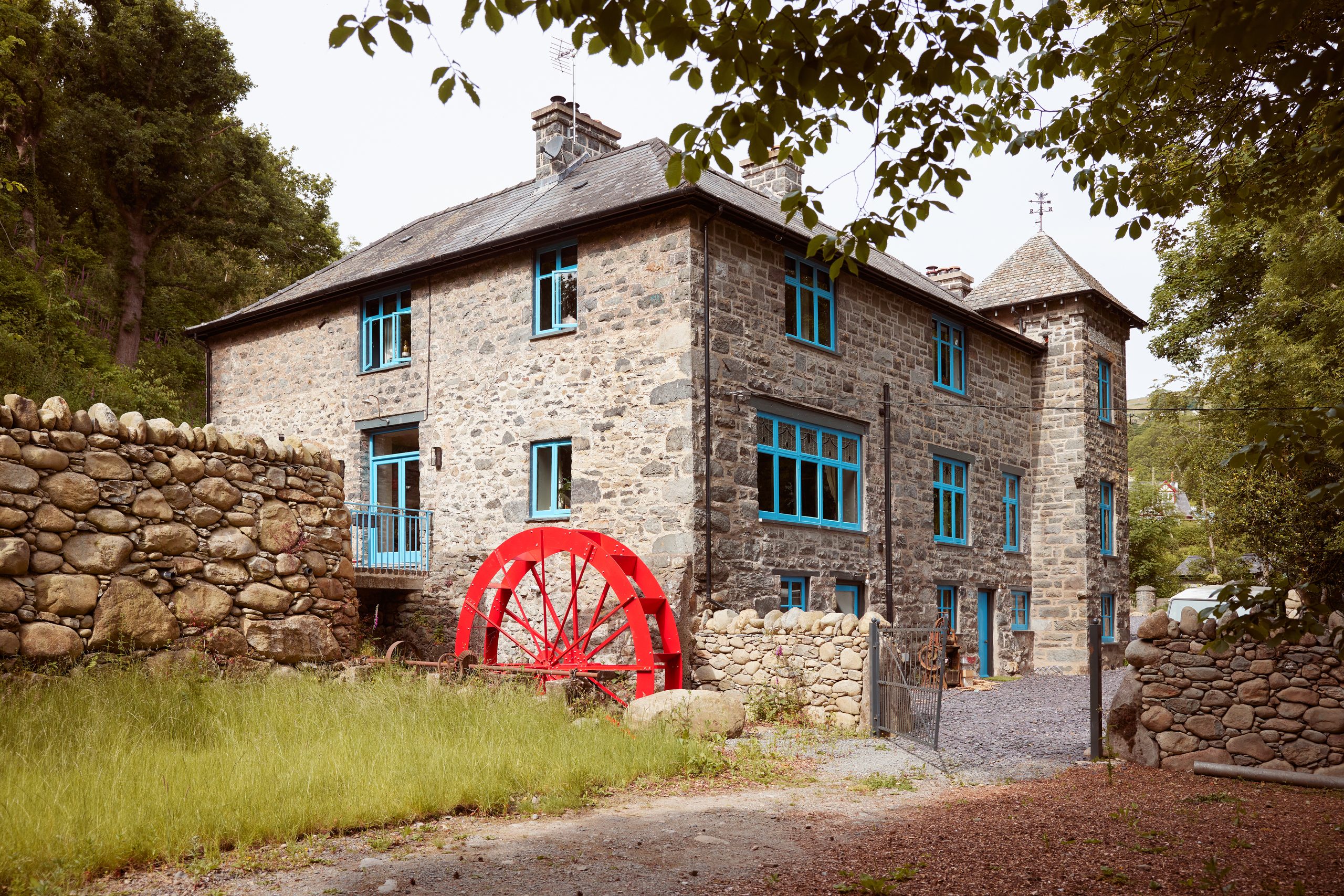
Ty Pandy
Rowen
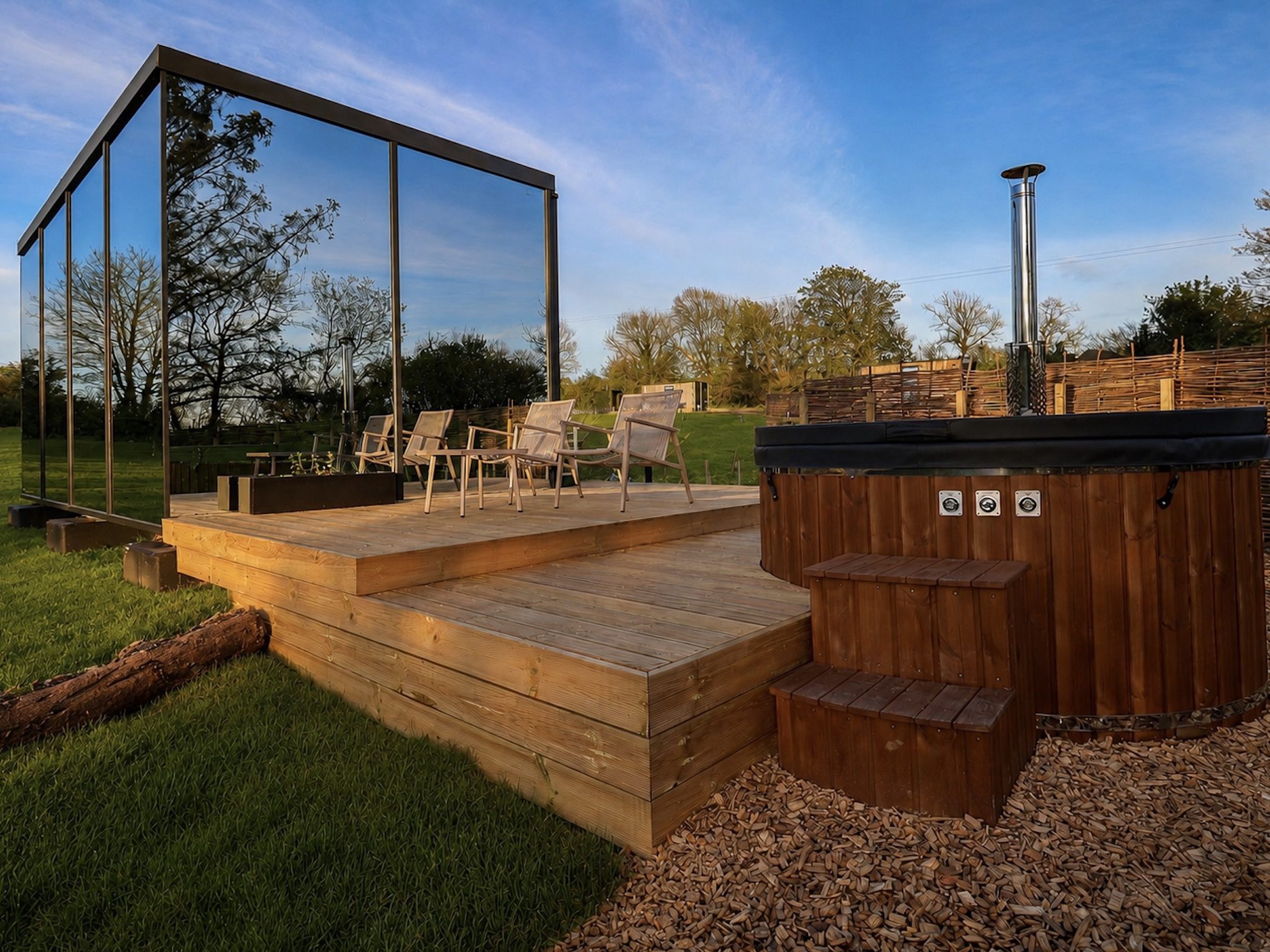
ÖÖD Mirror House at Nook & Key Escapes
Llangefni
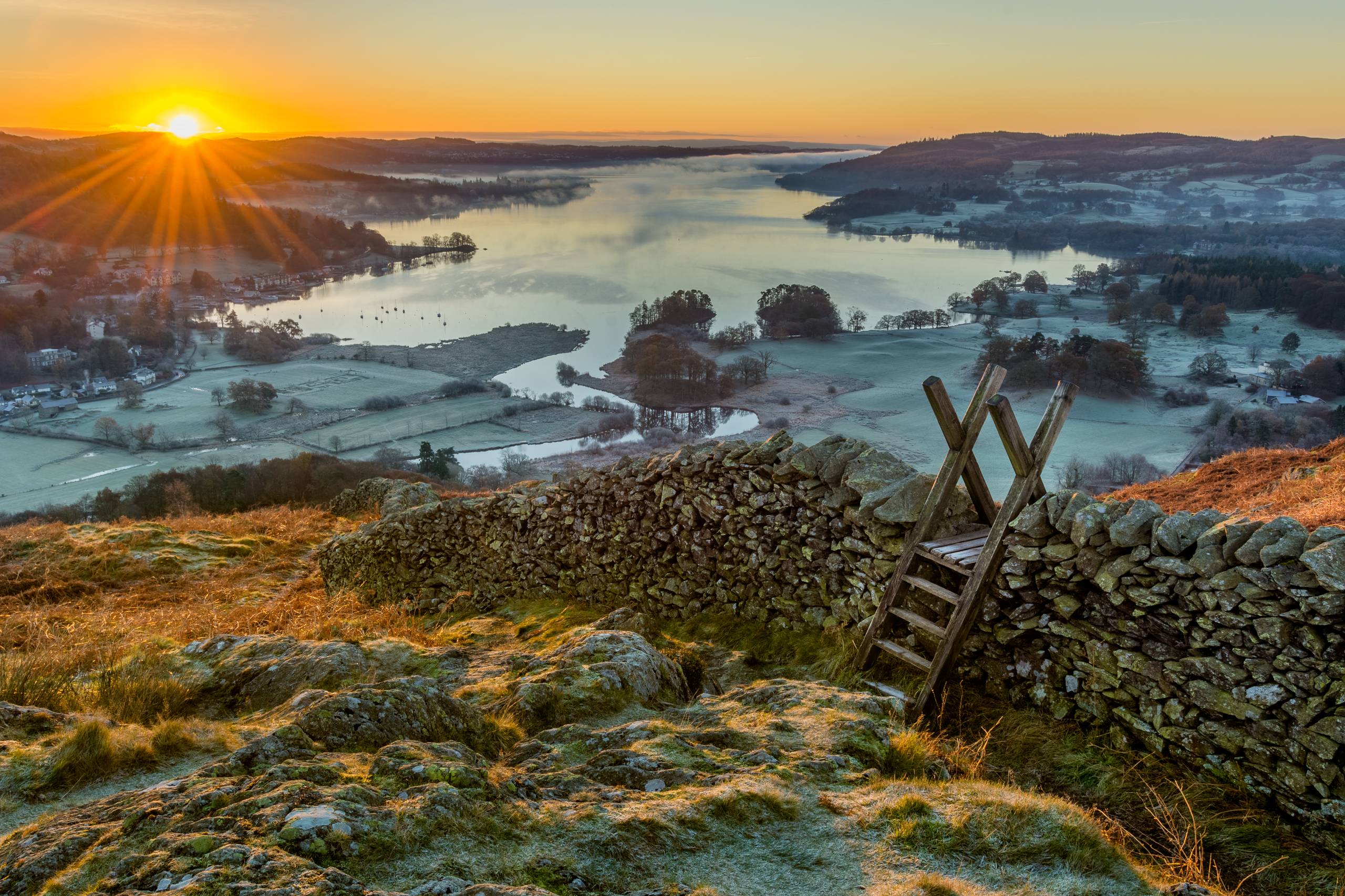
The Lake District National Park
The Lake District is one of the UK’s most iconic mountain destinations. Here, rugged fells rise above glassy lakes, and winding paths lead to viewpoints that feel both expansive and intimate.
The landscape has a timeless quality, where still waters reflect shifting skies and each valley seems to unfold into the next. From gentle lakeside strolls to more challenging hikes up high ridges, there’s a rhythm here that suits every pace. Villages are tucked between hills, offering cosy places to pause, while quieter corners reveal a deeper sense of calm. Whether you’re climbing, wandering or simply taking it all in, the Lake District delivers a classic and deeply restorative mountain escape.
Best for: Classic UK mountain scenery, lakeside walks and varied hiking routes
- Scafell Pike – England’s highest peak, with sweeping summit views
- Helvellyn via Striding Edge – A thrilling ridge walk
- Catbells – A gentler climb with incredible rewards
- Windermere and Ullswater – Boat trips, kayaking and lakeside walks
- Borrowdale Valley – Peaceful, green and deeply scenic
- Buttermere – A quieter spot with postcard-perfect views
- Stay in a lakeside cottage or cabin – Wake up to still water and mountain reflections
- Visit local pubs – Cosy interiors and hearty food after a day outdoors
- Follow literary trails – Discover Wordsworth’s Lake District
- Spring – Daffodils in bloom and fresh landscapes
- Summer – Long days and lively villages
- Autumn – Rich colours and fewer crowds
- Winter – Quiet, atmospheric and occasionally snow-covered
- By car – Via the M6, with access points at Windermere, Keswick, and Penrith
- By train – Direct trains to Oxenholme, with connections to Windermere
- By bus – Local networks connect key towns and lakes, especially in peak seasons
Some of our favourite Lake District stays
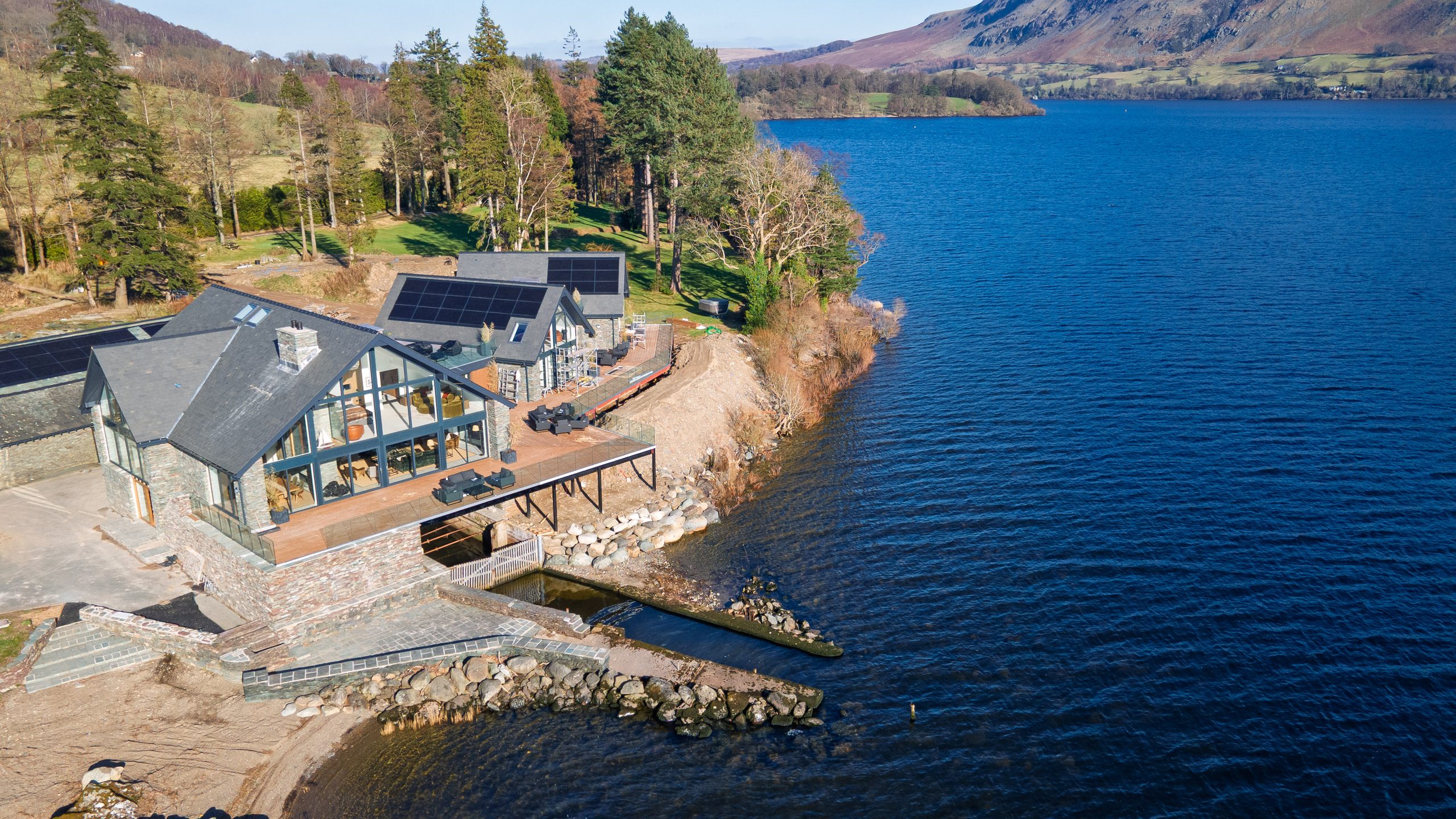
Lakefield Boathouse
Watermillock
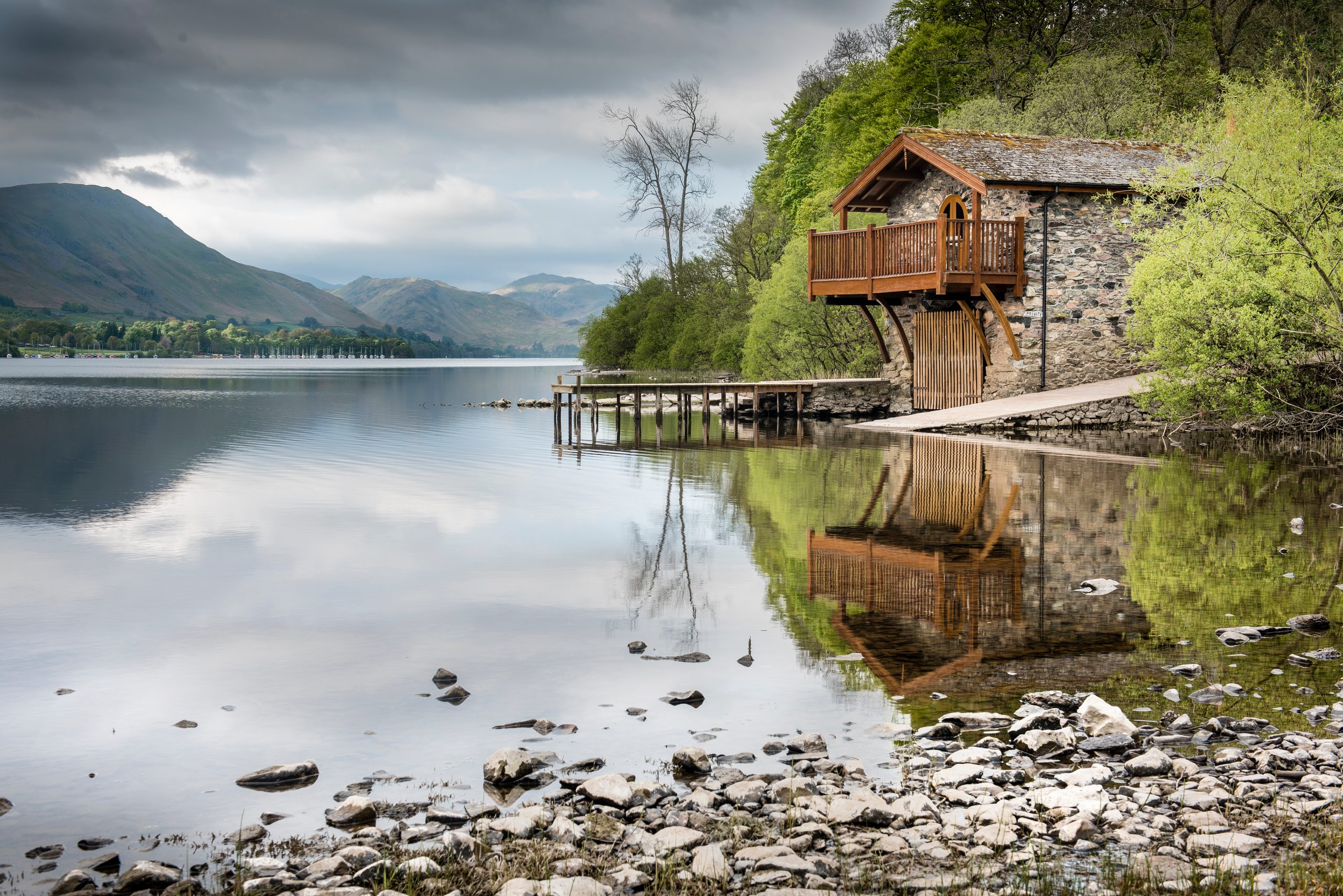
Duke of Portland Boathouse
Penrith
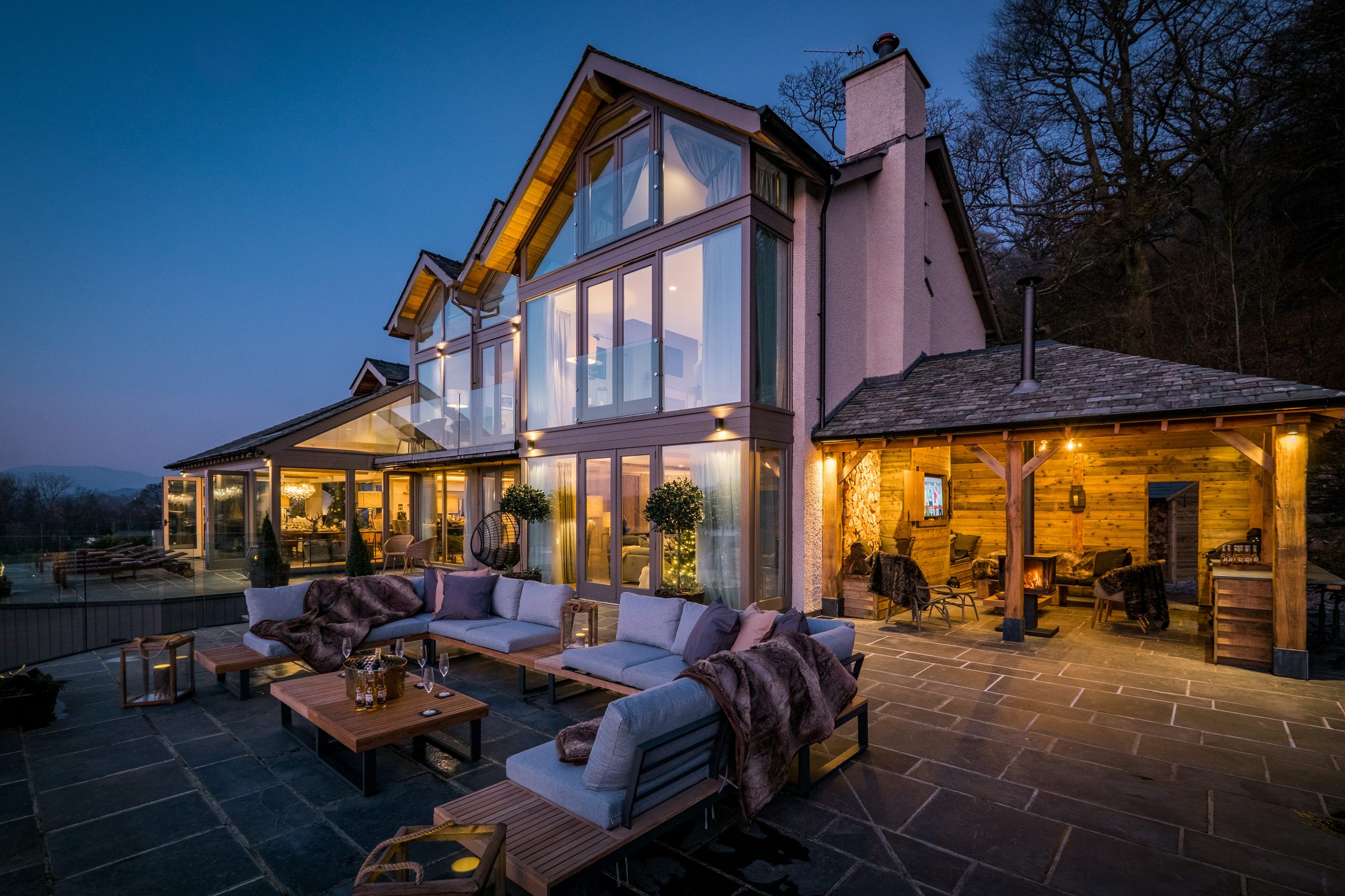
Post Knott Lodge
Windermere
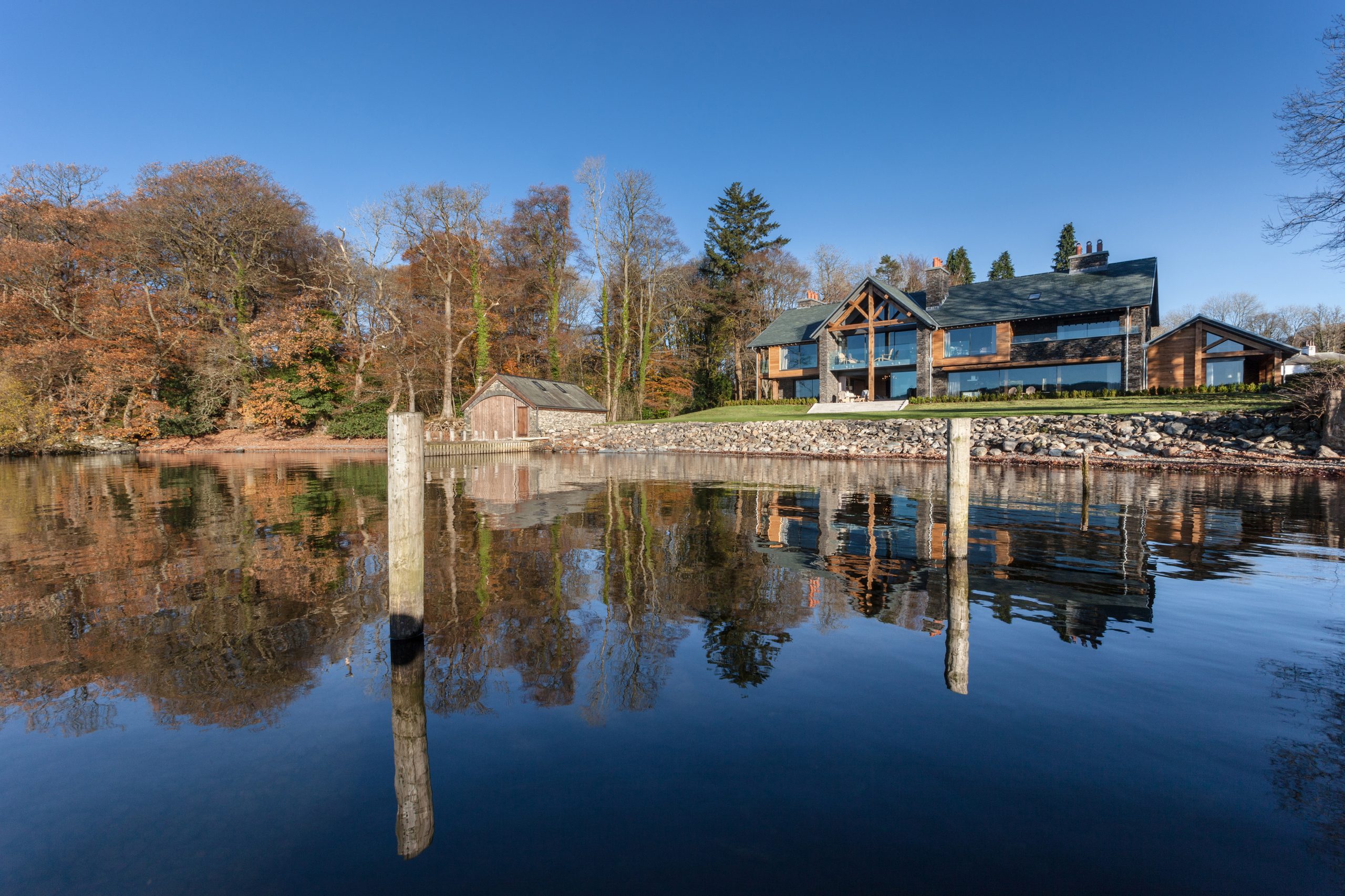
Grey Gables
Bowness on Windermere
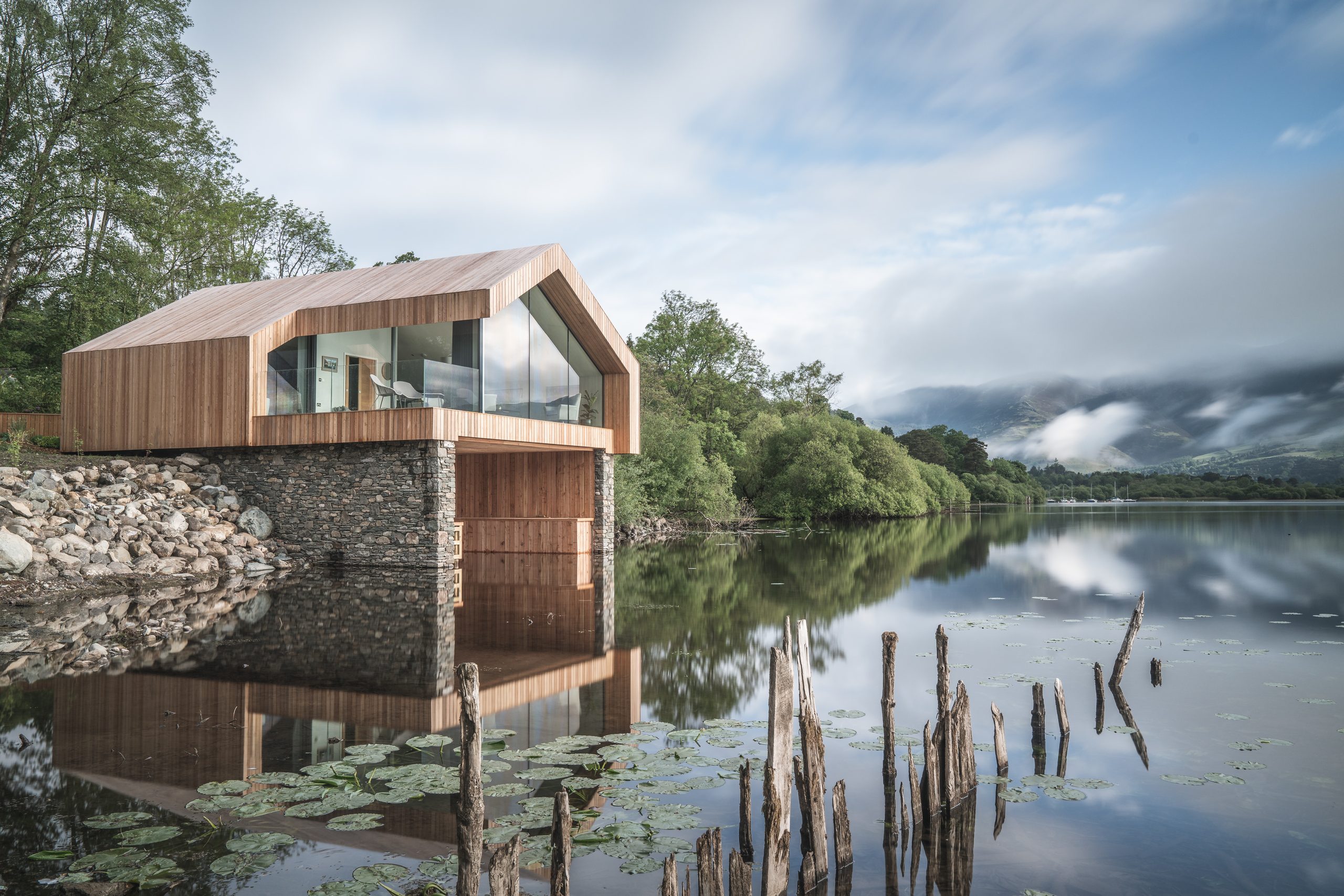
Lingholm Boathouse
Keswick
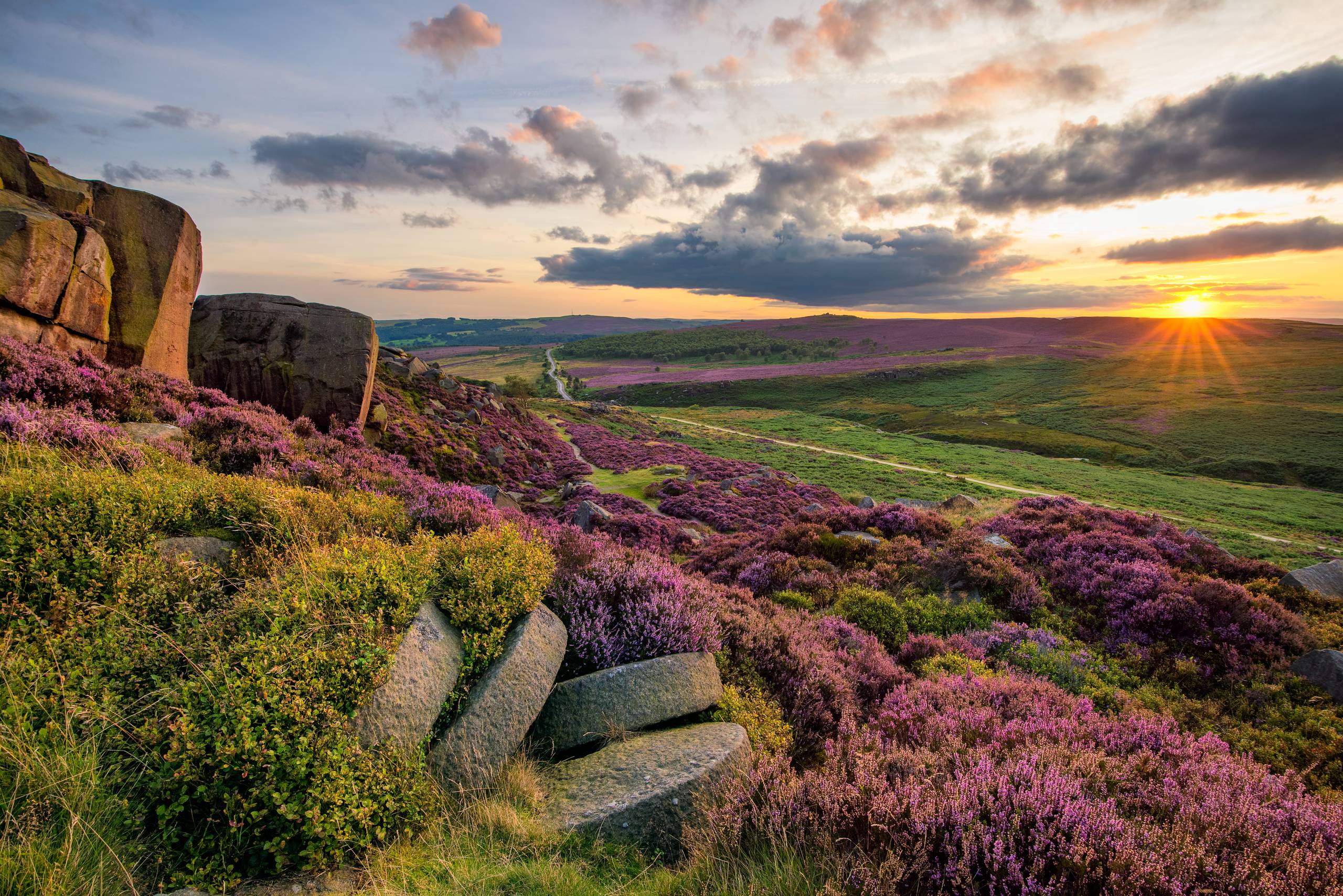
Peak District National Park
The Peak District offers a softer, more accessible take on a mountain break. Rolling hills, gritstone edges and wide-open moorland create a landscape that feels expansive without being overwhelming. It’s a place where long, sweeping views stretch across patchwork valleys, and well-worn trails invite you to wander at your own pace.
Dramatic edges rise above gentle countryside, offering just enough elevation for a sense of adventure without the intensity of higher peaks. Villages sit quietly between the hills, adding warmth and character to the landscape. Whether you’re following ridgelines, exploring hidden valleys or simply enjoying the fresh air, the Peak District feels both uplifting and easy to return to.
Best for: Easy-access hiking, scenic ridge walks and relaxed countryside escapes
- Kinder Scout – A classic plateau walk with sweeping views
- Mam Tor and the Great Ridge – One of the most scenic routes in the UK
- Stanage Edge – Dramatic cliffs and a favourite for climbers
- Castleton – Known for its caves and cosy pubs
- Bakewell – Riverside walks and local food spots
- Edale – The starting point of the Pennine Way
- Cycling the Monsal Trail – A scenic, traffic-free route
- Cave tours – Explore underground landscapes
- Sunrise and sunset walks – Especially magical across the moors
- Spring – Fresh greenery and lamb-filled fields
- Summer – Warm and ideal for long walks
- Autumn – Misty mornings and golden tones
- Winter – Quiet and atmospheric, with fewer crowds
- By car – Easily reached from Manchester, Sheffield, and the M1
- By train – Stations at Edale, Hope, and Hathersage
- By bus – Good local connections between villages and walking routes
Some of our favourite Peak District stays
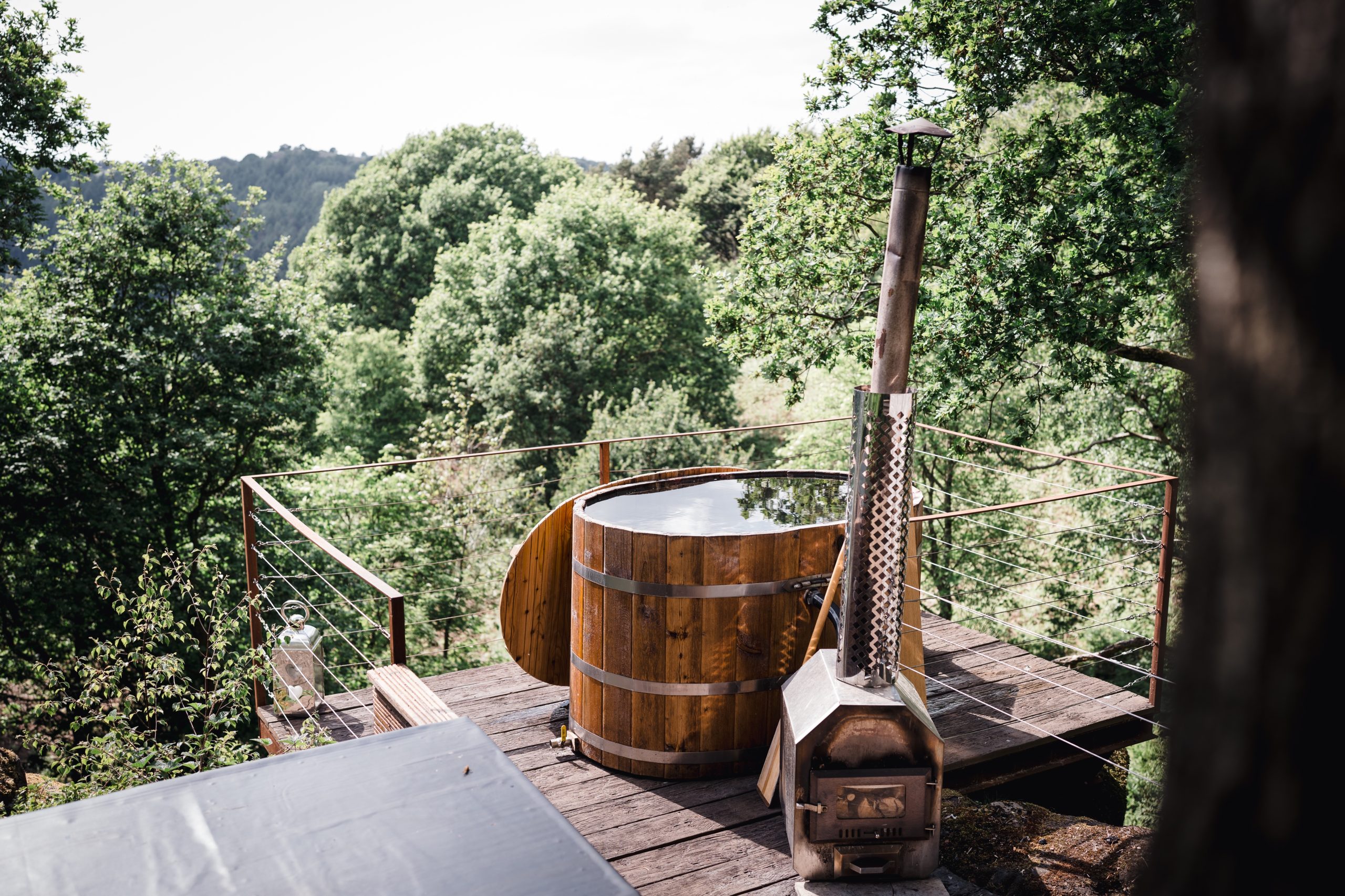
Boulder Field Cabin & Hot Tub
Matlock
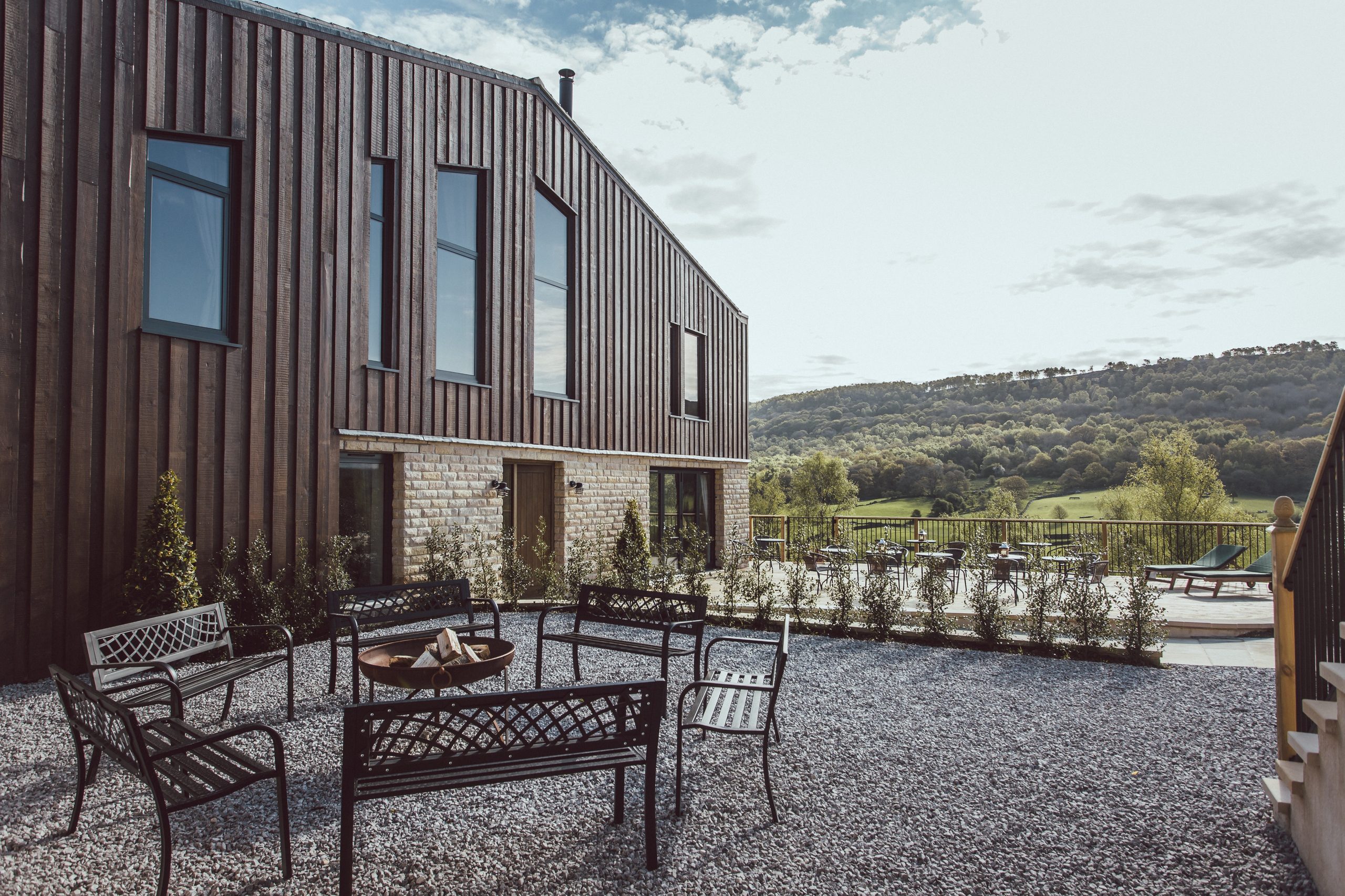
The Cattle Shed
Hope Valley
Cairngorms National Park
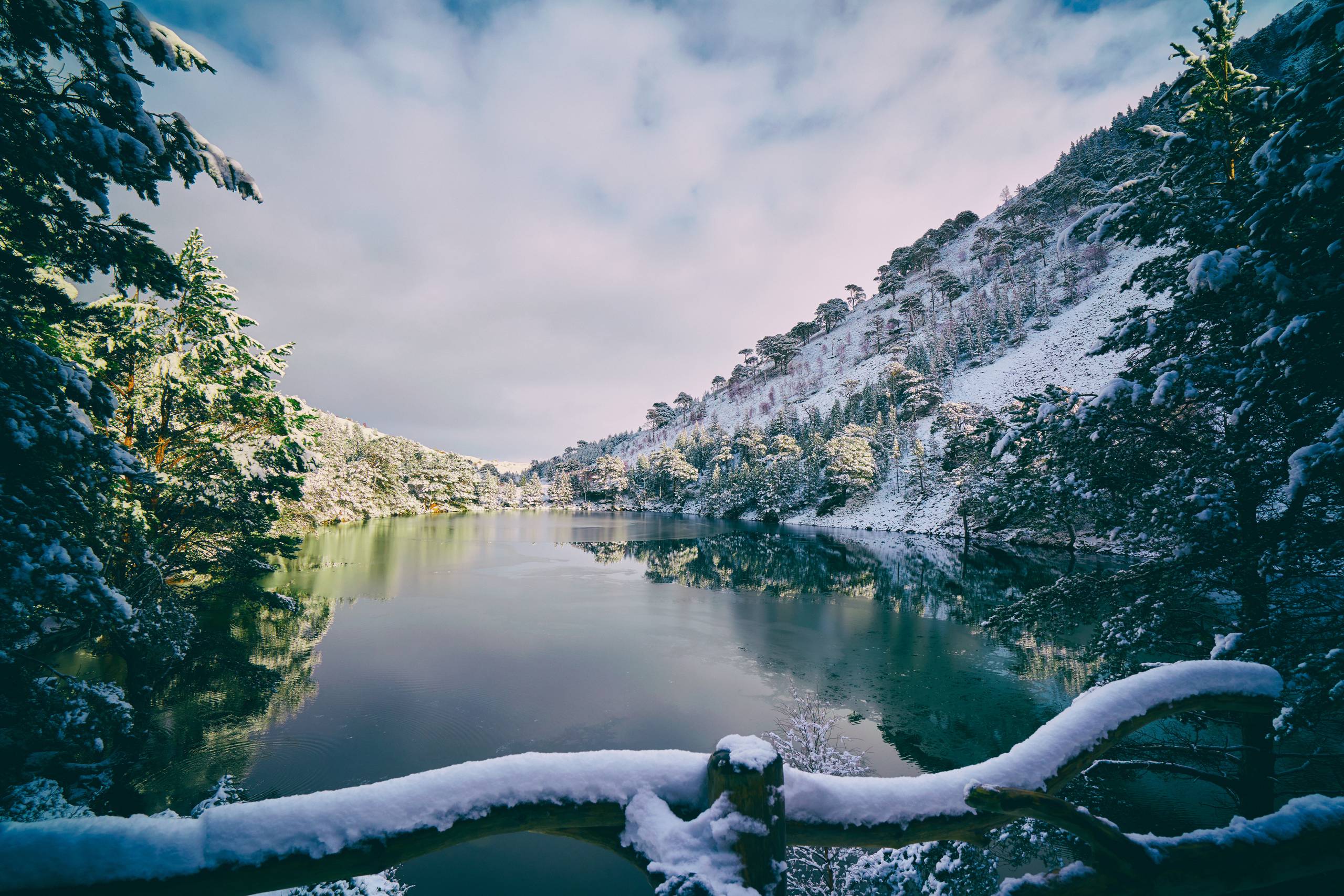
The Cairngorms National Park is a high, wild plateau of ancient forests, sweeping valleys and some of the UK’s most remote-feeling terrain. It offers space, silence and a slower pace. It offers space, silence and a slower pace.
Here, vast open landscapes stretch to the horizon, broken by rugged peaks and quiet lochs that reflect the changing light. Caledonian pine forests add texture and depth, home to wildlife that feels deeply connected to the land. The sense of scale is striking, yet there’s a calmness that settles in as you explore. Whether you’re hiking across wide, windswept plateaus or pausing beside a still loch, the Cairngorms feel peaceful, expansive and quietly powerful.
Best for: Wildlife, wide-open landscapes and year-round mountain adventures
- Cairn Gorm and Ben Macdui – High, expansive summits with incredible views
- Lairig Ghru pass – A dramatic route through the heart of the mountains
- Rothiemurchus Forest – Ancient woodland rich with wildlife
- Skiing and snowboarding – One of the UK’s best winter sports destinations
- Mountain biking – Trails for all levels
- Wildlife watching – Spot red deer, ospreys and reindeer
- Stay in a secluded lodge – Surrounded by forest or open hills
- Loch-side picnics – Quiet and beautifully simple
- Dark sky stargazing – Minimal light pollution for incredible night skies
- Spring – Wildlife becomes more active
- Summer – Long days perfect for exploring
- Autumn – Rich colours and dramatic landscapes
- Winter – Snowy scenery and ski season
- By car – Accessible via the A9, with routes into Aviemore
- By train – Direct services to Aviemore, a key gateway town
- By air – Flights into Inverness, then around 45 minutes by car
Some of our favourite Cairngorm stays
Tower O'Ess
Glen Tanar Estate
Final thoughts
Mountain breaks in the UK offer something for every kind of traveller. Whether you’re drawn to the raw drama of the Scottish Highlands, the iconic landscapes of the Lake District, or the gentle openness of the Peak District, each destination brings its own rhythm and rewards.
Some trips will be about summiting peaks and pushing limits. Others will be slower, with mornings overlooking misty valleys, afternoons wandering quiet trails and evenings watching the light fade behind distant hills.
Whichever you choose, the mountains have a way of grounding you and pulling you back again.
Some of the best mountain breaks in the UK include the Scottish Highlands, Eryri National Park (Snowdonia), the Lake District, the Peak District and the Cairngorms. Each offers a different style of landscape, from rugged peaks to rolling hills.
The highest mountains in the UK are found in Scotland, particularly in the Scottish Highlands. Ben Nevis is the tallest, followed by peaks in the Cairngorms and surrounding ranges.
The Peak District is often considered the best for beginners, thanks to its gentler terrain and well-marked walking routes. The Lake District also offers a range of easier hikes.
Late spring to early autumn is generally the best time, offering milder weather and longer daylight hours. Autumn is particularly scenic, while winter is best suited to experienced visitors.
Yes, but the experience varies by season. Summer is ideal for hiking, while winter can bring snow and more challenging conditions, especially in Scotland.
Essentials include waterproof clothing, sturdy walking boots, layers for changing weather, a map or GPS, and plenty of food and water.
Yes, many mountain regions are accessible by train and bus, including the Lake District, Snowdonia and the Peak District. However, a car offers more flexibility.
The Scottish Highlands and the Lake District are known for their dramatic views, while Snowdonia offers a mix of mountains and coastline.
Yes, there are plenty of options including cabins, cottages, lodges and boutique hotels, many of which are set in scenic, remote locations.
Popular activities include hiking, cycling, wildlife watching, wild swimming, climbing and simply enjoying the scenery and slower pace of life.