The ultimate guide to Dartmoor National Park: Best walks, villages and things to do
Published 7th July 2026
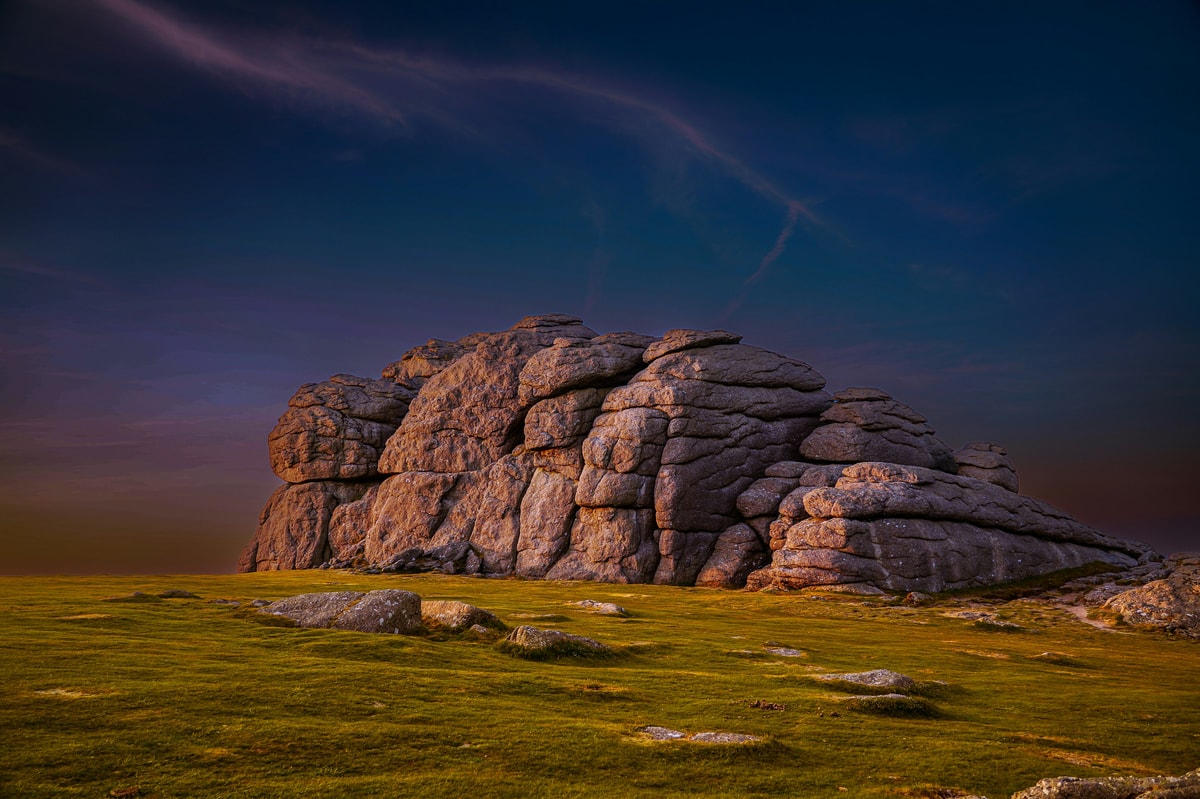
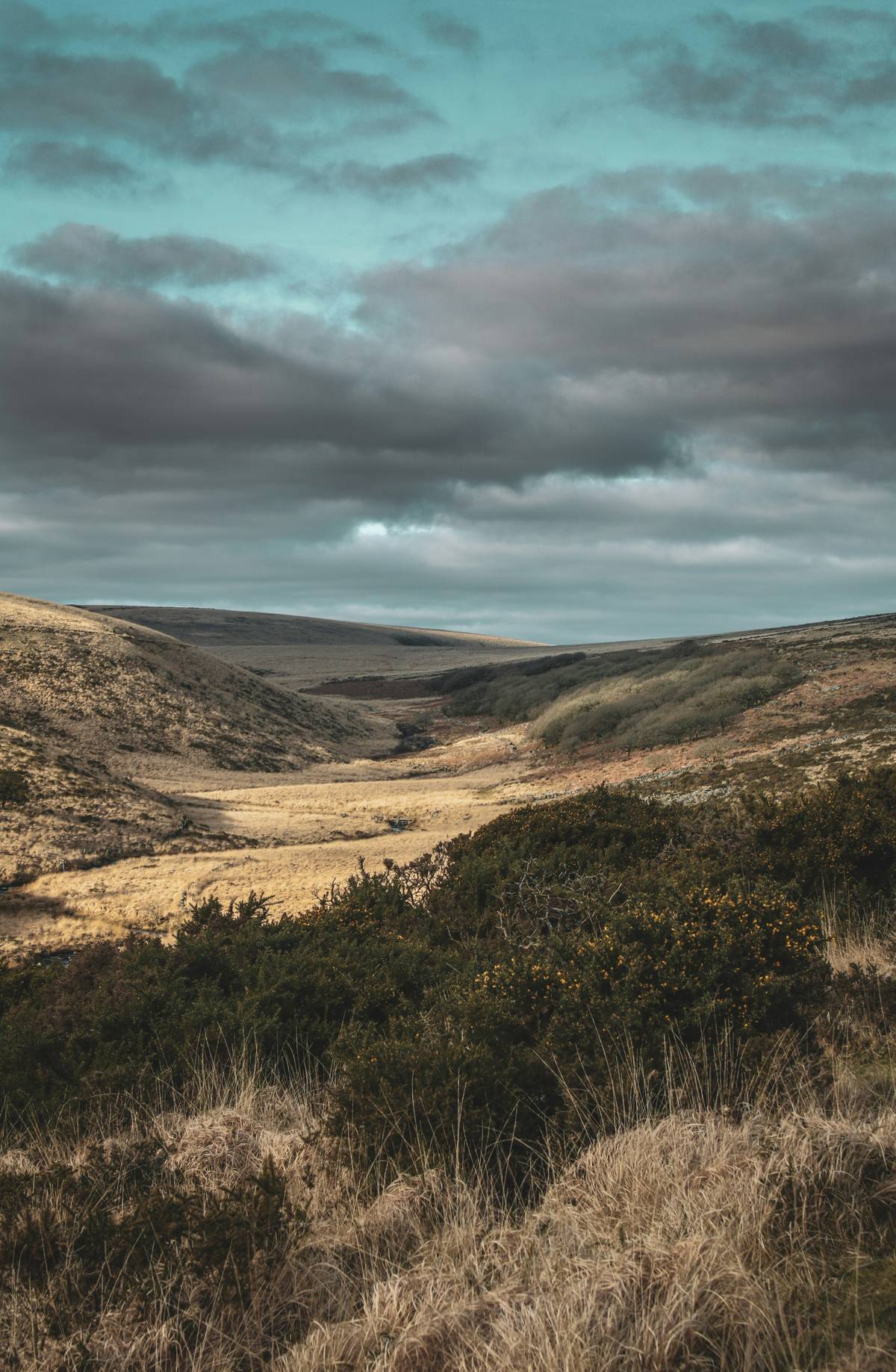
Few places in Britain feel as wild, timeless and atmospheric as Dartmoor National Park. Covering almost 370 square miles of Devon, this vast landscape of granite tors, rolling moorland, ancient woodlands and crystal-clear rivers is a place where adventure and tranquillity go hand in hand. Whether you're hiking to panoramic viewpoints, discovering prehistoric stone circles, wild swimming beneath waterfalls or simply enjoying a cream tea in a picturesque village, Dartmoor offers something for every kind of visitor.
In this guide, we've rounded up the very best things to do in Dartmoor, from its most spectacular walks and iconic tors to charming market towns, hidden beauty spots and excellent places to eat. Whether you're planning a family holiday, a romantic weekend, an active walking break or a peaceful countryside escape, you'll find plenty of inspiration to help you make the most of your visit.
We'll also highlight some of the best places to visit in Dartmoor, including its famous granite landmarks, peaceful reservoirs, ancient forests and characterful villages, alongside practical advice on the best time to visit and how to get there. And if you're wondering where to stay near Dartmoor, we've included plenty of inspiration for finding the perfect base to explore one of England's most spectacular national parks.
Click the link to jump to that section of our guide
- Why visit Dartmoor?
- Best places to visit in Dartmoor
- Best walks in Dartmoor
- Best Dartmoor tors to visit
- Best villages and towns in Dartmoor
- Best wild swimming spots in Dartmoor
- Best family days out in Dartmoor
- Best outdoor activities in Dartmoor
- Best places to eat and drink in Dartmoor
- Best pubs with views in Dartmoor
- Choose the perfect Dartmoor break for your needs
- Some of our favourite stays in and around Dartmoor
Why visit Dartmoor?
- Spectacular wild landscapes: Explore one of England's last great wildernesses, where open moorland, deep valleys and dramatic scenery stretch as far as the eye can see.
- Iconic granite tors: Climb famous landmarks like Haytor, Hound Tor and Yes Tor for breathtaking views across Dartmoor National Park.
- Fascinating history: Discover prehistoric stone circles, Bronze Age settlements, medieval bridges and centuries of local folklore.
- Outstanding wild swimming: Cool off in crystal-clear rivers, natural pools and secluded beauty spots hidden among the moorland.
- Fantastic walking routes: From gentle riverside strolls to challenging hikes across the highest peaks in southern England, there's a walk for every ability.
- Excellent cycling and outdoor adventures: Enjoy quiet country lanes, off-road trails, horse riding, climbing, kayaking and more.
- Unique wildlife and Dartmoor ponies: Spot free-roaming ponies, birds of prey, deer and rare wildlife throughout the national park.
- Traditional pubs and local food: Refuel after a day outdoors in cosy country inns, award-winning restaurants and welcoming village cafés serving the best of Devon produce.
For more info on visiting Devon, check out our Ultimate Guide to Devon blog post today.
Best places to visit in Dartmoor
Haytor
- Best for: First-time visitors, panoramic views and family walks.
- Location: Eastern Dartmoor National Park.
- Known for: Granite tor, sweeping views, rock climbing and accessible walking trails.
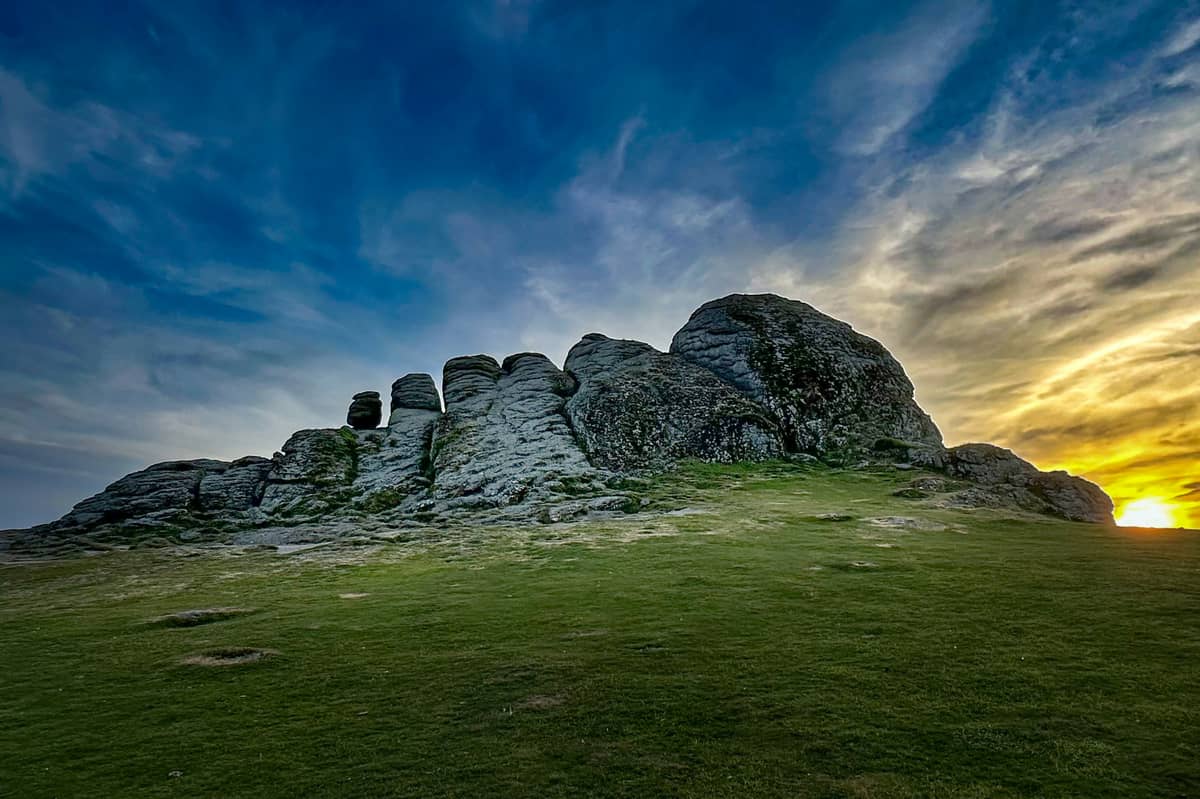
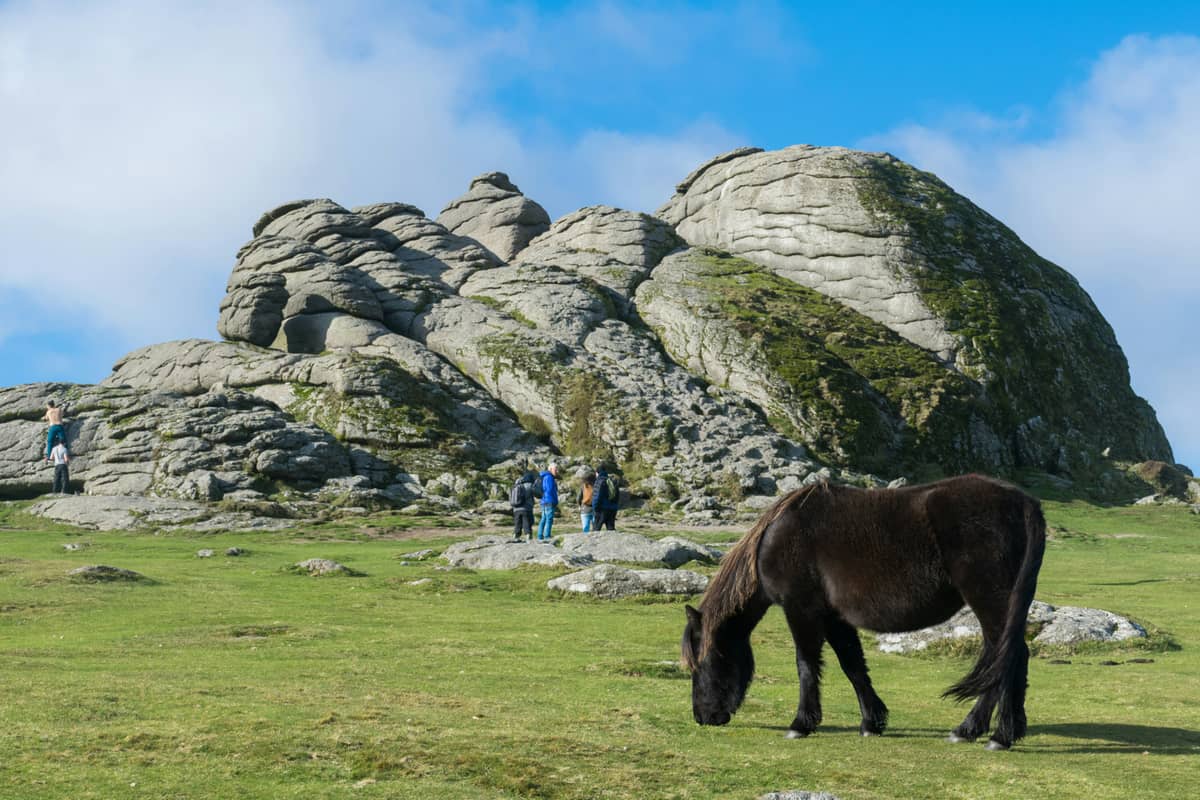
One of Dartmoor's most recognisable landmarks, Haytor is often the first stop for visitors to the national park. The dramatic granite outcrop offers spectacular views across the surrounding moorland, while a network of well-maintained footpaths makes it suitable for walkers of all abilities. Look out for the historic granite quarries and grazing Dartmoor ponies as you explore one of the park's most iconic locations.
Why we love Haytor:
- Accessible summit: One of the easiest and most rewarding tors to climb, making it suitable for walkers of all abilities.
- Unbeatable views: Soak up panoramic vistas across Dartmoor, South Devon and, on clear days, all the way to the coast.
- Fantastic photography: Sunrise, sunset and dramatic skies make this one of Dartmoor's most photogenic spots.
- Great starting point: An ideal base for exploring nearby Hound Tor, Widecombe-in-the-Moor and the eastern moor.
Bellever Forest
- Best for: Woodland walks, cycling and wildlife spotting.
- Location: Central Dartmoor, near Postbridge.
- Known for: Pine forests, riverside trails and peaceful picnic spots.
Bellever Forest offers a quieter side of Dartmoor, with winding woodland paths leading through towering pine trees alongside the East Dart River. Popular with walkers, cyclists and families, it's a peaceful place to escape into nature while enjoying some of the national park's gentlest trails.
Why we love Bellever Forest:
- Peaceful surroundings: A calm woodland escape away from the busiest parts of the moor.
- Easy adventures: Gentle trails make it ideal for families and casual walkers.
- Beautiful riverside scenery: Follow the East Dart River through tranquil woodland.
- Wildlife watching: Keep an eye out for birds, deer and Dartmoor ponies.
Hound Tor
- Best for: Walkers, history lovers and photographers.
- Location: Eastern Dartmoor National Park, near Bovey Tracey.
- Known for: Granite rock formations, Bronze Age settlement and literary connections.
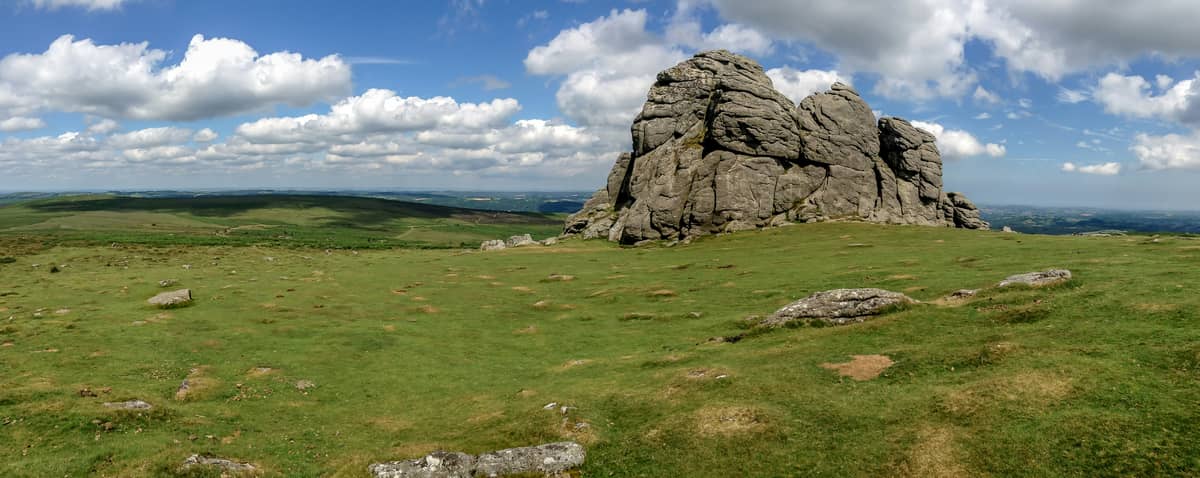
With its striking granite stacks and sweeping views, Hound Tor is one of Dartmoor's most atmospheric landmarks. Just below the tor lies one of Britain's best-preserved Bronze Age villages, while the surrounding landscape is believed to have inspired Sir Arthur Conan Doyle's The Hound of the Baskervilles. It's a rewarding destination that combines history, scenery and an excellent walk.
Why we love Hound Tor:
- Rich history: Explore a fascinating Bronze Age settlement dating back over 3,000 years.
- Iconic rock formations: Climb among towering granite outcrops sculpted by nature.
- Literary links: Visit the landscape that inspired one of Britain's most famous novels.
- Wonderful walking: Easily combined with Haytor and neighbouring moorland trails.
Burrator Reservoir
- Best for: Families, easy walks and cycling.
- Location: South-west Dartmoor National Park.
- Known for: Reservoir views, woodland trails and waterside scenery.
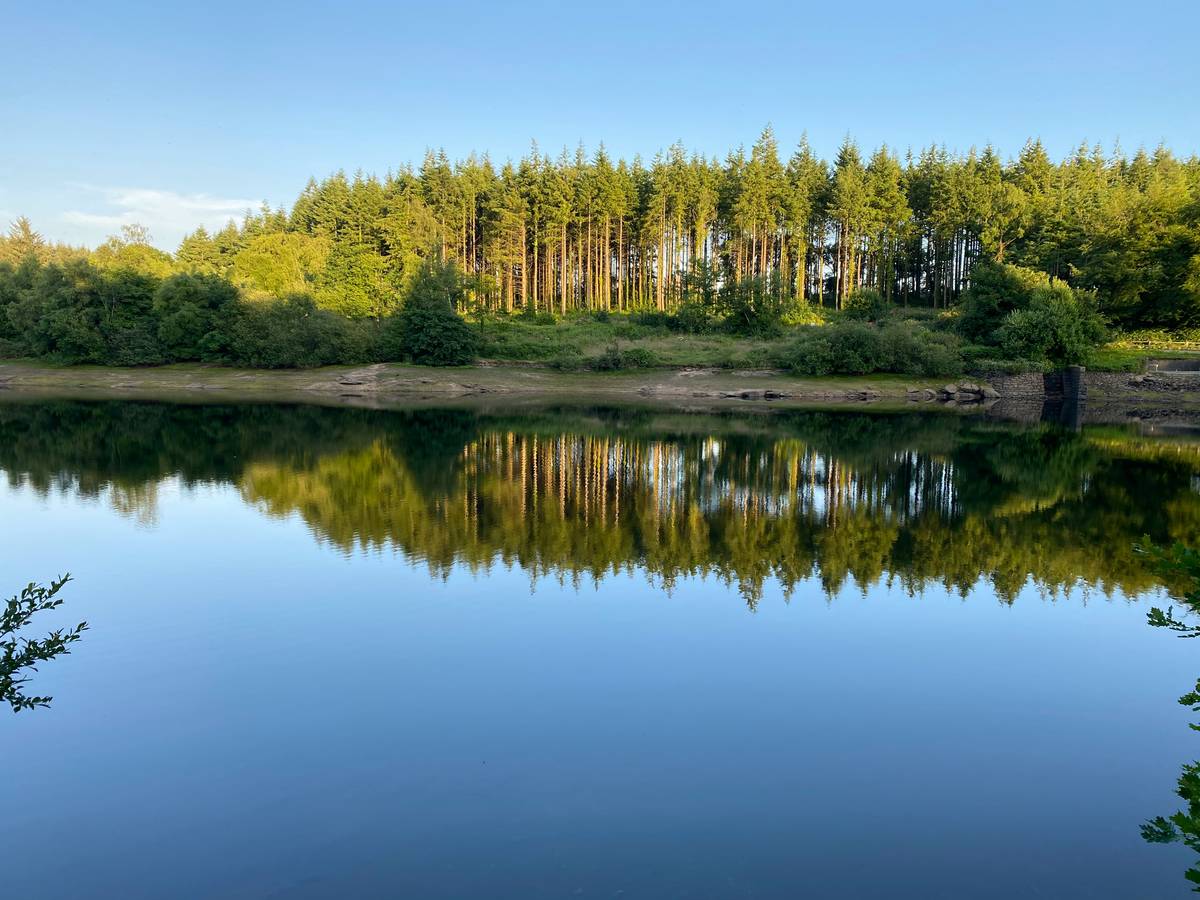
Framed by woodland and rolling hills, Burrator Reservoir is one of Dartmoor's most accessible beauty spots. A mostly level route circles much of the reservoir, making it perfect for gentle walks, bike rides and relaxed afternoons surrounded by nature.
Why we love Burrator Reservoir:
- Easy walking: Mostly flat paths make it suitable for all ages.
- Scenic setting: Beautiful reflections across the water in every season.
- Perfect for picnics: Plenty of peaceful spots to stop and enjoy the views.
- Great for cycling: Quiet roads and trails attract cyclists of all abilities.
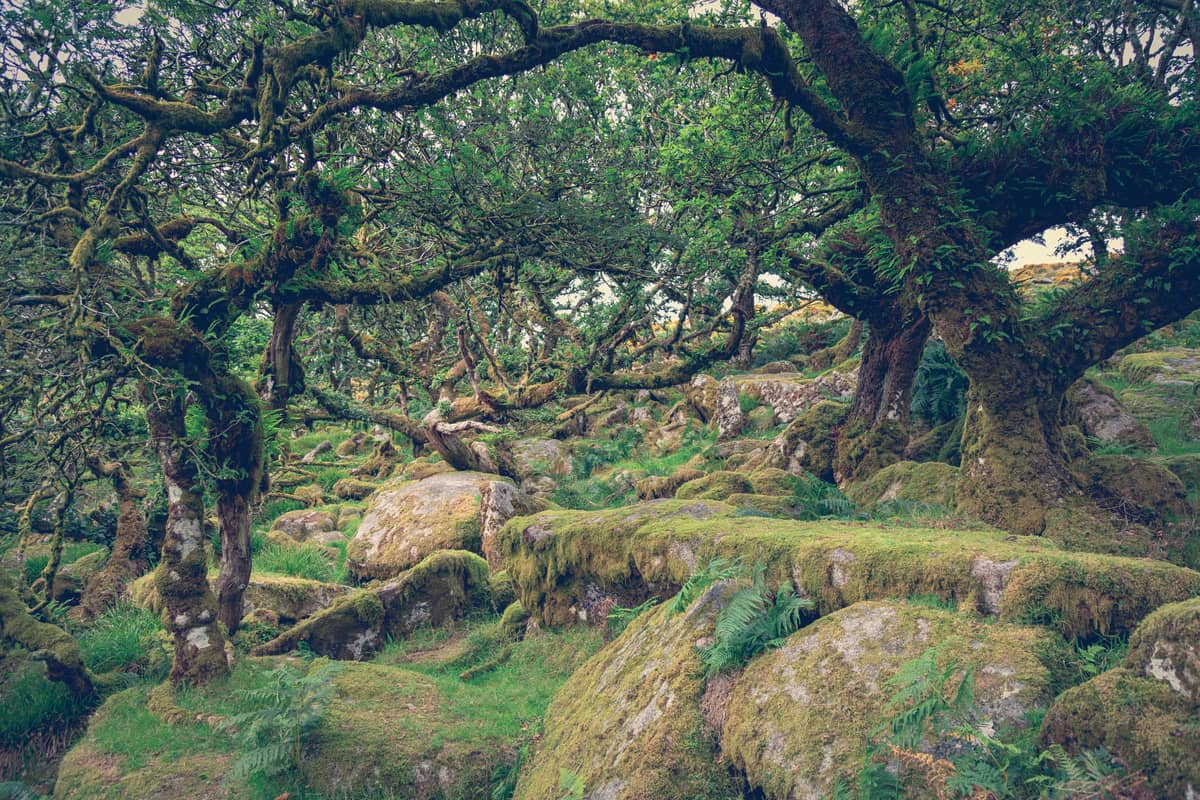
Wistman's Wood
- Best for: Nature lovers, photographers and unique landscapes.
- Location: Near Two Bridges, central Dartmoor.
- Known for: Ancient oak woodland, moss-covered boulders and temperate rainforest.
Wistman's Wood is one of the most extraordinary places in Dartmoor. Twisted oak trees cling to giant granite boulders beneath a carpet of mosses, lichens and ferns, creating an ancient woodland that feels almost otherworldly. As one of Britain's last surviving temperate rainforests, it's a remarkable place to experience, although visitors should stick to designated paths to help protect its fragile ecosystem.
Why we love Wistman's Wood:
- Ancient atmosphere: One of the oldest and most enchanting woodlands in England.
- Unlike anywhere else: A landscape of twisted trees and moss-covered boulders that feels almost mythical.
- Photographer's favourite: Incredible textures and light create unforgettable images.
- Rare habitat: One of Britain's last remaining temperate rainforests.
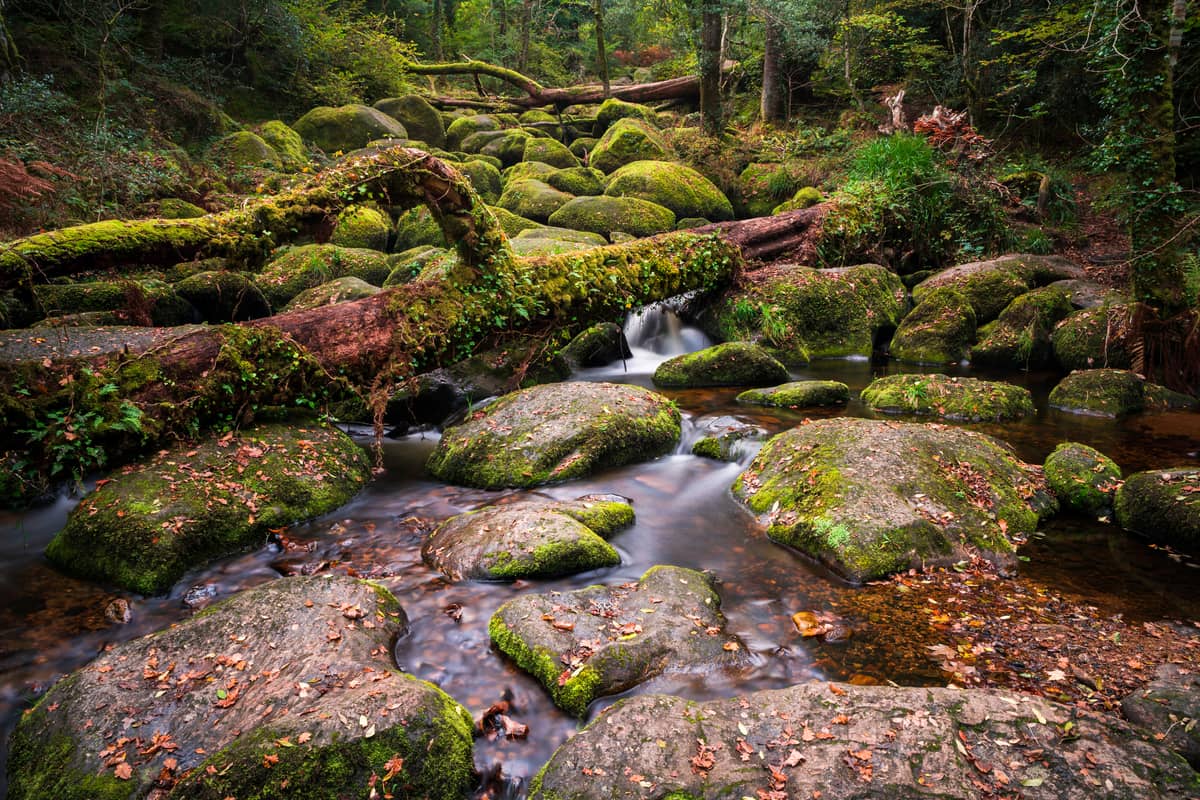
Becky Falls
- Best for: Families, waterfall lovers and woodland walks.
- Location: Near Manaton, eastern Dartmoor.
- Known for: Cascading waterfalls, ancient woodland and family attractions.
One of Devon's best-loved natural attractions, Becky Falls features a series of waterfalls tumbling through beautiful ancient woodland. A choice of walking trails caters for different abilities, while wildlife exhibits and seasonal activities make it particularly popular with families.
Why we love Becky Falls:
- Spectacular waterfalls: One of the most impressive waterfall settings in Devon.
- Family-friendly day out: Plenty to keep younger visitors entertained.
- Beautiful woodland: Enjoy peaceful walks beneath ancient trees.
- Year-round appeal: Especially dramatic after rainfall and during autumn.
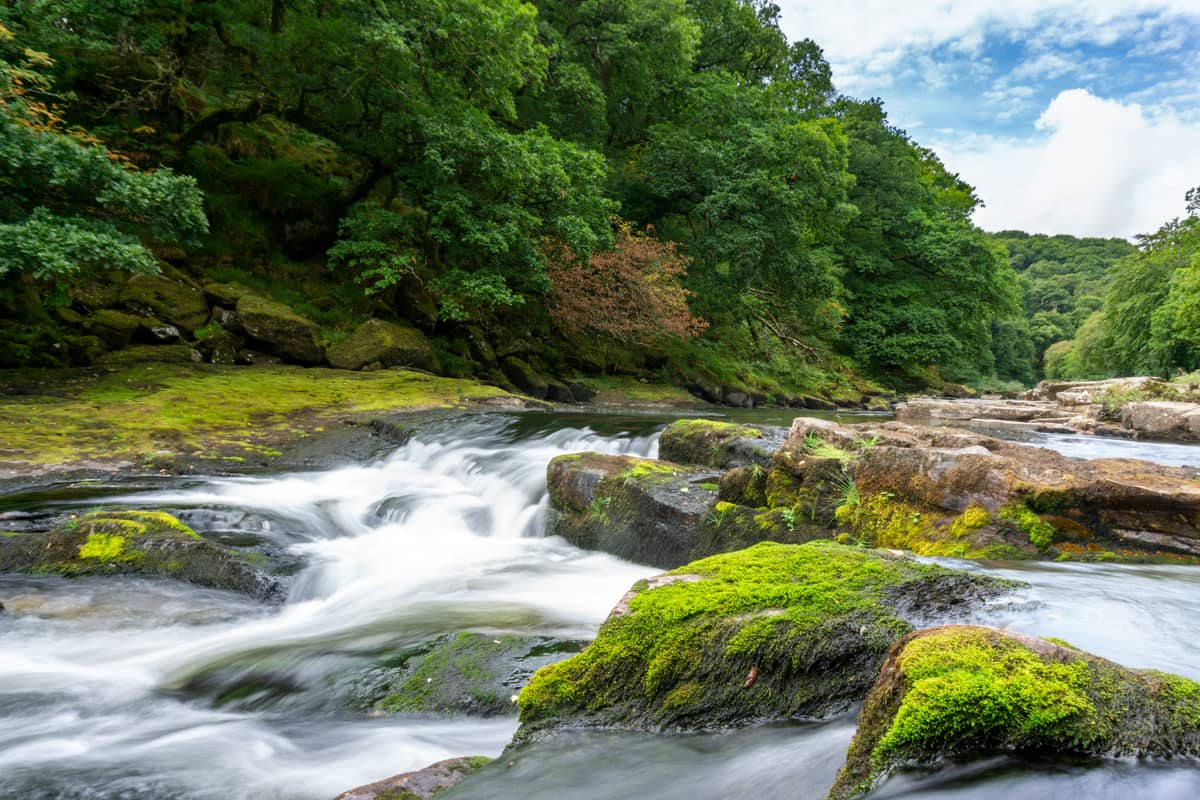
Dartmeet
- Best for: Wild swimming, riverside walks and picnics.
- Location: Central Dartmoor National Park.
- Known for: Meeting of the East and West Dart rivers and scenic walking routes.
Dartmeet marks the beautiful point where the East and West Dart rivers meet before flowing south through Devon. Surrounded by open moorland, it's one of Dartmoor's most popular beauty spots for riverside walks, paddling, picnics and starting longer hikes into the national park.
Why we love Dartmeet:
- Beautiful river setting: One of Dartmoor's most picturesque natural beauty spots.
- Summer swimming: A favourite place for paddling and wild swimming.
- Walking hub: Numerous trails begin from the nearby car park.
- Relaxed atmosphere: Perfect for slowing down and enjoying the landscape.
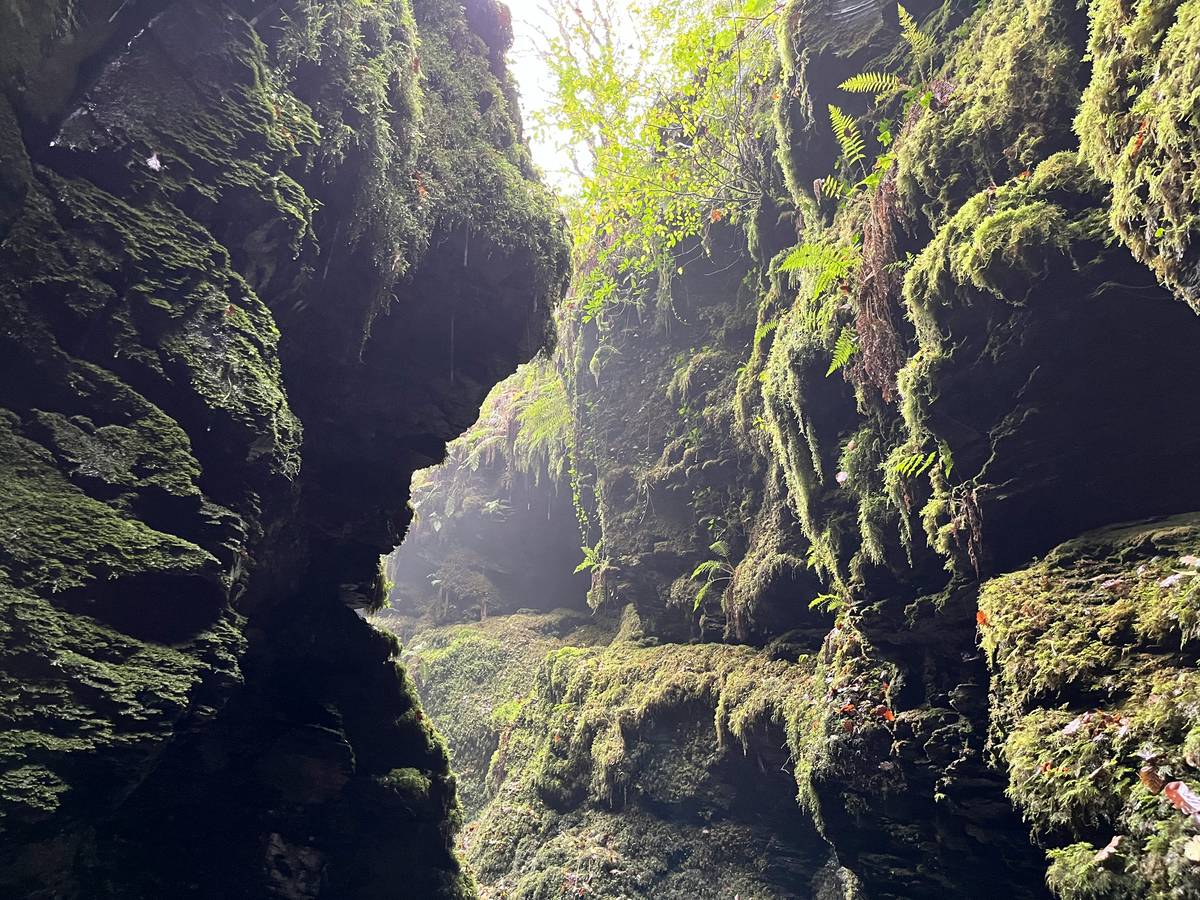
Lydford Gorge
- Best for: Waterfalls, woodland walks and dramatic scenery.
- Location: Western edge of Dartmoor National Park.
- Known for: White Lady Waterfall, Devil's Cauldron and England's deepest river gorge.
Managed by the National Trust, Lydford Gorge is one of Devon's most spectacular natural attractions. Woodland paths wind through the deep river gorge, passing the impressive White Lady Waterfall and the roaring Devil's Cauldron, creating one of the region's most memorable walks.
Why we love Lydford Gorge:
- Dramatic waterfalls: Discover two of Dartmoor's most spectacular natural features.
- Ancient woodland: Walk through lush forest filled with birdsong and wildlife.
- Unique landscape: Experience scenery that's completely different from Dartmoor's open moorland.
- Rewarding walks: Enjoy one of the finest National Trust walking routes in the South West.
Best walks in Dartmoor
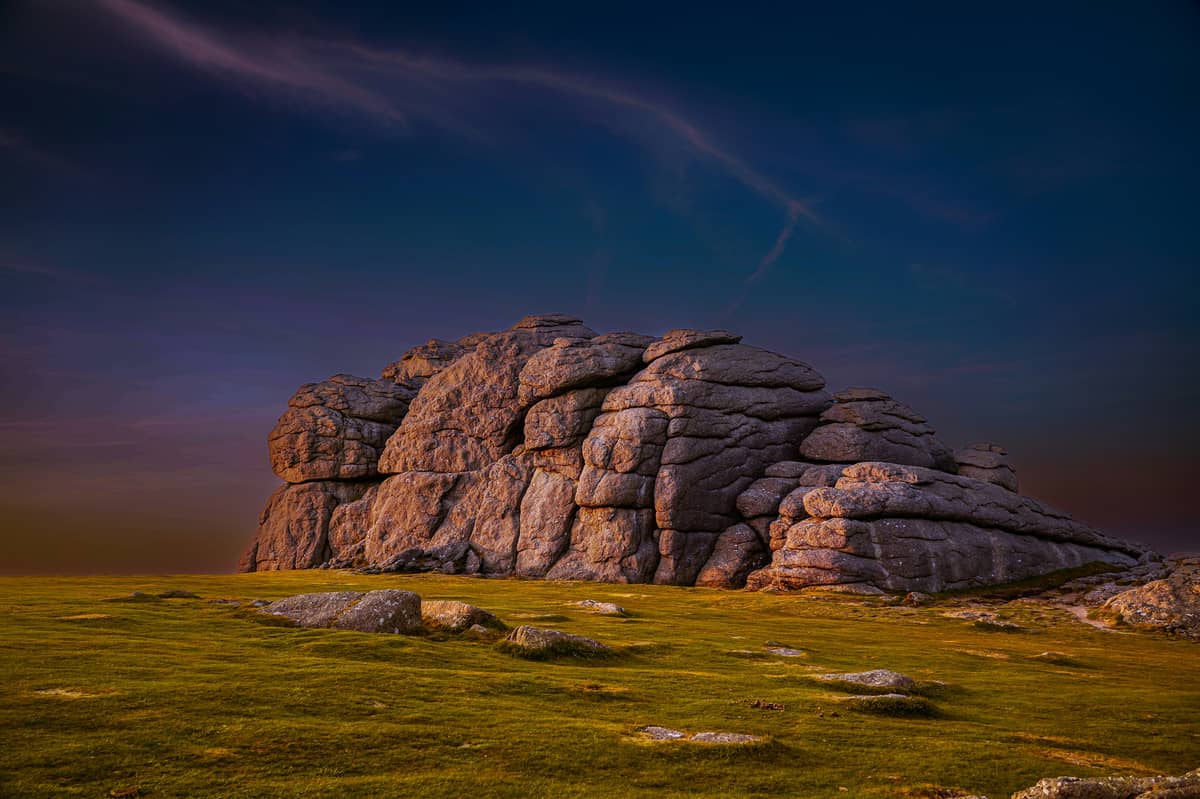
Haytor Circular Walk
- Best for: First-time visitors and families.
- Distance: 2.5 miles (4km).
- Difficulty: Easy to moderate.
This popular circular walk is one of the best introductions to Dartmoor. Starting from Haytor Visitor Centre, the route climbs gently to the summit of Haytor before looping past the historic granite quarries and across open moorland. The well-maintained paths make it suitable for most walkers, while the panoramic views stretch across Dartmoor and out towards the South Devon coast.
Why we love the Haytor Circular Walk:
- Perfect introduction: A classic Dartmoor walk that's suitable for almost everyone.
- Fantastic views: Enjoy some of the finest panoramas in the national park.
- Rich history: Pass the remains of Haytor's famous granite quarries.
- Short but rewarding: Plenty of scenery without committing to a full day's hike.

"The Haytor Quarry and Rocks Loop is another favourite of ours. This relatively easy four-mile walk takes in some of Dartmoor's most iconic scenery while also offering a fascinating glimpse into the area's industrial history.
"Lots of people climb Haytor Rocks for the panoramic views, and we particularly enjoy taking a picnic up there on a clear evening to watch the sunset. What many visitors miss, though, is Haytor Quarry itself. Tucked away nearby, it feels wonderfully peaceful and offers a chance to appreciate both the natural beauty and the history of the landscape. It's also a great walk for spotting Dartmoor's famous free-roaming ponies, as well as cattle and sheep grazing on the open moor."
Read more of Elly's Devon recommendations alongside a number of our other owners in our Local's Guide to Devon today.
Yes Tor and High Willhays
- Best for: Experienced walkers and peak baggers.
- Distance: 7 miles (11km).
- Difficulty: Challenging.
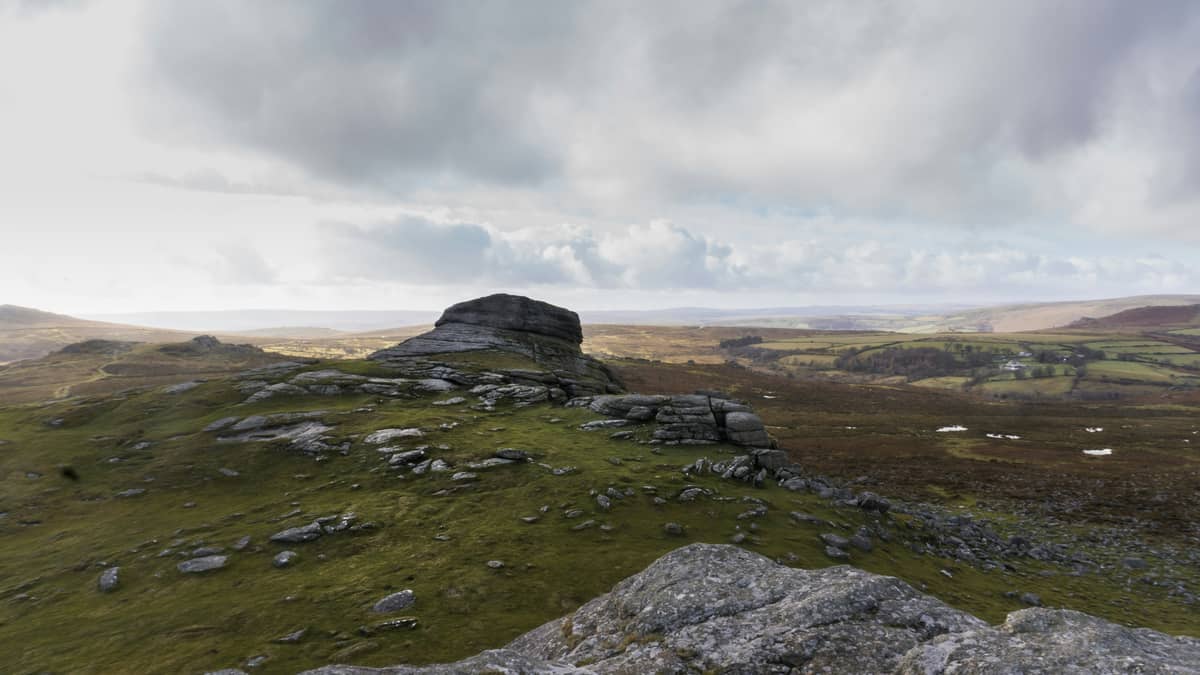
If you're looking for one of Dartmoor's most rewarding hikes, this route takes in both Yes Tor and High Willhays, the highest point on Dartmoor and in southern England. Crossing open moorland and exposed ridges, it's a more demanding walk, but the expansive views and sense of remoteness make every step worthwhile.
Why we love the Yes Tor and High Willhays Walk:
- Highest summit: Stand on the roof of southern England.
- Wild landscapes: Experience Dartmoor at its most rugged and remote.
- Far-reaching views: See across Devon, Cornwall and beyond on a clear day.
- Real adventure: A rewarding challenge for experienced walkers.
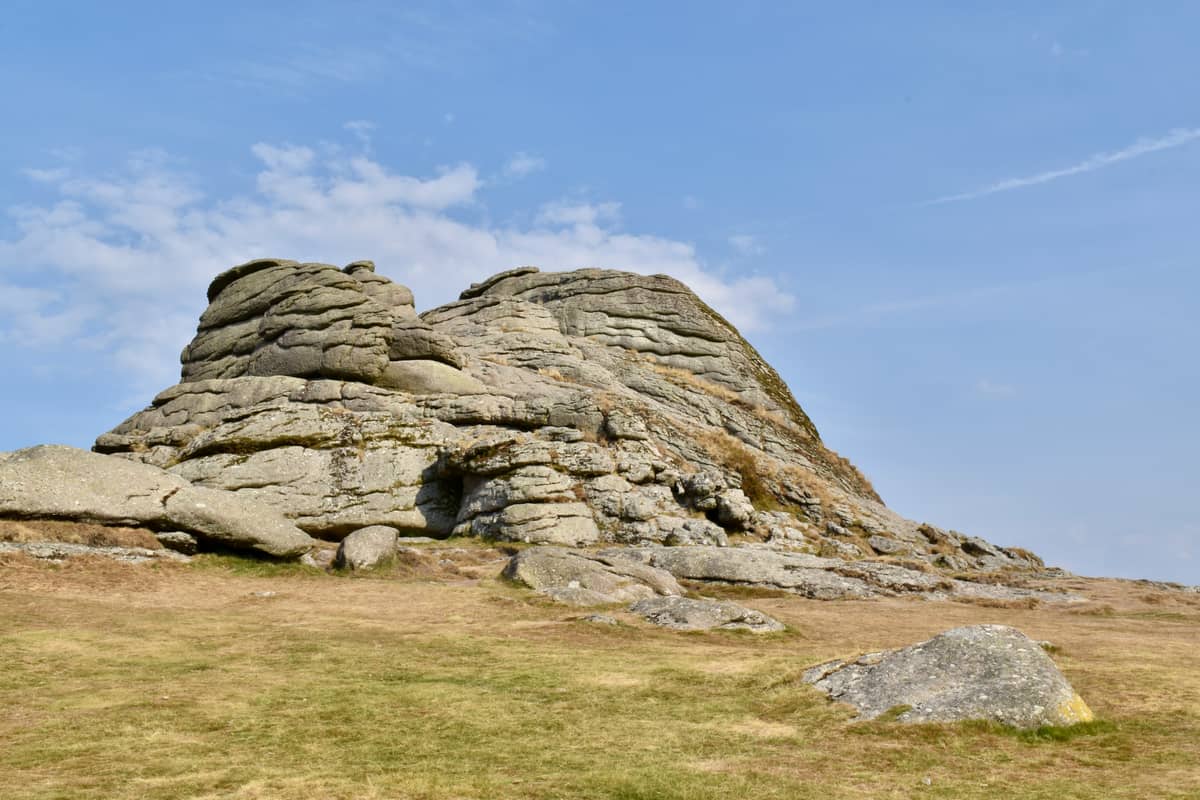
Hound Tor and Greator Rocks
- Best for: Scenic walking and history.
- Distance: 4 miles (6.5km).
- Difficulty: Moderate.
This circular walk links two of Dartmoor's most impressive granite formations while passing one of Britain's best-preserved Bronze Age villages. Starting near Hound Tor, the route crosses open moorland before climbing to Greator Rocks, rewarding walkers with spectacular views across the surrounding landscape.
Why we love the Hound Tor and Greator Rocks Walk:
- Historic landmarks: Explore prehistoric settlements and iconic tors in one walk.
- Dramatic scenery: Huge granite outcrops create unforgettable landscapes.
- Excellent photography: One of the most photogenic routes in Dartmoor.
- Quiet stretches: Venture beyond the busiest viewpoints to enjoy a greater sense of wilderness.
Bellever Forest Walk
- Best for: Families, gentle walking and wildlife.
- Distance: 3 miles (5km).
- Difficulty: Easy.
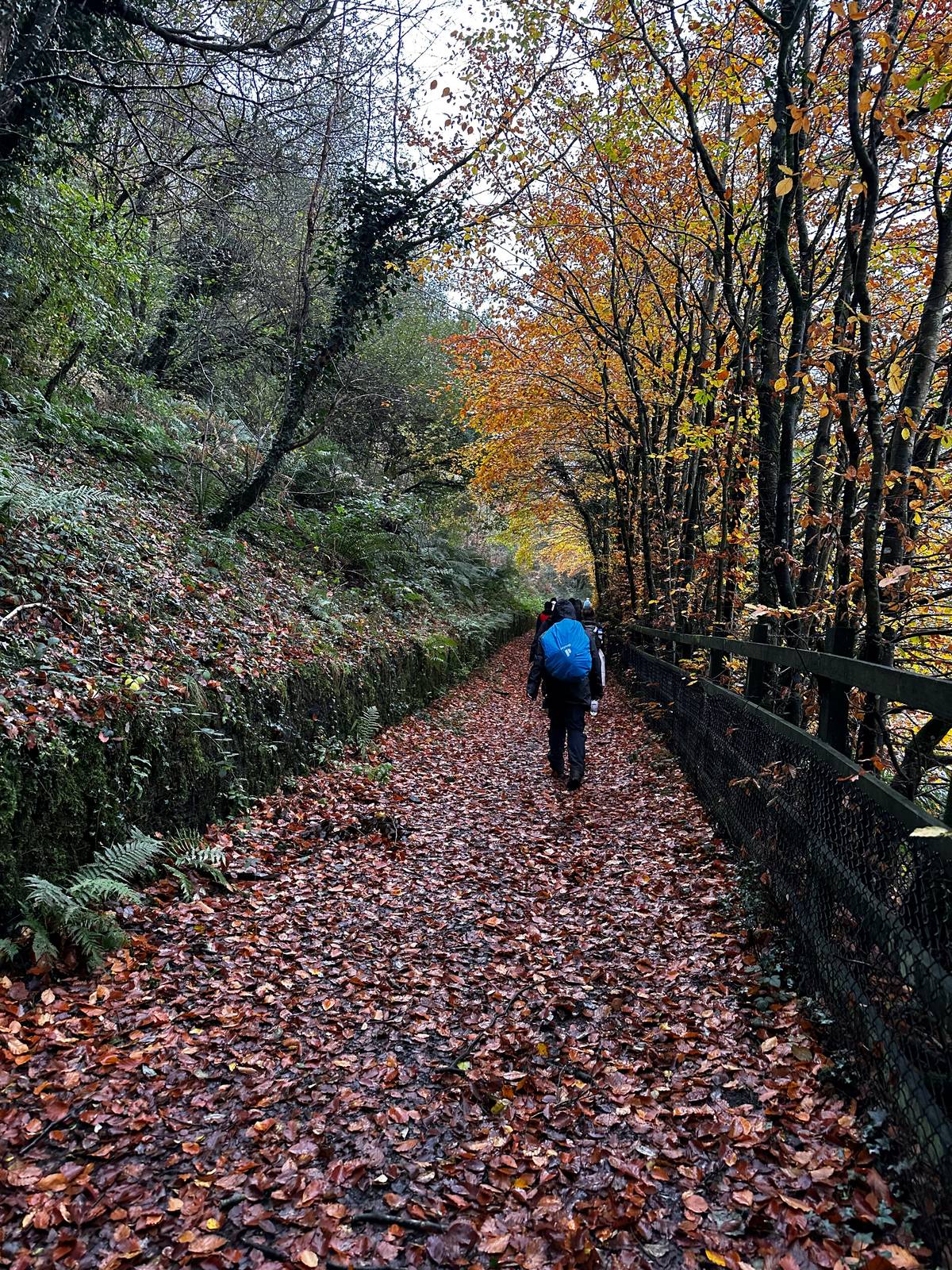
For a more relaxed walk, Bellever Forest offers peaceful woodland trails beside the East Dart River. The mostly level paths wind beneath towering pine trees before emerging onto open moorland, making it a wonderful choice for families, dog walkers and anyone looking for a quieter side of Dartmoor.
Why we love the Bellever Forest Walk:
- Peaceful woodland: Escape into beautiful forest scenery.
- Easy terrain: Suitable for families and casual walkers.
- Riverside views: Follow the tranquil East Dart River through the forest.
- Wildlife encounters: Look out for birds, deer and Dartmoor ponies along the way.
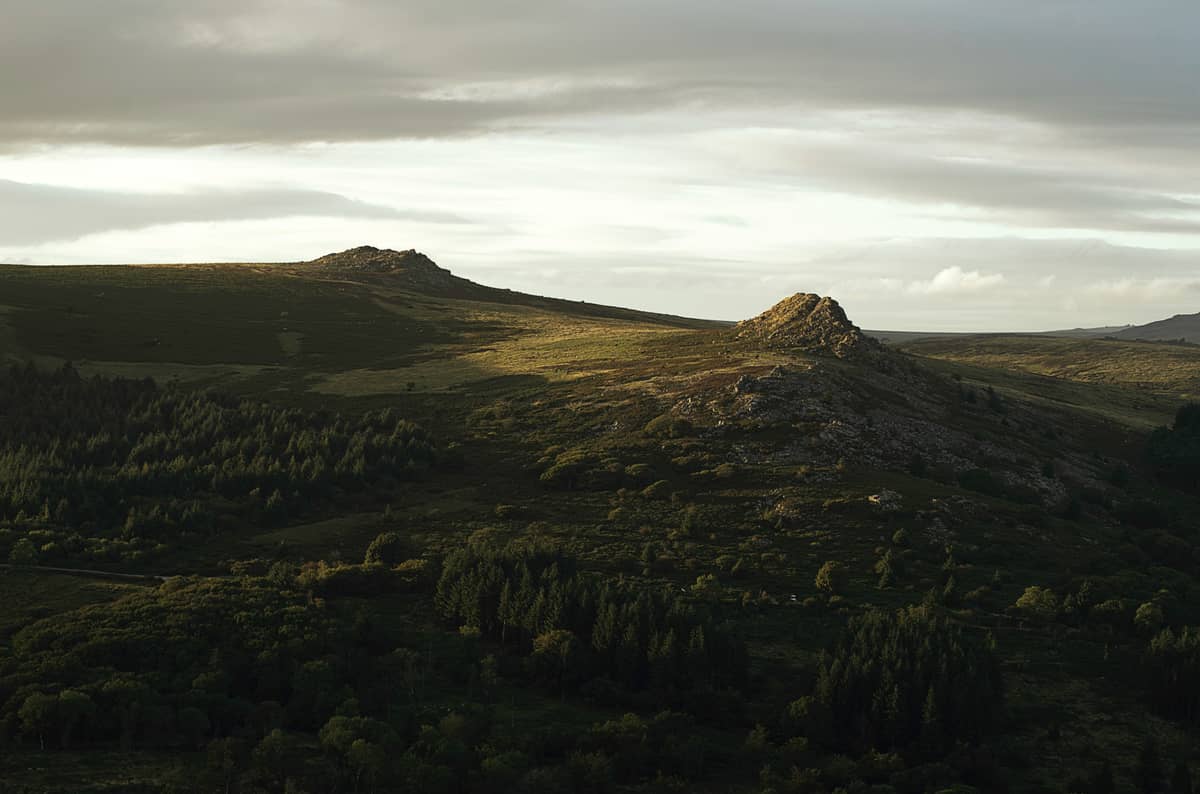
Best Dartmoor tors to visit
The granite tors are what make Dartmoor National Park so distinctive. Scattered across the moor, these ancient rock formations have been shaped over millions of years by wind and weather, creating dramatic landmarks that attract walkers, climbers and photographers from across the UK. Whether you're looking for an easy stroll to a famous viewpoint or a more adventurous hike, these are some of the best tors to visit in Dartmoor.
- Best for: First-time visitors and panoramic views.
- Location: Eastern Dartmoor National Park.
- Known for: Iconic granite tor, accessible walking and spectacular scenery.
Haytor is undoubtedly Dartmoor's most famous tor and one of the easiest to reach. A short climb from the nearby car park rewards visitors with sweeping views across the moor and towards the South Devon coast. Thanks to its accessibility and excellent walking routes, it's the perfect introduction to Dartmoor's unique landscape.
- Best for: History, photography and family walks.
- Location: Eastern Dartmoor National Park.
- Known for: Towering granite formations and nearby Bronze Age village.
Hound Tor's dramatic stacks of weathered granite make it one of the most recognisable landmarks in Dartmoor. The tor is famous not only for its striking appearance but also for the prehistoric village that lies below it and its connection to The Hound of the Baskervilles. It's an ideal destination for anyone wanting scenery and history in equal measure.
- Best for: Experienced walkers and quieter viewpoints.
- Location: Western Dartmoor National Park.
- Known for: Vast granite outcrop and expansive moorland views.
Less visited than Haytor or Hound Tor, Great Mis Tor rewards those willing to venture deeper into Dartmoor. The impressive granite summit rises above open moorland and offers uninterrupted views across the surrounding landscape. It's a peaceful spot that captures the wild, remote character of the national park.
- Best for: Short walks and reservoir views.
- Location: South-west Dartmoor National Park.
- Known for: Distinctive rocky summit overlooking Burrator Reservoir.
Sheepstor may not be one of Dartmoor's highest tors, but its striking shape and superb position above Burrator Reservoir make it one of the most rewarding to visit. The relatively short climb is well worth the effort, with panoramic views taking in the reservoir, surrounding woodland and the rolling moor beyond. It's particularly beautiful at sunrise and sunset when the light transforms the granite rocks and surrounding landscape.
Best villages and towns in Dartmoor
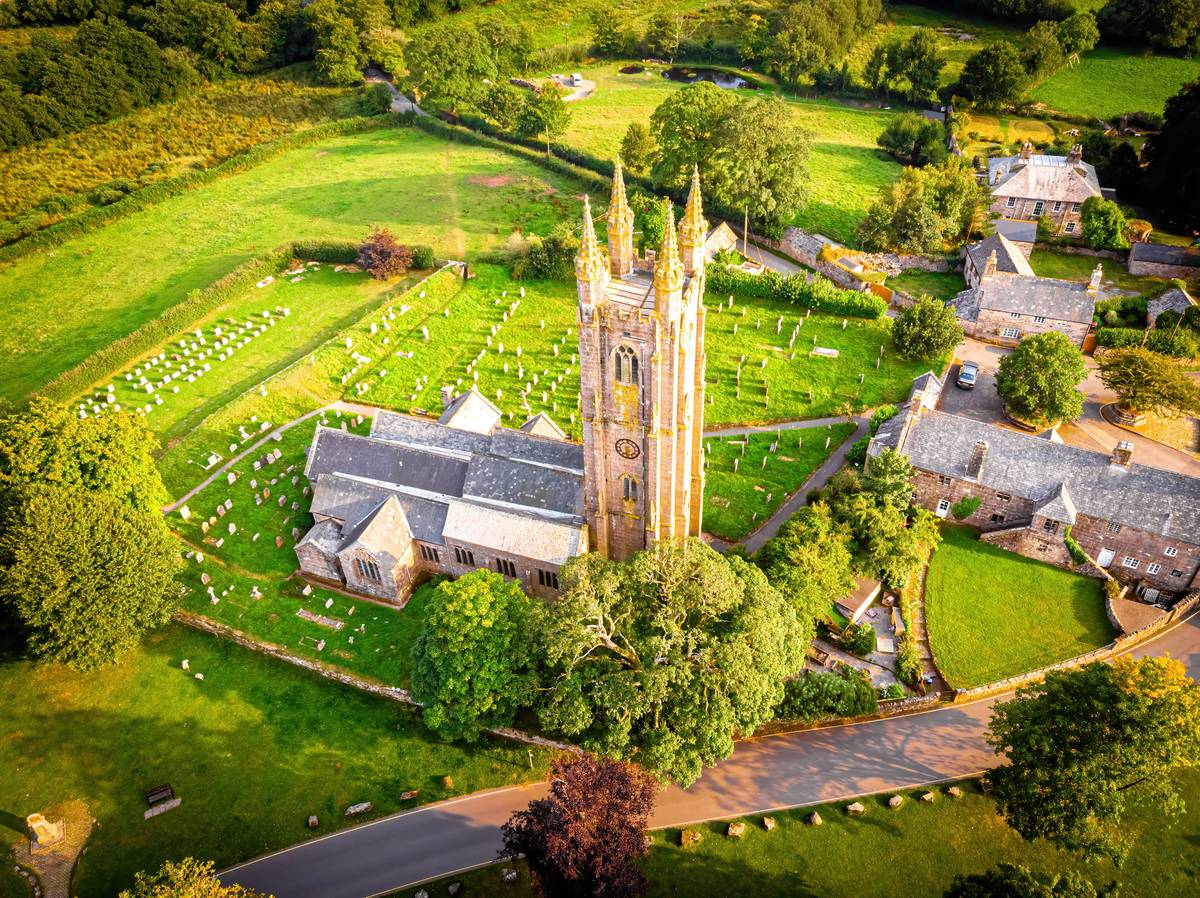
Widecombe-in-the-Moor
- Best for: Traditional Dartmoor charm and first-time visitors.
- Location: Central-east Dartmoor National Park.
- Known for: Historic church, cosy pubs and annual Widecombe Fair.
Widecombe-in-the-Moor is one of Dartmoor's most iconic villages, nestled among rolling hills and surrounded by some of the national park's best walking country. At its heart sits the impressive Church of St Pancras, often nicknamed the "Cathedral of the Moor", while the village's traditional pubs, cafés and independent shops make it a wonderful place to spend a leisurely afternoon.
Why we love Widecombe-in-the-Moor:
- Classic Dartmoor village: Everything you imagine a moorland village should be.
- Great walking base: Surrounded by excellent routes to Haytor, Hound Tor and nearby tors.
- Historic character: Beautiful granite buildings and centuries of local history.
- Welcoming atmosphere: Excellent cafés, pubs and independent shops.
Chagford
- Best for: Food lovers, walkers and independent shopping.
- Location: North-east Dartmoor National Park.
- Known for: Historic market town, independent businesses and vibrant atmosphere.
Set on the edge of Dartmoor, Chagford is one of Devon's most attractive market towns. Packed with independent boutiques, galleries, delis and cafés, it has a lively yet relaxed feel that makes it popular with both locals and visitors. It's also an excellent base for exploring nearby beauty spots such as Castle Drogo, Fernworthy Forest and Scorhill Stone Circle.
Why we love Chagford:
- Independent spirit: Fantastic selection of local shops, galleries and cafés.
- Foodie favourite: Plenty of excellent places to eat and drink.
- Ideal location: Easy access to some of northern Dartmoor's best attractions.
- Bustling atmosphere: A vibrant town with plenty going on throughout the year.

Tavistock
- Best for: History, markets and food.
- Location: Western edge of Dartmoor National Park.
- Known for: UNESCO World Heritage status, pannier market and historic architecture.
One of Devon's finest market towns, Tavistock combines rich history with a thriving food and shopping scene. Its famous pannier market, elegant streets and impressive abbey ruins reflect the town's long mining heritage, while independent restaurants, bakeries and specialist food shops make it a fantastic place to explore before or after a day on the moor.
Why we love Tavistock:
- Historic charm: Beautiful streets filled with heritage buildings.
- Excellent shopping: Browse the famous pannier market and independent retailers.
- Great food scene: Plenty of cafés, pubs and restaurants showcasing local produce.
- Gateway to western Dartmoor: An ideal starting point for exploring the national park.

"Friendly, full of history and surrounded by beautiful countryside, Tavistock has a charm that's hard to resist. It's an ancient stannary town, widely regarded as the birthplace of the cream tea, and is the only town in Devon to hold UNESCO World Heritage status. But despite its impressive history, it never feels stuffy or overly touristy – it's a proper working market town with a wonderfully welcoming atmosphere.
"What we love most about Tavistock is that it still feels genuinely independent. While many high streets are becoming increasingly alike, Tavistock is full of unique shops, cafés and restaurants that give the town a real sense of identity."
Ashburton
- Best for: Antiques, food and southern Dartmoor adventures.
- Location: Southern edge of Dartmoor National Park.
- Known for: Antique shops, artisan food and independent businesses.
Ashburton is a lively market town that has become a favourite with food lovers and antique hunters alike. Its attractive high street is lined with independent shops, galleries, bakeries and restaurants, while its position on the southern edge of Dartmoor makes it an excellent base for exploring Haytor, Buckfast Abbey and the surrounding countryside.
Why we love Ashburton:
- Independent shopping: One of Devon's best towns for antiques and artisan businesses.
- Fantastic food: Excellent cafés, bakeries and award-winning restaurants.
- Perfect location: Easy access to southern Dartmoor and the South Devon coast.
- Relaxed feel: A welcoming market town that's ideal for a slower pace of exploration.
Best wild swimming spots in Dartmoor
Spitchwick Common
- Best for: Families, picnics and summer swimming.
- Location: South Dartmoor, near Holne.
- Known for: Wide river, natural pools and grassy riverbanks.
Spitchwick Common is one of Dartmoor's best-loved wild swimming spots. The River Dart widens here to create a series of inviting pools, shallow paddling areas and grassy banks that are perfect for relaxing on warm summer days. It's popular with families thanks to its easy access and beautiful setting, although it can get busy during school holidays.
Why we love Spitchwick Common:
- Perfect for families: Gentle areas for paddling alongside deeper swimming spots.
- Beautiful setting: Surrounded by open moorland and mature trees.
- Great picnic spot: Plenty of grassy space beside the river.
- Easy to reach: One of Dartmoor's most accessible swimming locations.
Sharrah Pool
- Best for: Experienced wild swimmers and peaceful escapes.
- Location: River Dart, near Dartmeet.
- Known for: Deep natural pool, woodland scenery and clear water.
Hidden within a beautiful stretch of woodland, Sharrah Pool is widely regarded as one of the finest wild swimming spots in Dartmoor. Reached via a scenic walk from Dartmeet, the pool offers deep, clear water surrounded by ancient trees and moss-covered rocks. Its peaceful setting makes it a favourite for those looking to escape the crowds.
Why we love Sharrah Pool:
- Crystal-clear water: One of Dartmoor's most beautiful natural pools.
- Peaceful atmosphere: A quieter alternative to some of the park's busier swimming spots.
- Rewarding walk: The scenic approach is part of the experience.
- Natural beauty: Woodland, boulders and the River Dart at its best.
"Sharrah Pool is one of our favourite wild swimming spots on Dartmoor and, in our opinion, one of the most beautiful. Tucked away in a wooded valley on the River Dart, it feels wonderfully secluded and a world away from everyday life.
"What makes Sharrah Pool so special is the setting. Surrounded by moss-covered rocks, ancient oak trees and lush greenery, the long, clear pool feels almost magical. On a sunny day, the water shimmers beneath the trees, inviting you in for a refreshing dip."
Cadover Bridge
- Best for: Swimming, paddling and relaxing by the river.
- Location: South-west Dartmoor National Park.
- Known for: Granite boulders, shallow pools and open moorland.
Cadover Bridge is a popular summer destination where the River Plym flows over granite rocks to create a series of natural pools. Visitors can enjoy everything from paddling and swimming to sunbathing on the surrounding rocks, while the open moorland setting makes it a lovely place to spend a sunny afternoon.
Why we love Cadover Bridge:
- Natural swimming pools: Plenty of places to cool off on warm days.
- Iconic Dartmoor scenery: Granite boulders, open moorland and grazing ponies.
- Ideal for relaxing: A wonderful spot to spend a slow summer afternoon.
- Easy access: Convenient parking nearby makes it popular with families.
Wild swimming safety
Best family days out in Dartmoor
Whether you're travelling with toddlers, older children or teenagers, Dartmoor offers plenty of family-friendly attractions alongside its famous landscapes. From waterfalls and wildlife to steam trains and hands-on animal encounters, these days out provide a great mix of adventure, education and fun for all ages.
One of Devon's most popular family attractions, Becky Falls combines beautiful woodland walks with one of the county's best-known waterfalls. Families can choose from several walking trails, meet a variety of animals in the wildlife centre and enjoy seasonal activities throughout the year, making it an ideal day out whatever the weather.
Located on the edge of Dartmoor, the Miniature Pony Centre is a favourite with younger children thanks to its friendly ponies, daily displays and opportunities to meet a range of farm animals. Alongside the animals, there's an indoor play area and outdoor adventure playground, making it an easy choice for a fun-filled family day.
Home to England's highest man-made waterfall, Canonteign Falls offers much more than impressive scenery. Families can explore woodland trails, climb to panoramic viewpoints, wander through beautiful gardens and enjoy adventure play areas, creating a day out that combines nature with plenty to keep children entertained.
Made famous by the book and film We Bought a Zoo, Dartmoor Zoo is home to more than 200 animals, including lions, tigers, wolves and monkeys. Set within 33 acres of woodland, the zoo offers animal talks, feeding sessions and interactive experiences, making it one of the region's top attractions for wildlife-loving families.
Just a short drive from Dartmoor, the South Devon Railway offers a nostalgic journey through the beautiful River Dart valley aboard a heritage steam train. Running between Buckfastleigh and Totnes, it's a relaxing experience for all ages and can easily be combined with a visit to Buckfast Abbey or nearby Dartmoor attractions for a full day out.
Best outdoor activities in Dartmoor
Dartmoor National Park is one of the UK's premier outdoor playgrounds, offering everything from gentle countryside pursuits to adrenaline-filled adventures. Whether you prefer exploring on foot, two wheels or the water, there's no shortage of ways to experience this spectacular landscape.
With hundreds of miles of footpaths, open access land and iconic granite tors to discover, Dartmoor is one of England's finest walking destinations. Choose from easy riverside strolls and family-friendly circular routes to challenging hikes across wild moorland, with highlights including Haytor, Hound Tor, Yes Tor and Wistman's Wood.
From quiet country lanes to challenging off-road trails, Dartmoor caters for cyclists of all abilities. Road cyclists can enjoy scenic climbs and sweeping descents across the moor, while mountain bikers will find excellent forest tracks and purpose-built trails around places such as Haldon Forest and Bellever Forest.
There's no better way to experience Dartmoor's vast open landscapes than on horseback. Several riding centres around the national park offer guided treks across the moor, allowing riders of all experience levels to explore ancient tracks, open heathland and peaceful valleys while following in the footsteps of generations of Dartmoor farmers and travellers.
Dartmoor's distinctive granite tors provide some of the best traditional climbing in the country. Popular locations such as Haytor, Hound Tor and Bonehill Rocks attract climbers of all abilities, while the rugged landscape also offers excellent opportunities for bouldering and scrambling in spectacular surroundings.
The rivers that flow through Dartmoor offer fantastic opportunities for canoeing and kayaking, particularly during the wetter months when water levels are suitable. Guided trips are available on sections of the River Dart, allowing visitors to experience the national park from a completely different perspective while learning essential paddling skills from experienced instructors.
Dartmoor's rivers are home to some of England's most beautiful wild swimming spots, with clear water, natural pools and stunning scenery around locations such as Spitchwick Common, Sharrah Pool and Dartmeet. While conditions can vary depending on the weather, a refreshing dip after a walk is one of the most memorable ways to experience the national park.

Best places to eat and drink in Dartmoor
After a day exploring the moor, there's nothing better than settling into a cosy country pub or enjoying a memorable meal overlooking Dartmoor's spectacular landscapes. From centuries-old inns with roaring fires to elegant hotels serving locally sourced produce, these are some of the best places to eat and drink in and around Dartmoor National Park.
Hidden away in the picturesque village of Widecombe-in-the-Moor, The Rugglestone Inn is one of Dartmoor's most characterful pubs. Dating back hundreds of years, it combines low-beamed ceilings, open fires and a welcoming atmosphere with a menu of hearty pub classics and local ales. It's an ideal place to refuel after exploring nearby Haytor or Hound Tor.
Believed to have one of the highest pub locations in southern England, The Warren House Inn is a true Dartmoor institution. Sitting in the middle of the moor between Postbridge and Princetown, it's famous for its remote setting, traditional interiors and the fire that is said to have been burning continuously for more than 175 years. Expect hearty homemade food, local beers and unforgettable views.
Set beside the West Dart River in the heart of the national park, the Two Bridges Hotel is one of Dartmoor's best-known dining destinations. Its award-winning restaurant showcases seasonal Devon produce, while the riverside terrace is a wonderful place to enjoy lunch or afternoon tea after a walk through nearby Wistman's Wood or along the river.
Located in the village of Lydford on the western edge of Dartmoor, The Dartmoor Inn has earned an excellent reputation for modern British cooking using fresh local ingredients. The stylish yet relaxed dining room offers a more contemporary experience than many traditional moorland pubs, making it a popular choice for a special lunch or evening meal after visiting nearby Lydford Gorge.
Occupying a prime spot on the village green in Widecombe-in-the-Moor, The Old Inn is a classic country pub with bags of character. Inside you'll find exposed beams, cosy corners and roaring fires in winter, while outside there's a welcoming beer garden for warmer days. Serving local ales alongside traditional pub favourites, it's the perfect place to round off a day exploring one of Dartmoor's prettiest villages.
Best pubs with views in Dartmoor
Few things beat enjoying a well-earned drink after a day on the moor, especially when it's accompanied by spectacular scenery. Whether you're looking out across rolling hills, open moorland or picturesque village greens, these pubs combine great food and drink with some of the best views in and around Dartmoor National Park.
Perched high on the open moor between Postbridge and Princetown, the Warren House Inn enjoys one of the most spectacular settings of any pub in Dartmoor. Surrounded by vast expanses of rugged countryside, it's the perfect place to pause after a walk, with panoramic views stretching across the national park in every direction. On colder days, the legendary fire and cosy interior are just as memorable as the scenery outside.
Nestled in the village of Doddiscombsleigh on the eastern edge of Dartmoor, The Nobody Inn is a charming 17th-century pub surrounded by rolling Devon countryside. While the views are more pastoral than dramatic, the peaceful rural setting, beautiful beer garden and traditional character make it an idyllic place for a leisurely lunch or an evening meal after exploring the moor.
Located in the heart of North Bovey, one of Dartmoor's prettiest villages, the Ring of Bells offers lovely views across the village green and the surrounding countryside. This welcoming country pub is well known for its excellent food, local ales and relaxed atmosphere, making it an ideal stop after discovering nearby tors, rivers and walking trails.
Sitting in the centre of Princetown, the Prince of Wales enjoys a unique location surrounded by Dartmoor's wide-open landscapes. Step outside and you'll be greeted by sweeping moorland views that perfectly capture the national park's wild beauty. Inside, you'll find a traditional pub serving hearty meals, local beers and a warm welcome that's particularly appreciated after a long day on the hills.
Choose the perfect Dartmoor break for your needs
Whether you're planning a weekend escape or a longer holiday, Dartmoor has something to suit every type of traveller. Here's how to make the most of your visit depending on what you're looking for.
If you're visiting Dartmoor primarily for walking, base yourself close to the heart of the national park around Widecombe-in-the-Moor, Postbridge or Princetown. From here you'll have easy access to some of Dartmoor's best hiking routes, iconic tors and scenic valleys.
- Don't miss: Haytor, Hound Tor, Yes Tor and High Willhays.
- Best walks: Haytor Circular, Hound Tor and Greator Rocks, Bellever Forest.
- Ideal stay length: 3–5 days.
- Perfect for: Hikers, ramblers and outdoor enthusiasts.
Families will find plenty to keep children entertained, from waterfalls and wildlife parks to gentle woodland walks and riverside picnics. Staying near Bovey Tracey or the eastern side of Dartmoor provides easy access to many of the area's top attractions.
- Don't miss: Becky Falls, Miniature Pony Centre and Canonteign Falls.
- Family favourites: Burrator Reservoir, Bellever Forest and Dartmeet.
- Ideal stay length: 2–4 days.
- Perfect for: Families with children of all ages.
For a romantic escape, choose a cosy cottage or boutique hotel surrounded by Dartmoor's peaceful landscapes. Spend your days exploring quiet villages, walking to panoramic viewpoints and enjoying long lunches in traditional country pubs before watching the sunset from a granite tor.
- Don't miss: Wistman's Wood, Haytor at sunset and Chagford.
- Romantic experiences: Scenic walks, boutique restaurants and cosy pubs.
- Ideal stay length: A long weekend.
- Perfect for: Couples seeking peace, scenery and great food.
Dartmoor's constantly changing light, dramatic granite tors, ancient woodlands and wild landscapes make it one of England's finest photography destinations. Early mornings and golden hour offer particularly spectacular conditions throughout the year.
- Don't miss: Wistman's Wood, Great Mis Tor, Haytor and Lydford Gorge.
- Best time to visit: Spring, autumn and winter for dramatic light.
- Top subjects: Tors, waterfalls, ponies, misty valleys and ancient woodland.
- Perfect for: Landscape and wildlife photographers.
Dartmoor is home to welcoming country pubs, award-winning restaurants and charming cafés serving some of Devon's finest produce. Stay near Chagford, Tavistock or Widecombe-in-the-Moor to enjoy easy access to excellent dining alongside beautiful scenery.
- Don't miss: Two Bridges Hotel, The Dartmoor Inn and The Warren House Inn.
- Local specialities: Devon beef, local cheeses, cream teas and artisan produce.
- Ideal stay length: 2–3 days.
- Perfect for: Food lovers and pub enthusiasts.
Dartmoor's rivers offer some of the best wild swimming in England, with crystal-clear pools surrounded by spectacular scenery. Staying close to Holne, Dartmeet or the southern edge of the national park makes it easy to combine swimming with walking and picnics.
- Don't miss: Spitchwick Common, Sharrah Pool, Cadover Bridge and Dartmeet.
- Best time to visit: Late spring through early autumn.
- Remember: Always check river conditions and swim safely.
- Perfect for: Adventure seekers and outdoor lovers.
Best time to visit Dartmoor
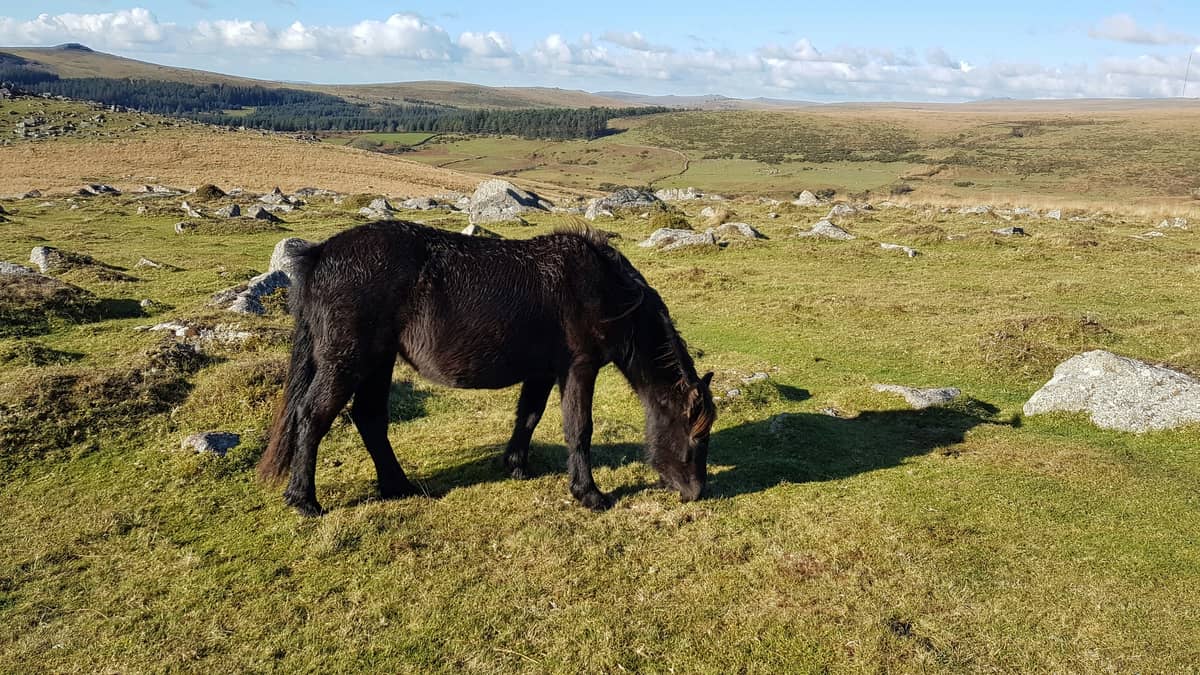
Visiting in spring
Spring is one of the best times to visit Dartmoor, as the landscape comes alive with fresh greenery, blooming wildflowers and young lambs grazing across the moor. Temperatures are ideal for walking, waterfalls are often at their most impressive after winter rain, and popular beauty spots are generally much quieter than during the summer months.
- Best for: Walking, wildlife and photography.
- Don't miss: Bluebells, lambing season and Wistman's Wood in fresh spring colours.
- Weather: Mild temperatures with occasional showers.
- Crowds: Generally quiet outside school holidays.
Visiting in summer
Long daylight hours and warmer weather make summer the busiest time to visit Dartmoor. It's the perfect season for climbing tors, exploring rivers, wild swimming and enjoying picnics beside the water. While popular attractions can become busy, there's always plenty of space to escape into the national park's vast open landscapes.
- Best for: Hiking, wild swimming and family holidays.
- Don't miss: Spitchwick Common, Haytor at sunset and outdoor dining.
- Weather: Warm with the best chance of dry conditions.
- Crowds: Busiest during weekends and school holidays.
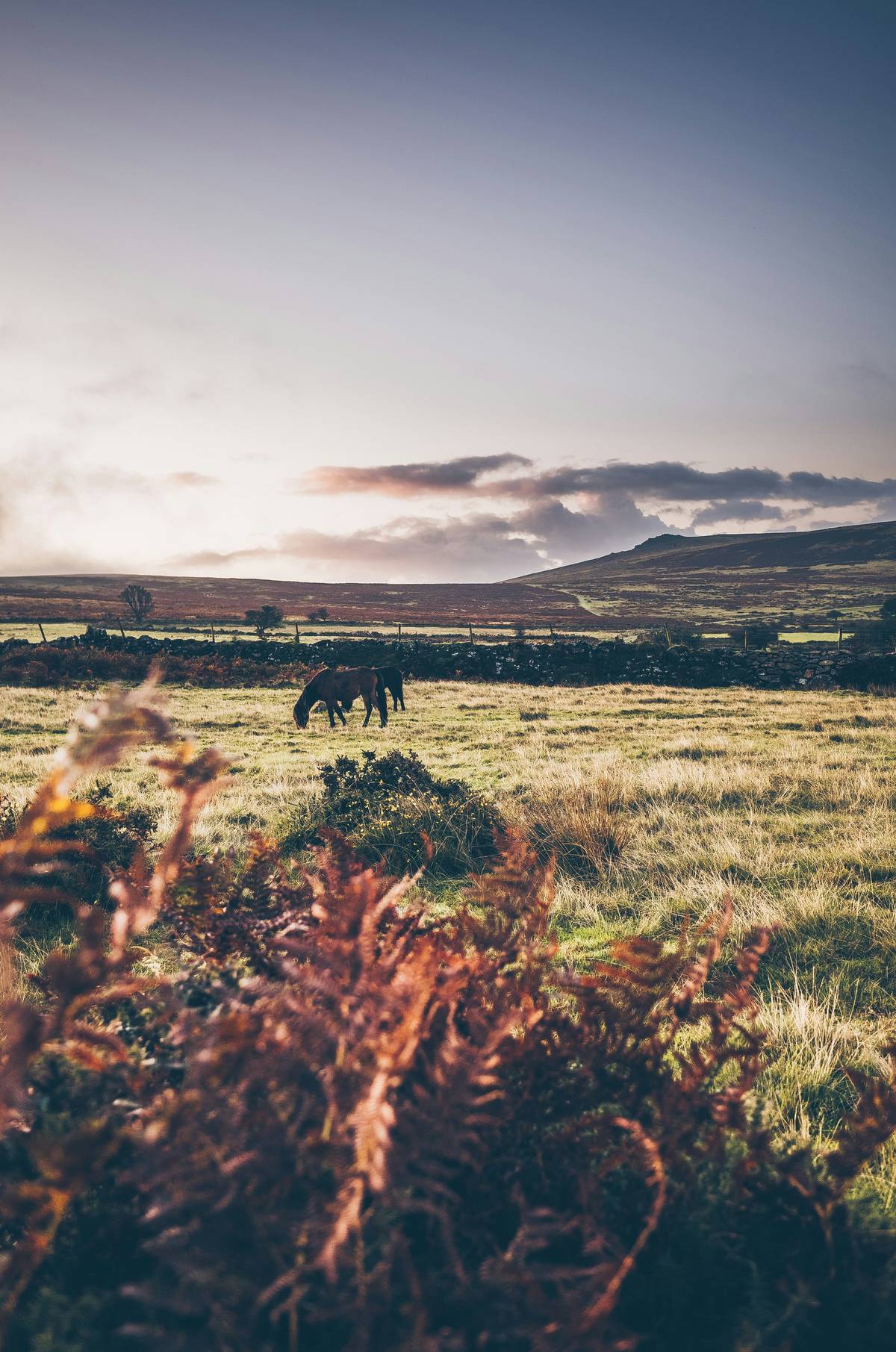
Visiting in autumn
Autumn brings spectacular colours to Dartmoor's ancient woodlands, quieter walking trails and crisp, comfortable temperatures. Misty mornings, golden forests and dramatic skies make it one of the most rewarding seasons for photographers and anyone looking for a more peaceful experience.
- Best for: Woodland walks, photography and cosy pub lunches.
- Don't miss: Wistman's Wood, Bellever Forest and Lydford Gorge.
- Weather: Cool, crisp days with occasional rain.
- Crowds: Noticeably quieter than summer.
Visiting in winter
Winter reveals a wilder side of Dartmoor, with frost-covered tors, dramatic clouds and peaceful landscapes often enjoyed without the crowds. While weather conditions can change quickly, it's a wonderful time for shorter walks followed by a meal beside an open fire in one of Dartmoor's traditional inns.
- Best for: Dramatic scenery, peaceful walks and cosy pub escapes.
- Don't miss: Frosty mornings, Haytor after snowfall and traditional country pubs.
- Weather: Cold, with occasional snow and strong winds on higher ground.
- Crowds: The quietest time of year, apart from Christmas and New Year.
How to get to Dartmoor National Park
Despite its wild and remote feel, Dartmoor National Park is surprisingly easy to reach from across the UK. Whether you're travelling by car, train, bus or plane, there are several convenient ways to access the national park and its surrounding towns and villages.
Driving is by far the easiest way to explore Dartmoor, giving you the freedom to visit its tors, villages, reservoirs and walking trails at your own pace. The national park is bordered by the A38 to the south and the A30 to the north, making it easily accessible from Exeter, Plymouth and the wider South West.
- From Exeter: Around 30–40 minutes.
- From Plymouth: Around 30–45 minutes.
- From Bristol: Around 2.5 hours.
- Parking: Pay-and-display car parks are available at most popular walking spots, including Haytor, Postbridge and Meldon Reservoir.
While there are no railway stations within the heart of Dartmoor, several stations around the edge of the national park provide excellent access. From there, you can continue your journey by bus, taxi or hire car.
- Nearest stations: Exeter St Davids, Newton Abbot, Totnes and Plymouth.
- Best for eastern Dartmoor: Newton Abbot or Exeter.
- Best for western Dartmoor: Plymouth.
- Tip: Hiring a car from the station is the easiest way to explore the national park.
A number of bus services connect Dartmoor's towns and villages with Exeter, Plymouth and Tavistock. During the summer months, additional seasonal services make it easier to reach popular walking routes without a car.
- Main routes: Services operate from Exeter, Plymouth, Tavistock and Newton Abbot.
- Seasonal services: Extra buses often run during peak holiday periods.
- Best for: Visiting larger villages such as Princetown, Widecombe-in-the-Moor and Moretonhampstead.
- Tip: Check timetables in advance, as services can be limited in more remote areas.
If you're travelling from further afield, Exeter Airport is the closest airport to Dartmoor National Park. From there, it's around a 40-minute drive to the eastern edge of the park, while Bristol Airport also provides a convenient option with a wider choice of domestic and international flights.
- Nearest airport: Exeter Airport (around 40 minutes by car).
- Alternative airport: Bristol Airport (around 2.5 hours by car).
- Car hire: Available at both airports and recommended for exploring Dartmoor.
- Best option: Combine a flight with a hire car for the greatest flexibility during your stay.
Some of our favourite stays in and around Dartmoor
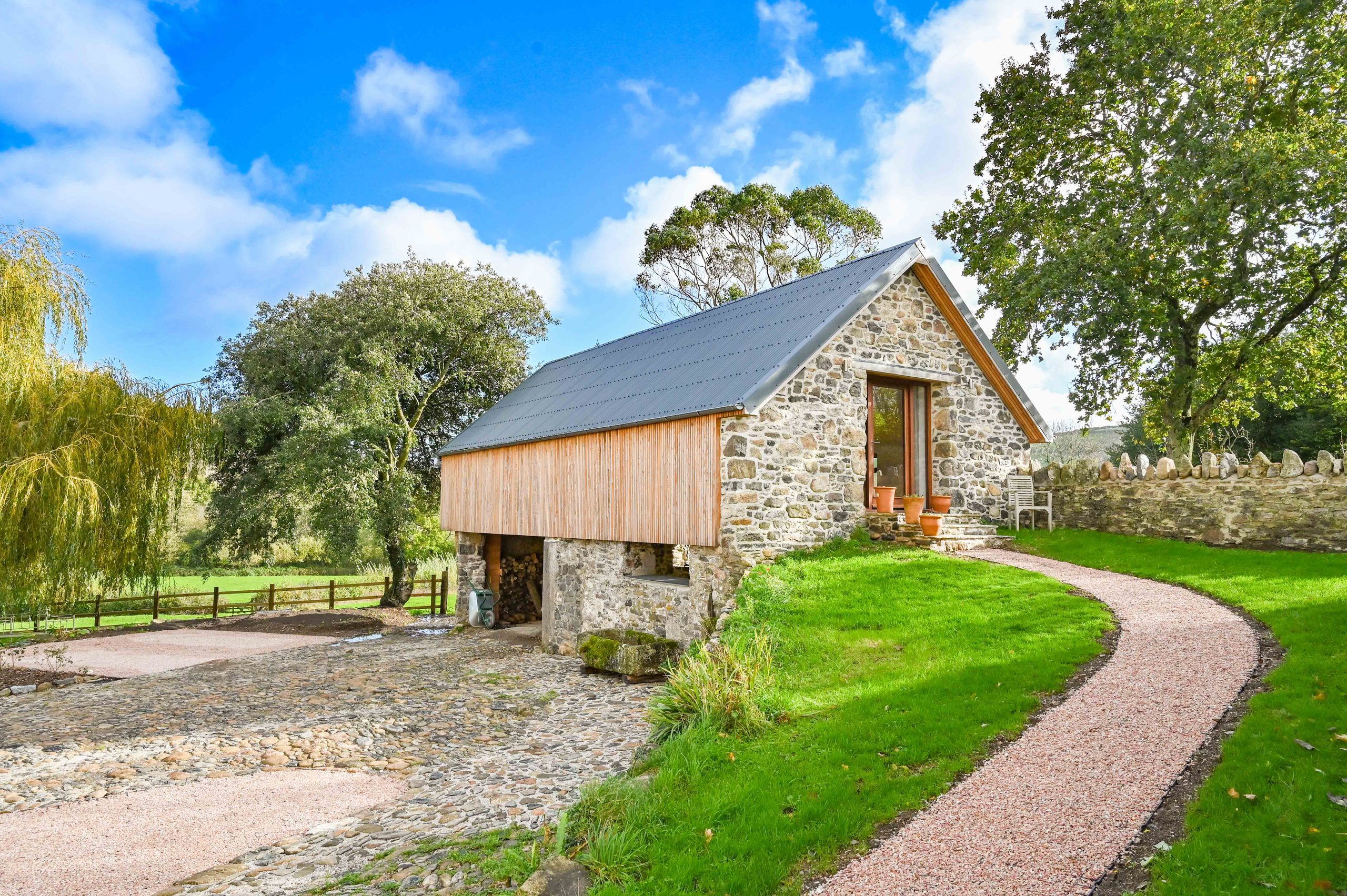
Orchard Bank Barn
Ashburton
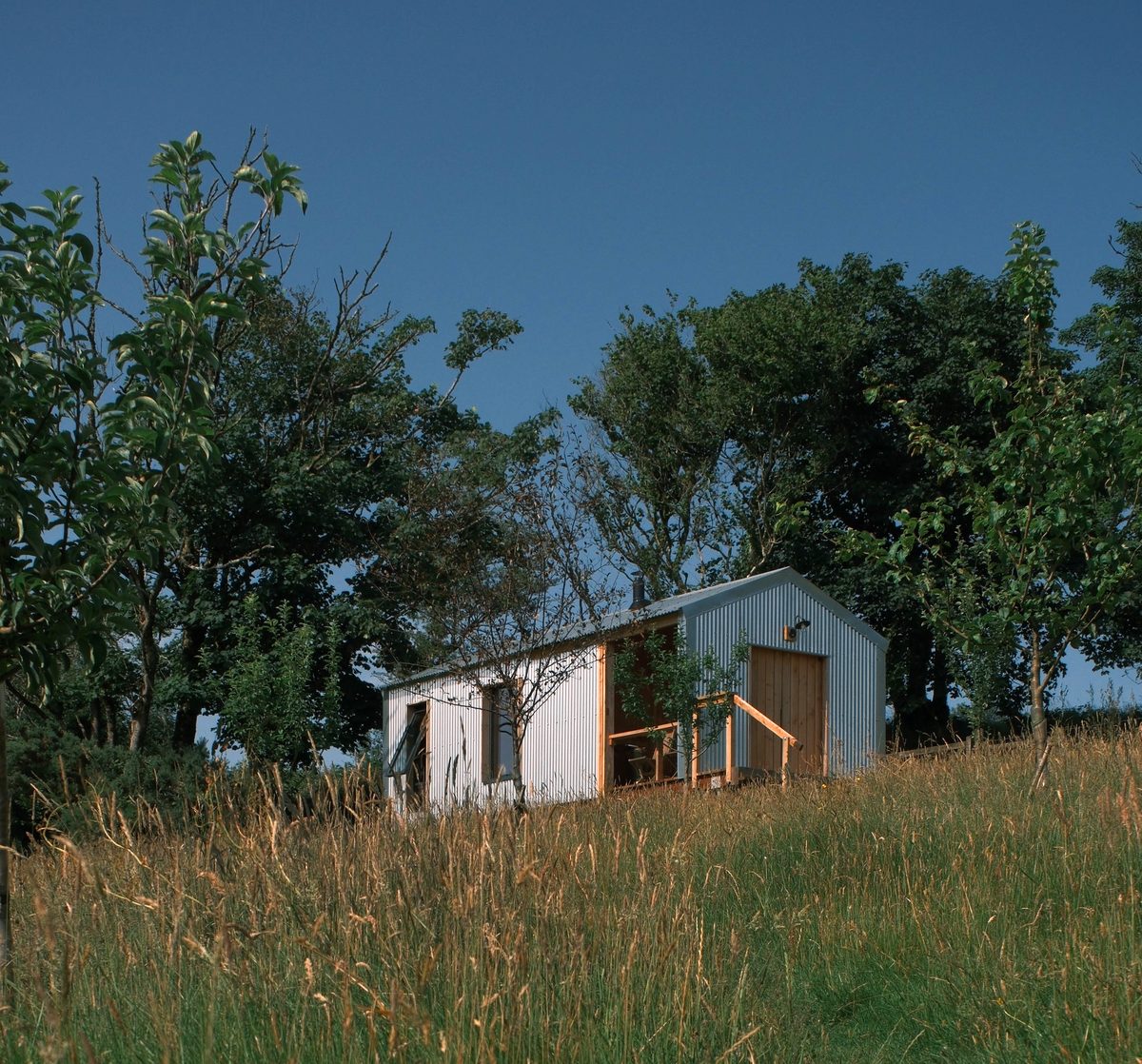
Orchard Cabin
Brentor
The Nutshell
Okehampton
Prince Hall
Princetown
The Birdbox
Okehampton
Humble Bee
Okehampton
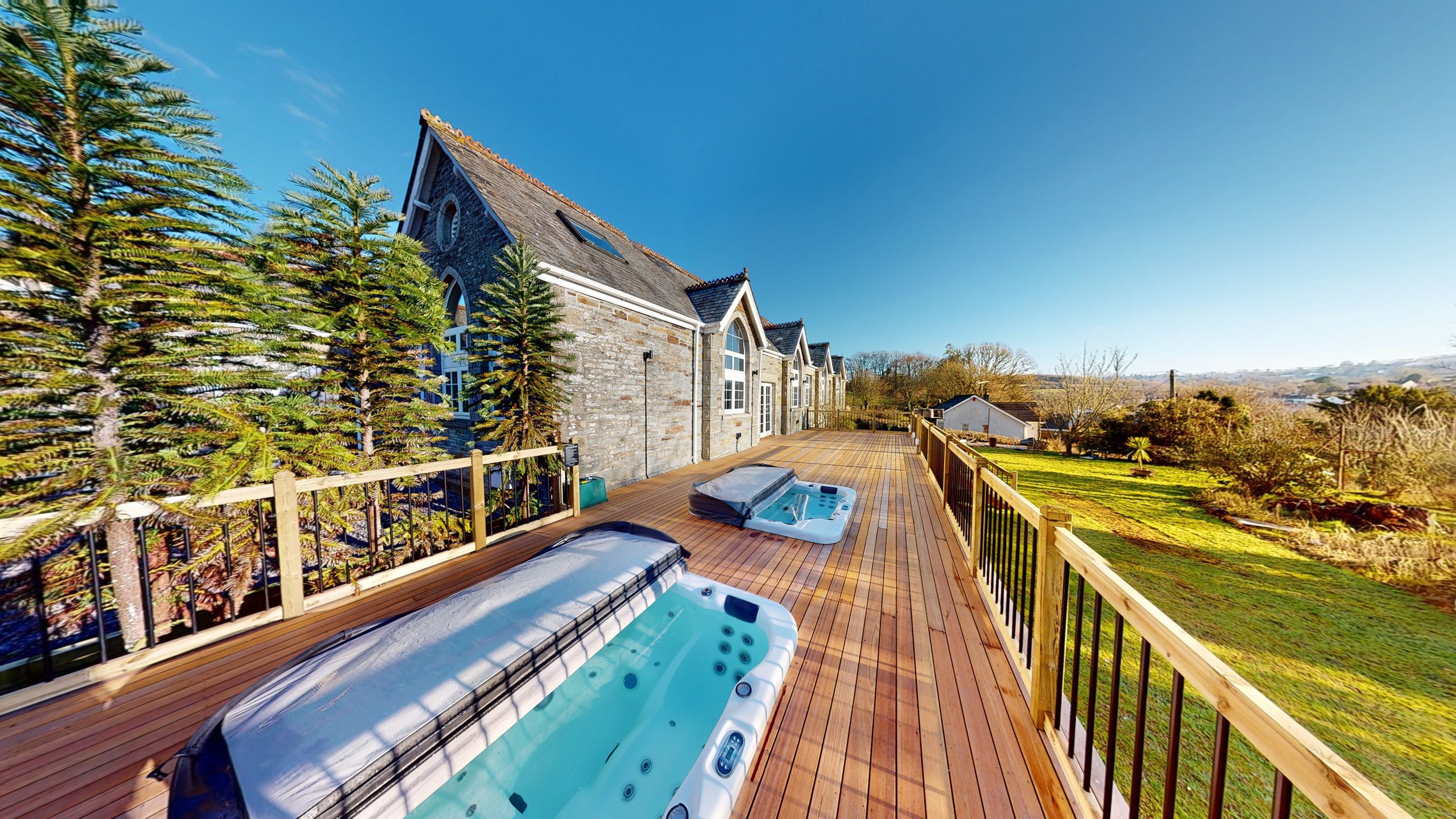
The Old School House
Horrabridge
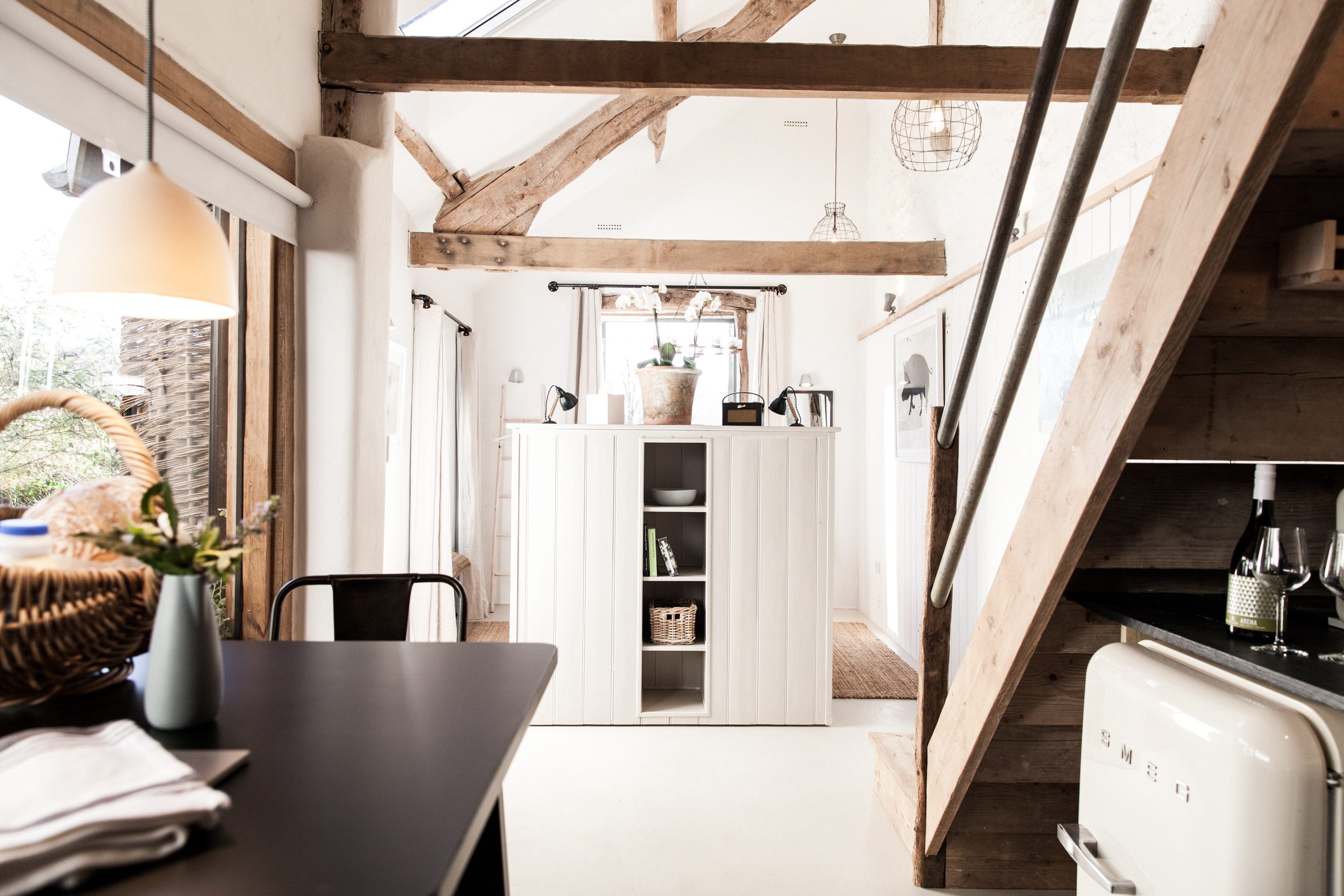
The Hayloft Devon
Ashburton
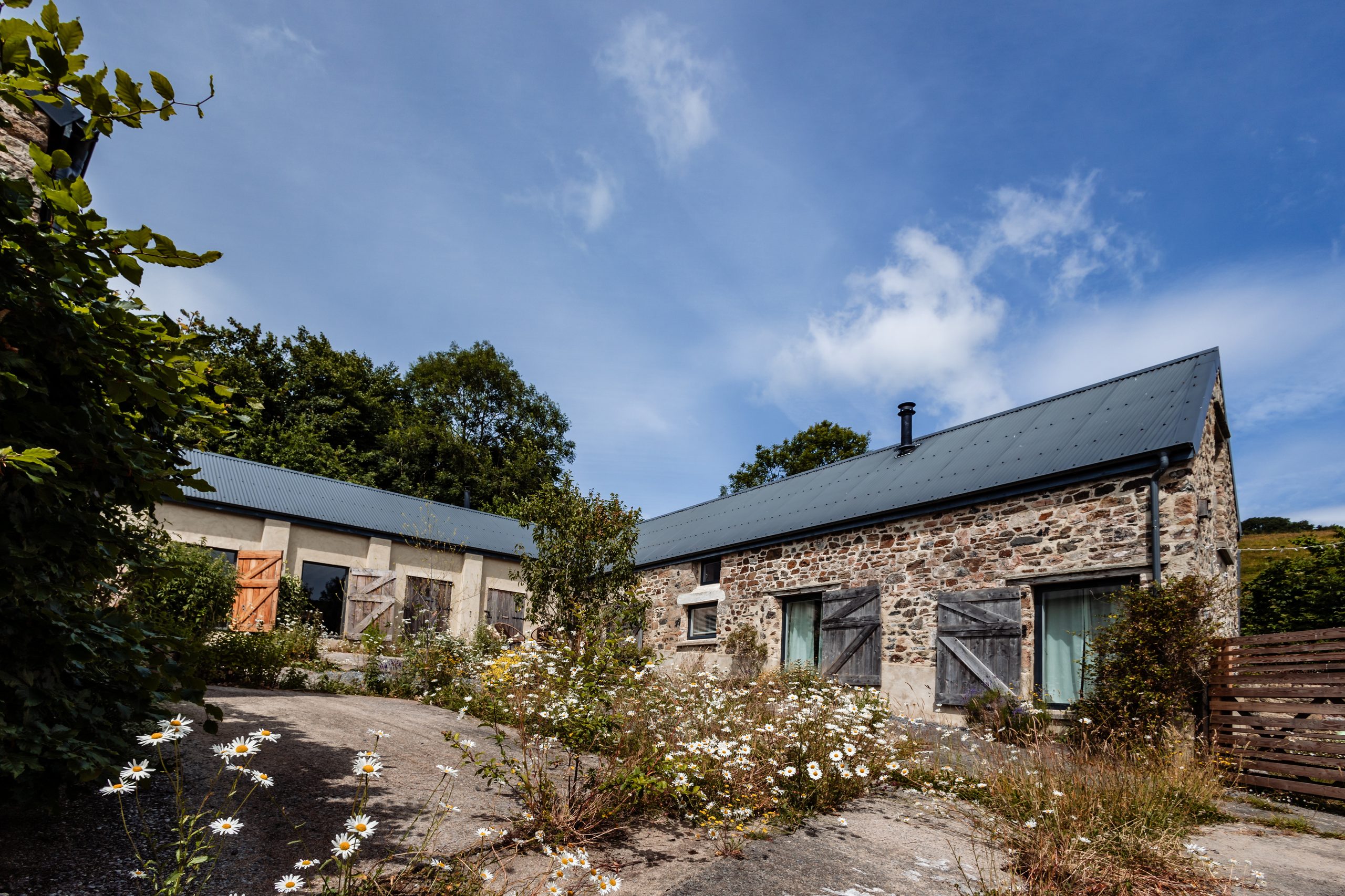
Shuttaford Big Barn
Holne
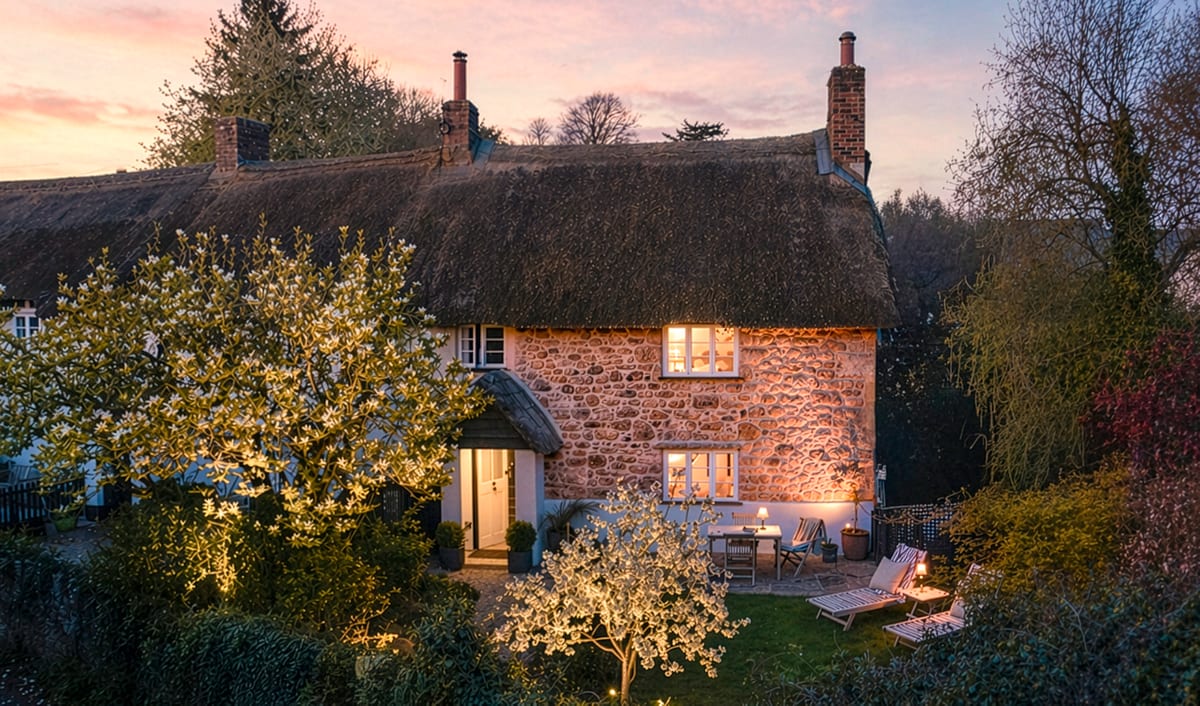
Moorland View Cottage
North Bovey
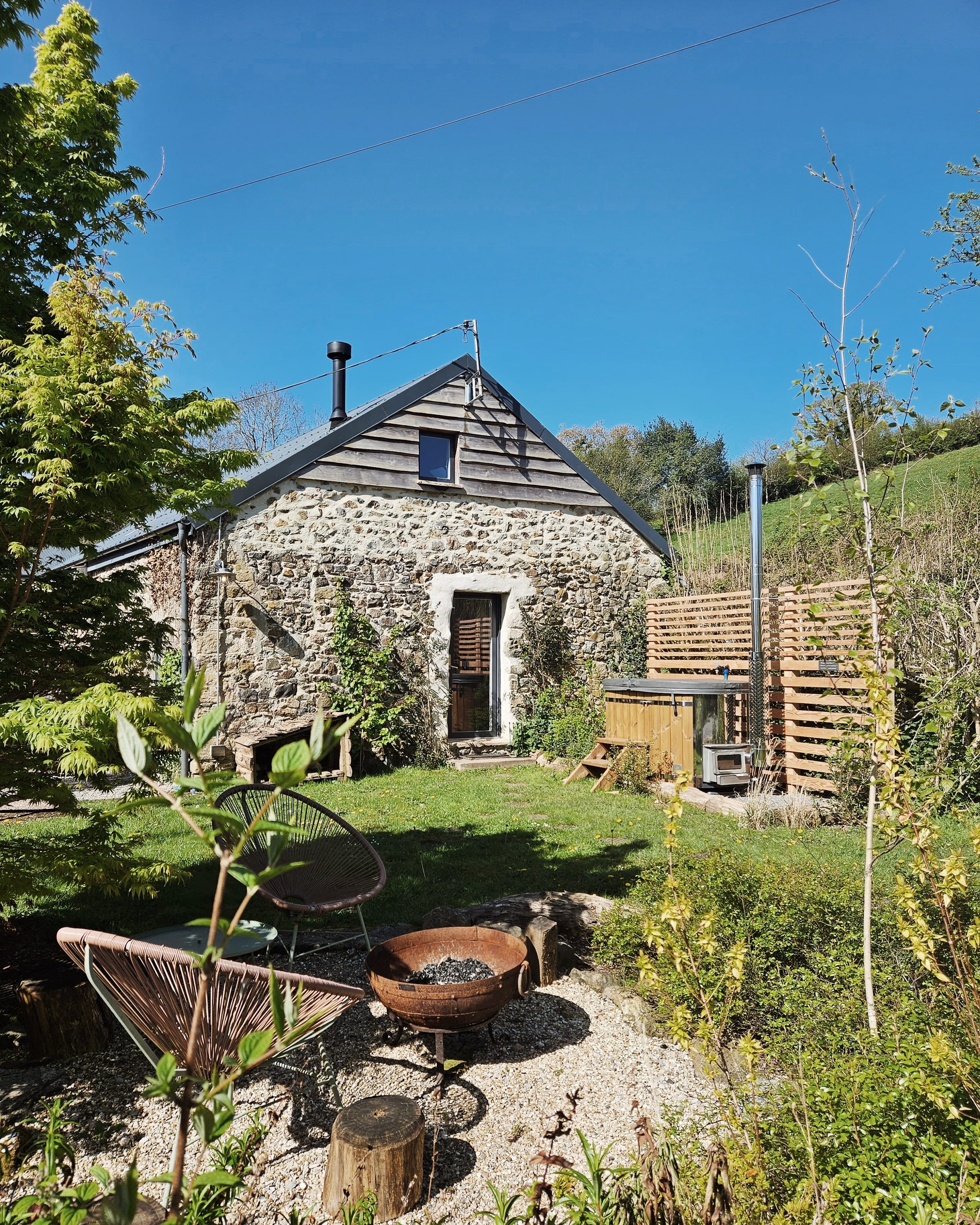
The Small Barn
Holne
Dartmoor National Park is located in Devon, in the South West of England. It lies between Exeter and Plymouth and covers almost 370 square miles of wild moorland, ancient woodland, rivers and picturesque villages.
A long weekend is enough to see many of Dartmoor's highlights, including Haytor, Hound Tor and a few of its charming villages. However, spending four or five days allows you to explore more of the national park's walking trails, beauty spots and hidden corners at a relaxed pace.
Haytor is widely regarded as Dartmoor's most famous tor thanks to its dramatic granite formations, easy accessibility and spectacular panoramic views. Other popular tors include Hound Tor, Great Mis Tor, Yes Tor and High Willhays.
Yes, Dartmoor is one of the UK's best destinations for wild swimming. Popular spots include Spitchwick Common, Sharrah Pool, Cadover Bridge and the River Dart at Dartmeet. Always check river conditions before entering the water and never swim alone.
Dartmoor ponies roam freely across the national park, but they are not truly wild. They are owned by local farmers who have grazing rights on the moor and play an important role in maintaining Dartmoor's unique landscape.
Absolutely. Dartmoor offers plenty of family-friendly attractions, including Becky Falls, the Miniature Pony Centre, Canonteign Falls and Dartmoor Zoo, alongside easy walks, picnic spots and opportunities to spot ponies and other wildlife.
Dartmoor is beautiful all year round, but late spring and early autumn are often considered the best times to visit. You'll enjoy comfortable walking temperatures, colourful scenery and fewer crowds than during the peak summer holidays.
Yes, although having a car makes exploring much easier. Trains serve nearby towns including Exeter, Plymouth and Newton Abbot, while buses connect some of Dartmoor's main villages. However, public transport is limited in the more remote areas of the national park.
Weather on Dartmoor can change quickly, so it's best to wear sturdy walking boots or shoes, waterproof clothing and several layers. Even during summer, higher parts of the moor can be cooler and windier than expected.
Yes. Entry to Dartmoor National Park is completely free, and you can enjoy its walking trails, tors, rivers and open landscapes without paying an admission fee. Some attractions, such as Becky Falls, Dartmoor Zoo and National Trust properties, do charge an entrance fee, while many car parks also require payment.