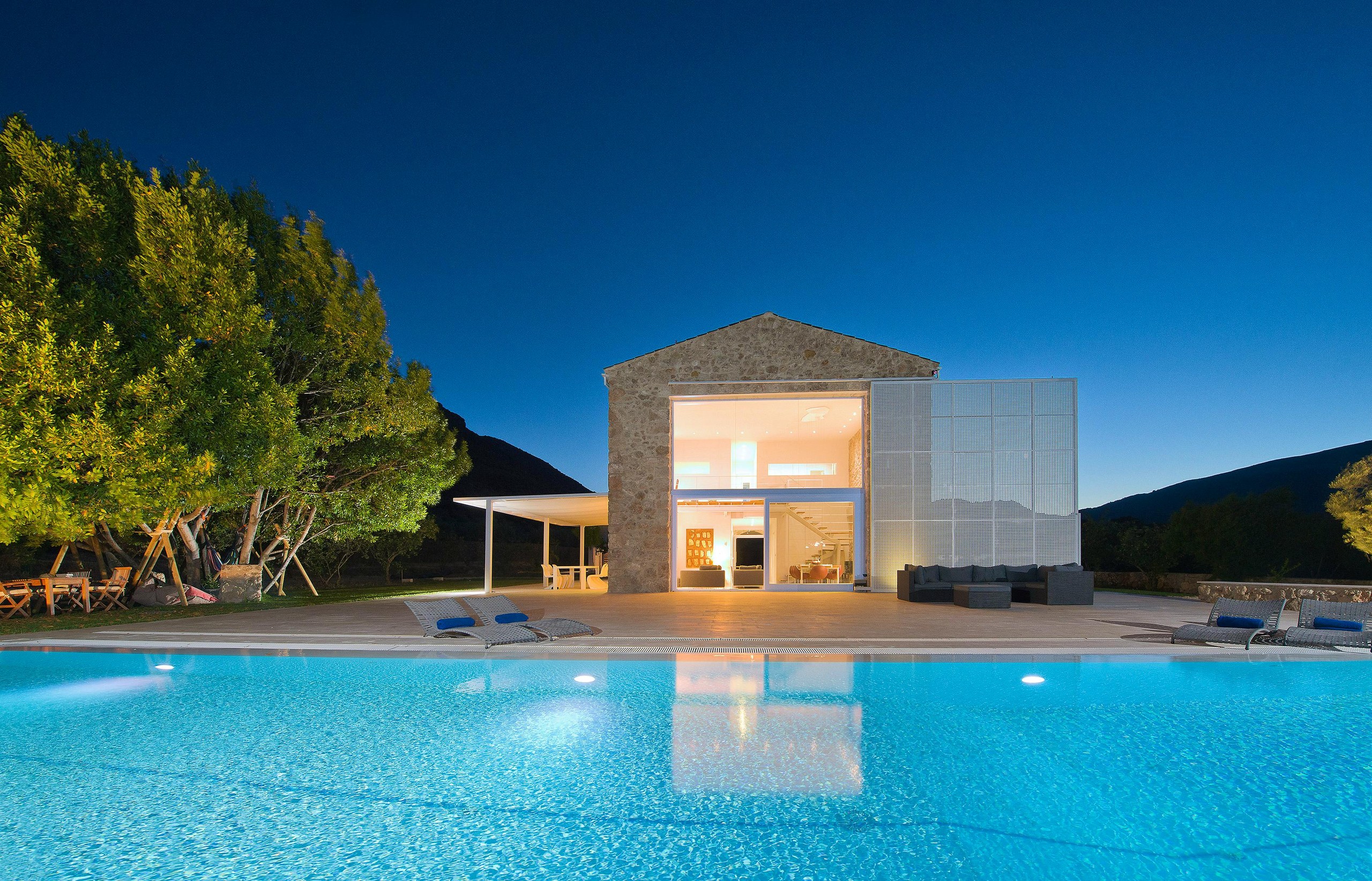
What makes a building architecturally significant? (And why it matters for your stay)
Published 20th March 2026
When you book a holiday, it’s easy to focus on location first; the rolling hills of the Cotswolds, the rugged coastlines of Cornwall, or a stylish city break in London. But increasingly, travellers are choosing somewhere not just for where it is, but for what it is. The building itself becomes part of the experience; something to explore, feel, and remember long after you’ve left.
Architecturally significant stays offer something deeper than a standard holiday home. They shape how you move through a space, how light falls across your morning coffee, and how connected you feel to your surroundings. Whether it’s a glass-fronted cabin in the Scottish Highlands or a beautifully restored barn in rural Yorkshire, great architecture turns a simple break into something far more immersive.
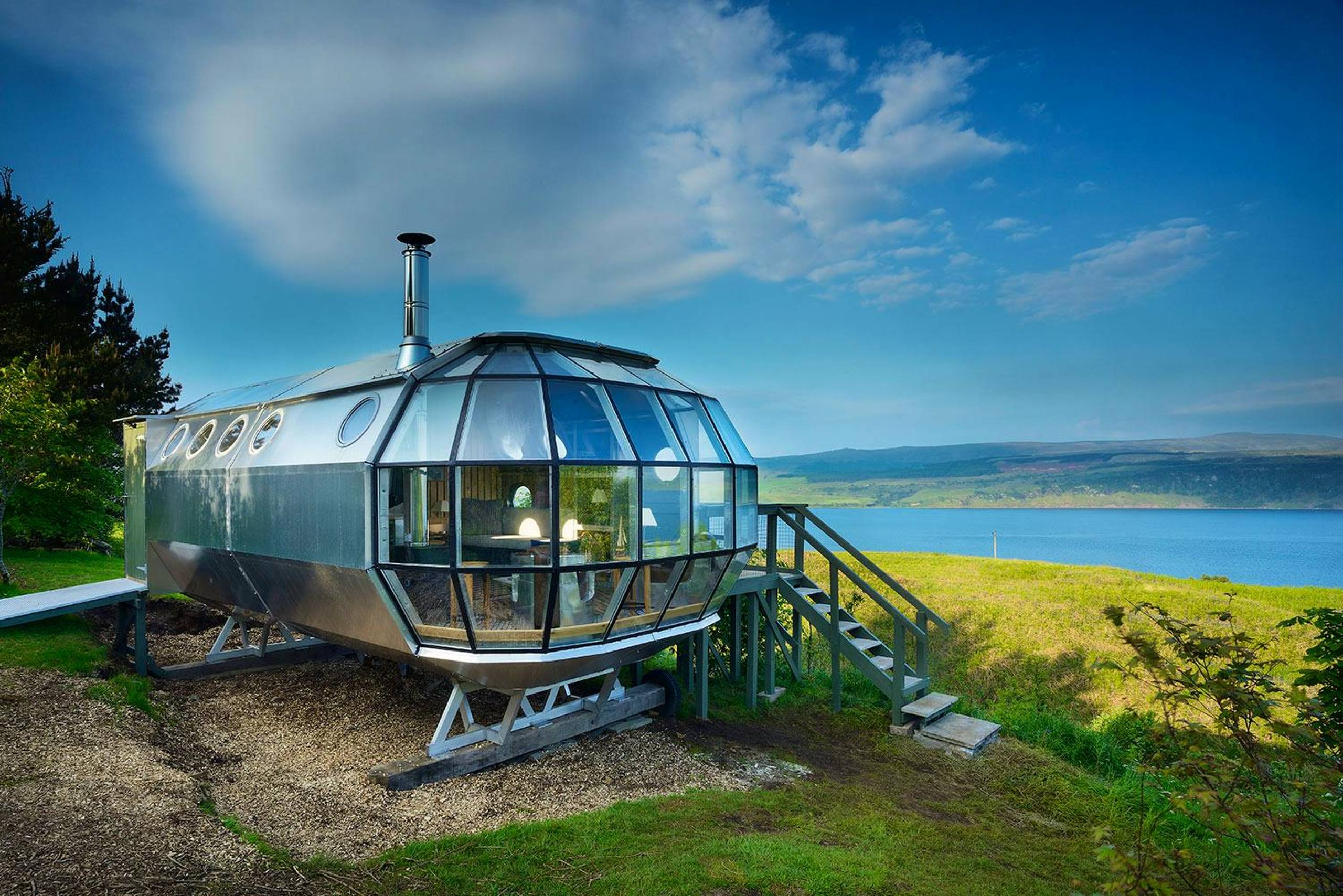
What does “architecturally significant” actually mean?
The phrase “architecturally significant” might sound like it belongs in textbooks or museums, but it applies just as much to places you can stay. At its core, it describes buildings that stand out for their design, innovation, or cultural importance — but that doesn’t mean they have to be grand or famous.
A small, thoughtfully designed cabin can be just as significant as a landmark building. What matters is the intention behind it — how the structure responds to its environment, how it’s been built, and how it functions as a space to live in. In the context of travel, this means choosing places where design has been carefully considered, rather than simply constructed for convenience.
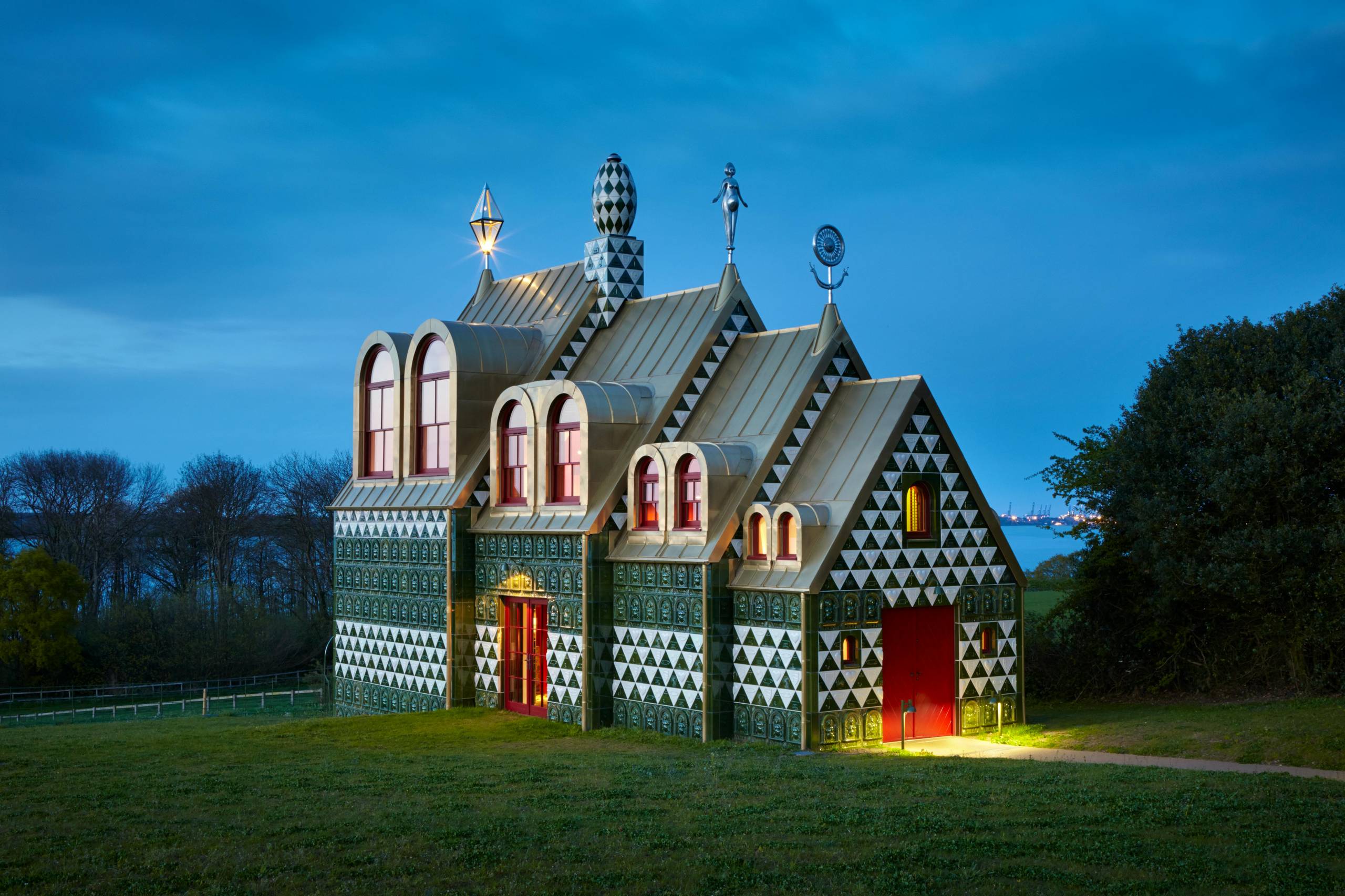
Design that tells a story
One of the defining features of an architecturally significant building is its ability to tell a story. That story might be rooted in history — like a converted chapel, a centuries-old cottage, or a former industrial space brought back to life. These buildings carry traces of their past, offering a sense of continuity and character that you simply can’t replicate in new builds.
Equally, contemporary architecture tells its own story. Modernist homes, minimalist cabins, and bold experimental designs reflect the ideas and priorities of today, from open-plan living to a stronger connection with nature. Staying in one of these spaces gives you a glimpse into how architecture continues to evolve.
For guests, this storytelling adds depth to a stay. You’re not just occupying a space, you’re engaging with its history, its purpose, and the vision behind it.
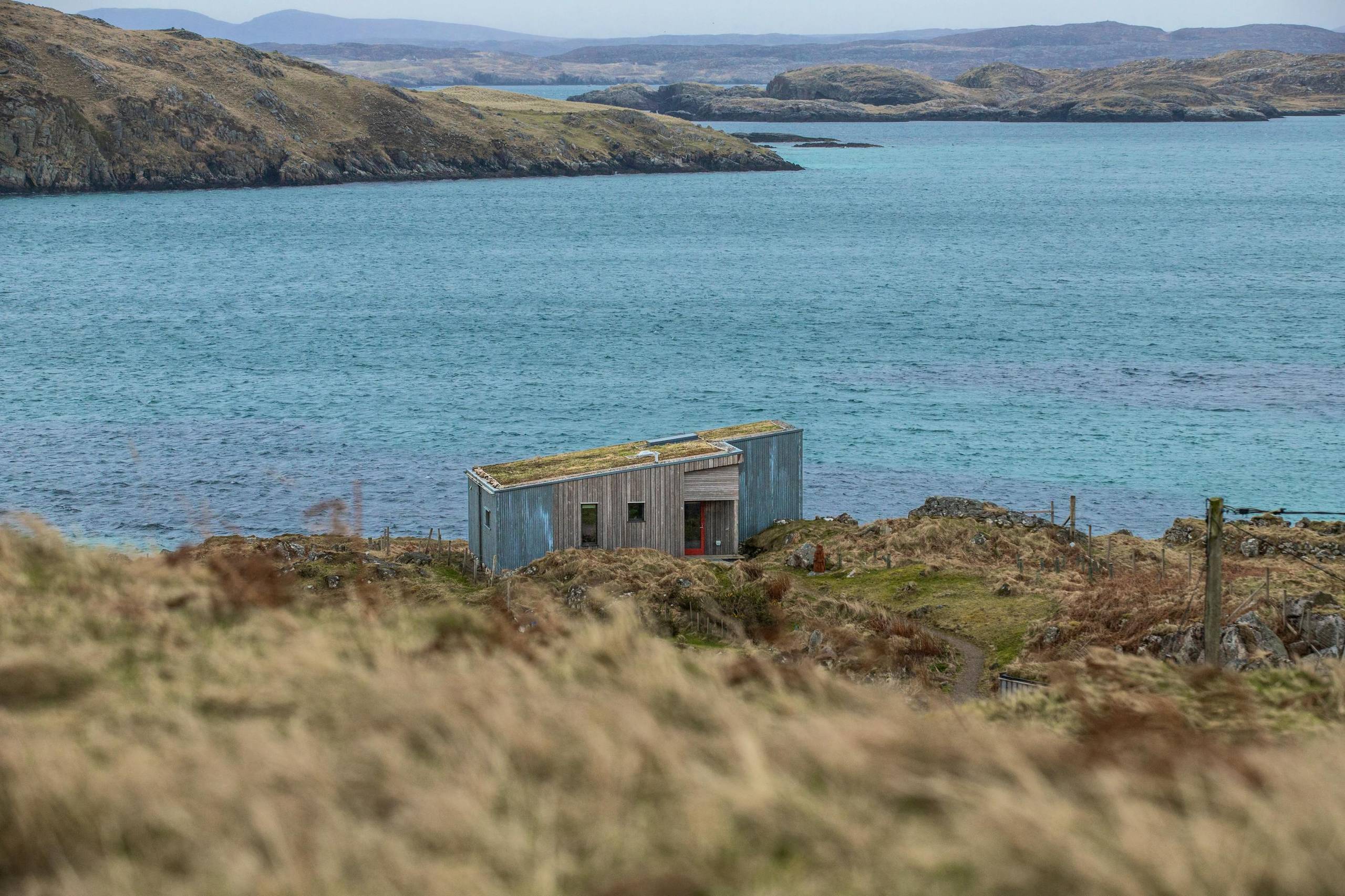
Connection to landscape and setting
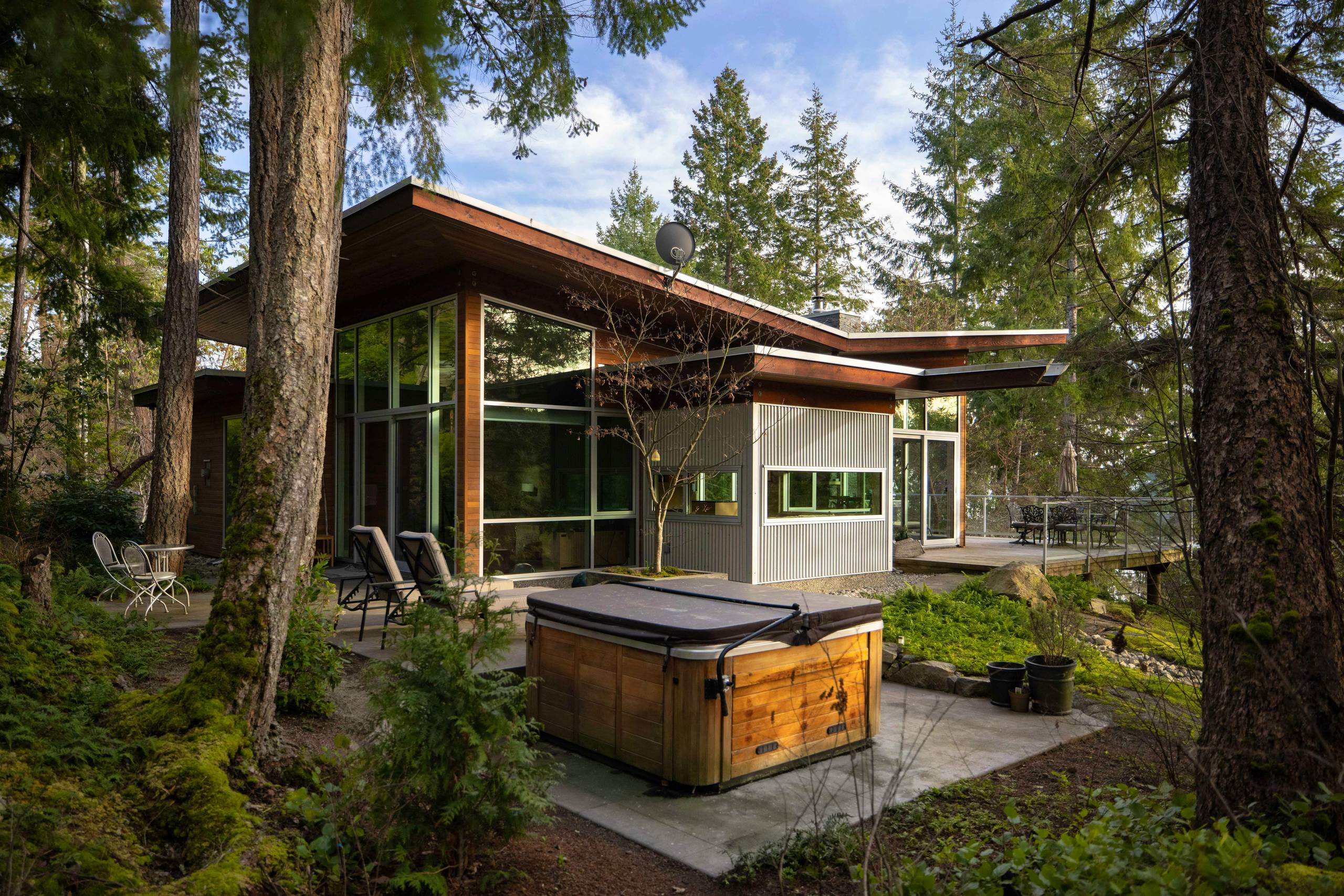
Some of the most memorable architectural stays in the UK are those that feel completely at one with their surroundings. In places like the Lake District, Snowdonia, or the Scottish Highlands, architecture often responds directly to the landscape, using local materials, low profiles, and clever positioning to complement rather than compete with the view.
Coastal properties in areas like Devon or Cornwall might be designed to maximise sea views, with large windows and open terraces that bring the outside in. In contrast, woodland cabins or countryside retreats often focus on privacy and shelter, blending into forests or rolling farmland.
This connection to place is a key part of what makes architecture significant. It creates a sense of harmony, which offers guests a deeper, more grounding experience.
Innovation in materials and structure
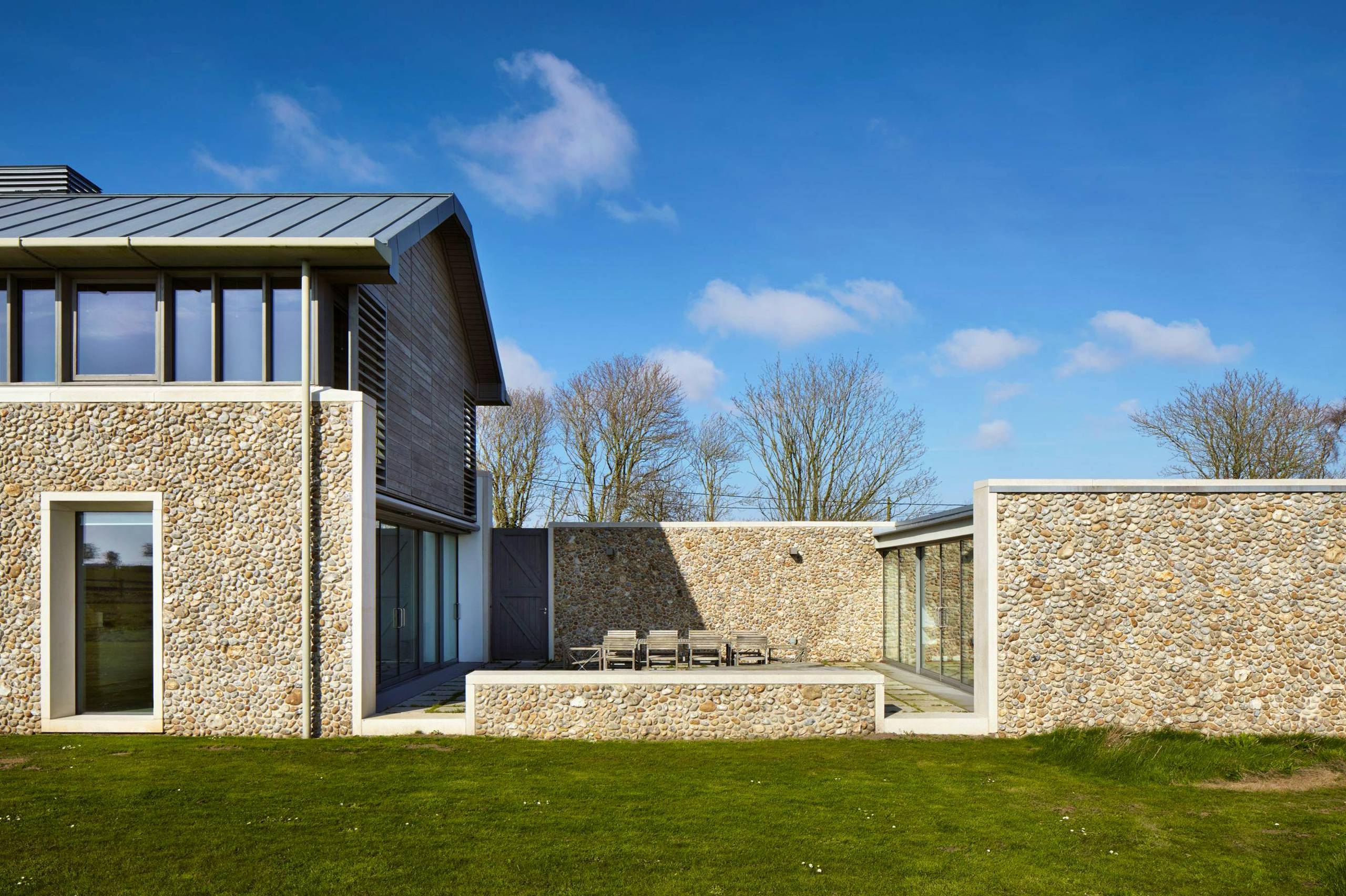
Another hallmark of architecturally significant buildings is innovation — not just in how they look, but in how they’re built. Materials play a huge role here. From raw concrete and steel to reclaimed timber and natural stone, the choice of materials shapes both the aesthetic and the atmosphere of a space.
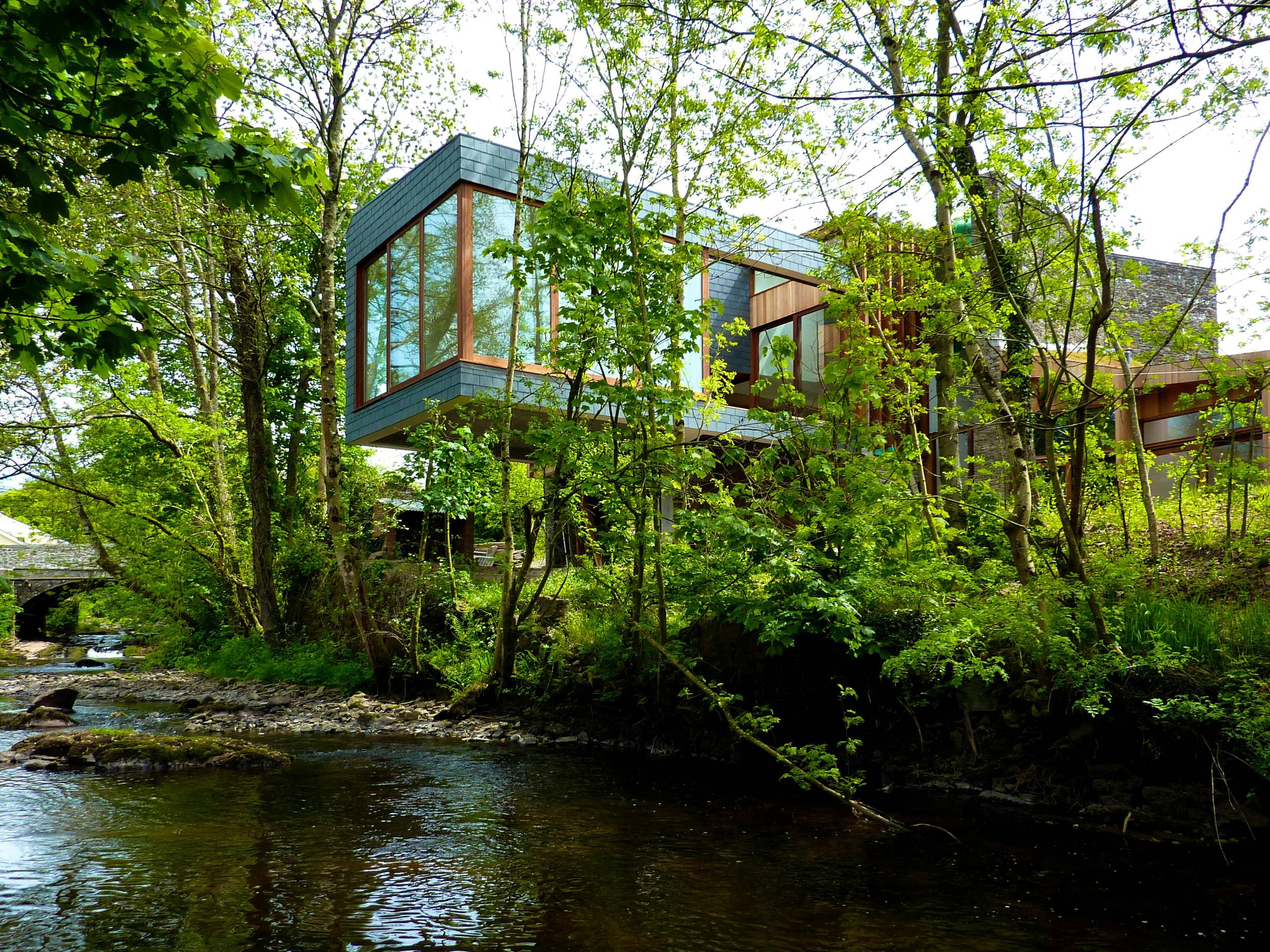
In many UK holiday homes, you’ll find a growing emphasis on natural and sustainable materials, which not only look beautiful but also age gracefully over time. Meanwhile, clever structural elements — like cantilevered sections, double-height spaces, or seamless indoor-outdoor transitions — create a sense of drama and openness.
These aren’t just visual features. They influence how you experience the space, from the acoustics of a room to the way light moves throughout the day.
Light, space and flow
Great architecture isn’t just about what you see — it’s about how a space feels. Light, space, and flow are central to this. Large windows, skylights, and open layouts can transform even a small property into something that feels expansive and uplifting.
In many design-led stays, you’ll notice how carefully views are framed — whether it’s a distant mountain range, a quiet ???, or a windswept coastline. Rooms are often arranged to guide you through the space in a natural, intuitive way, creating moments of pause and perspective.
For guests, this has a subtle but powerful effect. It can make a stay feel calmer, more spacious, and more connected to the world outside.
The role of sustainability in modern architecture
In recent years, sustainability has become a defining feature of architecturally significant buildings. Across the UK, more holiday homes are being designed with the environment in mind — using energy-efficient systems, low-impact materials, and passive design principles to reduce their footprint.
This might include features like green roofs, solar panels, high levels of insulation, or buildings that are oriented to maximise natural light and heat. In rural areas especially, eco architecture allows properties to sit lightly within the landscape while still offering comfort and style.
For travellers, this adds another layer of meaning to a stay. It’s not just about enjoying a beautiful space — it’s about choosing one that aligns with a more conscious way of travelling.
Craftsmanship and attention to detail
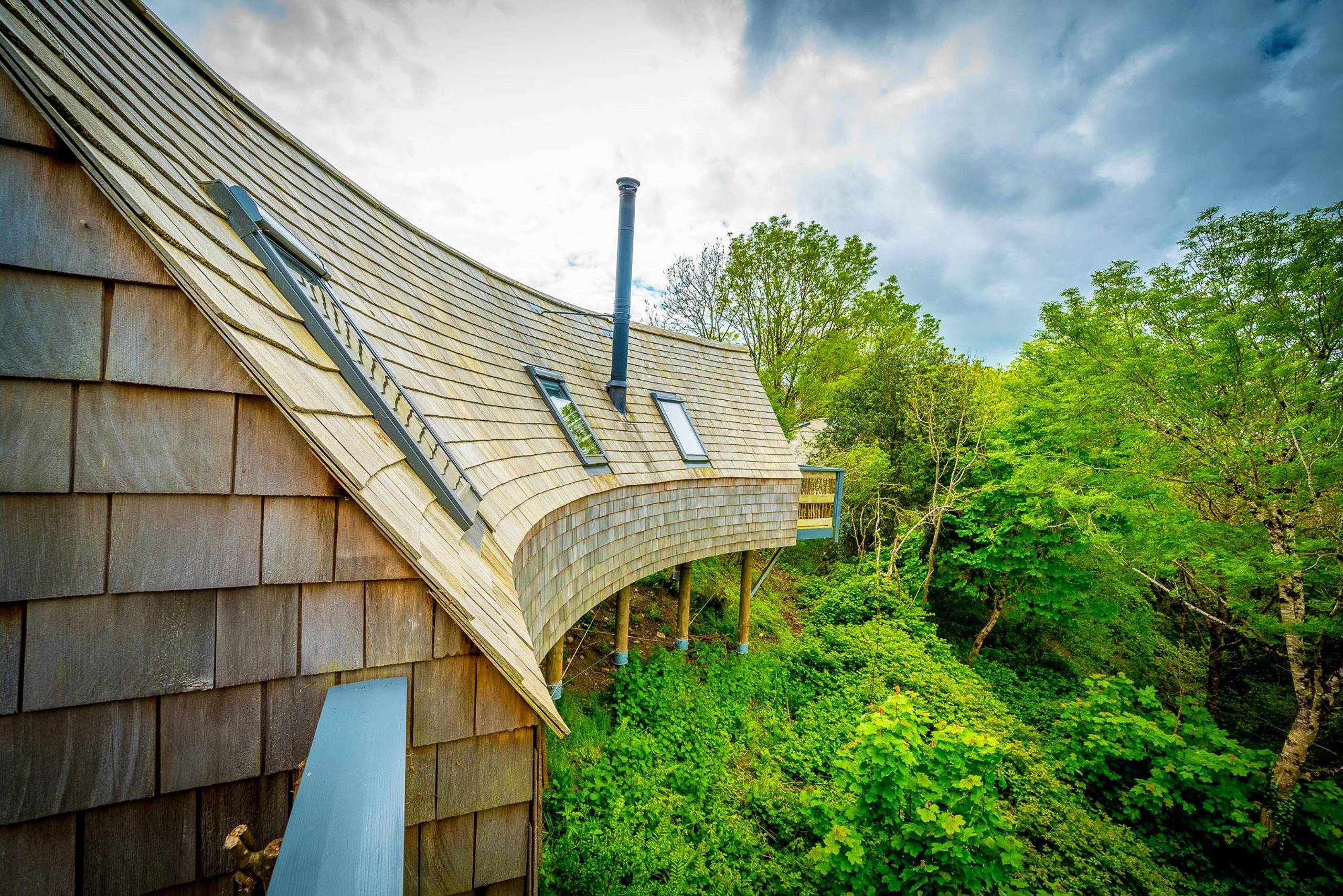
One of the clearest differences between a standard property and an architectural gem is the level of craftsmanship. In well-designed spaces, every detail has been considered — from the texture of materials to the placement of fixtures and fittings.
You might notice bespoke joinery, carefully selected colour palettes, or subtle design touches that bring the whole space together. These details don’t always shout for attention, but they contribute to a sense of quality and cohesion that’s immediately noticeable.
It’s this attention to detail that often makes a stay feel special — even if you can’t quite put your finger on why.
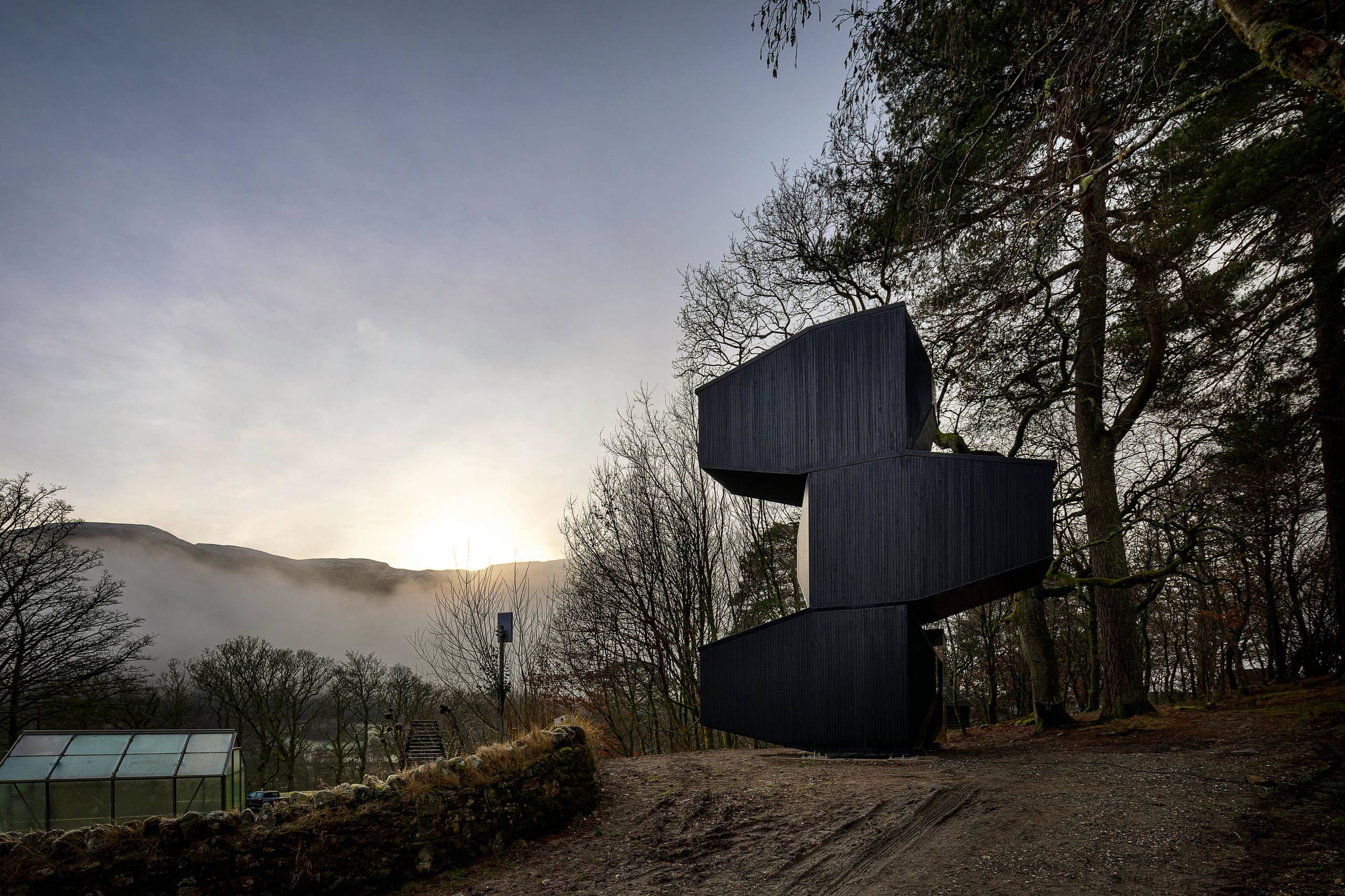
Why it matters for your stay
So why does architectural significance matter when choosing a place to stay? Put simply, it changes the experience entirely.
A well-designed space can make you slow down, notice more, and feel more present. It can turn everyday moments — making breakfast, reading by the window, watching the sunset — into something memorable. Instead of just being a base for your trip, the building becomes part of the reason you’re there.
For many travellers, this is what elevates a holiday from good to unforgettable.
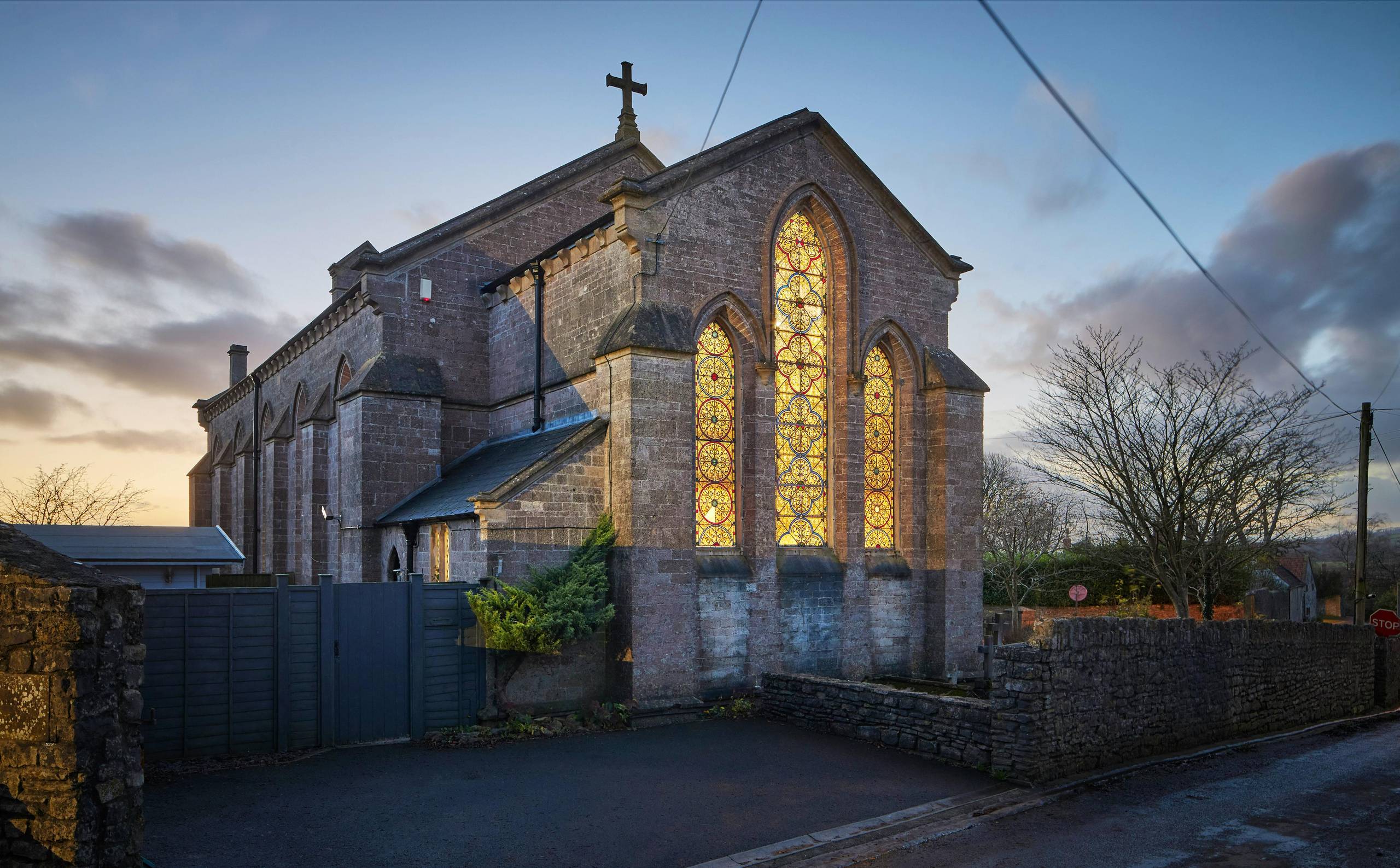
Choosing your own architectural gem
If you’re looking to book an architectural stay in the UK, it’s worth thinking about what kind of experience you want. Are you drawn to bold, modern design with clean lines and expansive glass? Or do you prefer the character and warmth of a restored historic building?
Location also plays a role. A countryside retreat in the Peak District will offer a very different feel to a coastal escape in Cornwall or a design-led city break in Manchester. The key is to find a space where the architecture enhances the setting — and suits the way you want to spend your time.
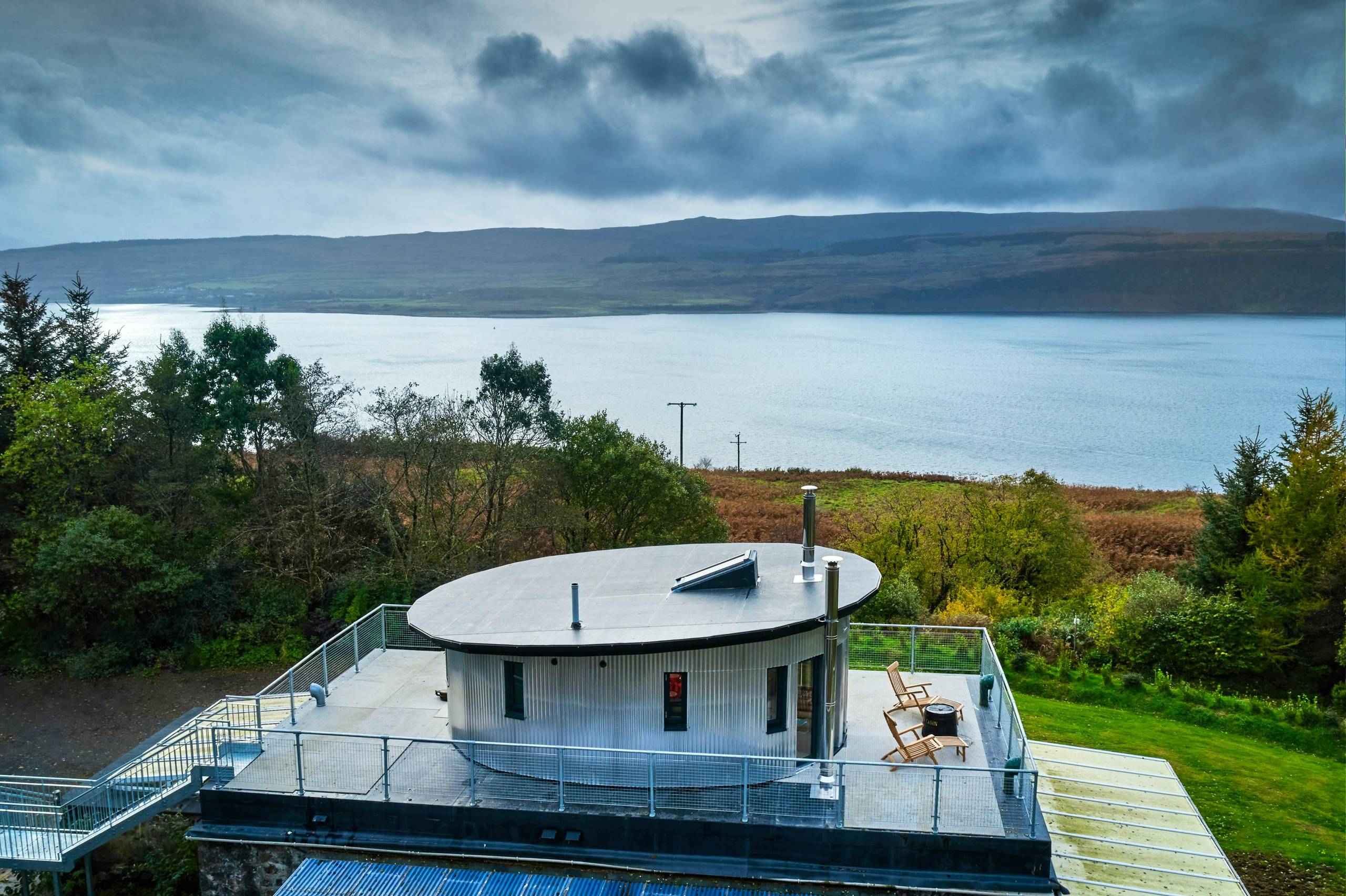
Conclusion: Staying somewhere that stays with you
Architecturally significant buildings aren’t just about aesthetics — they’re about experience. They shape how we interact with a space, how we connect with a place, and how we remember our time there.
Choosing a design-led stay means choosing something more considered, more immersive, and ultimately more memorable. It’s the difference between somewhere you simply visit, and somewhere that truly stays with you long after you’ve left.
Some of our favourite architectural gems
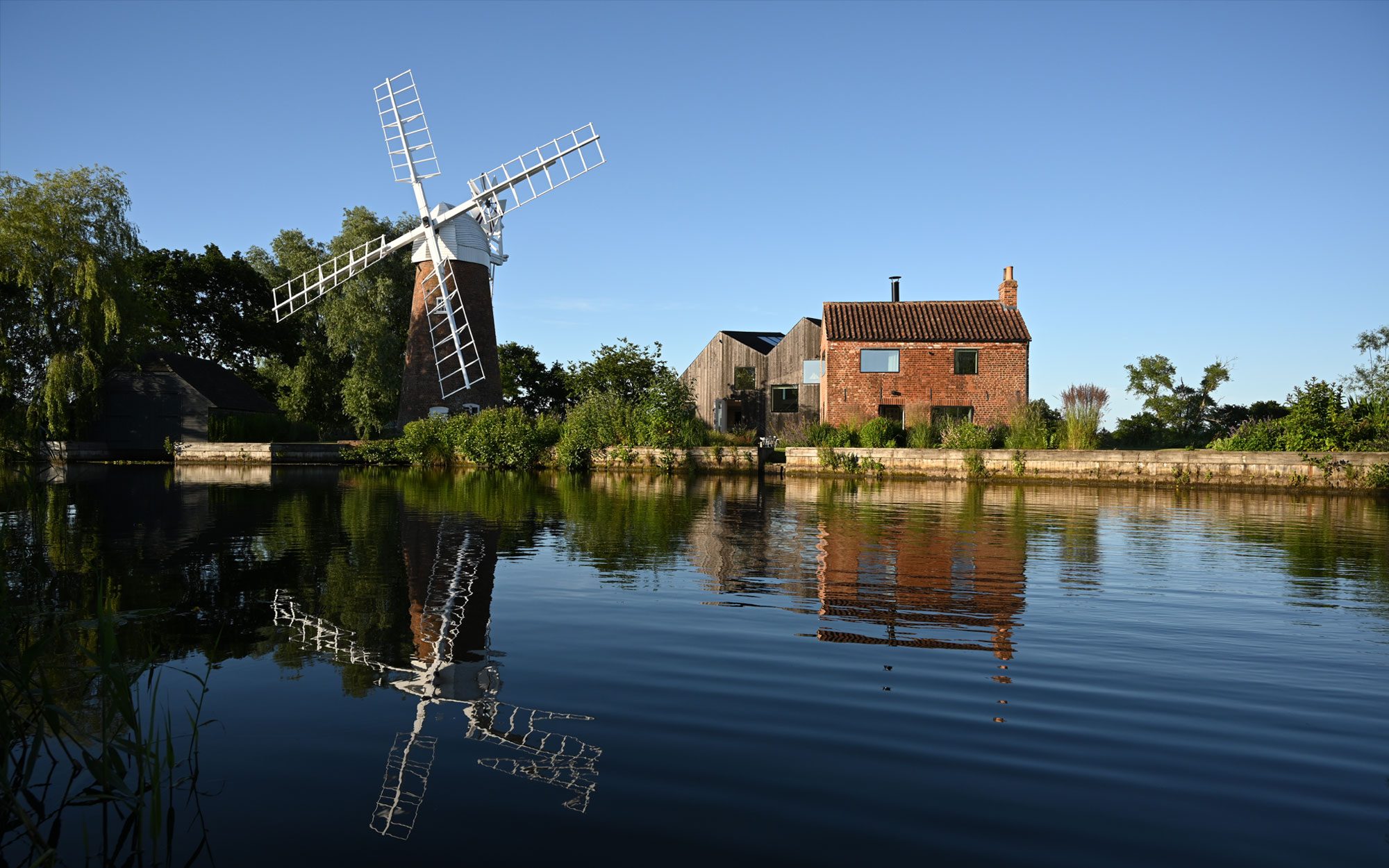
Hunsett Mill
Stalham
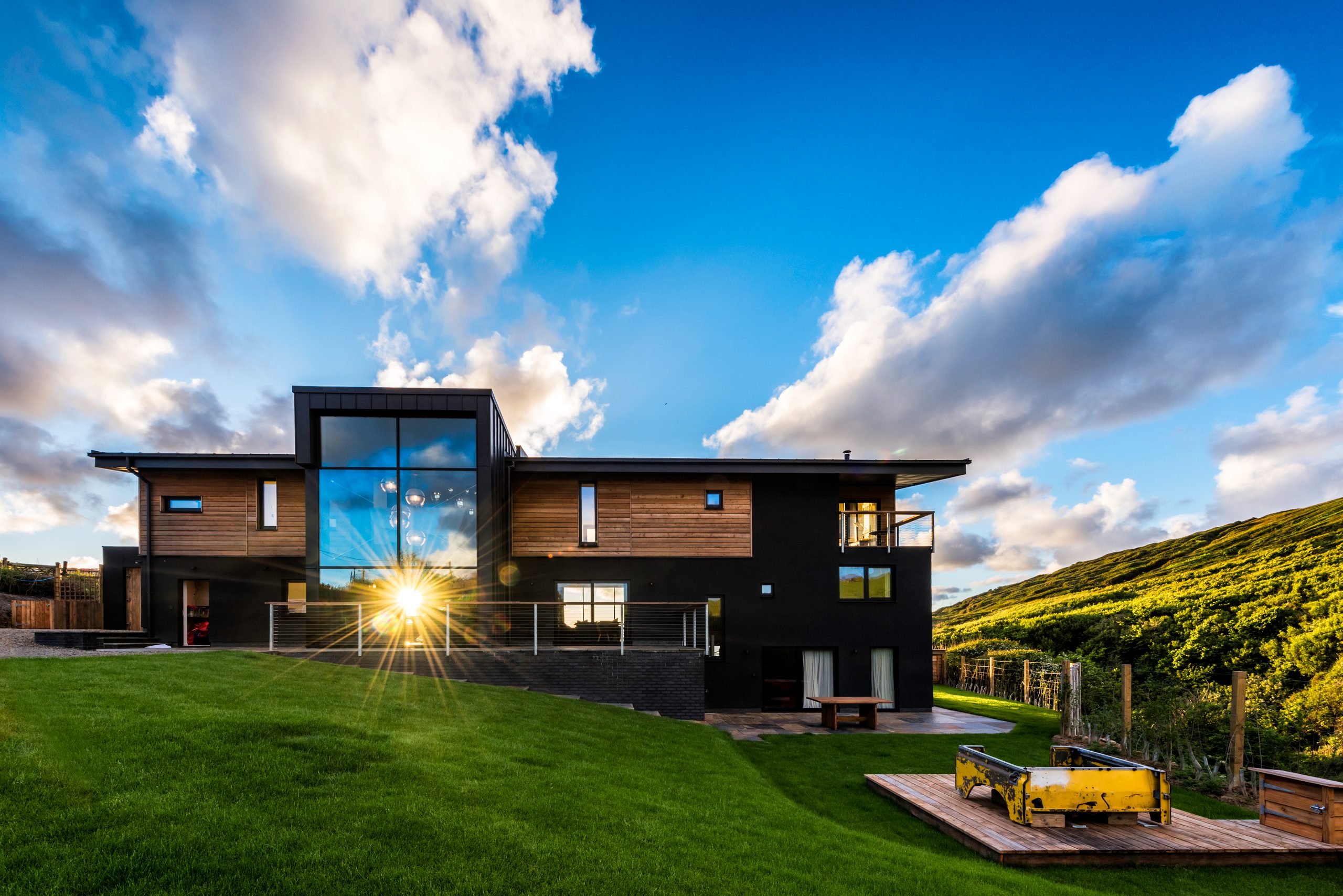
Barford Beach House
nr. Bude
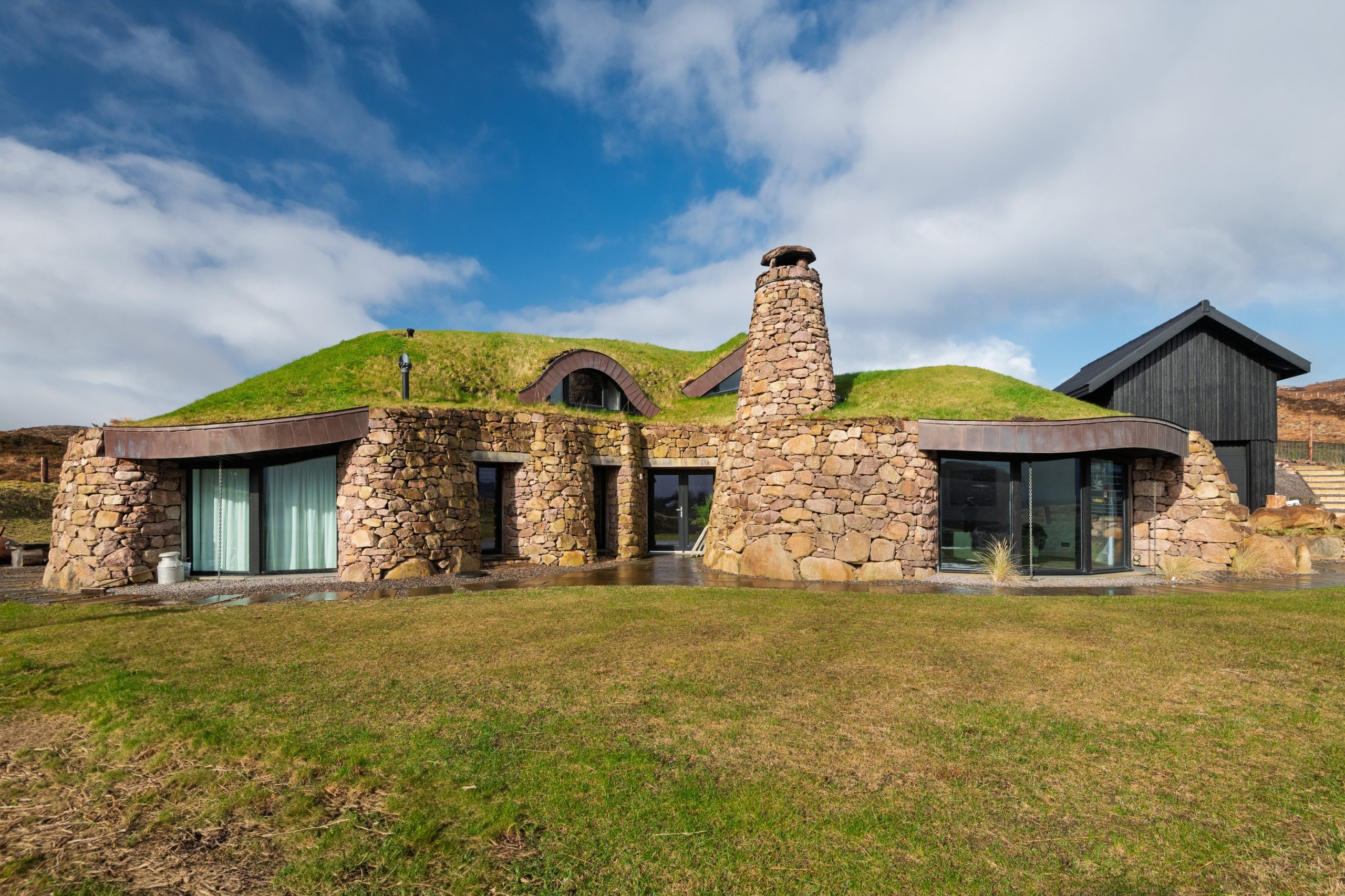
Lewie’s Croft
Achnasheen
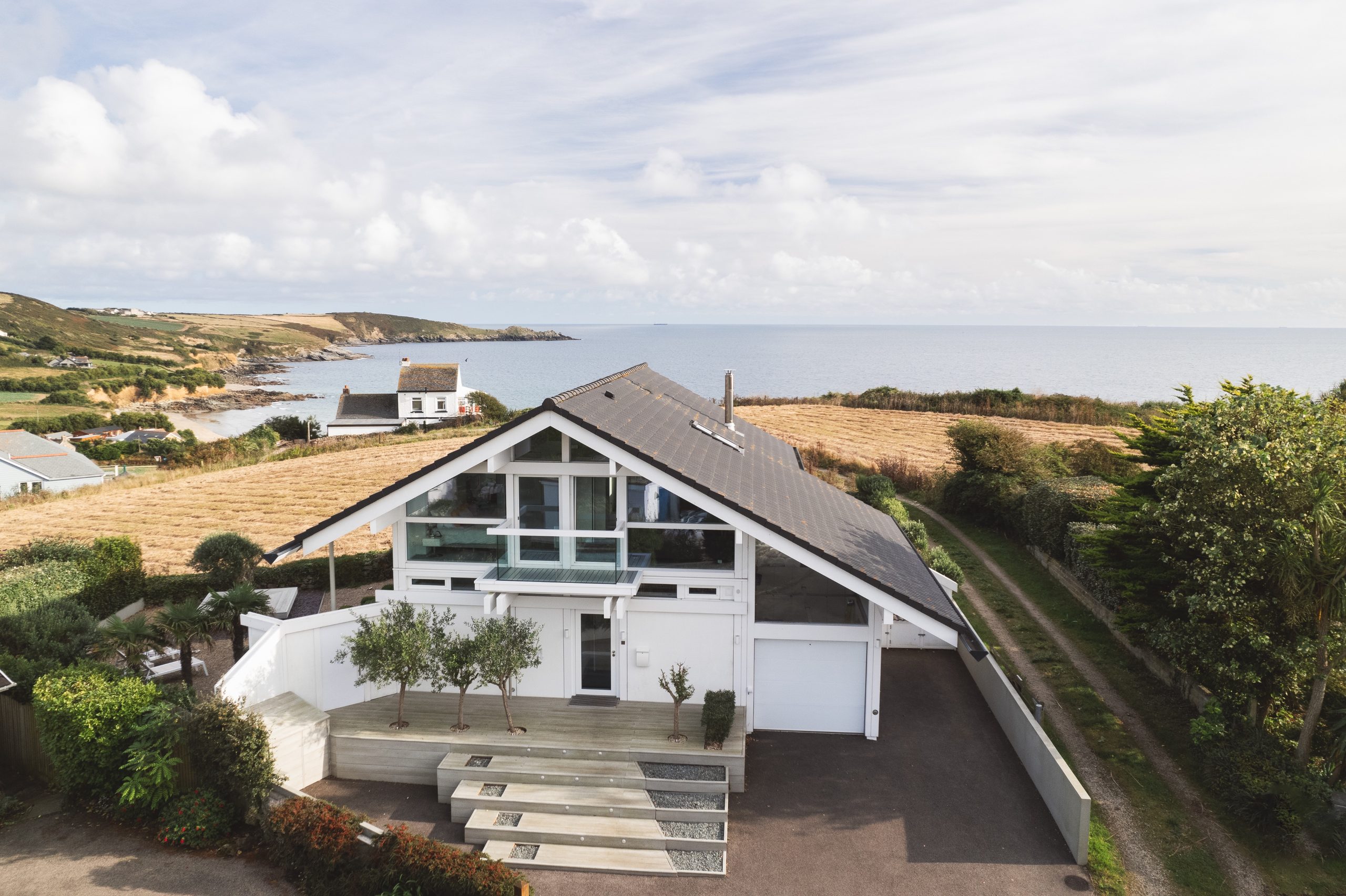
Angel View
Perranuthnoe
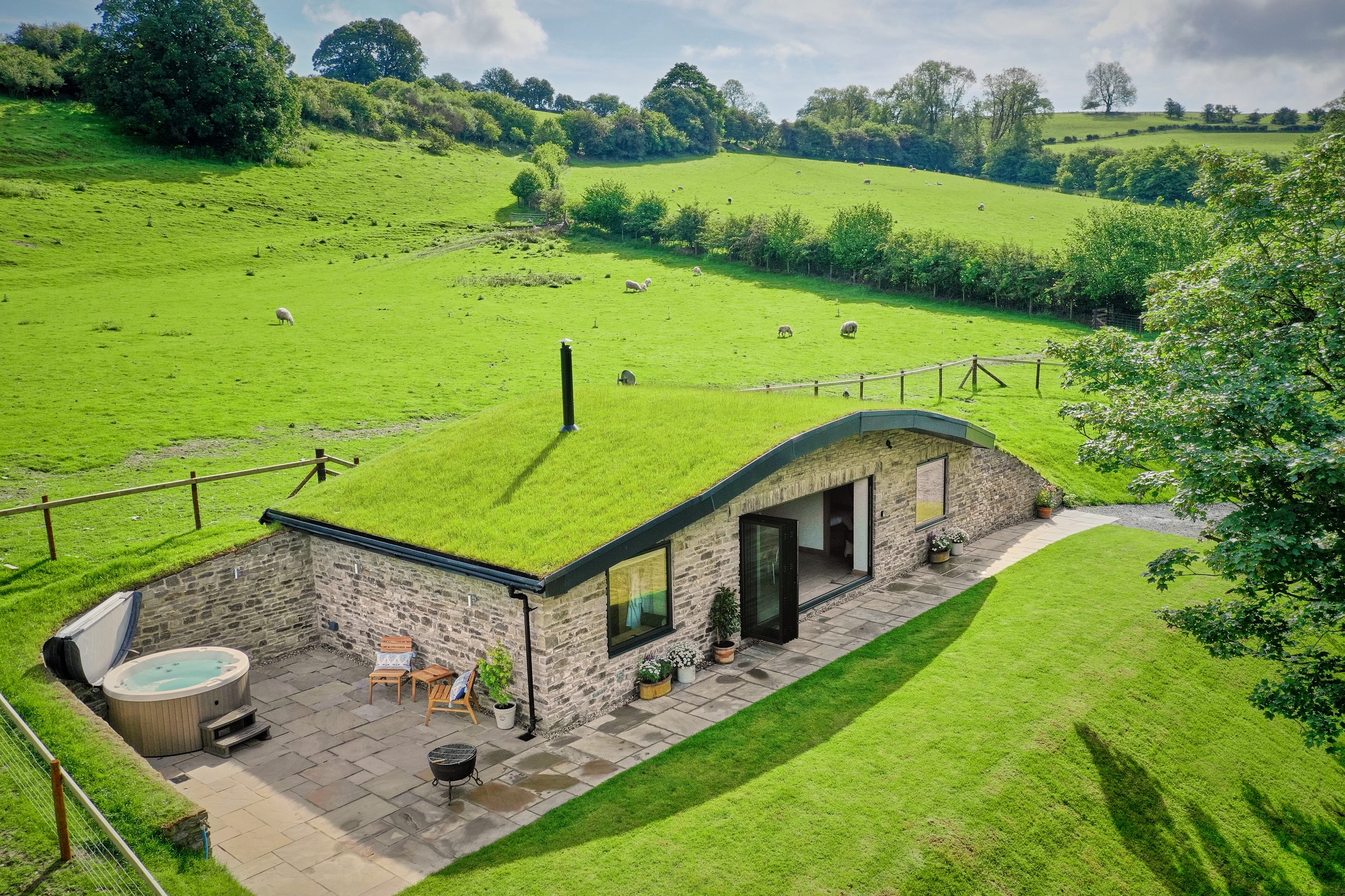
The Burrow
Bleddfa
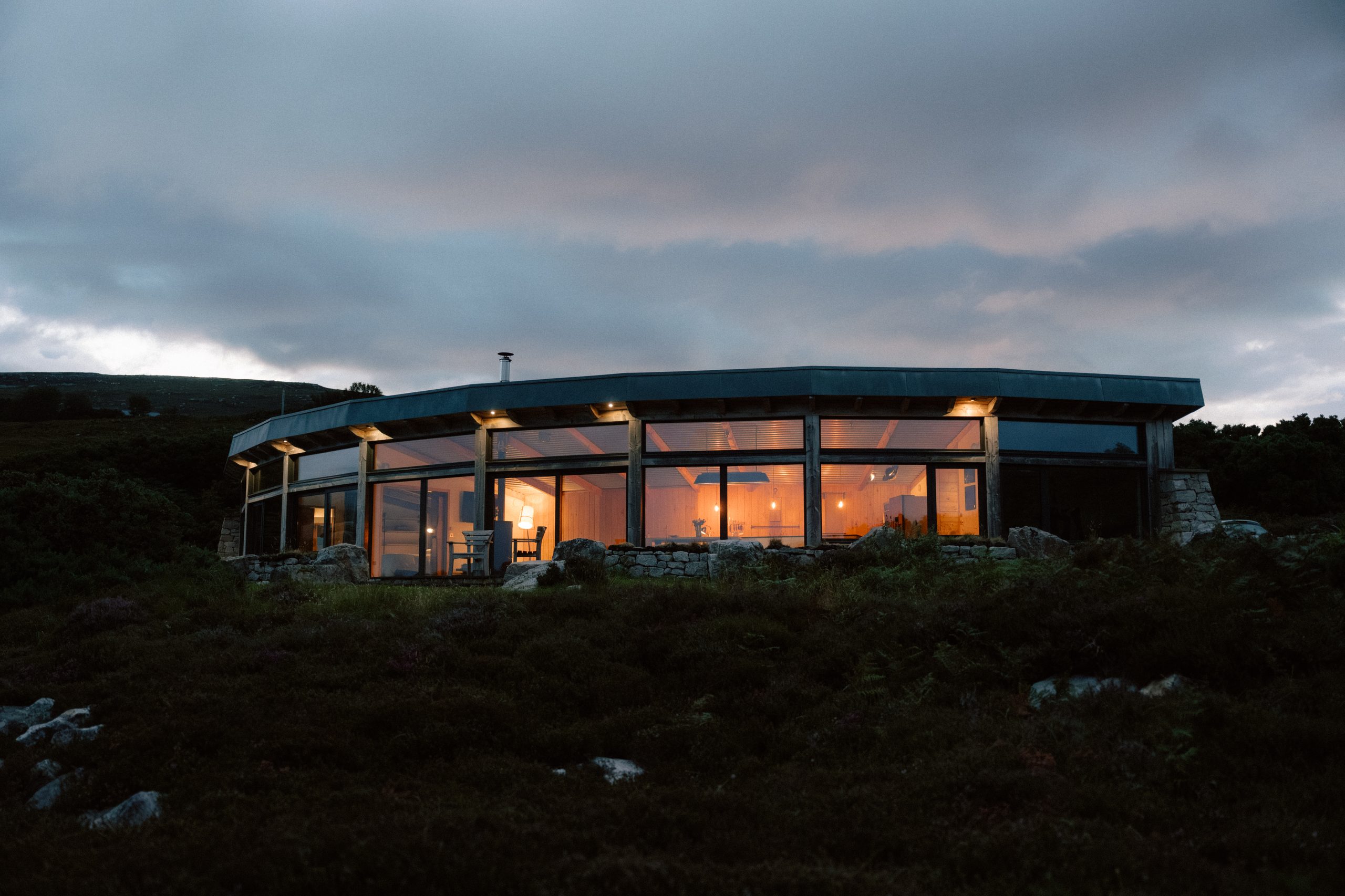
Croft 103
Durness
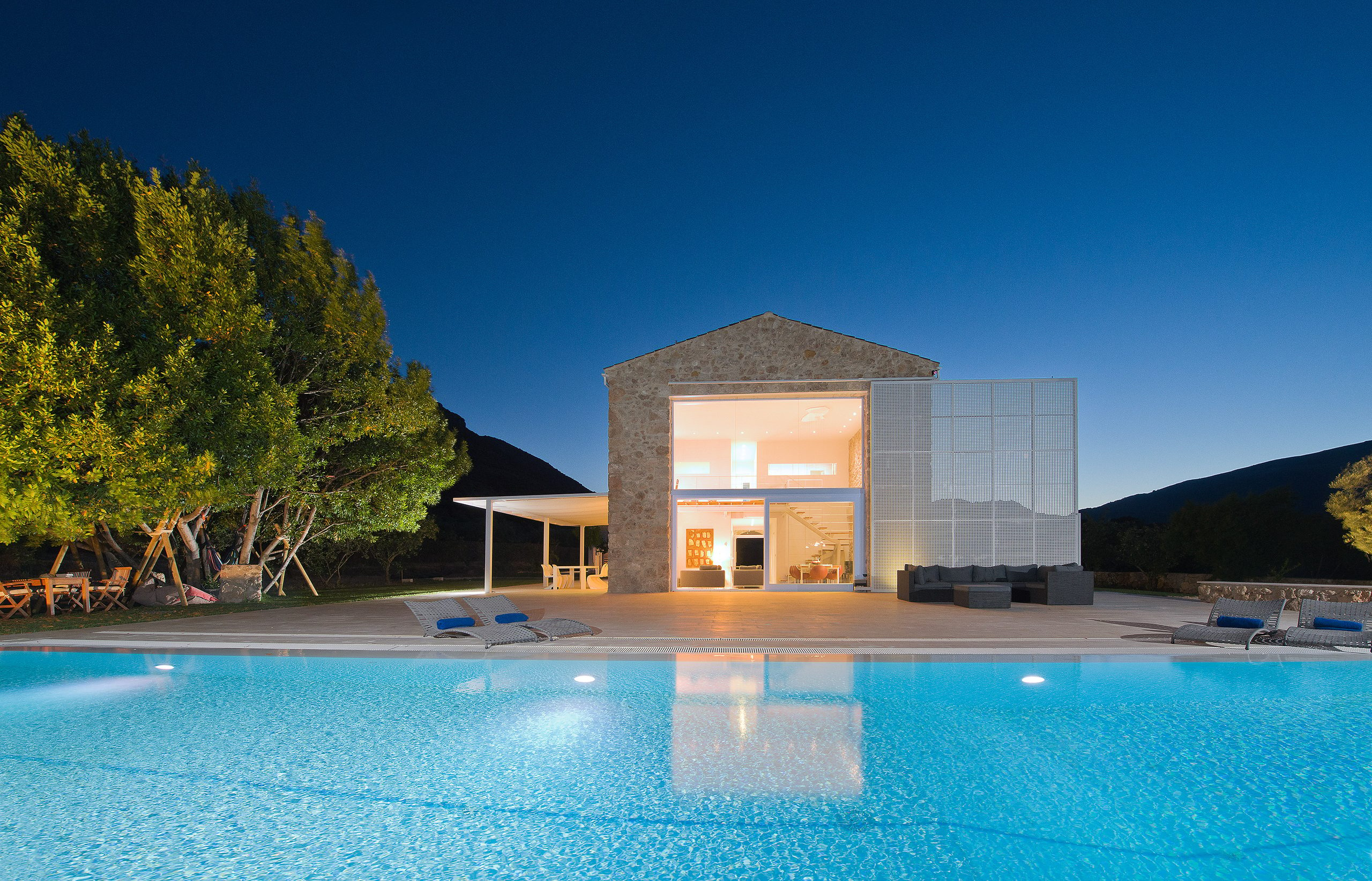
Ermita del Carmen
Carcabuey
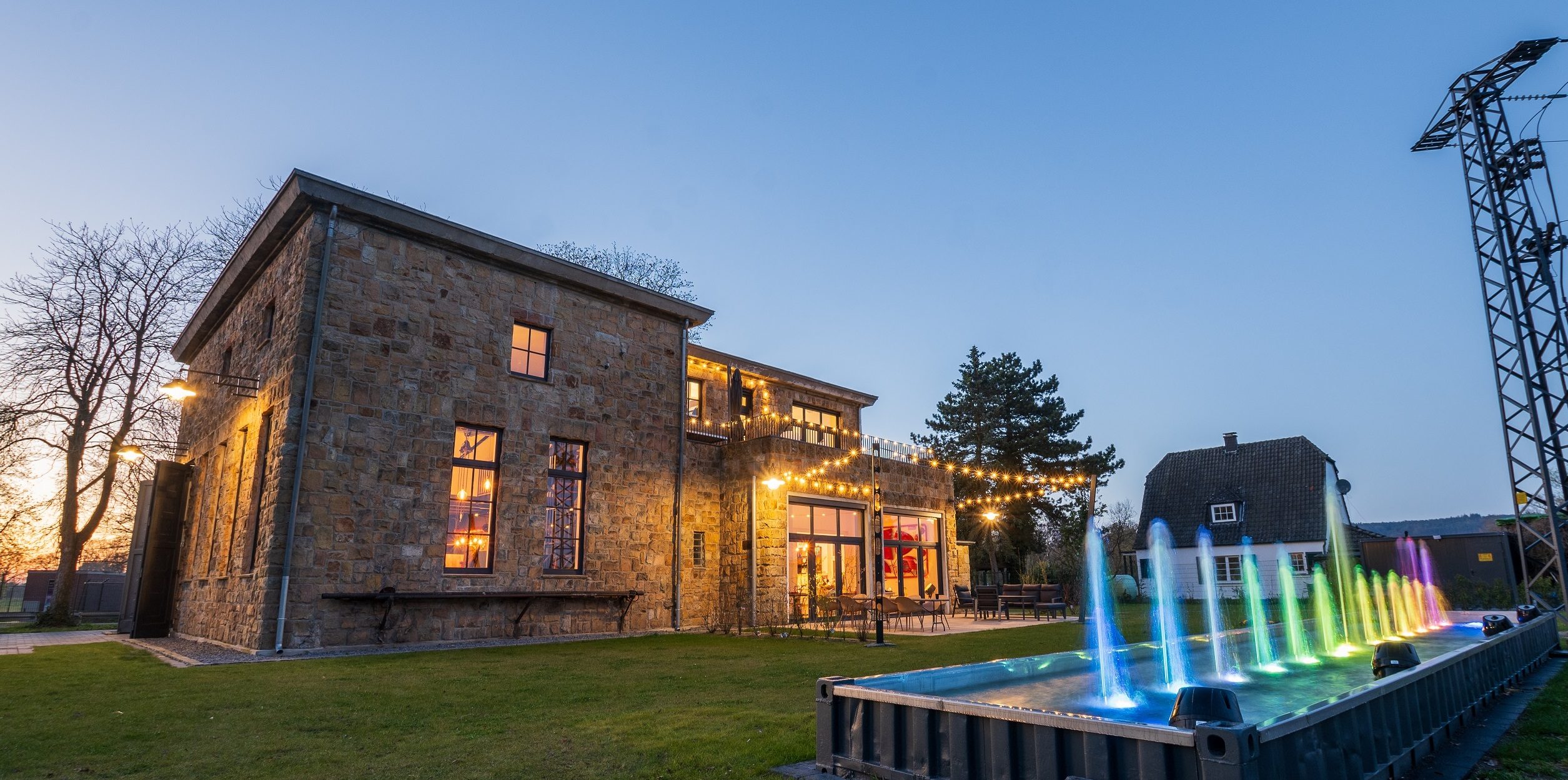
The Waterworks
Tecklenburg
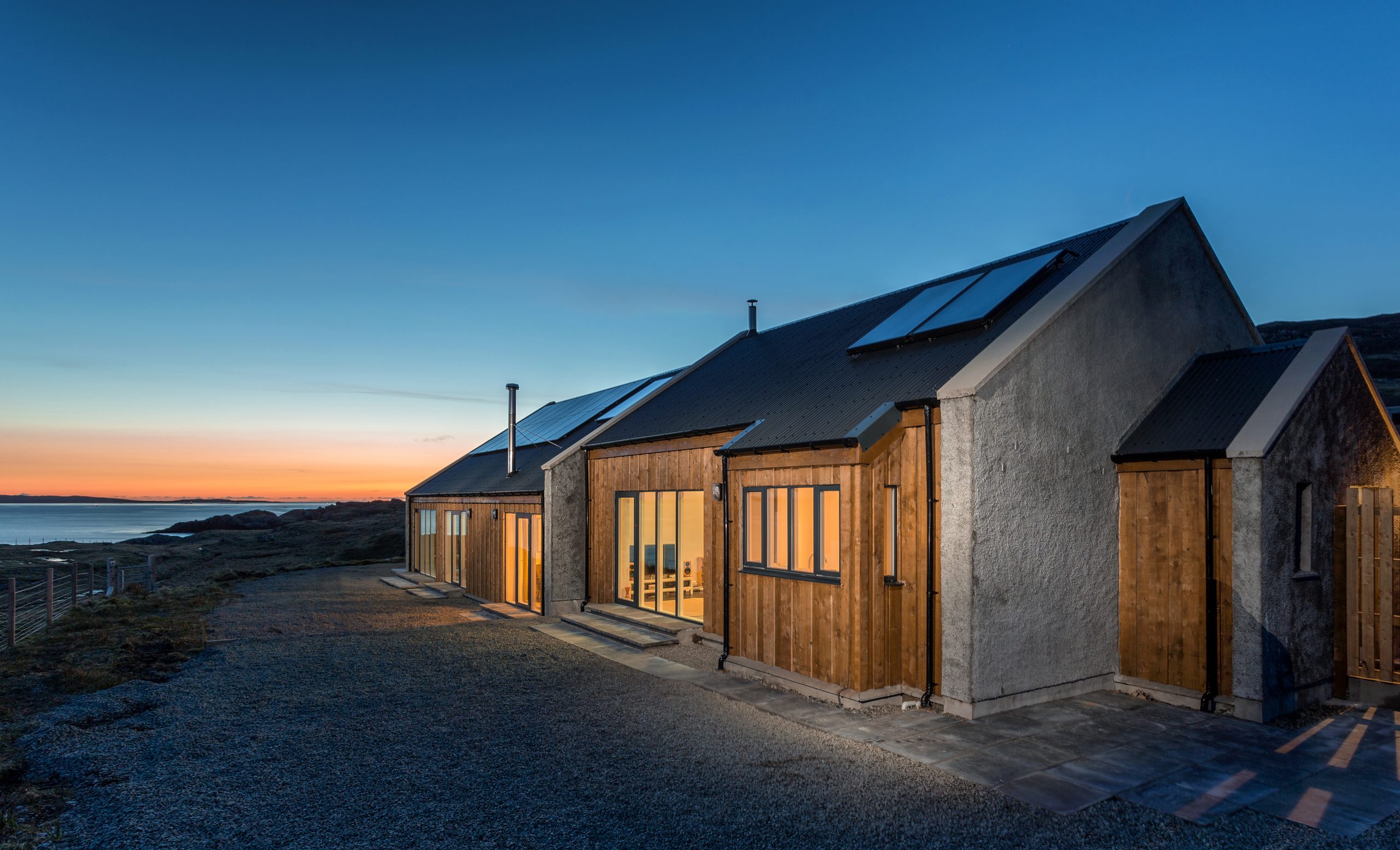
Sound of Harris - The Other House
Isle of Harris
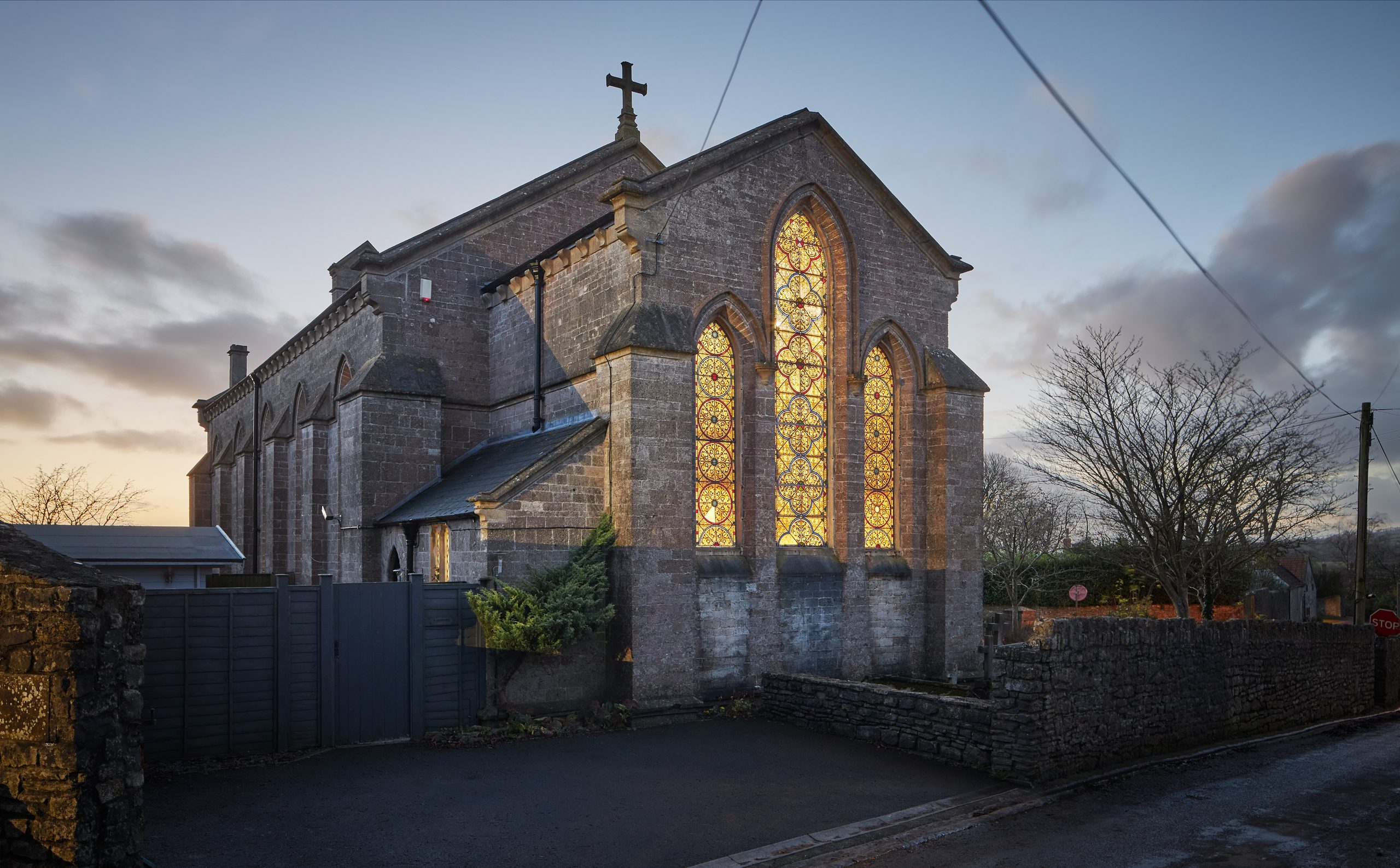
The Gothic Church
Wells
It refers to buildings that stand out for their design, innovation, history, or relationship to their surroundings, offering more than just basic function.
No — significance isn’t limited to well-known landmarks. Even small cabins or rural stays can be architecturally important if they’re thoughtfully designed.
Architectural stays offer a more immersive and memorable experience, where the design of the space enhances how you relax, explore, and connect with your surroundings.
Not at all — they include both contemporary designs and historic buildings like converted barns, chapels, and heritage homes.
Good architecture influences light, space, flow, and atmosphere, shaping how you feel and interact with the environment during your stay.
They can vary in price, but many offer excellent value by providing a unique and memorable experience beyond a standard property.
Look for elements like large windows, open-plan layouts, natural materials, innovative structures, and thoughtful use of light.
Many architecturally designed properties prioritise sustainability, using energy-efficient systems and environmentally conscious materials.
They’re located across the UK, from countryside retreats in Yorkshire and the Cotswolds to coastal homes in Cornwall and city stays in London and Manchester.
Think about your preferred style (modern or historic), location, and how the design of the space will enhance your overall travel experience.