The ultimate guide to Exmoor National Park: Best places to visit, walks, beaches and things to do
Published 21st July 2026
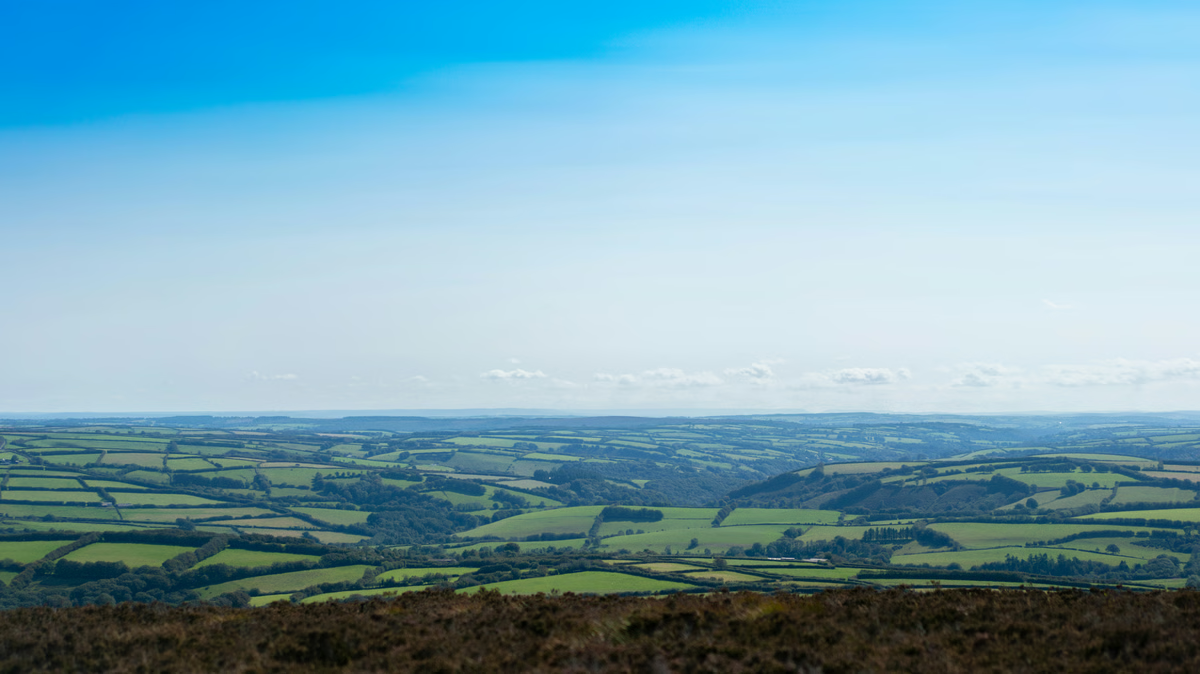
Exmoor National Park is one of England's most spectacular yet underrated destinations. Stretching across North Devon and West Somerset, it combines dramatic coastline, heather-covered moorland, ancient woodland, peaceful villages and hidden river valleys into one unforgettable landscape. Whether you're planning a weekend escape or a longer holiday, Exmoor offers some of the country's finest scenery, wildlife and walking.
In this ultimate guide to Exmoor National Park, you'll discover the best things to do in Exmoor, the top places to visit in Exmoor, unforgettable Exmoor walks, beautiful beaches, charming towns and villages, and our favourite places to eat, drink and stay. If you're looking for Exmoor holiday cottages or wondering where to stay in Exmoor, you'll also find plenty of inspiration for planning the perfect break.
Exmoor at a glance
Where is Exmoor National Park?
Exmoor National Park lies across North Devon and West Somerset in south-west England, covering almost 700 square kilometres of protected countryside, coastline and moorland.
Why visit Exmoor?
Exmoor offers a unique mix of wild landscapes, peaceful walking trails, dramatic coastline, picturesque villages, abundant wildlife and some of the UK's best stargazing, all without the crowds found in many other national parks.
How many days do you need in Exmoor?
A long weekend is enough to see many of Exmoor's highlights, but four to seven days allows you to explore the national park's walks, beaches, villages and hidden valleys at a more relaxed pace.
What is Exmoor famous for?
Exmoor is best known for its wild ponies, towering sea cliffs, scenic walking routes, the Valley of Rocks, historic villages, red deer and status as Europe's first International Dark Sky Reserve.
When is the best time to visit Exmoor?
Spring and early autumn offer ideal walking conditions, colourful landscapes and fewer visitors, while summer brings longer days for exploring the coast and winter showcases Exmoor's cosy pubs, misty moors and exceptional dark skies.
Why visit Exmoor?
One of the greatest things about Exmoor is its incredible variety. In a single day you can hike across open moorland, wander through ancient oak woodland, explore hidden river valleys, spot wild ponies and red deer, then finish with fish and chips overlooking the Bristol Channel. The landscape constantly changes, making every drive, walk and viewpoint feel different from the last.
Despite being one of England's most spectacular national parks, Exmoor remains refreshingly peaceful. Its quieter trails, charming market towns and collection of exceptional Exmoor holiday cottages make it an ideal destination for couples, families, walkers, photographers and anyone looking to escape into nature. Whether you're searching for challenging Exmoor walks or simply wondering where to stay in Exmoor for a relaxing countryside break, you'll quickly discover why so many visitors return year after year.
Best places to visit in Exmoor
Dunkery Beacon
- Best for: Panoramic views and sunset walks.
- Location: Central Exmoor, near Wheddon Cross.
- Known for: Exmoor's highest point and sweeping views across Somerset, Devon and the Bristol Channel.
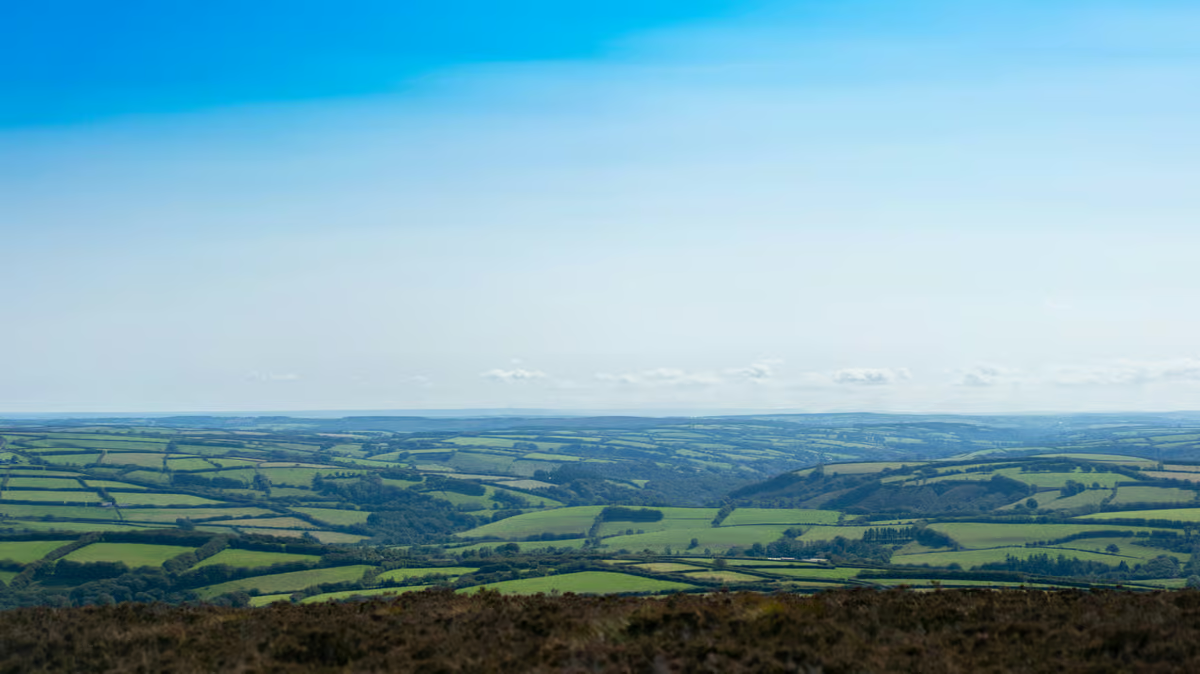
Standing at 519 metres, Dunkery Beacon is the highest point on Exmoor National Park and rewards visitors with spectacular 360-degree views. On a clear day you can see as far as Dartmoor, the Brecon Beacons and even the Welsh coastline. The relatively gentle walk to the summit makes it one of Exmoor's most popular viewpoints, particularly at sunrise and sunset.
Why we love Dunkery Beacon:
- The panoramic views stretch for miles in every direction.
- It's one of the best places on Exmoor to watch the sunrise or sunset.
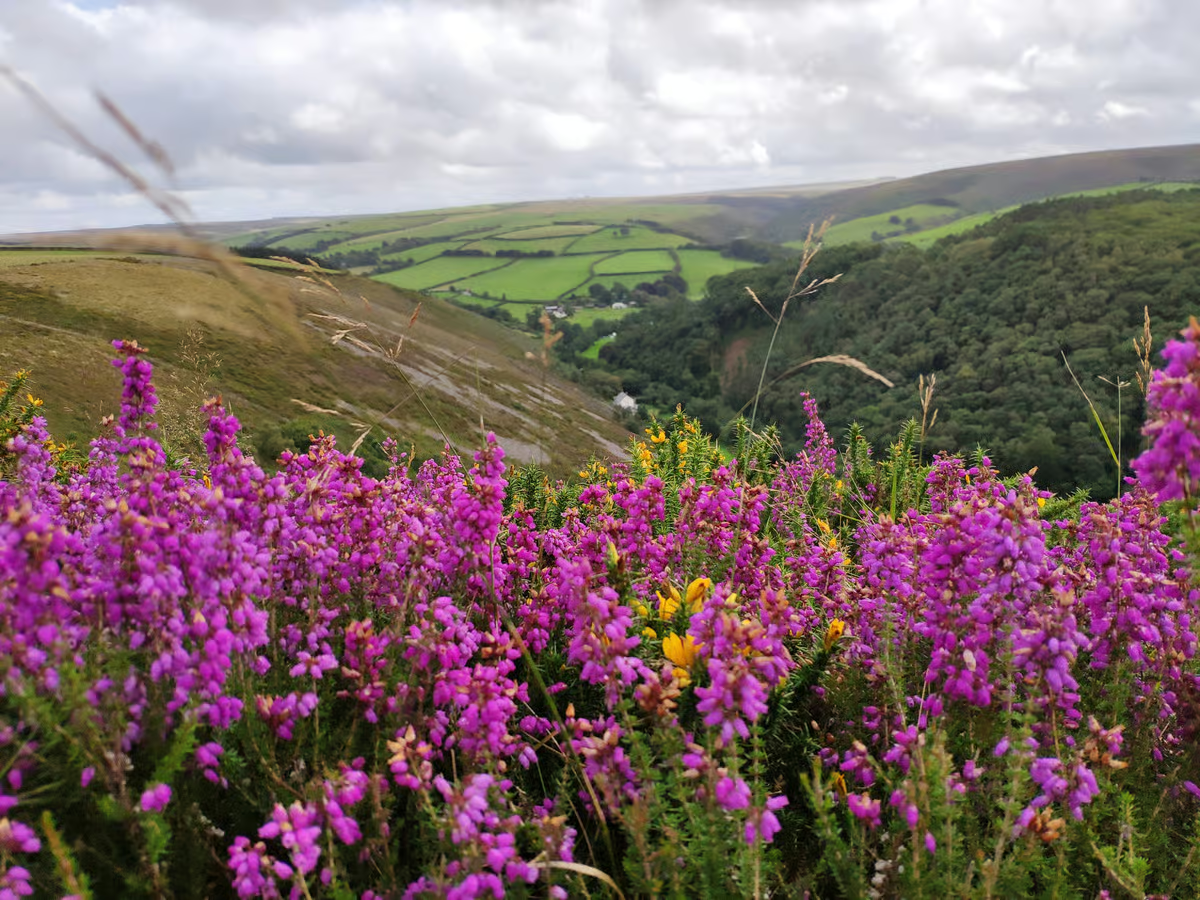
- The surrounding heathland is especially beautiful when the heather blooms.
- It's a fantastic spot for photography and stargazing.
Valley of Rocks
- Best for: Coastal scenery, wildlife and family walks.
- Location: Near Lynton, on Exmoor's north coast.
- Known for: Towering rock formations, wild goats and dramatic sea views.
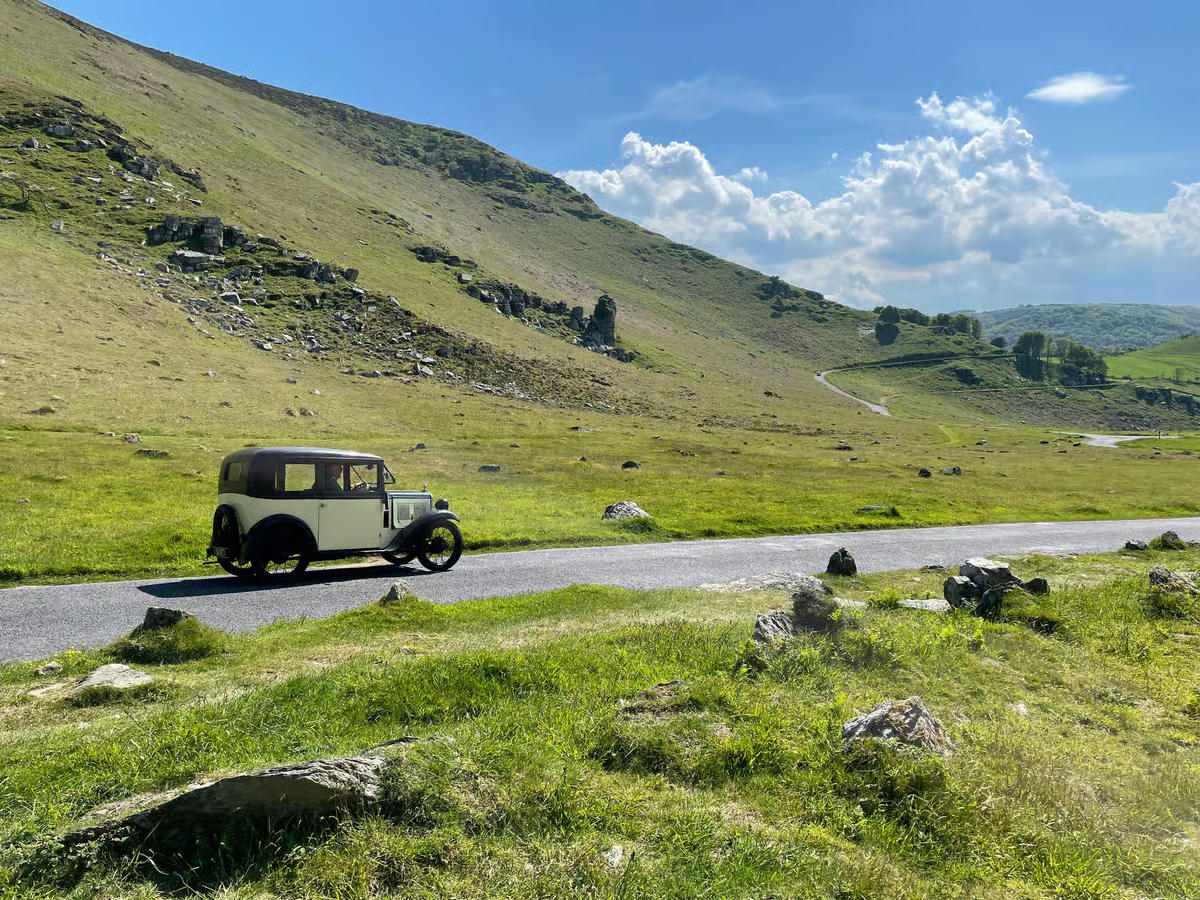
One of Exmoor's most iconic landscapes, the Valley of Rocks combines towering sandstone cliffs with breathtaking views over the Bristol Channel. A relatively easy walking trail winds through the valley, where herds of wild goats roam freely among the unusual rock formations. It's one of the most photographed places in the national park for good reason.
Why we love the Valley of Rocks:
- The scenery feels unlike anywhere else in England.
- Wild goats add plenty of character to every visit.
- It's an easy walk with spectacular coastal views throughout.
- Lynton and Lynmouth are just a few minutes away.
Tarr Steps
- Best for: Woodland walks and family days out.
- Location: Along the River Barle, near Dulverton.
- Known for: Its ancient clapper bridge and beautiful riverside setting.
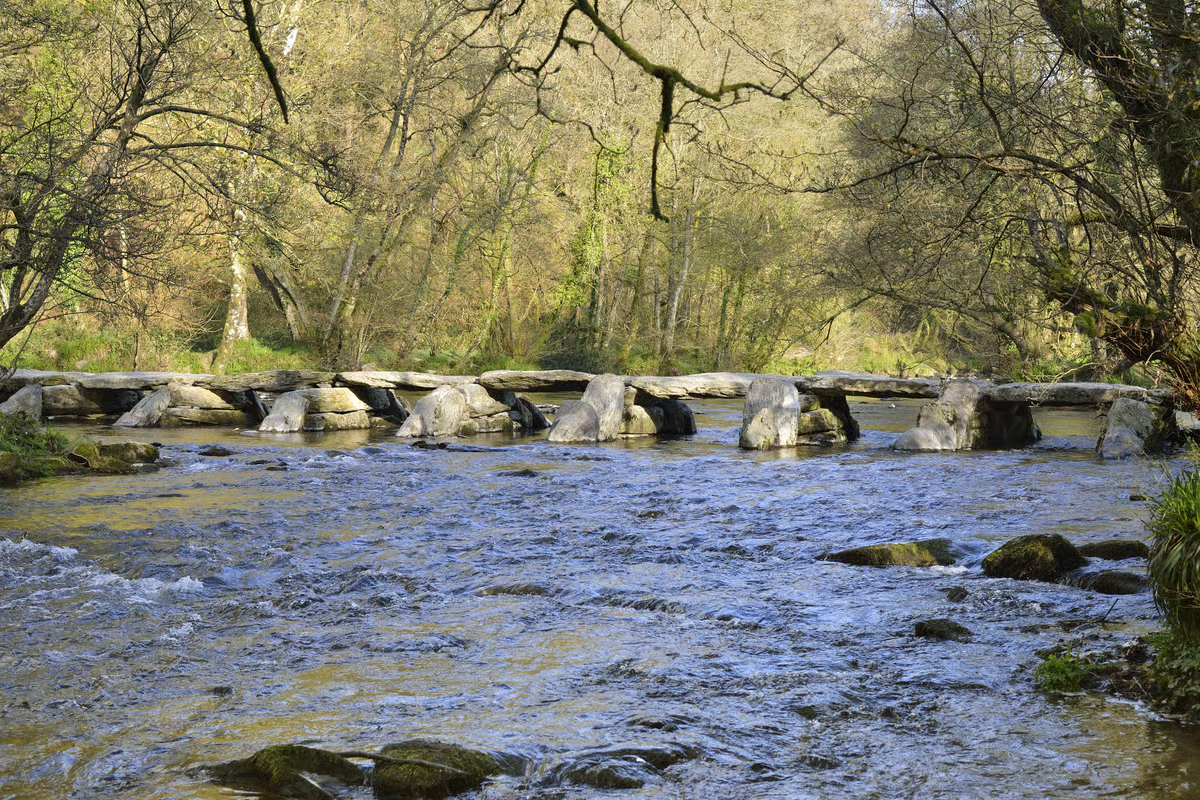
Tarr Steps is one of Exmoor's best-loved landmarks. The historic stone clapper bridge crosses the River Barle within a peaceful valley of ancient woodland, making it an ideal starting point for scenic walks. Whether you're picnicking beside the river or exploring the surrounding trails, it's a wonderful place to slow down and enjoy Exmoor's quieter side.
Why we love Tarr Steps:
- The medieval stone bridge is one of Exmoor's most famous landmarks.
- Riverside walks are suitable for most ages and abilities.
- Ancient woodland provides beautiful colour throughout the seasons.
- There are plenty of picnic spots beside the river.
Watersmeet
- Best for: Woodland walks and peaceful riverside scenery.
- Location: Near Lynmouth.
- Known for: The meeting of the East Lyn and Hoar Oak Water rivers.
Managed by the National Trust, Watersmeet is one of Exmoor's most beautiful woodland valleys. Walking trails follow crystal-clear rivers beneath ancient oak trees, passing waterfalls, moss-covered rocks and abundant wildlife along the way. The historic tea room makes a welcome stop after exploring the surrounding paths.
Why we love Watersmeet:
- The riverside walks are peaceful and incredibly scenic.
- Ancient woodland creates beautiful colours throughout the year.
- It's an excellent place to spot birds, salmon and dippers.
- The National Trust tea room is a perfect post-walk reward.
Porlock Weir
- Best for: Harbour views, seafood and relaxing by the coast.
- Location: West of Porlock on Exmoor's north coast.
- Known for: Its historic harbour and peaceful seaside atmosphere.
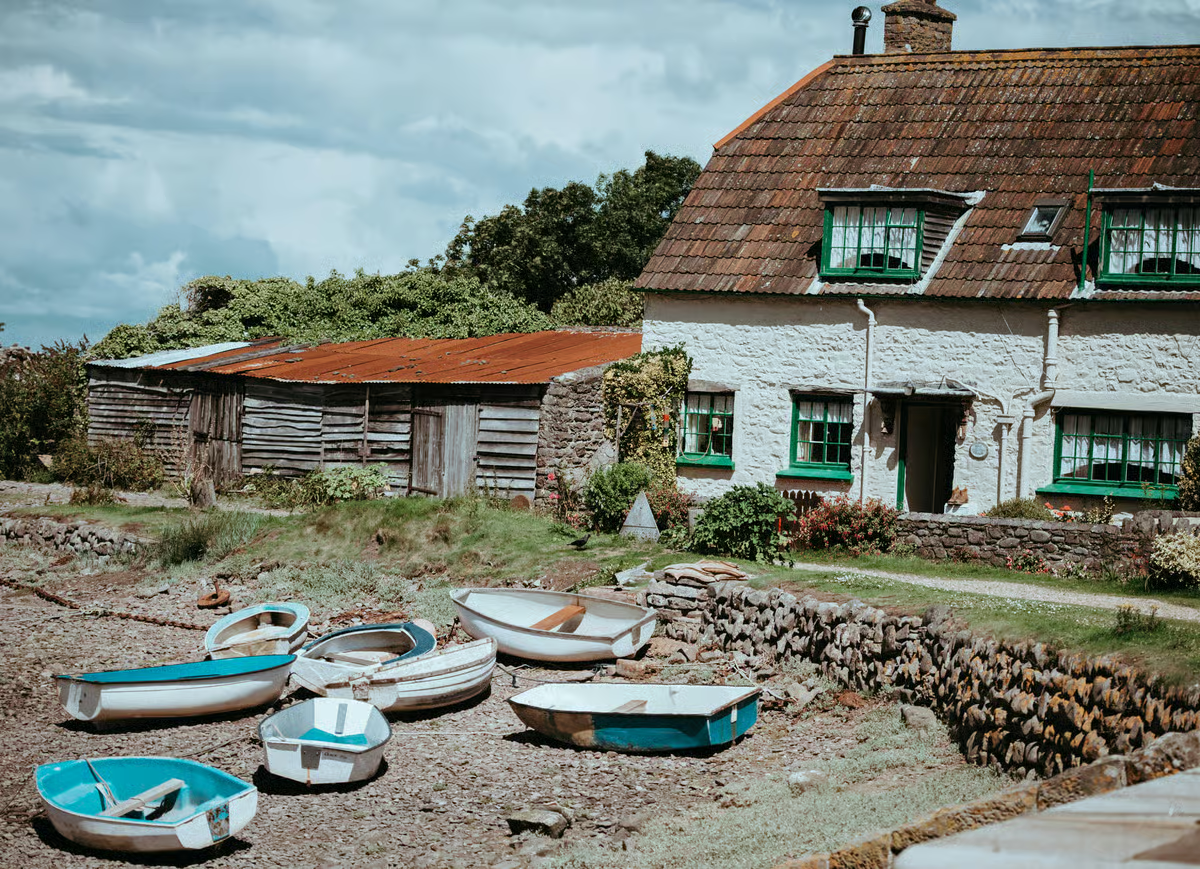
This tiny harbour village feels wonderfully untouched. Colourful boats bob in the harbour, independent cafés overlook the water and walking trails head straight onto the South West Coast Path. It's an ideal place to enjoy fresh seafood, watch the tide roll in and experience a quieter side of the Exmoor coastline.
Why we love Porlock Weir:
- It's one of the prettiest harbours in South West England.
- Fantastic seafood and waterside cafés.
- Easy access to some of Exmoor's best coastal walks.
- A wonderfully peaceful place to spend an afternoon.
Best towns and villages to visit in Exmoor
Dunster
- Best for: History lovers and first-time visitors
- Location: Southern edge of Exmoor National Park
- Known for: Dunster Castle, medieval streets and independent shops
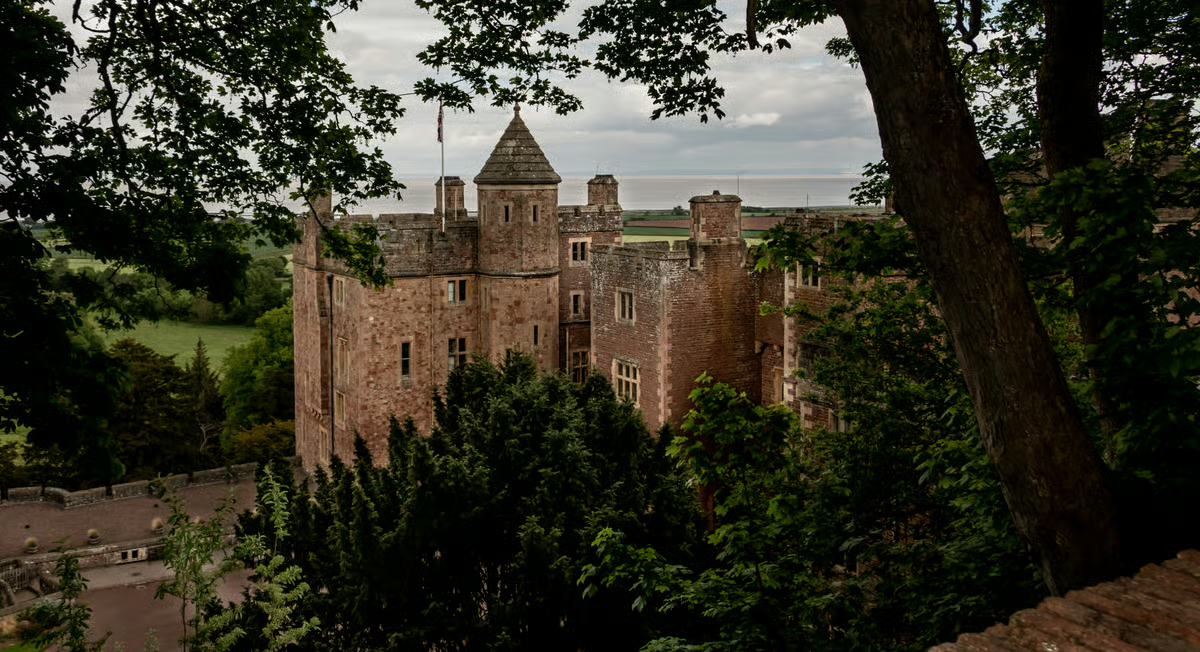
One of England's best-preserved medieval villages, Dunster is a wonderful place to spend a day exploring. Its cobbled streets are lined with independent boutiques, cafés and traditional pubs, while the magnificent Dunster Castle overlooks the village from its hilltop setting. It's an ideal introduction to Exmoor, combining fascinating history with beautiful surroundings.
Why we love Dunster
- One of the prettiest villages in Somerset.
- Beautiful blend of history, shops and cafés.
- Home to the impressive National Trust castle.
- A fantastic base for exploring southern Exmoor.
Lynton
- Best for: Coastal walks and spectacular scenery
- Location: North Exmoor coast
- Known for: Cliff-top setting, Victorian charm and sea views
Perched high above the Bristol Channel, Lynton offers some of the finest coastal views in Exmoor. Often referred to as the 'Little Switzerland' of England, it's filled with independent shops, galleries and cafés, while nearby attractions such as the Valley of Rocks and the South West Coast Path are all within easy reach. The historic cliff railway connecting Lynton with Lynmouth is a must-visit.
Why we love Lynton
- Stunning clifftop location overlooking the sea.
- Great choice of independent cafés and shops.
- Easy access to some of Exmoor's best walks.
- Home to the famous water-powered cliff railway.
Lynmouth
- Best for: Harbourside charm and seaside atmosphere
- Location: North Exmoor coast
- Known for: Picturesque harbour, riverside walks and dramatic cliffs
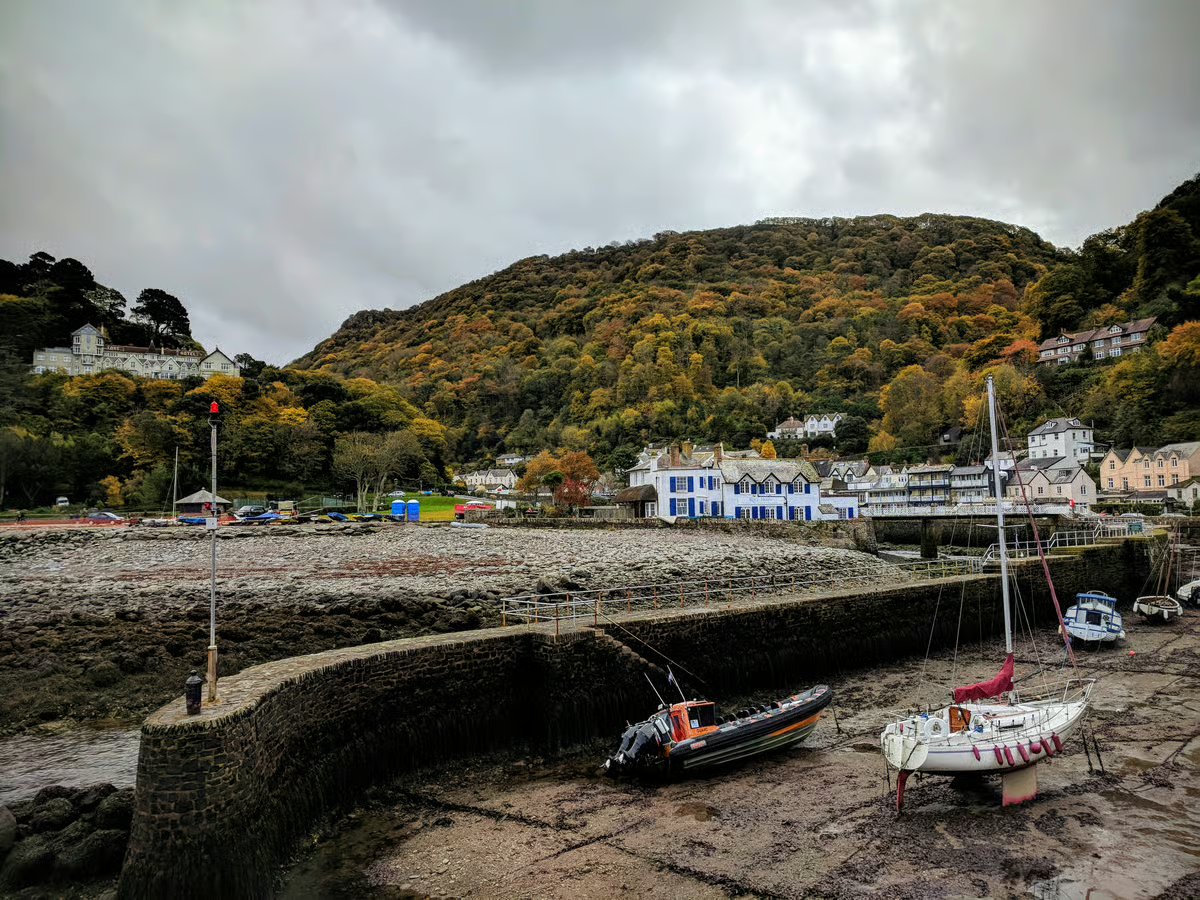
Nestled where the East and West Lyn rivers meet the sea, Lynmouth is one of Exmoor's most characterful villages. Its harbour, stone cottages and waterside cafés make it a lovely place to wander, while scenic walks lead directly to Watersmeet, the Valley of Rocks and the South West Coast Path. Despite its popularity, it still retains a wonderfully relaxed atmosphere.
Why we love Lynmouth
- Beautiful harbour surrounded by dramatic scenery.
- Excellent cafés, pubs and seafood restaurants.
- Perfect starting point for coastal walks.
- Rich history and plenty of character.
Dulverton
- Best for: Foodies and exploring southern Exmoor
- Location: Southern Exmoor
- Known for: Riverside setting, independent shops and country pubs
Known as the southern gateway to Exmoor, Dulverton is a bustling market town sitting beside the River Barle. It's home to excellent independent shops, art galleries, cafés and traditional pubs, making it a great place to spend a leisurely afternoon. The surrounding countryside offers easy access to walking routes, wildlife and some of Exmoor's quieter corners.
Why we love Dulverton
- Relaxed market town with a welcoming atmosphere.
- Great selection of independent shops and eateries.
- Beautiful riverside walks on the doorstep.
- Ideal base for discovering southern Exmoor.
Porlock
- Best for: Traditional village atmosphere
- Location: Western Exmoor
- Known for: Historic cottages, local food and nearby coastline
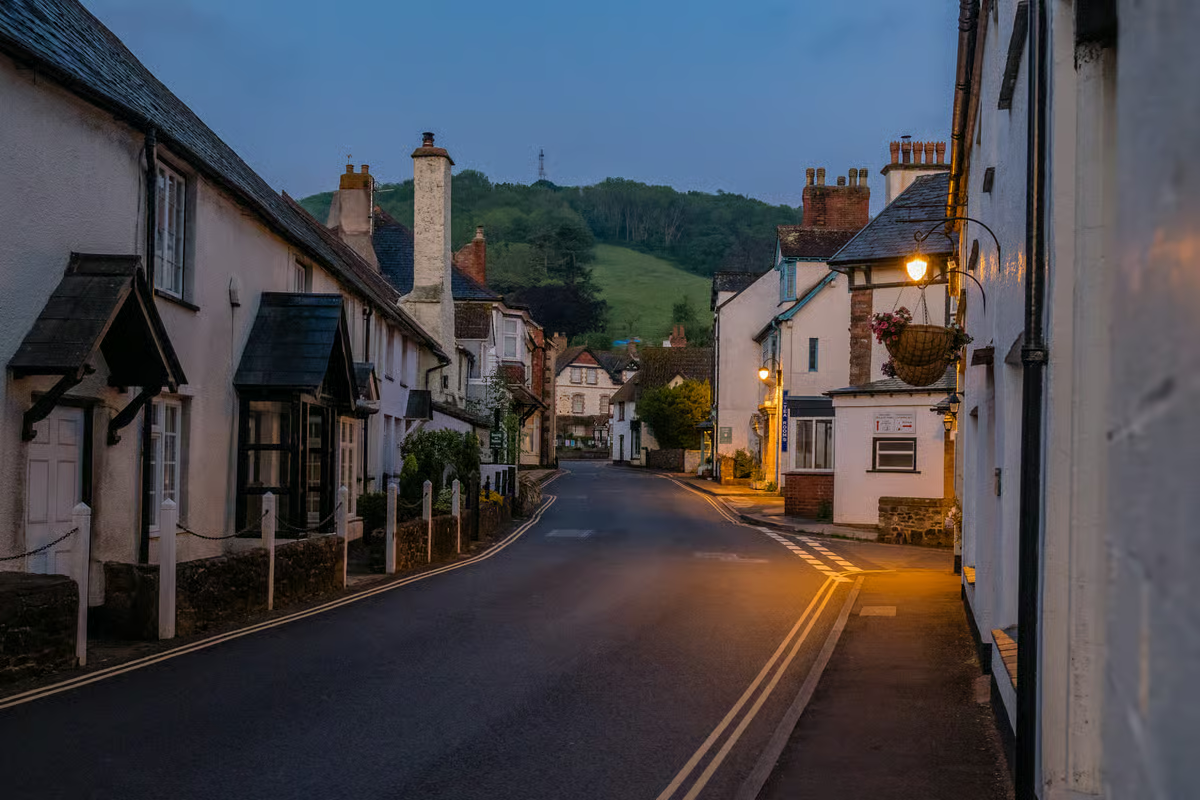
Porlock is a classic Exmoor village with colourful cottages, welcoming pubs and a thriving independent high street. It's perfectly placed for exploring Porlock Weir, Bossington Beach and the surrounding hills, making it one of the best bases in the national park. The village also hosts regular events and markets throughout the year, adding to its friendly community feel.
Why we love Porlock
- Charming village packed with independent businesses.
- Excellent pubs, cafés and local produce.
- Great location for exploring coast and moorland.
- Easy walk to Porlock Weir and Bossington.

Best wildlife and nature experiences in Exmoor
Exmoor is one of England's best destinations for wildlife lovers. From its famous free-roaming ponies and Britain's largest herd of wild red deer to dramatic coastal cliffs teeming with seabirds and some of the darkest skies in the country, the national park offers unforgettable encounters with nature throughout the year.
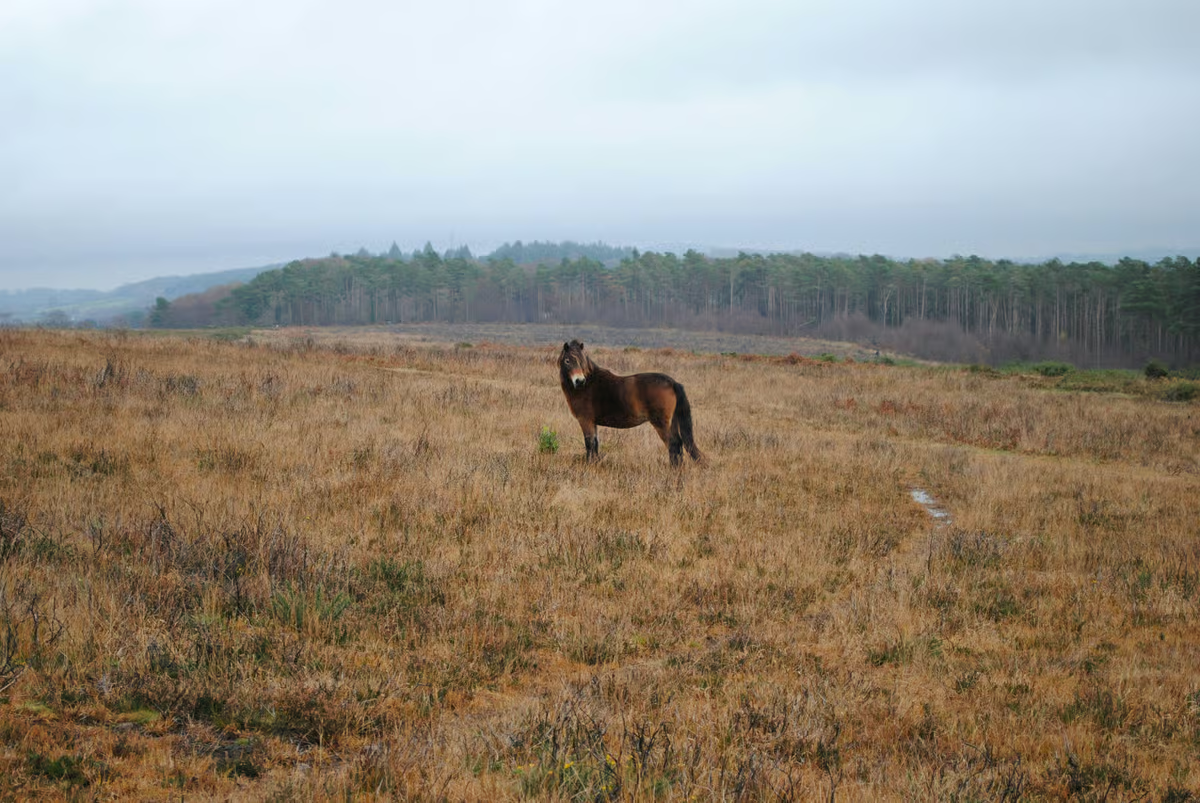
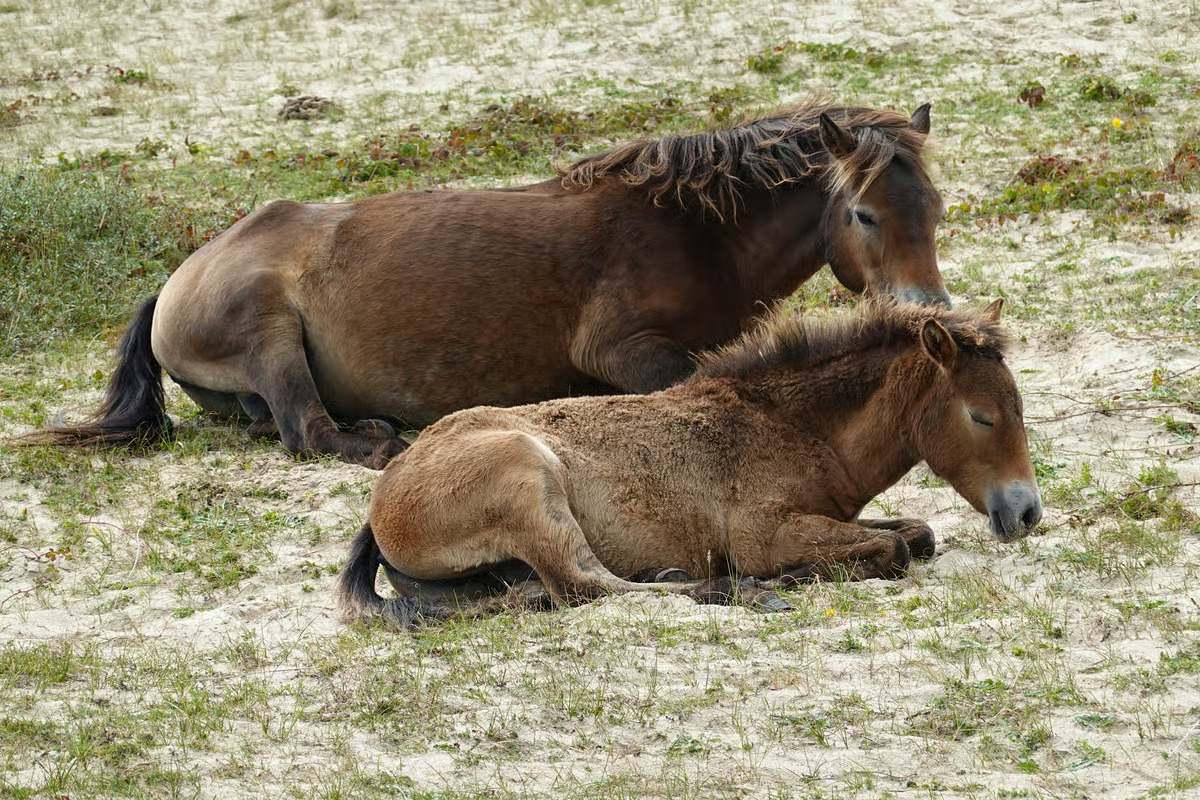
The hardy Exmoor pony is one of Britain's oldest native horse breeds and has roamed these moors for thousands of years. Small, sturdy and perfectly adapted to life on the exposed heathland, they're one of the national park's most iconic sights. While you may spot them in several locations, they're commonly seen around Winsford Hill, Dunkery Beacon and the open moorland between Simonsbath and Exford. Remember to admire them from a distance and never feed them.
Exmoor is home to England's largest population of wild red deer, making it one of the best places in the country to see these magnificent animals in their natural habitat. They're often spotted grazing on open moorland during the early morning or evening, particularly around Horner, Dunkery and the central moor. Visit in autumn and you may witness the dramatic rutting season, when stags compete for mates with impressive displays and echoing calls.
As Europe's first International Dark Sky Reserve, Exmoor is one of the finest places in England to experience truly dark skies. On clear nights, thousands of stars, the Milky Way and even meteor showers become visible with the naked eye. Popular stargazing spots include Webbers Post, Holdstone Hill and Wimbleball Lake, while several organised Dark Sky events take place throughout the year for those wanting to learn more about the night sky.
Exmoor's diverse mix of moorland, ancient woodland, rivers and coastline makes it a haven for birdlife. Keep an eye out for buzzards soaring overhead, kestrels hovering above the hills and peregrine falcons hunting along the cliffs. In the wooded valleys, you might also spot dippers, grey wagtails and wood warblers, while the coast attracts seabirds including fulmars, guillemots and razorbills during the breeding season.
The rugged coastline around Exmoor is an excellent place to spot grey seals, particularly between late summer and winter when they haul out onto secluded beaches and rocky coves. Boat trips from nearby Ilfracombe offer the best chance of seeing them up close, but patient visitors can also often spot seals from the South West Coast Path around Valley of Rocks, Heddon's Mouth and Foreland Point. Watching these curious animals bobbing in the waves is one of the highlights of any visit to Exmoor.
Best North Devon beaches near Exmoor
Woolacombe Beach
- Best for: Families, surfers and long beach walks
- Location: North Devon coast
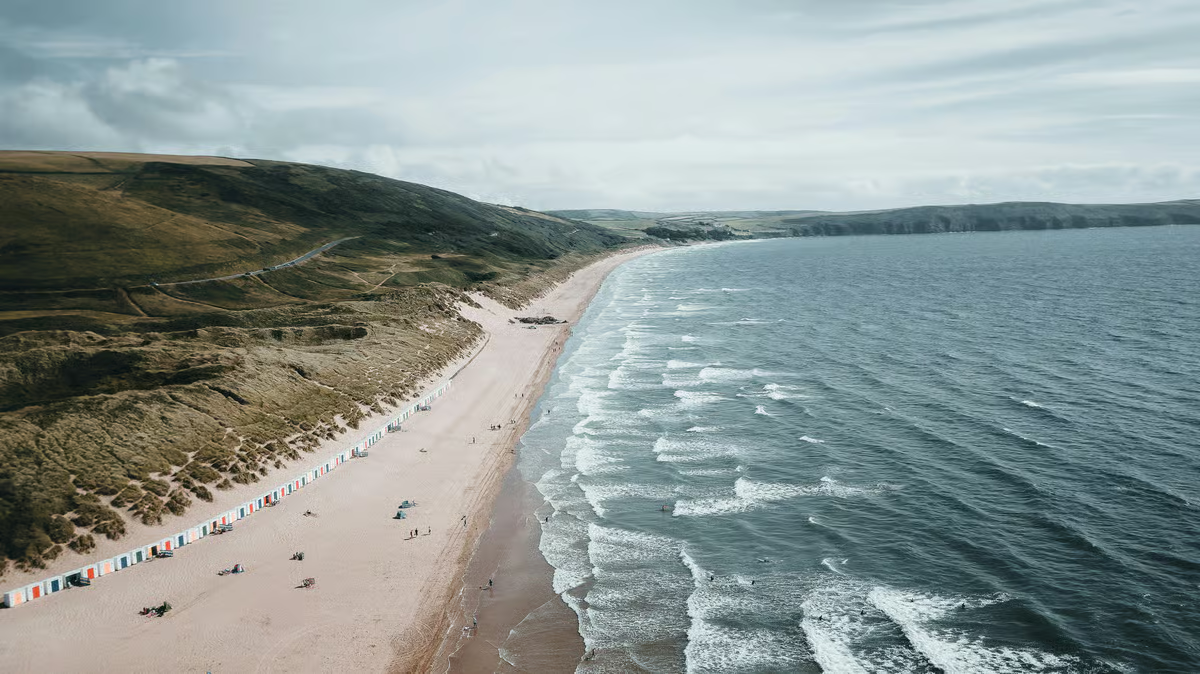
- Known for: Three miles of golden sand and excellent surfing
Regularly ranked among the UK's best beaches, Woolacombe is famous for its vast expanse of soft golden sand and consistently excellent surf. At low tide there's plenty of space for beach games, long walks and sandcastle building, while lifeguards and good facilities make it an ideal choice for families. Dogs are welcome on sections of the beach throughout the year, making it a favourite with walkers too.
Why we love Woolacombe Beach
- One of the finest sandy beaches in the UK.
- Fantastic surfing and bodyboarding conditions.
- Plenty of space, even during the summer months.
- Great cafés, restaurants and facilities nearby.
Saunton Sands
- Best for: Long walks and dog-friendly days out
- Location: North Devon coast
- Known for: Huge sandy beach and Braunton Burrows
Stretching for more than three miles, Saunton Sands is one of North Devon's most impressive beaches. Its wide open shoreline makes it perfect for walking, while the gentle waves are popular with surfers and paddleboarders. The beach sits beside Braunton Burrows, a UNESCO Biosphere Reserve that's home to one of the largest dune systems in the UK.
Why we love Saunton Sands
- Endless golden sand and spectacular coastal views.
- Excellent beach for walking with dogs.
- Popular for surfing, paddleboarding and swimming.
- Backed by internationally important sand dunes.
Croyde Bay
- Best for: Surfing and traditional seaside charm
- Location: North Devon coast
- Known for: World-class waves and picturesque village
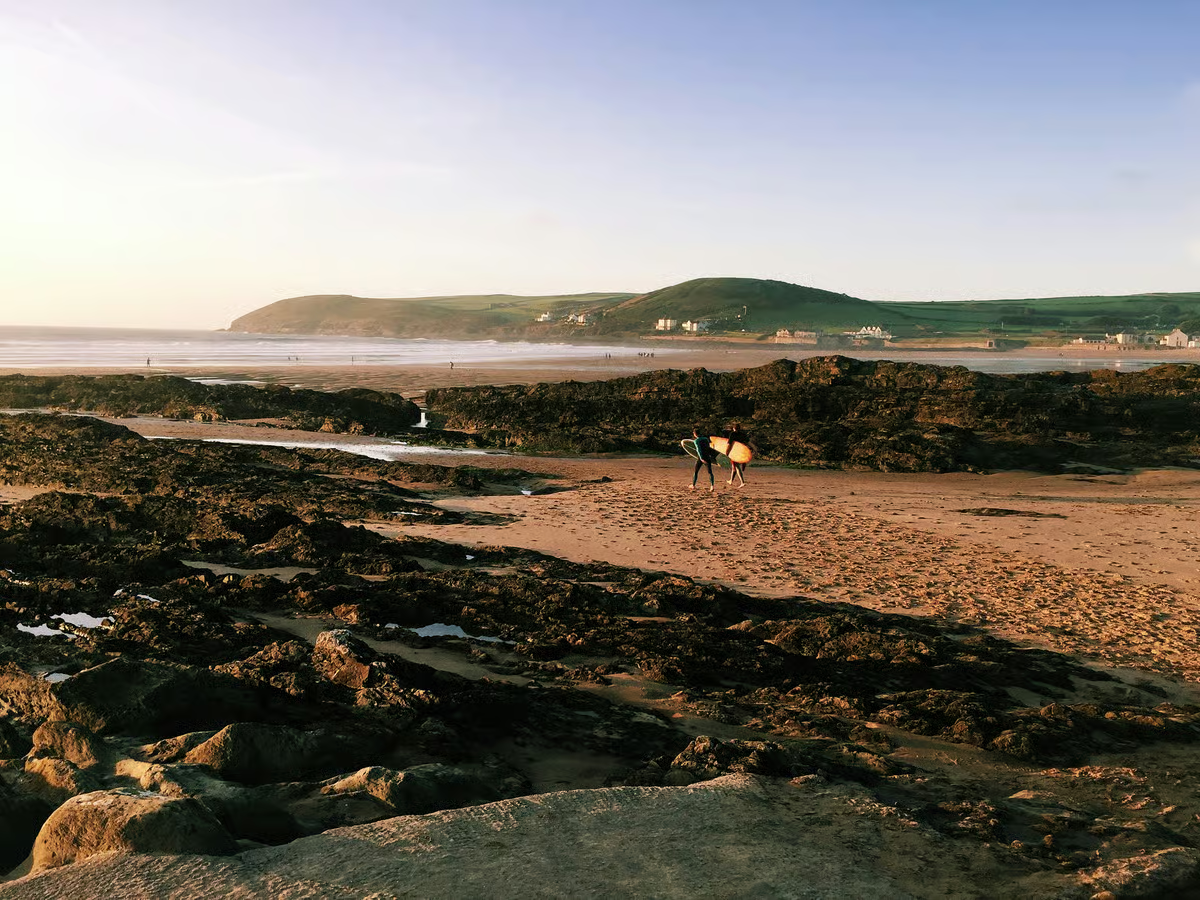
Croyde is one of Britain's best-known surfing beaches, attracting everyone from beginners to experienced surfers. Backed by grassy dunes and overlooked by the charming village of Croyde, it's a beautiful place to spend a day whether you're catching waves or simply relaxing on the sand. Rock pools appear at low tide, while nearby cafés and pubs make it easy to linger after the beach.
Why we love Croyde Bay
- One of the UK's premier surfing beaches.
- Beautiful setting beneath rolling green hills.
- Lovely village full of pubs and cafés nearby.
- Great atmosphere throughout the summer.
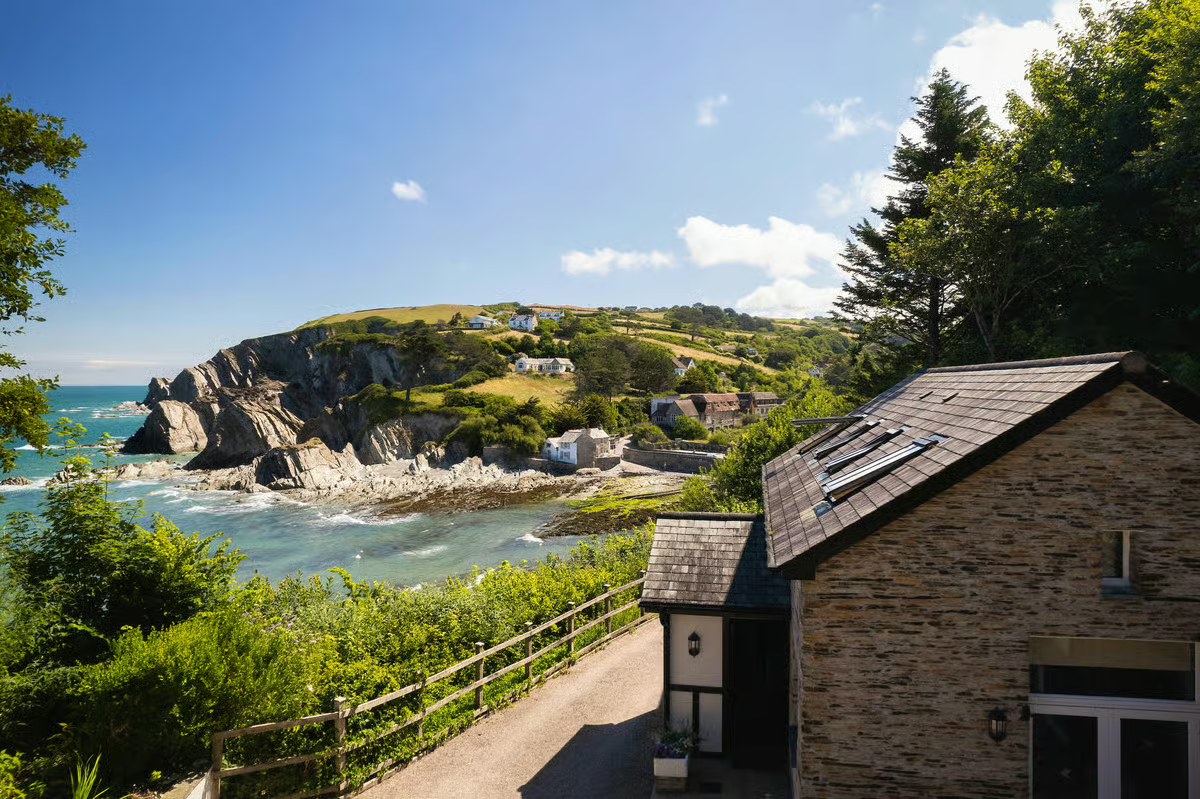
Lee Bay
- Best for: Hidden coves and peaceful escapes
- Location: Near Ilfracombe, North Devon
- Known for: Secluded setting, rock pools and coastal walks
A little off the beaten track, Lee Bay is a small rocky cove that's full of character. It's a wonderful place to explore at low tide, when hidden rock pools and tiny sandy patches appear among the rocks. The surrounding coastline is beautiful, with walking trails linking the bay to nearby Bull Point and the South West Coast Path. It's the perfect choice if you're looking to escape the crowds.
Why we love Lee Bay
- Quiet, unspoilt and full of character.
- Fantastic rock pools for families to explore.
- Beautiful coastal walking right from the beach.
- A hidden gem that's rarely as busy as larger beaches.
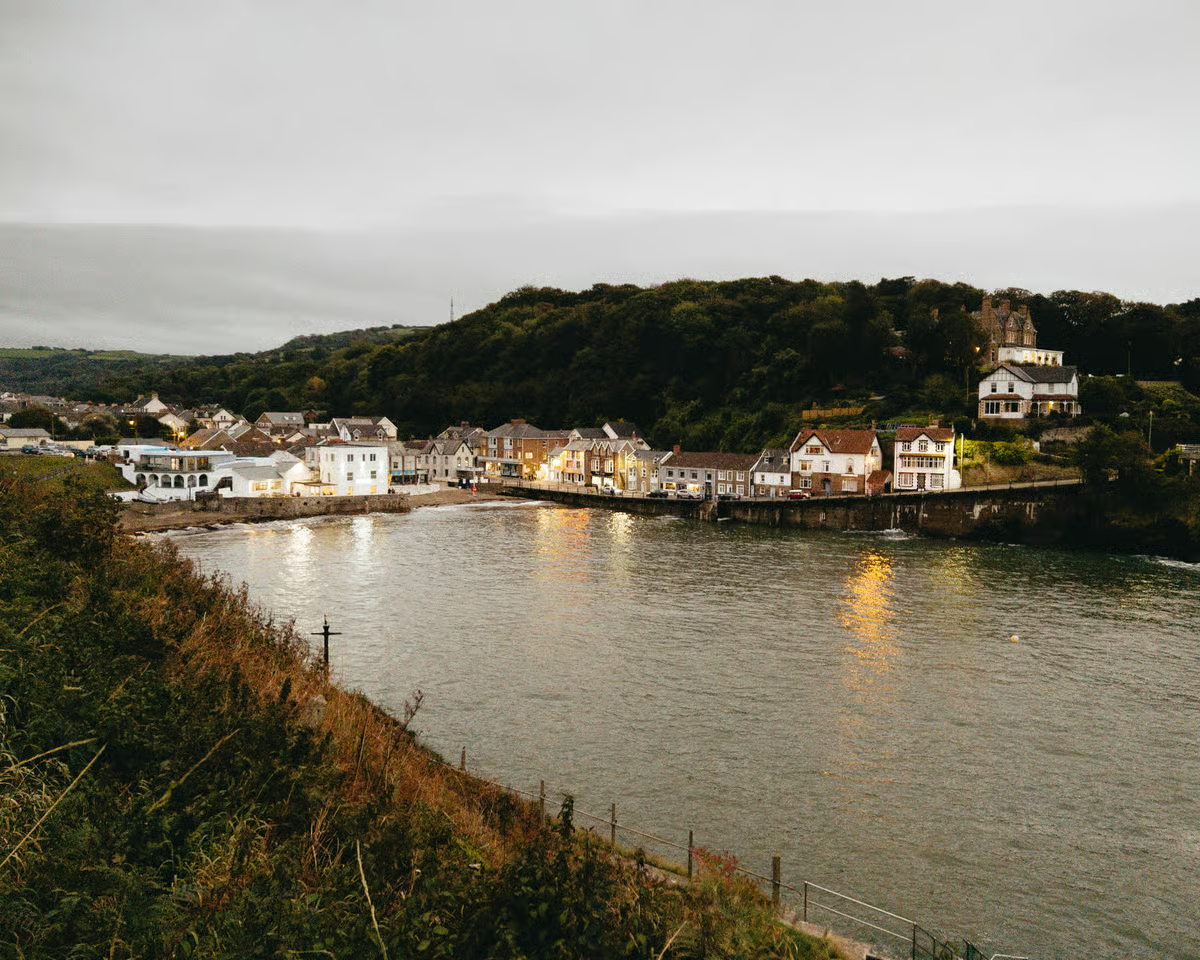
Combe Martin Beach
- Best for: Rock pooling and family adventures
- Location: North Devon coast
- Known for: Sheltered bay and traditional seaside feel
Tucked into a sheltered cove on the edge of Exmoor, Combe Martin Beach is ideal for families looking for a quieter day by the sea. At low tide, children can explore the many rock pools, while kayaks and paddleboards are available to hire during the warmer months. The village itself has a friendly atmosphere, with cafés, pubs and shops just a short stroll from the beach.
Why we love Combe Martin Beach
- One of the closest beaches to Exmoor.
- Excellent rock pooling at low tide.
- Calm, sheltered waters for paddling.
- Easy access to cafés and village amenities.
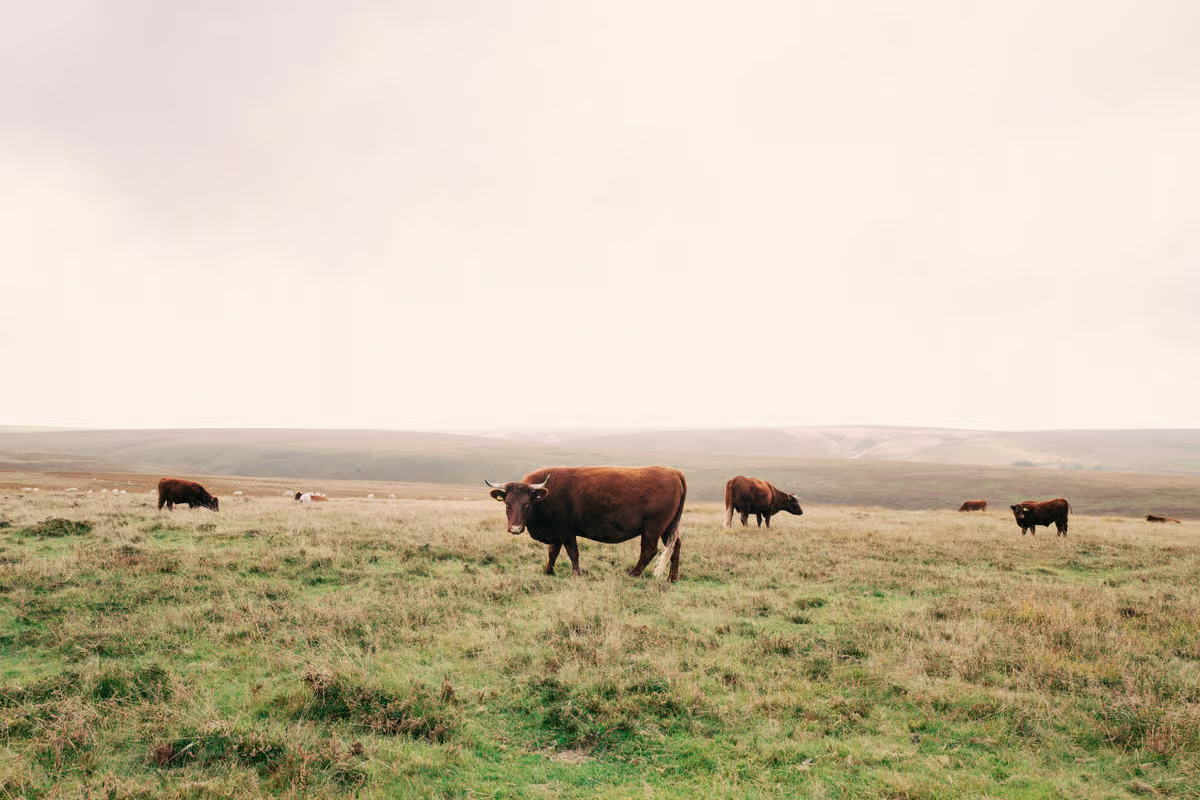
Best family days out in Exmoor
Home to more than 170 species from around the world, Exmoor Zoo is one of the area's most popular family attractions. It's particularly well known for its smaller mammals, including the rare Exmoor Beast-inspired black leopard, as well as wolves, cheetahs, lemurs and red pandas. Daily talks, animal encounters and feeding sessions make every visit a little different, while younger children will love the play areas dotted around the site.
A ride on the world's highest and steepest fully water-powered cliff railway is an unforgettable experience for visitors of all ages. Connecting the twin towns of Lynton and Lynmouth, the Victorian railway climbs nearly 500 feet in just a few minutes, offering spectacular views across the Bristol Channel. Once you've reached the top or bottom, there's plenty to explore, from independent shops and cafés to coastal walks and the picturesque harbour.
For anyone wanting to learn more about Exmoor's iconic native ponies, the Exmoor Pony Centre offers a fascinating day out. Run by the Moorland Mousie Trust, the centre is dedicated to conserving this rare breed and gives visitors the chance to meet the ponies up close while learning about their history and importance to the landscape. Children can often enjoy grooming sessions and guided experiences, making it a memorable visit for animal lovers.
Tarr Steps is one of Exmoor's best natural playgrounds for families. Children love crossing the ancient stone clapper bridge before exploring the woodland trails that follow the River Barle. There are plenty of places to paddle on warm days, picnic beside the river or simply enjoy spotting wildlife along the route. It's an easy and rewarding outing that combines history, nature and adventure.
Just outside Exmoor National Park, Combe Martin Wildlife & Dinosaur Park combines a traditional wildlife park with life-sized dinosaur models hidden throughout its woodland trails. Alongside sea lions, wolves, monkeys and meerkats, children can explore dinosaur exhibits, enjoy indoor and outdoor play areas and take part in daily animal feeding sessions. It's an excellent all-weather attraction that offers a full day of family entertainment.
Best outdoor activities in Exmoor
With its vast open moorland, dramatic coastline, ancient woodland and winding rivers, Exmoor is an outdoor enthusiast's paradise. Whether you prefer exploring on foot, discovering hidden swimming spots or watching wildlife in its natural habitat, there's no shortage of ways to experience the national park's spectacular landscapes.
Walking is undoubtedly the best way to experience Exmoor. From gentle riverside strolls and woodland trails to challenging hikes across open moorland and along dramatic sea cliffs, there are routes to suit every ability. Highlights include the climb to Dunkery Beacon, the Valley of Rocks, Tarr Steps and the South West Coast Path, all offering unforgettable scenery and a chance to immerse yourself in the park's peaceful landscapes.
Exmoor's quiet country lanes, rolling hills and off-road trails make it a fantastic destination for cyclists. Road cyclists can tackle challenging climbs with spectacular views, while mountain bikers will find forest tracks and bridleways winding through woodlands and across the moor. The hills can be demanding, but the scenery more than rewards the effort, and electric bike hire is available locally for those wanting a little extra assistance.
Exploring Exmoor on horseback is a wonderful way to experience the landscape, following ancient bridleways that have been used for centuries. Several riding centres offer guided hacks across the open moor, through woodland and along quiet country tracks, catering for beginners and experienced riders alike. It's a peaceful and memorable way to discover parts of the national park that many visitors never see.
Although Exmoor doesn't have large lakes for swimming, its rivers, wooded valleys and hidden pools offer plenty of opportunities for a refreshing dip. Popular spots include sections of the River Barle near Tarr Steps, the pools around Watersmeet and secluded stretches of the River Lyn. Always check conditions before entering the water, avoid swimming after heavy rain and take care around strong currents and slippery rocks.
Exmoor is one of England's best places to encounter wildlife in its natural environment. Keep an eye out for free-roaming Exmoor ponies grazing on the moor, red deer wandering across the hills at dawn and dusk, and grey seals along the rugged coastline. Birdwatchers can also enjoy sightings of buzzards, peregrine falcons, dippers and countless woodland birds, while clear nights provide the perfect opportunity to experience Exmoor's famous dark skies.

Best places to eat and drink in Exmoor
After a day exploring the moor, there's nothing better than settling into a welcoming country pub or enjoying a meal made with local West Country produce. From historic coaching inns to waterside restaurants and award-winning dining, Exmoor has plenty of excellent places to eat and drink.
Overlooking the picturesque harbour at Porlock Weir, The Ship Inn is one of Exmoor's best-loved pubs. Expect fresh seafood, seasonal dishes and a relaxed atmosphere, with outdoor seating that's perfect for watching boats come and go on sunny days. It's an ideal stop after exploring the coast or walking nearby sections of the South West Coast Path.
Set beside the River Barle near the famous Tarr Steps, Tarr Farm Inn is renowned for its excellent food and beautiful rural setting. The menu celebrates local ingredients, including Exmoor lamb, game and fresh fish, while the peaceful riverside location makes it a memorable place to enjoy lunch or dinner after a walk through the surrounding woodland.
Located in Dulverton, Woods Bar & Restaurant has built an excellent reputation for modern British cooking using high-quality local produce. The menu changes regularly with the seasons, offering everything from relaxed lunches to special evening meals. Its stylish yet welcoming atmosphere makes it a favourite with both visitors and locals.
Dating back several centuries, The Royal Oak is a traditional village pub full of character. With roaring fires in winter and a sunny garden during the warmer months, it's a wonderful place to enjoy hearty home-cooked food after exploring nearby walks. The friendly atmosphere and classic pub menu make it a reliable favourite throughout the year.
Sitting in the heart of Exmoor at Simonsbath, The Exmoor Forest Inn is one of the national park's most iconic country inns. Popular with walkers, cyclists and wildlife enthusiasts, it serves generous meals featuring local produce alongside a good selection of local ales. Its central location makes it an excellent stop while exploring the moor.

Best pubs with views in Exmoor
Whether you're looking for a post-walk pint or a leisurely meal with a spectacular backdrop, Exmoor has plenty of pubs where the scenery is every bit as memorable as the food and drink. From coastal harbours to rolling moorland, these are some of the best places to enjoy a drink with a view.
Believed to date back to the 13th century, The Blue Ball Inn sits on the edge of Exmoor surrounded by rolling countryside. It's a popular stop for walkers and drivers exploring the national park, with far-reaching views across the surrounding hills and a traditional coaching inn atmosphere that has changed little over the centuries.
Perched beside Lynmouth's picturesque harbour, The Rising Sun offers wonderful views across the river and out towards the Bristol Channel. It's the perfect place to relax after exploring the village or walking the South West Coast Path, with fresh seafood, local ales and a terrace that's especially popular on sunny afternoons.
Located in the heart of the historic village of Porlock, The Bottom Ship combines traditional Exmoor hospitality with lovely views towards the surrounding hills. Its outdoor seating area is particularly pleasant during the summer months, while inside you'll find low beams, cosy interiors and a welcoming atmosphere that's perfect after a day spent exploring the national park.
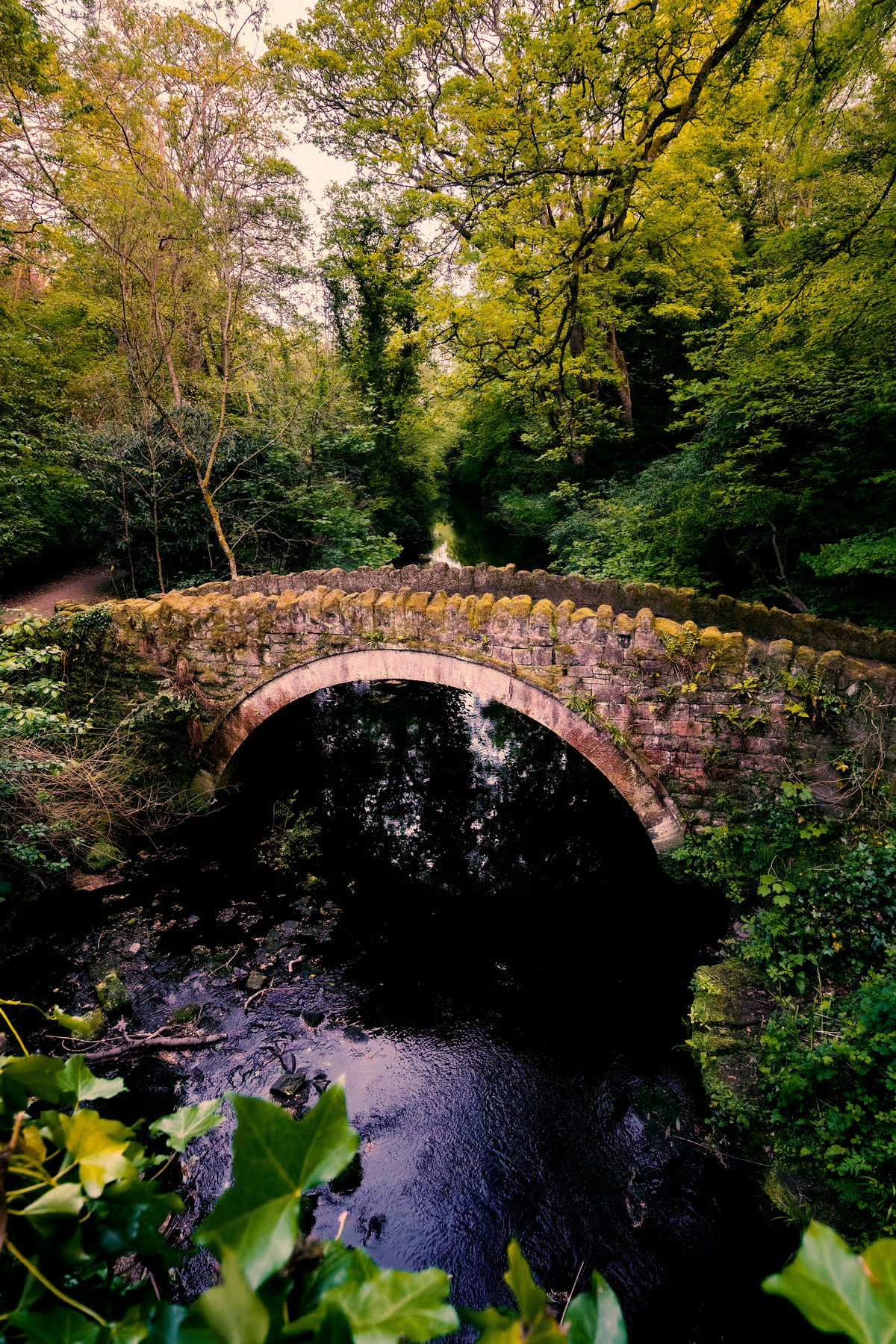
Choose the perfect Exmoor break for your needs
Best for walkers
With hundreds of miles of footpaths crossing open moorland, ancient woodland and dramatic coastline, Exmoor is a paradise for walkers. Base yourself near Lynton, Lynmouth or Porlock for easy access to some of the park's finest routes, including the South West Coast Path, Valley of Rocks and Dunkery Beacon.
- Ideal if you love long-distance walks and scenic hikes.
- Great access to both coastal and inland trails.
- Plenty of cosy pubs to enjoy after a day's walking.
- Excellent choice of walking-friendly holiday cottages.
Best for families
Exmoor offers the perfect mix of outdoor adventures and family attractions. Spend your days exploring Tarr Steps, visiting Exmoor Zoo or riding the Lynton & Lynmouth Cliff Railway before relaxing together in a countryside cottage.
- Wildlife, beaches and attractions for all ages.
- Safe woodland walks and riverside picnic spots.
- Plenty of opportunities for outdoor adventure.
- Easy access to North Devon's family-friendly beaches.
Best for couples
If you're looking for peace, beautiful scenery and romantic places to stay, Exmoor is hard to beat. Watch the sunset from Valley of Rocks, enjoy dinner in a traditional country inn and spend evenings stargazing beneath some of England's darkest skies.
- Quiet villages and secluded countryside.
- Beautiful sunsets and dramatic coastal scenery.
- Cosy pubs and excellent local restaurants.
- Romantic cabins, cottages and boutique stays.
Best for wildlife lovers
Few national parks in England can rival Exmoor for wildlife. From free-roaming Exmoor ponies and wild red deer to grey seals and birds of prey, there's always something to discover in every season.
- One of England's best places to see red deer.
- Home to the iconic Exmoor pony.
- Fantastic birdwatching throughout the year.
- Great opportunities for seal spotting and stargazing.
Best for photographers
Every season transforms Exmoor into a photographer's dream. Capture misty mornings over the moor, dramatic sea cliffs at Valley of Rocks, autumn colours in Horner Woods or crystal-clear night skies above the heathland.
- Incredible landscapes in every season.
- Outstanding sunrise and sunset locations.
- Dramatic coastline, woodland and open moorland.
- One of the UK's best destinations for night photography.
Best for foodies
Exmoor's pubs, cafés and restaurants celebrate the very best local produce, from fresh seafood and Exmoor lamb to traditional cream teas and locally brewed ales. Combine scenic walks with memorable meals at some of the area's finest country inns.
- Excellent traditional pubs with locally sourced menus.
- Fresh seafood along the North Devon coast.
- Award-winning restaurants showcasing seasonal produce.
- Farmers' markets, village cafés and artisan food shops to explore.

Best time to visit Exmoor
Visiting in spring
- Best for: Wildflowers, wildlife and peaceful walks.
- Average temperatures: 8–15°C.
- Don't miss: Bluebell woods, newborn lambs and spring birdlife.
- Ideal for: Walkers, photographers and couples looking to avoid the crowds.
Spring is one of the loveliest times to explore Exmoor, as the landscape bursts back into life with fresh greenery, colourful wildflowers and abundant wildlife. Ancient woodlands are carpeted with bluebells, rivers run full after the winter rains and the first signs of new life appear across the moor, making it a wonderful season for nature lovers.
With mild temperatures and quieter footpaths, it's also one of the best times for walking. Popular routes such as Dunkery Beacon, Tarr Steps and the Valley of Rocks feel far less busy than in summer, allowing you to enjoy Exmoor's landscapes at a slower, more peaceful pace.
Why we love Exmoor in spring
- Ancient woodlands filled with carpets of bluebells and wildflowers.
- Peaceful walking trails before the summer crowds arrive.
- Newborn lambs, birdsong and abundant wildlife across the moor.
- Comfortable temperatures that are ideal for exploring all day.
- Fresh, vibrant landscapes that feel full of life.
Visiting in summer
- Best for: Long walks, beach days and family holidays.
- Average temperatures: 16–22°C.
- Don't miss: Sunset walks, coastal adventures and outdoor dining.
- Ideal for: Families, outdoor enthusiasts and first-time visitors.
Summer brings warm weather, long daylight hours and the perfect conditions for exploring Exmoor's coastline, villages and open moorland. It's the ideal time to combine scenic hikes with visits to nearby North Devon beaches, while cafés, pubs and attractions are all in full swing.
Although it's the busiest season, Exmoor rarely feels overcrowded thanks to its vast open landscapes. Early morning walks, evenings spent watching the sunset over the Bristol Channel and lazy afternoons in village pubs make summer one of the most rewarding times to visit.
Why we love Exmoor in summer
- Long daylight hours for making the most of every day.
- Easy access to some of North Devon's best beaches.
- Perfect conditions for walking, cycling and outdoor adventures.
- Outdoor dining with spectacular countryside and coastal views.
- Vibrant villages with cafés, events and a welcoming atmosphere.
Visiting in autumn
- Best for: Autumn colours, wildlife and photography.
- Average temperatures: 10–16°C.
- Don't miss: The red deer rut and colourful woodland walks.
- Ideal for: Walkers, photographers and wildlife lovers.
Autumn transforms Exmoor into a stunning mix of golden woodland, bronze bracken and purple heathland, making it one of the most scenic seasons to visit. Cooler temperatures create ideal walking conditions, while the changing colours make every trail feel even more spectacular.
This is also the best time to experience one of Exmoor's greatest wildlife spectacles: the red deer rut. During September and October, stags can often be heard calling across the moor as they compete for mates, offering a memorable experience for visitors and photographers alike.
Why we love Exmoor in autumn
- Spectacular autumn colours across woodland and moorland.
- The unforgettable sights and sounds of the red deer rut.
- Cooler weather that's perfect for longer walks.
- Fewer visitors and a wonderfully peaceful atmosphere.
- Fantastic opportunities for landscape photography.
Visiting in winter
- Best for: Stargazing, cosy pub escapes and peaceful scenery.
- Average temperatures: 4–9°C.
- Don't miss: Frosty moorland mornings and clear night skies.
- Ideal for: Couples, photographers and those seeking tranquillity.
Winter reveals Exmoor at its wildest and most atmospheric. Frost-covered hills, misty valleys and quiet villages create a peaceful landscape that's perfect for escaping the pace of everyday life. On crisp, clear days, the views across the moor and coastline can be some of the best you'll experience all year.
As Europe's first International Dark Sky Reserve, winter is also one of the finest times for stargazing, with long nights offering exceptional views of the Milky Way and countless constellations. Round off the day beside a roaring fire in one of Exmoor's traditional country pubs, and you'll quickly see why many visitors fall in love with the park during the colder months.
Why we love Exmoor in winter
- Some of England's best stargazing beneath exceptionally dark skies.
- Frost-covered landscapes and dramatic winter scenery.
- Cosy country pubs with roaring fires after a day outdoors.
- Peaceful walking trails with very few other visitors.
- A magical atmosphere that's perfect for a winter escape.

How to get to Exmoor National Park
Despite its wonderfully remote feel, Exmoor is surprisingly easy to reach from across the UK. Whether you're travelling by car, train, bus or plane, there are several convenient ways to access the national park. Once you arrive, having your own car gives you the greatest flexibility for exploring Exmoor's villages, walking trails and dramatic coastline.
- Best for: Flexibility and exploring the whole national park.
- From London: Around 4.5 hours.
- From Bristol: Around 2 hours.
- From Birmingham: Around 3.5 hours.
Driving is the easiest and most popular way to reach Exmoor. The M5 provides the main route into the area, with access via junctions at Tiverton, Taunton and Minehead depending on which part of the national park you're visiting. Once on Exmoor, quiet country roads connect its villages, attractions and walking routes, making it easy to explore at your own pace.
- Best for: Travelling from London and major UK cities.
- Nearest stations: Tiverton Parkway, Taunton and Barnstaple.
- Journey from London: Around 2–2.5 hours to the nearest stations.
- Car hire and taxis available from all stations.
Although there are no railway stations within Exmoor National Park itself, nearby stations provide excellent access. Tiverton Parkway and Taunton are served by direct Great Western Railway services from London Paddington, while Barnstaple connects via Exeter. From any of these stations, you can continue your journey by hire car, taxi or local bus.
- Best for: Visitors without a car.
- Regular services from: Barnstaple, Minehead, Taunton and Tiverton.
- Seasonal highlight: The Exmoor Coaster.
- Ideal for: Exploring the coast during summer.
Local bus services connect many of Exmoor's towns and villages throughout the year, although services are less frequent than in larger towns and cities. During the warmer months, the Exmoor Coaster is one of the most scenic bus routes in England, linking Minehead with Lynmouth and stopping at spectacular viewpoints along the coast.
- Best for: Visitors travelling from further afield.
- Nearest airport: Exeter Airport (around 1.5 hours away).
- Also nearby: Bristol Airport (around 2 hours away).
- Car hire available at both airports.
Exeter Airport is the closest airport to Exmoor, offering domestic and international flights throughout the year. Bristol Airport is another convenient option with a wider range of UK and European connections. From either airport, hiring a car is the easiest way to reach the national park and make the most of your visit.
Some of our favourite Exmoor stays
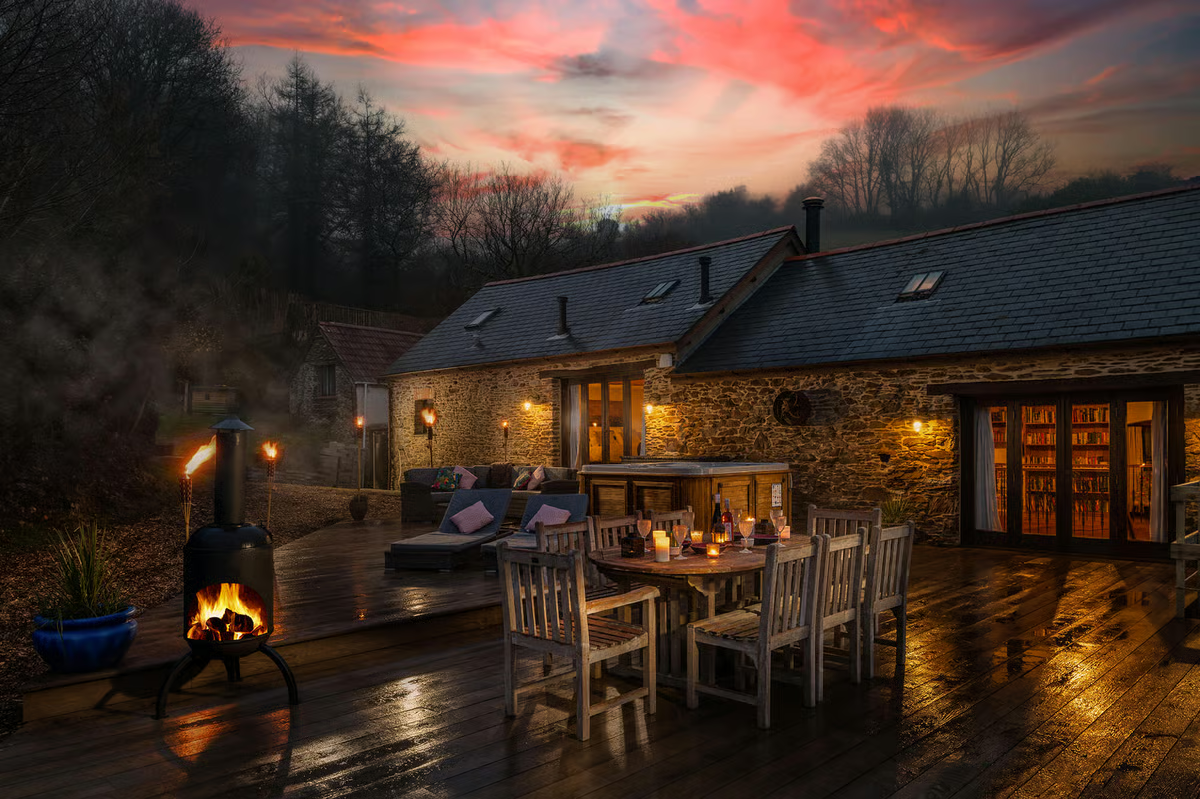
Old Barn
Combe Martin Ilfracombe
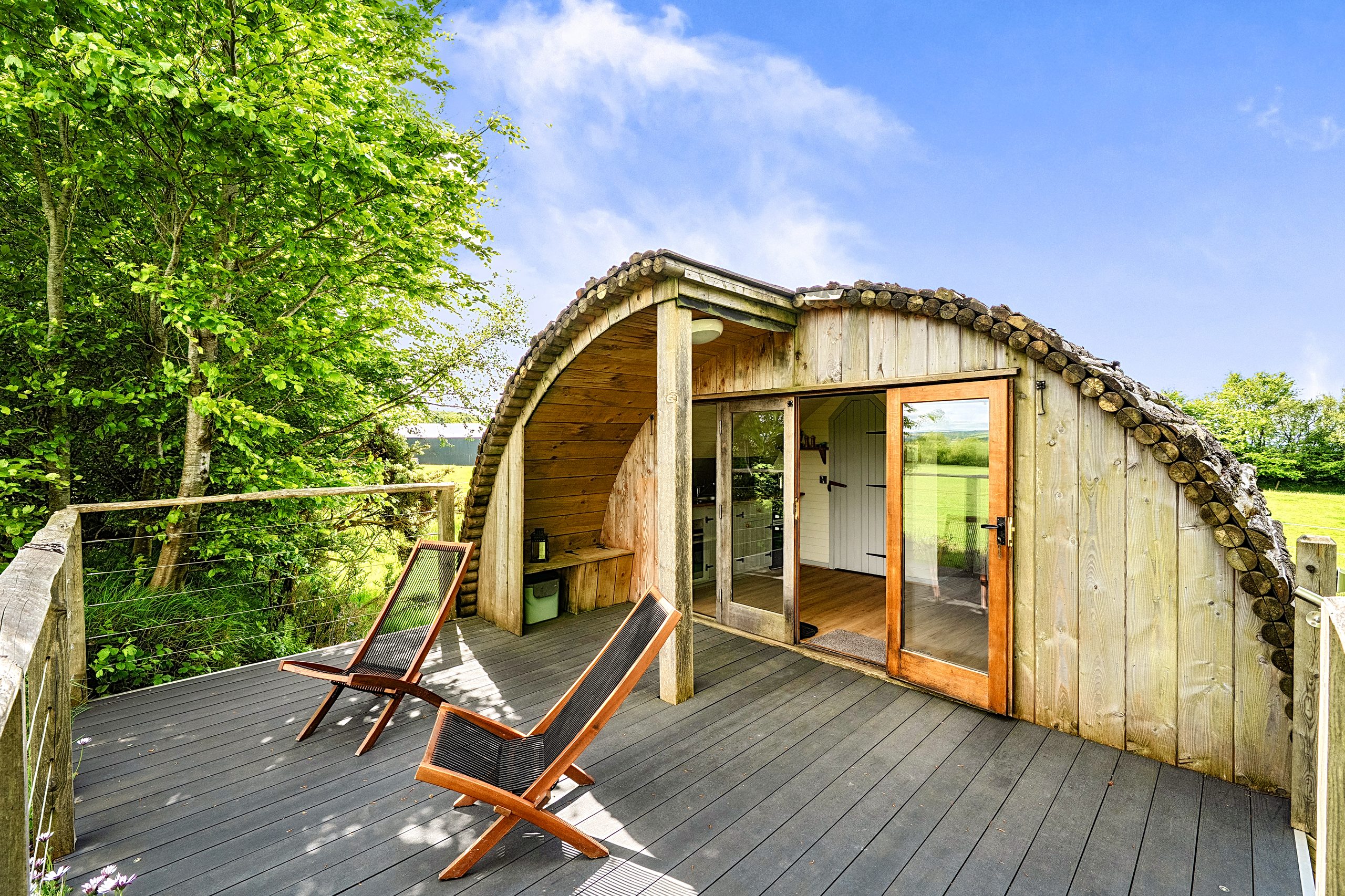
Exmoor View
South Molton
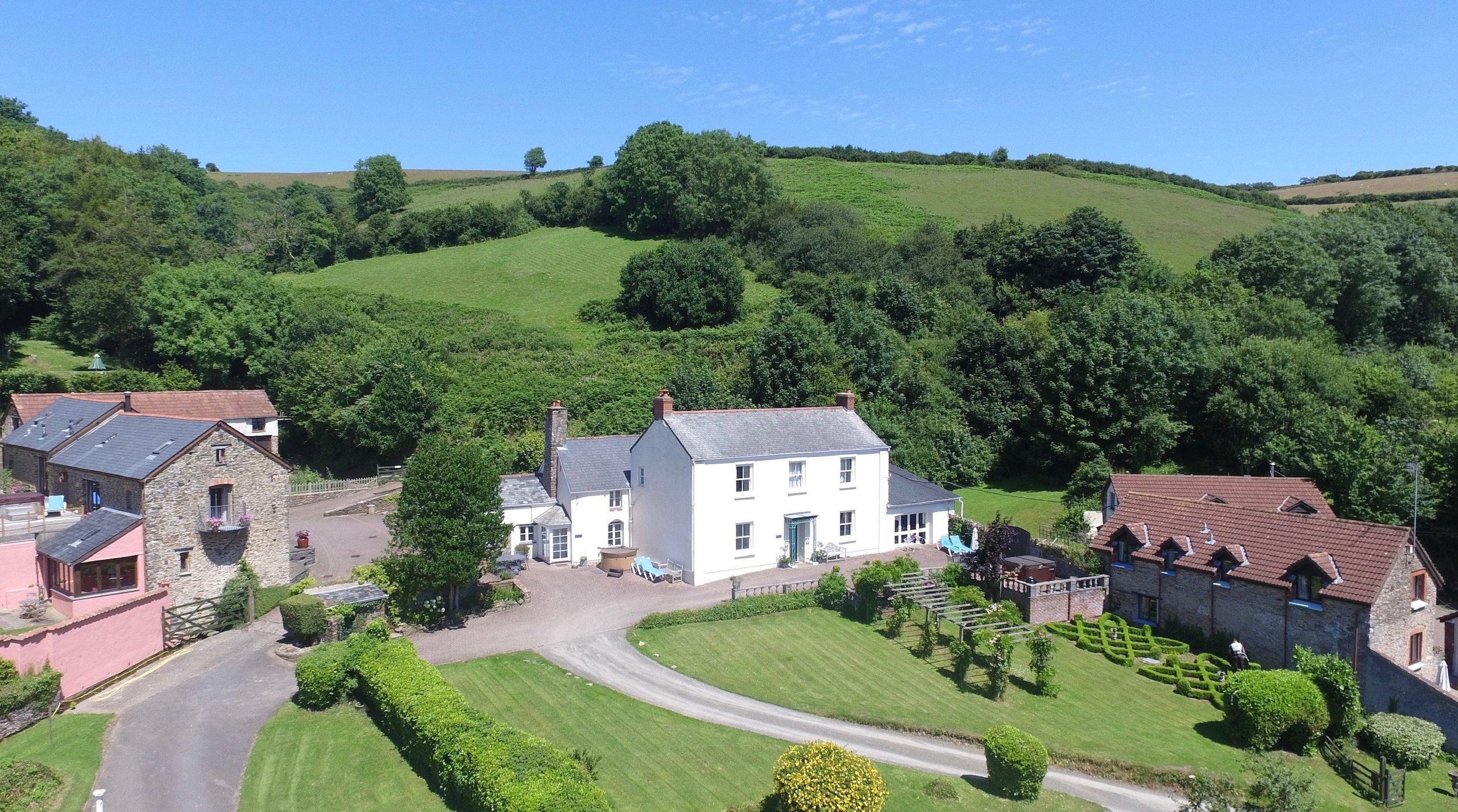
Coulscott House
Combe Martin
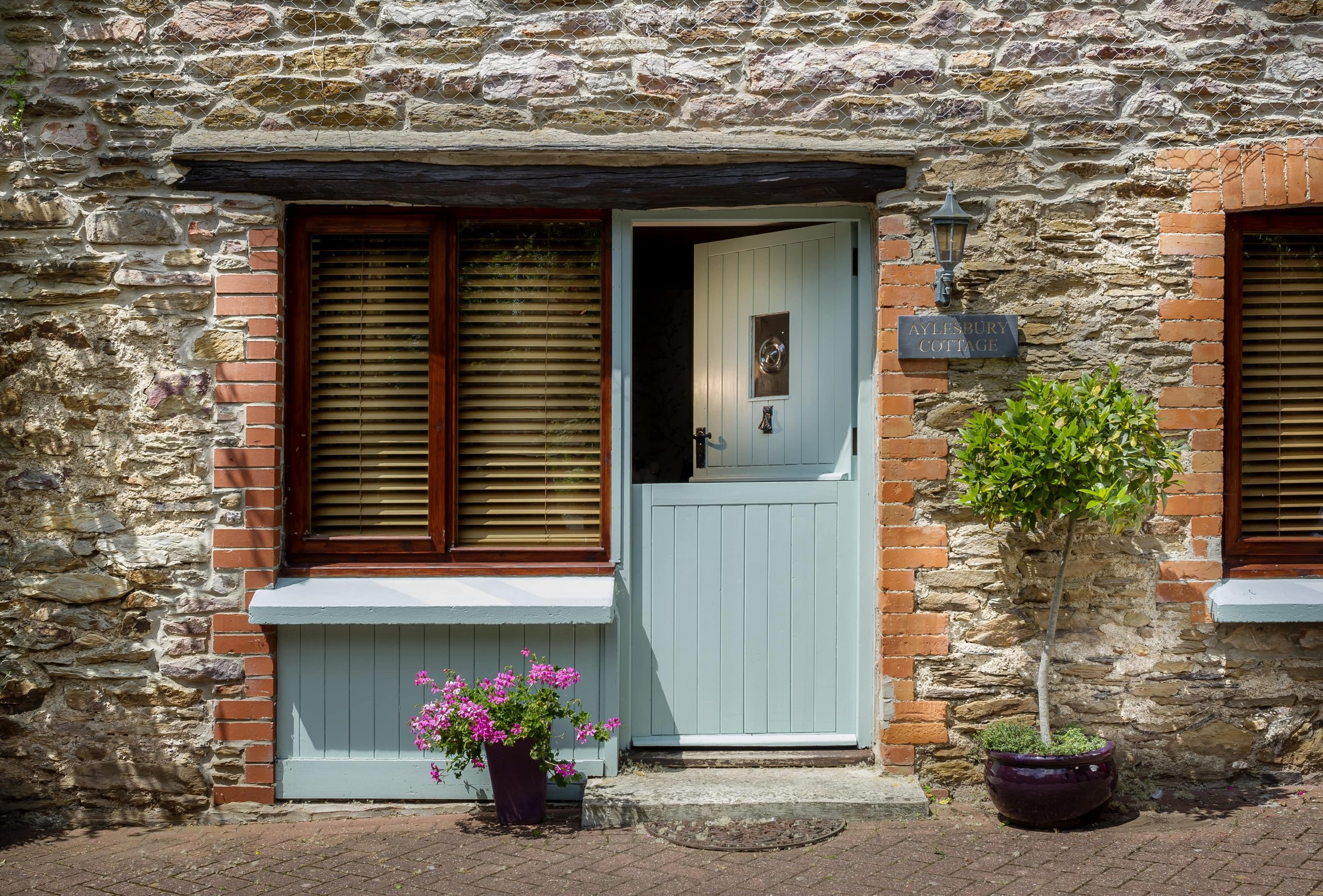
Aylesbury Cottage
Combe Martin

Woody Bay
Parracombe

Peacock Cottage
Combe Martin
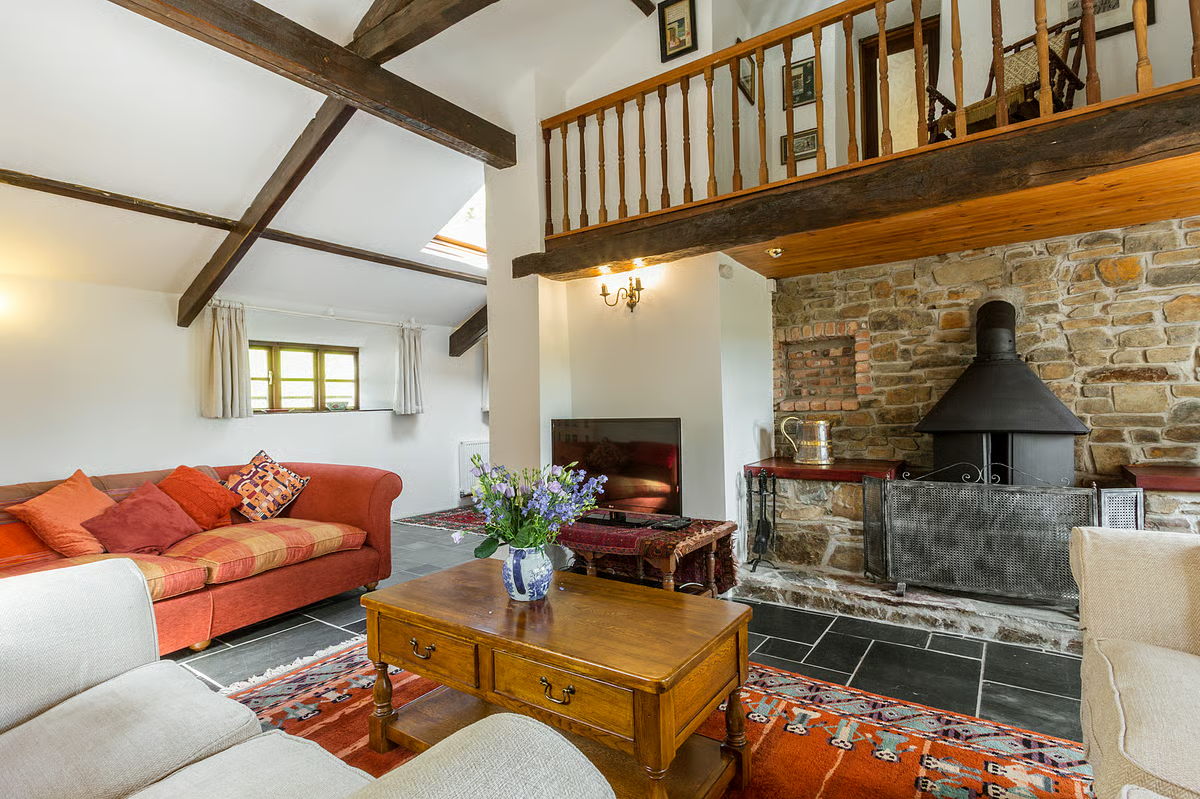
Old Farmhouse
Combe Martin

Duredon
Minehead
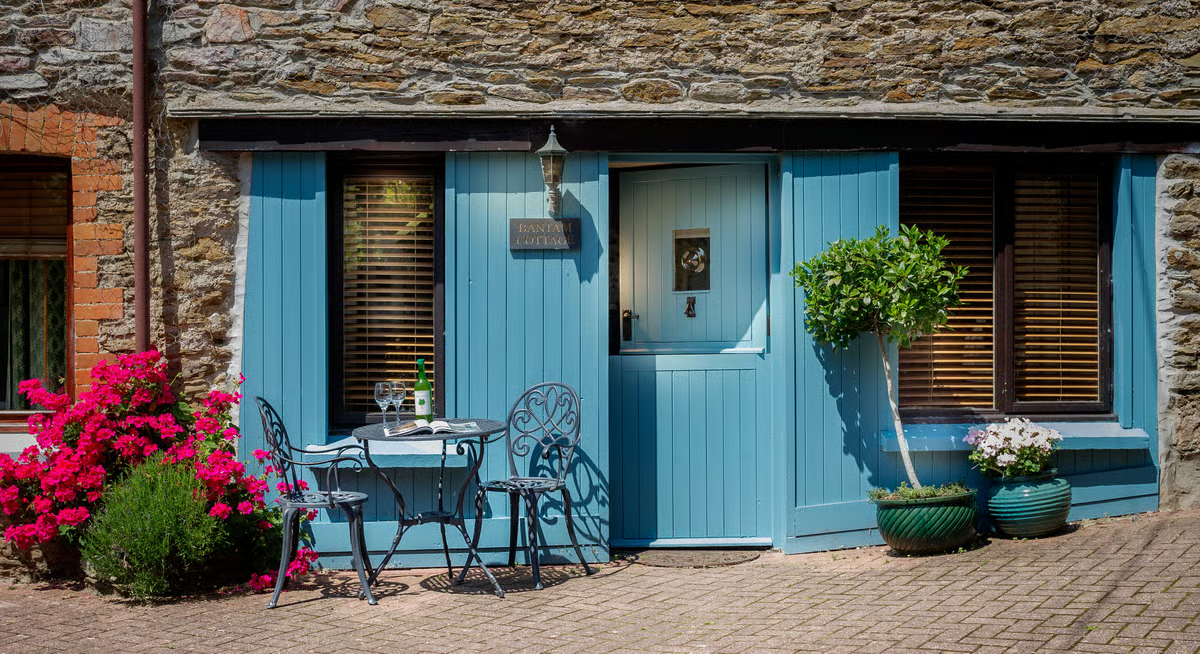
Bantam Cottage
Combe Martin
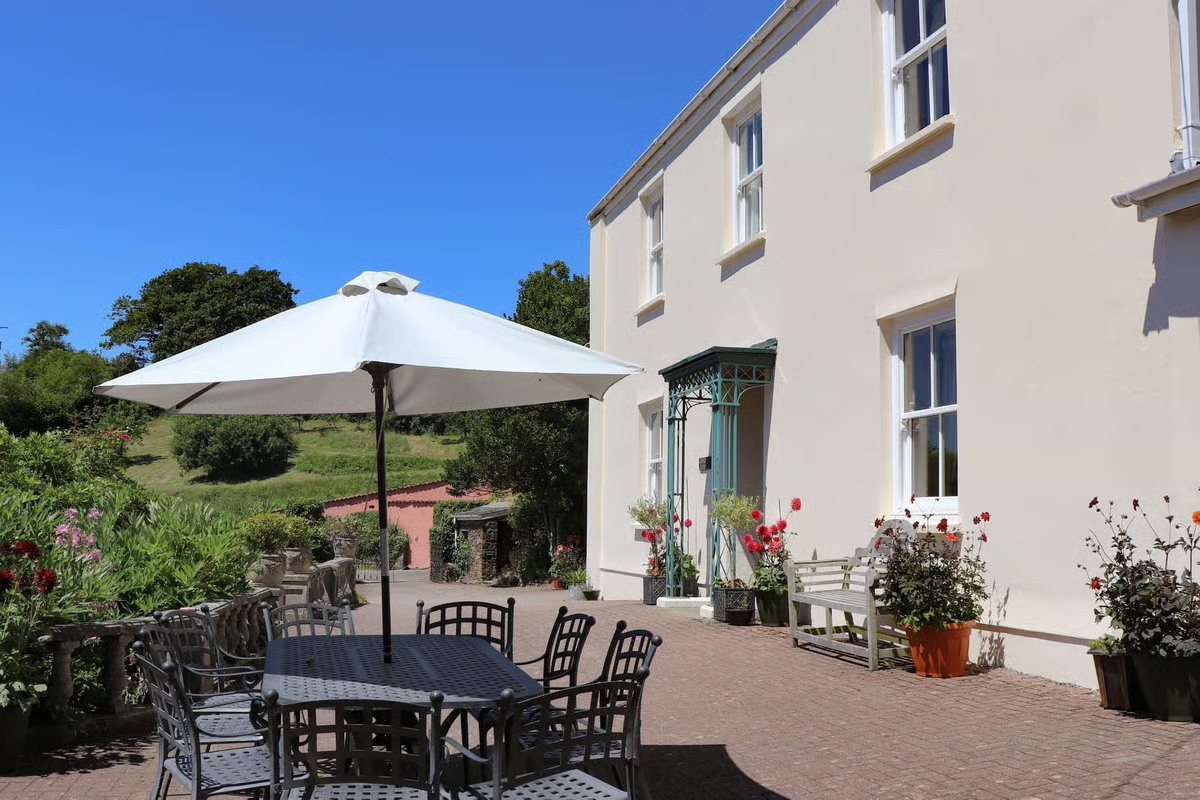
Georgian House
Combe Martin
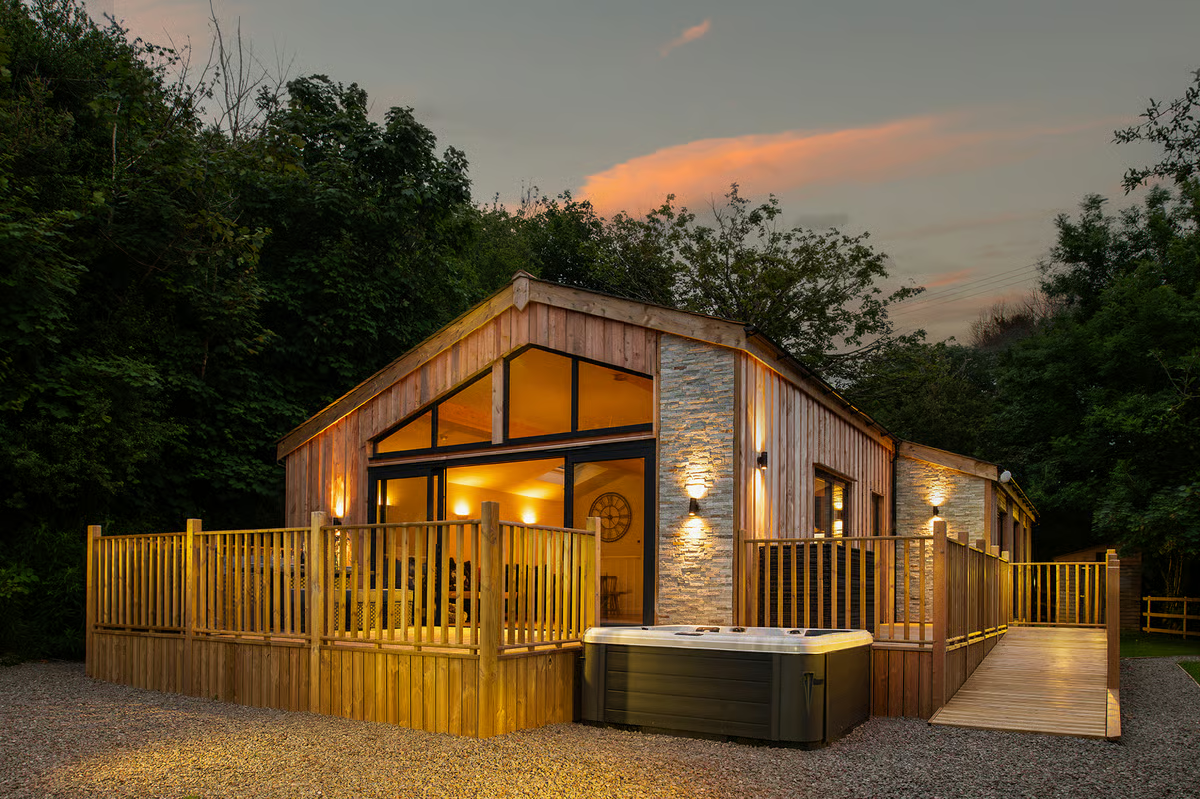
Pipistrelle Barn
Combe Martin
Exmoor National Park spans parts of North Devon and West Somerset in South West England. It covers around 267 square miles of moorland, woodland, valleys and coastline, with popular gateways including Dunster, Porlock, Lynton, Lynmouth and Dulverton.
Exmoor is famous for its dramatic landscapes, free-roaming Exmoor ponies, England's largest population of wild red deer, spectacular coastal cliffs and ancient woodlands. It's also recognised as Europe's first International Dark Sky Reserve, making it one of the UK's best places for stargazing.
Absolutely. Exmoor offers a unique combination of rugged moorland, picturesque villages, beautiful walking trails and an unspoilt coastline. Whether you're looking for outdoor adventures, wildlife encounters or a peaceful countryside escape, it's one of England's most rewarding national parks.
A long weekend is enough to experience Exmoor's highlights, including its best walks, villages and coastline. However, if you want to explore more of the national park and enjoy nearby North Devon beaches, four or five days is ideal.
Some of the most popular walks include the Dunkery Beacon Circular, the Valley of Rocks and Lynton Walk, the Tarr Steps Circular, the Heddon's Mouth Walk and the walk to Culbone Church. Together, they showcase the incredible variety of Exmoor's landscapes.
Exmoor ponies can often be seen grazing on the open moor around Winsford Hill, Dunkery Beacon, Simonsbath and the central areas of the national park. They're wild animals, so it's important to admire them from a respectful distance and avoid feeding them.
Some of the prettiest places to visit include Dunster, with its medieval streets and castle, the coastal towns of Lynton and Lynmouth, the charming village of Porlock and the bustling market town of Dulverton.
Some of the best beaches within easy reach of Exmoor include Woolacombe Beach, Croyde Bay, Saunton Sands, Combe Martin Beach and Lee Bay. All can be reached in around an hour or less from many parts of the national park.
Exmoor is beautiful throughout the year. Spring brings wildflowers and newborn wildlife, summer is perfect for walking and beach days, autumn offers colourful landscapes and the famous red deer rut, while winter is ideal for peaceful walks and stargazing beneath the park's dark skies.
Yes. Families will find plenty to enjoy, from Exmoor Zoo and the Lynton & Lynmouth Cliff Railway to the Exmoor Pony Centre, Tarr Steps and nearby North Devon beaches. Combined with easy walks and abundant wildlife, Exmoor makes an excellent family holiday destination.