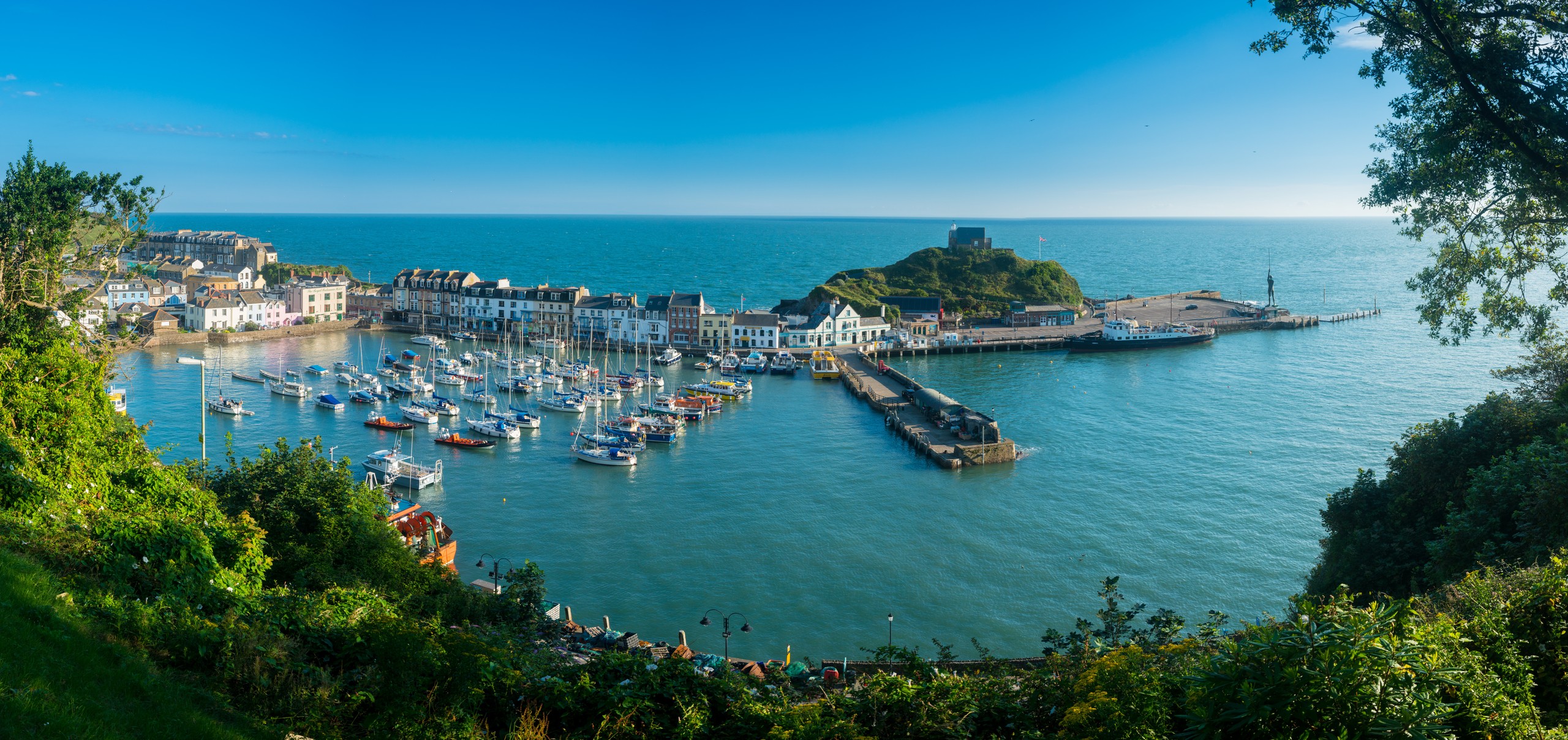
Devon travel guide: Best towns, beaches, days out and things to do
Published 6th May 2026
Whether you’re planning windswept coastal walks, lazy beach days, family adventures or long pub lunches overlooking the sea, Devon is one of the UK’s most rewarding places to explore. Home to two wildly beautiful coastlines, charming market towns, rolling countryside and the rugged landscapes of Dartmoor, it’s a county that effortlessly blends adventure with slow-paced charm.
From surfing on North Devon’s beaches and kayaking along the River Dart to discovering hidden fishing villages and some of the South West’s best food spots, there’s something here for every kind of escape. Whether you’re visiting for a weekend break or a longer stay, this guide covers some of the very best things to do in Devon — including outdoor adventures, family days out, beautiful places to visit and where to eat, drink and stay along the way.
If you're interested in visiting North Devon, then why not read our Ultimate Guide to North Devon today?
Click on the links below to skip to that part of the guide:

Best outdoors adventures in Devon
From windswept coastal hikes and wild moorland walks to kayaking adventures and family-friendly cycle trails, Devon is packed with opportunities to get outside and explore. Whether you’re chasing adrenaline-fuelled activities or slower days immersed in nature, these are some of our favourite outdoor adventures in Devon.
If you're looking for a couple's retreat for a break in Devon, then take a look at our romantic retreats in Devon today.
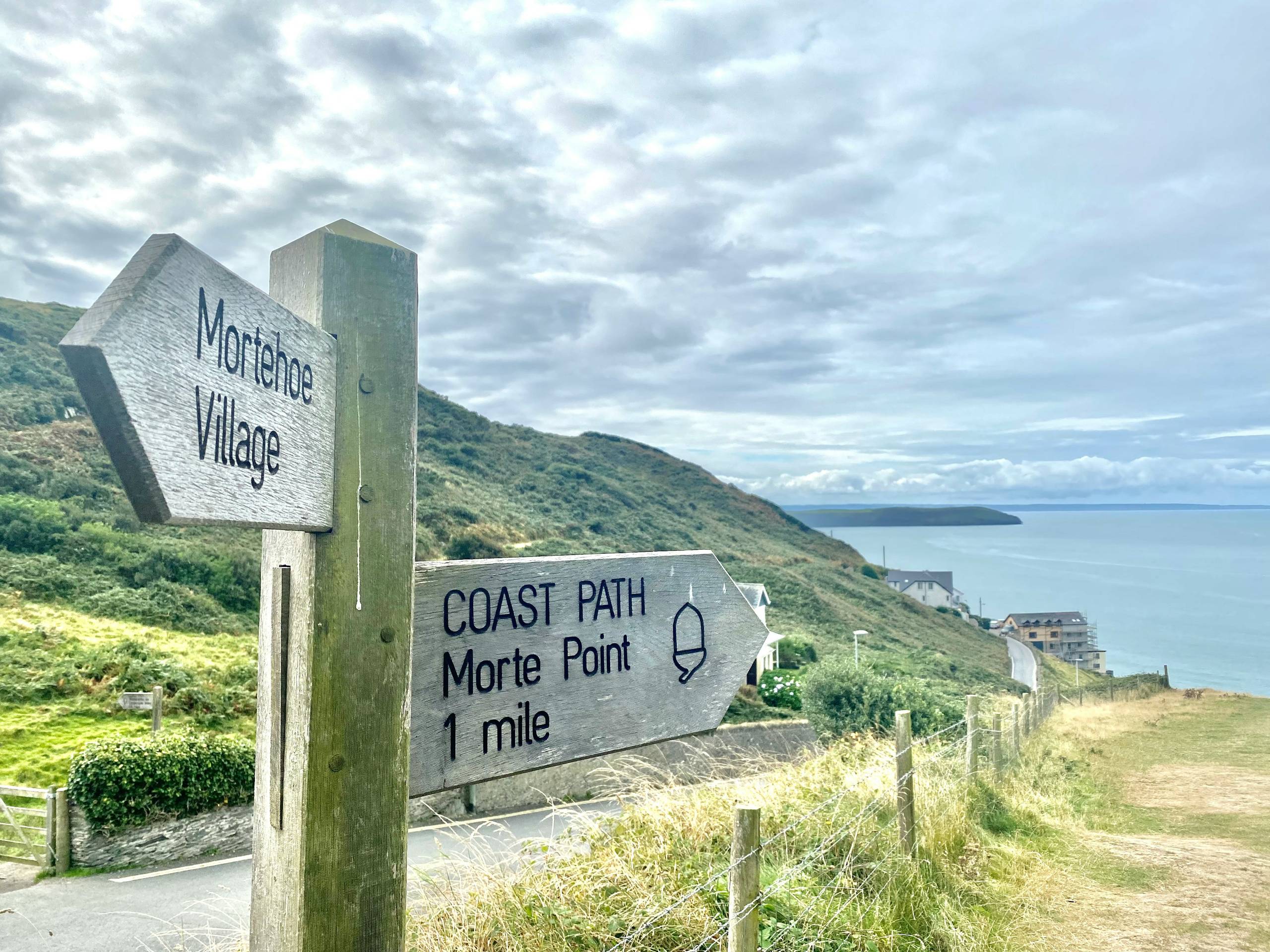
Hiking the South West Coast Path
- Best for: Walkers, coastal views, wildlife spotting
- Vibe: Rugged cliffs, sea air and endlessly scenic trails
- Don’t miss: The stretch between Salcombe and Hope Cove, hidden coves and clifftop sunsets
- Ideal stay length: 2–5 days
Devon’s stretch of the South West Coast Path is one of the UK’s most spectacular walking routes, weaving past dramatic cliffs, hidden coves, fishing villages and huge sea views. Whether you tackle a short circular route or spend a full day on the trail, this is Devon at its wildest and most cinematic.
- Dramatic coastal scenery: Expect towering cliffs, crashing waves and sweeping sea views around almost every corner.
- Beautiful walking routes: Highlights include the routes around Salcombe, Clovelly, Hartland Quay and Beer.
- Hidden beaches and coves: Many stretches of the path lead to secret beaches only reachable on foot.
- Charming seaside stops: Pause in cosy pubs, harbourside cafés and sleepy fishing villages along the way.
- Walks for all abilities: From gentle circular strolls to challenging full-day hikes, there’s something for everyone.
- By car: Popular access points include Salcombe, Ilfracombe, Dartmouth and Lynmouth, all with nearby parking.
- By train: Exeter, Totnes and Barnstaple offer the best rail connections for reaching different sections of the path.
- By bus: Seasonal coastal bus routes connect many seaside towns and walking routes during spring and summer.

Exploring Dartmoor National Park
- Best for: Hikers, wild swimming, outdoor adventures
- Vibe: Remote moorland landscapes, ancient tors and misty valleys
- Don’t miss: Haytor Rocks, wild ponies, Bellever Forest and riverside picnic spots
- Ideal stay length: 2–4 days
Vast, rugged and endlessly atmospheric, Dartmoor is one of Devon’s greatest outdoor playgrounds. From granite tors and open moorland to ancient woodland, wild rivers and roaming ponies, it’s the kind of place that invites full days of adventure in every season.
- Iconic tors and landscapes: Climb Haytor, Hound Tor or Yes Tor for panoramic moorland views.
- Wild swimming spots: Discover rivers, waterfalls and natural pools hidden across the national park.
- Fantastic hiking routes: Explore miles of walking trails through woodland, valleys and open moorland.
- Unique wildlife and history: Spot wild ponies, ancient stone circles and centuries-old ruins.
- Perfect for stargazing: Dartmoor’s dark skies make it one of the best stargazing destinations in southern England.
- By car: Dartmoor is easiest to explore by car, with access via Exeter, Plymouth and the A38.
- By train: The nearest major train stations are Exeter and Plymouth, with onward bus connections available.
- By bus: Local buses run from Exeter to towns and villages on the edge of the national park, including Moretonhampstead and Tavistock.
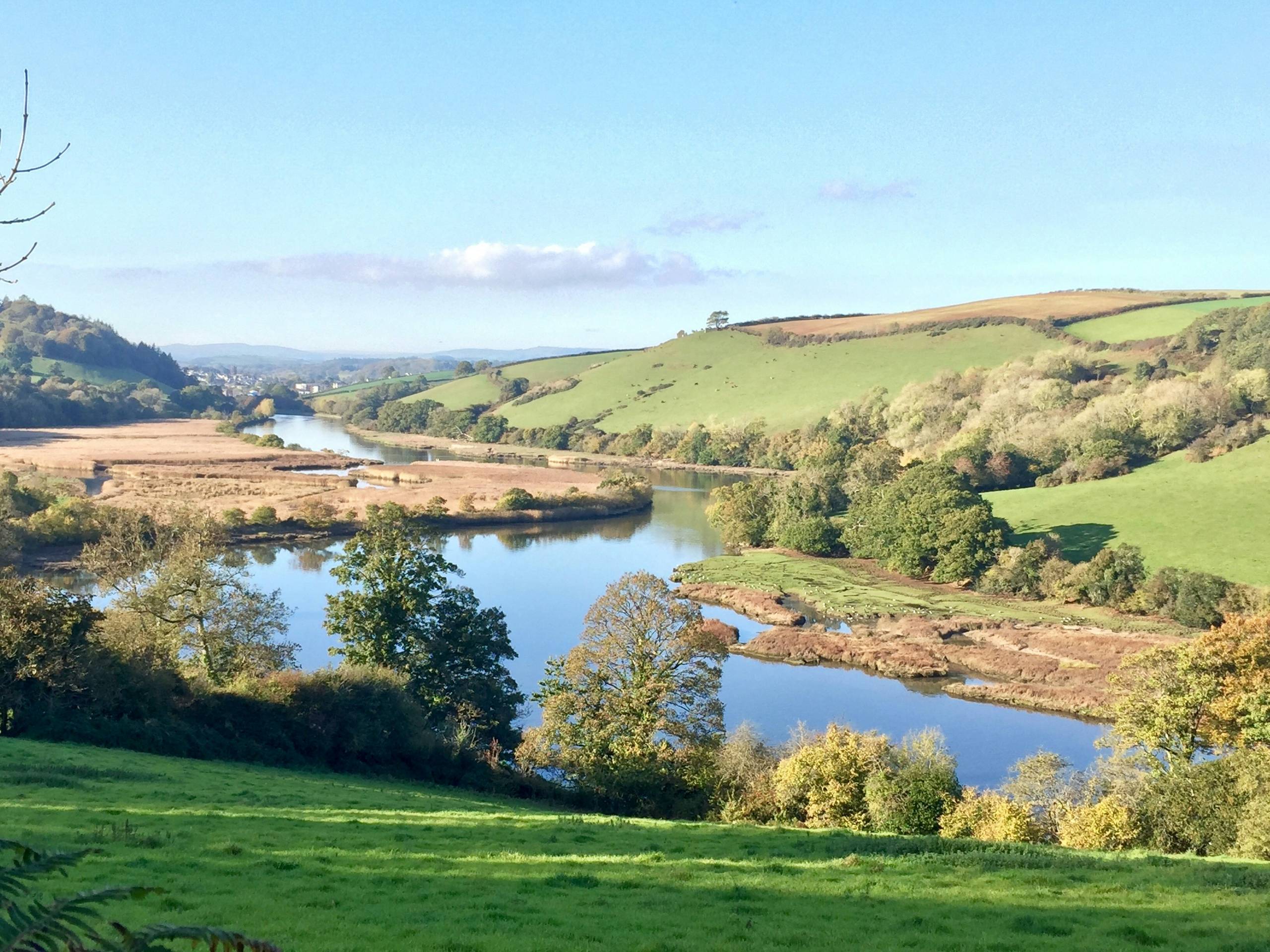
Kayaking along the River Dart
- Best for: Couples, families, gentle adventure
- Vibe: Peaceful estuary scenery with hidden creeks and waterside pubs
- Don’t miss: Paddling between Dartmouth and Dittisham, spotting seals and stopping for lunch by the water
- Ideal stay length: Half day to 2 days
Exploring the River Dart by kayak lets you experience Devon from an entirely different perspective. Paddle past ancient woodland, sleepy riverside villages and hidden creeks, with calm stretches suitable for beginners and longer routes for seasoned adventurers.
- Beautiful riverside scenery: Glide through peaceful estuaries, wooded banks and rolling countryside.
- Routes for all abilities: Gentle paddling routes make this ideal for beginners and families.
- Wildlife spotting opportunities: Keep an eye out for kingfishers, herons and seals along the river.
- Picturesque villages: Stop at places like Dittisham and Dartmouth for food and riverside pubs.
- Great activity providers: Plenty of local companies offer guided tours and equipment hire.
- By car: Totnes, Dartmouth and Dittisham all offer easy access to kayaking routes and launch points.
- By train: Totnes has direct rail connections from Exeter, Plymouth and London.
- By bus: Local buses connect Totnes with Dartmouth and nearby riverside villages.
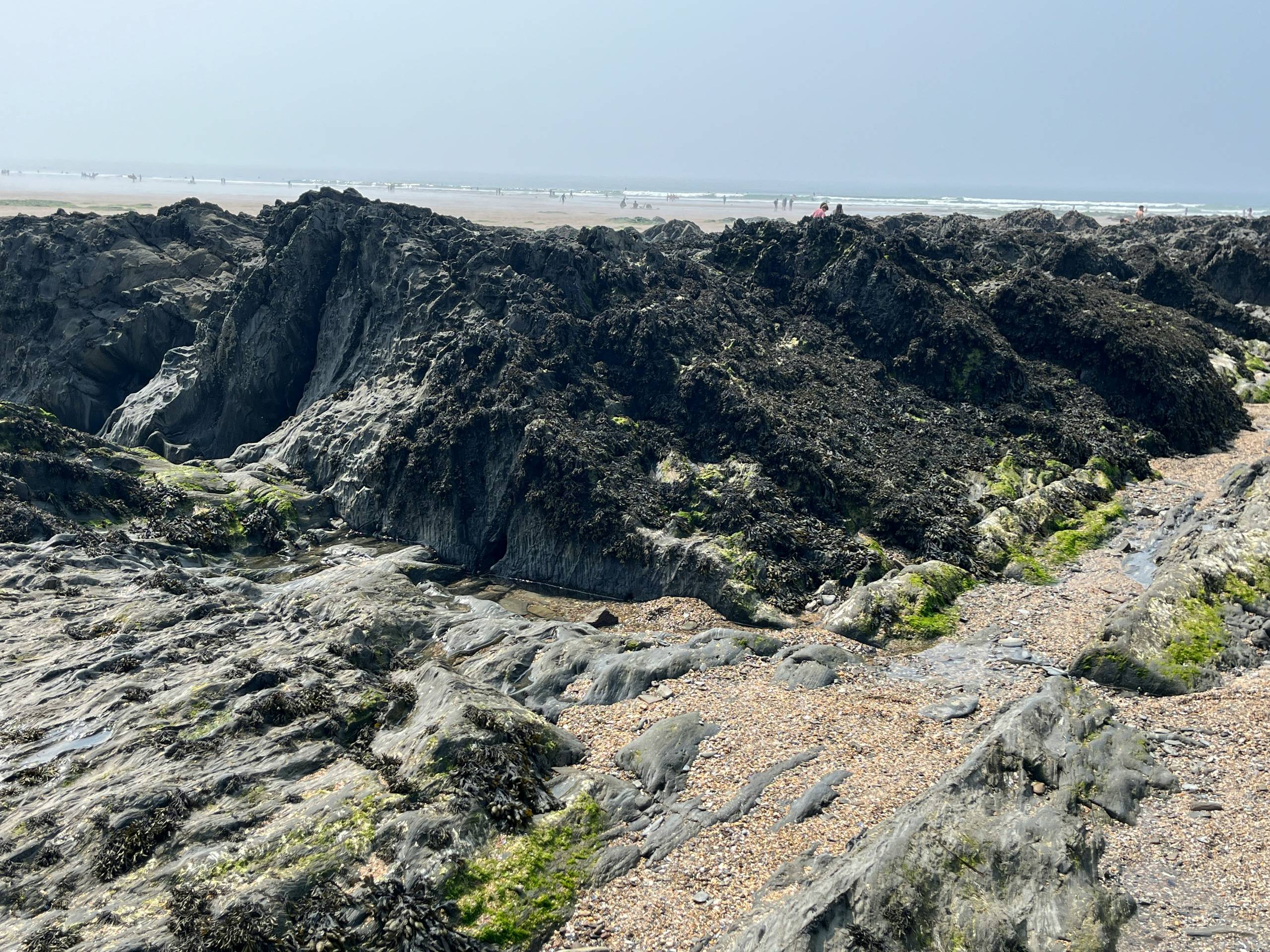
Coasteering in North Devon
- Best for: Thrill seekers, groups, older kids and teens
- Vibe: Adrenaline-fuelled coastal adventure along dramatic cliffs and sea caves
- Don’t miss: Jumping into turquoise coves, exploring hidden caves and scrambling across rugged rocks
- Ideal stay length: Half day
North Devon’s rugged coastline is made for coasteering, with sea caves, cliff jumps, natural arches and crashing Atlantic waves creating the ultimate adrenaline-filled day out. It’s a brilliant way to experience the coastline up close while trying something completely different.
- Thrilling coastal adventure: Swim, scramble and jump your way along dramatic sea cliffs.
- Explore hidden caves: Discover secret coves and sea caves inaccessible by land.
- Suitable for beginners: Guided experiences are available for a wide range of confidence levels.
- Amazing scenery: North Devon’s coastline feels wild, remote and wonderfully untamed.
- Memorable group activity: Perfect for families with older children, groups and adventurous couples.
- By car: Ilfracombe, Combe Martin and Croyde are easiest reached by car, particularly for early activity sessions.
- By train: Barnstaple is the nearest train station for much of the North Devon coast.
- By bus: Seasonal buses connect Barnstaple with many coastal towns during peak months.
Cycling the Tarka Trail
The Tarka Trail offers one of the most scenic cycling routes in the South West, following disused railway lines through estuaries, countryside and charming market towns. With largely traffic-free paths and bike hire available along the route, it’s ideal for families and casual riders alike.
- Traffic-free cycling: The flat, easy-going routes are ideal for relaxed cycling days.
- Beautiful estuary views: Ride alongside rivers, marshes and open countryside.
- Family-friendly adventure: Great for younger children and less experienced cyclists.
- Lovely cafés and pubs: Plenty of scenic stop-offs along the trail for lunch or coffee.
- Flexible route options: Choose short sections or tackle longer full-day rides.
- By car: There are multiple access points with parking available around Barnstaple, Braunton and Bideford.
- By train: Barnstaple station offers the easiest rail access to the trail.
- By bike hire: Several local operators offer bike rental directly beside the route for easy day trips.

Best family days out in Devon
Visiting The Big Sheep
- Best for: Families with younger children, rainy-day fun and animal lovers.
- Vibe: Wholesome family attraction packed with rides, live shows and playful countryside charm.
- Don’t miss: The sheep races, indoor play areas and feeding the farm animals.
- Ideal stay length: Half a day to a full day.
One of North Devon’s best-loved family attractions, The Big Sheep blends classic farm park fun with live entertainment, rides and indoor play areas that make it ideal in almost any weather. Expect a lively, slightly chaotic day packed with activities for younger children.
- Family-friendly rides: Little ones will love the rollercoasters, tractor rides and gentle attractions.
- Animal encounters: Meet sheep, goats and other farm animals throughout the park.
- Indoor play areas: Huge soft play zones make this a great rainy-day option.
- Live shows and entertainment: The sheep racing and family performances are part of the fun.
- Perfect for younger children: Best suited to families with toddlers and primary school-aged kids.
- By car: Located near Bideford with easy access from the A39 and on-site parking available.
- By train: Barnstaple is the nearest train station, around 20 minutes away by taxi.
- By bus: Local bus services run between Barnstaple, Bideford and nearby villages.

Riding the South Devon Railway
- Best for: Families, train enthusiasts and scenic day trips.
- Vibe: Nostalgic steam train journeys through peaceful Devon countryside and riverside landscapes.
- Don’t miss: The stretch between Buckfastleigh and Totnes alongside the River Dart.
- Ideal stay length: Half a day.
Running between Buckfastleigh and Totnes, the South Devon Railway offers a nostalgic family day out through some of Devon’s prettiest countryside. Vintage steam trains, riverside scenery and old-fashioned stations make it feel wonderfully timeless.
- Scenic steam train journeys: Travel alongside the River Dart through beautiful countryside.
- Vintage railway charm: Historic stations and restored carriages add to the experience.
- Great for train-loving kids: Steam engines are always a hit with younger visitors.
- Easy to combine with Dartmoor: Makes a perfect addition to a wider Devon day trip.
- Relaxed pace: Ideal for slower family days without too much walking.
- By car: Buckfastleigh is easily reached via the A38 between Exeter and Plymouth.
- By train: Totnes is the nearest mainline station and connects directly with the railway.
- By bus: Local buses run between Totnes, Buckfastleigh and nearby Dartmoor towns.

Spending the day at Paignton Zoo
- Best for: Families, animal lovers and educational days out.
- Vibe: Spacious zoo setting with tropical habitats, gardens and laid-back family appeal.
- Don’t miss: The orangutans, big cats and elevated boardwalk through the animal enclosures.
- Ideal stay length: Half a day to a full day.
Paignton Zoo is one of the South West’s most impressive wildlife attractions, home to hundreds of animals spread across spacious grounds and tropical habitats. It’s a brilliant all-weather family day out with plenty to explore.
- Huge variety of animals: See giraffes, orangutans, tigers, rhinos and more.
- Beautiful tropical environments: Many enclosures feel immersive and thoughtfully designed.
- Large grounds to explore: Easy to spend an entire day wandering through the zoo.
- Educational experiences: Great opportunities for children to learn about wildlife and conservation.
- Family-friendly facilities: Cafés, picnic spots and play areas throughout the site.
- By car: Located just outside Paignton with large on-site parking facilities.
- By train: Paignton station is the closest rail connection, around 10 minutes away by taxi.
- By bus: Frequent local buses run between Paignton town centre and the zoo entrance.
Exploring Crealy Theme Park & Resort
- Best for: Families with younger children and fun-filled multi-generational days out.
- Vibe: Energetic theme park atmosphere with rides, soft play and outdoor adventure zones.
- Don’t miss: The rollercoasters, water rides and seasonal events throughout the year.
- Ideal stay length: Full day.
Crealy is one of Devon’s biggest family attractions, combining rollercoasters, water rides, animal experiences and huge indoor play zones in one place. It’s the kind of all-day attraction that easily fills an entire family itinerary.
- Rides for all ages: From gentle rides for toddlers to bigger thrill rides for older kids.
- Indoor and outdoor attractions: Ideal for unpredictable British weather.
- Animal experiences: Meet farm animals and enjoy interactive exhibits throughout the park.
- Seasonal events: Halloween and Christmas events are particularly popular.
- Great facilities for families: Plenty of food options, picnic areas and family-friendly amenities.
- By car: Located just outside Exeter near the M5, with large on-site parking areas.
- By train: Exeter St Davids and Exeter Central are the nearest major stations.
- By bus: Regular buses run from Exeter directly to the resort during peak periods.
Crabbing and exploring in Clovelly
- Best for: Families, photographers and slow-paced coastal exploring.
- Vibe: Timeless fishing village charm with cobbled streets, whitewashed cottages and sea views.
- Don’t miss: Crabbing in the harbour and wandering the steep traffic-free lanes down to the waterfront.
- Ideal stay length: Half a day.
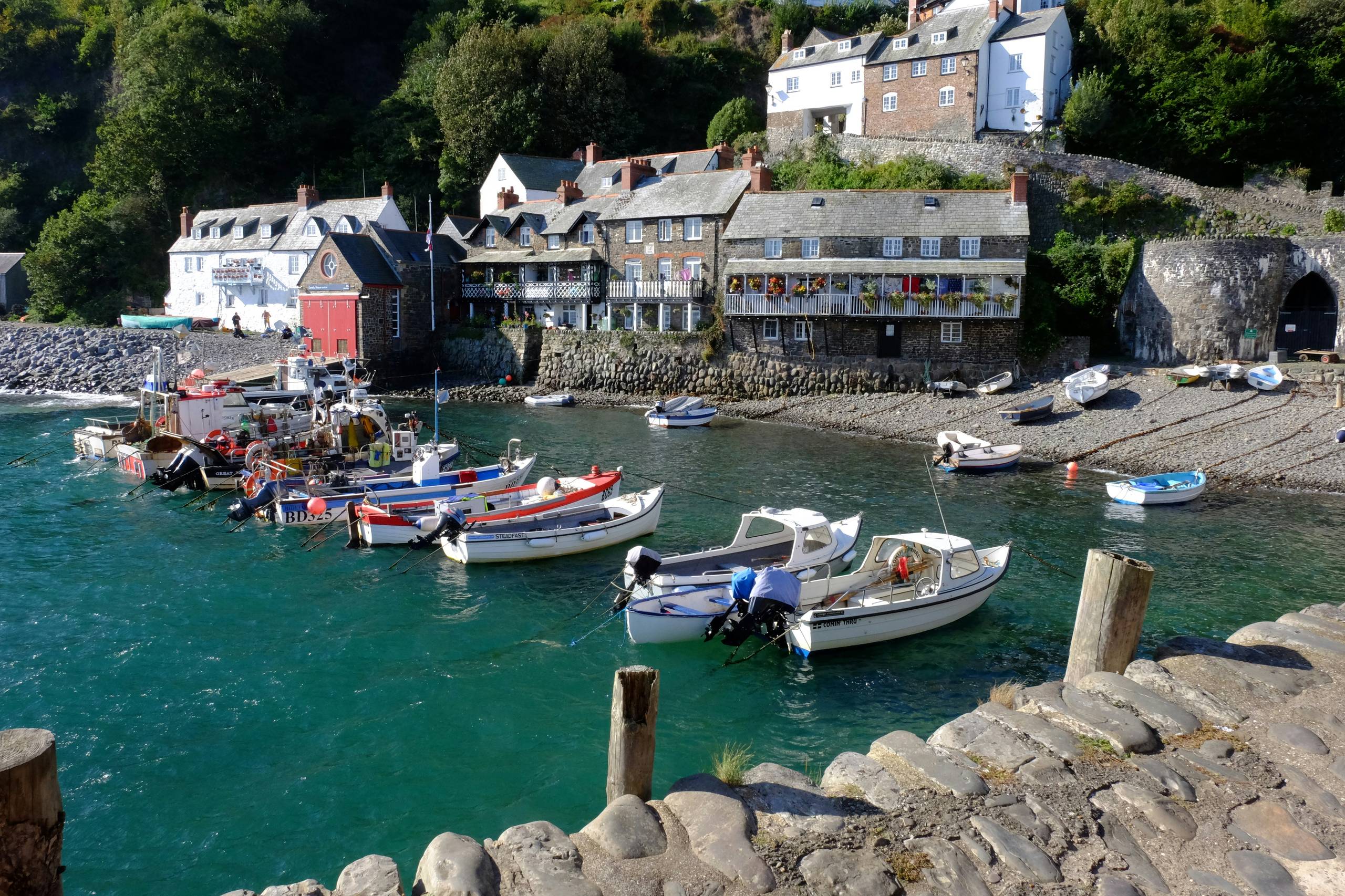
For a slower-paced family adventure, few places are more memorable than Clovelly. This impossibly pretty fishing village, with its steep cobbled streets and tiny harbour, feels like stepping back in time — and crabbing from the harbour remains a classic Devon family tradition.
- Unique village atmosphere: Clovelly’s traffic-free cobbled streets feel wonderfully old-world.
- Traditional crabbing fun: Kids will love crabbing from the harbour walls.
- Beautiful coastal scenery: Expect dramatic cliffs, sea views and colourful cottages.
- Independent cafés and shops: Plenty of charming spots for ice cream and lunch stops.
- Perfect slower-paced day out: Ideal for relaxed family exploring.
- By car: Clovelly is best reached by car via the A39, with visitor parking above the village.
- By train: Barnstaple is the nearest train station, around 45 minutes away by road.
- By bus: Limited rural bus services operate seasonally from nearby North Devon towns.
Best towns and villages to visit in Devon
Exploring Salcombe
- Best for: Couples, food lovers and stylish seaside escapes.
- Vibe: Upscale coastal charm with sandy beaches, sailing culture and boutique shops.
- Don’t miss: North Sands, estuary boat trips and fresh seafood by the waterfront.
- Ideal stay length: Two to three days.
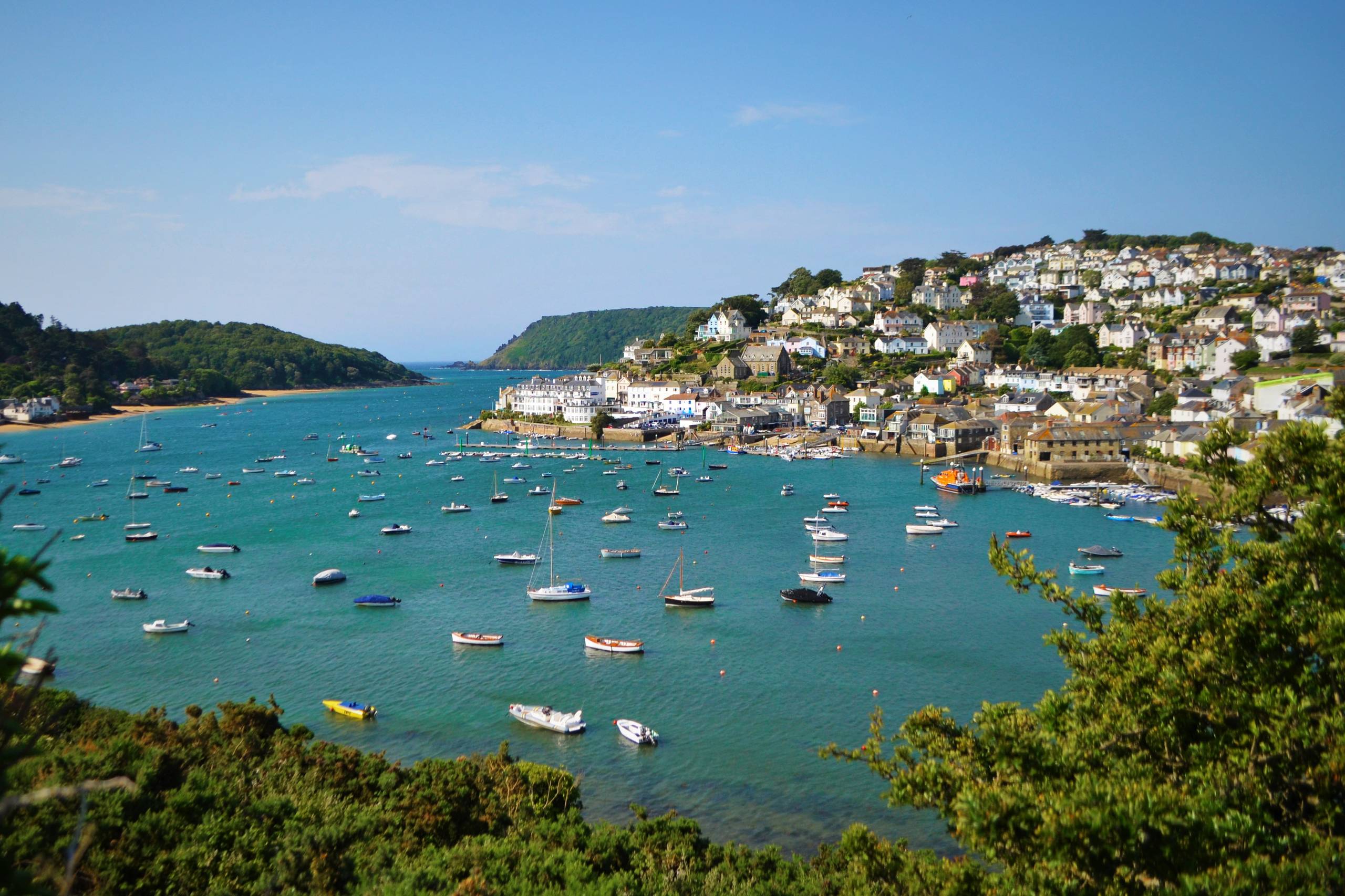
Set on a sparkling estuary in South Devon, Salcombe is one of the county’s most sought-after seaside towns. Think pastel-coloured houses climbing steep hillsides, sailing boats bobbing on the water and stylish cafés and boutiques tucked along narrow streets.
- Beautiful estuary views: The waterfront scenery here feels effortlessly postcard-perfect.
- Fantastic beaches nearby: North Sands and South Sands are both ideal for beach days.
- Great food scene: Expect seafood restaurants, bakeries and waterside pubs.
- Perfect for watersports: Sailing, paddleboarding and kayaking are hugely popular here.
- Stylish coastal atmosphere: Salcombe blends traditional charm with a relaxed luxury feel.
- By car: Salcombe is best reached by car via the A381, with parking available around the town.
- By train: Totnes is the nearest major train station, around 40 minutes away by road.
- By bus: Seasonal bus services connect Salcombe with Kingsbridge and Totnes.
Visiting Clovelly
- Best for: Families, photographers and peaceful coastal days out.
- Vibe: Storybook fishing village charm with cobbled lanes, whitewashed cottages and sea views.
- Don’t miss: Walking down to the harbour, crabbing by the quay and browsing the independent craft shops.
- Ideal stay length: Half a day.
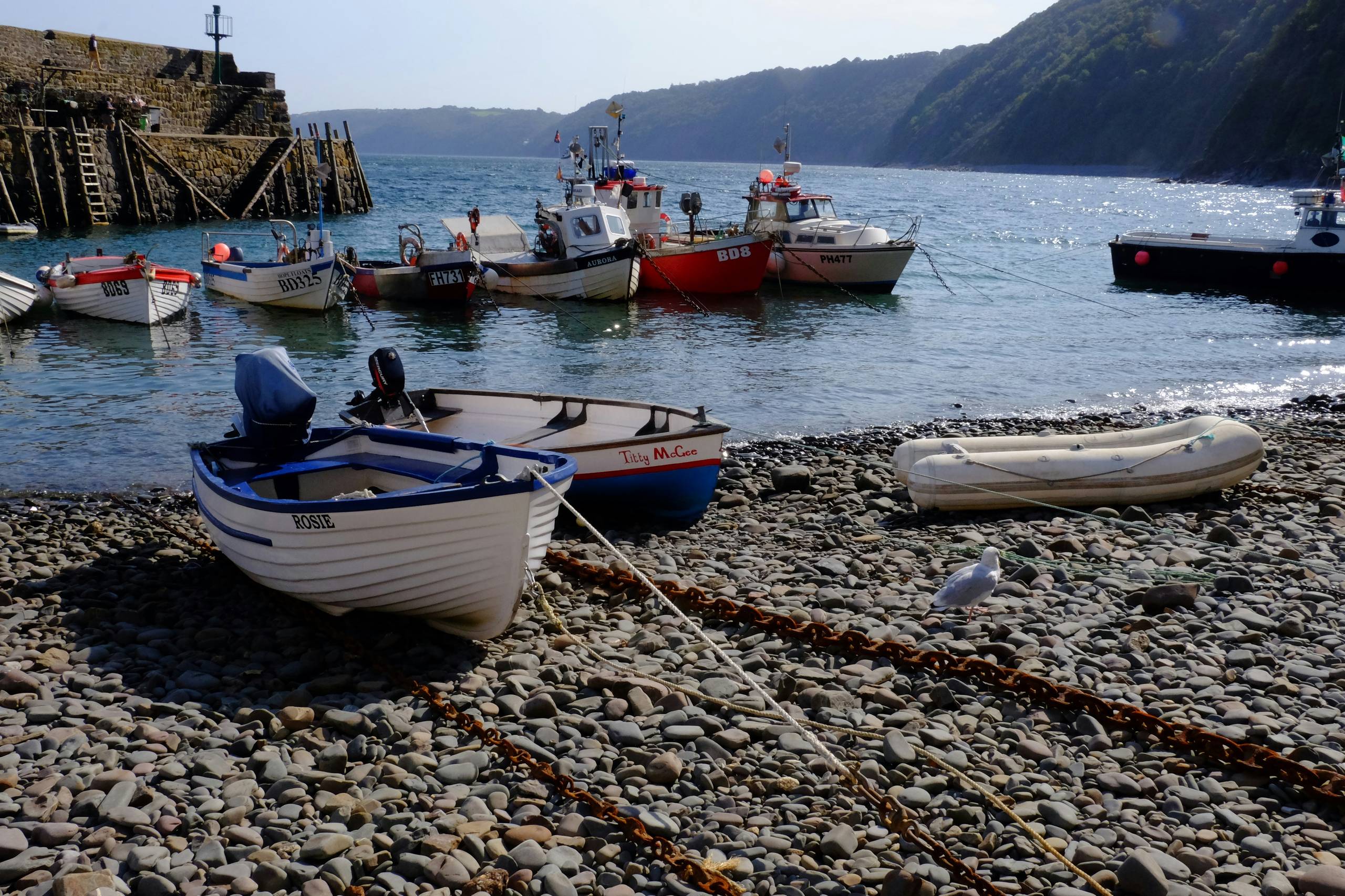
Clovelly is one of Devon’s most iconic villages, famous for its impossibly steep cobbled streets, whitewashed cottages and tiny historic harbour. With no cars allowed in the village itself, it feels wonderfully frozen in time.
- Unique traffic-free streets: Everything is transported by sled rather than vehicles.
- Picture-perfect scenery: Colourful cottages tumble dramatically towards the harbour below.
- Historic atmosphere: The village has barely changed for generations.
- Fantastic coastal walks: Nearby sections of the South West Coast Path are stunning.
- Lovely independent shops: Browse craft stores, galleries and traditional tea rooms.
- By car: Clovelly is easiest reached via the A39, with visitor parking above the village.
- By train: Barnstaple is the nearest train station, around 45 minutes away by road.
- By bus: Limited seasonal bus services operate from surrounding North Devon towns.
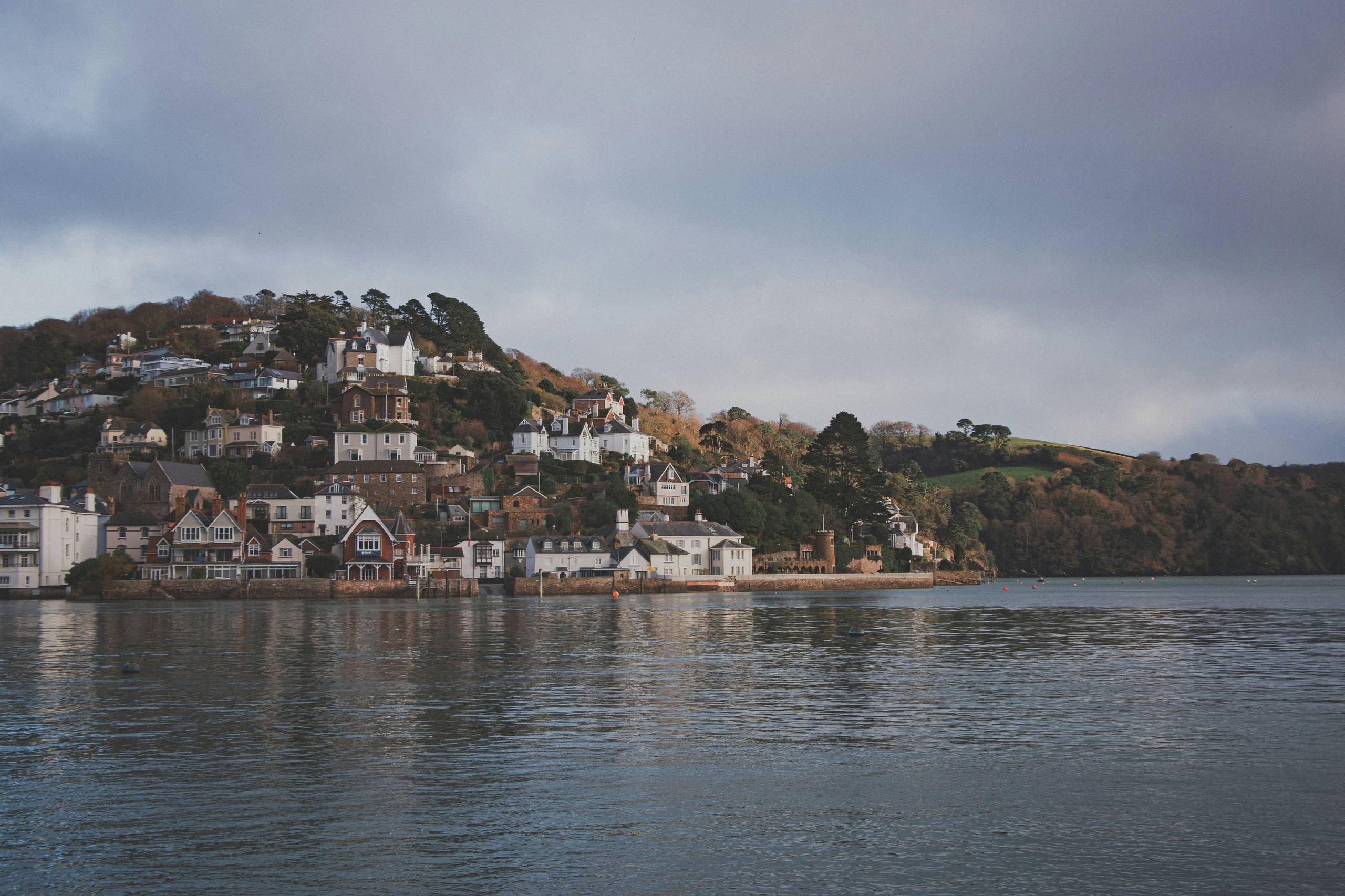
Discovering Dartmouth
- Best for: Food lovers, couples and waterside getaways.
- Vibe: Elegant harbour town with colourful streets, sailing culture and excellent seafood spots.
- Don’t miss: Boat trips along the River Dart, Dartmouth Castle and waterfront dining.
- Ideal stay length: Two to three days.
Perched on the banks of the River Dart, Dartmouth combines historic streets, riverside scenery and a lively food scene with a wonderfully relaxed coastal atmosphere. It’s one of Devon’s prettiest harbour towns and perfect for wandering.
- Beautiful riverside setting: Boats, ferries and colourful waterfront buildings create a lovely backdrop.
- Fantastic restaurants and pubs: Dartmouth is known for its excellent seafood and independent dining spots.
- Historic charm: Explore narrow lanes, old buildings and Dartmouth Castle nearby.
- Great boat trips: River cruises and ferry rides are a huge part of the experience.
- Excellent base for South Devon: Easy access to beaches, coast paths and countryside.
- By car: Dartmouth can be reached via the A3122, with several car parks near the town centre.
- By train: Totnes is the nearest major station, with onward bus and steam railway connections.
- By ferry: Passenger and vehicle ferries connect Dartmouth with Kingswear across the river.
- By bus: Local buses operate between Dartmouth, Totnes and nearby coastal villages.
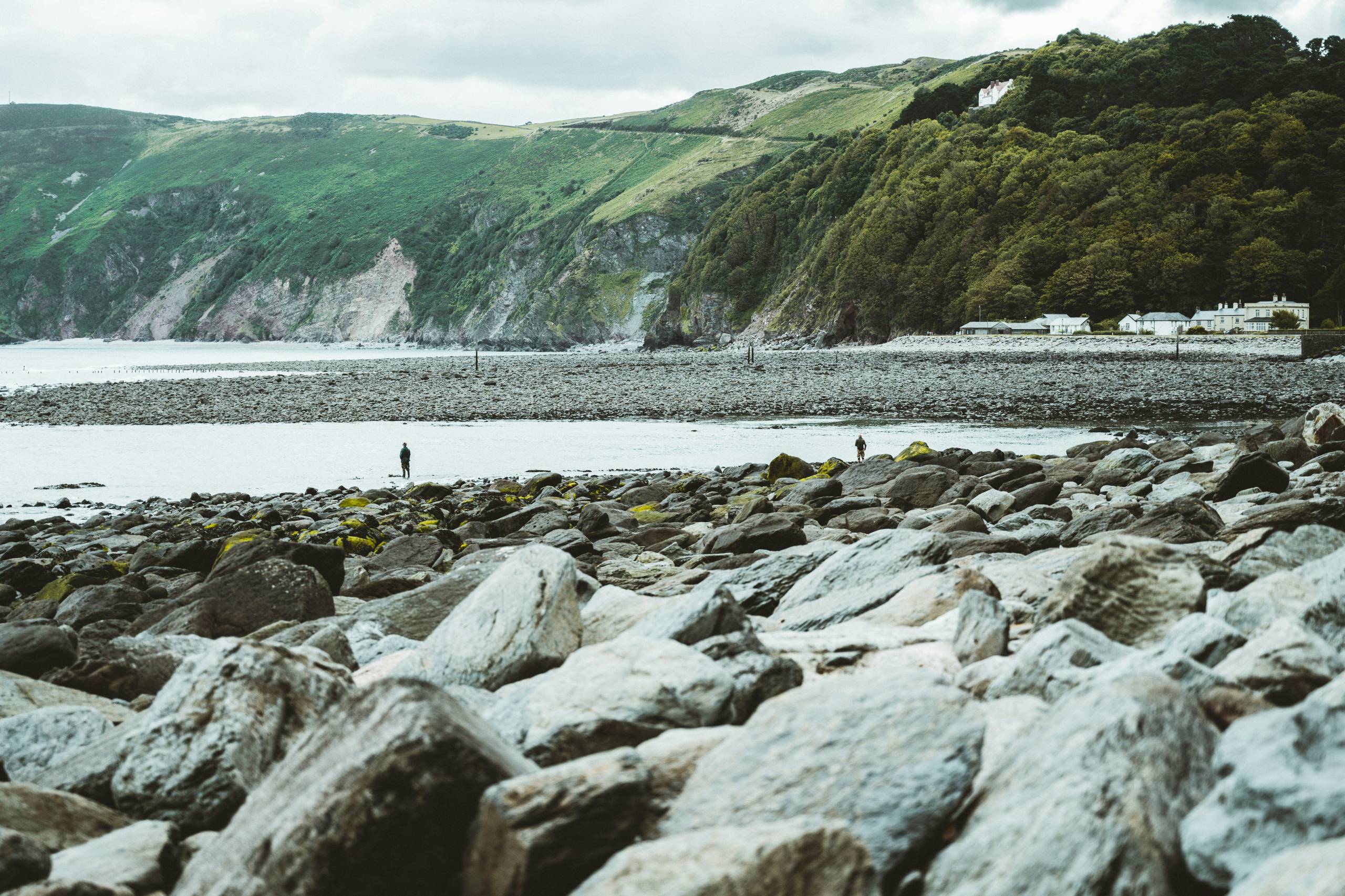
Wandering around Lynmouth and Lynton
- Best for: Walkers, couples and scenic coastal escapes.
- Vibe: Dramatic cliffside scenery paired with charming village streets and old-world character.
- Don’t miss: Riding the historic cliff railway and exploring the Valley of Rocks nearby.
- Ideal stay length: One to two days.
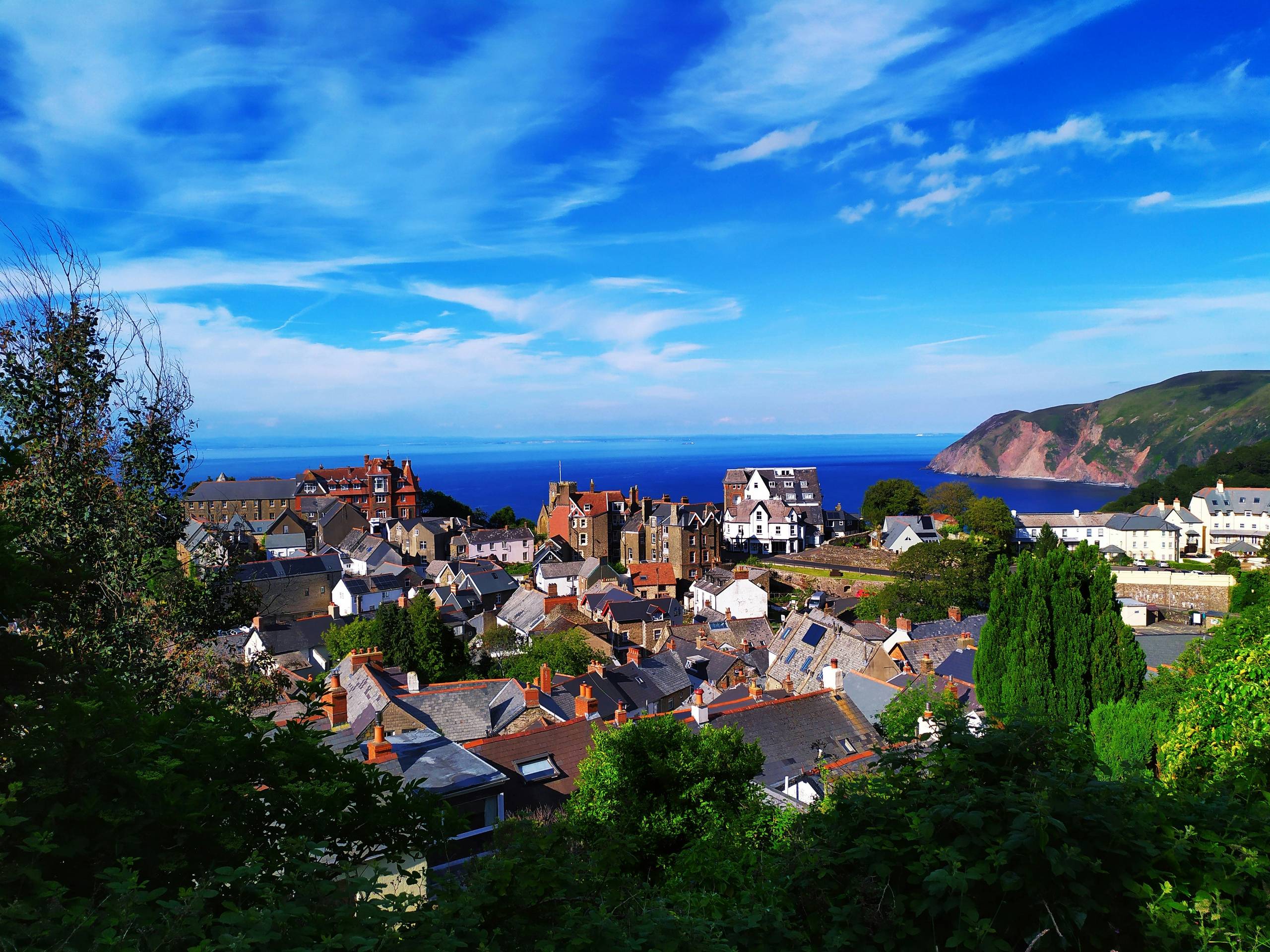
Linked by a historic cliff railway, the twin villages of Lynmouth and Lynton sit dramatically along North Devon’s rugged coastline. Surrounded by cliffs, woodland and sweeping sea views, this area feels wilder and more atmospheric than much of the South Coast.
- Dramatic coastal scenery: Expect huge cliffs, waterfalls and rugged sea views.
- Historic cliff railway: The water-powered railway is one of Devon’s most unique attractions.
- Fantastic walking routes: Exmoor and the South West Coast Path are right on the doorstep.
- Traditional village charm: Browse independent shops, tearooms and cosy pubs.
- Perfect for nature lovers: Great opportunities for wildlife spotting and exploring nearby valleys.
- By car: The villages are accessible via the A39 and scenic Exmoor roads.
- By train: Barnstaple is the nearest train station, followed by onward road travel.
- By bus: Seasonal Exmoor bus services connect the villages with Barnstaple and Minehead.
Exploring Totnes
- Best for: Independent shopping, foodies and alternative culture seekers.
- Vibe: Bohemian market town filled with historic buildings, cafés and creative energy.
- Don’t miss: Totnes Castle, the independent shops and riverside walks along the Dart.
- Ideal stay length: One to two days.
Creative, colourful and fiercely independent, Totnes has a completely different feel from Devon’s coastal towns. Sitting beside the River Dart, it’s packed with independent shops, artisan cafés, vintage markets and a wonderfully bohemian atmosphere.
- Independent shopping: Browse bookshops, boutiques, vintage stores and local markets.
- Excellent food scene: The town is packed with cafés, bakeries and organic restaurants.
- Historic character: Explore Totnes Castle and centuries-old streets and buildings.
- Great riverside setting: Walk along the River Dart or launch kayaking adventures nearby.
- Creative atmosphere: Totnes has a laid-back, artistic energy that feels unique within Devon.
- By car: Totnes is easily accessible from the A38 with several central car parks nearby.
- By train: Totnes has direct rail links to Exeter, Plymouth, Bristol and London.
- By bus: Frequent bus routes connect Totnes with Dartmouth, Paignton and surrounding villages.

Visiting Exeter, Devon's historic capital
- Best for: City breaks, history lovers and food-focused weekends away.
- Vibe: Historic cathedral city with vibrant cafés, independent boutiques and a lively cultural scene.
- Don’t miss: Exeter Cathedral, the Underground Passages and waterside dining along the quay.
- Ideal stay length: One to two days.
Devon’s historic county city often gets overlooked in favour of the coastline, but Exeter is well worth carving out time for during your trip. Compact, walkable and packed with independent shops, riverside spots and impressive history, it offers a completely different side of Devon to the beaches and moorland beyond.
Dominating the heart of the city, Exeter Cathedral is one of the most impressive medieval buildings in the South West. Even if you’re not usually drawn to historic attractions, the soaring ceilings, stained glass and peaceful atmosphere make it worth visiting.
- Beautiful Gothic architecture: The cathedral’s vaulted ceiling is one of the longest of its kind in the world.
- Rich history: Parts of the building date back more than 900 years.
- Peaceful city-centre escape: A calm, atmospheric spot in the middle of bustling Exeter.
- Great surrounding cafés: Cathedral Green is lined with lovely independent cafés and restaurants.
- Excellent guided tours: Learn more about the building’s fascinating history and hidden details.
Exeter is one of the South West’s best cities for independent shopping, and nowhere captures that better than Gandy Street and the surrounding lanes. Expect colourful storefronts, quirky boutiques, record shops, cafés and bookshops tucked into historic buildings.
- Fantastic independent shops: Browse fashion boutiques, gift shops, vintage stores and artisan makers.
- Historic atmosphere: Narrow cobbled lanes give this area plenty of character.
- Great cafés and bars: Perfect for slow afternoons and coffee stops.
- Creative local energy: Exeter has a youthful, independent spirit thanks in part to its university population.
- Easy to explore on foot: Most of the city centre is compact and walkable.
The historic quayside offers a quieter, more relaxed side of Exeter, with waterside pubs, cafés, independent shops and walking routes lining the canal. It’s one of the city’s best places to slow down for an afternoon.
- Beautiful waterfront setting: The canal paths are ideal for gentle walks and sunny afternoons.
- Great food and drink spots: Waterside pubs and cafés spill out onto the quayside in warmer months.
- Perfect for cycling and kayaking: Hire bikes, canoes and paddleboards nearby.
- Historic character: The old warehouses and canal basin add plenty of charm.
- Excellent for families: Flat walking routes and open spaces make this a relaxed option for all ages.
Known locally as RAMM, Exeter’s award-winning museum is a brilliant rainy-day activity packed with everything from ancient artefacts and natural history to art exhibitions and interactive displays.
- Free entry: One of the best free attractions in Devon.
- Wide-ranging collections: Explore archaeology, world cultures, wildlife and fine art.
- Family-friendly exhibits: Interactive displays make it engaging for younger visitors.
- Beautiful historic building: The museum itself is architecturally impressive.
- Ideal city-centre location: Easy to combine with shopping, cafés and sightseeing.
Exeter’s food scene has grown hugely in recent years, with excellent independent restaurants, wine bars, bakeries and pubs spread throughout the city. Whether you’re after brunch, cocktails or a long dinner after a day exploring Devon, there’s plenty to discover.
- Excellent independent restaurants: Expect everything from relaxed bistros to modern fine dining.
- Great pub culture: Cosy historic pubs sit alongside stylish wine bars and cocktail spots.
- Fantastic brunch cafés: The city is packed with quality coffee shops and bakeries.
- Lively evening atmosphere: Exeter feels energetic without becoming overwhelming.
- Perfect year-round destination: Great for rainy-day exploring as well as summer weekends.
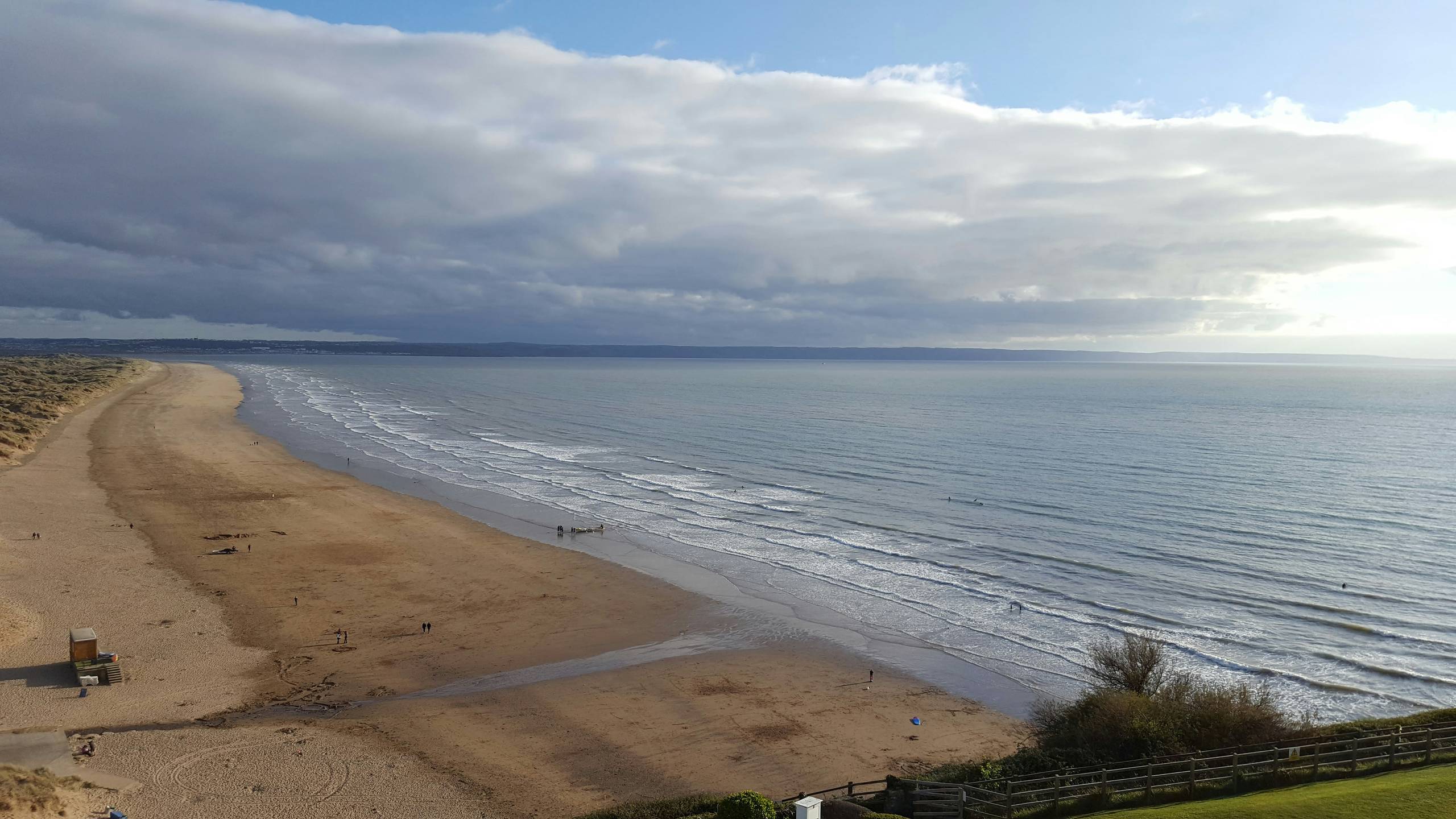
Best beaches in Devon
With two spectacular coastlines, Devon is home to some of the best beaches in the UK. On the north coast you’ll find huge surfing beaches and dramatic Atlantic scenery, while the south coast offers sheltered coves, calm turquoise water and charming seaside towns. Whether you’re planning family beach days, coastal walks, wild swims or long seafood lunches by the sea, these are some of the best beaches to visit in Devon.
For our full rundown of Devon's best seaside spots, read our Guide to Devon's Best Beaches today!
View our Devon stays by the sea today.
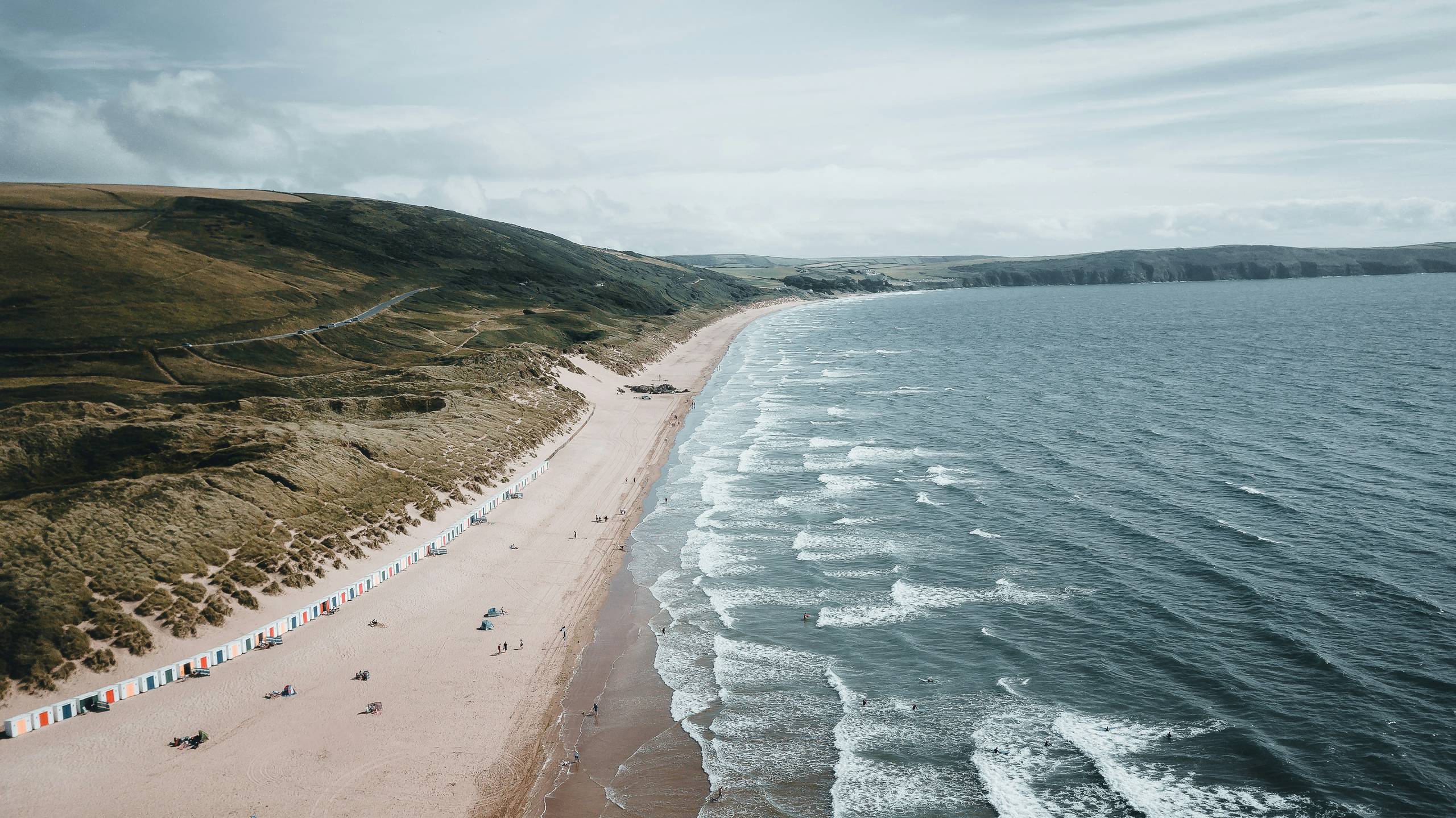
Visiting Woolacombe Beach
- Best for: Surfing, family beach days and long coastal walks.
- Vibe: Wide-open sandy beach with relaxed surf-town atmosphere and dramatic Atlantic views.
- Don’t miss: Sunset walks along the dunes and beginner-friendly surf lessons.
- Ideal stay length: One to three days.
Regularly ranked among the best beaches in the UK, Woolacombe is the kind of beach that instantly makes you want to stay all day. Stretching for miles along North Devon’s coastline, it’s known for its golden sand, excellent surf and huge open skies.
- Massive sandy beach: There’s plenty of space even during the busiest summer weekends.
- Fantastic surfing conditions: One of Devon’s most popular beaches for surfing and bodyboarding.
- Family-friendly atmosphere: Lifeguards, nearby cafés and gentle areas for paddling make it great for families.
- Beautiful sunsets: Woolacombe is particularly stunning in the evening light.
- Great beach town vibe: Surf shops, pubs and ice cream spots line the village behind the beach.
- By car: Woolacombe is easiest reached by car, with several large beach car parks nearby.
- By train: Barnstaple is the nearest train station, around 30 minutes away by road.
- By bus: Seasonal buses connect Woolacombe with Barnstaple and other North Devon coastal towns.
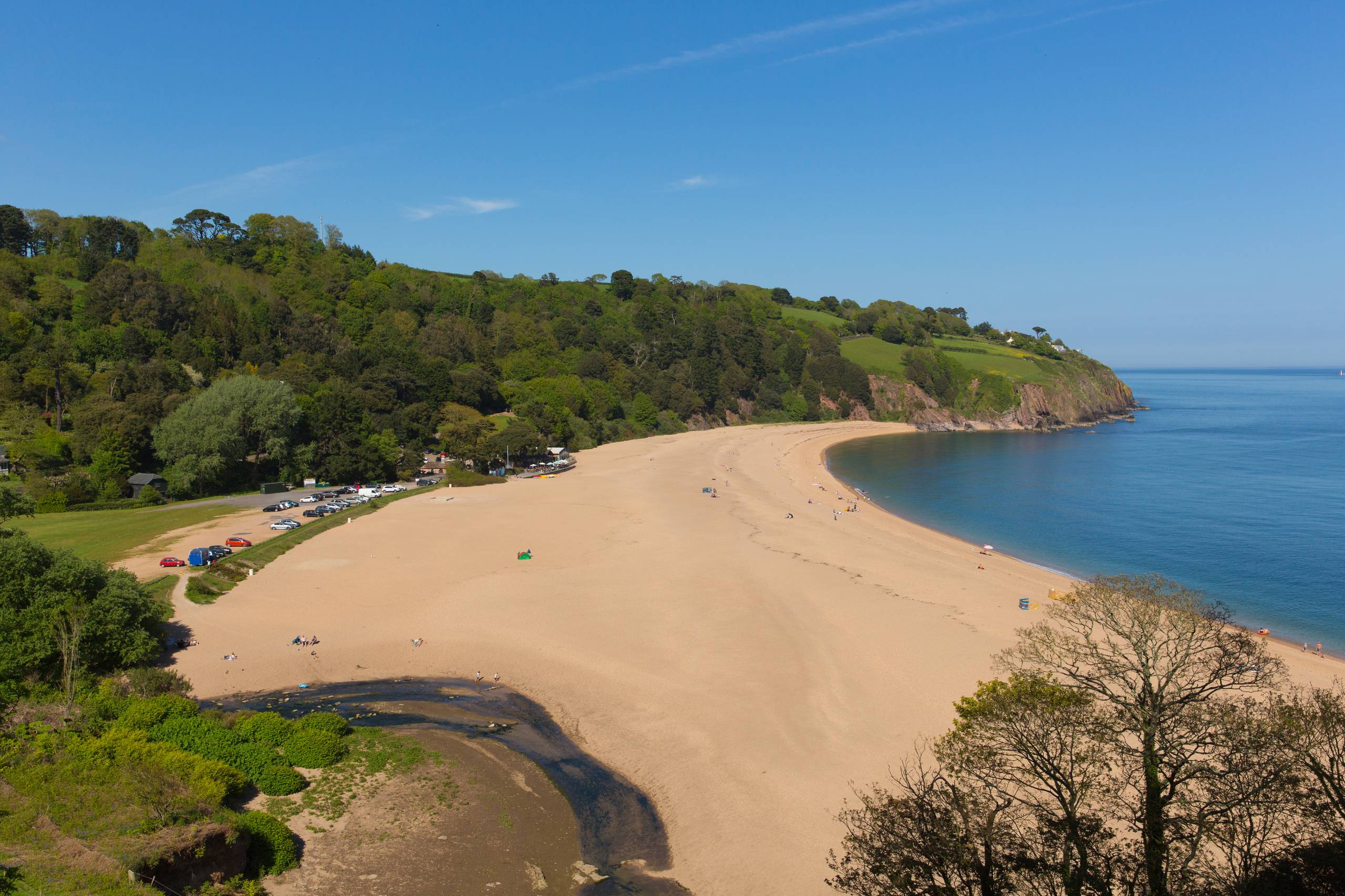
Relaxing at Blackpool Sands
- Best for: Couples, swimming and laid-back beach days.
- Vibe: Sheltered crescent bay with calm waters, pine-backed scenery and a peaceful atmosphere.
- Don’t miss: Paddleboarding, swimming in the clear water and waterside picnics.
- Ideal stay length: Half a day to a full day.
Despite the name, Blackpool Sands is actually a beautiful sheltered beach near Dartmouth on Devon’s south coast. Backed by pine-covered hills and lapped by clear turquoise water, it feels more Mediterranean than British on a sunny day.
- Crystal-clear water: One of Devon’s best beaches for swimming and paddleboarding.
- Sheltered setting: The enclosed bay makes it feel peaceful and protected.
- Excellent facilities: There’s a beach café, watersports hire and good parking nearby.
- Beautiful scenery: Pine forests and rolling hills surround the bay.
- Perfect for slower beach days: Ideal for swimming, reading and relaxed afternoons by the sea.
- By car: Located around 10 minutes from Dartmouth via the A379, with on-site parking available.
- By train: Totnes is the nearest major train station, followed by a taxi or bus journey.
- By bus: Seasonal bus services run between Dartmouth and Kingsbridge along the coast road.
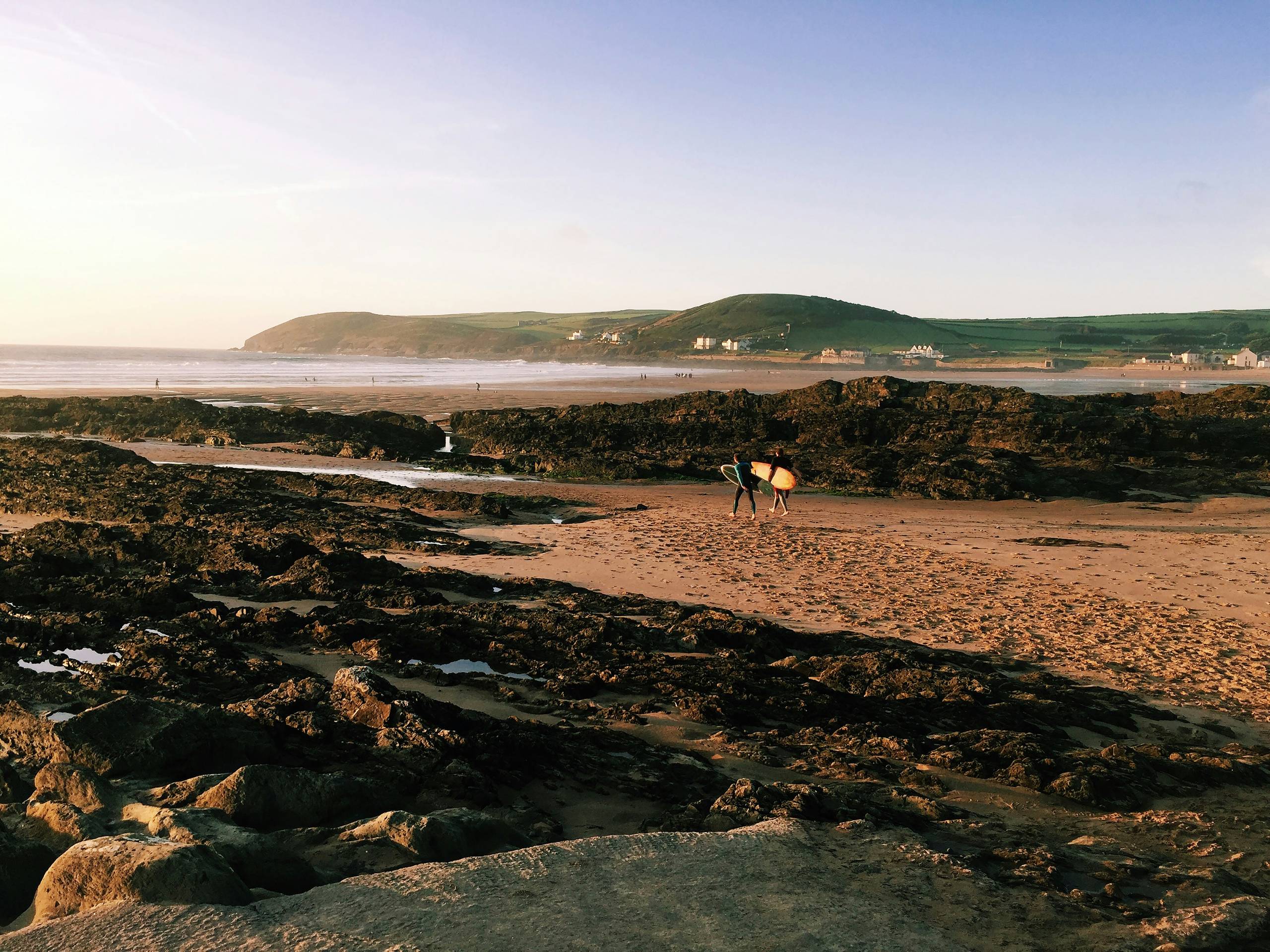
Exploring Croyde Bay
- Best for: Surfers, beach lovers and lively summer escapes.
- Vibe: Classic North Devon surf village with golden sands and relaxed coastal energy.
- Don’t miss: Catching the waves at Croyde Beach and sunset drinks overlooking the sea.
- Ideal stay length: Two to three days.
Croyde Bay is one of Devon’s most iconic surfing beaches, combining rolling Atlantic waves with a laid-back village atmosphere. Surrounded by dunes and green headlands, it has a wonderfully wild feel while still being family-friendly.
- Excellent surf beach: One of the best places in Devon for surfing lessons and experienced surfers alike.
- Beautiful coastal scenery: Dramatic cliffs and rolling dunes surround the bay.
- Lively village atmosphere: Great pubs, cafés and surf shops sit just behind the beach.
- Fantastic walking routes: Nearby Baggy Point offers incredible coastal walks.
- Classic North Devon feel: Relaxed, outdoorsy and perfect for beach-focused weekends.
- By car: Croyde is easiest reached by car, with several nearby beach car parks.
- By train: Barnstaple is the nearest train station, around 25 minutes away by road.
- By bus: Seasonal coastal bus services connect Croyde with Braunton, Barnstaple and Woolacombe.
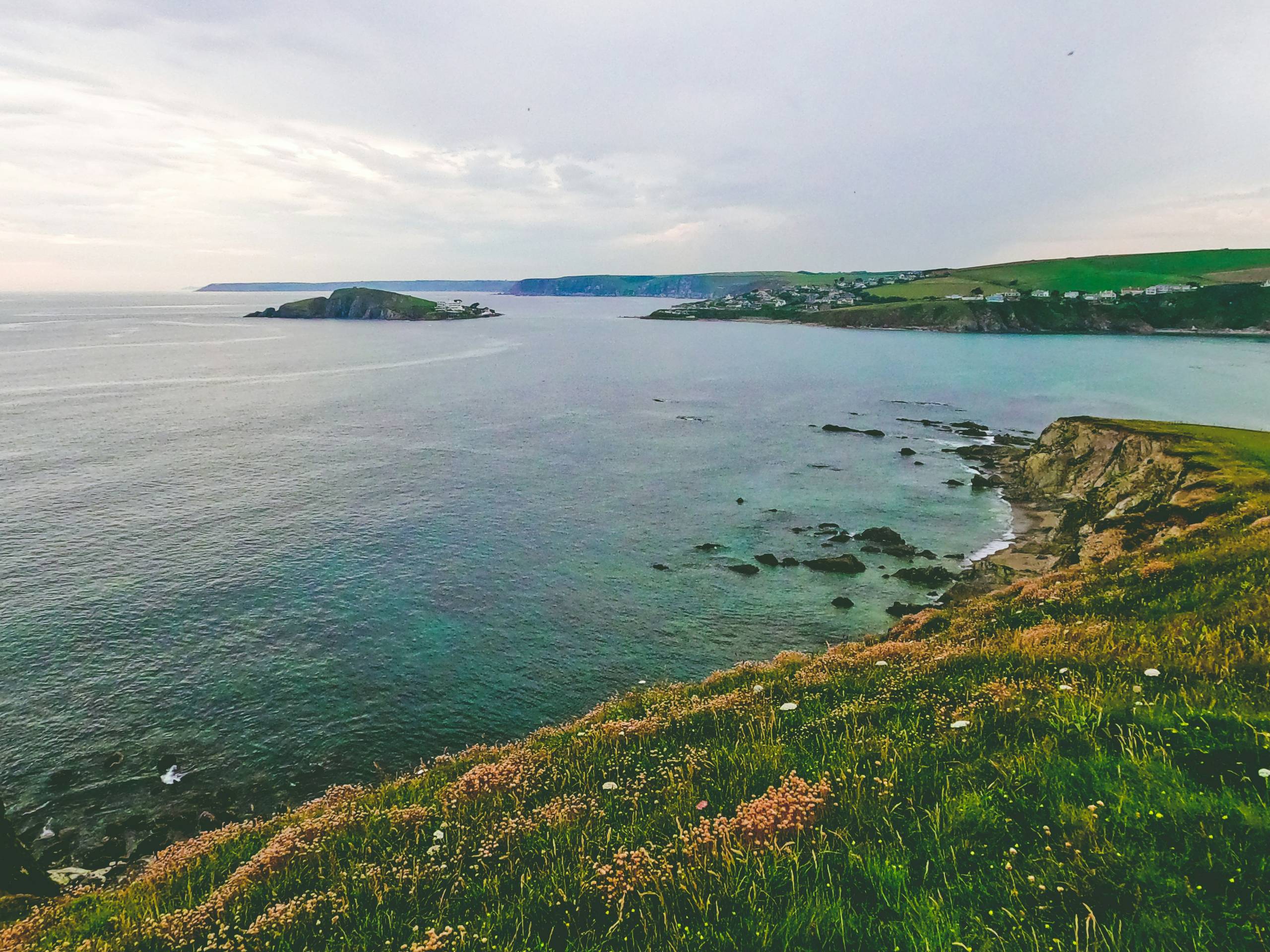
Spending the day at Bantham Beach
- Best for: Families, paddleboarding and scenic beach walks.
- Vibe: Relaxed sandy beach with rolling dunes and sweeping estuary views.
- Don’t miss: Paddleboarding on the estuary and views across to Burgh Island.
- Ideal stay length: Half a day to a full day.
Set at the mouth of the River Avon, Bantham Beach is one of South Devon’s most scenic stretches of coastline. With soft sand, rolling dunes and views across to Burgh Island, it’s hugely popular with surfers, swimmers and families alike.
- Beautiful South Devon scenery: The views across the estuary and towards Burgh Island are stunning.
- Great for watersports: Popular for surfing, paddleboarding and wild swimming.
- Soft golden sand: Perfect for traditional beach days and sandcastle building.
- Relaxed atmosphere: Bantham feels quieter and more natural than many larger resort beaches.
- Fantastic walking opportunities: Easy access to the South West Coast Path.
- By car: Bantham is best reached by car, with parking available close to the beach.
- By train: Totnes is the nearest major train station, around 40 minutes away by road.
- By bus: Limited seasonal bus services run to Bantham from nearby South Hams towns.
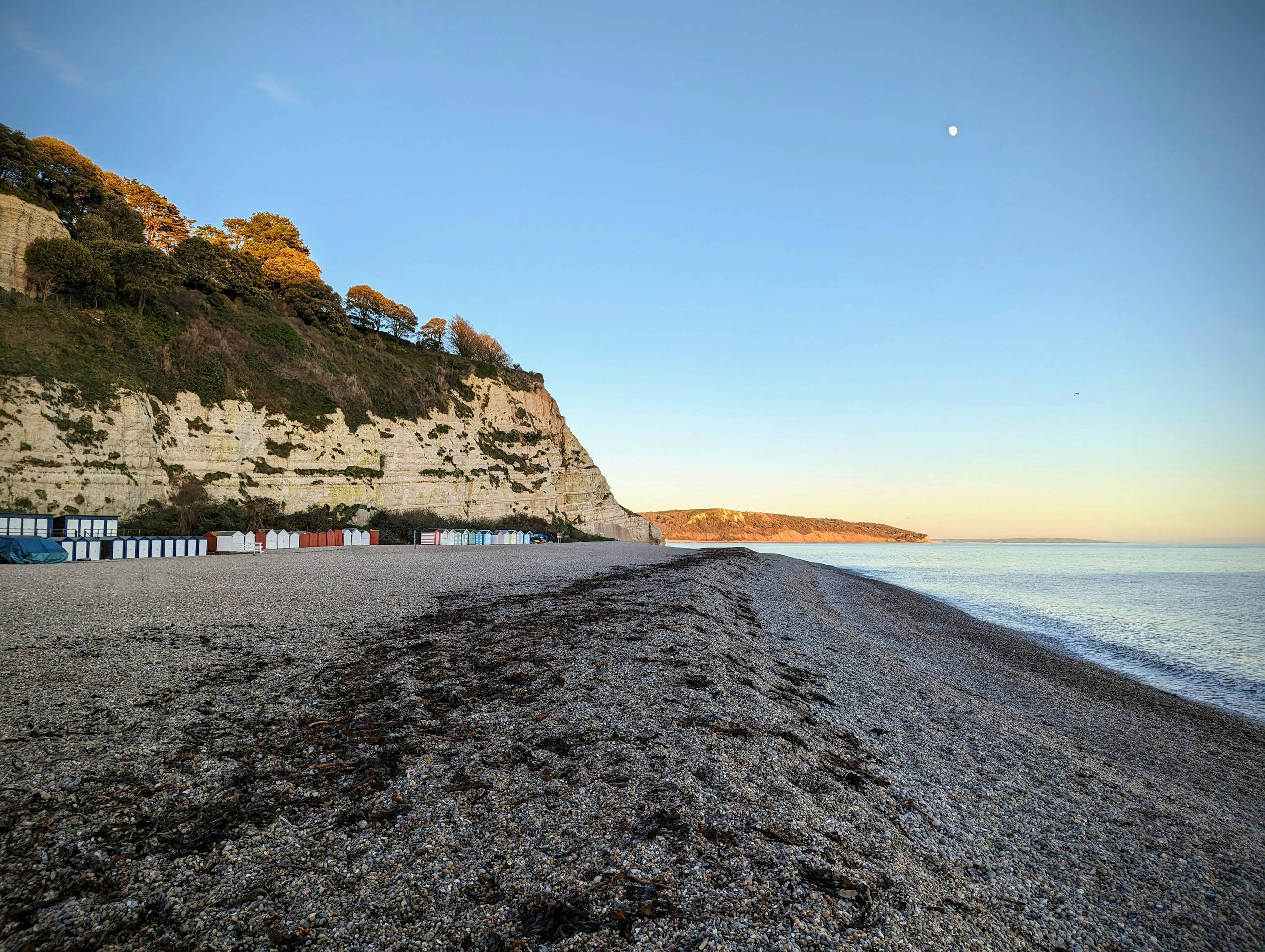
Discovering Beer Beach
- Best for: Seaside strolls, seafood lunches and traditional Devon charm.
- Vibe: Quiet pebble beach backed by fishing boats, limestone cliffs and cosy village streets.
- Don’t miss: Fresh seafood by the waterfront and boat trips along the Jurassic Coast.
- Ideal stay length: Half a day to one day.
Tucked beneath dramatic white cliffs on Devon’s Jurassic Coast, Beer Beach is one of the county’s prettiest and most characterful seaside spots. Fishing boats still line the shore, giving the village a wonderfully timeless atmosphere.
- Traditional fishing village charm: Colourful fishing boats still launch directly from the beach.
- Beautiful Jurassic Coast scenery: White chalk cliffs surround the sheltered bay.
- Excellent seafood: Fresh crab and seafood are a huge highlight here.
- Great for slower coastal days: Ideal for swimming, reading and wandering the village.
- Lovely independent cafés: Plenty of relaxed spots for lunch overlooking the sea.
- By car: Beer is accessible via winding coastal roads, with village parking available nearby.
- By train: Axminster is the nearest train station, around 25 minutes away by road.
- By bus: Local buses connect Beer with Seaton, Sidmouth and surrounding East Devon towns.

Best places to eat and drink in Devon
Devon’s food scene is one of the best in the South West, shaped by its fishing villages, rolling countryside, independent spirit and incredible local produce. From seafood restaurants overlooking the sea and cosy countryside pubs to bakeries, wine bars and waterside cafés, there’s no shortage of memorable places to eat and drink while exploring the county.
Overlooking the River Dart, The Seahorse has long been one of Devon’s most celebrated seafood restaurants. Relaxed yet refined, it’s the kind of place made for long lunches, sunset dinners and lingering over good wine by the water.
- Exceptional seafood: Fresh local fish and shellfish are the stars of the menu.
- Beautiful riverside setting: Tables overlooking the Dart make the atmosphere feel extra special.
- Seasonal cooking: Menus focus heavily on local produce and simple Mediterranean-inspired flavours.
- Perfect for special occasions: Ideal for romantic dinners and celebratory meals.
- Great Dartmouth location: Easy to combine with exploring the town and waterfront.
Set within a sprawling Elizabethan manor house near Honiton, The Pig at Combe combines cosy country-house charm with one of Devon’s best food experiences. Much of the menu is sourced from the hotel’s own gardens, creating a wonderfully seasonal feel.
- Beautiful countryside setting: The grounds and walled gardens are stunning year-round.
- Kitchen garden dining: Ingredients are sourced directly from the estate wherever possible.
- Relaxed luxury atmosphere: Stylish without feeling overly formal.
- Fantastic afternoon teas and lunches: Ideal for slower Devon afternoons.
- Perfect for food-focused escapes: Easily combined with a countryside stay nearby.
With locations in Dartmouth, Exmouth and Brixham, Rockfish has become one of Devon’s go-to spots for relaxed seafood dining. Expect harbour views, fish landed locally each morning and a laid-back coastal atmosphere.
- Ultra-fresh seafood: Menus change depending on the daily catch.
- Waterside locations: Most restaurants sit directly beside the harbour or sea.
- Family-friendly atmosphere: Relaxed enough for casual lunches and beach-day dinners.
- Excellent fish and chips: A standout option for classic seaside dining done well.
- Great coastal setting: Perfect after days spent exploring the beach or coast path.
Hidden beside the Avon Estuary near Bigbury-on-Sea, The Oyster Shack is one of Devon’s most loved coastal food spots. Informal, lively and packed with local seafood, it feels perfectly suited to lazy afternoons after the beach.
- Fantastic shellfish and seafood: Oysters, crab and grilled fish are huge highlights.
- Relaxed coastal atmosphere: Rustic interiors and outdoor seating keep things casual.
- Great for groups and families: The laid-back setting suits all kinds of visitors.
- Beautiful estuary location: Easy to combine with Bantham or Bigbury beach days.
- Excellent local produce: Menus celebrate South Devon ingredients throughout.
Part working mill, part café and part artisan bakery, Otterton Mill is one of East Devon’s loveliest countryside food spots. Set beside the River Otter, it’s the kind of place that invites slow breakfasts, long lunches and lazy coffee stops.
- Beautiful riverside setting: A peaceful countryside atmosphere surrounded by greenery.
- Excellent bakery and café: Fresh bread, cakes and brunch dishes are particularly popular.
- Historic charm: The old mill building adds plenty of character.
- Lovely local shopping: Browse artisan crafts and local produce on-site.
- Great walking nearby: Easy to combine with walks around Budleigh Salterton and the Jurassic Coast.
Getting to Devon
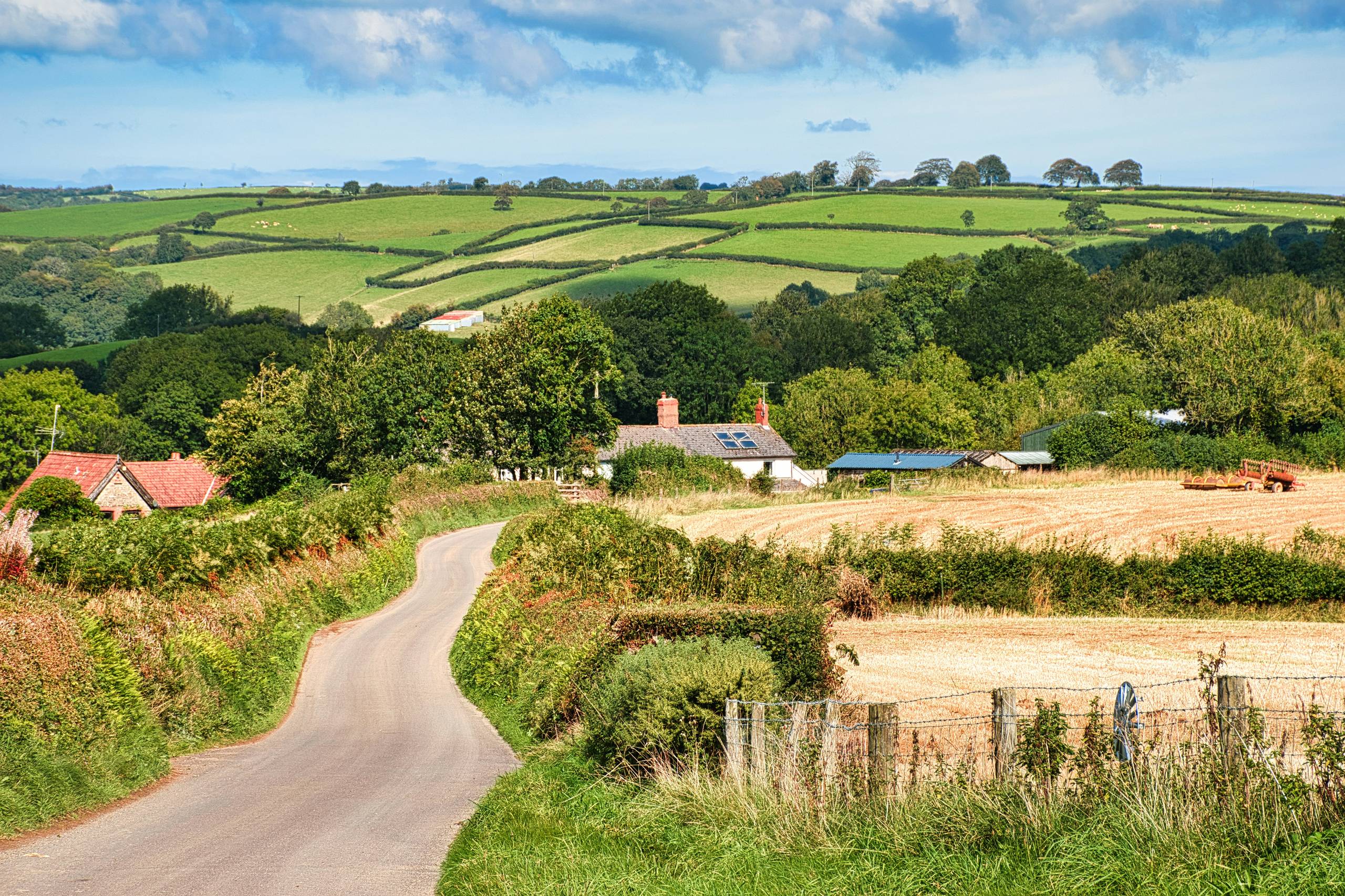
Whether you’re travelling for a long weekend on the coast or a slower countryside escape, Devon is surprisingly easy to reach from much of the UK. With direct train routes, major road connections and regional airports nearby, you can be exploring beaches, moorland and harbour towns within just a few hours.
Driving is one of the easiest and most flexible ways to explore Devon, particularly if you’re planning to visit beaches, villages and countryside spots beyond the main towns and cities.
- Easy motorway access: The M5 runs directly into Exeter, making much of Devon accessible from the Midlands, Bristol and beyond.
- Perfect for road trips: Having a car makes it much easier to explore coastal villages, Dartmoor and hidden beaches.
- Beautiful scenic drives: Coastal roads and countryside routes are part of the experience.
- Flexible travel option: Ideal if you’re staying in more remote cottages or countryside locations.
- Best for multi-stop itineraries: Easier to combine several areas of Devon into one trip.
- From London: Around 4–5 hours via the M4 and M5.
- From Birmingham: Roughly 3–4 hours via the M5.
- From Bristol: Around 1.5–2 hours depending on destination.
- From Cornwall: Accessible via the A38 and A30 routes.
Train travel is one of the most relaxing ways to arrive in Devon, particularly for city breaks, coastal escapes and weekends centred around Exeter or South Devon.
- Direct trains from London: Fast services run from London Paddington to Exeter, Totnes and Plymouth.
- Beautiful coastal rail journeys: Some stretches of track run dramatically alongside the sea.
- Easy access to major towns: Exeter, Totnes, Barnstaple and Exmouth all have useful rail connections.
- Ideal for weekend breaks: Great if you’re staying somewhere walkable or near the coast.
- Less stressful than driving: Avoid summer traffic on busy Devon roads.
- Exeter St Davids: Devon’s main rail hub with connections across the county.
- Totnes: Ideal for South Hams destinations including Dartmouth and Salcombe.
- Barnstaple: Useful for North Devon beaches and coastal towns.
- Exmouth: Great for beach breaks and East Devon exploring.
National coach services offer an affordable way to reach Devon from cities across the UK, particularly during summer and holiday periods.
- Budget-friendly travel: Often cheaper than train travel when booked in advance.
- Direct services available: National Express and Megabus operate routes into Devon.
- Useful for city breaks: Particularly convenient for Exeter and larger towns.
- Comfortable long-distance travel: Many coaches include WiFi and charging points.
- Good option for solo travellers: Easy access without needing a car.
- Exeter: Main hub for long-distance coach services.
- Plymouth: Useful for South Devon and onward travel into Cornwall.
- Torquay and Paignton: Seasonal routes often operate during summer months.
While most visitors arrive by road or rail, flying can be useful if you’re travelling from further afield or combining Devon with a wider South West trip.
- Exeter Airport access: The county’s main airport offers domestic and international flights.
- Good regional connections: Flights operate from cities including Belfast, Edinburgh and Manchester.
- Convenient for short breaks: Particularly useful for long-distance UK travellers.
- Easy onward travel: Car hire and public transport are available from the airport.
- Quick access to East Devon: Beaches and countryside are within easy reach.
- By car: Around 15 minutes from Exeter city centre via the M5 and A30.
- By bus: Shuttle and public bus services connect the airport with Exeter.
- By taxi: Taxis are readily available for onward journeys across Devon.
Devon is a large county with lots of beautiful rural and coastal areas, so planning how you’ll get around is worth considering before your trip.
- Cars offer the most flexibility: Particularly useful for beaches, villages and Dartmoor.
- Local trains are scenic and useful: Great for routes around South Devon and the coast.
- Seasonal buses connect coastal towns: Especially during spring and summer.
- Ferries add to the experience: Useful around Dartmouth, Salcombe and the River Dart.
- Cycling and walking routes are excellent: Perfect for slower-paced exploring.
- Summer traffic can be busy: Particularly around popular beach towns and narrow coastal roads.
- Book parking ahead where possible: Some beaches and attractions fill up quickly.
- Check seasonal bus timetables: Services can vary outside peak holiday months.
- Allow extra travel time: Rural roads can be slower than expected, especially on Dartmoor and the coast.
Best time of year to visit Devon
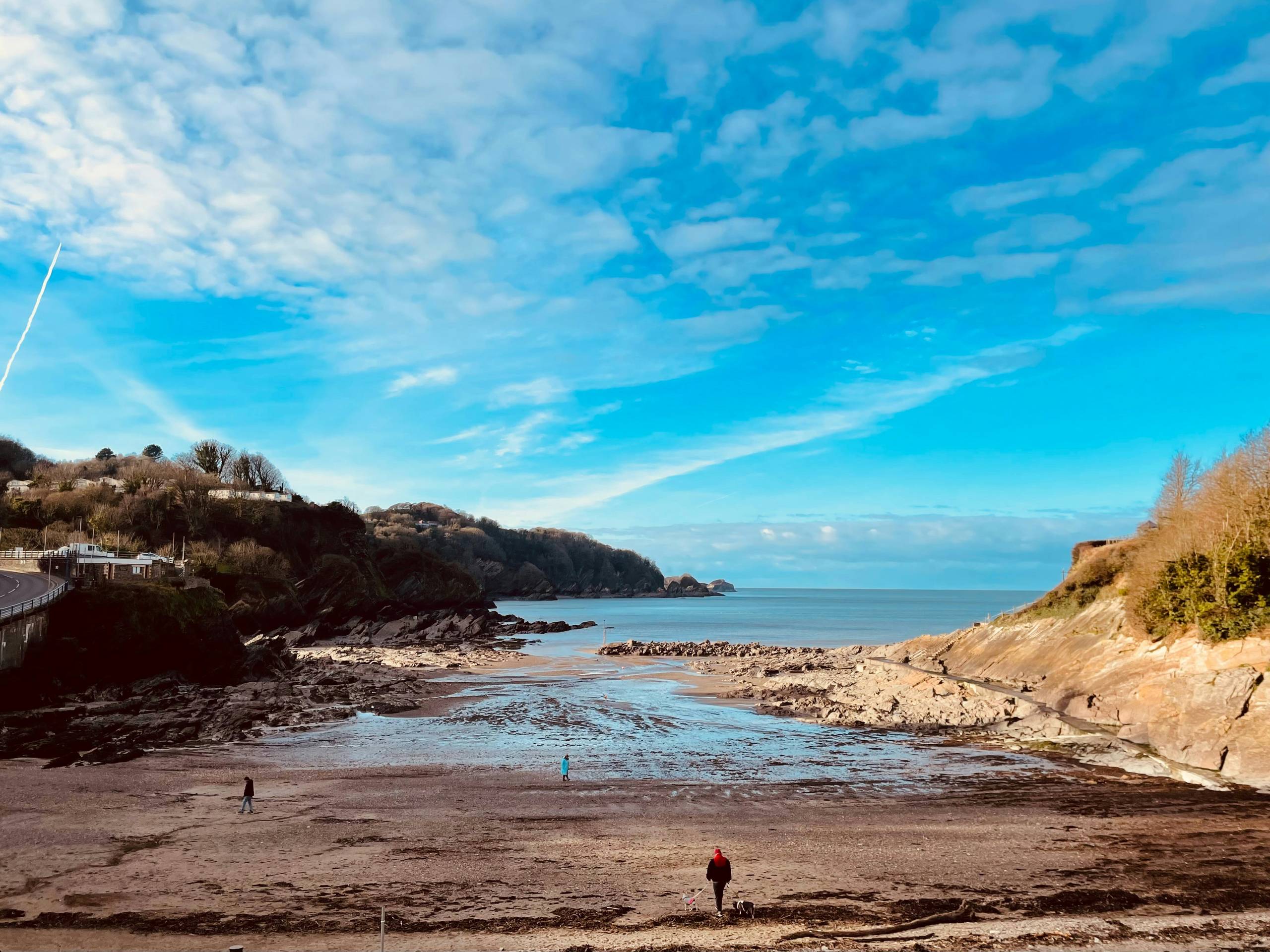
Devon is the kind of destination that changes beautifully with the seasons. Summer brings long beach days and buzzing seaside towns, autumn is perfect for coastal walks and cosy pubs, while spring and winter offer quieter escapes with dramatic scenery and fewer crowds. The best time to visit really depends on the kind of trip you’re planning.
Spring is one of the loveliest times to explore Devon, with countryside walks bursting into colour, quieter beaches and milder weather returning after winter.
- Fewer crowds: Popular towns and beaches feel much calmer than in summer.
- Beautiful countryside: Dartmoor, coastal paths and gardens come alive with spring flowers.
- Great walking weather: Cooler temperatures make hiking and exploring more comfortable.
- Lower accommodation prices: Often cheaper than peak summer stays.
- Perfect for relaxed weekends: Ideal for slower-paced countryside and coastal escapes.
- Best for: Walking holidays, countryside escapes and quieter coastal breaks.
- Typical weather: Mild temperatures with a mix of sunshine and occasional rain showers.
- Best months: April and May often offer the nicest balance of weather and fewer visitors.
Summer is Devon’s busiest season, when beach towns buzz with activity and long sunny days make the coastline particularly irresistible.
- Best beach weather: Ideal for swimming, surfing and coastal adventures.
- Lively seaside atmosphere: Beach cafés, pubs and harbours are at their busiest.
- Perfect for families: School holidays bring plenty of events and attractions to life.
- Long daylight hours: Great for full-day exploring and evening coastal walks.
- Watersports season: Best time for kayaking, paddleboarding and boat trips.
- Best for: Beach holidays, surfing trips and family breaks.
- Typical weather: Warm temperatures and the best chance of sunshine.
- Things to consider: Coastal towns and roads can become very busy during school holidays.
Autumn brings a slower, more atmospheric side to Devon, with quieter beaches, golden countryside and cosy evenings in waterside pubs.
- Beautiful coastal walks: Crisp weather and quieter paths make this a fantastic walking season.
- Cosy pub atmosphere: Perfect for long lunches and evenings by the fire.
- Great surfing conditions: Autumn swells often create excellent conditions on North Devon beaches.
- Fewer tourists: Popular towns feel calmer after summer crowds disappear.
- Beautiful autumn colours: Dartmoor and Devon’s countryside look especially stunning.
- Best for: Food-focused trips, surfing weekends and scenic road trips.
- Typical weather: Mild early autumn weather with cooler evenings later in the season.
- Best months: September and October are particularly popular for quieter coastal escapes.
Winter in Devon feels wonderfully peaceful, especially along the coast and across Dartmoor. Stormy sea views, cosy cottages and quieter towns make it ideal for slower escapes.
- Peaceful atmosphere: Beaches and villages feel calm and uncrowded.
- Dramatic coastal scenery: Winter storms create spectacular sea views along the coast.
- Cosy places to stay: Perfect time for log fires, hot tubs and countryside cottages.
- Great festive breaks: Many towns host Christmas markets and seasonal events.
- Ideal for relaxing escapes: Best suited to slower-paced weekends and walking trips.
- Best for: Cosy cottage stays, winter walks and quiet coastal retreats.
- Typical weather: Cooler temperatures with occasional storms and crisp sunny days.
- Things to consider: Some seasonal attractions, cafés and coastal businesses may close during quieter months.
Choose the perfect Devon break for your needs
Whether you’re planning a surf weekend, a family escape or a food-filled coastal retreat, Devon has a completely different personality depending on where you stay and what kind of trip you’re after. These are some of the best areas, beaches and experiences to help you plan the perfect Devon break.
With huge Atlantic swells, laid-back surf towns and miles of sandy coastline, North Devon is easily one of the UK’s best surfing destinations. Whether you’re a complete beginner or a seasoned surfer chasing bigger waves, the north coast has plenty of beaches and surf spots to explore.
- Croyde Bay: One of Devon’s most iconic surf beaches with excellent waves and a lively village atmosphere.
- Woolacombe Beach: Great for beginners thanks to its huge sandy beach and surf schools.
- Saunton Sands: Long, consistent waves and plenty of space make this ideal for longer surf sessions.
- Baggy Point walks: Incredible coastal walks overlooking some of North Devon’s best surf beaches.
- Surf cafés and beach bars: North Devon is packed with relaxed post-surf food spots and pubs.
Devon is packed with family-friendly beaches, attractions and outdoor adventures, making it one of the UK’s best destinations for multi-generational holidays and school-break escapes.
- Crealy Theme Park: One of Devon’s biggest family attractions with rides and indoor play zones.
- Paignton Zoo: A brilliant all-weather family day out with hundreds of animals to see.
- The Big Sheep: Classic North Devon family fun with rides, shows and farm animals.
- Woolacombe Beach: Huge sandy beach ideal for paddling, sandcastles and family beach days.
- The Tarka Trail: Safe, traffic-free cycling routes perfect for families with younger children.
From waterside restaurants and boutique hotels to dramatic coastal walks and cosy countryside pubs, Devon is perfect for romantic weekends and slower-paced escapes for two.
- Salcombe: Stylish coastal town with beautiful estuary views and fantastic restaurants.
- Dartmouth: Ideal for romantic riverside walks, seafood dinners and boat trips.
- Blackpool Sands: One of Devon’s prettiest beaches for quieter beach days and swimming.
- The Pig at Combe: Beautiful country-house dining and luxury surroundings near Honiton.
- Dartmoor National Park: Perfect for scenic walks, wild landscapes and cosy pub lunches.
Beyond Devon’s famous beaches, the coastline is filled with quieter coves and tucked-away stretches of sand that feel wonderfully secluded, particularly outside peak summer weekends.
- Soar Mill Cove: A hidden South Devon beach reached via coastal walking paths.
- Mattiscombe Sands: Wild and remote with dramatic cliff scenery near Start Point.
- Gara Rock Beach: A peaceful cove with beautiful clear water and fewer crowds.
- Lee Bay: Small rocky cove near Ilfracombe with a wonderfully hidden feel.
- Lannacombe Beach: Quiet South Hams beach popular with locals and wild swimmers.
Devon’s food scene stretches far beyond cream teas, with excellent seafood, independent restaurants, waterside pubs and artisan bakeries scattered throughout the county. These towns stand out for particularly good eating and drinking.
- Dartmouth: Famous for seafood restaurants, waterside dining and independent cafés.
- Totnes: Packed with organic cafés, bakeries, wine bars and creative food spots.
- Exeter: One of the South West’s best small cities for independent restaurants and bars.
- Salcombe: Great seafood restaurants, beach cafés and stylish waterside dining.
- Brixham: Working fishing harbour known for ultra-fresh seafood and relaxed coastal pubs.
Some of our favourite Devon stays
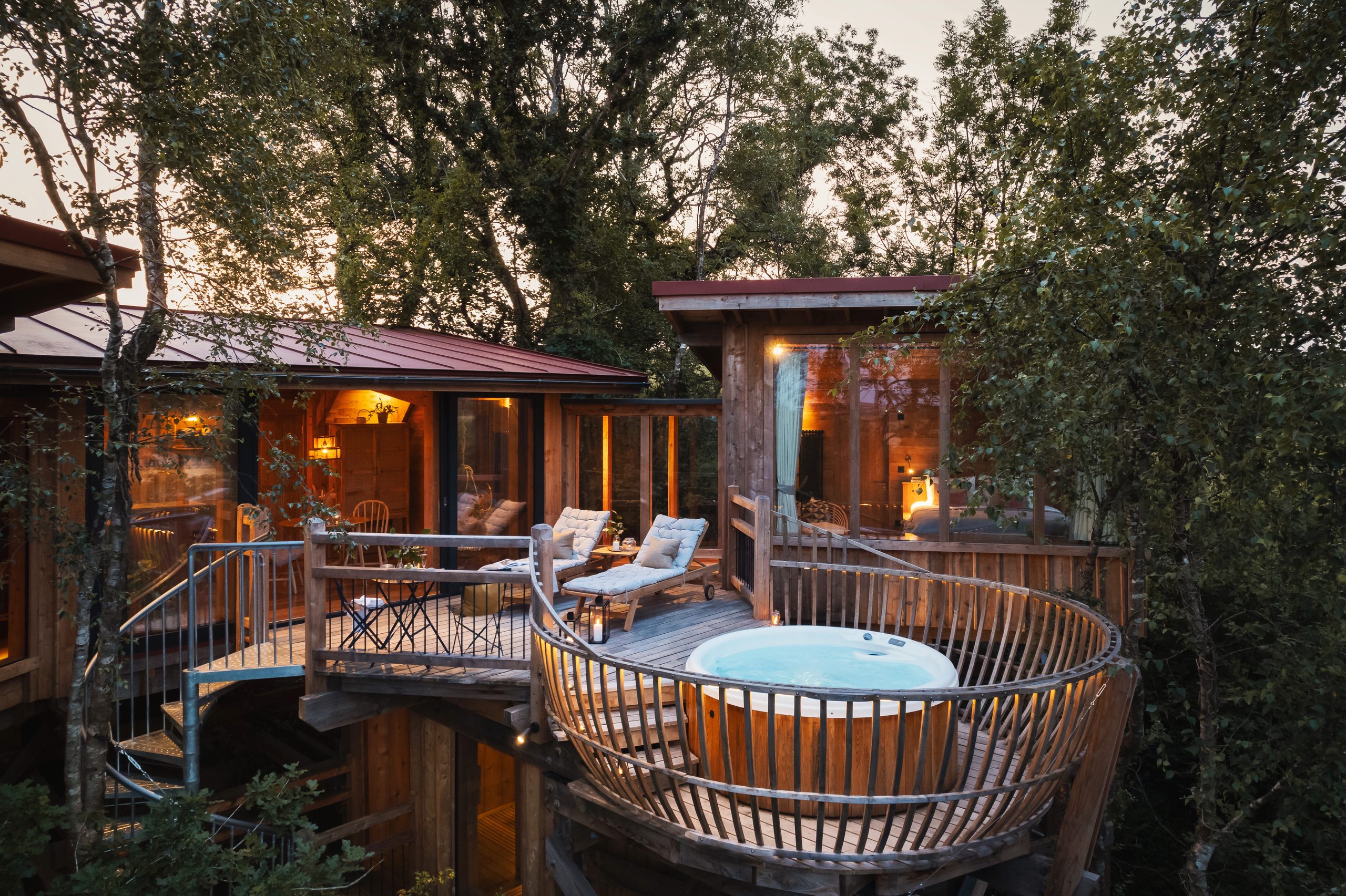
Wolf Wood Spa Treehouse
Okehampton
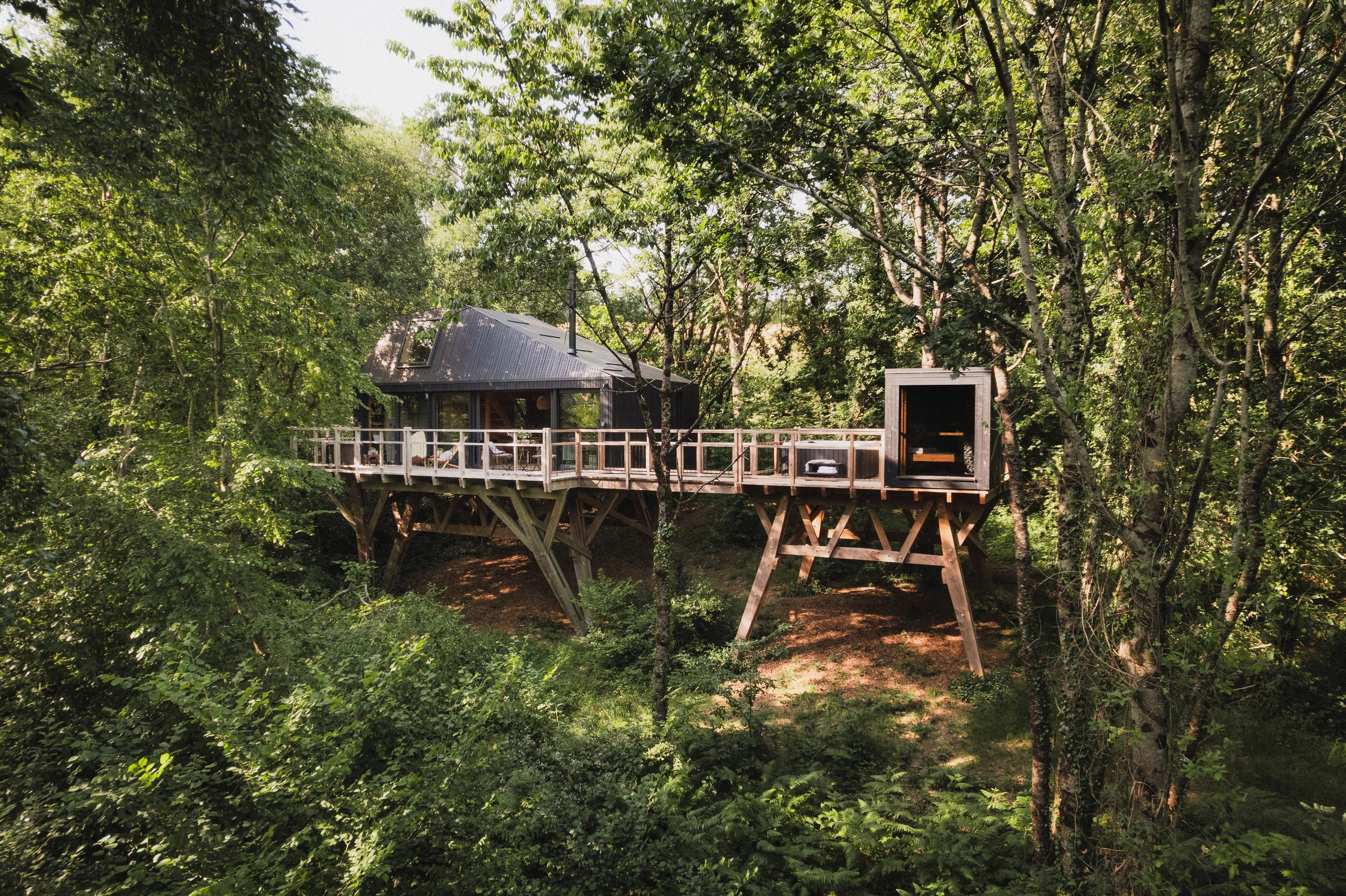
Starling Spa Treehouse
Crediton
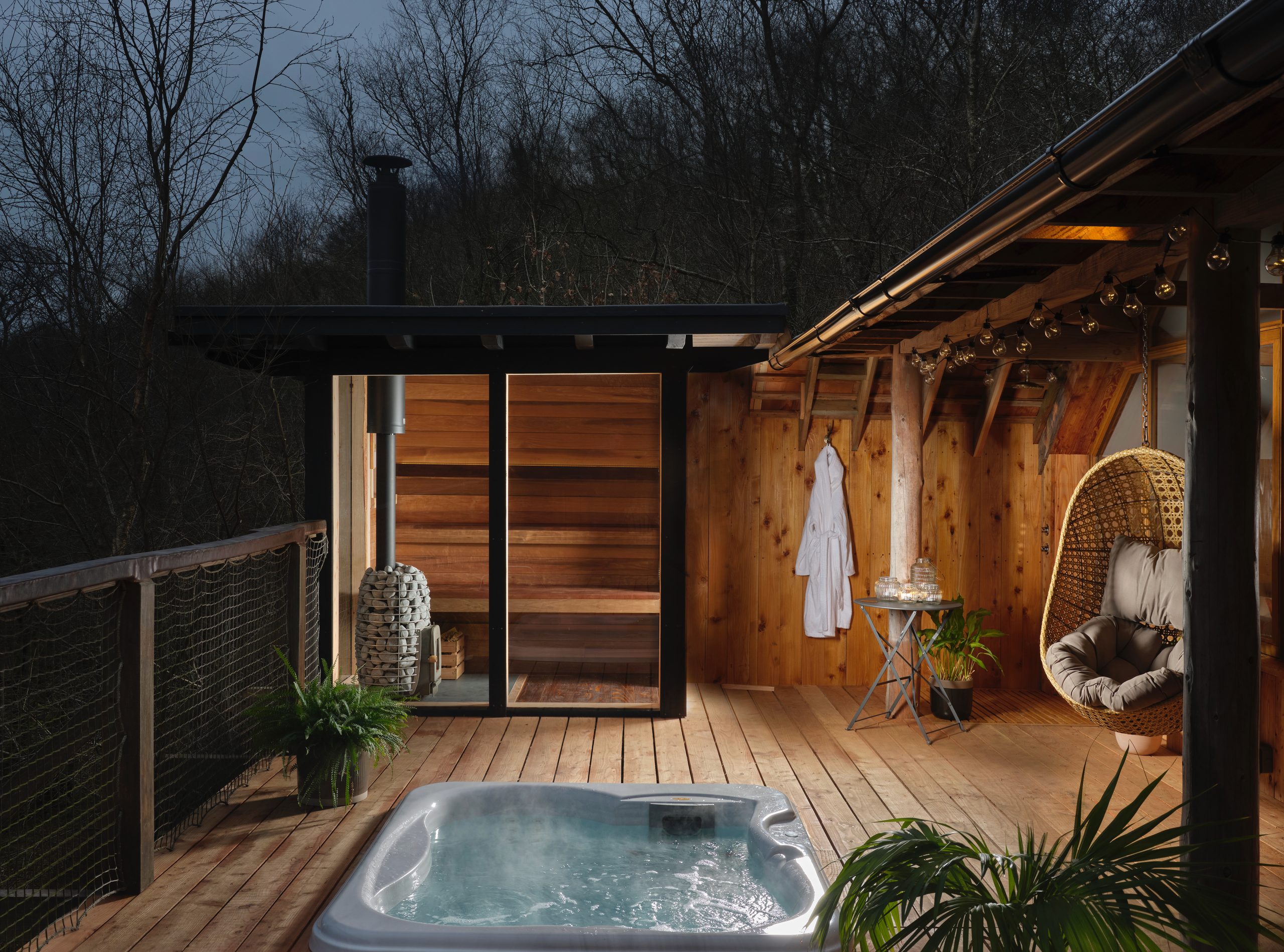
Stargazer Treehouse
Okehampton
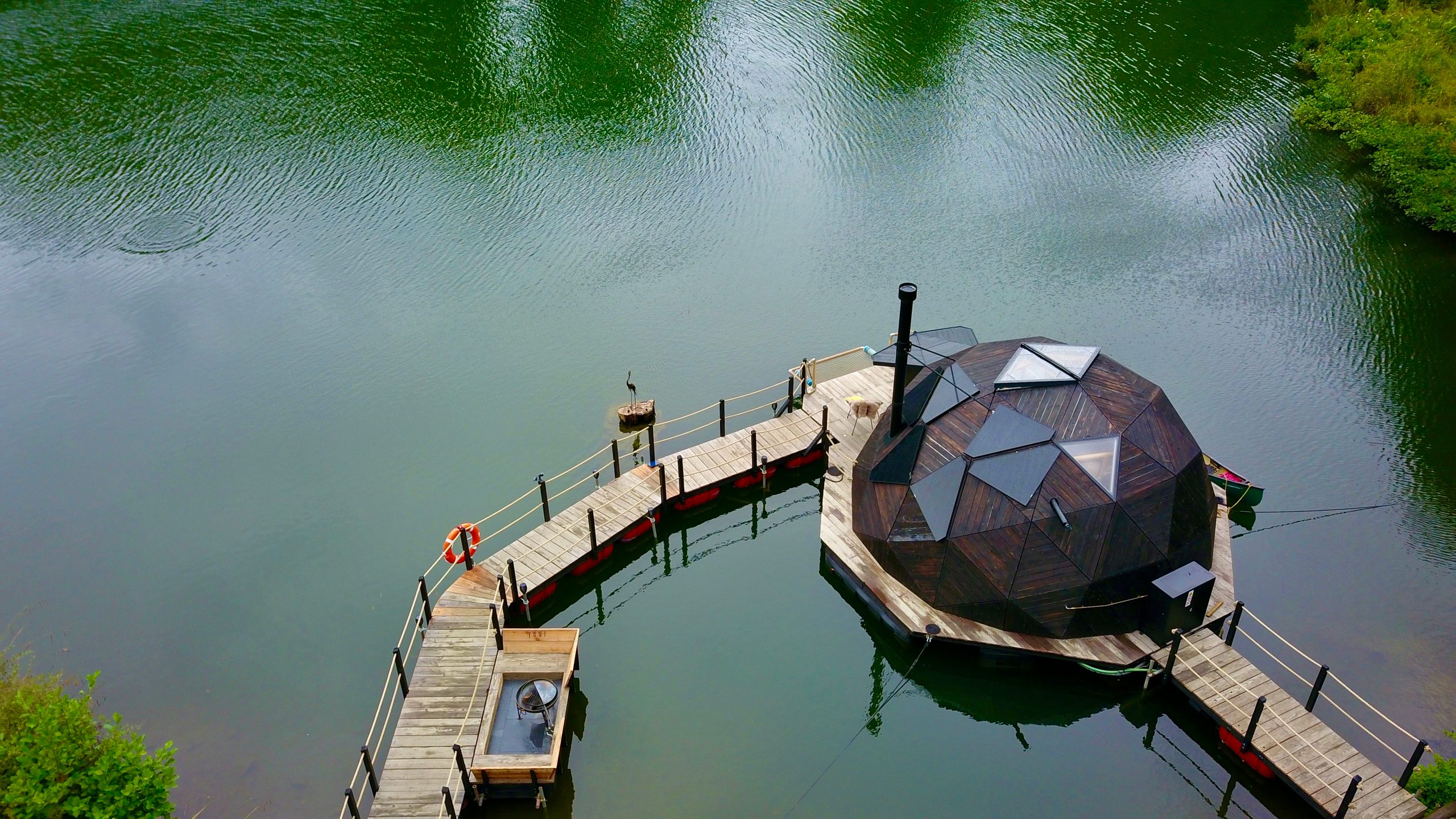
Lilypod
Lewdown
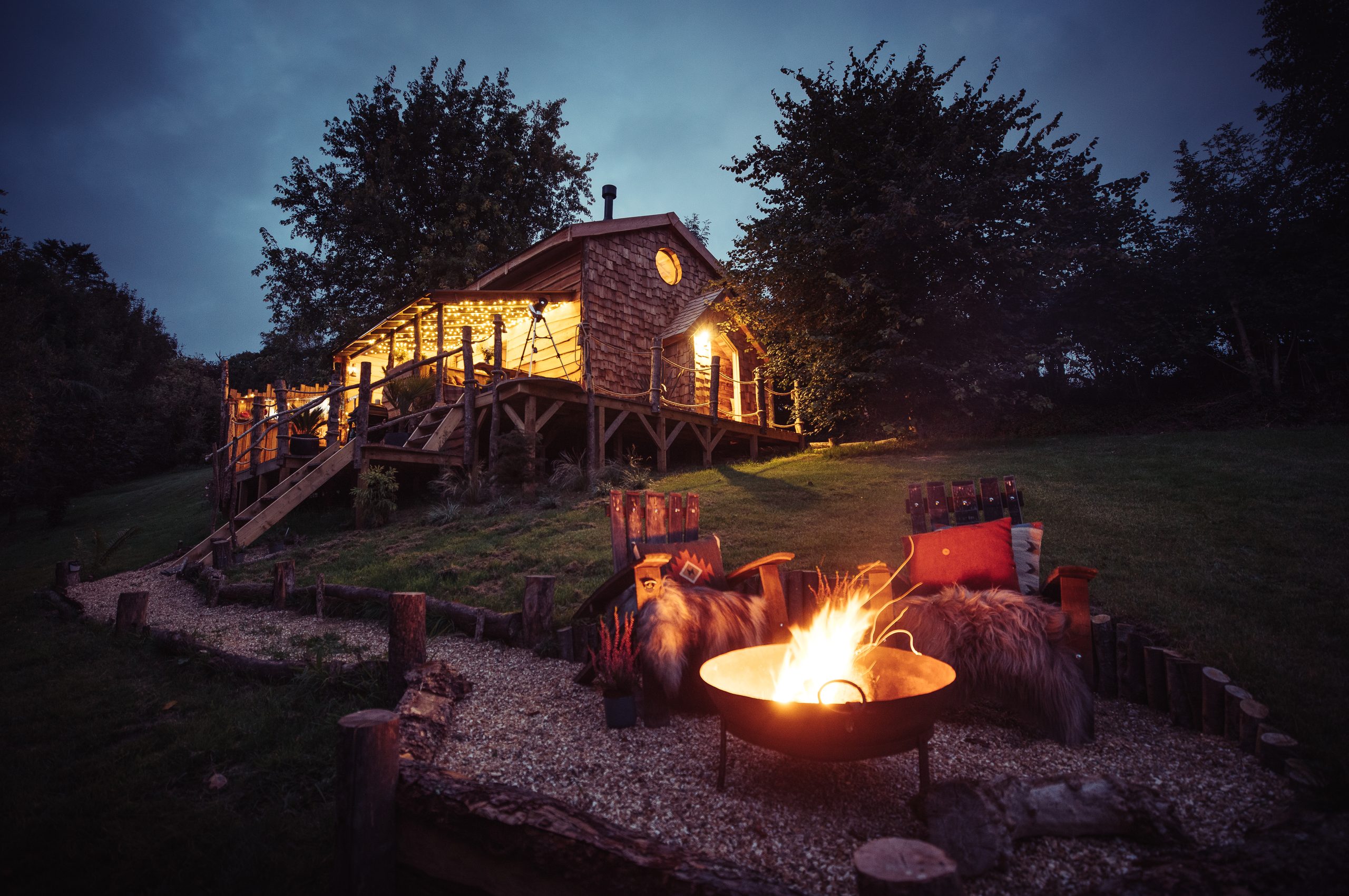
Ursabear Cabin
Bampton
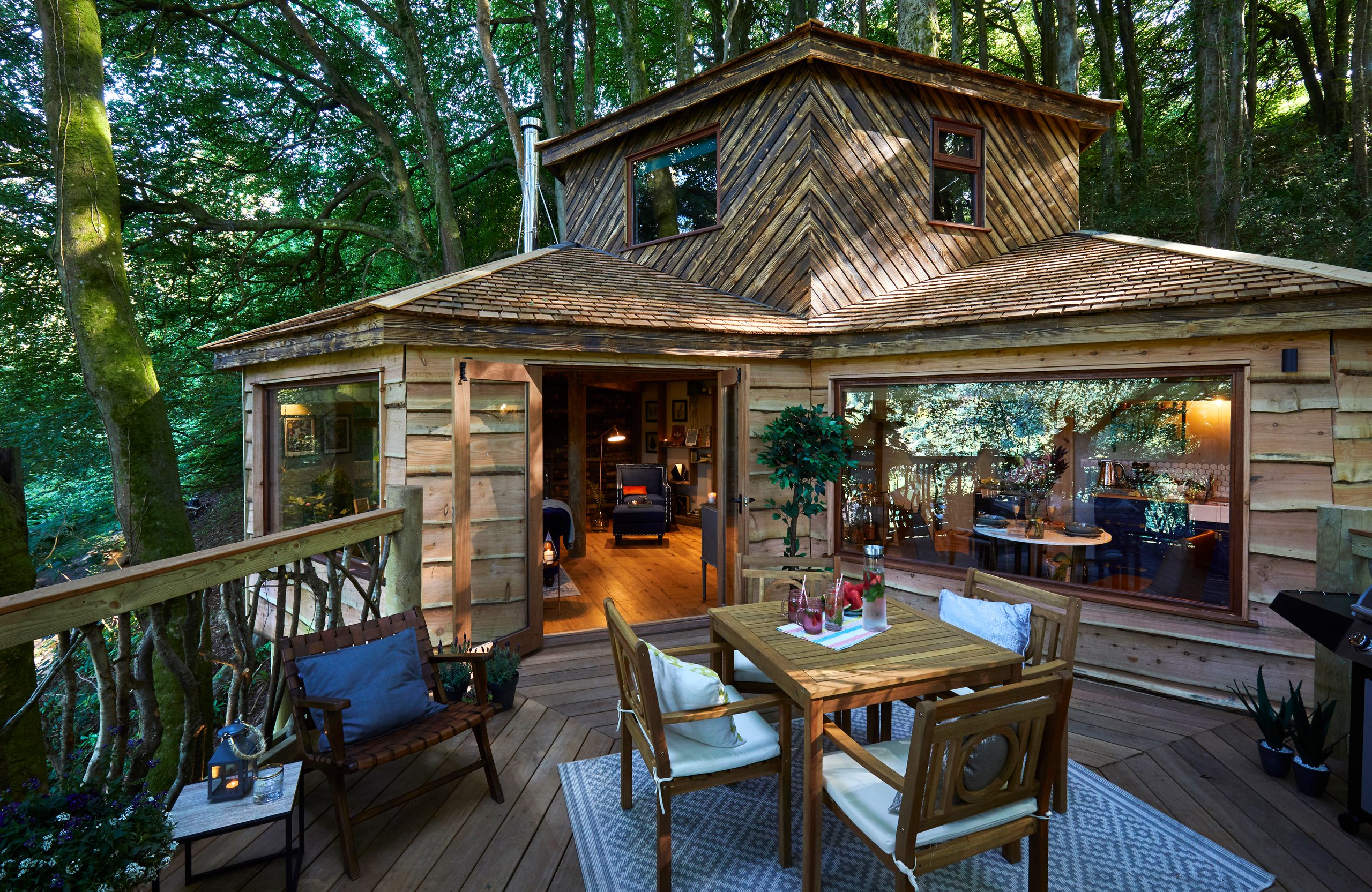
Ravendere Retreats Treehouse
Lee Bay (Near Woolacombe)
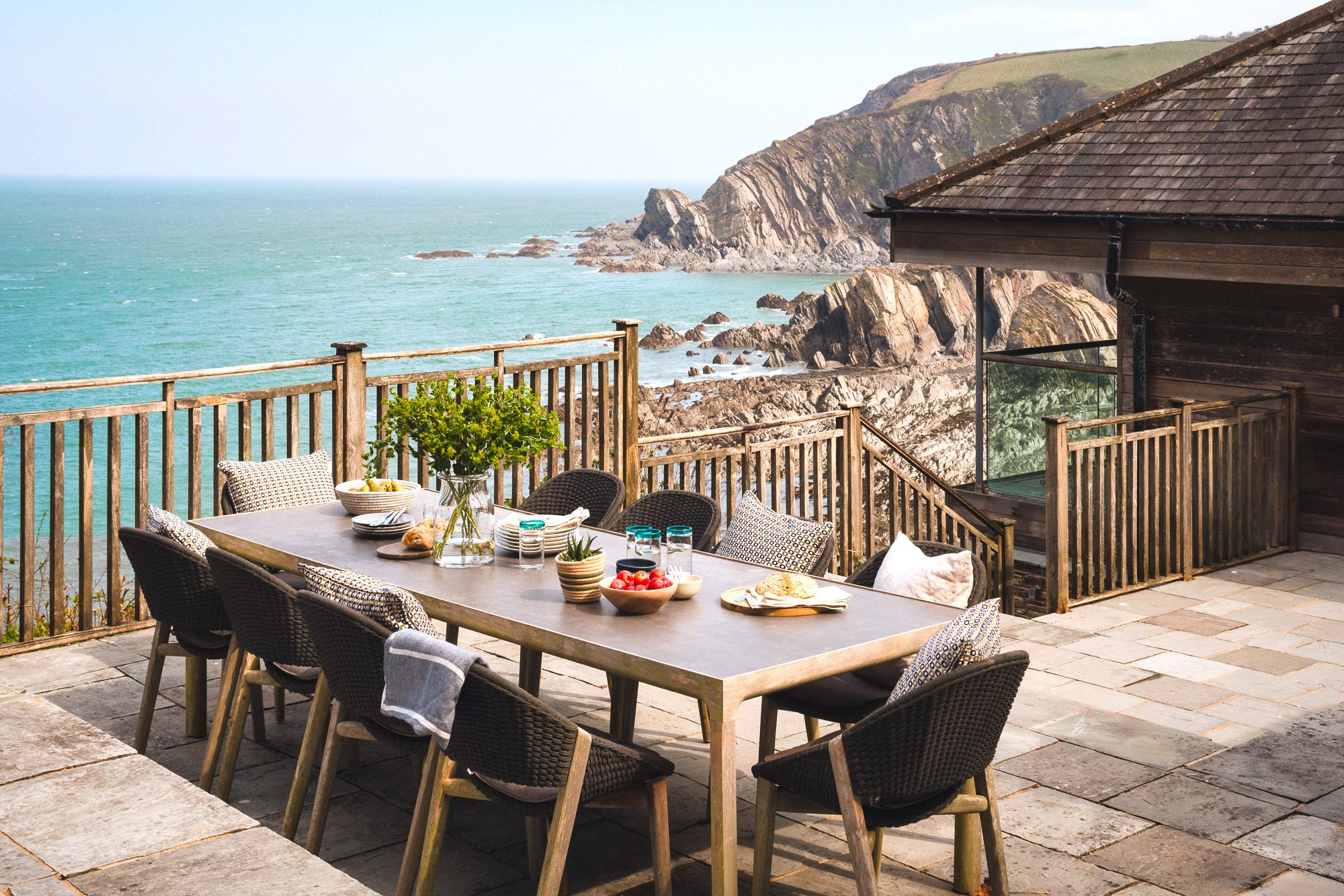
Cliffe House
Ilfracombe
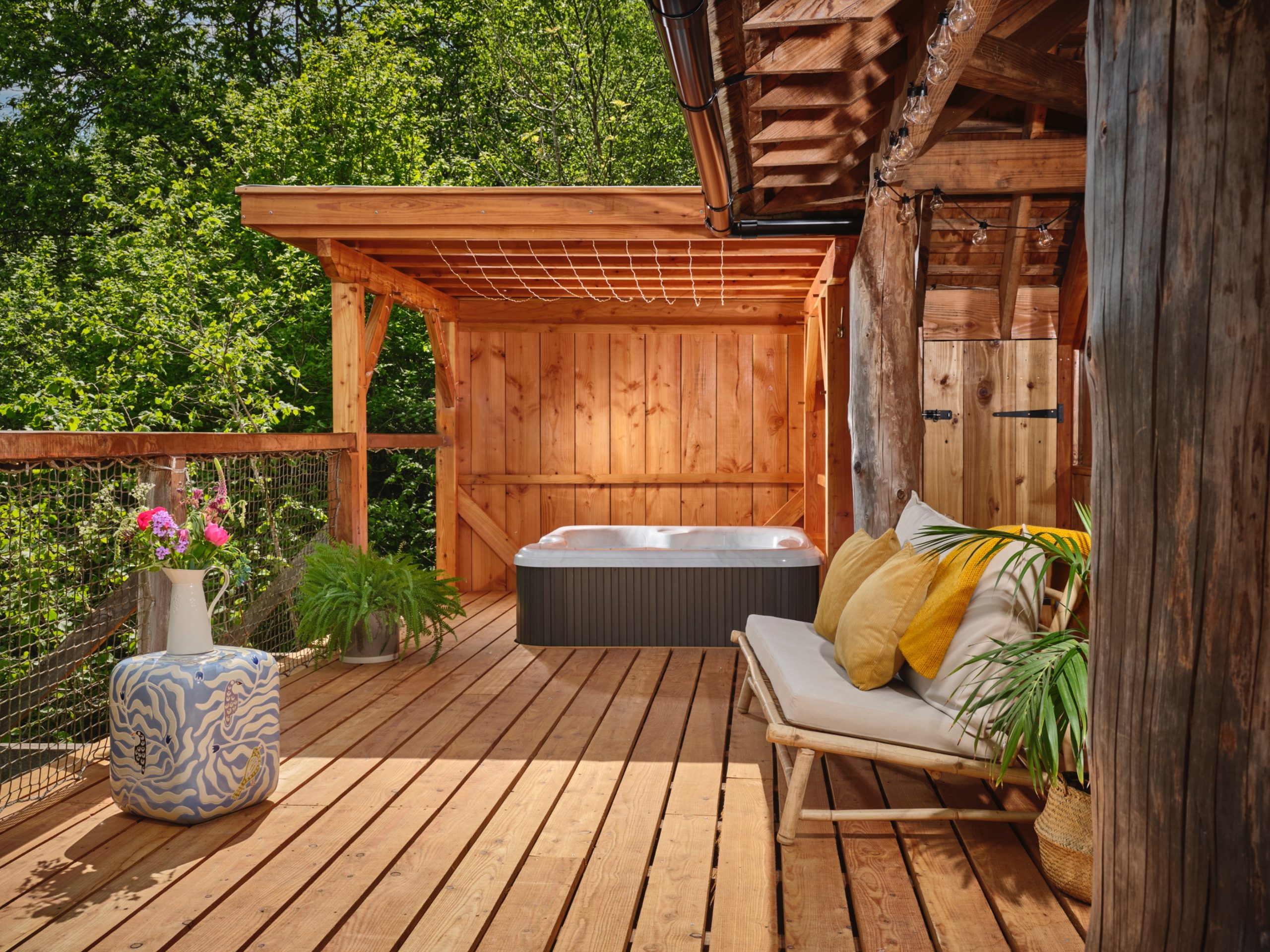
Black Wolf Treehouse
Okehampton
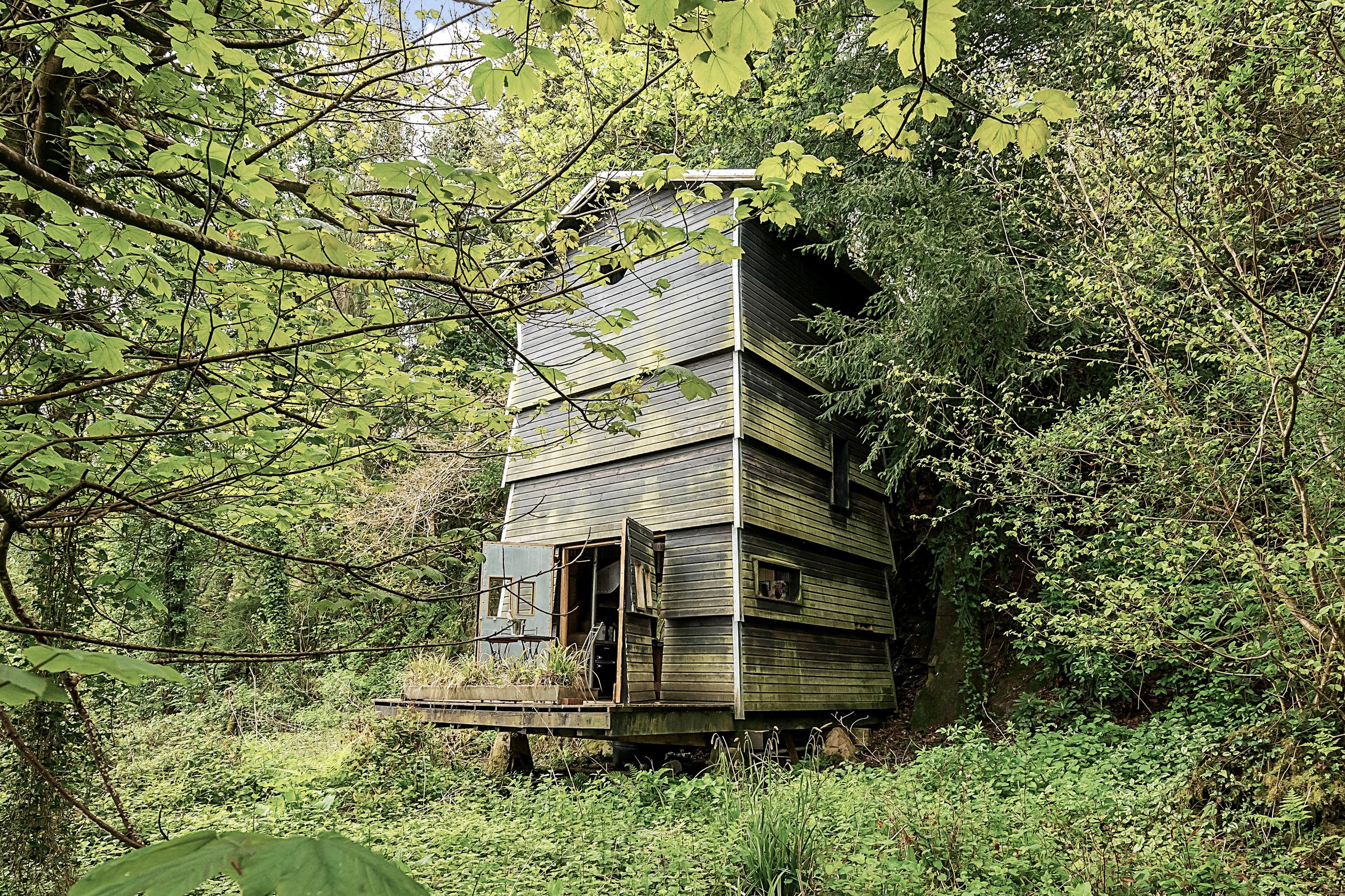
Humble Bee
Okehampton
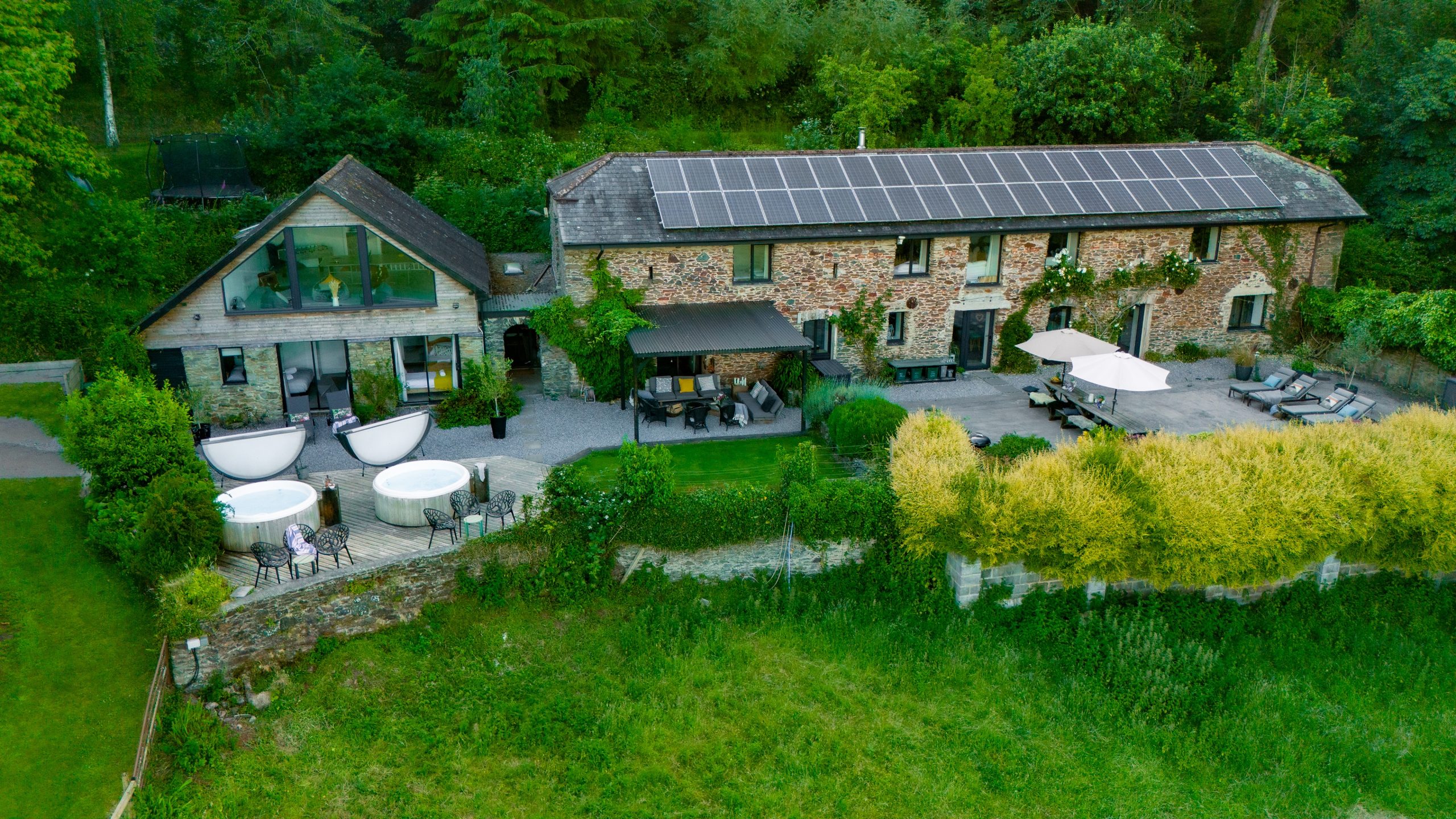
The Shippon
Ashprington
Q: When is the best time to visit Devon?
A: Late spring through early autumn is the most popular time to visit Devon, with warm weather, beach days and seasonal events running across the county. May, June and September are particularly good if you want milder weather and fewer crowds.
Q: Is Devon good for family holidays?
A: Absolutely. Devon is packed with family-friendly beaches, attractions, outdoor adventures and holiday cottages, making it one of the UK’s best destinations for family breaks.
Q: Which is better — North Devon or South Devon?
A: North Devon is known for its dramatic coastline, surfing beaches and wilder scenery, while South Devon offers sheltered coves, sailing towns and a gentler coastal feel. Both are beautiful, so it depends on the type of trip you want.
Q: Do you need a car in Devon?
A: A car is highly recommended if you want to explore beaches, villages and countryside areas at your own pace. However, places like Exeter, Totnes and parts of the South Devon coast are still accessible by train and bus.
Q: What are the best beaches in Devon?
A: Some of Devon’s best beaches include Woolacombe, Bantham, Croyde, Blackpool Sands and Beer Beach, each offering something slightly different from surfing to calm swimming spots.
Q: Is Devon good for walking holidays?
A: Yes — Devon is fantastic for walking holidays thanks to the South West Coast Path, Dartmoor National Park and miles of countryside trails and coastal routes.
Q: How many days do you need in Devon?
A: A long weekend is enough to explore one area of Devon, but a week or more gives you time to experience both the coastline and countryside properly.
Q: What is the prettiest town in Devon?
A: Salcombe, Dartmouth, Clovelly and Lynmouth are all regularly considered among Devon’s prettiest towns and villages thanks to their coastal scenery and historic charm.
Q: Is Devon expensive to visit?
A: Devon can be expensive during peak summer months, particularly in popular coastal towns, but there are also plenty of affordable beaches, countryside stays and free outdoor activities across the county.
Q: What food is Devon famous for?
A: Devon is known for fresh seafood, cream teas, local cider and excellent farm-to-table produce, with fantastic restaurants, pubs and cafés spread throughout the county.