Ultimate guide to the Yorkshire Dales National Park
Published 14th September 2026
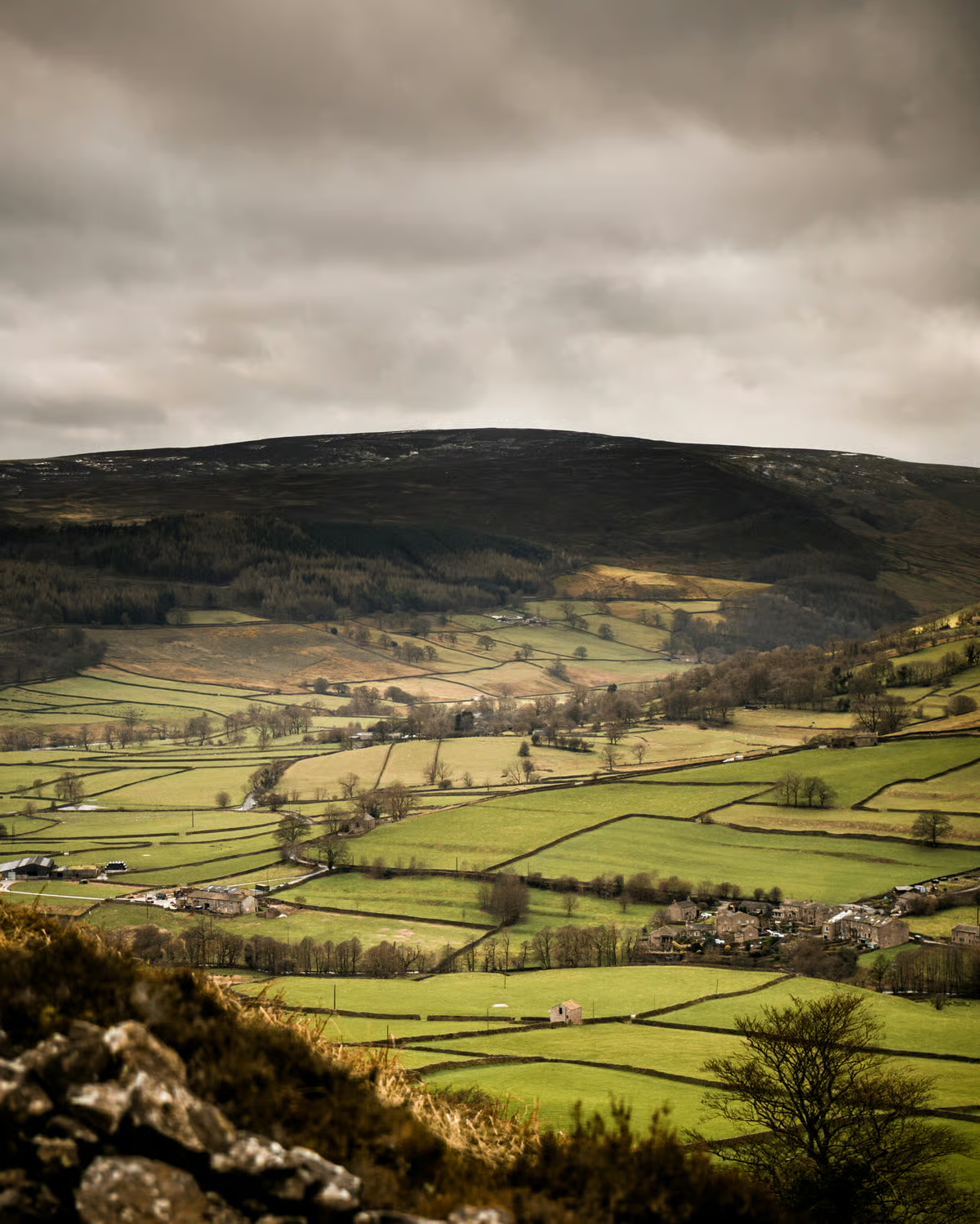
Wild, beautiful and wonderfully varied, the Yorkshire Dales National Park is one of England's great countryside destinations. Its landscape is shaped by sweeping green valleys, rugged moorland, limestone cliffs, tumbling waterfalls and miles of dry-stone walls, with traditional villages and historic market towns scattered throughout. Whether you're planning an active walking holiday or a peaceful weekend in the countryside, there's an enormous amount to discover.
Some of the best things to do in the Yorkshire Dales revolve around exploring its spectacular landscapes. Walk beneath the towering cliffs of Malham Cove, see the cascades of Aysgarth Falls, admire the magnificent Ribblehead Viaduct or take on one of the famous Yorkshire Three Peaks. Away from the walking trails, you can explore beautiful Yorkshire Dales villages, visit historic castles and abbeys, drive across dramatic moorland passes and stop for lunch in cosy country pubs.
In this guide, we'll take you through the best places to visit in the Yorkshire Dales, our favourite Yorkshire Dales walks, family days out, waterfalls, scenic drives and places to eat. We'll also cover the best time to visit, how to get around and where to stay in the Yorkshire Dales, including some of our favourite stays.
Click on the links below to skip to that section of our guide
- Yorkshire Dales at a glance
- Best places to visit in the Yorkshire Dales
- Best towns and villages in the Yorkshire Dales
- Best walks in the Yorkshire Dales
- Best waterfalls in the Yorkshire Dales
- Best caves and limestone scenery
- Best family days out in the Yorkshire Dales
- Best outdoor activities in the Yorkshire Dales
- Best historic castles, abbeys and attractions
- Best pubs and places to eat in the Yorkshire Dales
- Choose the perfect Yorkshire Dales break
- Best time to visit the Yorkshire Dales
- Some of our favourite stays in the Yorkshire Dales
Yorkshire Dales at a glance
The Yorkshire Dales National Park lies predominantly in North Yorkshire, extending west into Cumbria and Lancashire.
Spectacular walking, waterfalls, beautiful stone villages, limestone landscapes, scenic drives, historic attractions and peaceful countryside escapes.
Three to four days is ideal for a first visit to the Yorkshire Dales, giving you enough time to explore several villages, enjoy a couple of walks and visit some of the major sights. Stay for a week and you can discover several different dales at a much more relaxed pace.
The Yorkshire Three Peaks, Malham Cove, Aysgarth Falls, Ribblehead Viaduct, Wensleydale cheese, dry-stone walls and picturesque villages surrounded by rolling countryside.
April to October generally offers the best conditions for walking and sightseeing. Spring is wonderful for green landscapes, wildflowers and waterfalls, summer brings long days for exploring and autumn offers beautiful colours and quieter walking trails.
Best places to visit in the Yorkshire Dales
Malham Cove
- Best for: Limestone scenery and walking
- Location: Malhamdale
- Known for: Its enormous limestone cliff and pavement
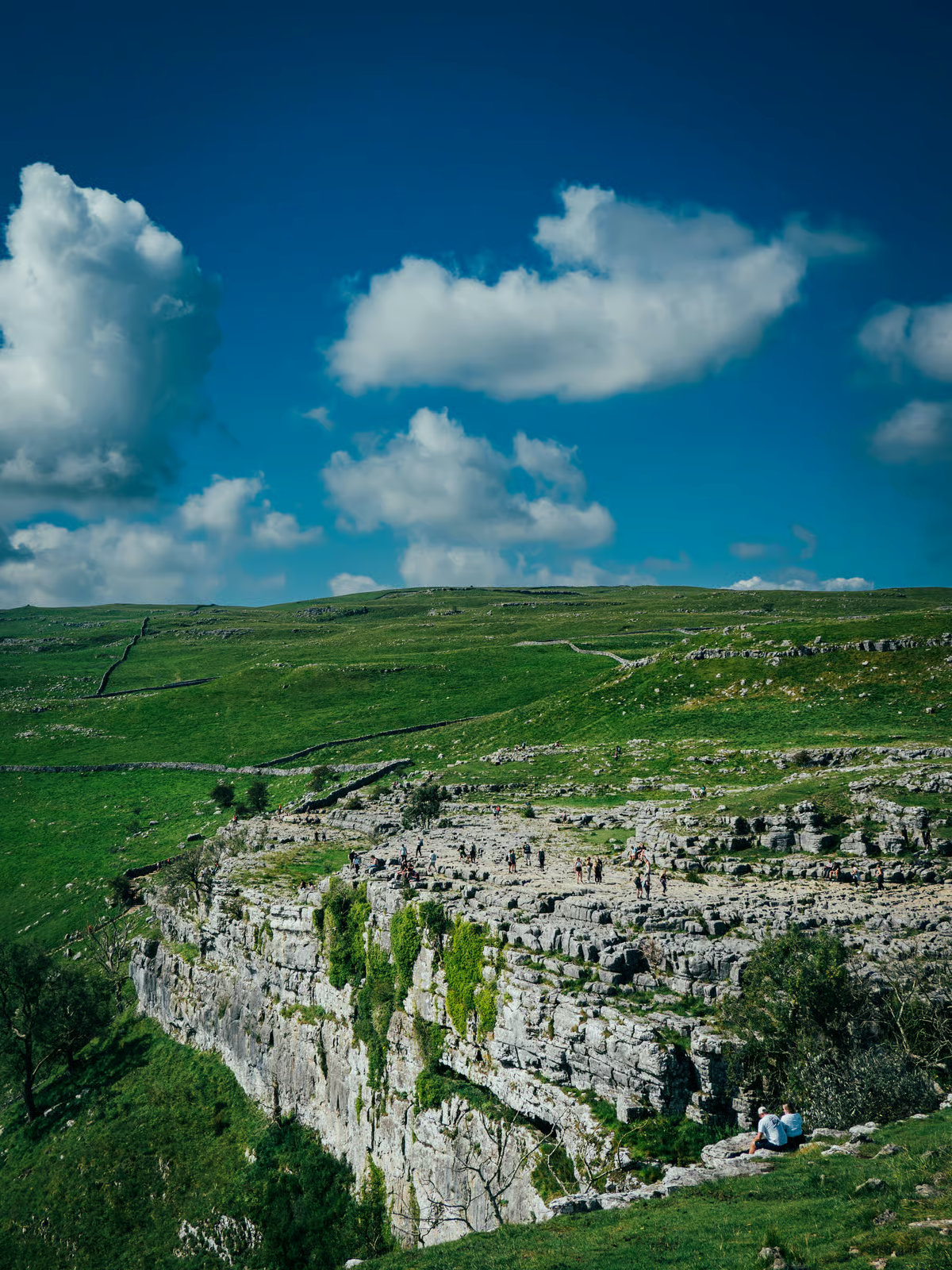
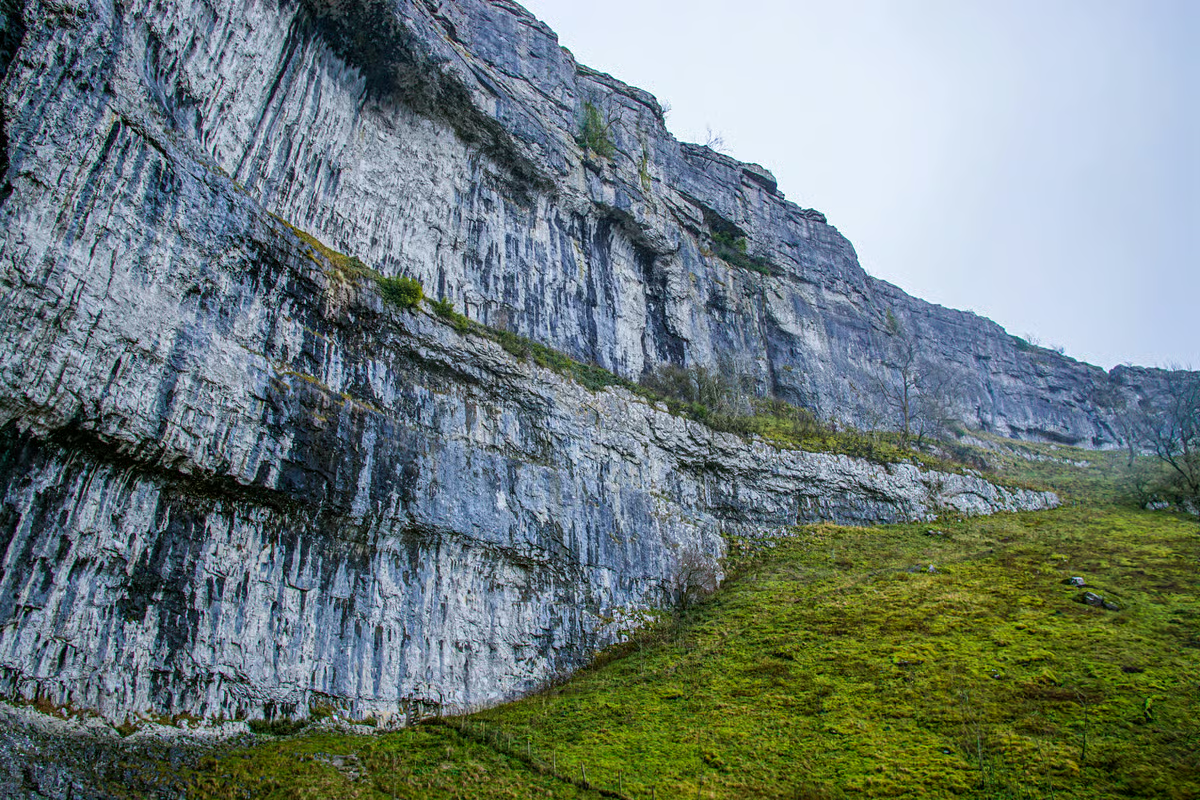
Rising around 80 metres above the valley floor, Malham Cove is one of the most spectacular natural landmarks in the Yorkshire Dales. This huge curving limestone cliff was shaped by glacial meltwater thousands of years ago, and today a path leads from Malham village right to its base. Climb the stone steps beside the cove and you'll emerge onto the remarkable limestone pavement above, where deep fissures divide the rock into distinctive blocks and wide views stretch across Malhamdale.
Why we love Malham Cove:
- Walk across the extraordinary limestone pavement above the cove.
- Follow the classic circular route taking in Gordale Scar and Janet's Foss.
- Enjoy spectacular views across Malhamdale from the top.
- Explore the pretty village of Malham before or after your walk.
- Discover one of the most distinctive limestone landscapes in England.
Aysgarth Falls
- Best for: Waterfalls and woodland walks
- Location: Wensleydale
- Known for: Three dramatic flights of waterfalls on the River Ure
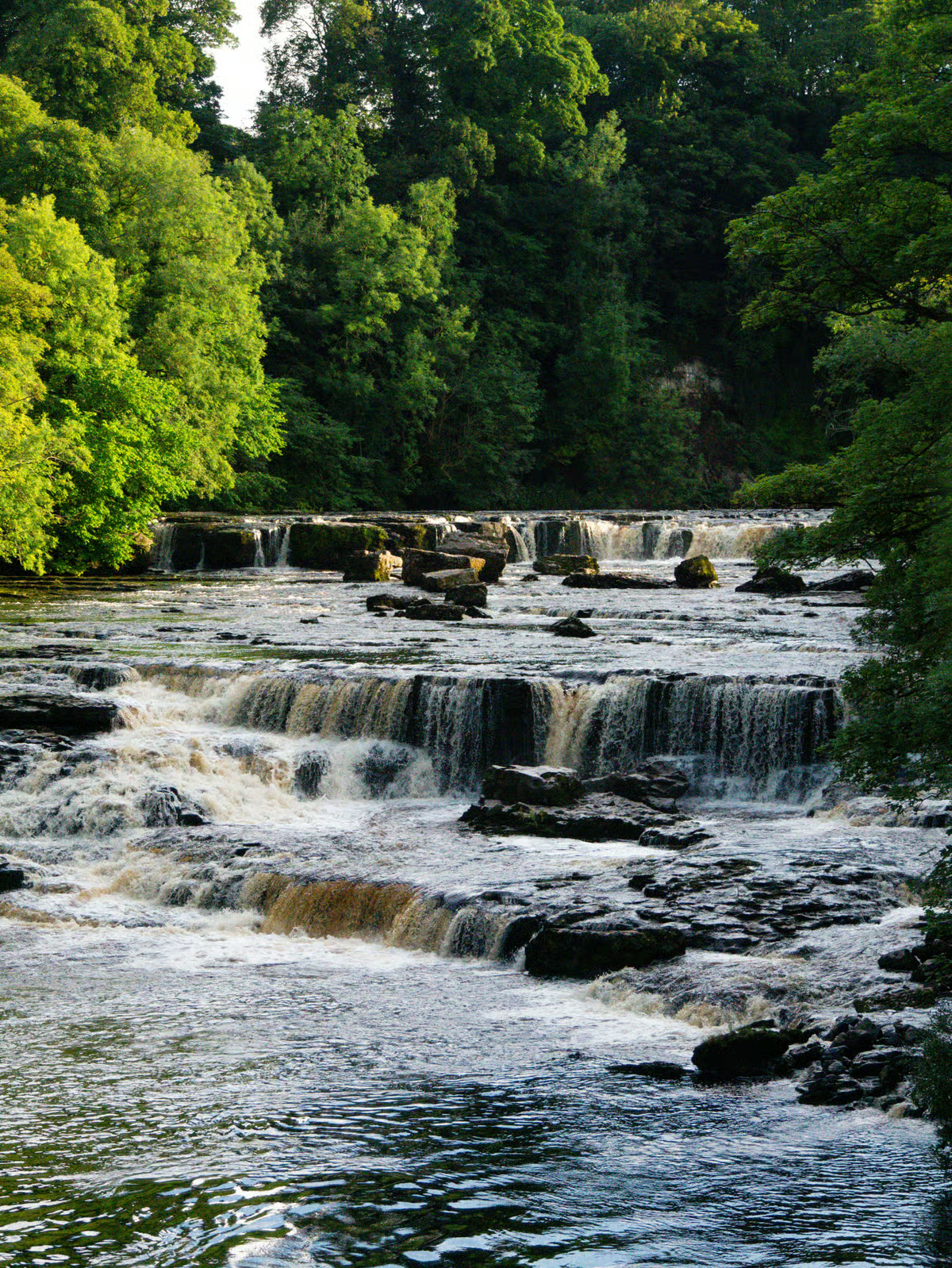
Aysgarth Falls is actually a series of three waterfalls – Upper, Middle and Lower – where the River Ure tumbles over broad limestone steps through beautiful Wensleydale countryside. The falls stretch for around a mile and can be explored using riverside and woodland paths, with several viewpoints along the way. They're impressive throughout the year but become particularly dramatic after heavy rainfall, when huge volumes of water thunder over the rocks.
Why we love Aysgarth Falls:
- See the Upper, Middle and Lower Falls on the River Ure.
- Follow peaceful riverside and woodland walking trails.
- Visit after rainfall when the waterfalls are at their most powerful.
- Look out for wildlife in the surrounding woodland and river.
- Combine your visit with nearby Wensleydale villages and attractions.
Ribblehead Viaduct
- Best for: Iconic views and railway heritage
- Location: Ribblesdale
- Known for: Its magnificent Victorian railway viaduct
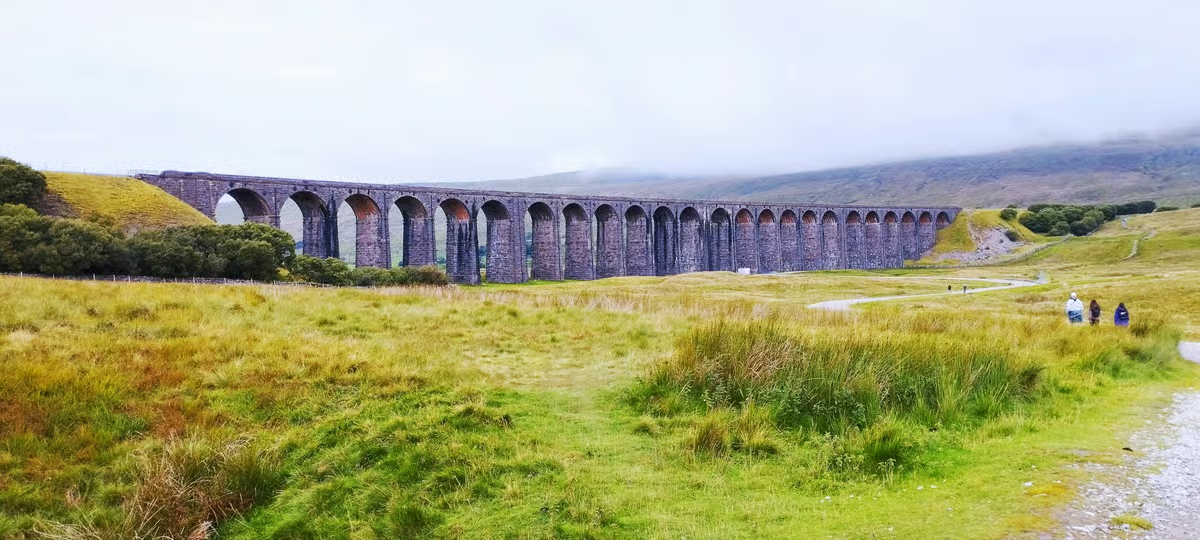
With its 24 enormous stone arches stretching across the landscape beneath Whernside, Ribblehead Viaduct is one of the most recognisable sights in the Yorkshire Dales. Completed in the 1870s as part of the Settle-Carlisle Railway, the viaduct is still crossed by trains today. A short walk takes you close to the arches, while the surrounding open moorland provides superb views towards Whernside and Ingleborough.
Why we love Ribblehead Viaduct:
- See one of the Yorkshire Dales' most iconic landmarks up close.
- Watch trains cross the historic Settle-Carlisle Railway.
- Enjoy dramatic views towards Whernside and Ingleborough.
- Discover more about the railway workers who constructed the viaduct.
- Use Ribblehead as a starting point for walks through the surrounding countryside.
Bolton Abbey
- Best for: History, riverside walks and families
- Location: Wharfedale
- Known for: Its beautiful priory ruins beside the River Wharfe
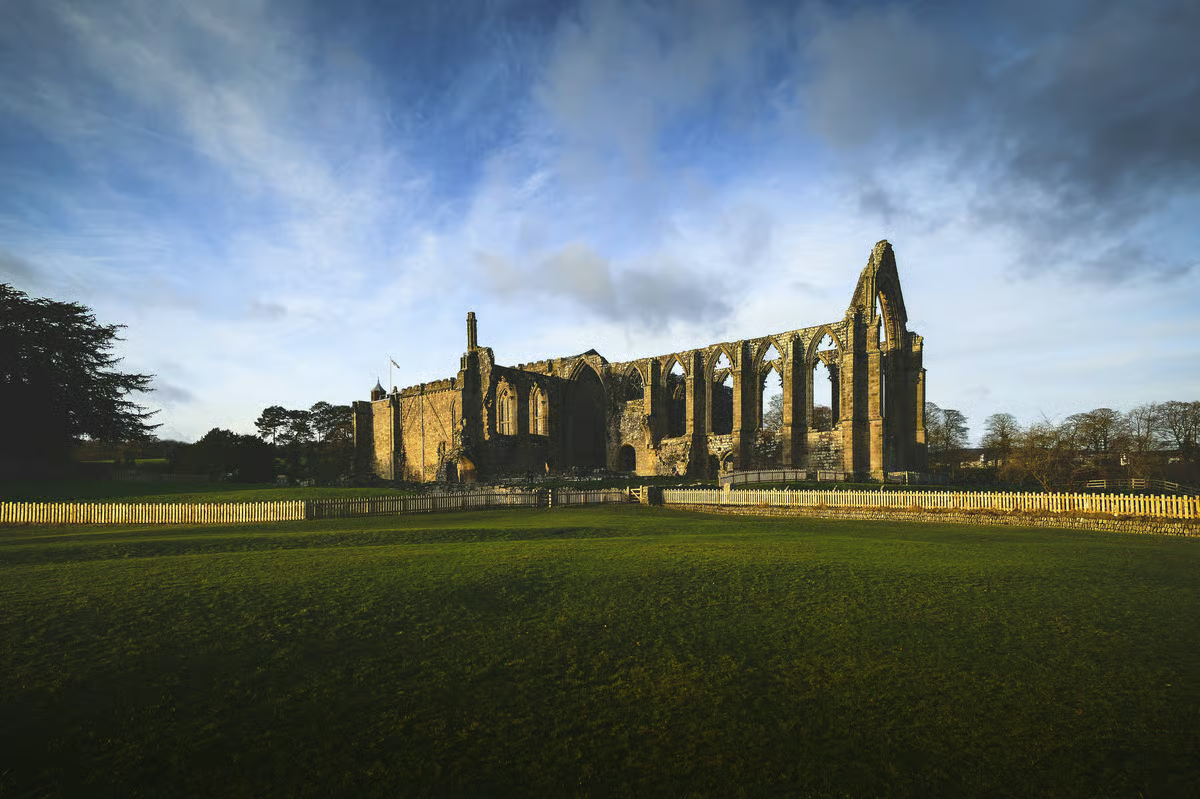
Set beside the River Wharfe, Bolton Abbey combines centuries of history with some of the loveliest riverside scenery in the Yorkshire Dales. The centrepiece is the impressive ruined 12th-century priory, but the wider estate offers miles of walking trails through woodland and along the river. One of the best-known features is the line of stepping stones across the Wharfe, while a nearby bridge provides a rather drier alternative.
Why we love Bolton Abbey:
- Explore the atmospheric ruins of the medieval priory.
- Follow beautiful walking trails beside the River Wharfe.
- Brave the famous stepping stones across the river.
- Wander through woodland on the wider Bolton Abbey Estate.
- Make a full day of it with walks, picnics and family-friendly exploring.
Hardraw Force
- Best for: Waterfalls
- Location: Near Hawes
- Known for: One of England's highest single-drop above-ground waterfalls
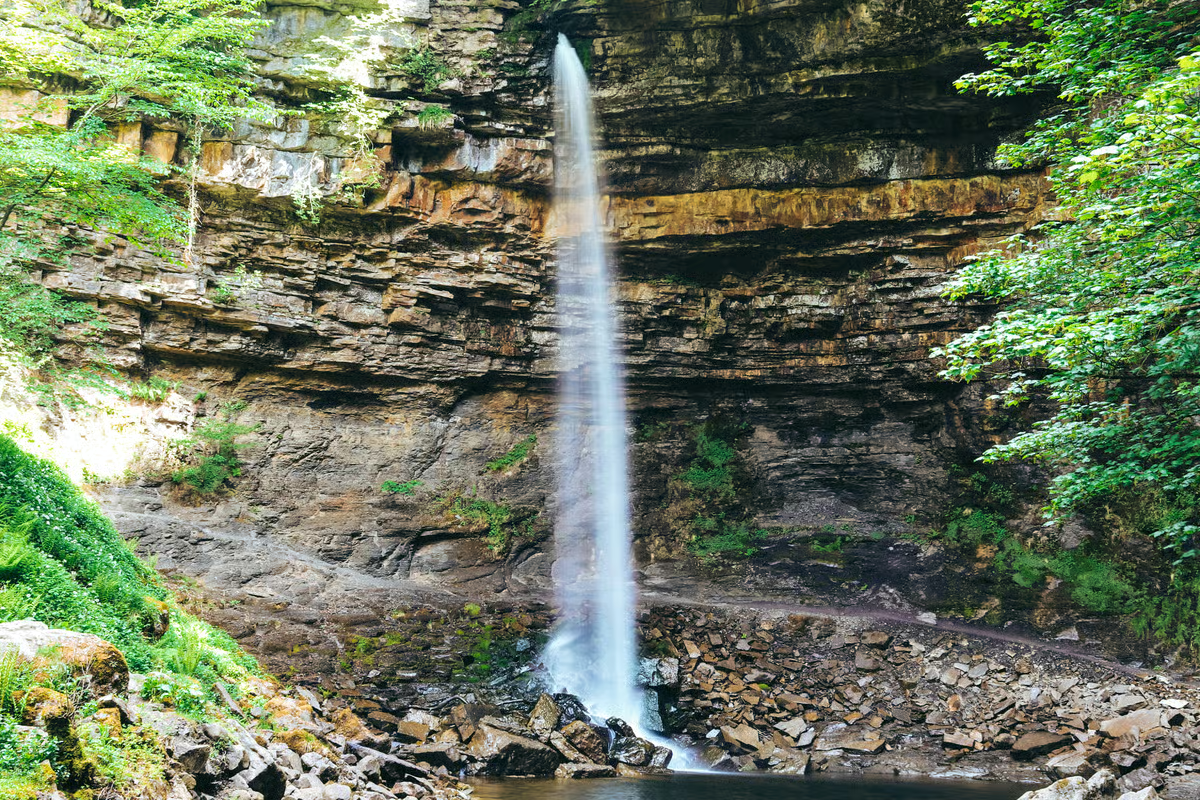
Hidden within a wooded gorge near Hawes, Hardraw Force is one of the Yorkshire Dales' most impressive waterfalls. Hardraw Beck plunges around 30 metres over a dramatic limestone overhang into the rocky amphitheatre below, creating a particularly spectacular sight after periods of heavy rain. The waterfall is reached via a short walk through private land, with an admission charge for access.
Why we love Hardraw Force:
- See one of England's highest single-drop above-ground waterfalls.
- Follow a short and atmospheric walk through the gorge.
- Visit after rainfall when Hardraw Force is particularly dramatic.
- Combine your visit with Hawes and the surrounding Wensleydale countryside.
- Add an impressive natural landmark without needing to tackle a long walk.
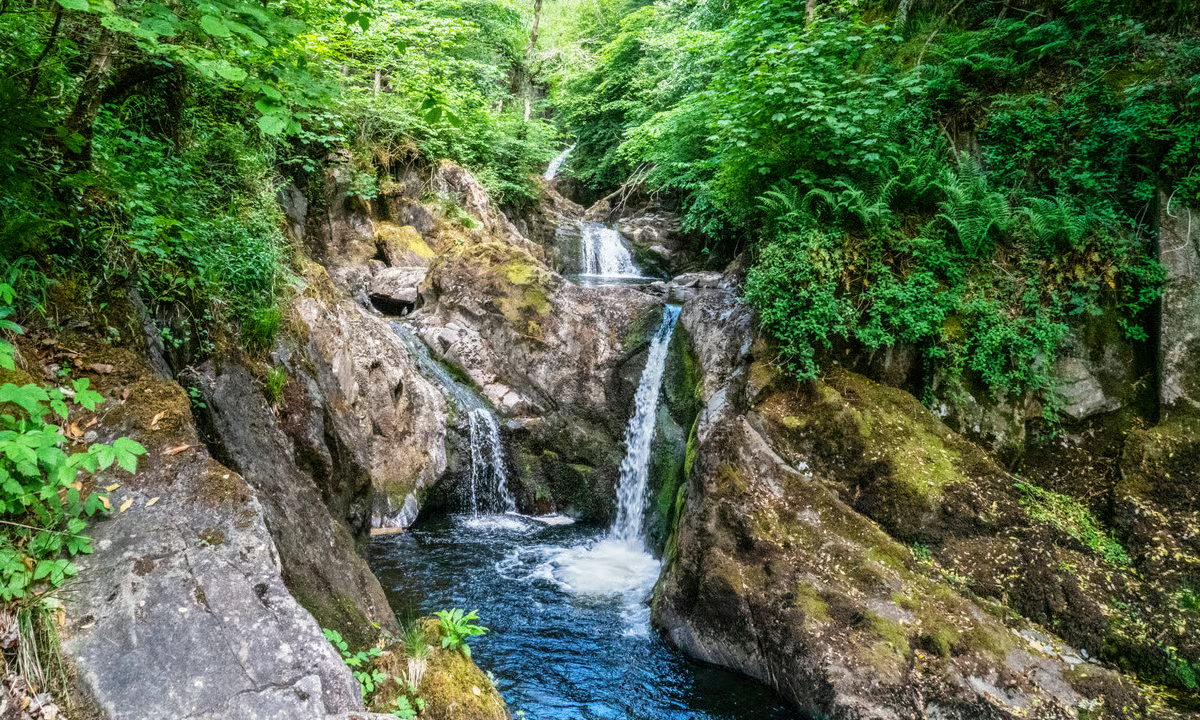
Ingleton Waterfalls Trail
- Best for: Waterfalls and woodland scenery
- Location: Ingleton
- Known for: A spectacular circular trail passing numerous waterfalls
The Ingleton Waterfalls Trail packs an extraordinary amount of scenery into one circular walk. The roughly five-mile route follows the Rivers Twiss and Doe through wooded gorges, passing a succession of waterfalls including Pecca Falls, Thornton Force, Beezley Falls and Snow Falls. There are plenty of steps, climbs and uneven sections along the way, but the constantly changing scenery makes this one of the most rewarding walks in the western Yorkshire Dales.
Why we love the Ingleton Waterfalls Trail:
- See a succession of impressive waterfalls on a single circular walk.
- Follow the Rivers Twiss and Doe through atmospheric wooded gorges.
- Stop at spectacular Thornton Force, one of the highlights of the route.
- Experience a greener, more enclosed side of the Yorkshire Dales landscape.
- Combine your walk with a visit to the village of Ingleton.
Best towns and villages in the Yorkshire Dales
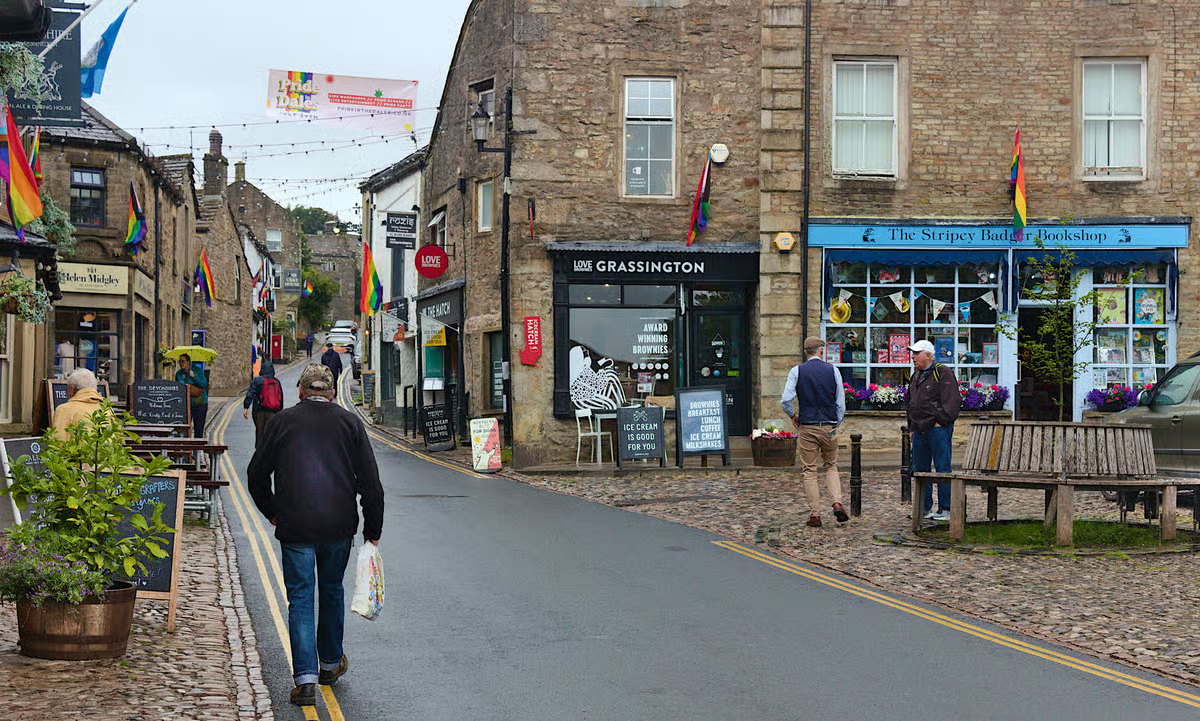
Grassington
- Best for: First-time visitors
- Vibe: Lively stone village with plenty of character
- Don't miss: Wandering the cobbled village centre
Set above the River Wharfe, Grassington is one of the most popular villages in the Yorkshire Dales and a brilliant base for a first visit. Its attractive centre is filled with handsome stone buildings, independent shops, cafés and traditional pubs, while beautiful Wharfedale countryside begins almost immediately beyond the village. Fans of All Creatures Great and Small may also recognise Grassington as the filming location for the fictional village of Darrowby.
Why we love Grassington:
- Wander through attractive stone streets and around the historic village centre.
- Browse independent shops before stopping at one of the cafés or traditional pubs.
- Set off on excellent walks through Wharfedale straight from the village.
- Look out for familiar locations from All Creatures Great and Small.
- Use Grassington as a convenient base for exploring the southern Yorkshire Dales.
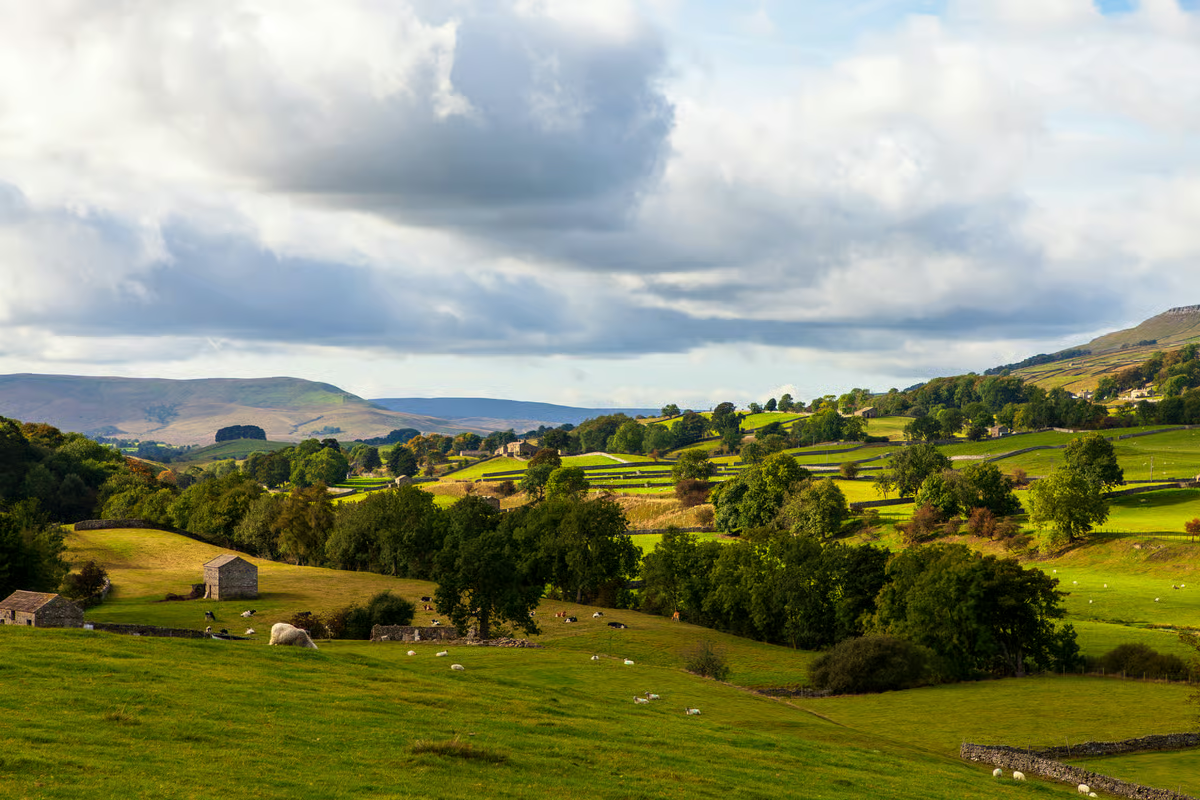
Hawes
- Best for: Food lovers and exploring Wensleydale
- Vibe: Traditional and bustling market town
- Don't miss: Wensleydale Creamery
Surrounded by the rolling hills of Wensleydale, Hawes is one of the highest market towns in England and one of the liveliest places in the Yorkshire Dales. It's best known as the home of Yorkshire Wensleydale cheese, which you can learn about and sample at the Wensleydale Creamery. You'll also find independent shops, pubs and cafés around town, while waterfalls, walking trails and beautiful countryside are all within easy reach.
Why we love Hawes:
- Sample Yorkshire Wensleydale cheese at the Wensleydale Creamery.
- Discover the history and landscapes of the national park at the Dales Countryside Museum.
- Walk to nearby Hardraw Force, one of the Dales' most impressive waterfalls.
- Explore the beautiful surrounding Wensleydale countryside.
- Browse local shops and settle into a traditional pub after a day outdoors.
Malham
- Best for: Walkers
- Vibe: Small village surrounded by spectacular limestone scenery
- Don't miss: Malham Cove
Malham may be small, but its setting makes it one of the most popular villages in the Yorkshire Dales. Some of the national park's greatest limestone scenery is within walking distance, including Malham Cove, Gordale Scar and Janet's Foss. Back in the village, a handful of pubs and cafés provide somewhere to refuel, making Malham an excellent base if walking is the main reason for your visit.
Why we love Malham:
- Walk directly from the village to spectacular Malham Cove.
- Combine Gordale Scar and Janet's Foss on a classic circular walk.
- Explore some of the finest limestone scenery in the Yorkshire Dales.
- Return from a day of walking for food and drinks in a traditional village pub.
- Stay right in the heart of one of the national park's most dramatic landscapes.
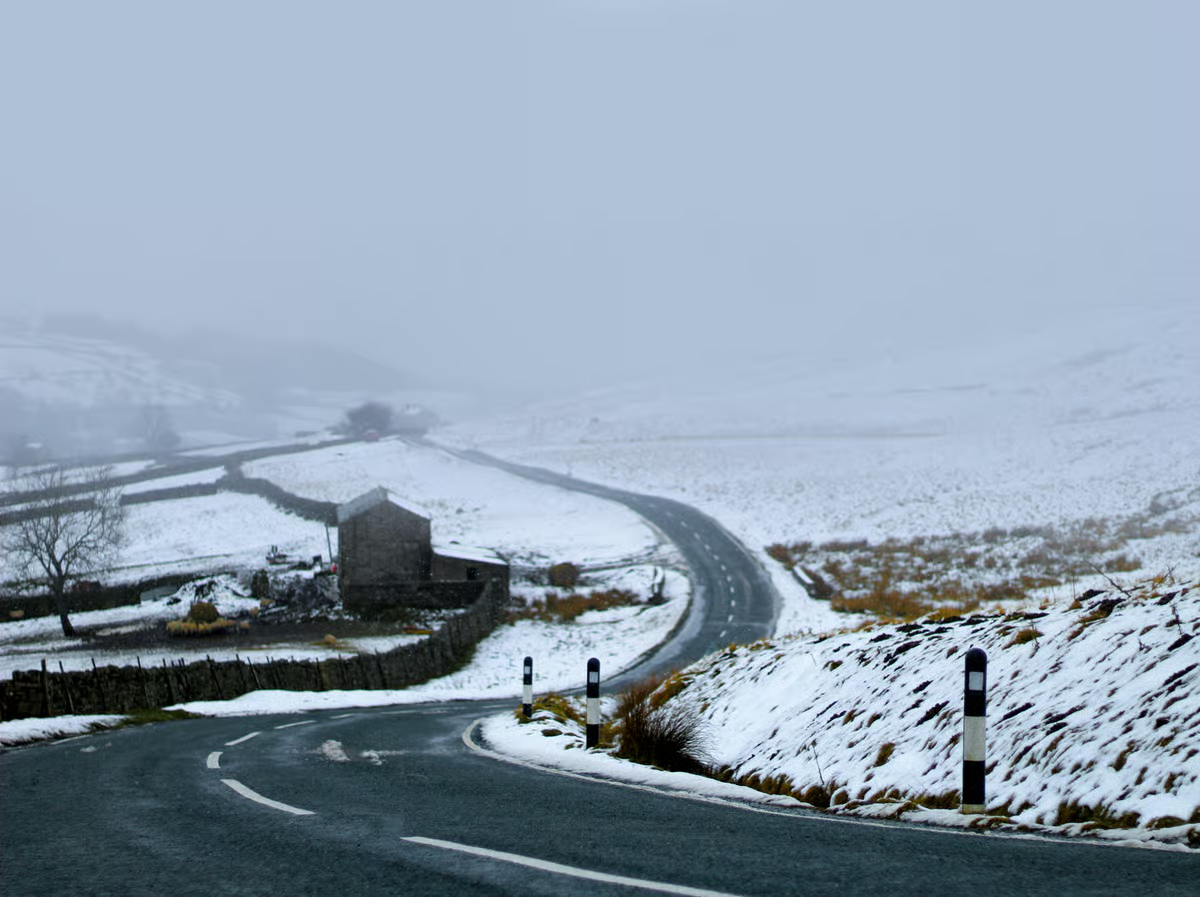
Reeth
- Best for: Peaceful countryside and walking
- Vibe: Traditional village gathered around a large green
- Don't miss: Exploring Swaledale
Sitting where Arkengarthdale meets Swaledale, Reeth is surrounded by some of the Yorkshire Dales' most beautiful countryside. Stone buildings, pubs, cafés and shops cluster around the large village green, with hills rising beyond in almost every direction. It's an excellent starting point for walks through Swaledale and its former lead-mining landscapes, while the northern Dales location generally feels quieter than the busiest areas around Malham and Wharfedale.
Why we love Reeth:
- Enjoy beautiful views across Swaledale and the surrounding hills.
- Set off on countryside walks directly from the village.
- Discover the area's fascinating lead-mining heritage.
- Stop at traditional pubs and cafés around the village green.
- Experience a quieter side of the Yorkshire Dales away from some of the busiest attractions.
Settle
- Best for: Car-free breaks and railway adventures
- Vibe: Characterful market town
- Don't miss: Travelling on the Settle-Carlisle Railway
Settle sits on the western edge of the Yorkshire Dales and makes an excellent gateway to Ribblesdale, Malhamdale and the Yorkshire Three Peaks. The historic market town has plenty of character, with stone buildings gathered around its market square alongside independent shops, cafés and pubs. Settle railway station also puts you on the spectacular Settle-Carlisle Line, making this one of the best bases for exploring the western Dales without a car.
Why we love Settle:
- Explore the historic market square and surrounding stone streets.
- Take a journey along the spectacular Settle-Carlisle Railway.
- Enjoy easy access to Ribblesdale, Malhamdale and Three Peaks country.
- Browse independent shops and stop at the town's cafés and pubs.
- Choose Settle for a Yorkshire Dales break that's particularly easy to enjoy without a car.
Kettlewell
- Best for: Classic Dales scenery
- Vibe: Small, picturesque and wonderfully traditional
- Don't miss: Walking through Upper Wharfedale
Surrounded by steep-sided hills in Upper Wharfedale, Kettlewell looks exactly how you might imagine a traditional Yorkshire Dales village. Narrow lanes wind between handsome stone cottages, while several pubs and cafés make it a lovely place to return to after a day outside. Walkers are particularly well catered for, with footpaths heading into the surrounding hills and along the beautiful valley of the River Wharfe.
Why we love Kettlewell:
- Wander between handsome stone cottages surrounded by green hills.
- Set off on excellent walks directly from the village.
- Follow routes beside the River Wharfe through beautiful Upper Wharfedale.
- Relax over lunch or a pint in one of the traditional village pubs.
- Enjoy scenic drives through Wharfedale to nearby villages such as Grassington and Buckden.
Best walks in the Yorkshire Dales
Malham Cove, Gordale Scar and Janet's Foss
- Best for: Classic Yorkshire Dales scenery
- Difficulty: Moderate
- Distance: Around 7–8 miles depending on route
This classic circular from Malham brings together some of the most spectacular limestone scenery in the Yorkshire Dales. Starting in the village, the route can take you past the beautiful woodland waterfall of Janet's Foss and into the towering limestone gorge of Gordale Scar before continuing towards Malham Cove. Climb beside the cove to reach its extraordinary limestone pavement, where you'll be rewarded with sweeping views across Malhamdale. There are several variations of the walk, and care is needed around Gordale Scar, particularly in wet conditions.
Walk highlights:
- Stand beneath the enormous limestone cliffs of Malham Cove.
- Walk across the distinctive limestone pavement above the cove.
- See the towering rock walls and dramatic geology of Gordale Scar.
- Follow a woodland path to the beautiful Janet's Foss waterfall.
- Start and finish in Malham, where you'll find pubs and cafés for a post-walk stop.
Ingleborough
- Best for: Mountain views
- Difficulty: Challenging
- Distance: Depends on route
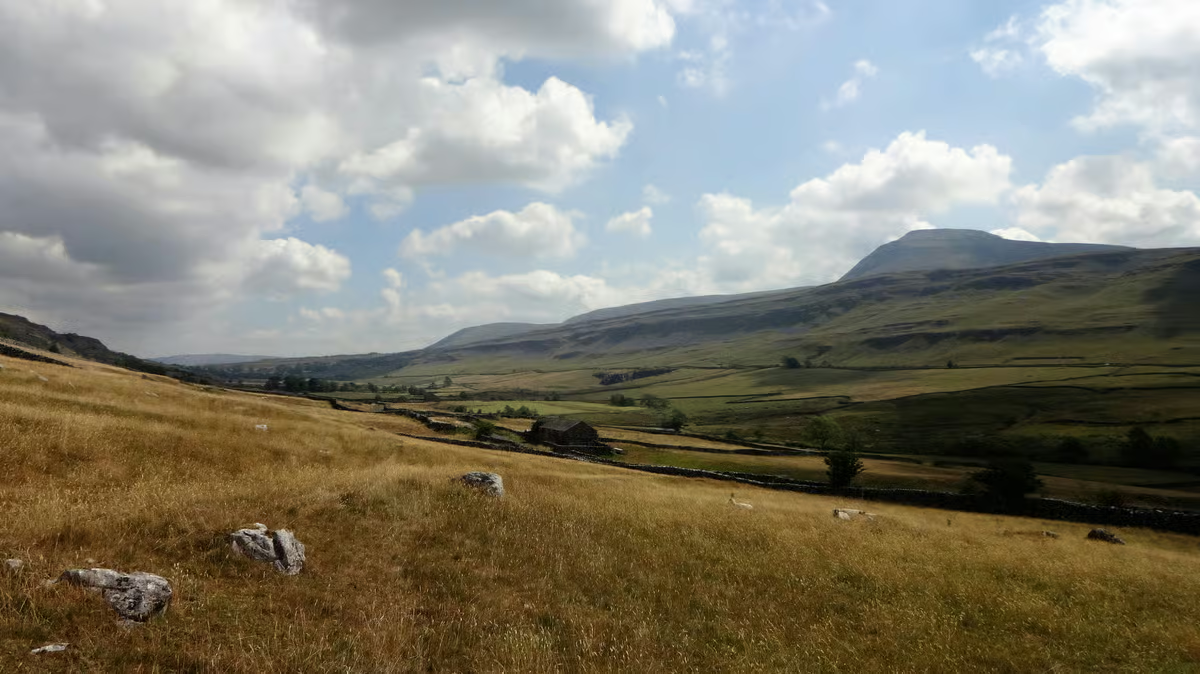
At 723 metres, Ingleborough is one of the Yorkshire Three Peaks and one of the most distinctive mountains in the Dales. Several routes reach its broad summit plateau, including popular climbs from Clapham, Ingleton and Horton-in-Ribblesdale. The approach from Clapham is particularly varied, passing through limestone country towards Ingleborough before climbing onto higher, wilder ground. On a clear day, the summit offers extensive views across the Yorkshire Dales and towards the surrounding fells.
Walk highlights:
- Climb one of the famous Yorkshire Three Peaks.
- Reach Ingleborough's distinctive summit plateau at 723 metres.
- Cross a landscape of limestone, open moorland and rugged mountain terrain.
- Enjoy far-reaching views across the Yorkshire Dales on a clear day.
- Choose from several routes to the summit depending on the length and challenge you want.
Aysgarth Falls and Bolton Castle
- Best for: Waterfalls, history and gentler walking
- Difficulty: Easy to moderate
- Distance: Depends on route
Combining two of Wensleydale's best-known attractions, walks between Aysgarth Falls and Bolton Castle offer a gentler alternative to the high peaks. Begin by exploring the waterfalls on the River Ure before heading through fields, woodland and traditional Dales countryside towards the impressive medieval castle. There are several possible routes in the area, making it easy to adapt the distance to suit your day.
Walk highlights:
- See the Upper, Middle and Lower sections of Aysgarth Falls.
- Follow paths through the rolling countryside of Wensleydale.
- Visit the impressive 14th-century Bolton Castle.
- Enjoy peaceful stretches beside the River Ure.
- Combine beautiful scenery and Yorkshire history in the same day.
Pen-y-ghent
- Best for: A first Yorkshire peak
- Difficulty: Moderate to challenging
- Distance: Around 6 miles for a popular circular
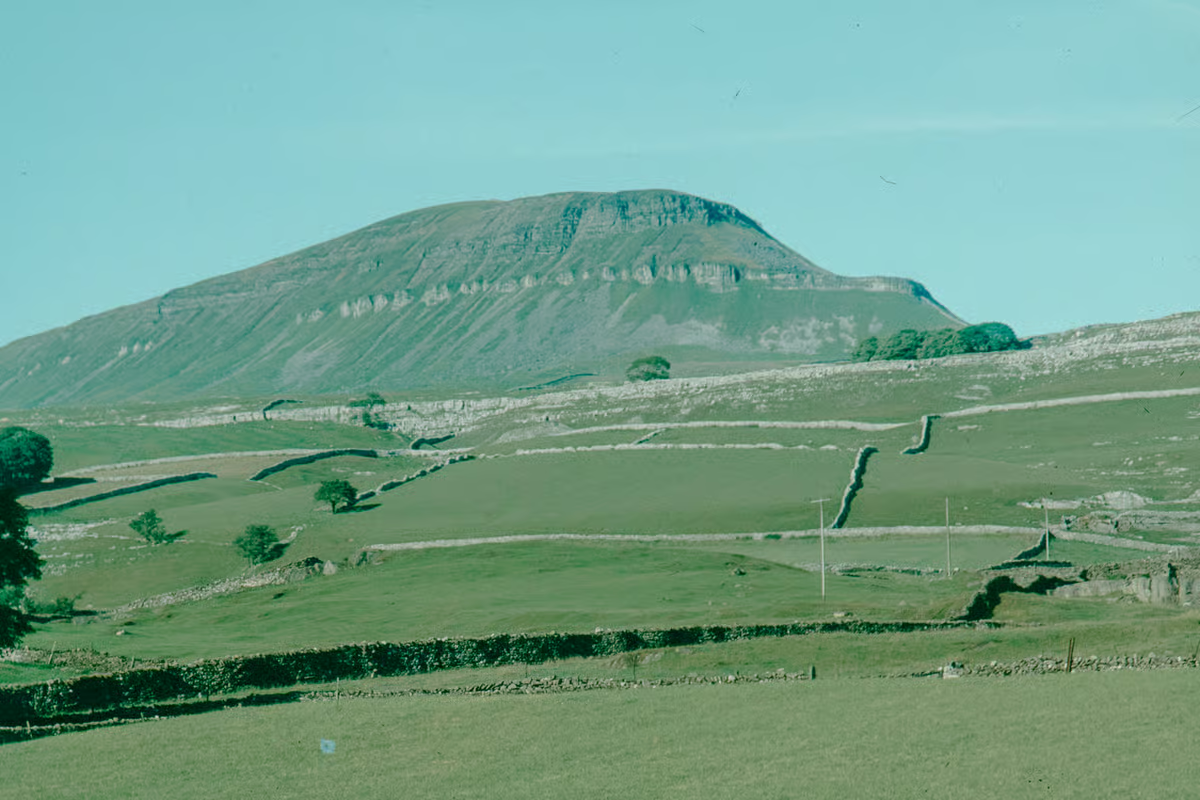
Rising prominently above Horton-in-Ribblesdale, Pen-y-ghent is the lowest of the Yorkshire Three Peaks at 694 metres and a great introduction to mountain walking in the Dales. A popular circular begins in Horton-in-Ribblesdale and climbs steadily towards the distinctive summit, with a steeper rocky section providing the biggest challenge. From the top, there are superb views across Ribblesdale and towards the surrounding hills before the route descends through open countryside back towards the village.
Walk highlights:
- Climb the distinctive 694-metre summit of Pen-y-ghent.
- Enjoy panoramic views across Ribblesdale and the surrounding hills.
- Experience part of the famous Yorkshire Three Peaks route.
- Start and finish in the walking village of Horton-in-Ribblesdale.
- Tackle a rewarding mountain walk without committing to the full Three Peaks Challenge.
Muker and Kisdon
- Best for: Classic Swaledale landscapes
- Difficulty: Moderate
- Distance: Flexible
For a walk that captures the traditional character of the Yorkshire Dales, it's hard to beat the countryside around Muker and Kisdon. Routes from Muker pass through Upper Swaledale's famous hay meadows before continuing between dry-stone walls and traditional stone field barns. You can follow the River Swale, explore the slopes around Kisdon or extend your walk towards nearby villages such as Keld. Late spring and early summer are particularly beautiful, when the hay meadows are filled with wildflowers.
Walk highlights:
- Wander through Muker's traditional wildflower-rich hay meadows.
- Follow paths between dry-stone walls and historic stone field barns.
- Enjoy beautiful views across Upper Swaledale.
- Walk beside the River Swale through peaceful countryside.
- Extend your route towards Keld for a longer day out.
Grassington and Grass Wood
- Best for: Villages and countryside
- Difficulty: Easy to moderate
- Distance: Flexible
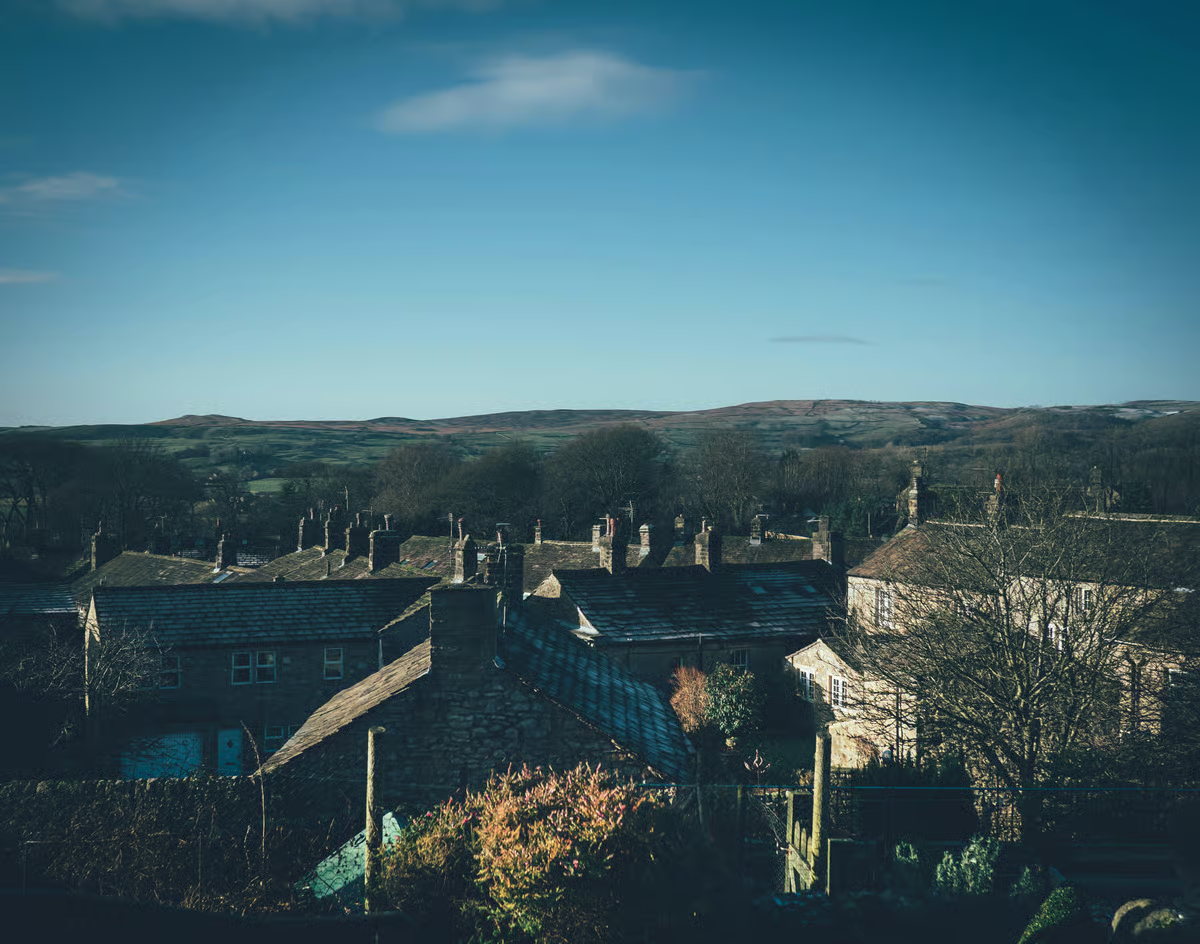
Grassington is an excellent starting point for gentler walks through Wharfedale, with several routes combining riverside scenery, open countryside and woodland. Head towards the River Wharfe before continuing to Grass Wood, an extensive area of ancient woodland just north of the village. Depending on your route, you can wander through the woods, follow stretches of the river and return across fields and limestone countryside to Grassington.
Walk highlights:
- Start and finish in the beautiful village of Grassington.
- Follow peaceful stretches of the River Wharfe.
- Explore the ancient woodland of Grass Wood.
- Enjoy classic Wharfedale scenery of fields, limestone and dry-stone walls.
- Finish your walk at one of Grassington's cafés or traditional pubs.
The Yorkshire Three Peaks
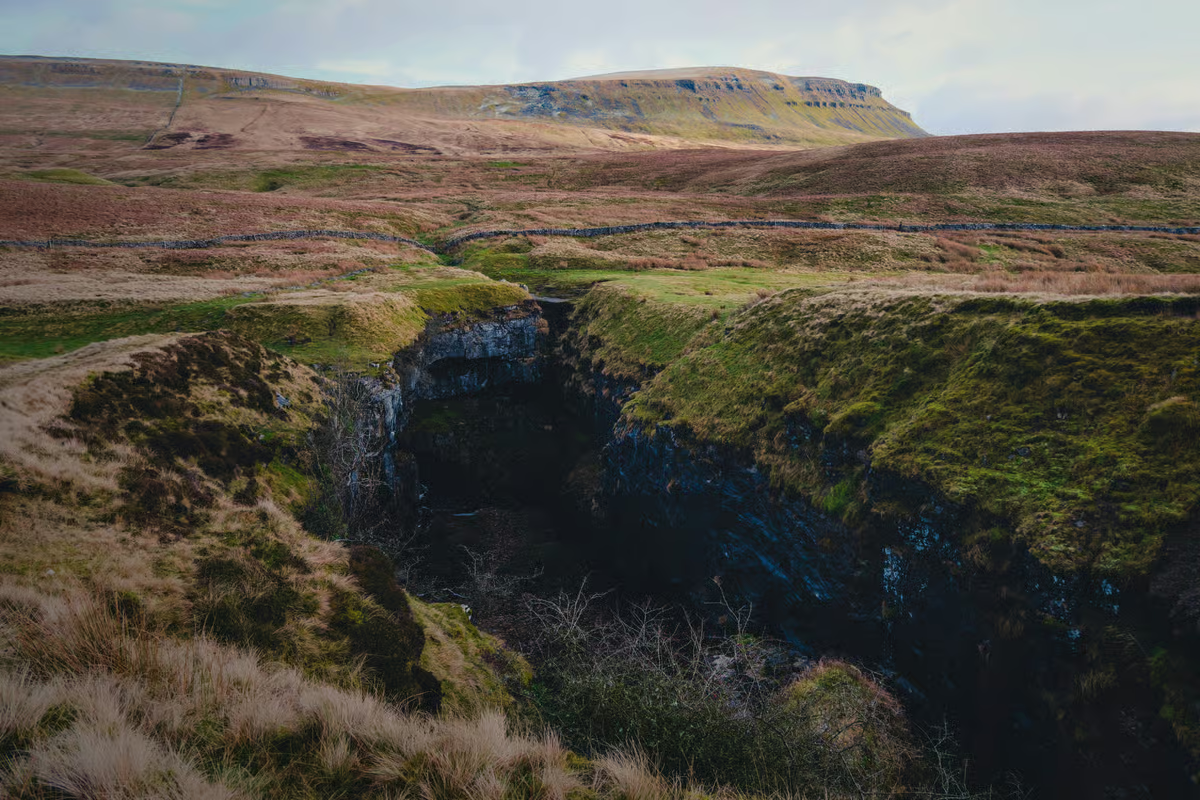
The Yorkshire Three Peaks are among the most famous mountains in the Yorkshire Dales, with Pen-y-ghent, Whernside and Ingleborough forming a trio of distinctive summits around Ribblesdale. Many walkers tackle all three as part of the legendary Yorkshire Three Peaks Challenge, but you don't need to complete the full route to enjoy them. Each mountain can be climbed individually, giving you more time to appreciate the scenery and making the experience accessible to walkers who aren't looking for a 24-mile challenge.
At 694 metres, Pen-y-ghent is the lowest of the Yorkshire Three Peaks, but its distinctive shape makes it one of the most recognisable. The popular route from Horton-in-Ribblesdale climbs gradually through open countryside before a steeper rocky ascent leads towards the summit. From the top, there are superb views across Ribblesdale and the surrounding limestone landscape. If you want to experience one of the Three Peaks without tackling the full challenge, Pen-y-ghent is a great place to start.
At 736 metres, Whernside is the highest point in the Yorkshire Dales and the tallest of the Three Peaks. The most popular ascent begins near Ribblehead Viaduct, giving you fantastic views of this famous railway landmark before the route climbs steadily towards the long summit ridge. The ascent is generally more gradual than the steepest sections of Pen-y-ghent and Ingleborough, although it's still a substantial mountain walk. On a clear day, the summit provides far-reaching views across the Dales and towards the Lake District.
Rising to 723 metres, Ingleborough is the second-highest of the Yorkshire Three Peaks and arguably the most imposing. Its broad, flat-topped summit dominates the surrounding landscape and can be approached from several directions, including Clapham, Ingleton and Horton-in-Ribblesdale. Routes cross classic limestone country before climbing onto wilder mountain terrain, with extensive views awaiting you at the summit. Climbing Ingleborough individually also gives you the chance to explore the fascinating limestone landscape around its lower slopes.
The Yorkshire Three Peaks Challenge is a demanding circular walk taking in Pen-y-ghent, Whernside and Ingleborough in a single day. The route covers around 24 miles and involves roughly 1,500 metres of ascent, with walkers traditionally aiming to complete it within 12 hours.
Horton-in-Ribblesdale is the traditional starting point, although the challenge can also be approached from other points along the route. You'll cross a mixture of mountain paths, rocky sections, open moorland and exposed high ground, so this is a serious day in the hills rather than simply a long countryside walk.
Good fitness and preparation are essential, and walkers should be comfortable with navigation and carry suitable clothing, footwear, food, water and emergency equipment. Weather can change quickly on the higher ground, so always check the forecast and conditions before setting out. If the full challenge sounds like too much, climbing Pen-y-ghent, Whernside or Ingleborough individually is a fantastic alternative.
Yorkshire Three Peaks at a glance:
- Distance: Around 24 miles for the full circular challenge.
- Peaks: Pen-y-ghent, Whernside and Ingleborough.
- Highest point: Whernside at 736 metres.
- Difficulty: Challenging, with a long distance and significant ascent.
- Traditional target: Complete all three peaks within 12 hours.
- Best for: Experienced, fit and well-prepared walkers.
- Alternative: Climb each of the Yorkshire Three Peaks individually rather than attempting the full challenge.
Best waterfalls in the Yorkshire Dales
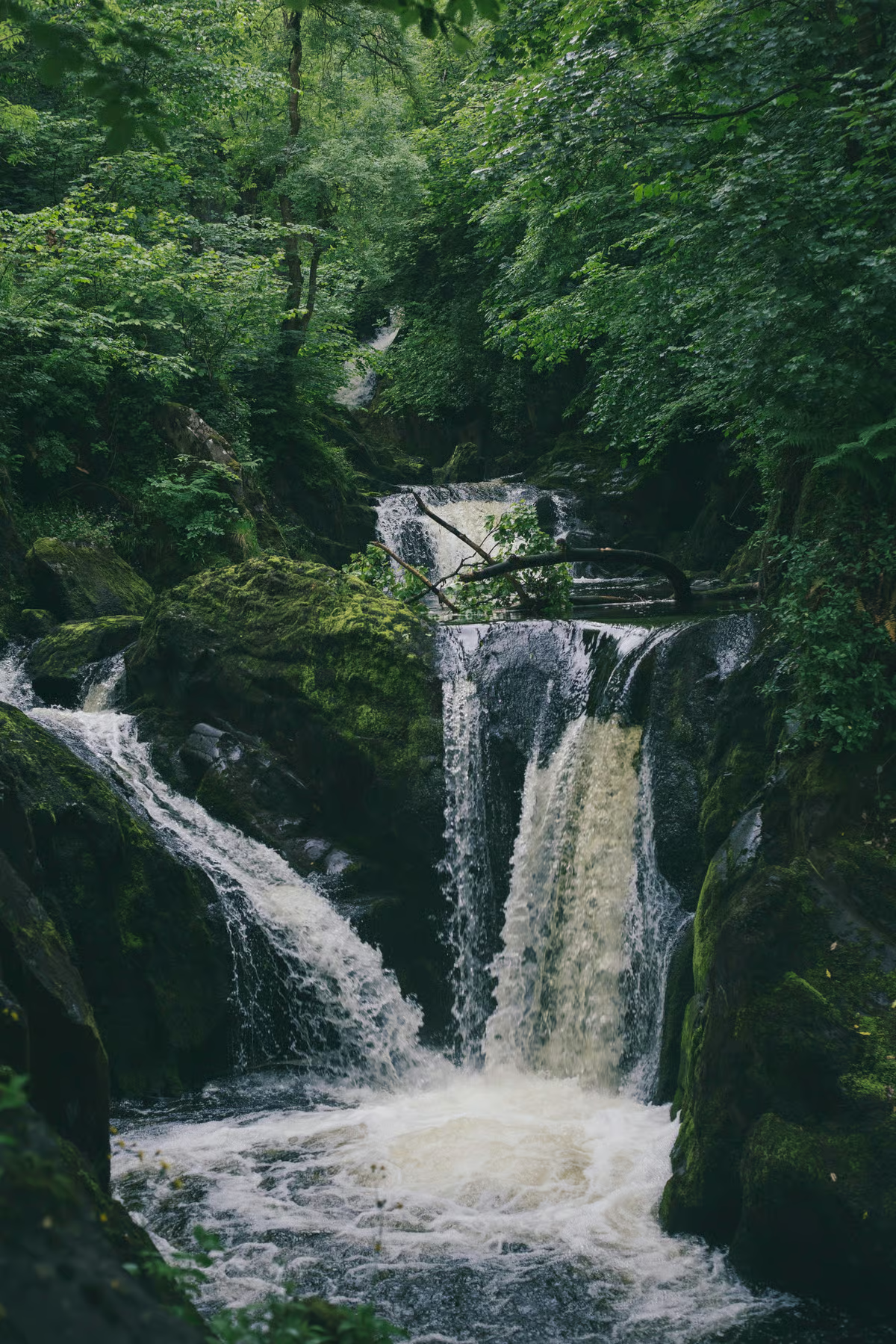
With rivers tumbling over limestone ledges and through deep wooded gorges, the Yorkshire Dales is home to some of the most impressive waterfalls in northern England. Some require little more than a short stroll, while others can be combined with longer walks through the surrounding countryside. From the famous cascades of Aysgarth Falls to secluded woodland waterfalls, these are some of the best waterfalls in the Yorkshire Dales.
Set on the River Ure in Wensleydale, Aysgarth Falls is a series of three broad waterfalls known as the Upper, Middle and Lower Falls. Paths and viewpoints allow you to explore the surrounding riverside and woodland scenery, with the falls becoming particularly powerful after periods of heavy rain. Their accessible location also makes them easy to combine with nearby villages, walks and Bolton Castle.
Hidden within a wooded gorge near Hawes, Hardraw Force is one of the most dramatic waterfalls in the Yorkshire Dales. Hardraw Beck plunges around 30 metres from a limestone overhang into the natural amphitheatre below, creating an impressive single drop that becomes even more spectacular after rain. The waterfall sits on private land and is accessed for a fee via a short walk from Hardraw.
Rather than a single waterfall, the Ingleton Waterfalls Trail introduces you to a succession of cascades and falls along the Rivers Twiss and Doe. The roughly five-mile circular trail passes Pecca Falls, Thornton Force, Beezley Falls and several smaller cascades as it winds through steep-sided wooded gorges. There are plenty of steps and uneven sections, so allow several hours to enjoy the full route.
Tucked into woodland a short walk from Malham, Janet's Foss is smaller than many of the Dales' famous waterfalls but has a wonderfully atmospheric setting. Gordale Beck tumbles over a limestone ledge into a clear pool surrounded by trees and moss-covered rocks. It's a popular stop on the classic circular walk linking Malham, Gordale Scar and Malham Cove.
Hidden in a wooded gorge near Stainforth, Catrigg Force feels surprisingly secluded despite being relatively close to the village. The waterfall drops into a rocky pool enclosed by steep cliffs and trees, creating one of the more atmospheric waterfall settings in the Dales. It can be reached on foot from Stainforth and works particularly well as part of a longer walk through Ribblesdale.
Cauldron Falls sits on Walden Beck in the pretty Wensleydale village of West Burton. Water tumbles over a series of rocky ledges into a broad pool, with an old stone bridge adding to the scene. Its village location makes it one of the easiest Yorkshire Dales waterfalls to incorporate into a day exploring Wensleydale, and it's particularly impressive when the beck is carrying plenty of water.
Best caves and limestone scenery
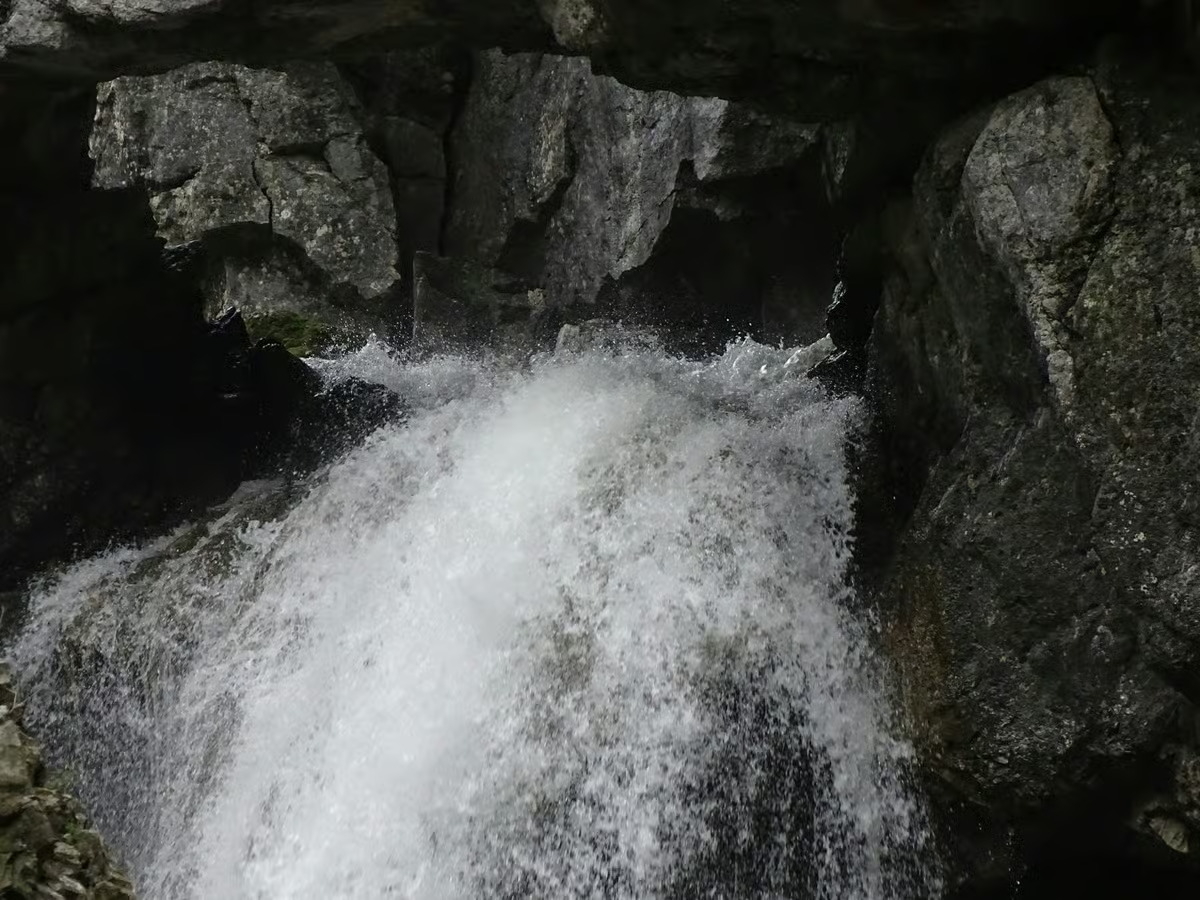
Limestone has shaped some of the Yorkshire Dales' most extraordinary landscapes, both above and below ground. Vast cliffs, deep gorges, limestone pavements, caves and potholes are found throughout the national park, particularly around Malham and Ingleborough. You can venture underground on guided show-cave tours or stay above ground to explore some of the most dramatic limestone scenery in England.
Near Ingleton, White Scar Cave offers the chance to venture deep beneath the Yorkshire Dales on a guided underground tour. The cave system contains underground streams, waterfalls, stalactites and enormous chambers, including the vast Battlefield Cavern. Helmets are provided, and there are low and uneven sections along the route, adding a real sense of adventure to the experience.
Reached via a beautiful walk from Clapham, Ingleborough Cave has been welcoming visitors underground since the 19th century. Guided tours reveal passages filled with stalactites, stalagmites, flowstone and other formations created slowly by water passing through the limestone. The walk to the entrance through the Ingleborough Estate makes the journey to the cave part of the experience.
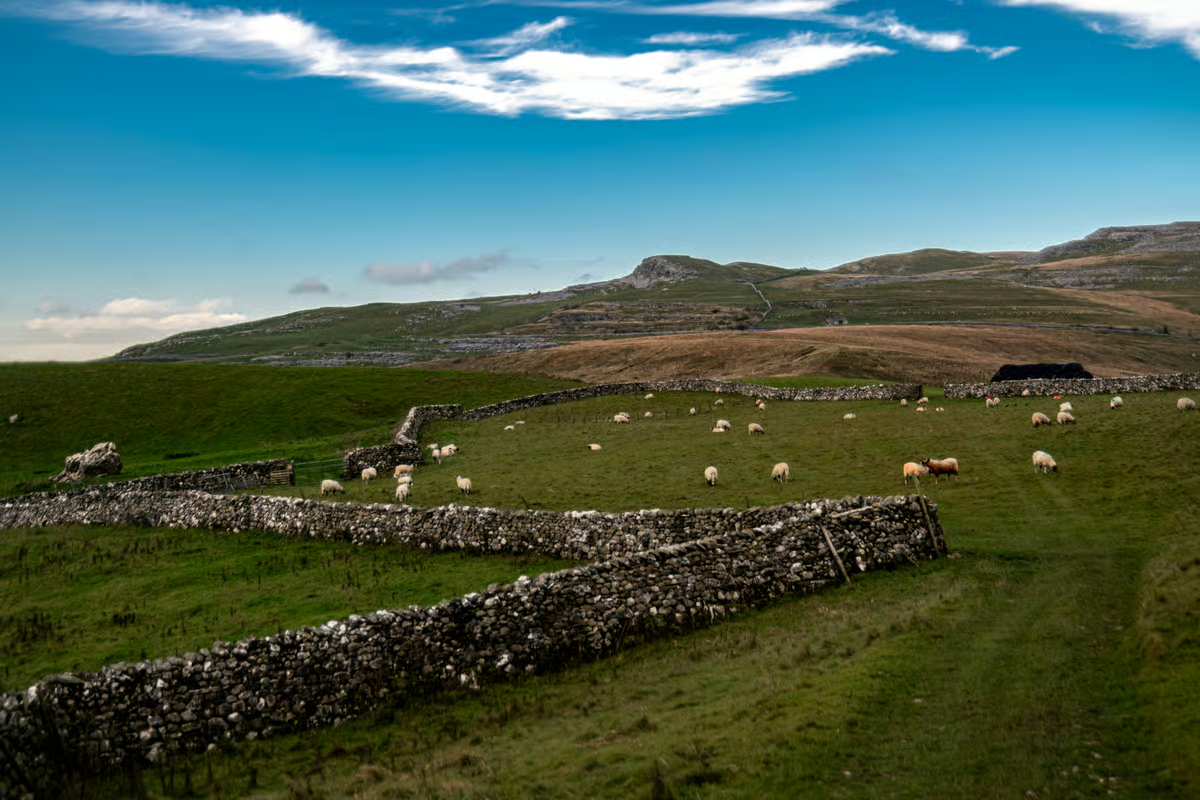
Malham Cove is one of the defining limestone landscapes of the Yorkshire Dales. Its enormous curving cliff rises around 80 metres above the valley floor, while the top is covered by an extraordinary limestone pavement divided by deep fissures. You can walk from Malham to the foot of the cliff before climbing the steps beside it for sweeping views across Malhamdale.
Just outside Malham, Gordale Scar is a spectacular limestone ravine with sheer rock walls rising dramatically on either side. A waterfall tumbles through the narrow gorge, creating one of the wildest-looking landscapes in the southern Dales. You can walk into the lower section relatively easily, while continuing through the waterfall involves scrambling and should only be attempted when conditions and experience allow.
Gaping Gill is one of the most extraordinary natural features in the Yorkshire Dales, where Fell Beck disappears into an enormous pothole on the slopes of Ingleborough. The main chamber lies around 100 metres below the surface and is among Britain's largest underground chambers. This isn't a conventional show cave: public descents are normally only possible during limited organised winch events, while other underground exploration requires appropriate caving experience and equipment. For most visitors, seeing the dramatic opening from above while walking around Ingleborough is the more accessible option.
Best family days out in the Yorkshire Dales
The Yorkshire Dales isn't just about big walks and mountain summits. Families can explore ruined abbeys, ride heritage railways, venture underground, discover quirky attractions and follow waterfall trails through the woods. These are some of the best family days out in and around the Yorkshire Dales.
Hidden in the countryside near Middleham, Forbidden Corner is one of Yorkshire's quirkiest family attractions. Originally created as a private folly, it has developed into a maze of tunnels, chambers, passages, statues, surprises and dead ends designed to leave visitors thoroughly confused. It's particularly good for families looking for something a little different from the usual countryside attractions, and advance booking is generally recommended.
Running through the beautiful countryside of Wensleydale, the Wensleydale Railway offers a relaxing way to see the landscape while enjoying a heritage railway experience. Services and special events vary throughout the year, so it's worth checking the current timetable before planning your visit. It's an easy way to add something different to a family break, particularly if younger visitors love trains.
Hawes is famously associated with Yorkshire Wensleydale cheese, and the Wensleydale Creamery is the place to discover more about it. Visitors can learn how the cheese is made, discover the story behind this local speciality and, most importantly, sample different varieties. There's also plenty of opportunity to stock up on cheese and other Yorkshire produce before you leave.
Heading underground at White Scar Cave near Ingleton adds a proper sense of adventure to a family holiday. Guided tours take visitors through passages containing underground streams, waterfalls and fascinating rock formations before reaching enormous caverns deep beneath the landscape. There are steps, uneven surfaces and some low sections, so check current visitor information and suitability before setting out.
A ride on the Embsay & Bolton Abbey Steam Railway is a lovely addition to a day in the southern Dales. Heritage trains travel through the countryside between Embsay and Bolton Abbey, offering a nostalgic journey that's particularly popular with families and railway enthusiasts. The railway also runs special events at selected times of year, making it worth checking what's happening during your stay.
For families who enjoy walking, the Ingleton Waterfalls Trail turns a countryside hike into a natural adventure. The roughly five-mile route follows rivers through wooded gorges and passes a succession of waterfalls, including spectacular Thornton Force. It's not a pushchair-friendly stroll, with plenty of steps, climbs and uneven ground, but it's a rewarding day out for families comfortable with a longer walk.
Best outdoor activities in the Yorkshire Dales
With mountains, rivers, limestone cliffs, caves and hundreds of miles of paths and bridleways, the Yorkshire Dales is made for outdoor adventure. You can keep things gentle with a countryside walk or leisurely bike ride, or spend your days climbing, mountain biking and exploring underground. Whatever your pace, there are plenty of ways to experience the landscape.
Walking is arguably the best outdoor activity in the Yorkshire Dales, with routes ranging from gentle riverside strolls to demanding mountain hikes. Tackle Pen-y-ghent, Whernside or Ingleborough, follow the limestone landscapes around Malham or spend a quieter day wandering through Wharfedale and Swaledale. Long-distance walkers can also follow sections of famous trails including the Pennine Way and Dales Way.
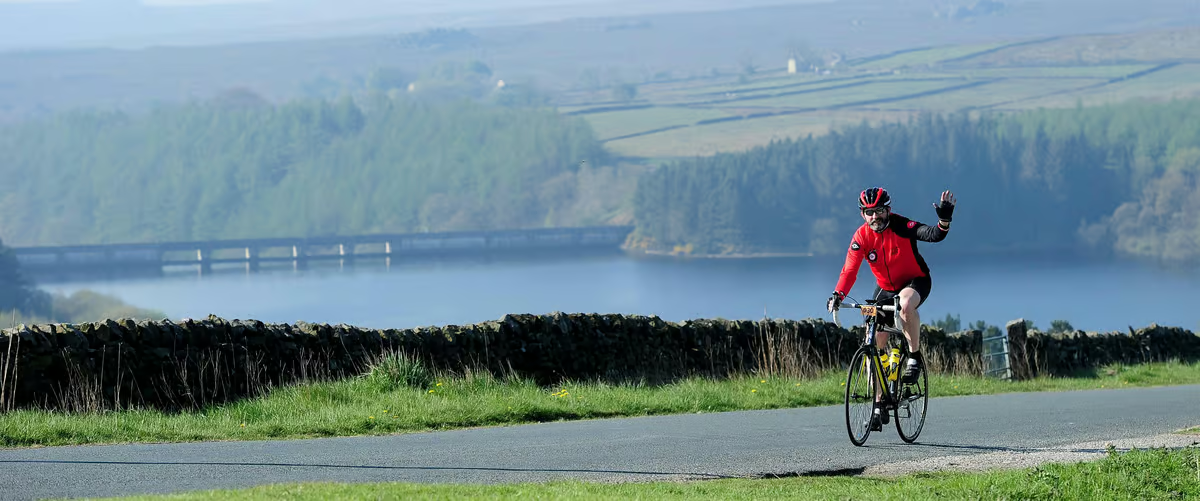
Quiet country lanes and traffic-free trails make the Yorkshire Dales a fantastic destination for cycling. Road cyclists can take on steep climbs and high passes made famous by major races, while gentler routes wind between villages, valleys and historic landmarks. The Swale Trail between Reeth and Keld is a particularly accessible option for exploring the northern Dales by bike.
For something more adventurous, the Yorkshire Dales has an extensive network of bridleways crossing valleys, moorland and rocky upland terrain. Swaledale is particularly well known for mountain biking, with routes around Reeth offering everything from easier valley riding to technical climbs and descents. Conditions can be rough and remote, so choose a route suited to your ability and carry appropriate equipment.
The limestone beneath the Yorkshire Dales contains some of Britain's most remarkable cave systems, making this one of the country's great destinations for caving and potholing. Experienced cavers have an enormous underground landscape to explore, while beginners can book guided trips with qualified local instructors who provide suitable equipment and choose routes based on ability. If you'd rather stay on established visitor routes, White Scar Cave and Ingleborough Cave offer a much more accessible introduction to the underground world.
Limestone crags and cliffs provide plenty of opportunities for rock climbing throughout the Yorkshire Dales. Experienced climbers can find routes across the national park, while beginners can arrange sessions with qualified local instructors and learn the basics in an appropriate setting. Climbing outdoors comes with additional risks, so local knowledge, suitable equipment and an understanding of conditions are essential.
Rivers and waterfalls make wild swimming tempting, particularly during warmer weather, but swimming in the Yorkshire Dales requires careful planning. Access isn't permitted everywhere, and water can be extremely cold even in summer, with currents, submerged rocks, sudden depth changes and rapidly changing river levels creating additional hazards. Check local access rules and current conditions, avoid swimming around waterfalls or fast-flowing water and never assume that a picturesque pool is safe simply because other people are using it.
Horse riding offers a wonderfully peaceful way to explore the Yorkshire Dales, with bridleways and quiet lanes passing through valleys, villages and open countryside. Experienced riders can make use of the wider bridleway network, while local riding centres and trekking providers offer guided outings for different abilities. It's a great alternative way to experience the landscape at a slower pace.
Best historic castles, abbeys and attractions
The Yorkshire Dales has a rich history, with ruined abbeys, medieval castles and grand estates adding another dimension to the spectacular countryside. Some of these attractions sit within the national park, while others are just beyond its boundaries but make excellent additions to a Yorkshire Dales break. From exploring the ruins of Bolton Abbey to wandering through one of England's best-preserved medieval castles, these are some of the best historic places to visit in and around the Yorkshire Dales.
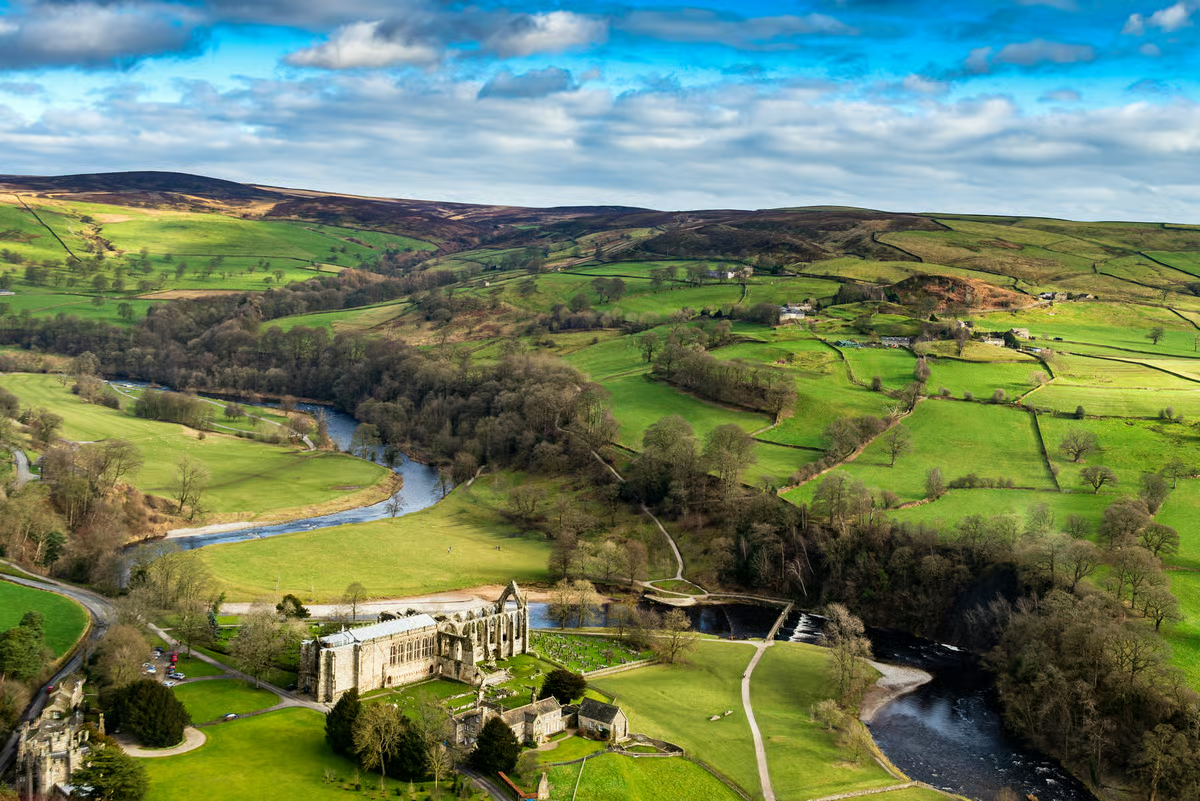
Set beside the River Wharfe, Bolton Abbey is one of the most beautiful historic sites in the Yorkshire Dales. At its heart are the atmospheric ruins of the 12th-century Augustinian priory, surrounded by the wider Bolton Abbey Estate and miles of riverside and woodland walks. Explore the ruins, cross the famous stepping stones and follow the River Wharfe through the surrounding countryside for a day that combines history with classic Dales scenery.
Standing above Wensleydale, Bolton Castle is an impressive 14th-century fortress with more than 600 years of history. Mary, Queen of Scots was held here in 1568, and visitors can explore rooms, towers and atmospheric medieval spaces while learning more about life in the castle. The elevated position also provides beautiful views across Wensleydale, making it easy to combine a visit with Aysgarth Falls and the surrounding villages.
The imposing ruins of Middleham Castle sit above the small market town of Middleham on the edge of the Yorkshire Dales. The castle is particularly famous for its connection to Richard III, who spent part of his childhood here and later used it as an important northern stronghold. Today you can wander among the substantial ruins, climb the viewing platform and learn more about the castle's medieval past before exploring Middleham itself.
Overlooking the bustling market town of Skipton, just outside the national park, Skipton Castle is one of the best-preserved medieval castles in England. With a history stretching back more than 900 years, its towers, courtyards and rooms offer a fascinating glimpse into medieval life. Its location also makes it particularly easy to visit, with Skipton's shops, pubs and historic streets right on the doorstep and the southern Yorkshire Dales within easy reach.
A little beyond the eastern edge of the Yorkshire Dales, Fountains Abbey is well worth the detour. The spectacular ruins of the 12th-century Cistercian abbey form part of the UNESCO-listed Studley Royal Park, where you can also explore landscaped water gardens, woodland and historic parkland. The sheer scale of the abbey ruins makes this one of Yorkshire's most impressive historic attractions and a fantastic option for a full day out during a longer Yorkshire Dales stay.

Best pubs and places to eat in the Yorkshire Dales
Great food and a good country pub are all part of a Yorkshire Dales break. Across the national park you'll find everything from centuries-old inns serving local ales to destination restaurants showcasing some of Yorkshire's best produce. Whether you're after a hearty meal following a day in the hills or somewhere special for dinner, these are some of our favourite places to eat in the Yorkshire Dales.
For a special meal, The Angel at Hetton is one of the standout restaurants in the Yorkshire Dales. Chef Michael Wignall leads the kitchen, with modern, creative cooking and beautifully presented dishes served in the surroundings of a historic village inn. The restaurant currently holds a Michelin star, making it a brilliant choice for a memorable lunch or dinner during a Dales getaway.
Tucked away in the pretty Wensleydale village of East Witton, The Blue Lion combines everything we love about a traditional Yorkshire inn with some seriously good food. Seasonal menus make the most of ingredients sourced from the surrounding Yorkshire landscape, with local game, Yorkshire beef and Wensleydale cheese among the produce that regularly features. There's a cosy real-ale bar with oak tables and a roaring fire, as well as a restaurant for a more formal meal.
The Wensleydale Heifer in West Witton is a great choice if you fancy something a little more indulgent after a day exploring the Dales. The restaurant is particularly well known for its seafood, steaks and lobster, alongside more relaxed favourites such as fish and chips. Local produce is used wherever possible, and the restaurant even has its own in-house smokery for meat and fish.
The Devonshire Arms makes an excellent lunch or dinner stop if you're spending the day exploring Bolton Abbey and Wharfedale. There are several dining options, ranging from relaxed small plates and afternoon tea in the Garden Room to more formal dining, with menus making use of fresh and locally sourced ingredients. Its location means you can combine a long riverside walk around the Bolton Abbey Estate with a particularly good meal afterwards.
Few pubs in the Yorkshire Dales have a setting quite like the Tan Hill Inn. Standing alone in the wild landscape above Swaledale at 1,732 feet, it holds the title of Britain's highest pub and has been welcoming travellers and walkers for centuries. Inside you'll find stone floors, exposed beams and roaring fires, with locally sourced food and hearty meals providing a welcome reward after a day outside. The Pennine Way passes by the inn, making this an especially memorable stop for walkers.
No foodie trip to the Yorkshire Dales would be complete without trying Yorkshire Wensleydale cheese. The crumbly, creamy cheese has a long association with Wensleydale, and Hawes remains the place most closely linked with its production. Head to the Wensleydale Creamery to learn more about its history and how it's made, sample different varieties and stock up on cheese to take home. You'll also spot Wensleydale on menus throughout the Dales, from cheeseboards to dishes such as the twice-baked Wensleydale cheese soufflé served at The Blue Lion.
Choose the perfect Yorkshire Dales break
With beautiful villages, challenging mountain walks, quiet valleys and fantastic local food, the Yorkshire Dales works for all kinds of countryside escape. Whether you're planning a romantic weekend, a family adventure or a few days tackling some of the best walks in the national park, choosing the right area can make all the difference.
- Stay around: Malham, Horton-in-Ribblesdale or Hawes
Walkers are spoilt for choice in the Yorkshire Dales. Malham puts spectacular limestone scenery on your doorstep, including Malham Cove, Gordale Scar and Janet's Foss, while Horton-in-Ribblesdale is the traditional starting point for the Yorkshire Three Peaks Challenge. Hawes is another excellent base, with beautiful Wensleydale walks and easy access to the northern Dales.
Don't miss:
- Walk the classic circuit around Malham Cove, Gordale Scar and Janet's Foss.
- Tackle one or more of the Yorkshire Three Peaks.
- Climb Ingleborough for spectacular views across the surrounding countryside.
- Stay around: Grassington, Kettlewell or quieter Wharfedale villages
For a romantic Yorkshire Dales break, it's hard to beat a cosy cottage tucked away in Wharfedale. Spend your days following riverside paths, exploring stone-built villages and visiting Bolton Abbey, before settling into a country pub for dinner. Grassington has plenty of cafés, shops and places to eat, while Kettlewell and the smaller surrounding villages offer a quieter escape.
Don't miss:
- Explore the ruins and riverside walks around Bolton Abbey.
- Spend an evening beside the fire in a traditional country pub.
- Follow scenic walking trails through Wharfedale.
- Stay around: Skipton, Grassington or Ingleton
The Yorkshire Dales has plenty to keep families busy beyond long days in the hills. Ingleton is ideal for waterfalls and underground adventures, while Skipton and Grassington put you within easy reach of historic attractions, heritage railways and family-friendly walks. You'll also find plenty of short trails and picnic spots for days when you want to keep things simple.
Don't miss:
- Get thoroughly lost among the tunnels and surprises at Forbidden Corner.
- Head underground on a guided tour of White Scar Cave.
- Explore Bolton Abbey and cross the famous stepping stones over the River Wharfe.
- Stay around: Hawes, Reeth or Grassington
Quiet lanes, steep climbs and spectacular valley roads make the Yorkshire Dales one of England's great cycling destinations. Experienced road cyclists can tackle challenging climbs and high passes, while Swaledale and Wharfedale offer beautiful routes between villages. Mountain bikers will find an extensive network of bridleways, particularly around Reeth and the northern Dales.
Don't miss:
- Take on the dramatic climb and descent of Buttertubs Pass.
- Explore Swaledale's roads, trails and bridleways by bike.
- Cycle through Wharfedale, stopping at villages along the way.
- Stay around: Hawes, Grassington or the southern Dales
Food is another very good reason to spend a few days in the Yorkshire Dales. Hawes is the obvious choice for anyone wanting to discover Yorkshire Wensleydale cheese, while villages across the national park are home to excellent pubs, restaurants, cafés and independent producers. The southern Dales also put you within easy reach of some of the area's best destination dining.
Don't miss:
- Sample Yorkshire Wensleydale cheese in Hawes.
- Book a table at one of the Dales' destination pubs or restaurants.
- Stock up on Yorkshire produce at local farm shops, delis and independent food shops.
- Stay around: Muker, Reeth or Upper Wensleydale
Head deeper into the northern Dales if peace and quiet are at the top of your list. Upper Swaledale and Wensleydale offer beautiful landscapes of dry-stone walls, field barns, waterfalls and tiny villages, with plenty of opportunities to leave the car behind and explore on foot. Muker is particularly lovely if you want somewhere small and wonderfully rural.
Don't miss:
- Wander through the timeless landscapes of Upper Swaledale.
- Seek out quieter waterfalls and hidden corners of the northern Dales.
- Spend your days walking before returning to a peaceful village pub.
- Stay around: Grassington, Malham or Hawes
For your first Yorkshire Dales holiday, choose a base that puts several of the national park's classic experiences within easy reach. Malham is unbeatable for dramatic limestone scenery and walking, Grassington combines beautiful countryside with plenty of amenities, while Hawes is ideal for exploring Wensleydale and the northern Dales. Whichever you choose, you'll have waterfalls, villages, historic attractions and superb walks close by.
Don't miss:
- See the towering limestone cliffs and pavement of Malham Cove.
- Explore the Upper, Middle and Lower Falls at Aysgarth Falls.
- Visit Ribblehead Viaduct and admire one of the Yorkshire Dales' most iconic views.
Best time to visit the Yorkshire Dales
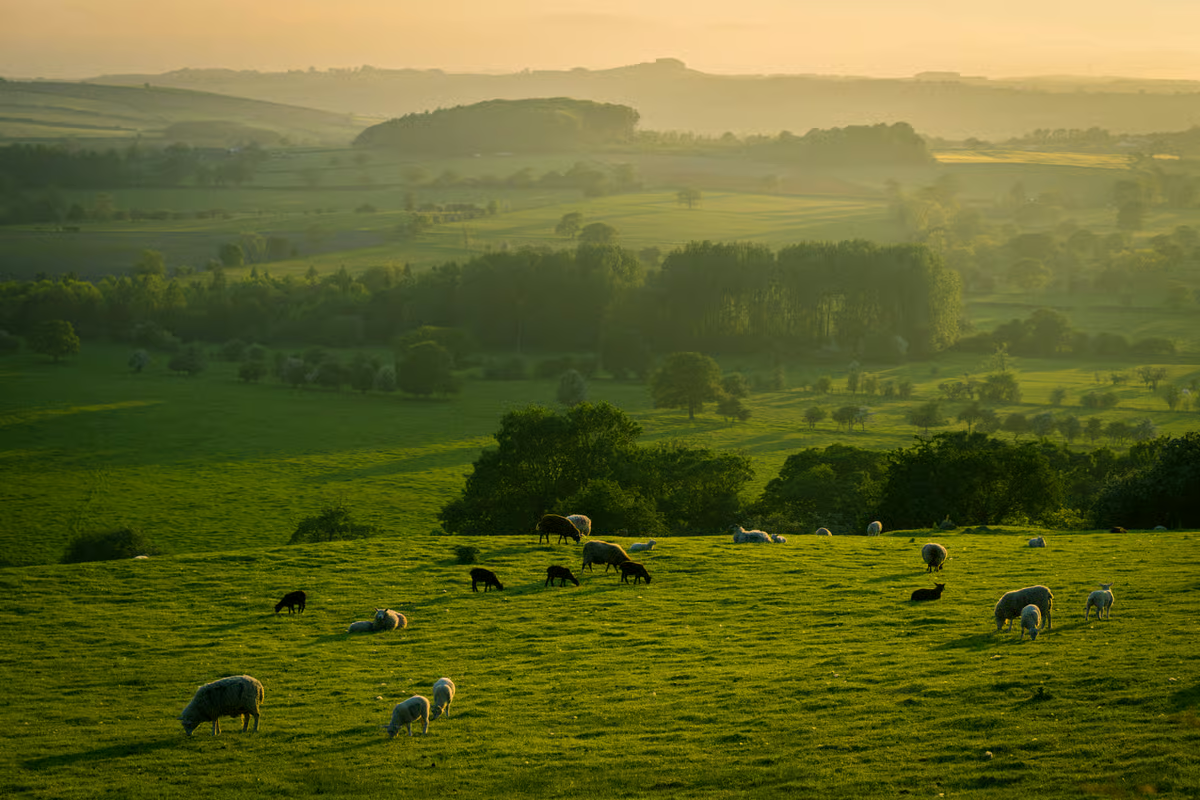
Visiting the Yorkshire Dales in spring
- Best for: Walking, waterfalls, lambs and wildflowers
- Vibe: Green, fresh and peaceful
- Don't miss: Swaledale's spring landscapes
Spring is one of the loveliest times to visit the Yorkshire Dales, as the valleys turn green, lambs appear in the fields and wildflowers begin to brighten the countryside. Waterfalls such as Aysgarth Falls and Hardraw Force can be particularly impressive following spring rain, while cooler temperatures make this an excellent season for walking.
As the days grow longer, you'll have more time to explore without the peak summer crowds. Late spring is particularly beautiful in Swaledale, where traditional hay meadows begin filling with wildflowers and the landscape of dry-stone walls and stone barns looks at its best.
Why we love visiting the Yorkshire Dales in spring:
- See lambs in the fields as the Dales countryside bursts back into life.
- Walk in cooler temperatures before the busiest summer months arrive.
- Visit waterfalls when spring rainfall can make them particularly impressive.
- Look for wildflowers appearing across meadows, woodland and verges.
- Enjoy longer days while popular villages and walking routes remain relatively peaceful.
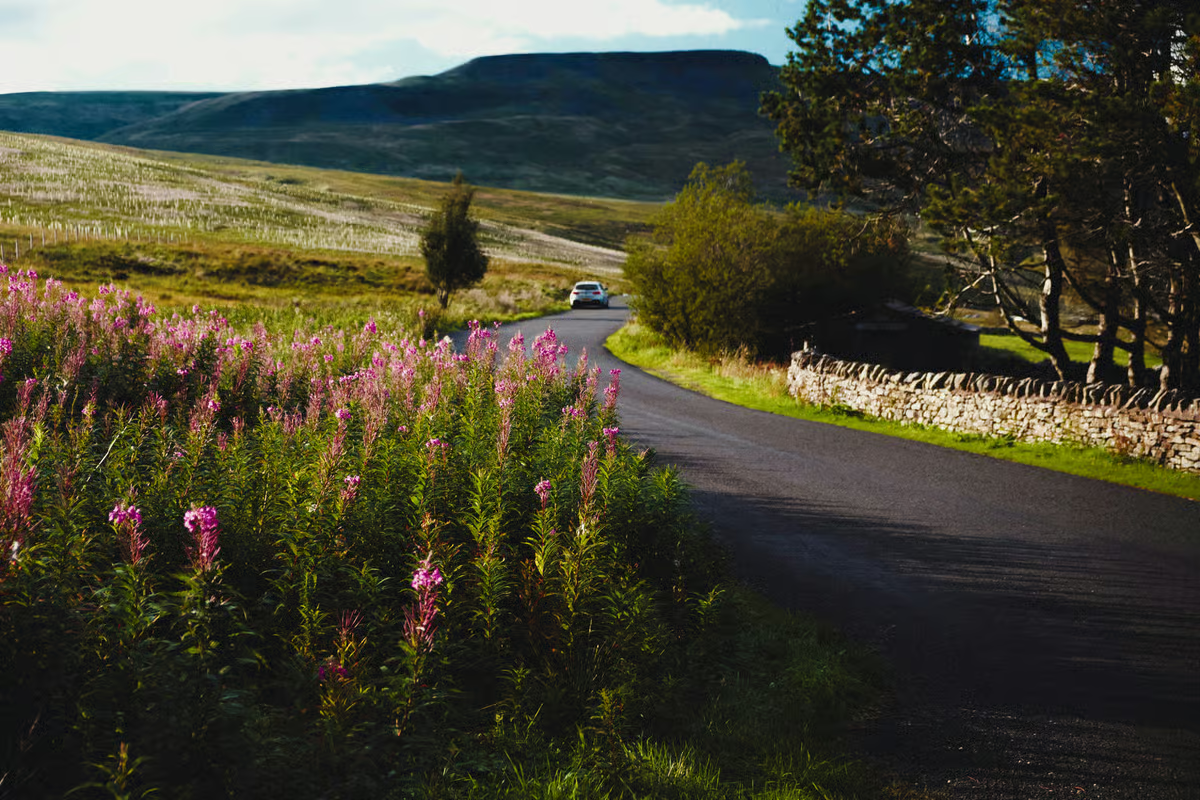
Visiting the Yorkshire Dales in summer
- Best for: Long walks and outdoor adventures
- Vibe: Green, lively and busy
- Don't miss: Long evenings exploring the dales
Summer brings long daylight hours and some of the best opportunities for hiking, cycling and outdoor adventures in the Yorkshire Dales. It's a brilliant time to tackle longer routes such as Ingleborough or the Yorkshire Three Peaks, explore waterfalls and caves or simply spend a full day wandering between villages.
This is also the busiest time of year, particularly during school holidays and sunny weekends. Popular places such as Malham, Bolton Abbey and Aysgarth Falls can get crowded, so setting out early or exploring quieter parts of Swaledale and Wensleydale can make a big difference.
Why we love visiting the Yorkshire Dales in summer:
- Make the most of long daylight hours for full days of walking and exploring.
- Tackle longer mountain routes and cycling adventures.
- Enjoy picnics beside rivers and relaxed afternoons in beautiful Dales villages.
- Spend warm evenings outside at country pubs after a day in the hills.
- Head out early or later in the day to enjoy famous viewpoints when they're quieter.
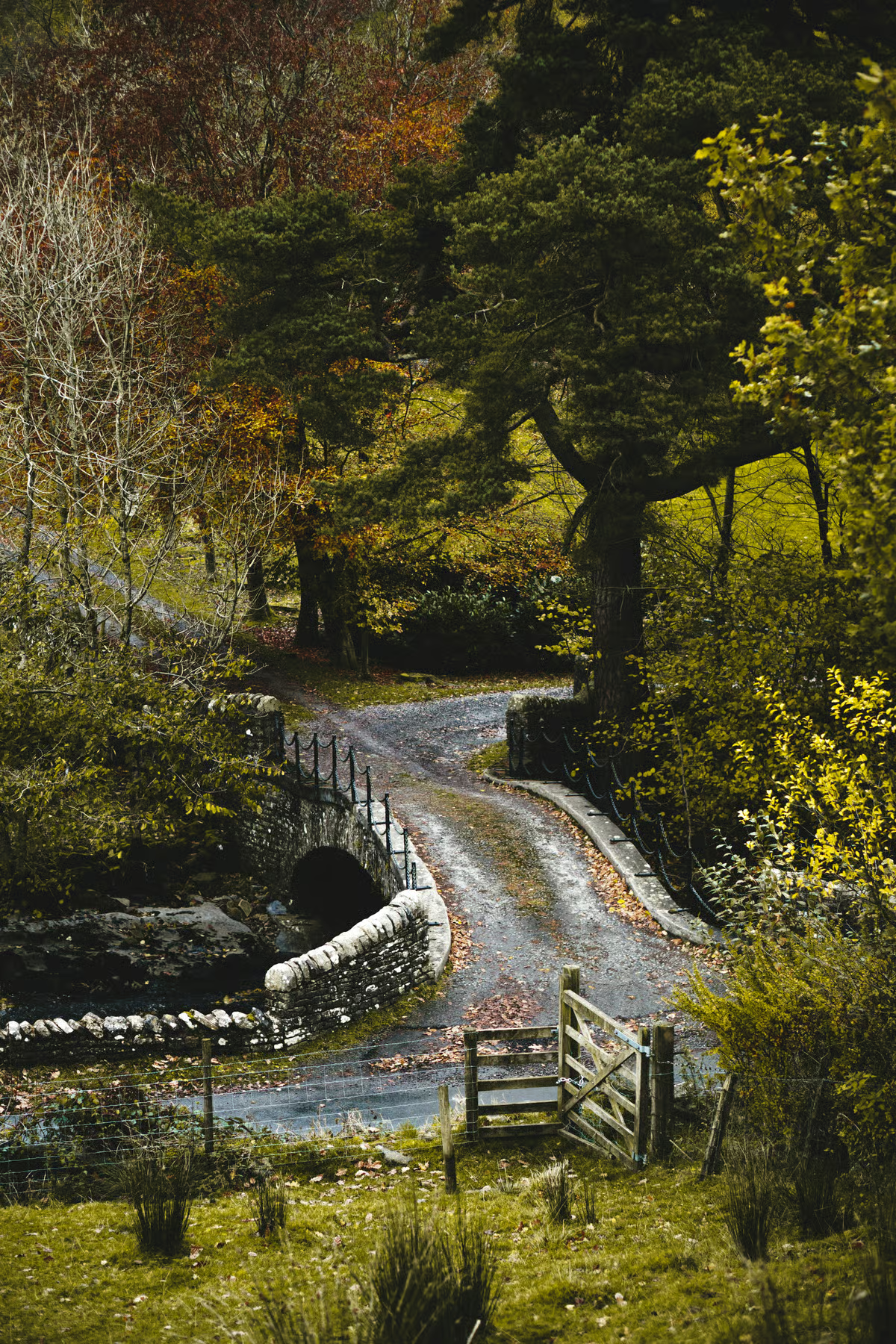
Visiting the Yorkshire Dales in autumn
- Best for: Walking, photography and quieter breaks
- Vibe: Colourful, atmospheric and peaceful
- Don't miss: Woodland and waterfalls after autumn rain
Autumn is one of the most atmospheric times to explore the Yorkshire Dales. Woodland turns shades of gold, orange and red, while misty mornings and softer light transform the valleys and hills. Cooler temperatures are ideal for walking, and you'll generally find fewer visitors once the summer holidays have ended.
Rainfall can also breathe new life into the Dales' waterfalls, making places such as Aysgarth Falls, Hardraw Force and Ingleton particularly dramatic. Finish a day outside in a cosy village pub and autumn becomes an especially appealing time for a Yorkshire Dales weekend break.
Why we love visiting the Yorkshire Dales in autumn:
- See woodland and valleys transformed by beautiful autumn colour.
- Photograph misty mornings and dramatic light across the hills.
- Enjoy cooler conditions for longer countryside walks.
- See waterfalls become more powerful following autumn rainfall.
- Explore popular villages and attractions with fewer visitors than in summer.
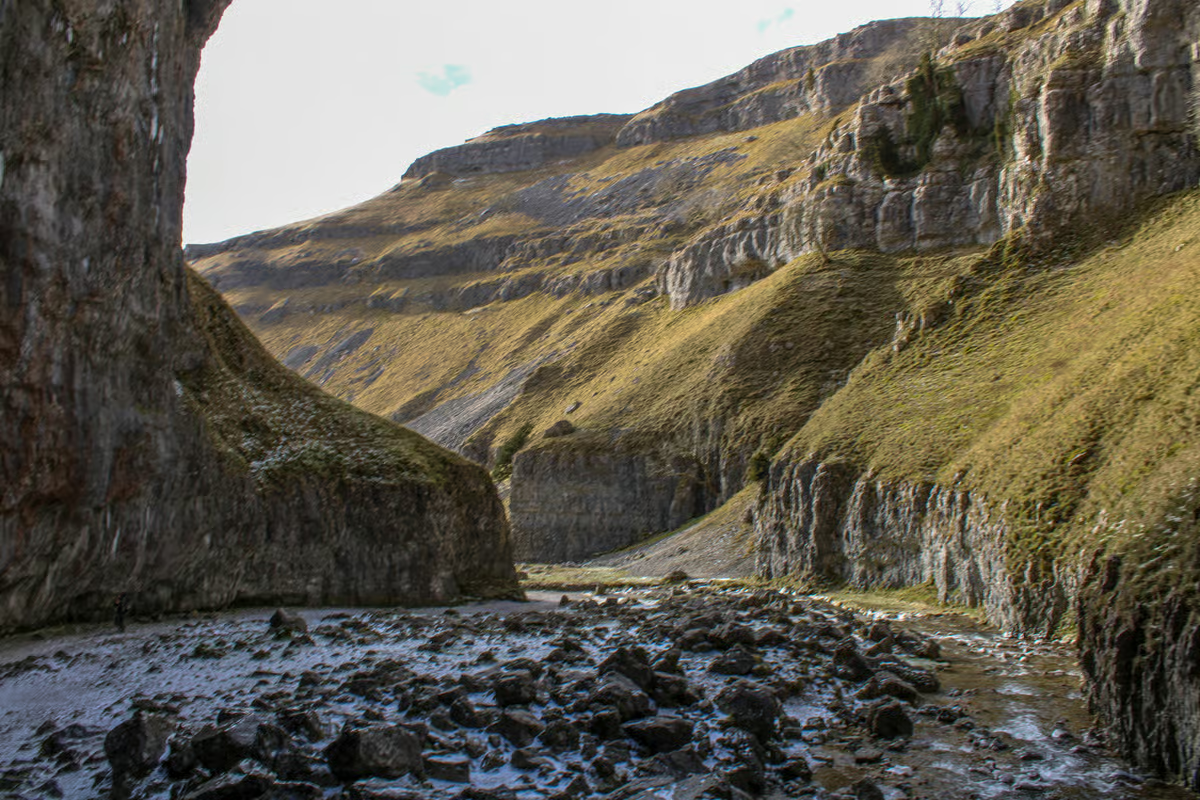
Visiting the Yorkshire Dales in winter
- Best for: Cosy stays and dramatic landscapes
- Vibe: Wild, quiet and atmospheric
- Don't miss: A crisp walk followed by a country pub
Winter reveals a quieter and wilder side of the Yorkshire Dales. Frost can transform dry-stone walls and fields, while occasional snow makes the hills particularly spectacular. Villages are much more peaceful than during the warmer months, making winter ideal for cosy cottage breaks, short walks and long lunches beside the fire.
Conditions on higher ground can be challenging, however, with short daylight hours, strong winds, ice, snow and rapidly changing weather all possible. Plan mountain walks carefully, carry appropriate equipment and be prepared to choose lower-level routes through valleys and villages when conditions aren't suitable.
Why we love visiting the Yorkshire Dales in winter:
- Experience some of the national park's quietest walking trails and villages.
- See the hills and valleys transformed by frost and occasional snow.
- Enjoy dramatic winter landscapes without the summer crowds.
- Choose shorter riverside and valley walks when conditions are poor on higher ground.
- Return from a chilly walk to a cosy cottage or traditional country pub.
How to get to the Yorkshire Dales
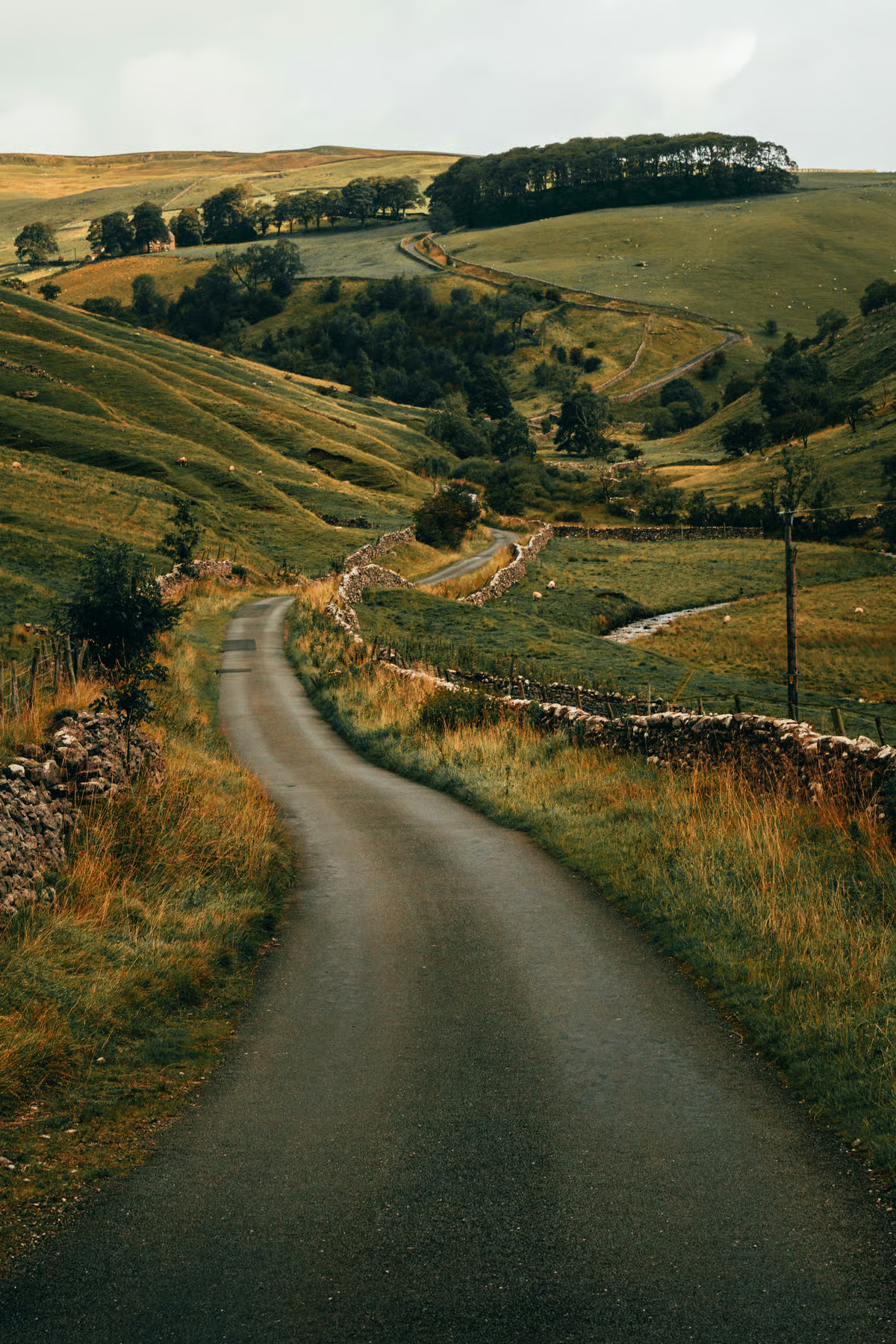
The Yorkshire Dales is well connected to cities including Leeds, York and Manchester, making it relatively easy to reach for a weekend break or longer stay. Driving gives you the greatest freedom once you're there, particularly if you want to explore remote villages and walking routes, but trains and buses also make it possible to enjoy parts of the Yorkshire Dales without a car.
- Best for: Exploring remote villages, walking routes and several different dales.
- From Leeds: The southern Dales can generally be reached in around an hour, depending on your destination and traffic.
- From York: Allow roughly 1–2 hours for many areas of the national park.
- From Manchester: The western Dales are generally around 1.5–2 hours away.
- From Newcastle: Many northern and eastern areas can be reached in around 1.5–2 hours.
- Main roads: The M6 provides useful access to the western Dales, while the A1(M) is convenient for eastern areas.
- Parking tip: Arrive early at popular places such as Malham, particularly on sunny weekends and during school holidays.
Travelling by car gives you the most flexibility for exploring the Yorkshire Dales, especially if you want to move between remote valleys, waterfalls and small villages. Skipton is a useful gateway to the southern Dales, while routes from the M6 provide access towards places such as Sedbergh and the western side of the national park.
Once you're inside the Dales, expect narrow country lanes, steep gradients and winding roads. Take your time and allow extra room for walkers, cyclists, livestock and oncoming traffic. Parking at major attractions and walking spots can fill quickly, so an early start is often worthwhile.
- Best for: Car-free walking breaks and exploring the western Yorkshire Dales.
- Key stations: Settle, Horton-in-Ribblesdale, Ribblehead, Dent and Garsdale.
- Best-known route: The Settle-Carlisle Railway.
- Best for the Three Peaks: Horton-in-Ribblesdale and Ribblehead provide excellent access to walking country.
- Gateway stations: Skipton, Leeds and other nearby towns provide useful onward connections.
- Bonus: The train journey itself is one of the most scenic ways to experience the Dales.
The Settle-Carlisle Railway makes the Yorkshire Dales particularly appealing for a car-free walking holiday. Trains travel through spectacular countryside, stopping at stations including Settle, Horton-in-Ribblesdale, Ribblehead, Dent and Garsdale. Several stops put you close to excellent walking routes, while the journey across Ribblehead Viaduct is an attraction in its own right.
Skipton is another useful rail gateway for the southern Dales, with good connections to Leeds and onward bus services into the national park. If you're planning a trip without a car, choosing accommodation close to a railway station or reliable bus route will make exploring considerably easier.
- Best for: Reaching villages and attractions without a car.
- Useful network: DalesBus services connect many destinations across the Yorkshire Dales.
- Gateway connections: Services operate from surrounding towns and cities including Leeds and nearby transport hubs.
- Popular destinations: Bus routes serve places such as Grassington and other Dales villages.
- Seasonal services: Some routes operate more frequently or only at certain times of year.
- Planning tip: Always check current timetables before travelling, particularly on Sundays and Bank Holidays.
Buses can be a great way to explore the Yorkshire Dales without worrying about parking, particularly if you combine them with rail travel. DalesBus and other local services link a number of towns, villages and visitor attractions, opening up opportunities for linear walks where you don't need to return to your starting point.
Services in rural areas can be limited, however, and timetables vary by route, season and day of the week. Sunday and Bank Holiday services can be particularly different, so plan your journey in advance and check the latest timetable before setting out.
- Nearest major airport: Leeds Bradford Airport is particularly convenient for the southern and eastern Dales.
- Best for western areas: Manchester Airport offers good onward transport connections.
- Northern option: Newcastle International Airport can be useful for some northern parts of the Dales.
- Onward travel: Hire a car or continue by train and bus.
- Best for overseas visitors: Combining a flight with rail travel can work well if you're staying near the Settle-Carlisle Railway.
Leeds Bradford Airport is the most convenient major airport for many visitors heading towards Skipton, Wharfedale and the southern Yorkshire Dales. Manchester Airport is another useful option, particularly for visitors approaching the western side of the national park, and its extensive rail network provides onward connections towards Yorkshire.
Newcastle International Airport can also work for visitors heading towards the northern and north-eastern Dales. Whichever airport you choose, hiring a car will provide the most flexibility, although combining trains and local buses is a practical alternative if you're planning a car-free stay.
Some of our favourite stays in the Yorkshire Dales
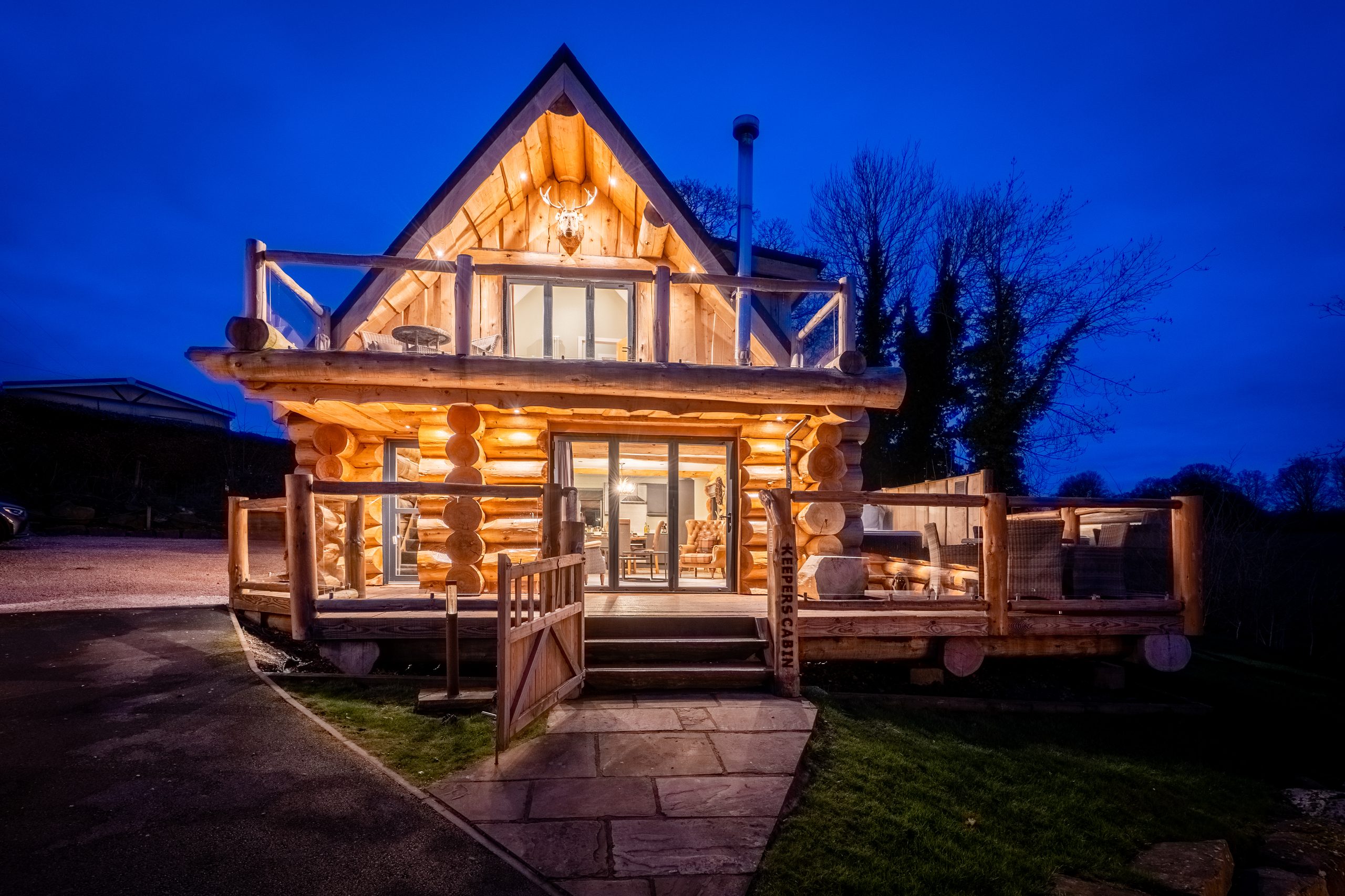
Olicana Cabins
Addingham

Sandwath Farm Glamping
Kirkby Stephen
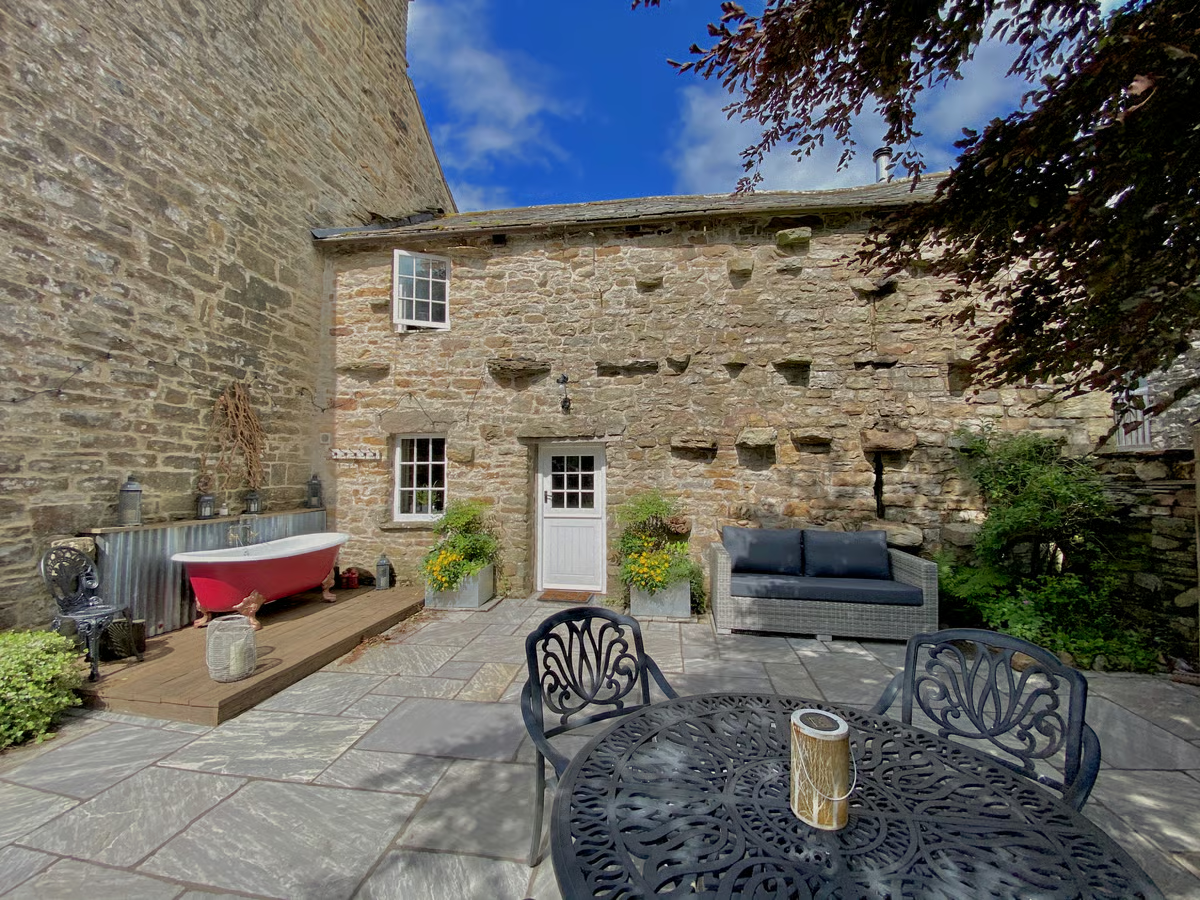
Shepherd’s Cottage
Kirkby Stephen
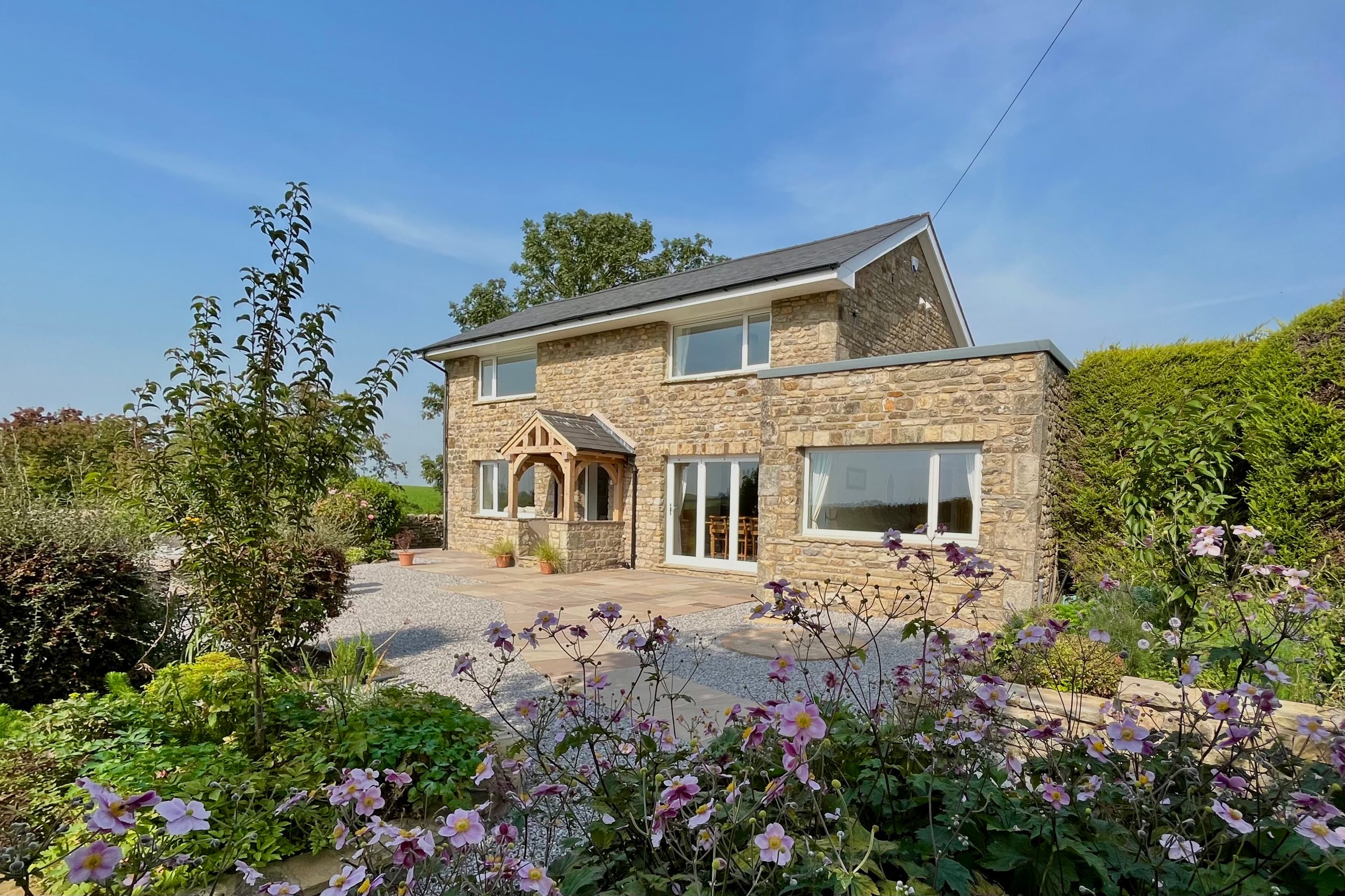
New Thornber
High Bentham
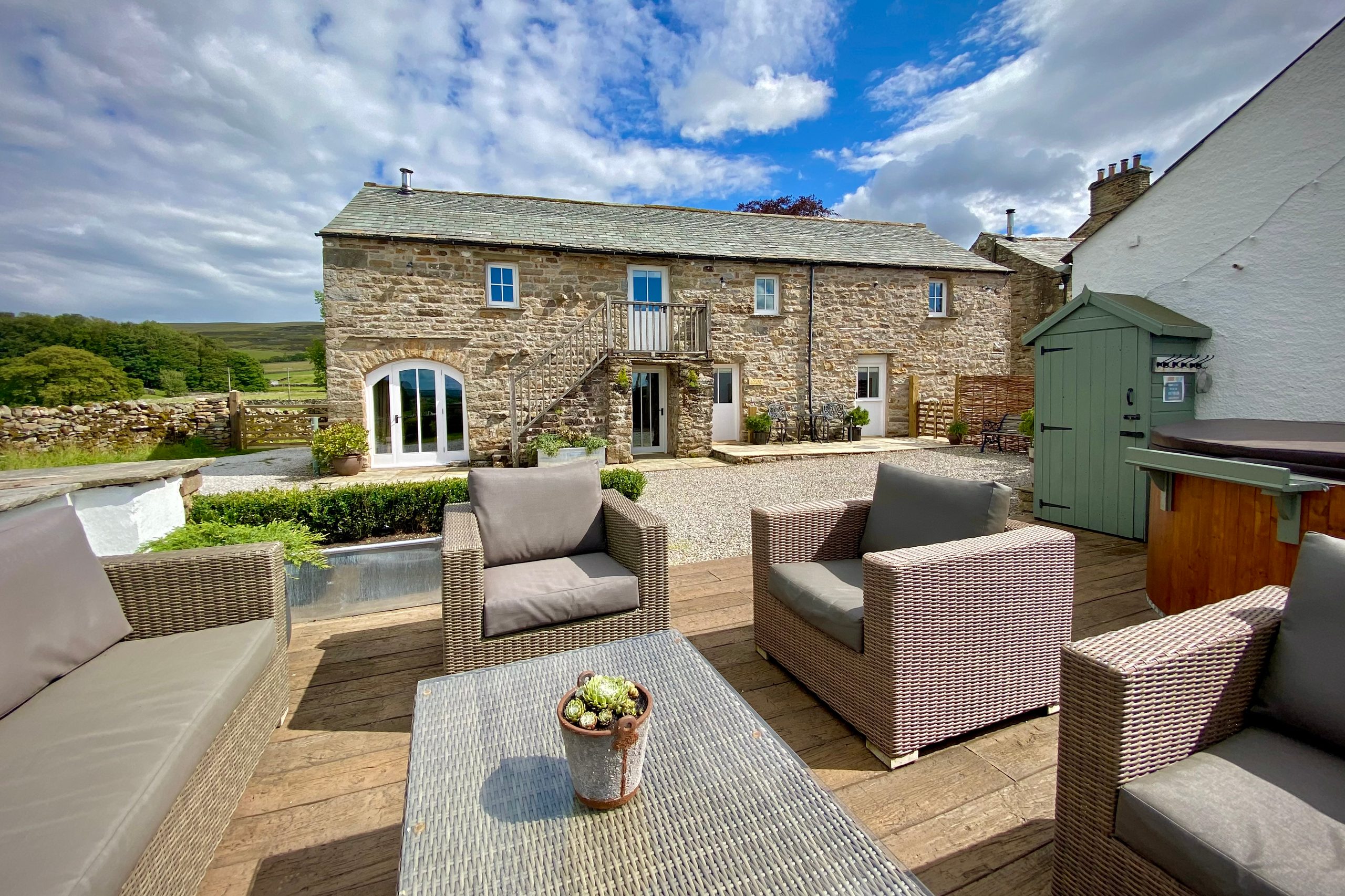
Angel Barn
Kirkby Stephen
Stay Lambing Live
Kirkby Stephen
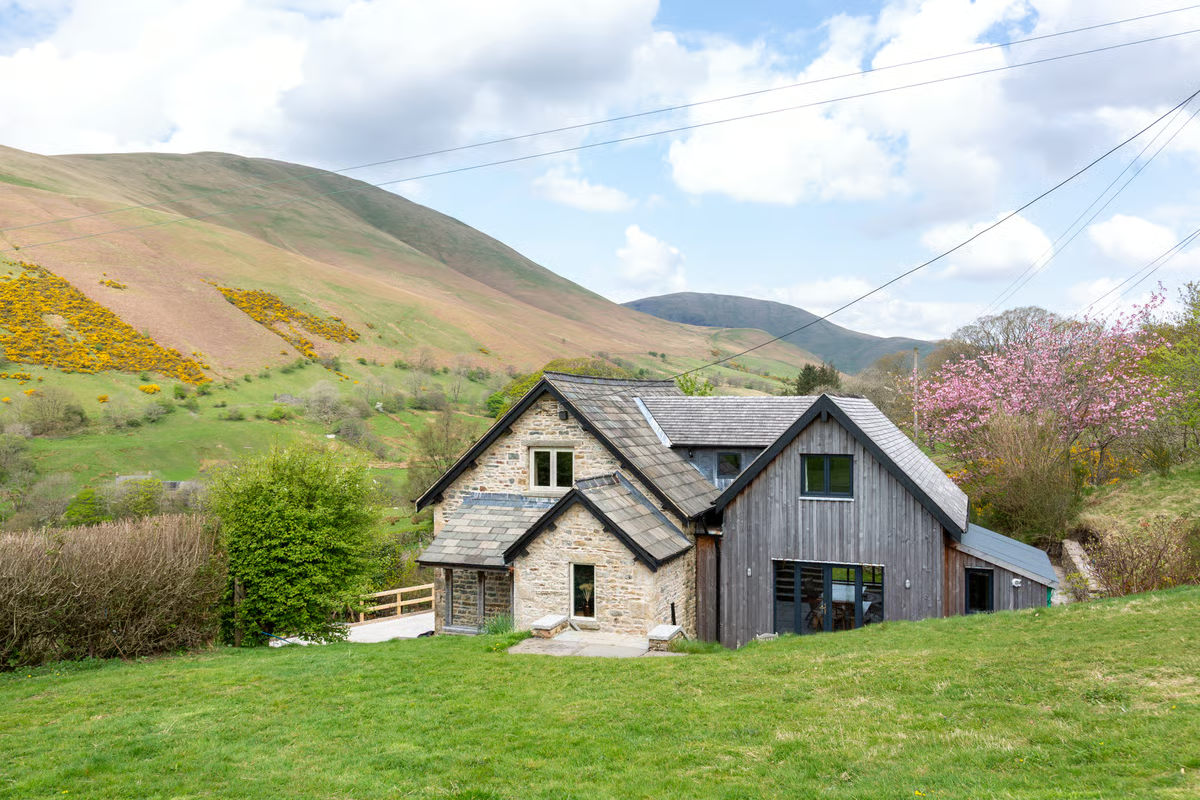
Ridge House
Sedbergh
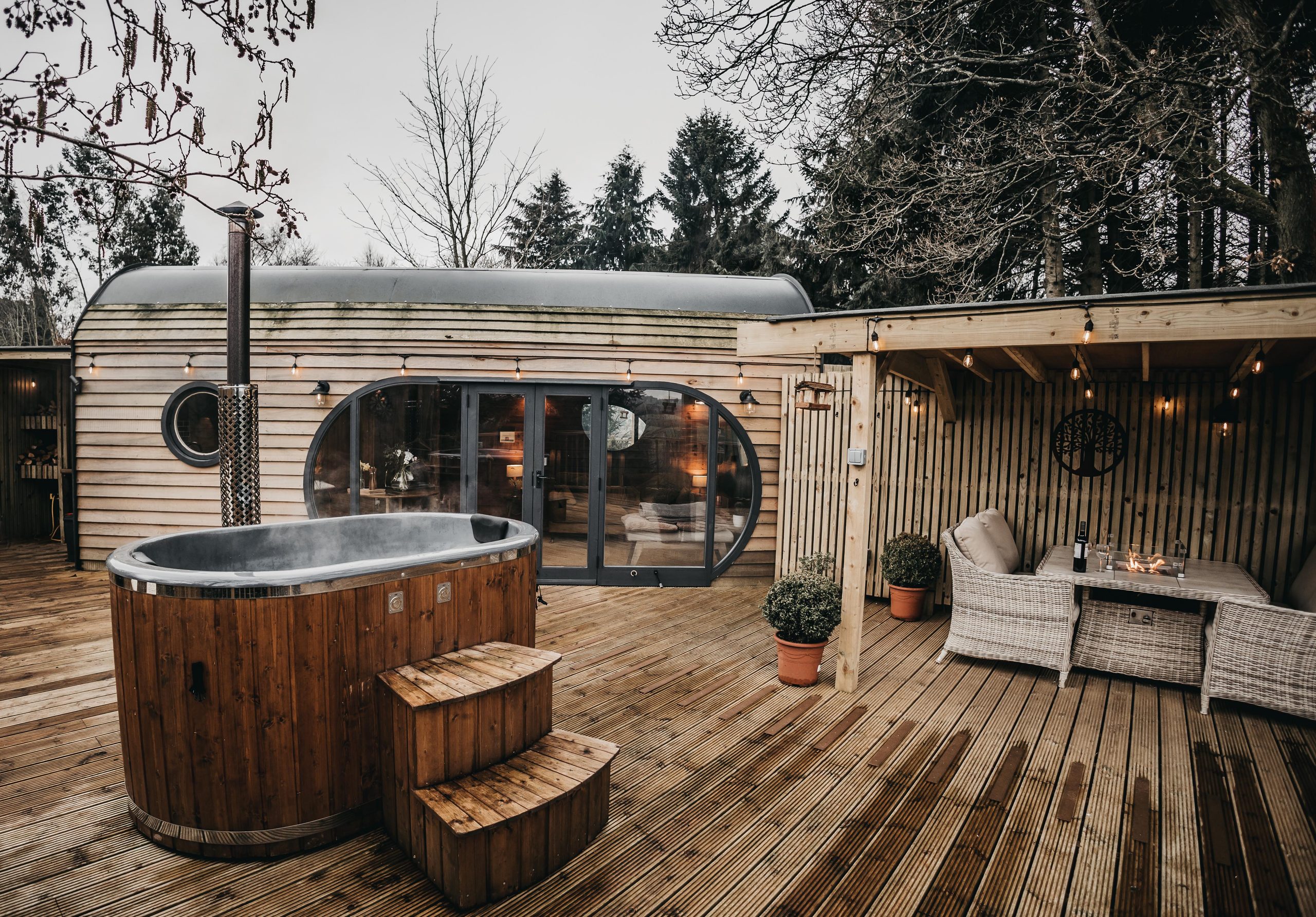
The Pines Treehouse
Richmond
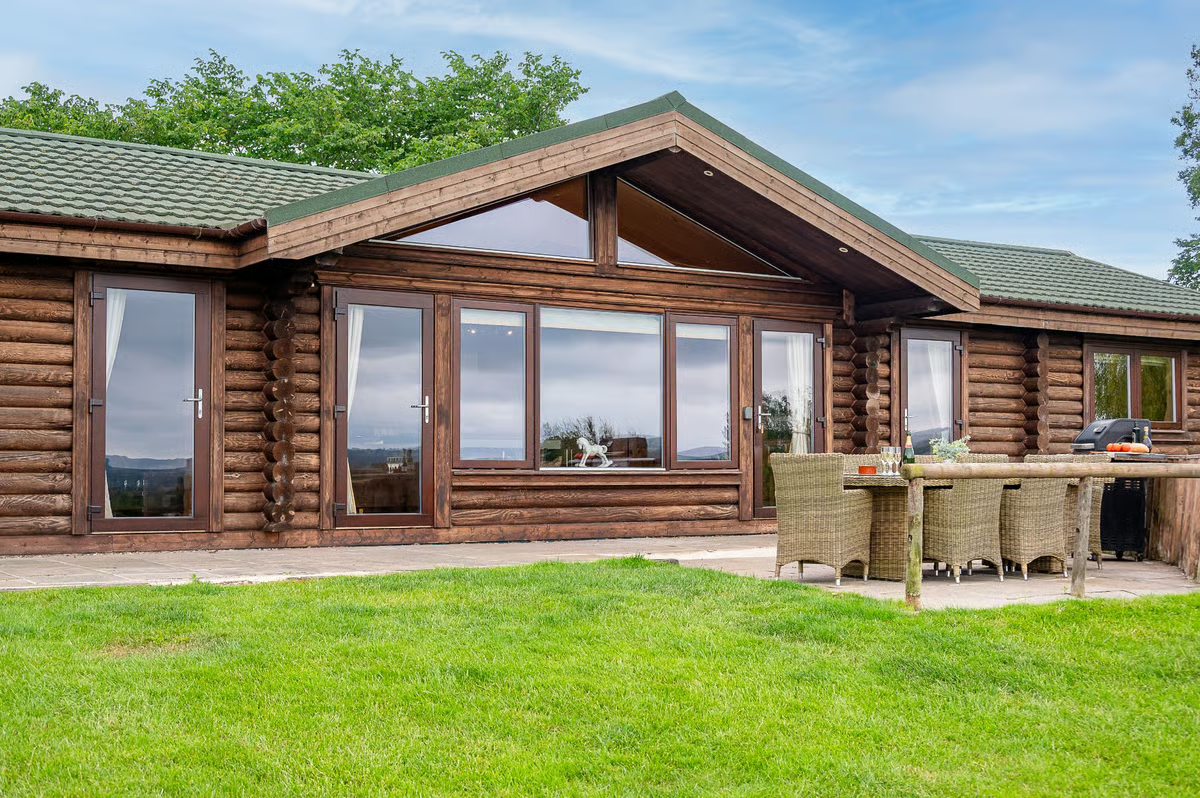
Ninetta
Leyburn
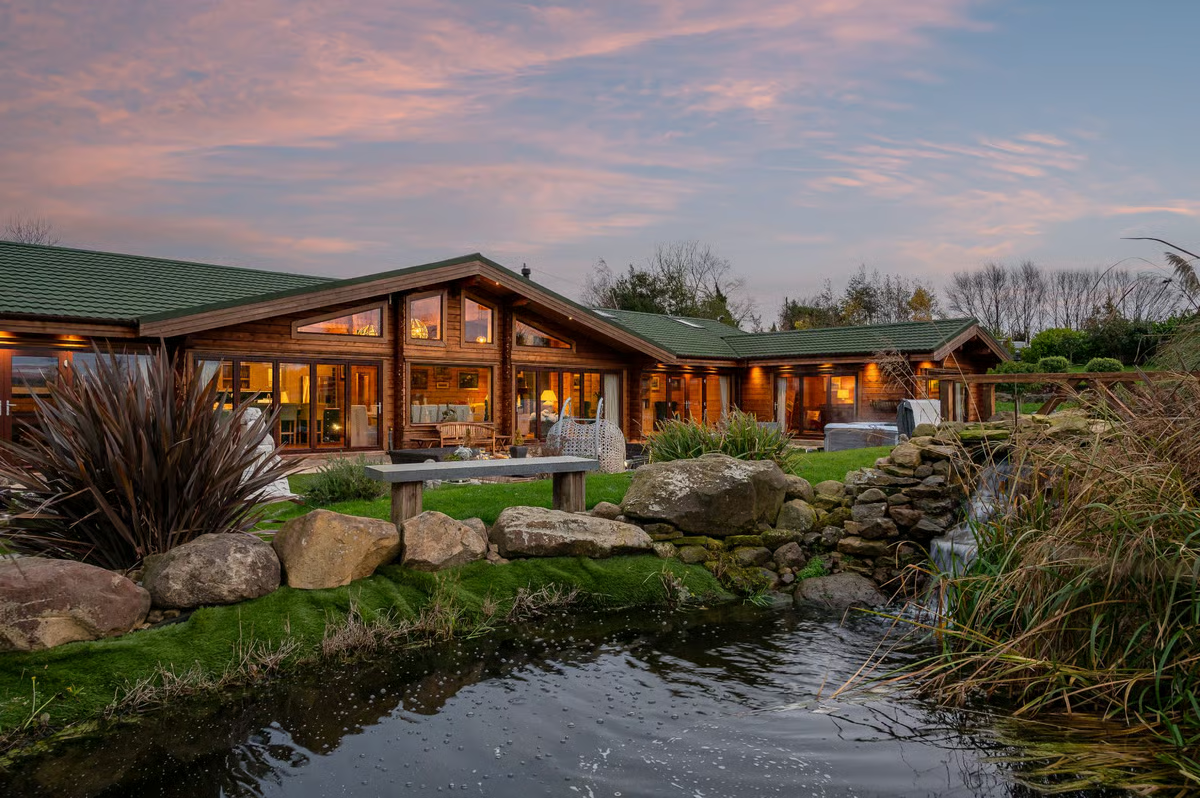
Valley View
Leyburn
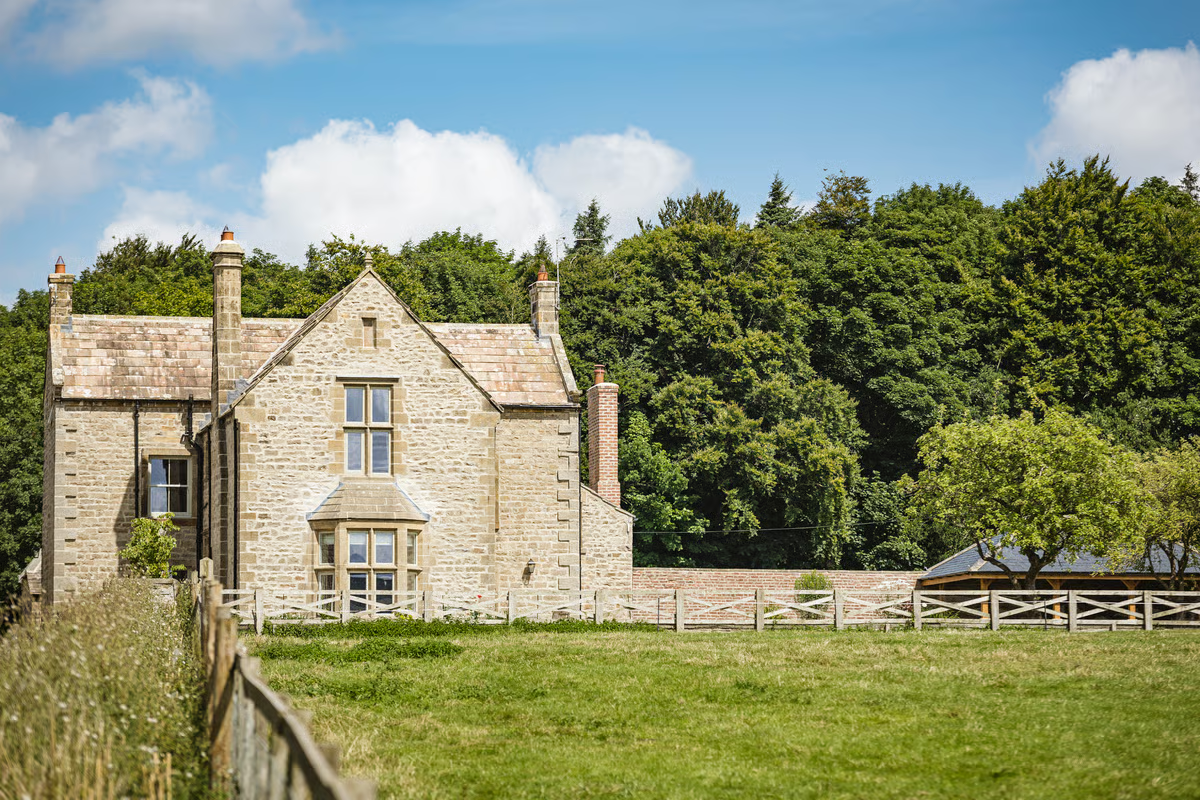
Hollins Farmhouse
Leyburn
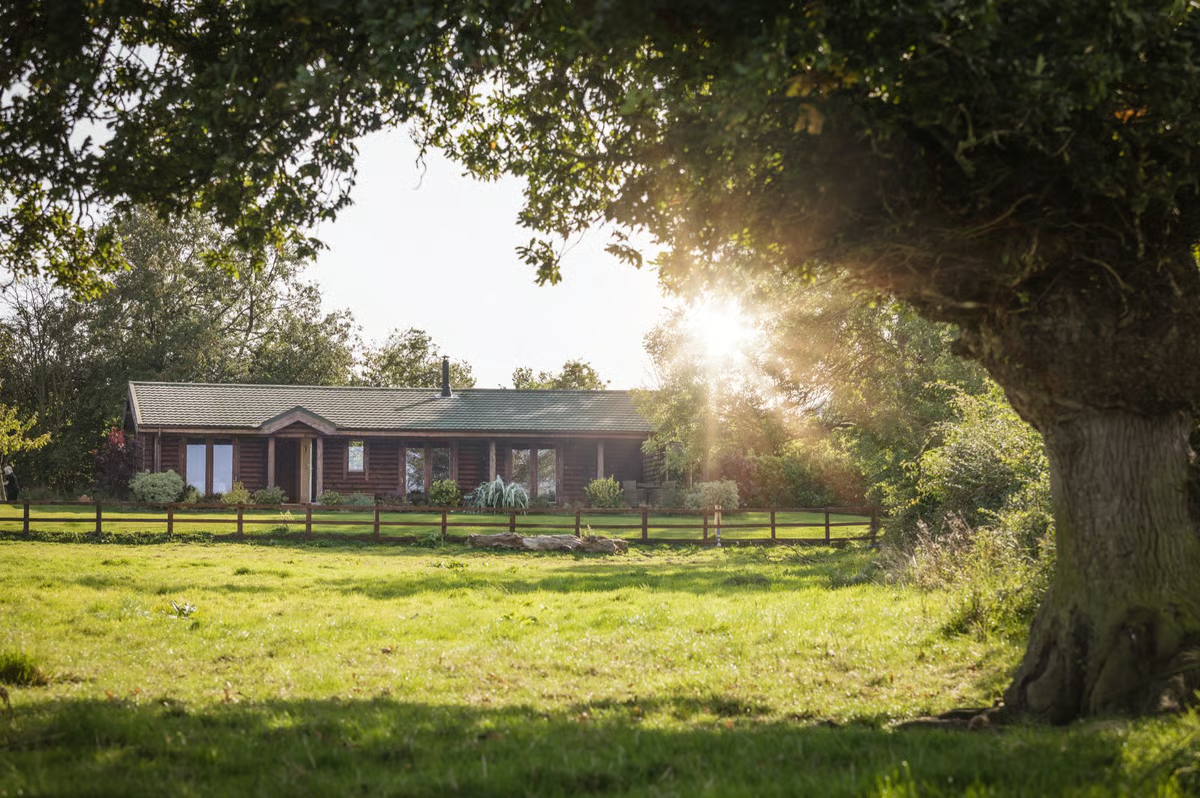
Alborada
Leyburn
The Yorkshire Dales are in northern England, primarily in North Yorkshire, with the national park also extending into Cumbria and Lancashire. The area lies west of York and Leeds and east of the Lake District, with towns such as Skipton, Richmond and Settle providing useful gateways.
The Yorkshire Dales are famous for sweeping green valleys, limestone scenery, waterfalls, dry-stone walls, traditional stone villages and outstanding walking. Some of the best-known landmarks include Malham Cove, Aysgarth Falls, Ribblehead Viaduct and the Yorkshire Three Peaks. The area is also closely associated with Yorkshire Wensleydale cheese.
Three to four days is ideal for a first visit to the Yorkshire Dales. This gives you enough time to enjoy a couple of good walks, explore several villages and visit major sights such as Malham Cove or Aysgarth Falls. A week allows you to explore different areas including Wharfedale, Wensleydale, Swaledale and Ribblesdale at a more relaxed pace.
The best area depends on the type of break you're planning. Malham and Ribblesdale are excellent for dramatic limestone scenery and mountain walking, Wharfedale is ideal for picturesque villages and gentler walks, while Wensleydale combines waterfalls, castles and excellent food. Swaledale is a great choice if you're looking for quieter landscapes and a more remote feel.
Grassington, Kettlewell, Malham, Reeth and Muker are among the prettiest villages in the Yorkshire Dales. Grassington is particularly good for first-time visitors thanks to its shops, cafés and beautiful Wharfedale setting, while Muker and Kettlewell are ideal if you're looking for somewhere smaller and quieter.
Some of the best Yorkshire Dales walks include the Malham Cove, Gordale Scar and Janet's Foss circular, climbs of Pen-y-ghent and Ingleborough, walks around Aysgarth Falls and routes through Upper Swaledale from Muker. Experienced walkers can also take on the famous Yorkshire Three Peaks Challenge.
The Yorkshire Three Peaks are Pen-y-ghent, Whernside and Ingleborough. The famous Yorkshire Three Peaks Challenge links all three mountains on a roughly 24-mile route, traditionally completed within 12 hours. It's a demanding challenge, but each mountain can also be climbed individually.
Yes, the Yorkshire Dales is a fantastic destination for families. Alongside easy countryside walks and waterfalls, family-friendly attractions include Bolton Abbey, Forbidden Corner, White Scar Cave, heritage railways and the Wensleydale Creamery. Older children who enjoy walking may also love the Ingleton Waterfalls Trail.
Yes. The Settle-Carlisle Railway provides excellent access to the western Yorkshire Dales, with stations including Settle, Horton-in-Ribblesdale, Ribblehead, Dent and Garsdale. Local buses, including DalesBus services, connect a number of other towns and villages. A car offers more flexibility for remote areas, but a well-planned car-free Yorkshire Dales break is certainly possible.
Whernside is the highest point in the Yorkshire Dales National Park at 736 metres. It is one of the Yorkshire Three Peaks alongside Ingleborough and Pen-y-ghent and can be climbed individually or as part of the full Three Peaks Challenge.