The rise of outdoor baths in design-led stays
Published 13th March 2026
Outdoor baths have quietly become one of the most sought-after features in modern holiday stays. Once considered a niche luxury, they now appear across some of the most thoughtfully designed retreats in the UK and beyond. From copper tubs perched on secluded terraces to sunken baths overlooking sweeping landscapes, outdoor bathing has become a defining element of design-led escapes.
What makes these spaces so compelling is not just the bath itself, but how it reshapes the relationship between architecture and the landscape around it. For architects and designers, outdoor bathing offers a way to blur boundaries between inside and outside, creating moments of stillness that feel deeply connected to nature.
Designing with the landscape in mind
One of the most striking things about outdoor baths is how carefully they are positioned. Unlike an indoor bathroom, where the focus is usually practical, an outdoor bath is designed as an experience.
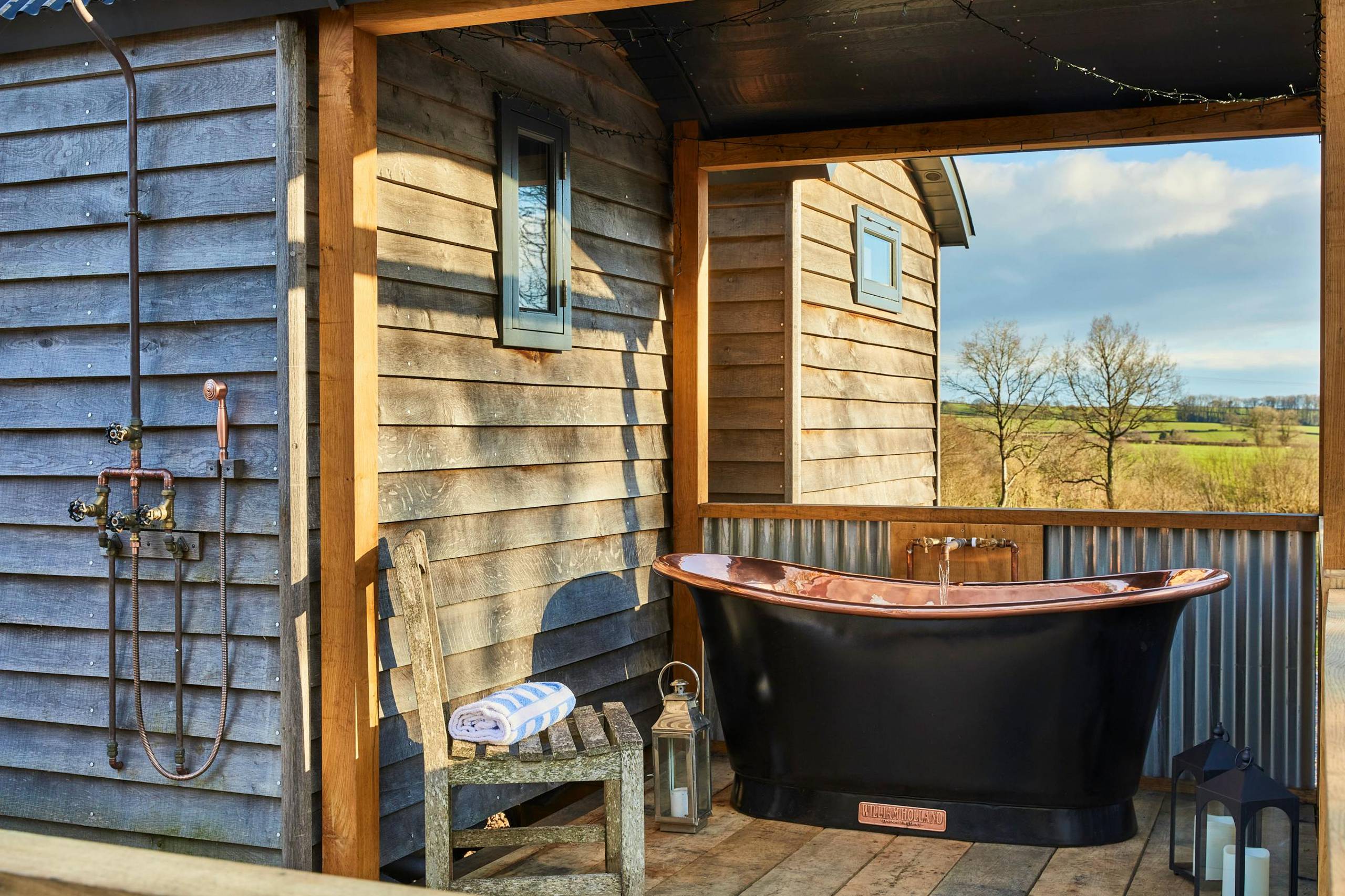
Architects often treat the bath almost like a viewpoint. It might be placed at the edge of a terrace overlooking a valley, tucked into a quiet woodland clearing, or positioned to face an uninterrupted sea horizon. In each case, the surrounding landscape becomes part of the design.
Large windows, sliding doors and open-plan interiors often lead naturally to these bathing spaces. Guests move from the warmth of the interior into the fresh air outside, where the bath becomes a continuation of the living space rather than a separate room.
This approach allows the architecture to frame the scenery. The bath becomes the place where guests pause to absorb it fully.
Materials that age beautifully
Design-led outdoor baths often use materials that feel at home in the landscape. Rather than glossy or synthetic finishes, designers tend to favour textures that weather gracefully over time.
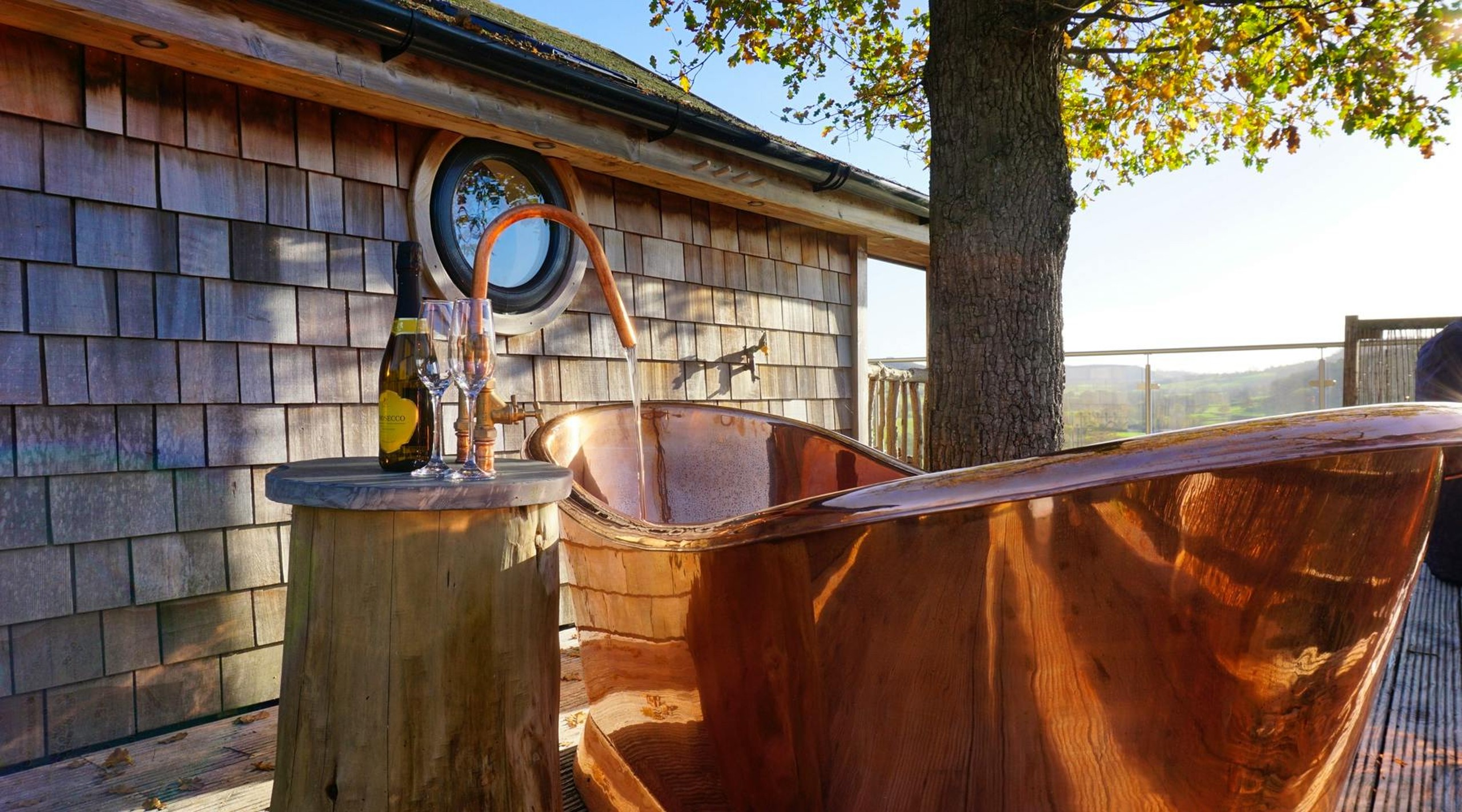
Copper is a popular choice. Its warm tones sit beautifully against natural surroundings, and the surface slowly develops a soft patina as it ages. A freestanding copper tub on a stone terrace or wooden deck creates an immediate focal point.
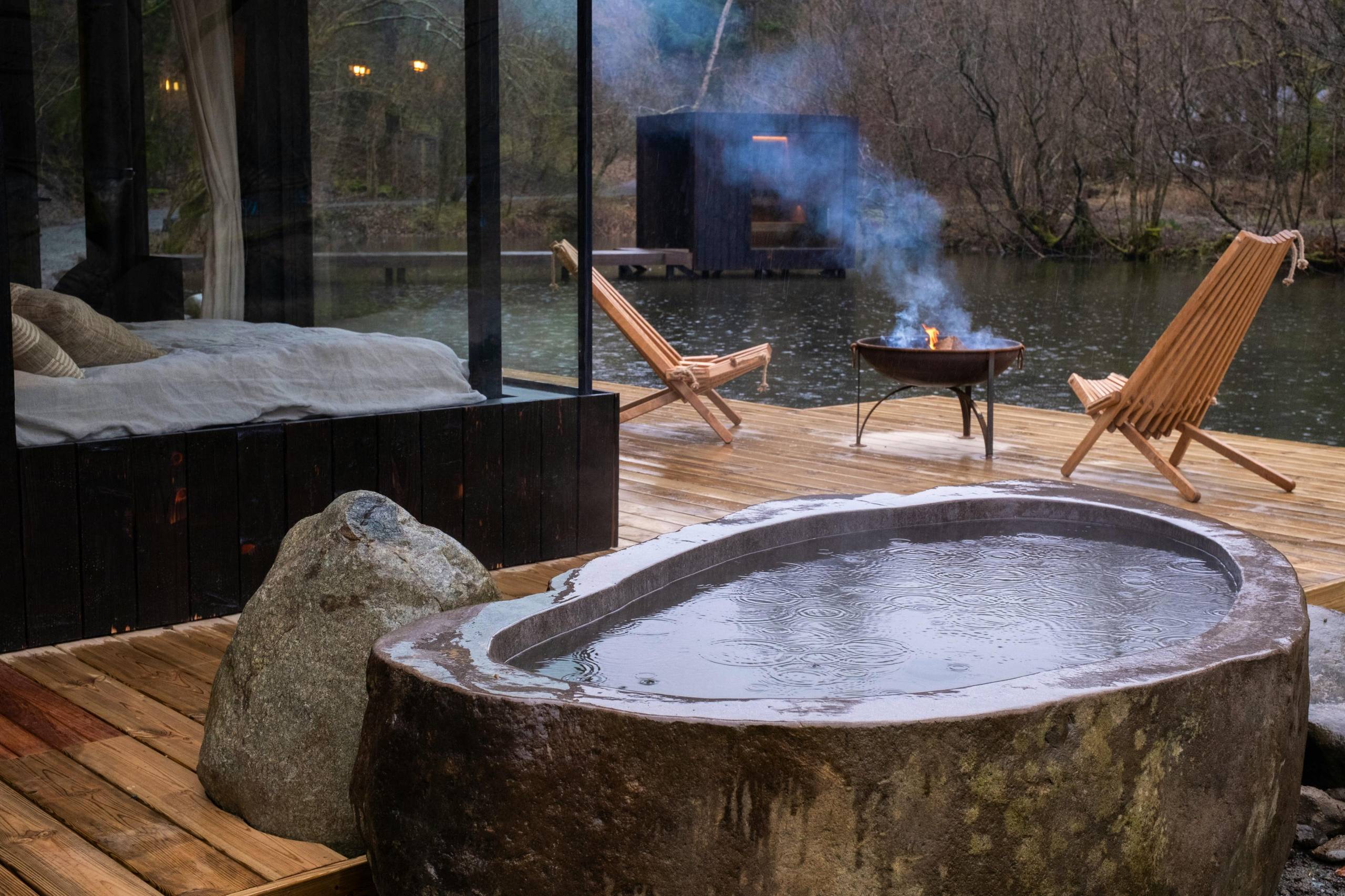
Stone baths offer another approach. Carved or cast from natural materials, they often feel almost sculptural. These heavier forms work particularly well in rural settings, where they echo the textures of cliffs, mountains or traditional stone buildings.
Wood, concrete and ceramic finishes also appear in many outdoor bath designs. Each material contributes a different character, but the aim is usually the same: to create something that feels timeless rather than decorative.
Sunken baths and seamless decks
Some of the most elegant outdoor bathing spaces take a minimalist approach. Instead of a freestanding tub, the bath may be built directly into the architecture of the terrace.
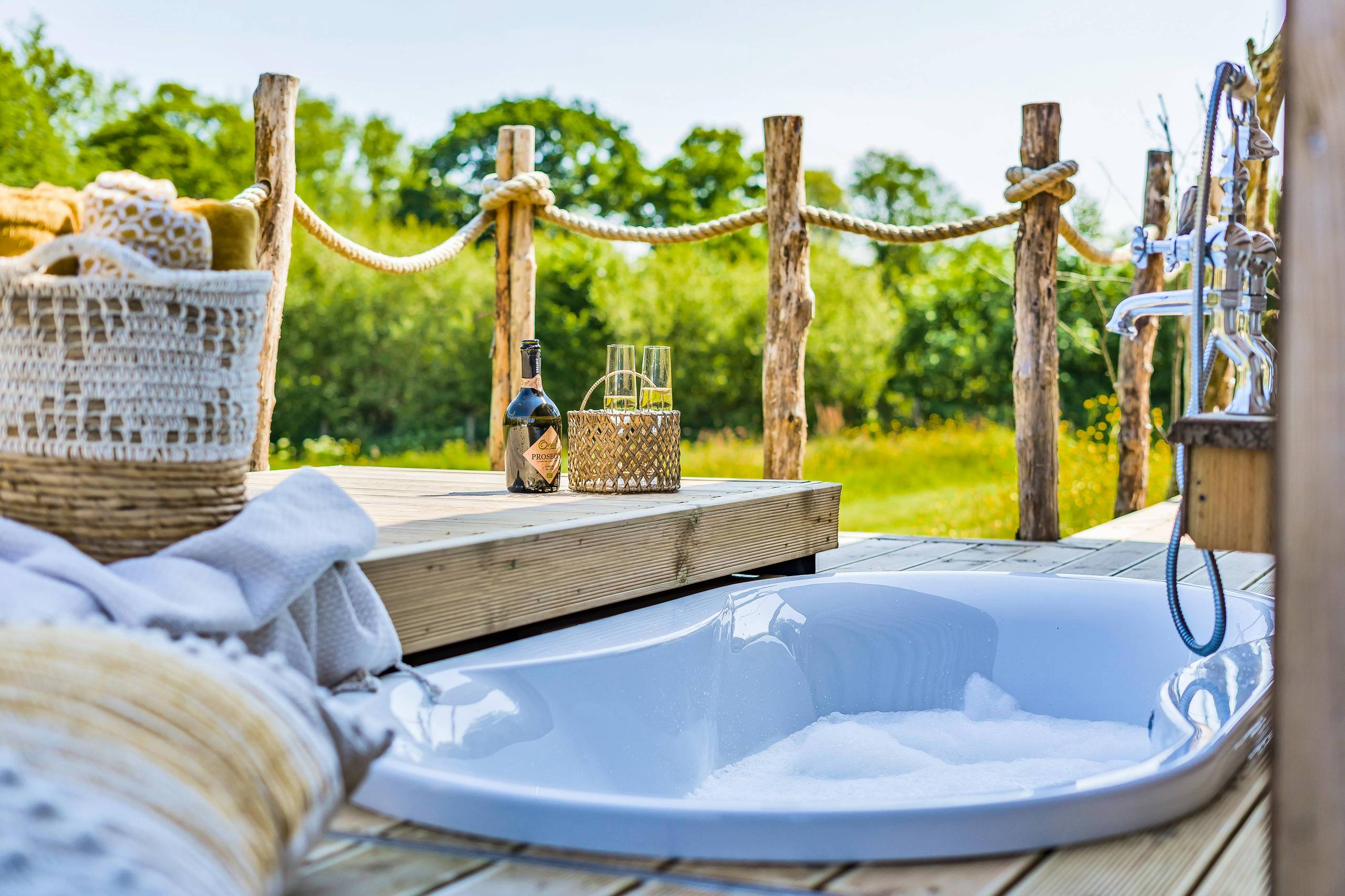
Sunken baths are a good example. Set into wooden decking or stone platforms, they create a clean, uncluttered look where the bath sits flush with the surrounding surface. The effect feels calm and intentional, almost like a natural pool.
This design choice also helps the bath blend into its surroundings. From a distance, the terrace appears uninterrupted. Only when guests step closer does the bath reveal itself.
These sunken designs are particularly popular in contemporary cabins and architectural retreats, where clean lines and simple forms define the overall aesthetic.
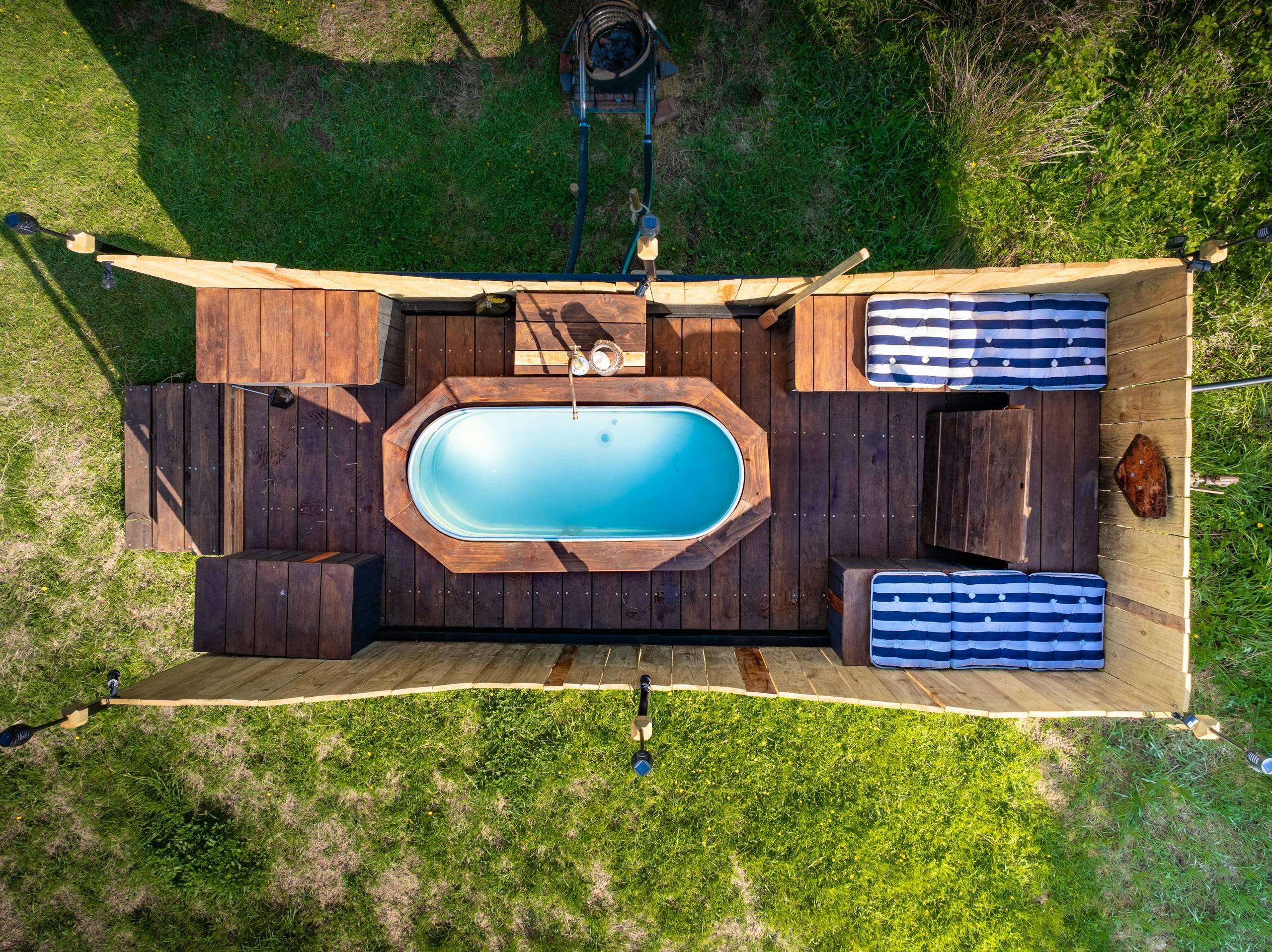
Minimalist terraces and private spaces
Privacy plays an important role in the success of outdoor bathing spaces. Designers often create secluded terraces where guests can soak without feeling overlooked.
Low stone walls, timber screens, or carefully positioned planting can provide subtle shelter without blocking the view. The aim is not to enclose the space completely, but to create a sense of quiet separation from the outside world.
Minimalist terraces work especially well here. A simple platform, a beautifully crafted bath and an uninterrupted view can be more powerful than an overly styled setting.
By keeping the design restrained, the landscape remains the main attraction.
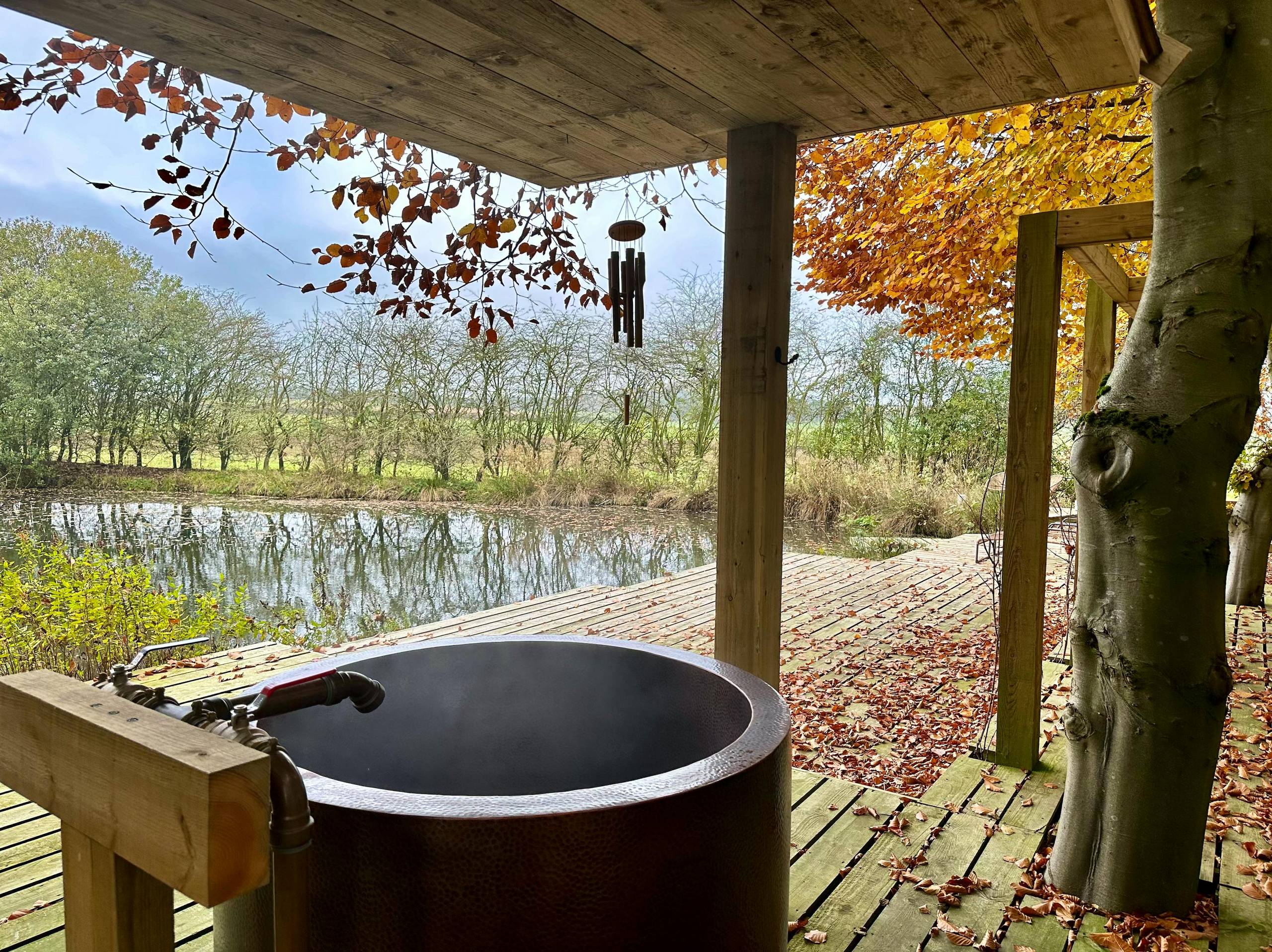
A sensory experience
Outdoor baths also appeal because they engage the senses in ways that indoor bathrooms cannot. The feeling of warm water against cool air, the scent of trees or sea salt, and the sound of wind or birds all become part of the experience.
Designers often enhance these sensory qualities through careful details. Timber decking warms beneath bare feet. Natural stone holds the heat of the day. Outdoor lighting is kept soft and subtle, allowing the sky and surroundings to remain the focus.
These elements combine to create an atmosphere that feels slow and restorative. Bathing becomes less about routine and more about ritual.
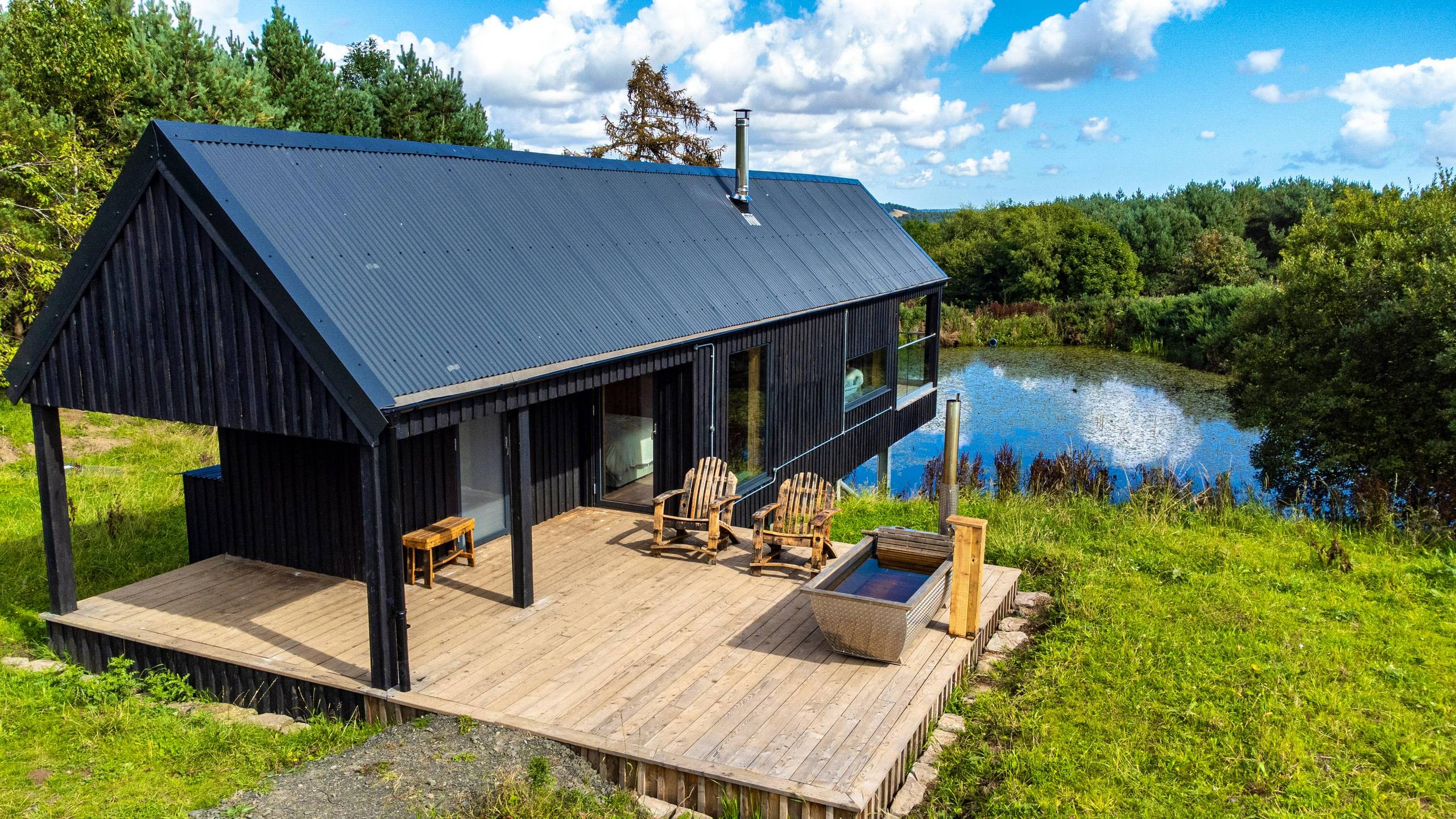
Blurring indoor and outdoor living
In many design-led stays, outdoor baths form part of a broader movement towards indoor-outdoor living. Cabins, modern cottages and contemporary retreats increasingly use large openings, terraces and outdoor rooms to extend the living space beyond the walls of the building.
The bath becomes another point along this journey. After a walk in the countryside or a day exploring the coast, guests return to the warmth of their stay and step outside once more for a soak under open skies.
This fluid movement between interior comfort and outdoor immersion is one of the reasons outdoor baths feel so special. They allow guests to experience the landscape without leaving the shelter of their retreat.
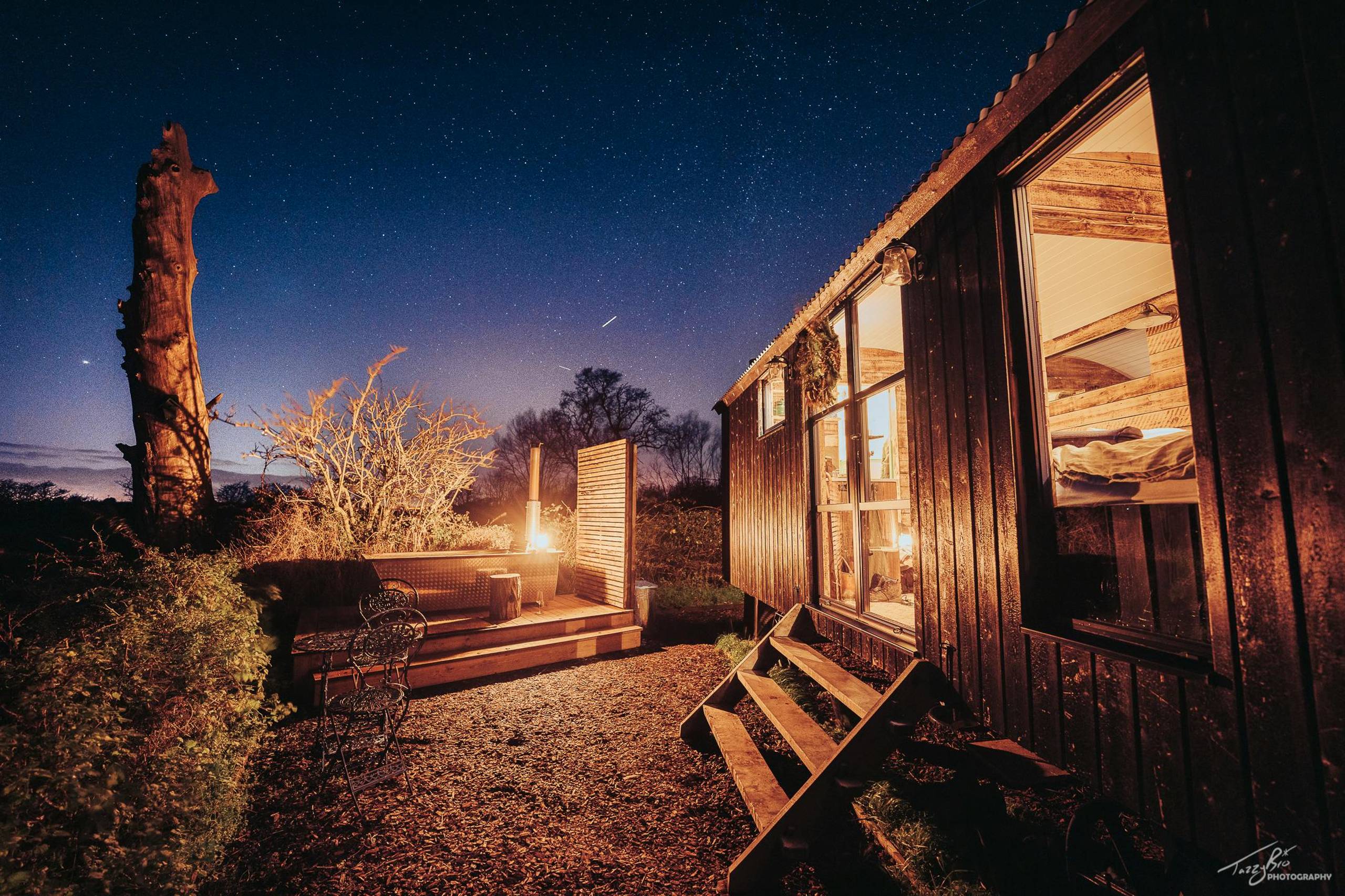
A feature that creates lasting memories
Perhaps the biggest reason outdoor baths have become so popular is simple. They create moments that guests remember long after their stay ends.
Watching the sun set from warm water, seeing mist rise across a valley at dawn, or soaking beneath a sky full of stars are experiences that feel quietly extraordinary.
For designers and property owners, this emotional impact matters. A beautiful bath positioned in the right place can transform an already lovely stay into something unforgettable.
A design feature that is here to stay
Outdoor baths have moved far beyond novelty. In design-led stays they are now considered an integral part of the overall concept.
They bring together architecture, landscape and atmosphere in a single moment. Through thoughtful placement, natural materials and carefully designed spaces, outdoor baths create a powerful connection between the guest and their surroundings.
As travellers continue to seek slower, more immersive escapes, it is easy to see why this simple idea has captured the imagination of designers and guests alike.
In the right setting, an outdoor bath becomes more than a place to wash. It becomes the most memorable seat in the house.
Some of our favourite outdoor bath stays
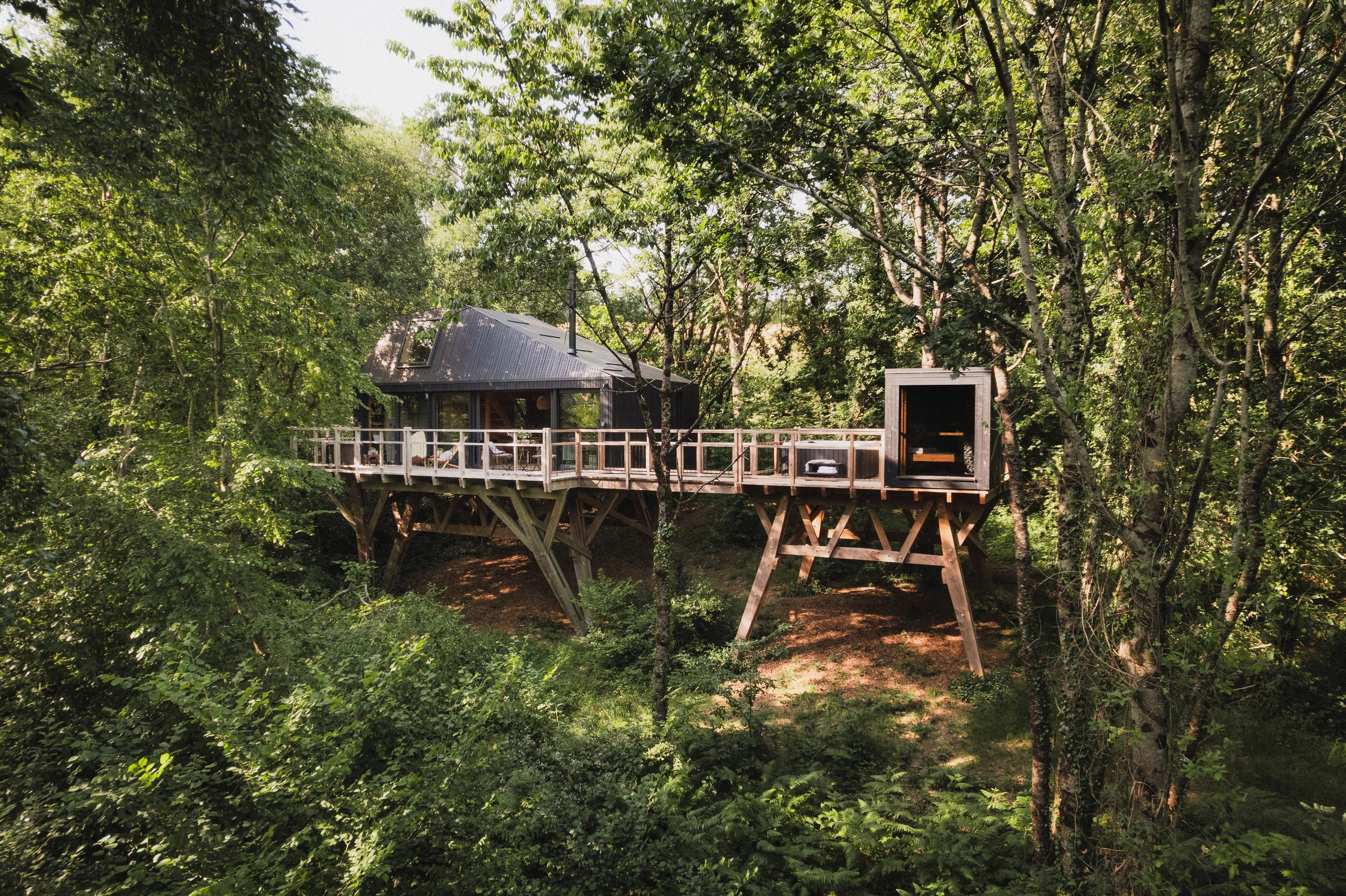
Starling Spa Treehouse
Crediton
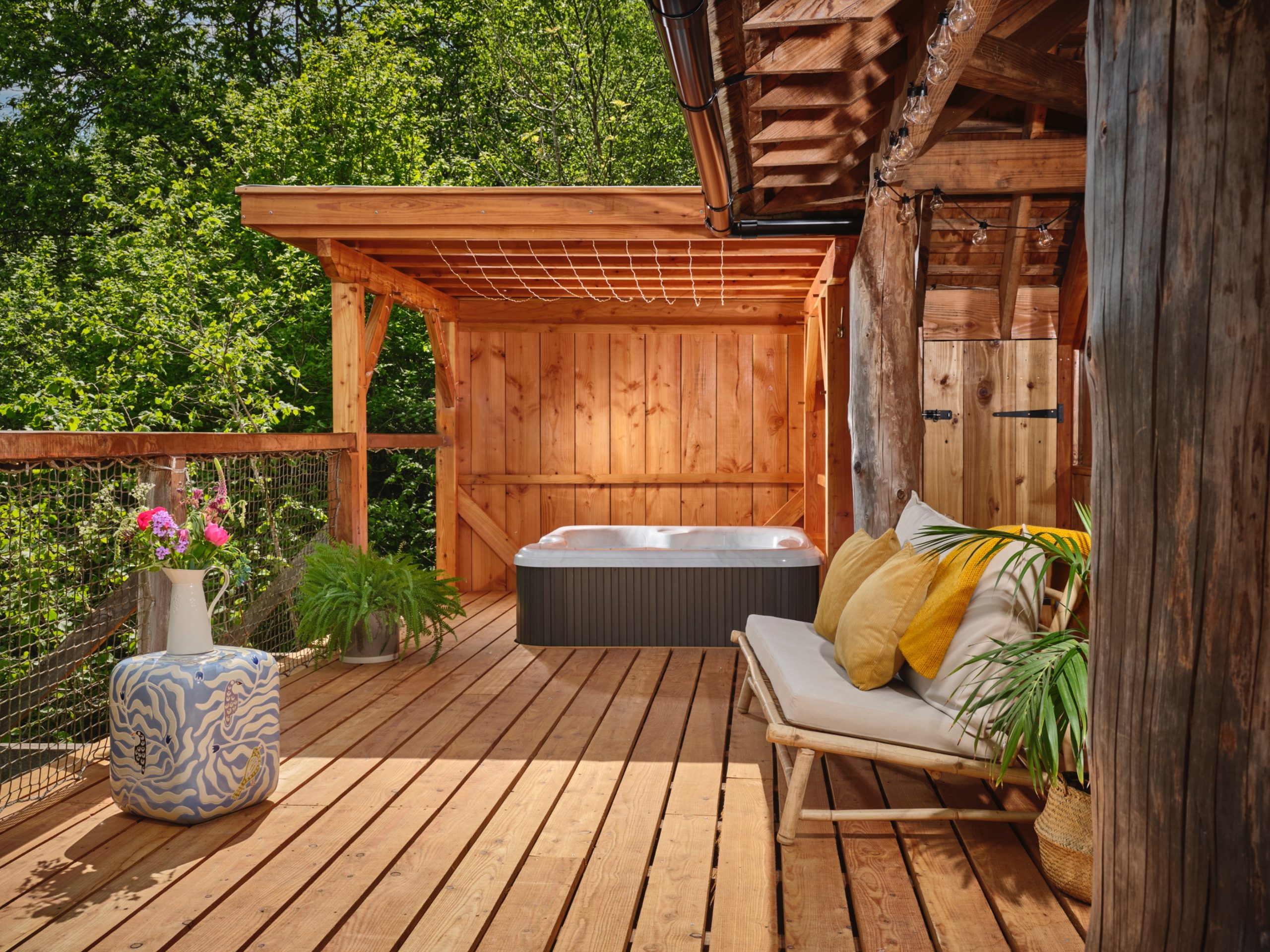
Black Wolf Treehouse
Okehampton
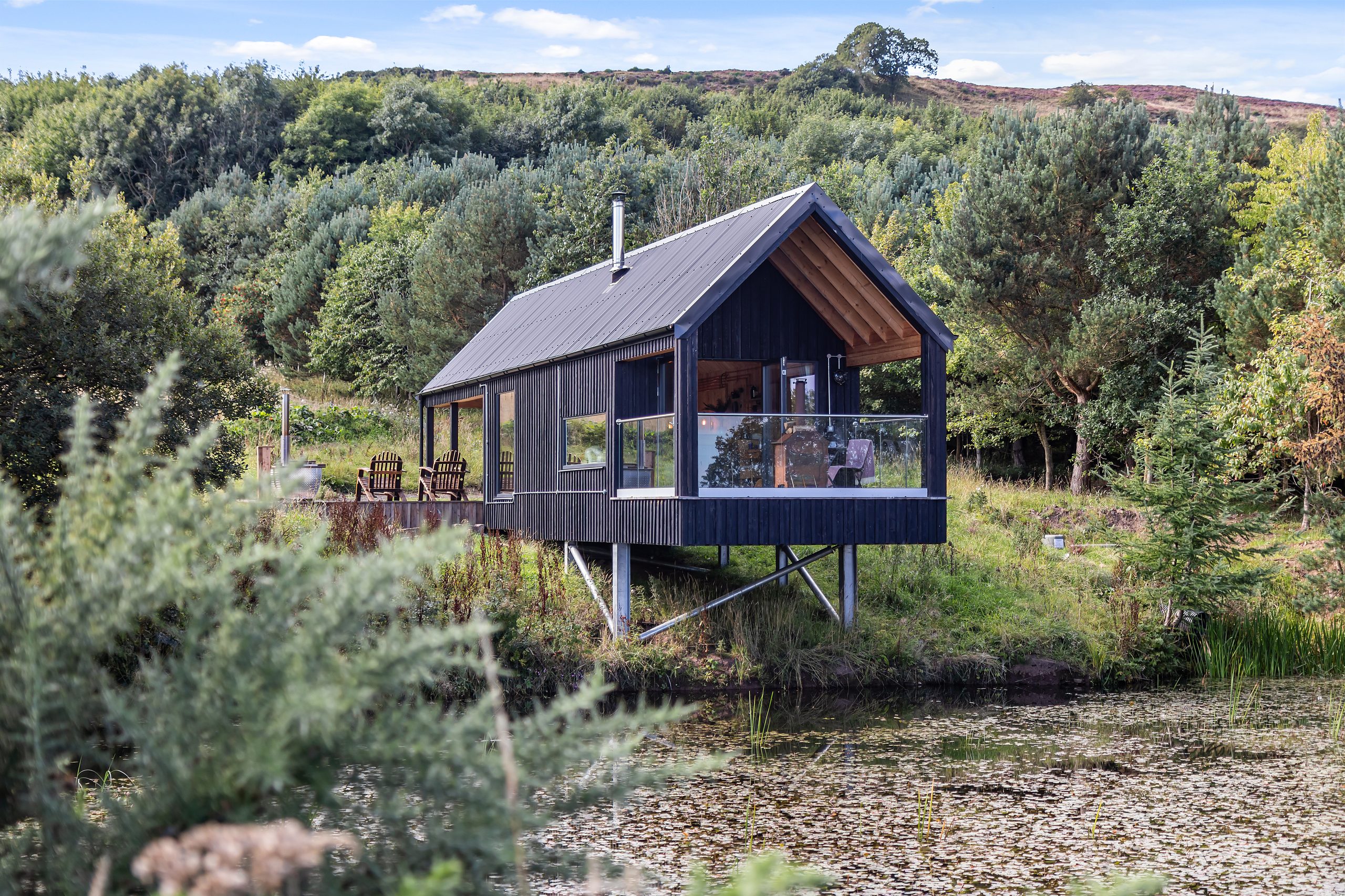
Bothan Dubh
Abernyte
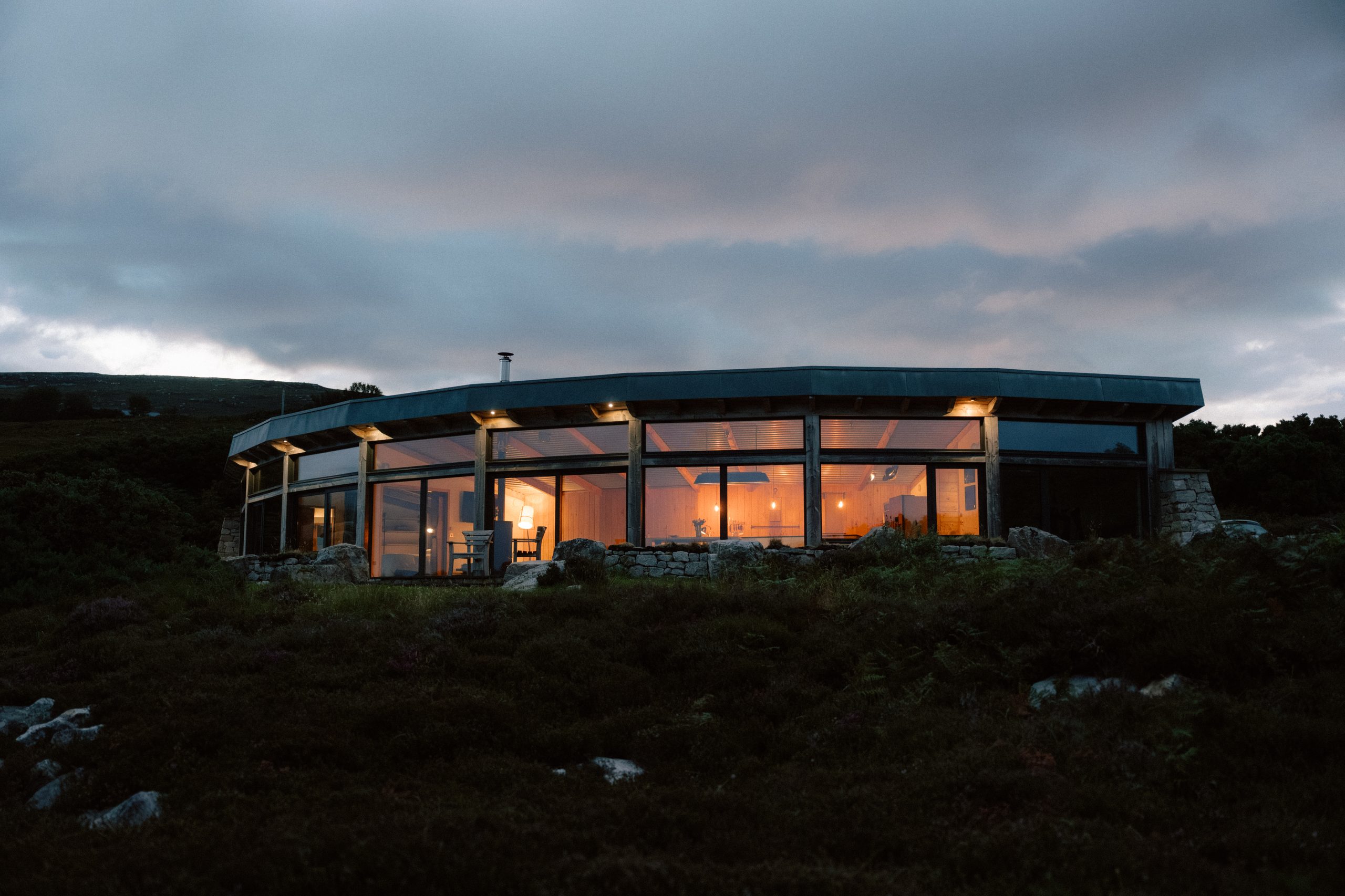
Croft 103
Durness
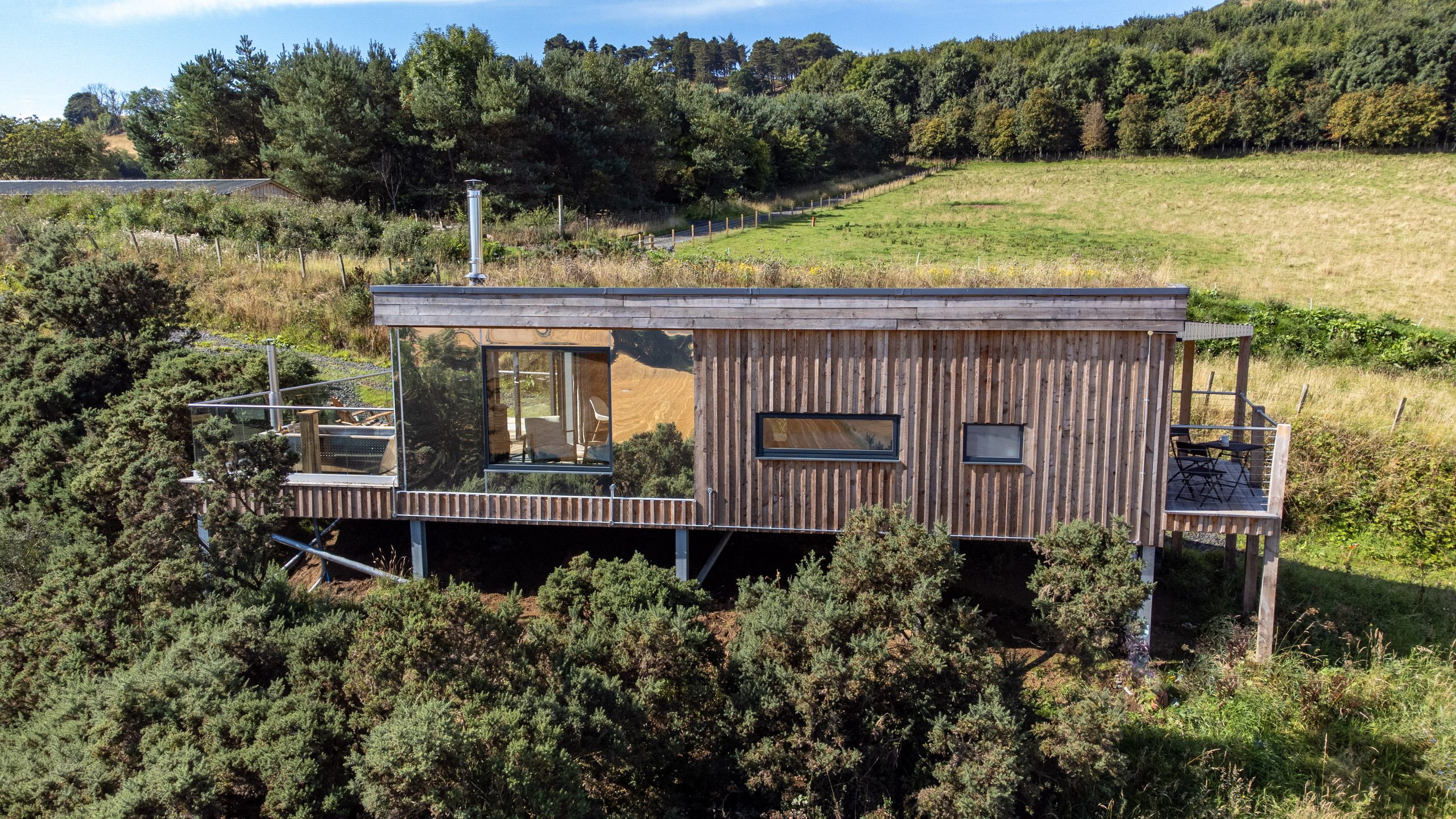
Whin
Abernyte
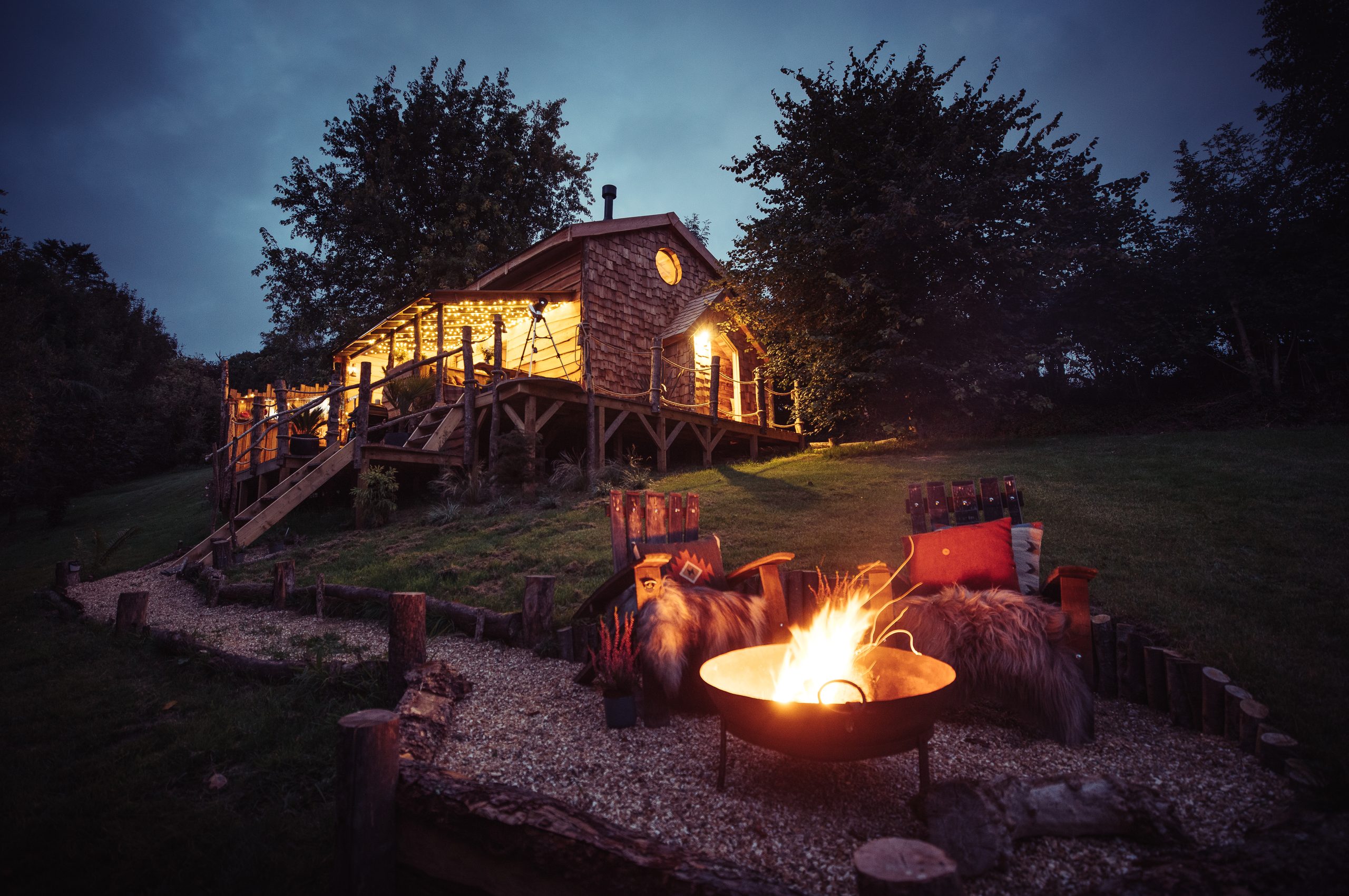
Ursabear Cabin
Bampton
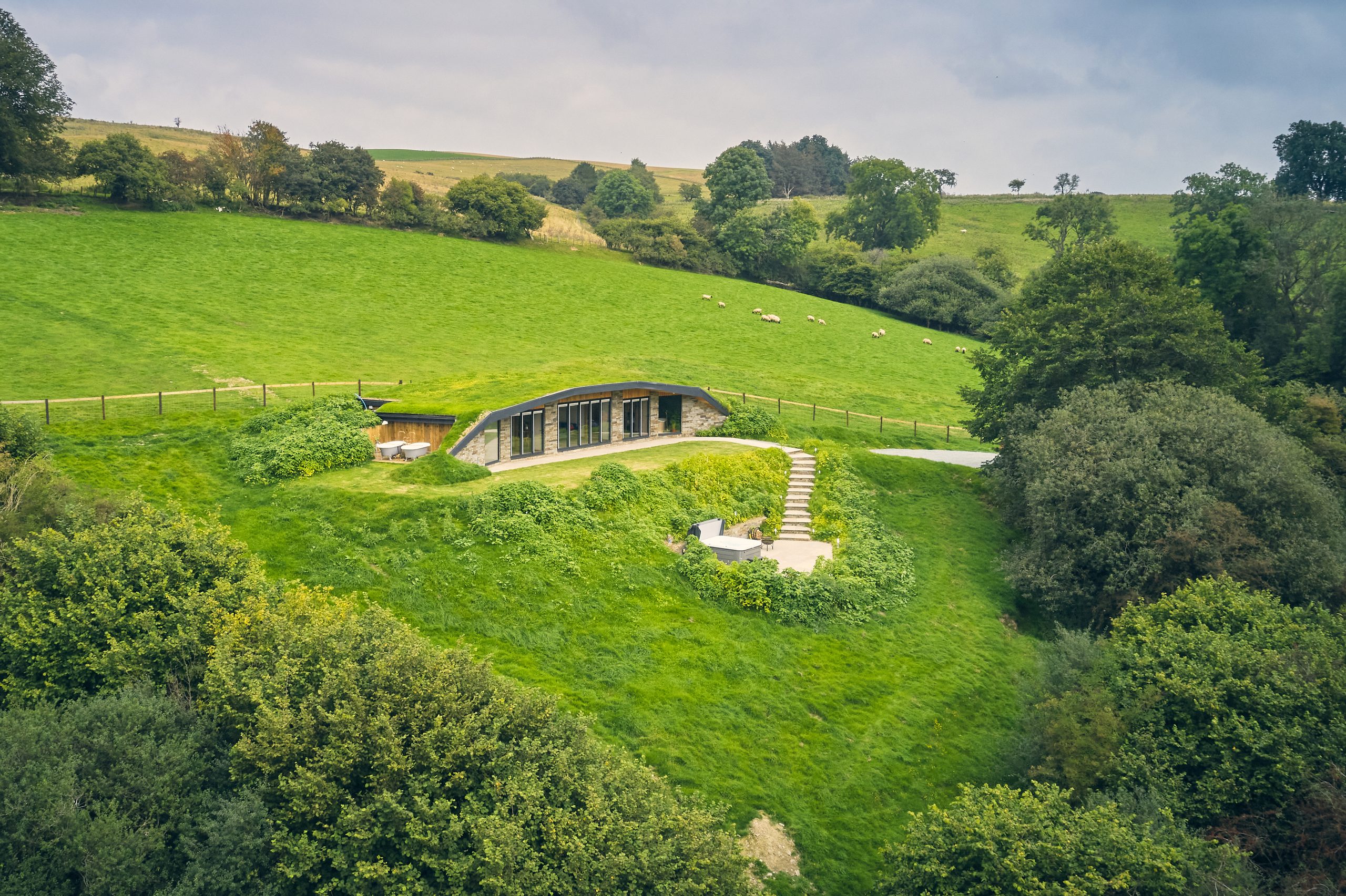
The Nest
Knighton
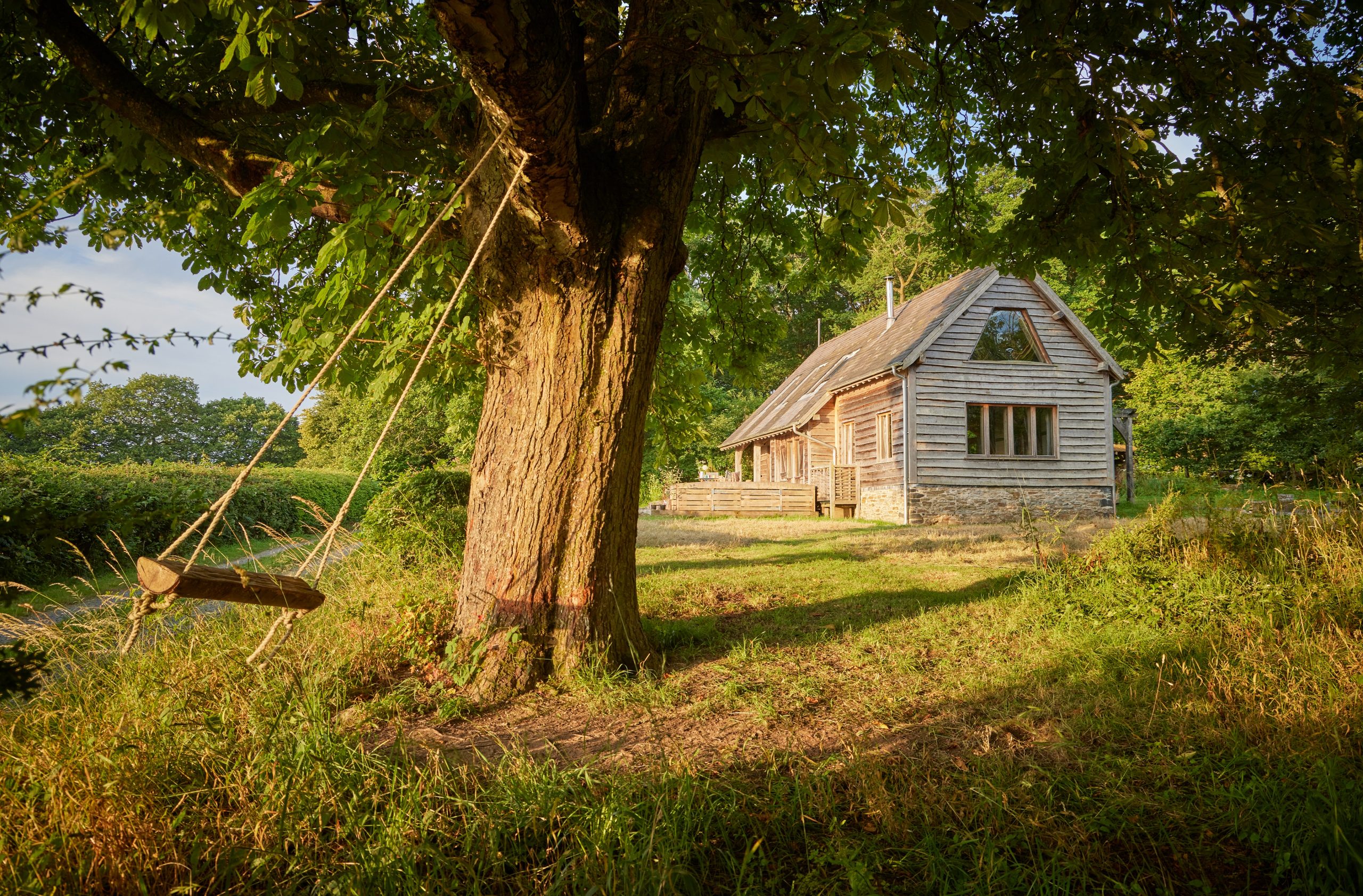
Cruckbarn
Leominster
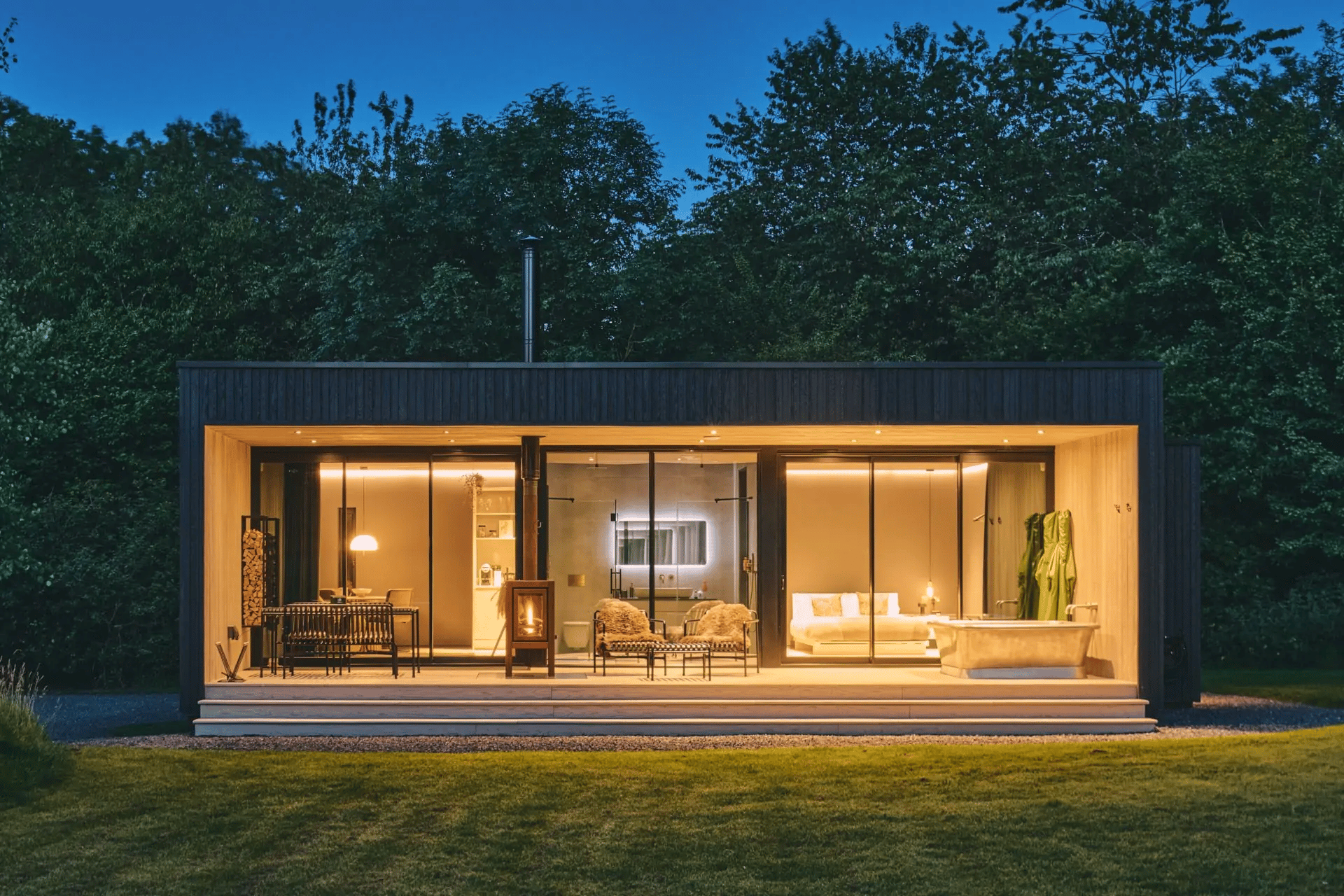
Hygge and Fika At Everards Farm
Chewton Mendip
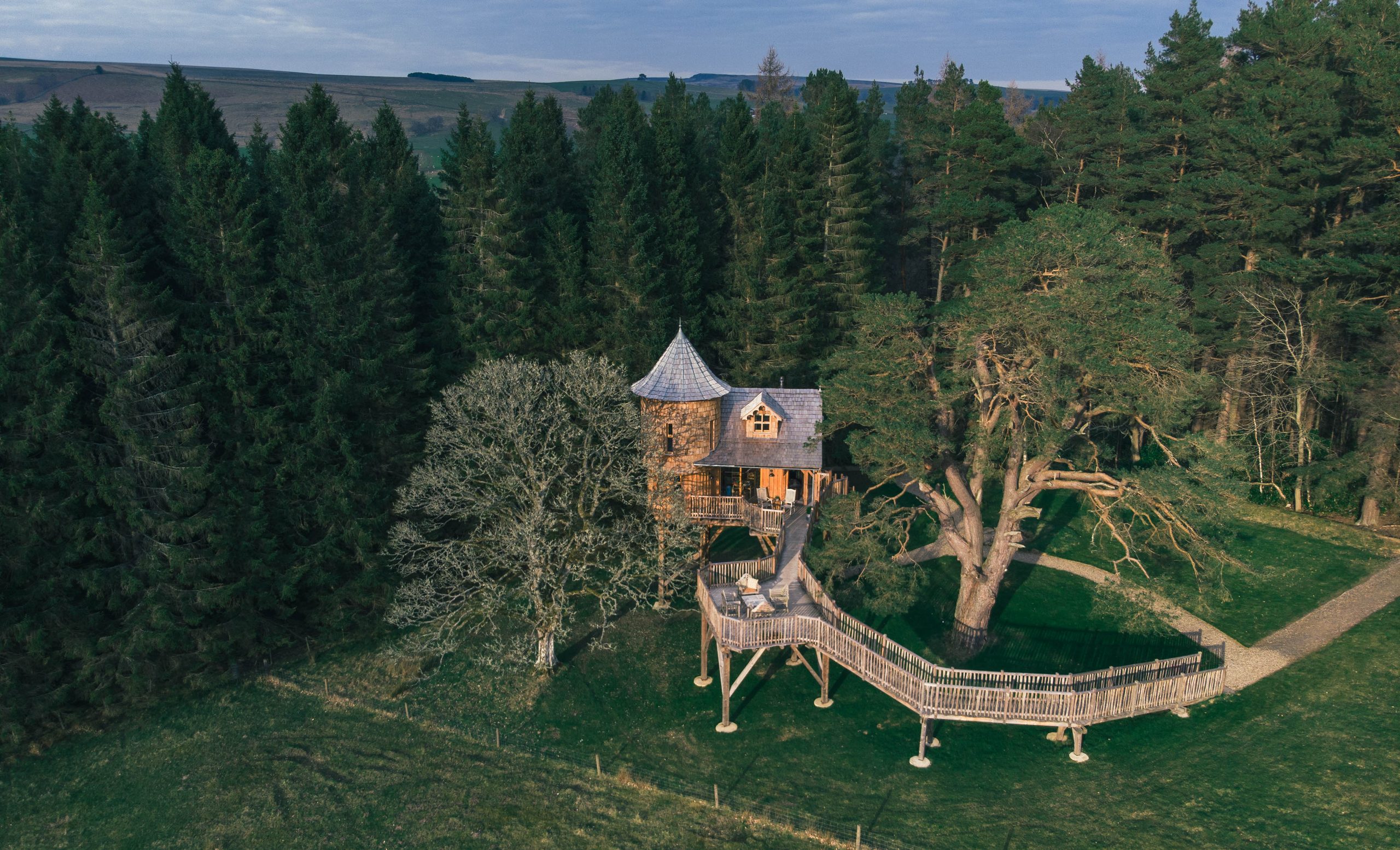
Skylark
Hexham
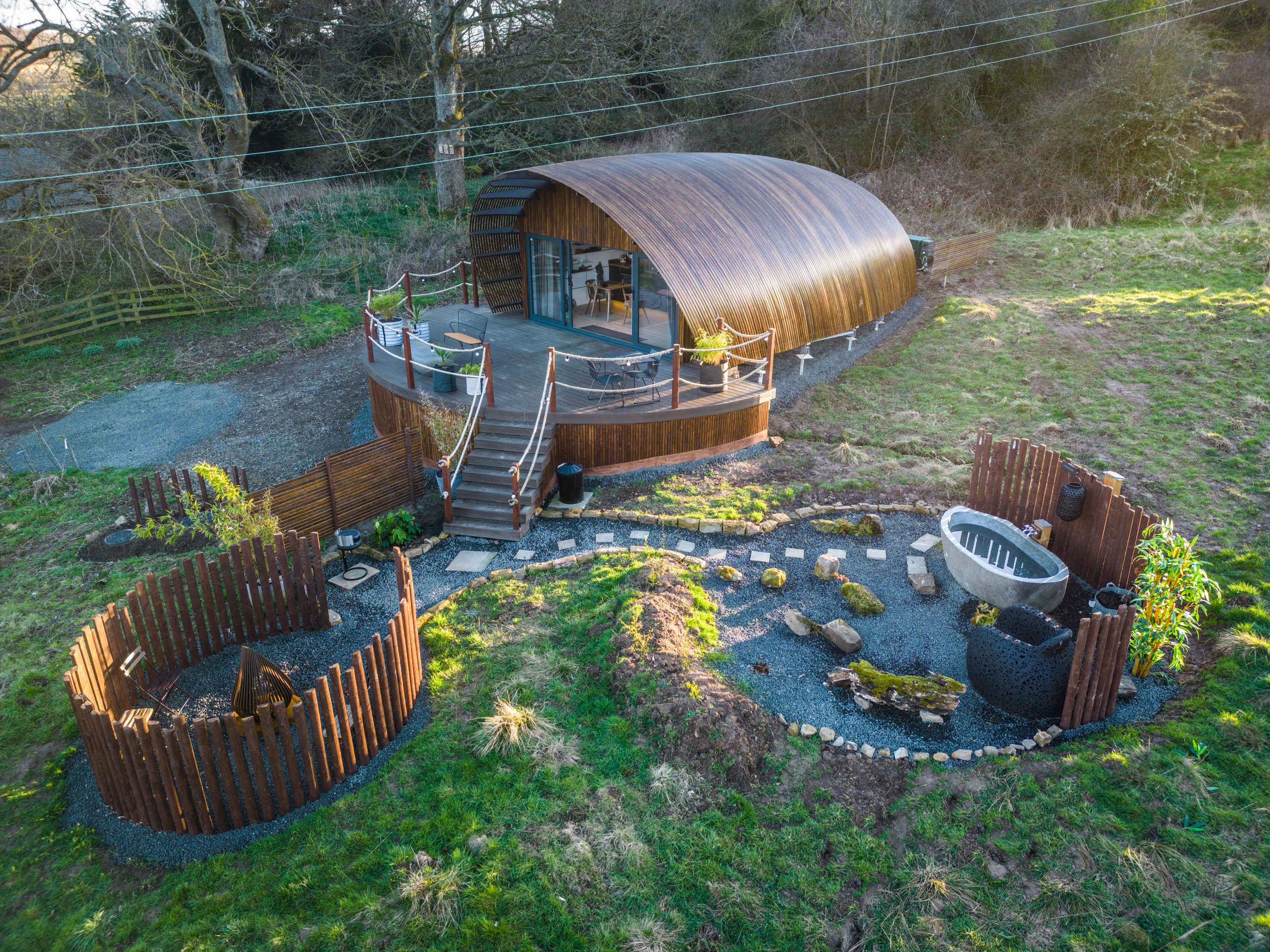
The Glebe Retreat
Edlingham
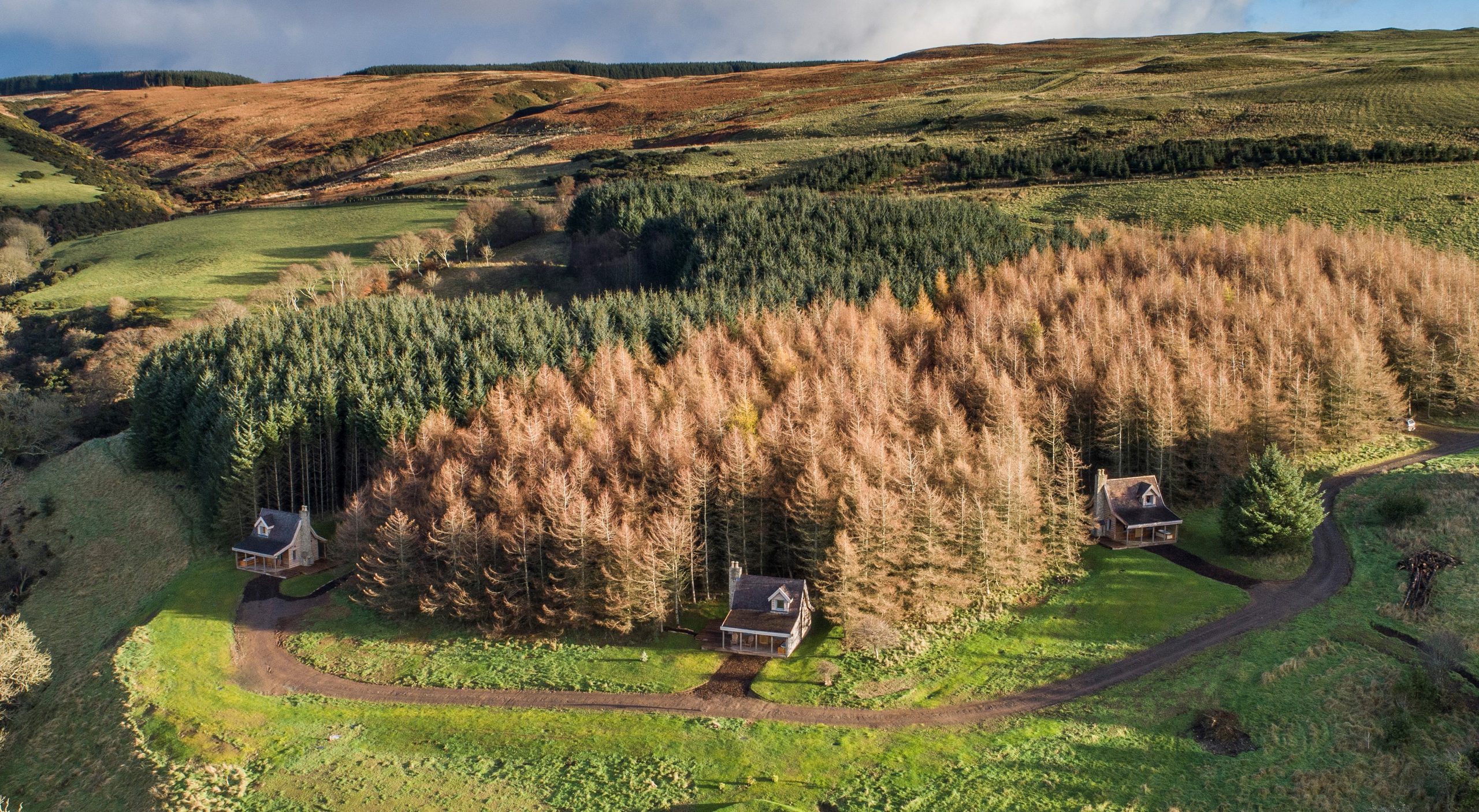
Mount Freedom Cabins
Ayr
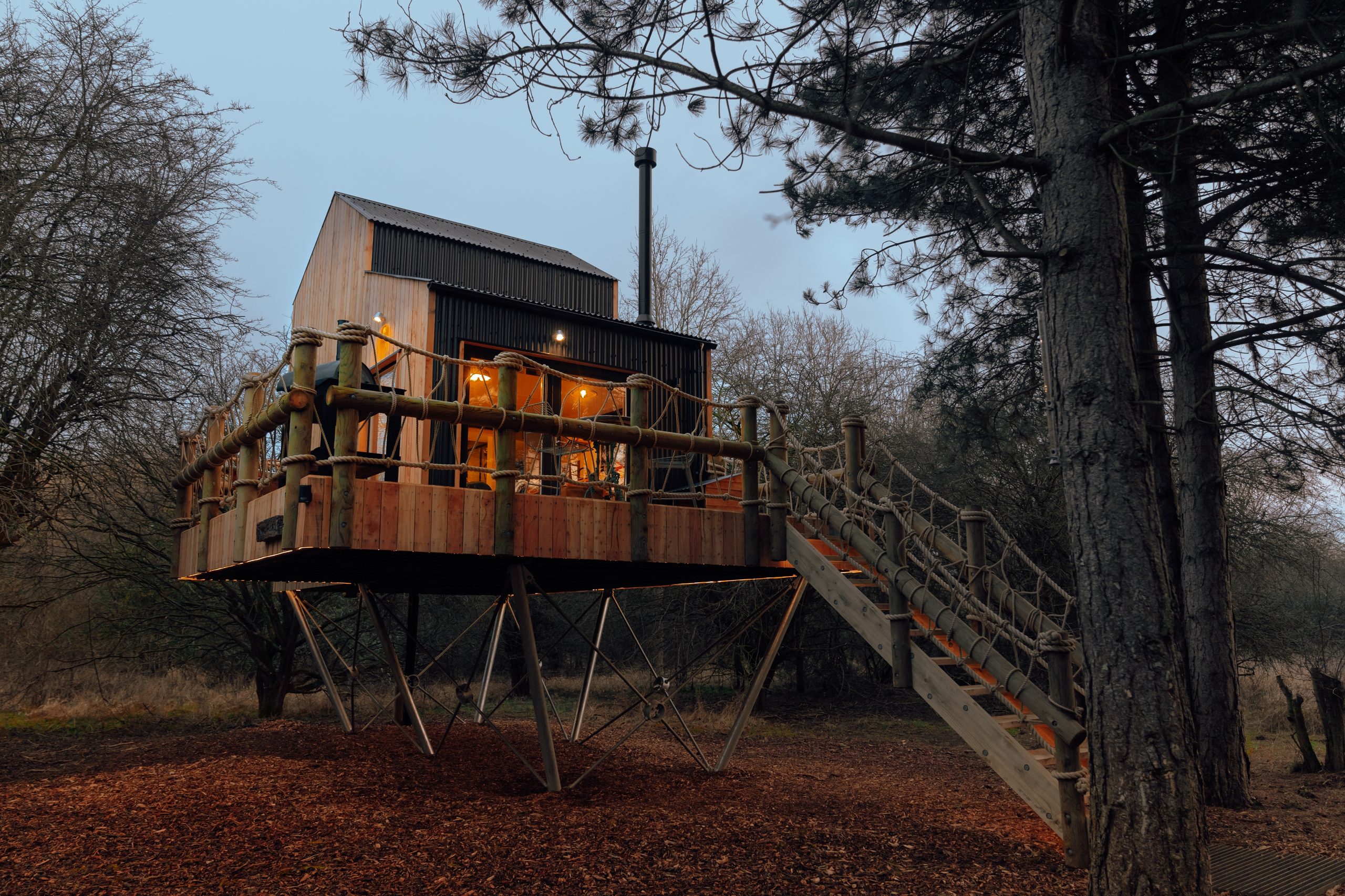
Two Pines Treehouse
Peterborough
Outdoor baths create a memorable experience that connects guests with the surrounding landscape. Designers increasingly include them in modern retreats because they combine relaxation, natural scenery and thoughtful architecture in one simple feature.
Outdoor baths come in many styles, including freestanding copper tubs, carved stone baths, sunken baths built into wooden decks, and minimalist tubs placed on private terraces overlooking dramatic views.
Most outdoor baths are carefully positioned to offer privacy. Designers often use secluded terraces, timber screens, low stone walls or thoughtful landscaping so guests can relax without feeling overlooked.
Yes. Outdoor baths can be enjoyed throughout the year. Many people find them especially magical in cooler months, when warm water contrasts with crisp air and steam rises into the surrounding landscape.
Common materials include copper, natural stone, ceramic and sometimes concrete or wood. These materials are chosen because they weather beautifully and complement the natural surroundings of the property.
No. Outdoor baths are typically designed for quiet soaking rather than jets or bubbles. They focus on simplicity, design and views, offering a more peaceful bathing experience.
Yes, most outdoor baths are connected to the property's plumbing and can be filled with hot water just like an indoor bath. Some remote retreats may also use wood-fired systems to heat the water.
Outdoor baths are often placed on private terraces, in gardens, on decks outside bedrooms, or positioned to face scenic landscapes such as forests, mountains, lakes or the sea.
Architects use outdoor baths to strengthen the connection between interior spaces and the surrounding environment. They create a moment where guests can pause and fully experience the landscape.
Outdoor baths transform an everyday routine into a memorable moment. Soaking while watching a sunset, listening to nature or gazing at the stars creates an experience guests often remember long after their trip.