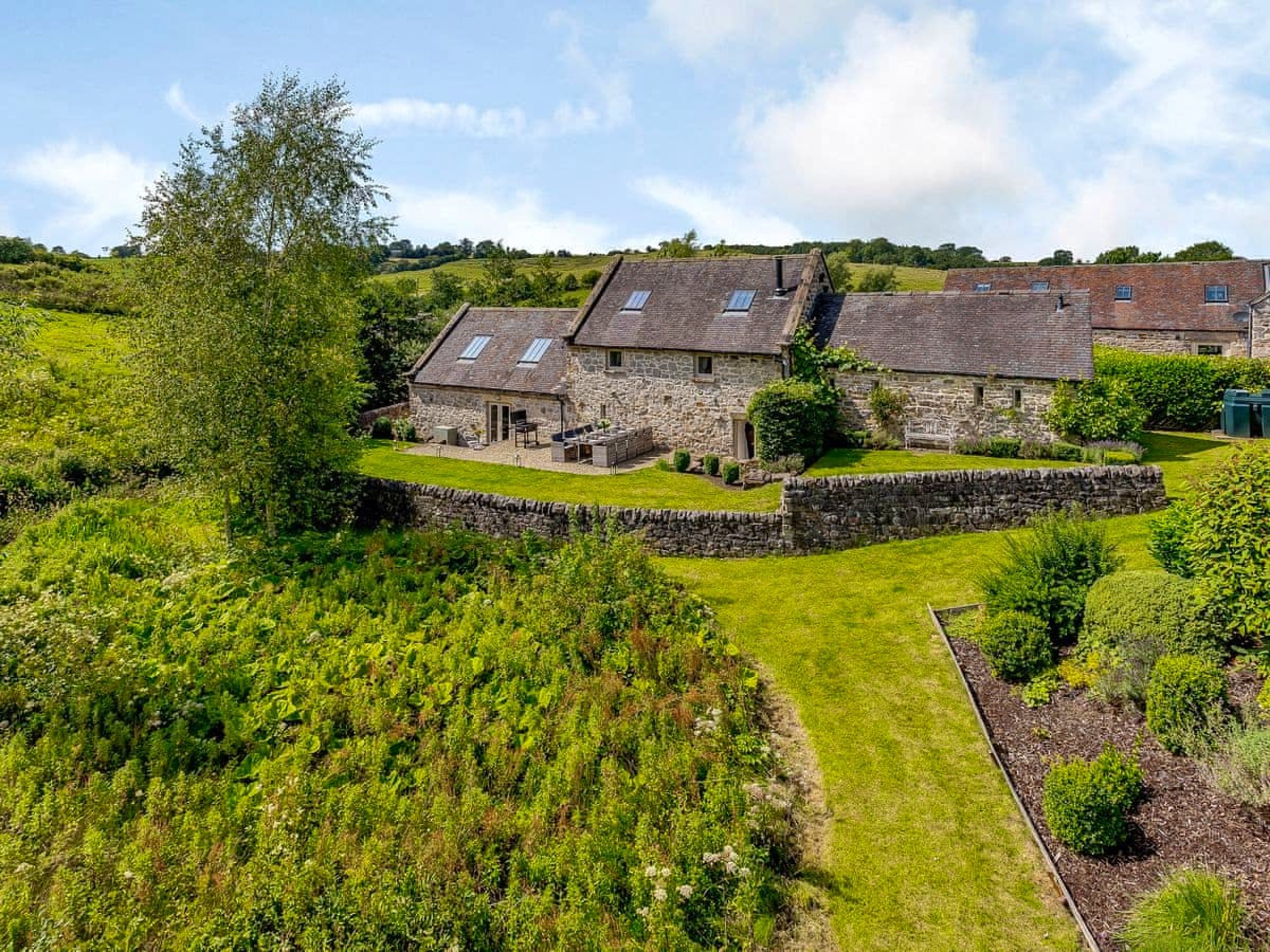
A love letter to barn living
Published 26th February 2026
Some buildings are simply comfortable to spend time in. Barns tend to be one of them.
Part of that comes down to their straightforward design. Exposed beams show how the structure holds together. Stone and brick walls have stood through decades of changing seasons. Wide doorways, once built for carts and harvests, now open onto gardens and open countryside. There’s very little excess. The appeal is in the proportions, the materials and the sense of solidity.
Staying in a barn changes the way space feels. Mornings begin with natural light moving easily through tall windows. Coffee tastes better at a long kitchen table with fields just beyond the glass. You feel protected by thick walls, yet connected to what’s outside.
This is a love letter to barn living - to the light, the warmth and the slower rhythm that settles in beneath a high, timbered roof.
Morning light and open space
Mornings in a barn unfold gently.
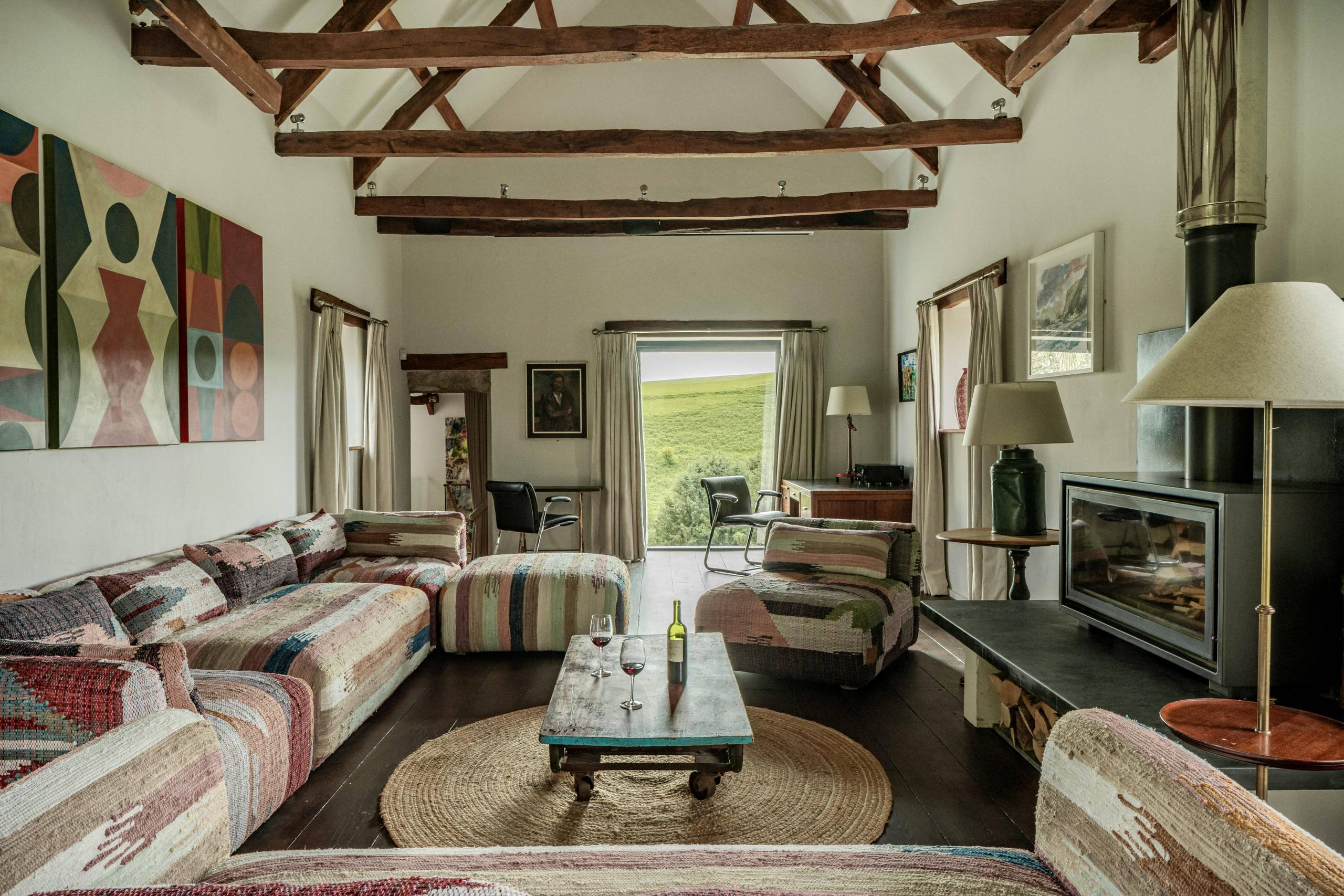
The ceilings are high, so the light has room to move. It filters through full-height glazing where once there were hayloft openings, casting long, soft shadows across the room. You notice the grain of the wood. The texture of limewashed stone. The way steel staircases catch the early sun.
There’s a sense of volume that changes how the day begins. No cramped corners or narrow hallways — just open space and air. Even a simple breakfast feels unhurried when it’s set against that backdrop.
In many barn conversions, bedrooms sit tucked into mezzanines or beneath the eaves, where beams cross overhead like quiet reminders of the building’s past.
Doors open easily onto gardens, courtyards or fields. Step outside and the air feels close and immediate — cool in early morning, carrying the scent of grass or damp earth. Inside and outside blur at the edges, especially in warmer months when thresholds are left wide open.
There’s no rush. Barn mornings seem to resist it.
Fires beneath ancient beams
As dusk settles, the space shifts. Lamps are switched on, and soft light gathers beneath beams that have supported the roof for decades.
A wood burner set within a generous hearth brings an easy warmth to the room. Flames flicker against stone walls, shadows rising towards the rafters. Despite the height of the ceiling, the glow creates a natural focal point offering somewhere to gather without fuss.
Sofas are often deep and well-placed, grounding the openness. Throws are within reach. Conversation flows, then quiet follows just as comfortably.
Barn kitchens are typically generous too with wide islands, deep sinks, long stretches of worktop. Cooking feels sociable rather than hurried. Someone prepares supper while someone else pours a drink. Sound carries softly upwards into the beams.
By the time night settles over the fields outside, the barn feels steady and enclosed. The fire continues to burn, and the day winds down at its own pace.
The quiet of the countryside
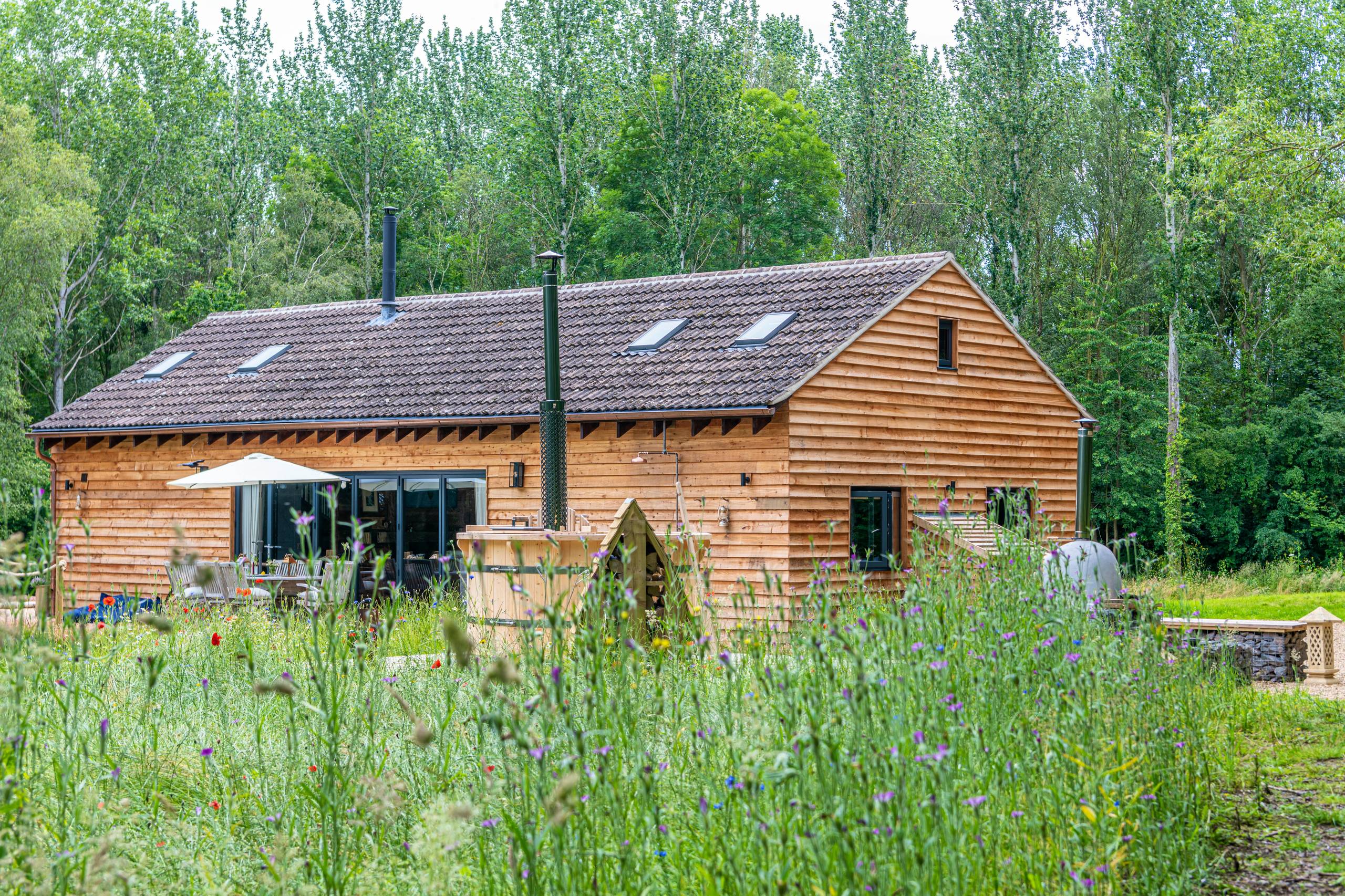
Most barns sit where they were first built: in the folds of rural landscapes.
That setting is inseparable from the experience. Fields roll out beyond the windows. Hedgerows stitch the land together. In the distance, you might see the slow movement of livestock or the line of a low hill against the sky.
Days feel simpler here. With no traffic or streetlights, you start to notice small changes like the position of the sun, clouds moving in, and the sound of wind across the fields.
Walks can start straight from the door. Pull on your boots and within minutes you’re following a path through open countryside or along the edge of woodland.
Afternoons are easy to fill as you spend time reading outside against a warm stone wall or sitting indoors at a long table with tea and the papers spread out.
At night, it’s properly dark. Step outside and the stars are clearer without surrounding lights. The air cools, and when you head back in, the barn feels solid and sheltered.
It’s quiet, but never cut off — just a change of pace.
Old bones, new life
Part of the appeal of barn living is the contrast between old and new.
These buildings were originally practical spaces that were built to store harvests and shelter animals, with wide spans, strong frames and durable materials. Those same features now make them feel open and generous.
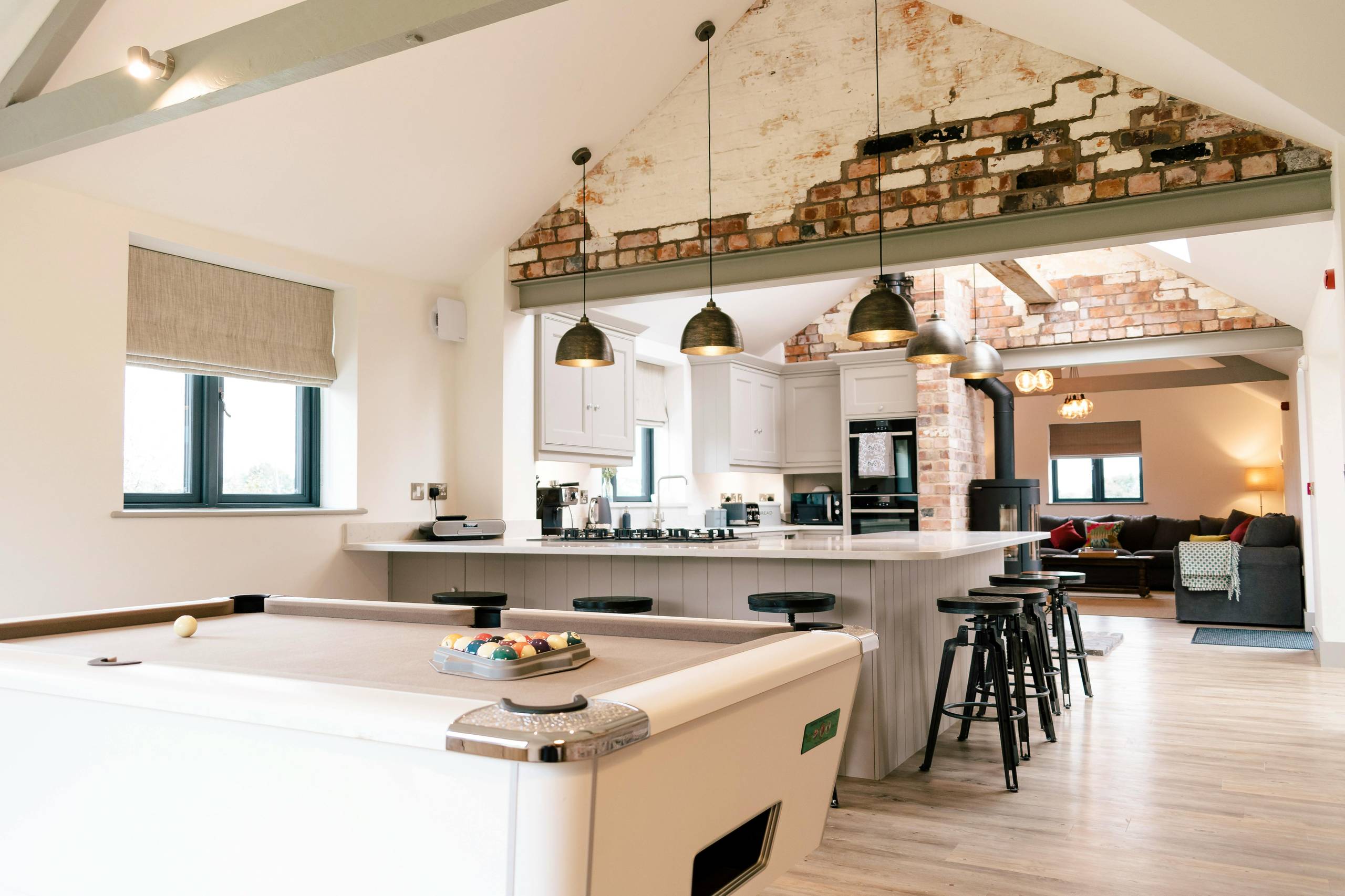
Open-plan layouts come naturally. Double-height rooms create space for mezzanines or quiet corners. Former barn doors are often replaced with large panes of glass, bringing in plenty of light and views of the surrounding countryside.
The best conversions keep things simple. Modern kitchens and lighting sit comfortably alongside exposed beams and stone walls. You notice the building’s history, but it never feels staged.
Comfort matters too - good insulation, underfloor heating, well-designed bathrooms. It’s this straightforward mix of solid structure and modern ease that makes barn stays feel distinctive without trying too hard.
Unhurried days
What often stands out about barn living is the pace it allows.
There’s less pressure to fill every hour. The scale of the building, the surrounding countryside and the solid feel of thick walls all encourage a steadier rhythm.
You start to notice small things. Rain on the roof. Timber shifting slightly as the temperature changes. Afternoon light moving slowly across the floor.
Meals take their time. Conversations run on. Doing very little feels perfectly acceptable.
Barns don’t demand attention. They simply provide a calm, well-built setting that’s easy to settle into.
And when you leave, that feeling tends to stay with you. Not just how the place looked, but how it felt to spend time there.
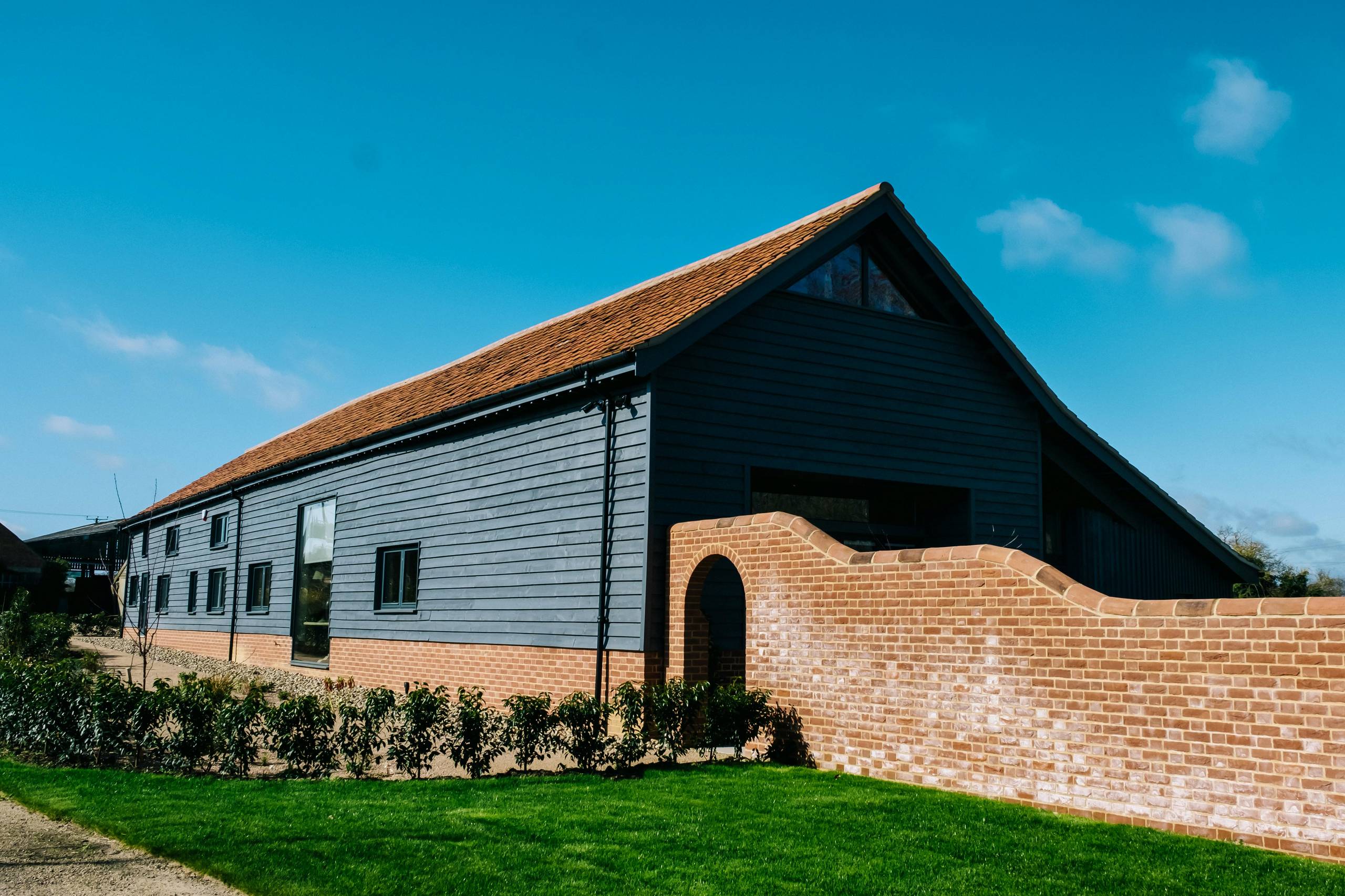
Why we return
Barn living isn’t about novelty. It’s about how a place feels.
It’s waking up beneath old beams, watching light move across stone walls, lighting the fire as evening sets in and noticing how quiet the countryside becomes at night.
These were once practical buildings. Now the same strong frames and open interiors host shared meals, long weekends and time properly spent together.
Every barn is different, shaped by its setting and design. But most share the same qualities: solid, open, and easy to settle into.
Staying in one means stepping into that atmosphere for a while. Enjoying the space, the calm and the sense of history in the background.
That’s the lasting appeal of barn living.
Some of our favourite barn stays
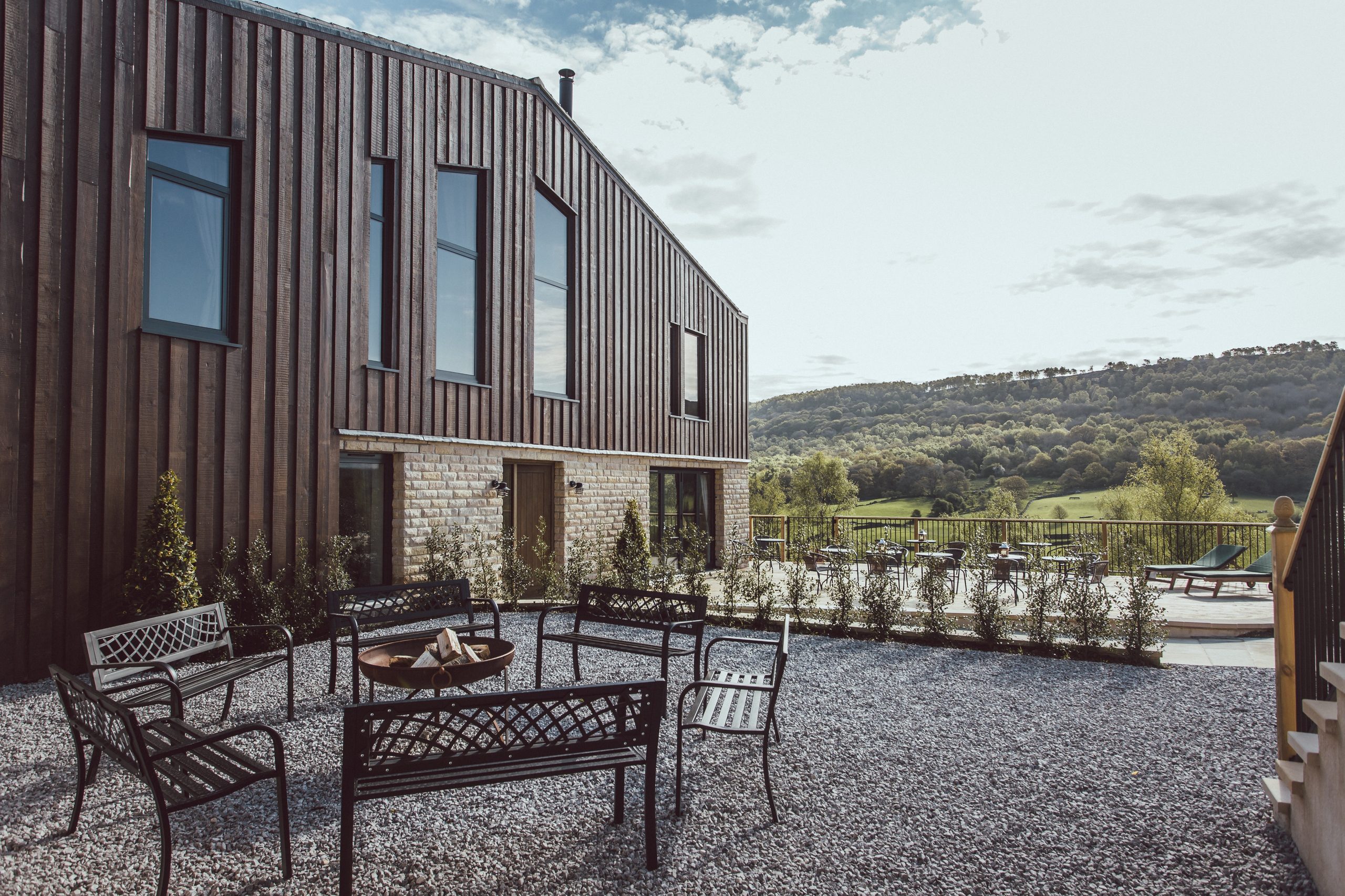
The Cattle Shed
Hope Valley
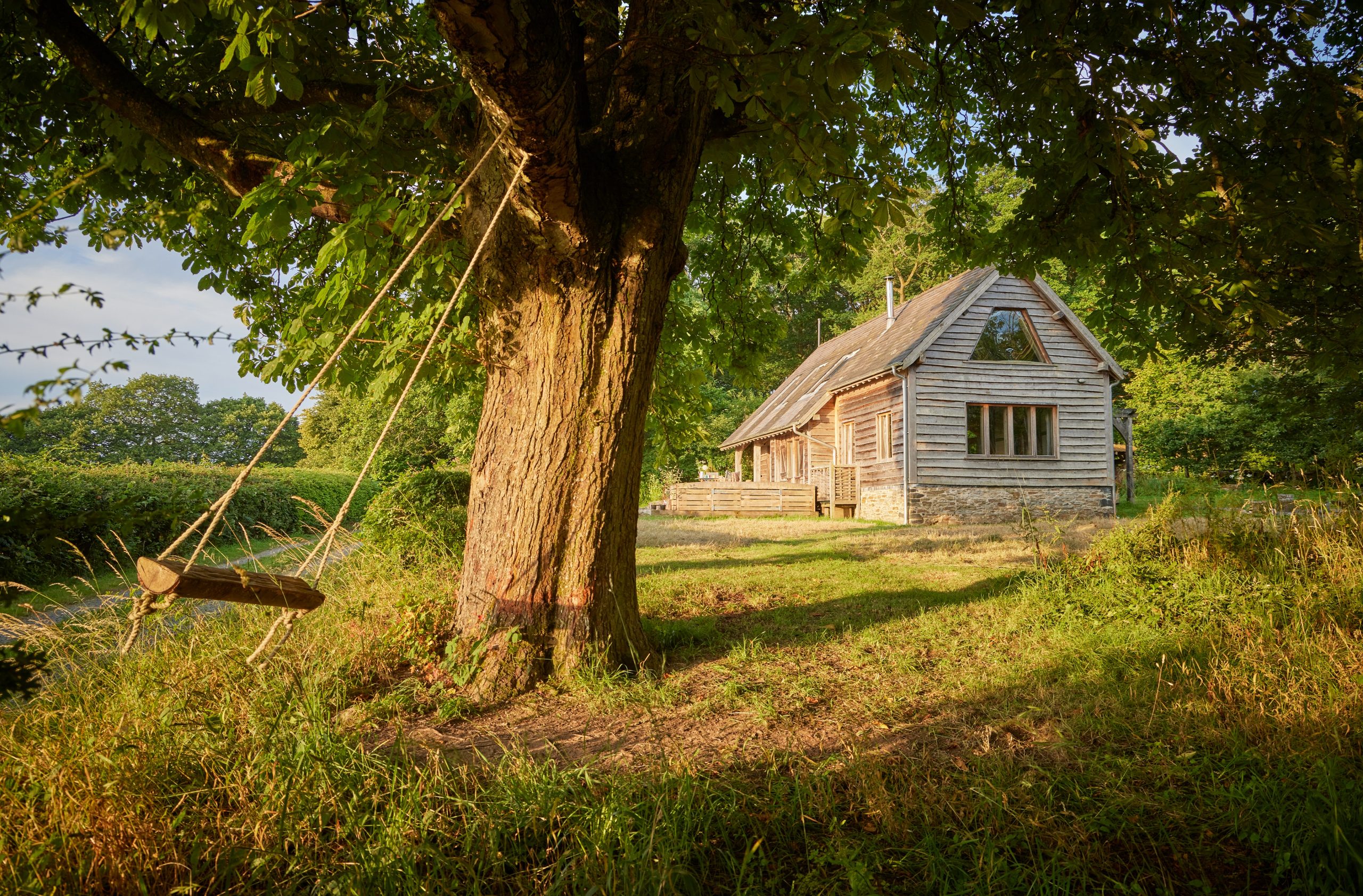
Cruckbarn
Leominster
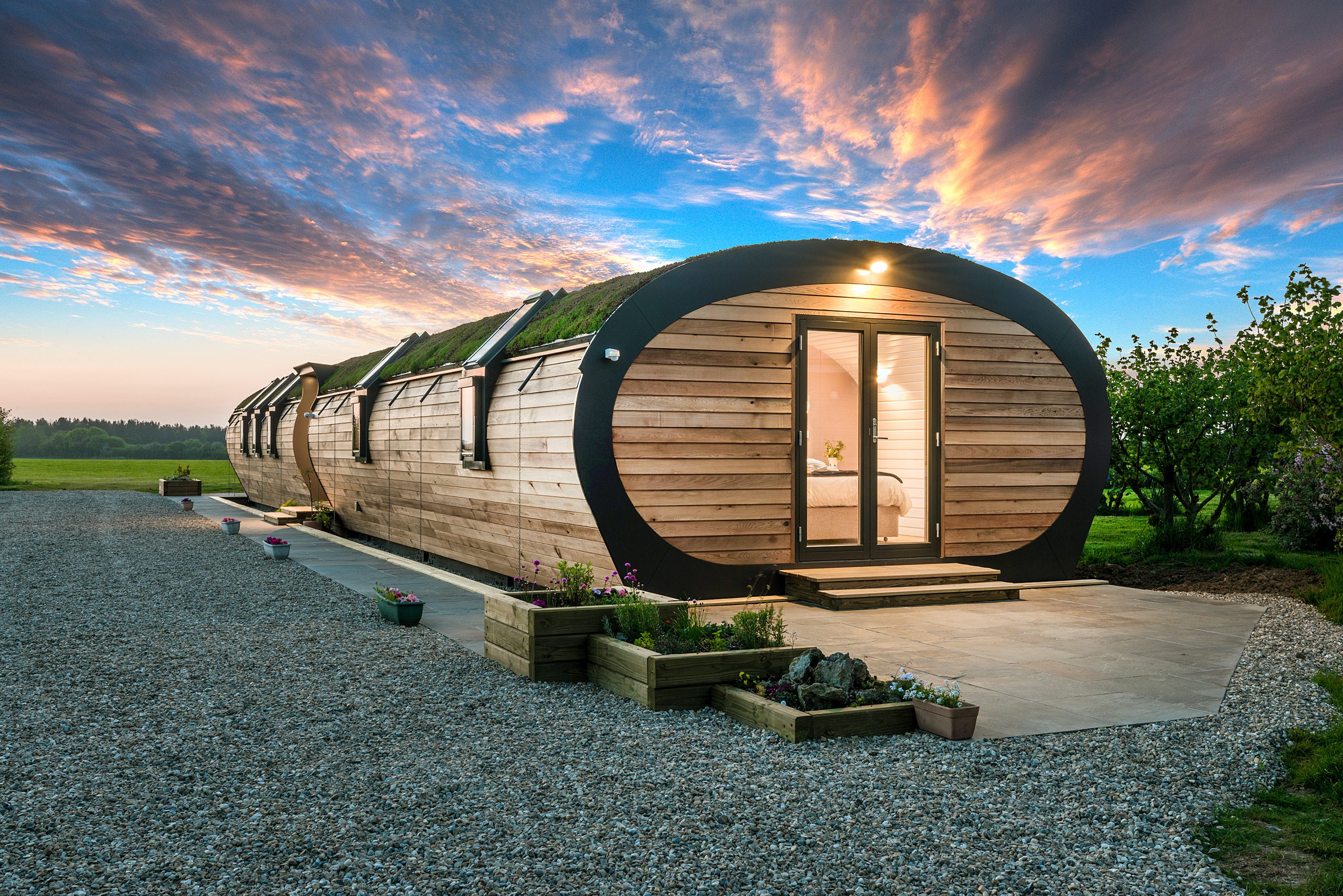
Bumble Barn
Canterbury
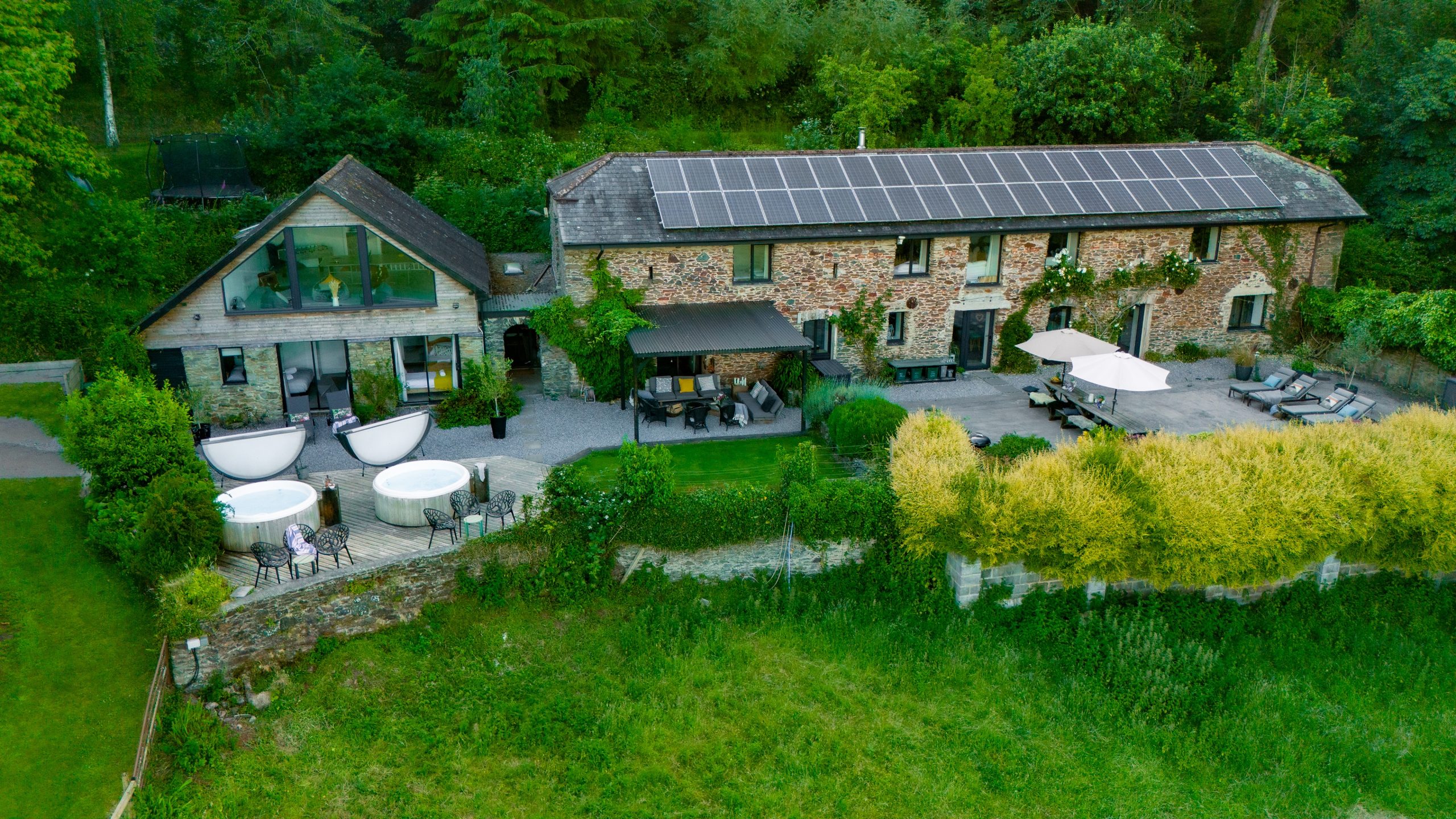
The Shippon
Ashprington
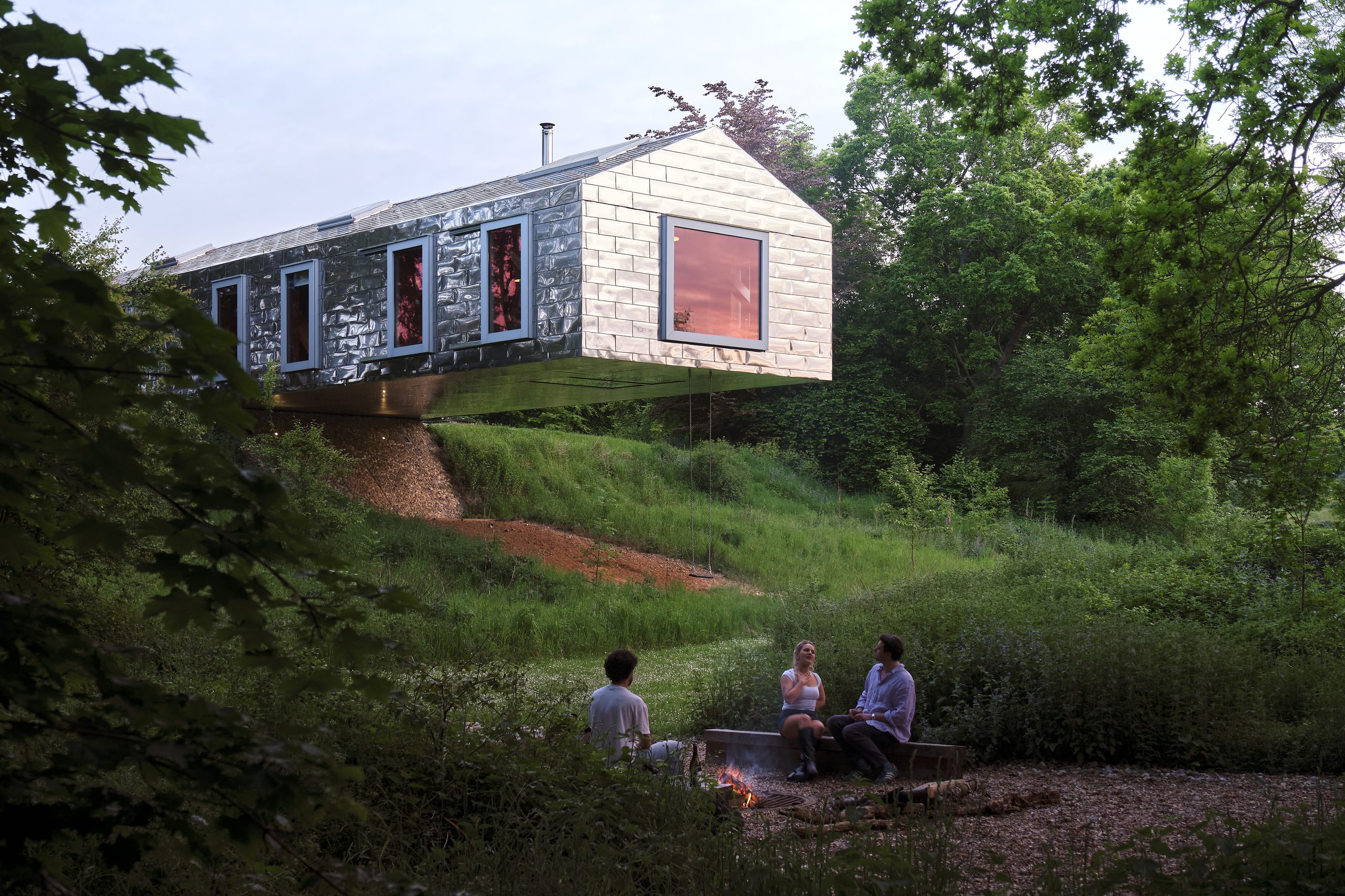
Balancing Barn
Thorington
A barn stay is a holiday home created from a converted agricultural barn. These properties usually retain original features like exposed beams or stone walls, while offering modern kitchens, bathrooms and comfortable living spaces.
No. Most barn stays are well insulated and fitted with underfloor heating, radiators or wood burners. Thick walls often help regulate temperature throughout the year.
Many are. Their open-plan layouts, multiple bedrooms and outdoor space make them a practical and comfortable choice for family breaks.
Yes. Smaller or more secluded barns can feel very private, especially those with features like freestanding baths, wood burners or countryside views.
Most do. Many come with gardens, courtyards or access to surrounding land, particularly when set in rural locations.
Not necessarily. While many are in the countryside, some are close to villages, coastlines or market towns, offering both peace and convenience.
The best conversions retain key architectural details such as vaulted ceilings, timber beams and stone walls, blending them with modern design.
Often, yes. Larger barns with generous dining areas and open living spaces work well for birthdays, reunions and special gatherings.
Some do. Depending on the property, you may find hot tubs, swimming pools, spa-style bathrooms or large entertaining kitchens.
Barns typically offer more open space and higher ceilings, creating a different sense of scale and light compared to traditional cottages.