The ultimate guide to city break stays in the UK
Published 1st April 2026
From historic capitals and creative coastal hubs to industrial powerhouses turned cultural hotspots, the UK is one of the most rewarding places for a city break. Whether you’re chasing world-class museums, buzzing food scenes, iconic architecture or easy access to countryside and coast, each city offers a completely different experience.
This guide blends practical travel information with local insight — helping you plan your trip while experiencing each city beyond the obvious.
Click on the cities below to jump to that section of the blog post:
If you are interested in heading to the continent on a city break, then check out our blog post titled 'Nine European city breaks you can reach by train from London'.
London
Popular tourist sites in London
-
The British Museum: One of the world’s greatest museums, the British Museum houses millions of artefacts spanning human history. From the Rosetta Stone to Egyptian mummies, it’s a place you can easily spend hours exploring. Best of all, entry is free, making it accessible for every type of traveller.
-
The Tower of London: A historic fortress with a dramatic past, the Tower of London has served as a palace, prison and treasury. Today, visitors come to see the Crown Jewels and learn about its fascinating history through guided tours and immersive exhibits.
-
Buckingham Palace: The official residence of the monarch, Buckingham Palace is an iconic London landmark. The Changing of the Guard ceremony is a highlight, while summer visitors can explore the lavish State Rooms and royal collections.
-
Camden Market: Camden Market is a lively hub of street food, vintage fashion and independent stalls. It’s a great place to experience London’s creative side, with global flavours, unique finds and a vibrant atmosphere that contrasts with the city’s historic landmarks.
-
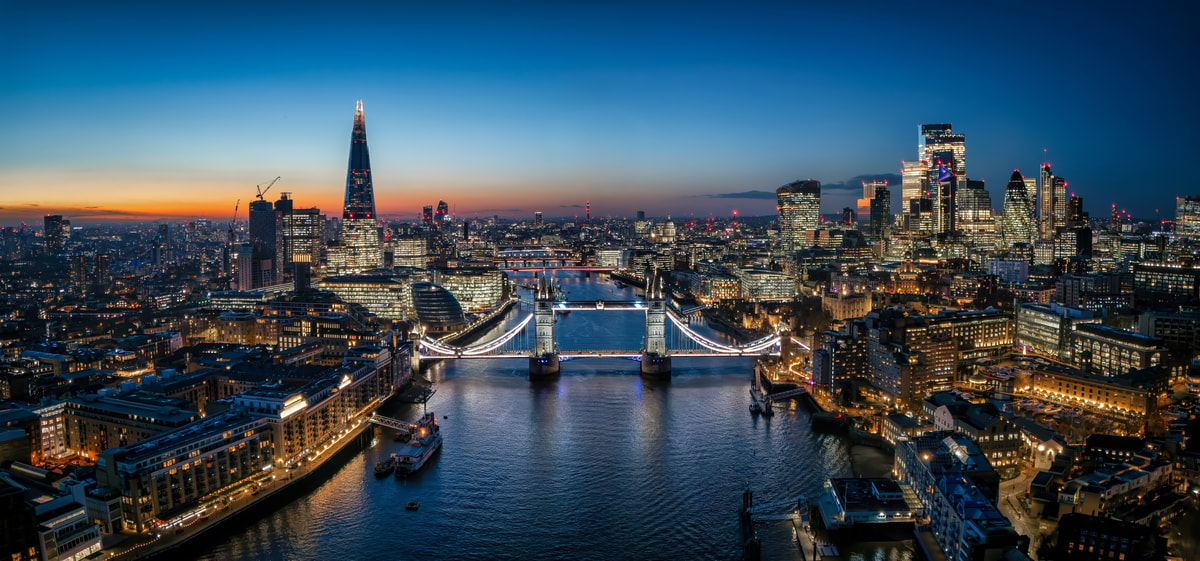
The Shard: Offering panoramic views across London, The Shard is one of the city’s most impressive modern landmarks. Visit the viewing platform to see the skyline stretch across the Thames, especially striking at sunset or after dark.
Off the beaten track in London
-
St Dunstan-in-the-East: A hidden garden set within the ruins of a bombed-out church, this peaceful spot offers a quiet escape from the city. Ivy-covered walls and open arches create a unique atmosphere right in the heart of London.
-
Little Venice: A tranquil canal area near Paddington, Little Venice is lined with colourful boats and waterside cafes. It’s perfect for a relaxed walk or a quieter perspective of London away from the busy centre.
-
Neal’s Yard: Tucked away in Covent Garden, Neal’s Yard is a colourful courtyard filled with independent cafes and shops. Despite its central location, it feels like a hidden gem.
-
Sir John Soane’s Museum: This unusual museum is packed with art, antiquities and architectural curiosities. It feels more like stepping into a private collection than a traditional gallery.
-
Primrose Hill: A favourite among locals, Primrose Hill offers one of the best views of London’s skyline. It’s a great spot for a picnic or sunset away from the crowds.
Day trips from London
- The Cotswolds for countryside villages
- Oxford and Cambridge for historic cities
- Brighton for a seaside escape
- Windsor for royal heritage
- The Chiltern Hills for nature
Best time to visit London
-
Spring: Mild temperatures and blooming parks make spring ideal for exploring London on foot, with fewer crowds than summer.
-
Summer: The city comes alive with festivals, outdoor dining and long evenings, though it’s also the busiest and most expensive time to visit.
-
Autumn: Cooler weather and fewer tourists create a more relaxed atmosphere, with beautiful autumn colours in the parks.
-
Winter: Festive lights, Christmas markets and cosy pubs make winter magical, despite colder weather and shorter days.
How to get to London
-
Car: London is accessible via major motorways like the M25, though congestion charges and traffic make driving into the centre less convenient.
-
Train: With direct services from across the UK, trains are one of the fastest and easiest ways to reach London.
-
Public Transport: Once in the city, the Underground, buses and overground trains provide extensive and efficient coverage.
Some of our favourite London stays
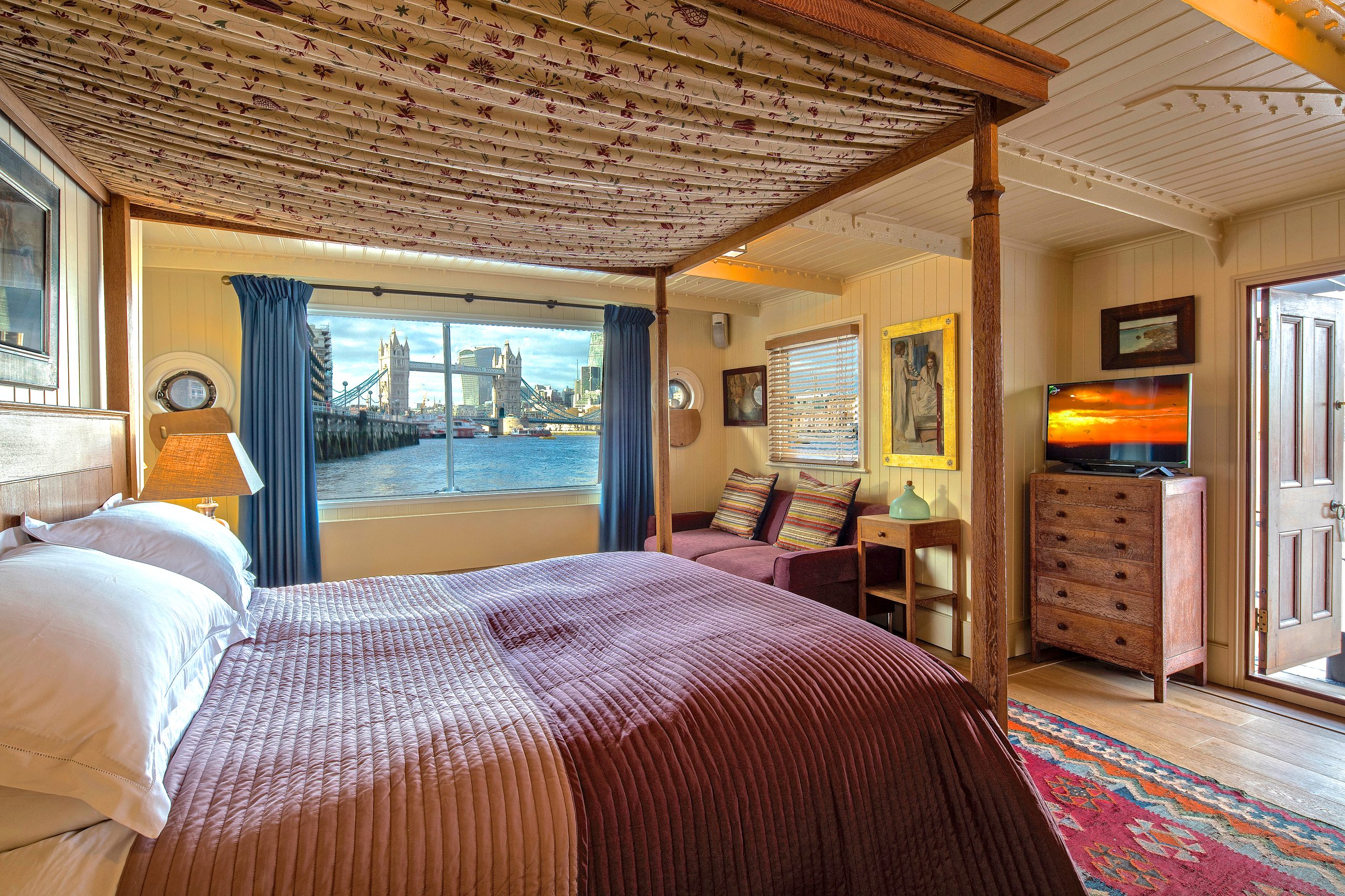
The Harpy Houseboat
Tower Bridge
Bristol
Popular tourist sites in Bristol
-
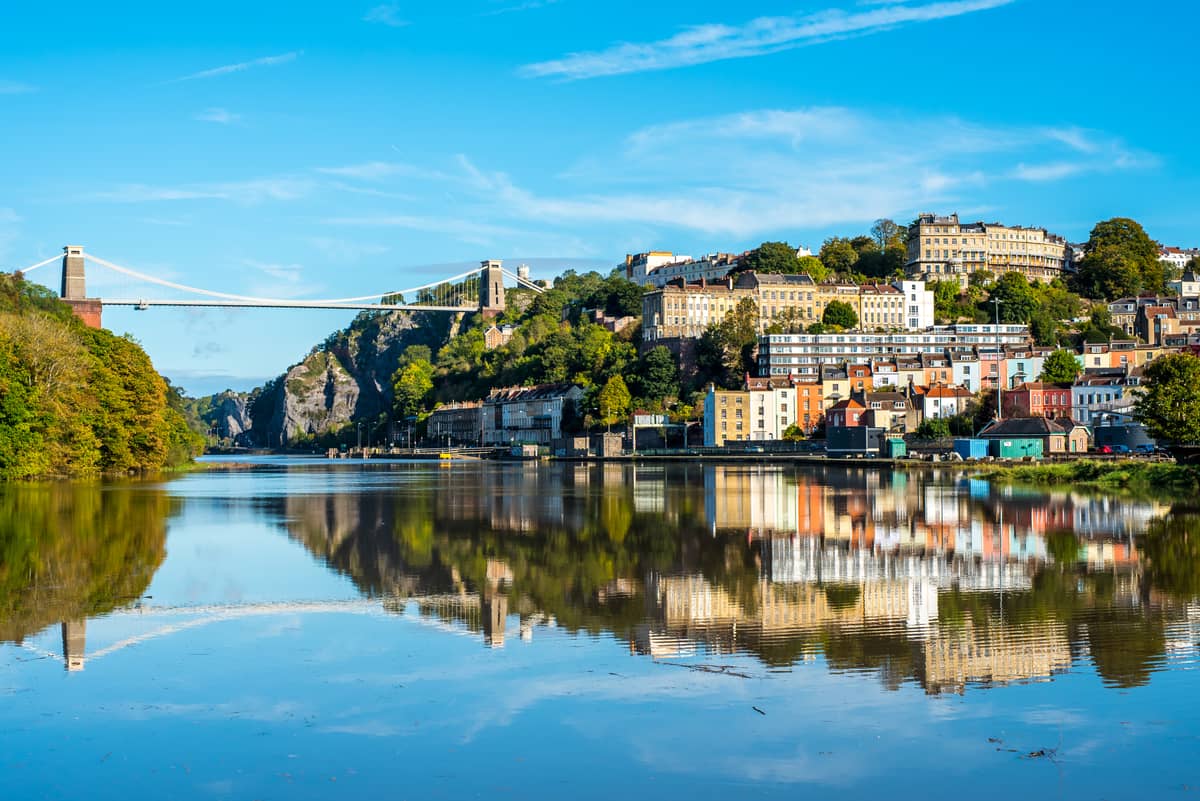
Clifton Suspension Bridge: This iconic bridge spans the Avon Gorge and offers spectacular views across Bristol. Designed by Brunel, it’s both an engineering landmark and a scenic spot, especially at sunrise or sunset.
-
SS Great Britain: A beautifully restored historic ship, the SS Great Britain gives insight into Victorian travel and engineering. Visitors can explore the decks and learn about life at sea through interactive exhibits.
-
Bristol Harbour: The harbourside is a lively area filled with restaurants, museums and cultural spaces. It’s perfect for a relaxed walk, with plenty of places to stop for food or drinks along the water.
-
Cabot Tower: Located in Brandon Hill Park, Cabot Tower offers panoramic views after a short climb. The surrounding park adds a peaceful green space to the experience.
-
Bristol Museum & Art Gallery: This museum features a mix of art, history and natural science. It’s a great place to explore Bristol’s cultural background and spend a few hours indoors.
Off the beaten track in Bristol
-
Stokes Croft: Known for its street art and creative energy, Stokes Croft is full of independent shops and murals. It’s a constantly evolving area that reflects Bristol’s artistic identity.
-
Brandon Hill (quiet areas): Beyond the main paths, Brandon Hill has quieter spots perfect for relaxing with views over the city.
-
The Lido: A hidden outdoor pool with a spa and restaurant, offering a unique and relaxing experience within the city.
-
Spike Island: A contemporary art space showcasing innovative exhibitions, often overlooked by tourists.
-
Easton: A diverse neighbourhood known for its independent food scene and community feel, offering a more local perspective on Bristol.
Day trips from Bristol
- Bath for historic architecture
- Cheddar Gorge for dramatic scenery
- The Cotswolds for countryside charm
- Weston-super-Mare for the coast
Best time to visit Bristol
-
Spring: A great time to explore with mild weather and fewer crowds, as the city starts to come alive.
-
Summer: Festivals and events fill the calendar, and the harbourside is at its busiest and most vibrant.
-
Autumn: Cooler weather and fewer tourists make it ideal for a more relaxed city break.
-
Winter: The city feels cosy, with festive markets and plenty of independent cafes and pubs to enjoy.
How to get to Bristol
-
Car: Easily accessible via the M4 and M5, making it convenient from London, the Midlands and the South West.
-
Train: Direct trains from London Paddington and other major cities make Bristol quick and easy to reach.
-
Public Transport: Local buses and regional rail links connect Bristol to nearby towns and attractions.
Some of our favourite Bristol stays
Brighton and Hove
Popular tourist sites in Brighton and Hove
-
Brighton Palace Pier: A traditional seaside attraction packed with arcades, rides and food stalls, Brighton Pier captures the nostalgic charm of the British coast. It’s a lively spot day or night, offering views back across the beach and city.
-
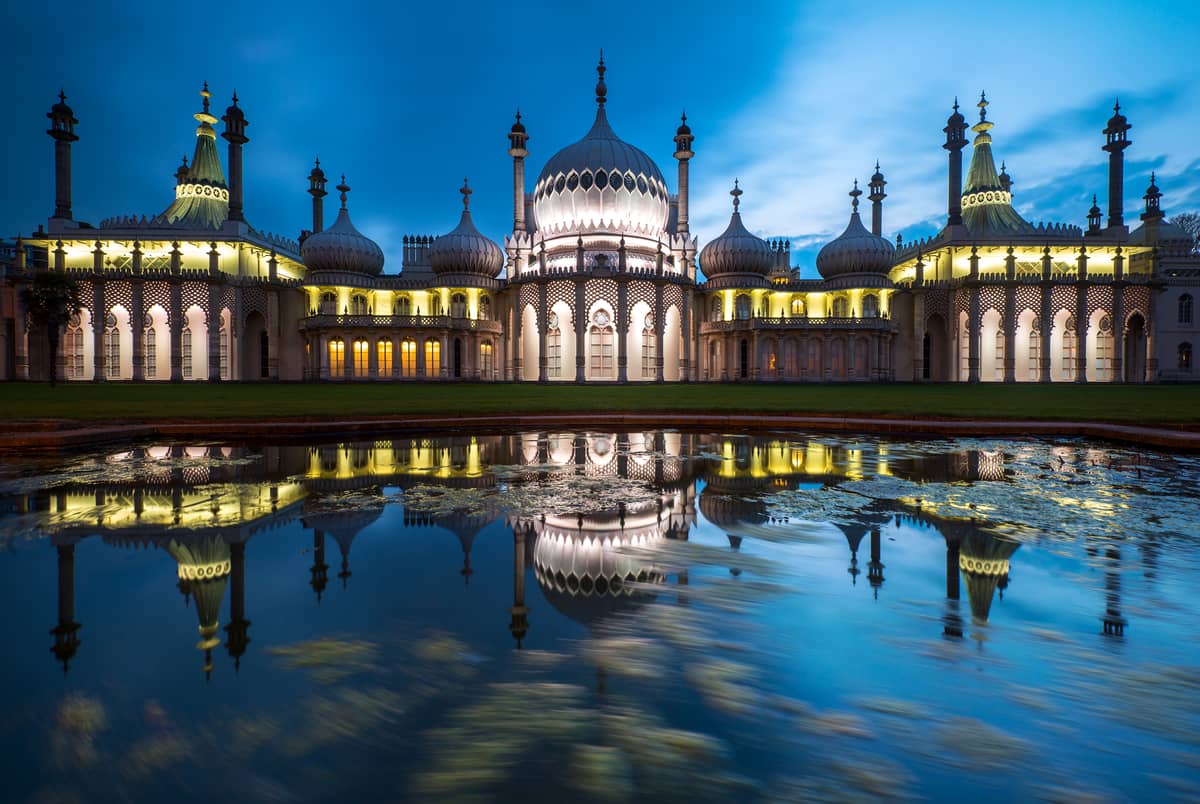
Royal Pavilion: This striking former royal residence stands out with its exotic Indo-Saracenic design. Inside, lavish rooms reflect Brighton’s history as a fashionable seaside retreat for royalty.
-
The Lanes: A maze of narrow streets filled with independent shops, jewellers and cafes. It’s one of the best places to wander, shop and soak up Brighton’s unique character.
-
Brighton Beach: Famous for its pebbled shoreline and colourful beach huts, Brighton Beach is perfect for relaxing, people-watching or enjoying the sea air.
-
British Airways i360: This futuristic observation tower offers panoramic views across Brighton and the coastline, giving a different perspective of the city.
Off the beaten track in Brighton and Hove
-
Kemptown: A vibrant neighbourhood filled with vintage shops, independent cafes and a strong local identity. It’s slightly removed from the main tourist areas and offers a more authentic Brighton experience.
-
Undercliff Walk: A scenic coastal path stretching east of the city, offering dramatic sea views without the crowds. It’s ideal for a peaceful walk or cycle.
-
Hanover: Known for its colourful houses and local pubs, Hanover is a residential area with a strong community feel and great views over the city.
-
Preston Park Rock Garden: A hidden green space with winding paths and planted terraces, offering a quieter alternative to Brighton’s busier parks.
-
North Laine backstreets: While North Laine is popular, its quieter side streets hide some of the best independent shops and cafes away from the main flow.
Day trips from Brighton and Hove
- Seven Sisters cliffs for dramatic coastal scenery
- South Downs National Park for walking and cycling
- Lewes for historic charm and independent shops
- Arundel for castle views and countryside
Best time to visit Brighton and Hove
-
Spring: A great time to visit with fresh sea air, blooming parks and fewer crowds than peak summer.
-
Summer: The city is at its liveliest, with beach days, festivals and a buzzing atmosphere, though it can get busy.
-
Autumn: Quieter streets and mild weather make it ideal for relaxed exploring and coastal walks.
-
Winter: A more peaceful time to visit, with dramatic sea views and cosy cafes offering a different side of Brighton.
How to get to Brighton and Hove
-
Car: Accessible via the A23 and M23 from London, though parking in the centre can be limited during busy periods.
-
Train: Direct trains from London take around an hour, making Brighton one of the easiest coastal city breaks.
-
Public Transport: Local buses and trains connect Brighton with surrounding areas and nearby towns.
Some of our favourite Brighton and Hove properties
Bath
Popular tourist sites in Bath
-
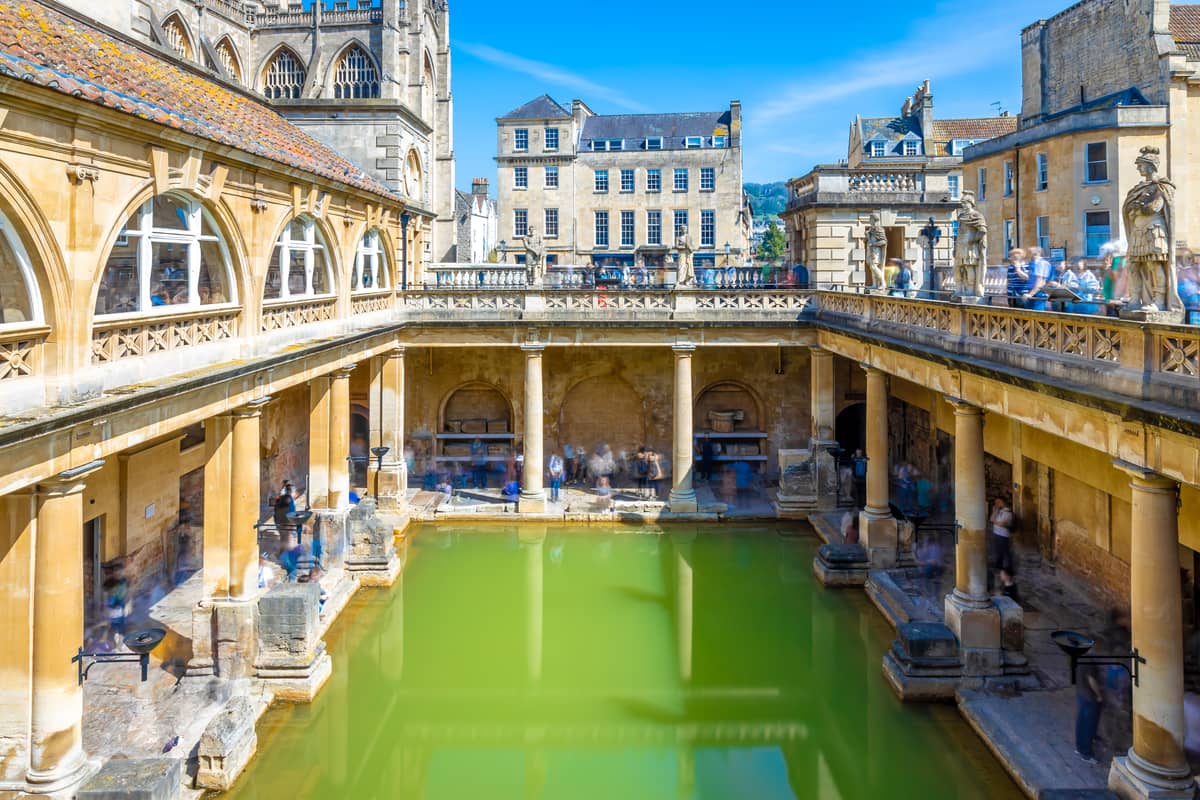
The Roman Baths: One of the best-preserved Roman sites in Europe, the Roman Baths allow visitors to explore ancient bathing complexes and learn about life in Roman Britain through immersive exhibits.
-
Bath Abbey: This impressive Gothic church dominates the city centre, with intricate stonework and beautiful stained glass. Visitors can also climb the tower for views across Bath.
-
Royal Crescent: A sweeping row of Georgian townhouses overlooking a large green space, the Royal Crescent is one of Bath’s most iconic architectural landmarks.
-
Thermae Bath Spa: A modern spa experience using natural thermal waters, where visitors can relax in rooftop pools with views over the city.
-
Pulteney Bridge: A picturesque bridge lined with shops, offering one of the most recognisable views in Bath and a great spot for photos.
Off the beaten track in Bath
-
Prior Park Landscape Garden: A peaceful National Trust site with sweeping views and a striking Palladian bridge, offering a quieter escape from the city centre.
-
Widcombe: A charming neighbourhood just outside the centre, filled with independent shops, cafes and a more local atmosphere.
-
Bath Skyline Walk: A circular walking route offering panoramic views over Bath and access to surrounding countryside.
-
Herschel Museum of Astronomy: A small but fascinating museum dedicated to the discovery of Uranus, located in a historic townhouse.
-
Sydney Gardens: One of Bath’s oldest parks, offering a quieter green space with historic features and fewer crowds.
Day trips from Bath
- The Cotswolds for rolling countryside and villages
- Stonehenge for ancient history
- Mendip Hills for walking and scenery
- Lacock for a traditional English village
Best time to visit Bath
-
Spring: Gardens and parks come into bloom, making it one of the most picturesque times to visit.
-
Summer: The city hosts festivals and outdoor events, though it can be busy with tourists.
-
Autumn: Fewer crowds and warm colours make it ideal for a relaxed and scenic visit.
-
Winter: Christmas markets and cosy streets give Bath a magical, festive atmosphere.
How to get to Bath
-
Car: Easily reached via the M4, though parking in the centre is limited.
-
Train: Direct trains from London and Bristol make Bath quick and convenient to access.
-
Public Transport: Local buses connect Bath with nearby towns and countryside areas.
Some of our favourite properties in Bath
Exeter
Popular tourist sites in Exeter
-
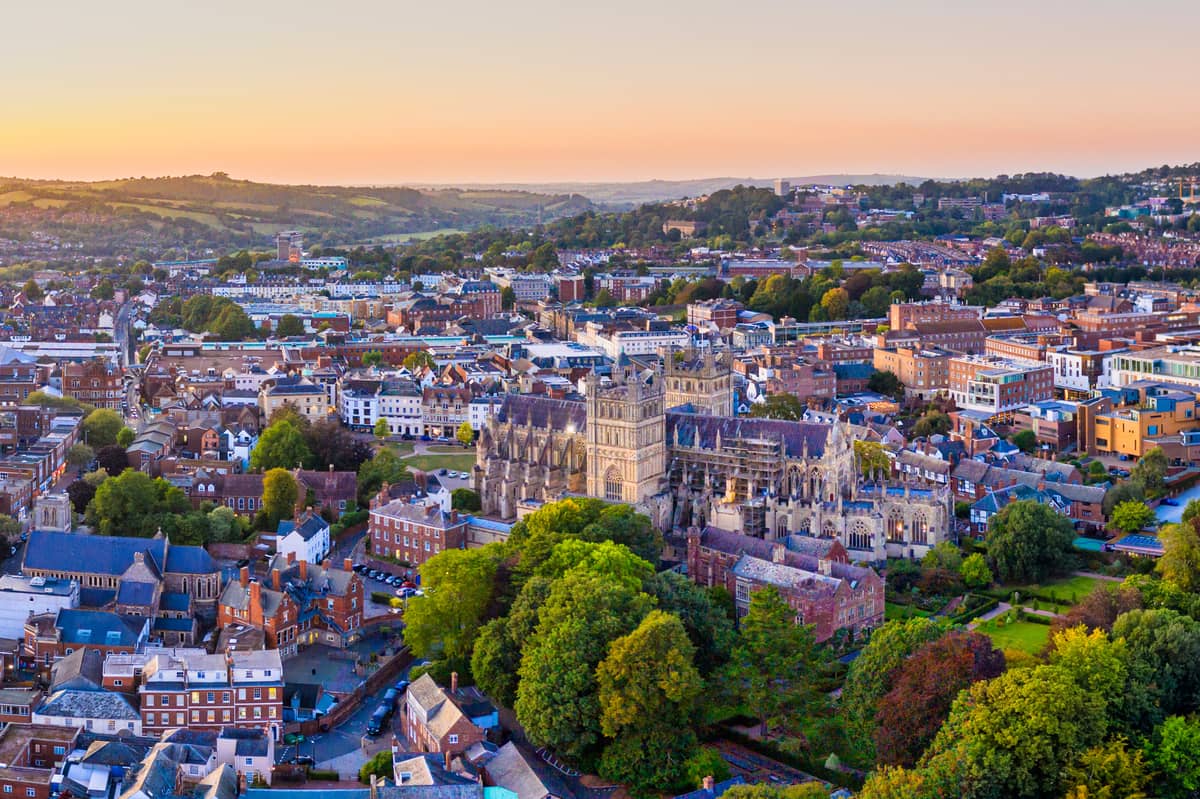
Exeter Cathedral: A stunning example of Gothic architecture, Exeter Cathedral is known for its intricate stonework and impressive vaulted ceiling. Inside, you’ll find medieval carvings, stained glass and a peaceful atmosphere that reflects centuries of history.
-
Exeter Underground Passages: These unique medieval tunnels run beneath the city and offer a fascinating glimpse into Exeter’s past. Guided tours bring their history to life, making this one of the city’s most unusual attractions.
-
Exeter Quayside: A lively riverside area filled with cafes, restaurants and walking routes. It’s a great place to relax, hire a bike or kayak, and enjoy a slower pace away from the city centre.
-
Royal Albert Memorial Museum: This museum combines local history, art and global artefacts in an engaging and well-curated space. It’s a great way to learn more about Exeter and the wider region.
-
Northernhay Gardens: One of England’s oldest public parks, Northernhay Gardens offers landscaped paths, historic features and a peaceful place to unwind near the city centre.
Off the beaten track in Exeter
-
Topsham: A charming estuary town just outside Exeter, known for its independent shops, waterside views and relaxed atmosphere. It’s a favourite local escape from the city.
-
Exeter Ship Canal: A quiet walking and cycling route running alongside the canal, offering a peaceful alternative to busier areas.
-
St Nicholas Priory: A hidden medieval building tucked away in the city, offering insight into Exeter’s history without the crowds.
-
Fore Street: A vibrant local street filled with independent shops, cafes and restaurants, offering a more authentic Exeter experience.
-
Dartmoor edges: Just outside the city, Dartmoor offers wild landscapes, open moorland and scenic walking routes, perfect for a quick nature escape.
Day trips from Exeter
- Dartmoor National Park for rugged landscapes
- Exmouth for sandy beaches and coastal walks
- South Devon coast for seaside towns
- Sidmouth for a quieter coastal escape
Best time to visit Exeter
-
Spring: The surrounding countryside comes to life with colour, making it ideal for combining city exploring with outdoor walks.
-
Summer: Warm weather makes the Quayside and nearby beaches especially appealing, with plenty of opportunities for outdoor activities.
-
Autumn: A quieter time to visit, with beautiful colours across nearby countryside and fewer tourists.
-
Winter: A relaxed and peaceful atmosphere, with cosy cafes and a slower pace throughout the city.
How to get to Exeter
-
Car: Easily accessible via the M5, making it convenient from the Midlands, Bristol and further south.
-
Train: Direct trains from London Paddington and regional cities make Exeter well connected despite its south-west location.
-
Public Transport: Local buses and rail services connect Exeter to nearby towns, coastlines and national parks.
Some of our favourite Exeter stays
Starling Spa Treehouse
Crediton

Woolbrook Reservoir
Sidmouth
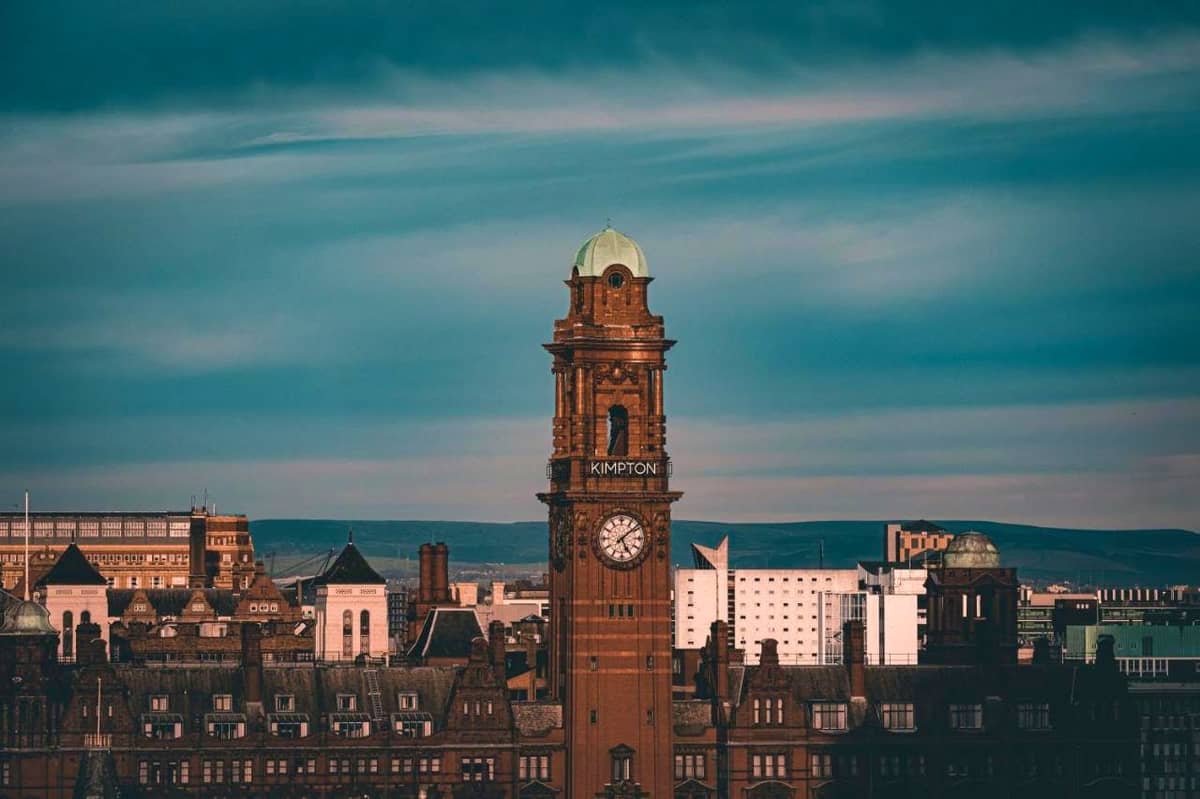
Manchester
Popular tourist sites in Manchester
-
The Northern Quarter: This creative district is packed with independent shops, cafes and street art. It’s one of the best areas to explore on foot, offering a glimpse into Manchester’s alternative and artistic side.
-
Science and Industry Museum: Located on the site of the world’s first passenger railway, this museum showcases Manchester’s role in the Industrial Revolution through engaging exhibits and historic machinery.
-
Old Trafford: One of the most famous football stadiums in the world, Old Trafford offers tours that take you behind the scenes of Manchester United’s home ground.
-
Manchester Art Gallery: A diverse gallery featuring everything from historic paintings to contemporary works, offering a cultural break from the city’s busy streets.
-
Castlefield: A historic area known for its canals, Roman ruins and peaceful walking routes, offering a contrast to the city centre’s energy.
Off the beaten track in Manchester
-
Ancoats: Once an industrial area, Ancoats has been transformed into one of Manchester’s trendiest neighbourhoods, filled with independent restaurants and cafes.
-
Afflecks: An indoor market full of quirky, independent stalls selling everything from vintage clothing to handmade goods, offering a more alternative shopping experience.
-
Mayfield Park: A newly developed green space in the city centre, providing a modern, relaxed area for walking and unwinding.
-
Levenshulme Market: A popular local food market known for its street food and community atmosphere, offering a more authentic taste of the city.
-
Chorlton: A bohemian suburb just outside the centre, known for its independent shops, green spaces and laid-back vibe.
Day trips from Manchester
- Peak District for hiking and countryside views
- Lake District for lakes and mountains
- Cheshire for rural villages and landscapes
- Hebden Bridge for arts and independent culture
Best time to visit Manchester
-
Spring: Mild weather and fewer crowds make it a great time to explore neighbourhoods and outdoor spaces.
-
Summer: Festivals, events and outdoor dining bring the city to life, with a lively and energetic atmosphere.
-
Autumn: Cooler weather and a strong cultural calendar make it ideal for galleries, music and food.
-
Winter: Christmas markets and festive lights create a cosy and vibrant winter city break.
How to get to Manchester
-
Car: Well connected via the M6, M62 and M60, making it accessible from across the UK.
-
Train: A major rail hub with fast connections from London, Birmingham, Liverpool and beyond.
-
Public Transport: Trams, buses and local trains make getting around Manchester simple and efficient.
Some of our favourite Manchester stays
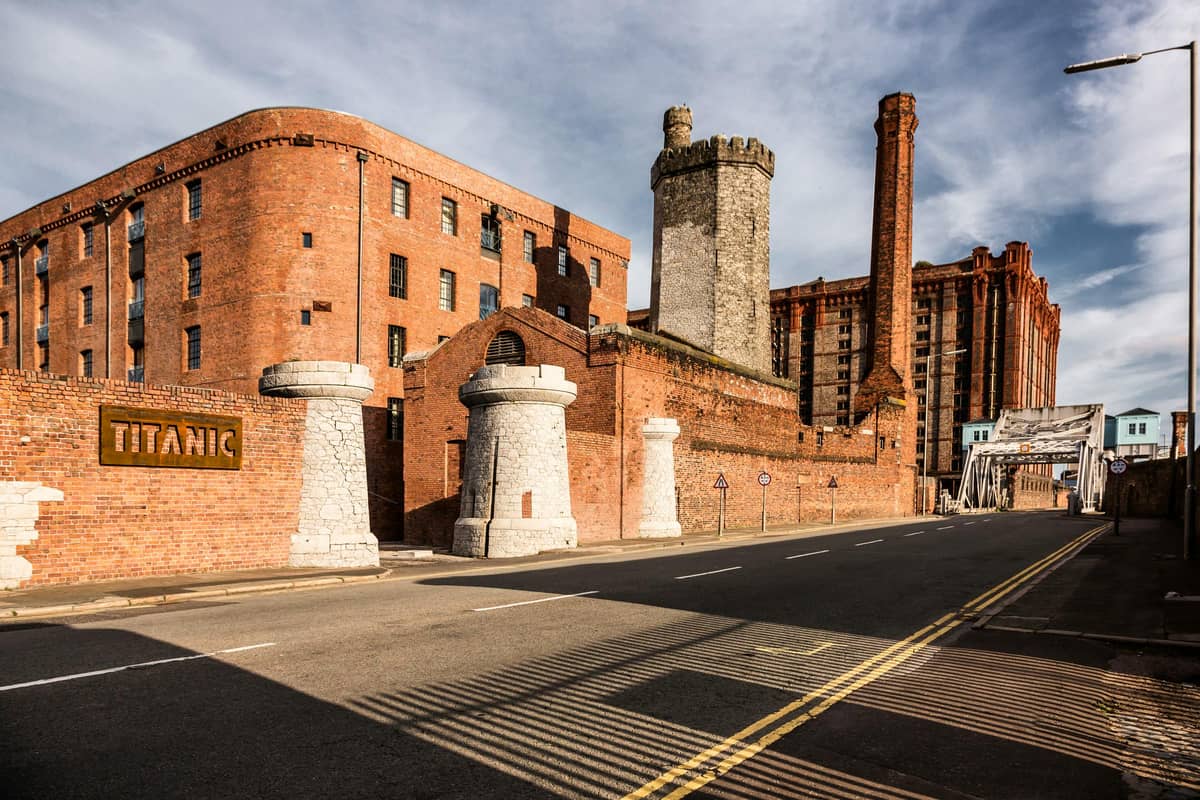
Liverpool
Popular tourist sites in Liverpool
-
Royal Albert Dock: A UNESCO-listed waterfront complex filled with museums, galleries, restaurants and shops. It’s one of Liverpool’s most recognisable areas and a great place to explore the city’s maritime history while enjoying a lively atmosphere.
-
The Beatles Story: This immersive museum takes you through the lives and legacy of The Beatles, from their early days in Liverpool to global fame. It’s a must-visit for music fans and offers a fascinating insight into the city’s cultural impact.
-
Liverpool Cathedral: One of the largest cathedrals in the UK, Liverpool Cathedral is an impressive architectural landmark. Visitors can explore its vast interior or climb the tower for panoramic views across the city.
-
Tate Liverpool: Located at the Albert Dock, this modern art gallery showcases contemporary works and rotating exhibitions. It’s a great stop for art lovers looking to experience Liverpool’s creative side.
-
Cavern Club: A legendary music venue where The Beatles once performed, the Cavern Club still hosts live music today. It’s a lively and atmospheric place that celebrates Liverpool’s musical heritage.
Off the beaten track in Liverpool
-
Baltic Triangle: A creative district filled with street art, independent bars and food markets. It’s one of Liverpool’s most exciting areas, offering a more alternative and local experience away from traditional tourist spots.
-
Sefton Park Palm House: A beautiful glasshouse set within Sefton Park, this hidden gem offers a peaceful escape filled with tropical plants and quiet spaces to relax.
-
Lark Lane: A leafy street lined with independent cafes, restaurants and bars. Popular with locals, it has a relaxed and slightly bohemian feel.
-
Crosby Beach: Just outside the city, this beach is home to Antony Gormley’s ‘Another Place’ sculptures. The figures stretching out into the sea create a unique and atmospheric coastal experience.
-
Georgian Quarter: A quieter part of the city filled with elegant streets and historic buildings, offering a more refined and less crowded side of Liverpool.
Day trips from Liverpool
- North Wales for mountains and coastline
- Wirral Peninsula for beaches and walking
- Southport for a traditional seaside town
- Lake District for scenic landscapes
Best time to visit Liverpool
-
Spring: A great time to explore with mild weather and fewer crowds, as the city begins to feel more lively.
-
Summer: The waterfront is at its busiest, with events, festivals and a vibrant atmosphere throughout the city.
-
Autumn: Cooler weather and fewer tourists make it ideal for a more relaxed visit, with plenty of indoor attractions.
-
Winter: Christmas markets and festive events bring a cosy feel, with the city centre lit up for the season.
How to get to Liverpool
-
Car: Accessible via the M62, connecting Liverpool with Manchester, Leeds and beyond.
-
Train: Direct rail services from London, Manchester and other major cities make Liverpool easy to reach.
-
Public Transport: Merseyrail and local buses provide good coverage across the city and surrounding areas.
Some of our favourite Liverpool stays
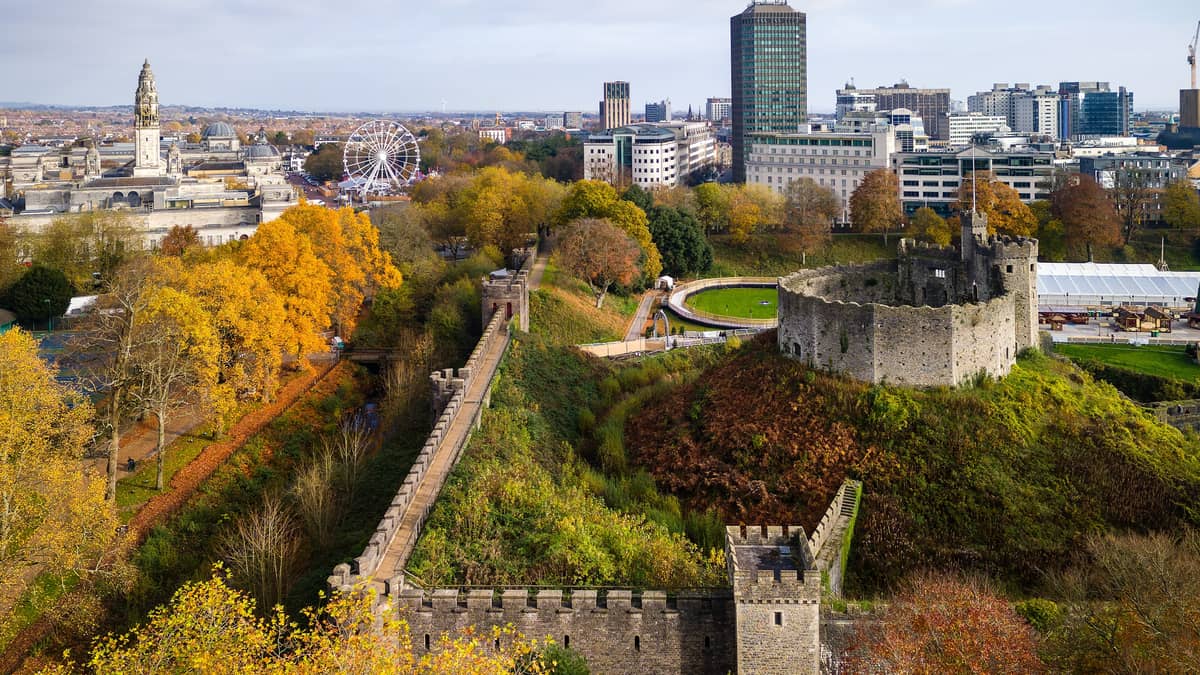
Cardiff
Popular tourist sites in Cardiff
-
Cardiff Castle: Located in the heart of the city, Cardiff Castle combines Roman ruins, medieval fortifications and Victorian interiors. Visitors can explore its towers, tunnels and lavish rooms, making it one of the most unique and historically layered attractions in the UK.
-
Cardiff Bay: A redeveloped waterfront area filled with restaurants, bars and cultural attractions. It’s a great place to walk, dine and enjoy views across the water, especially in the evening when the area feels lively and relaxed.
-
Principality Stadium: One of the UK’s most iconic sporting venues, the stadium hosts rugby matches, concerts and events. Tours offer behind-the-scenes access and insight into Welsh sporting culture.
-
National Museum Cardiff: A diverse museum featuring art, natural history and exhibitions that explore Wales’ cultural identity. It’s an ideal stop for a deeper understanding of the region.
-
Bute Park: A large green space behind Cardiff Castle, perfect for walking, picnicking or cycling along the River Taff, offering a peaceful contrast to the city centre.
Off the beaten track in Cardiff
-
Roath Park: A beautiful park with a large lake, walking paths and a lighthouse structure. It’s popular with locals and offers a quieter alternative to central green spaces.
-
Victorian Arcades: Hidden shopping arcades filled with independent shops, cafes and boutiques. They offer a more characterful and less crowded retail experience.
-
Llandaff Village: A historic village just outside the centre, home to a cathedral, traditional pubs and a slower pace of life.
-
Penarth: A coastal town a short distance from Cardiff, offering a pier, seaside walks and views across the Bristol Channel.
-
Chapter Arts Centre: A local cultural hub hosting independent films, exhibitions and performances, giving insight into Cardiff’s creative scene.
Day trips from Cardiff
- Brecon Beacons for hiking and scenery
- Glamorgan Heritage Coast for coastal walks
- Welsh Valleys for industrial history
- Barry Island for a classic seaside day
Best time to visit Cardiff
-
Spring: Parks and green spaces bloom, making it a great time to explore both the city and surrounding countryside.
-
Summer: Events and festivals bring energy to Cardiff, especially around the bay and outdoor venues.
-
Autumn: Cooler weather and fewer crowds create a more relaxed atmosphere for exploring.
-
Winter: The city feels cosy, with festive events and plenty of indoor attractions.
How to get to Cardiff
-
Car: Accessible via the M4, making it easy to reach from London, Bristol and the Midlands.
-
Train: Direct services from London and other major cities make Cardiff well connected.
-
Public Transport: Buses and local trains provide easy access around the city and nearby areas.
Some of our favourite Cardiff stays
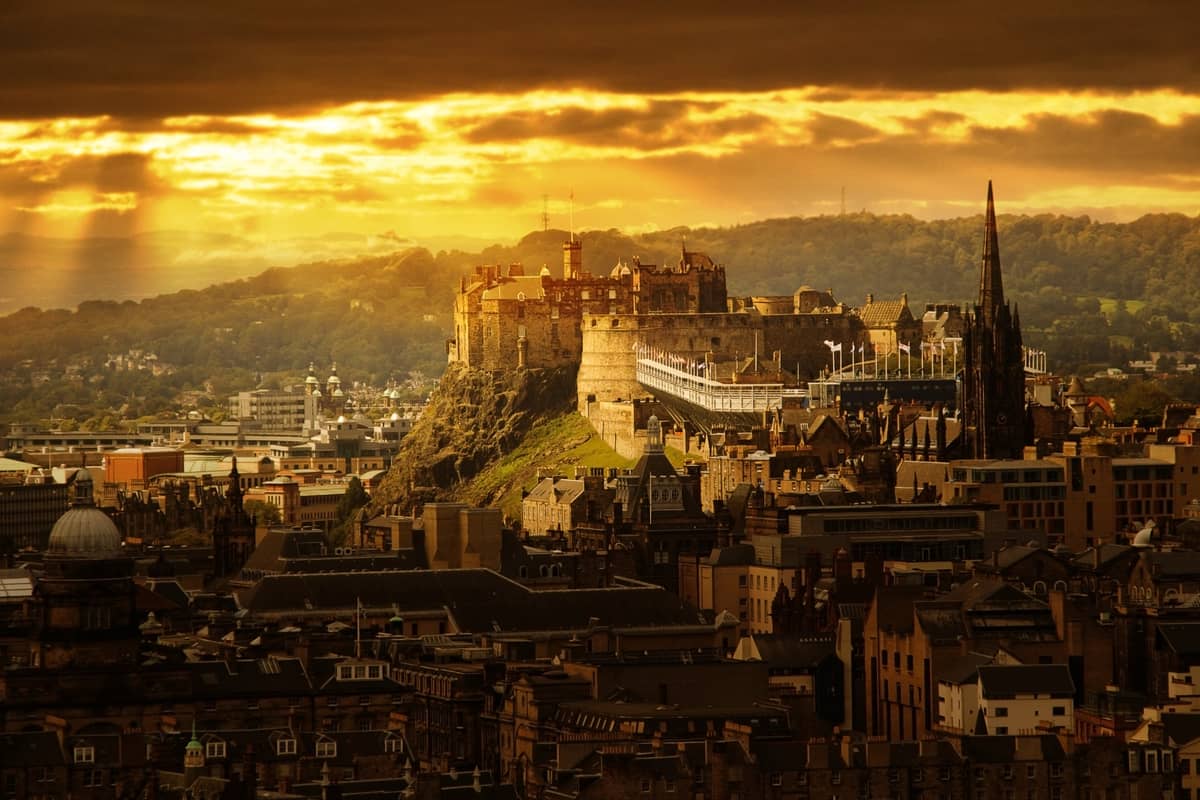
Edinburgh
Popular tourist sites in Edinburgh
-
Edinburgh Castle: Perched on Castle Rock, this iconic fortress dominates the skyline. Visitors can explore its historic buildings, learn about Scotland’s past and enjoy panoramic views across the city.
-
The Royal Mile: Stretching from Edinburgh Castle to Holyrood Palace, this historic street is lined with shops, pubs and landmarks. It’s the heart of the Old Town and full of atmosphere.
-
Arthur’s Seat: An ancient volcano offering one of the best viewpoints in the city. The hike is relatively accessible and rewards visitors with sweeping views over Edinburgh.
-
Holyrood Palace: The official residence of the monarch in Scotland, offering insight into royal history and beautifully maintained grounds.
-
National Museum of Scotland: A vast museum covering science, history, culture and innovation, making it one of the city’s most engaging attractions.
Off the beaten track in Edinburgh
-
Dean Village: A picturesque area along the Water of Leith, filled with historic buildings and peaceful walking routes just minutes from the city centre.
-
Water of Leith Walkway: A scenic riverside path connecting different parts of the city, offering a quieter way to explore Edinburgh.
-
Stockbridge: A charming neighbourhood known for its independent shops, cafes and Sunday market, popular with locals.
-
Calton Hill (sunrise): While popular, visiting early offers a quieter experience with incredible views and iconic monuments.
-
Dr Neil’s Garden: A hidden garden near Arthur’s Seat, offering a peaceful and beautifully maintained space away from the crowds.
Day trips from Edinburgh
- Scottish Highlands for dramatic landscapes
- St Andrews for coastal charm and golf
- Loch Lomond for lakes and scenery
- North Berwick for seaside views
Best time to visit Edinburgh
-
Spring: A quieter time with blooming parks and milder weather, ideal for exploring the city on foot.
-
Summer: Festival season brings the city to life, especially during the Edinburgh Fringe, though it can be very busy.
-
Autumn: Crisp air and fewer crowds make it perfect for a more relaxed visit with scenic surroundings.
-
Winter: Hogmanay celebrations and festive events create a unique and lively winter atmosphere.
How to get to Edinburgh
-
Car: Accessible via the A1 and M8, though driving in the city centre can be challenging.
-
Train: Direct rail connections from London, Manchester and other cities make it easy to reach.
-
Public Transport: Trams, buses and trains provide efficient travel within the city.
Some of our favourite Edinburgh stays
Glasgow
Popular tourist sites in Glasgow
-
Kelvingrove Art Gallery and Museum: One of Scotland’s most popular attractions, featuring a wide range of exhibits from art to natural history, all housed in an impressive red sandstone building.
-
Glasgow Cathedral: A striking medieval cathedral that offers insight into the city’s religious and architectural history.
-
Riverside Museum: A modern transport museum with interactive exhibits and a distinctive design, located along the River Clyde.
-
The West End: A vibrant area filled with cafes, shops and cultural attractions, offering a more relaxed and creative atmosphere.
-
The Necropolis: A Victorian cemetery set on a hill overlooking the city, known for its dramatic monuments and panoramic views.
Off the beaten track in Glasgow
-
Hidden Lane: A colourful courtyard of independent studios, shops and cafes tucked away in the West End, offering a creative and local feel.
-
Pollok Country Park: A large green space just outside the centre, home to woodland walks, gardens and the Burrell Collection.
-
Sharmanka Kinetic Theatre: A unique attraction featuring mechanical sculptures and moving artworks, offering a different kind of cultural experience.
-
The Barras Market: A historic market with a mix of vintage goods, street food and local character, popular with residents.
-
House for an Art Lover: Inspired by Charles Rennie Mackintosh, this lesser-known attraction combines architecture, design and peaceful surroundings.
Day trips from Glasgow
- Loch Lomond for lakes and scenery
- Isle of Arran for a mix of landscapes
- The Trossachs for walking and nature
- Ayrshire coast for seaside views
Best time to visit Glasgow
-
Spring: A fresh and lively time to visit, with parks and outdoor spaces becoming more inviting.
-
Summer: Festivals, music events and longer days create a vibrant atmosphere across the city.
-
Autumn: Cooler weather and a strong cultural calendar make it ideal for galleries and indoor attractions.
-
Winter: A cosy time to visit, with festive lights and a lively nightlife scene.
How to get to Glasgow
-
Car: Well connected via the M8 and M74, making it accessible from across Scotland and northern England.
-
Train: Direct rail services from London, Edinburgh and other major cities make Glasgow easy to reach.
-
Public Transport: The subway, buses and trains provide efficient travel across the city.
Some of our favourite properties in Glasgow
Some of the best UK city breaks include London for iconic landmarks, Manchester for culture and nightlife, Edinburgh for history and scenery, and Brighton for a coastal escape. Cities like Bristol, Bath and Liverpool also offer unique character and plenty to explore.
Most UK city breaks can be enjoyed in 2–3 days, which is ideal for seeing key attractions, trying local food and exploring different neighbourhoods. Larger cities like London may benefit from a longer stay.
Spring and autumn are often the best times to visit, with mild weather and fewer crowds. Summer is great for events and atmosphere, while winter offers festive markets and cosy experiences.
UK city breaks can suit a range of budgets. While cities like London can be expensive, there are plenty of affordable accommodation options, free attractions and budget-friendly dining choices across all cities.
London, Edinburgh, Liverpool and Manchester are particularly strong for museums and cultural attractions, offering everything from world-class galleries to niche and local exhibitions.
You can find a wide range of unique urban stays, including boutique hotels, stylish apartments, historic townhouses, bed and breakfasts and even houseboats in cities like London and Liverpool.
Yes, UK cities offer plenty for couples, from romantic walks and cosy restaurants to cultural experiences and scenic viewpoints, making them ideal for weekend getaways.
London, Manchester, Bristol and Birmingham are known for their diverse and exciting food scenes, with everything from street food markets to fine dining restaurants.
Yes, one of the best things about UK city breaks is the easy access to countryside, coast and historic towns. Many cities are well connected, making day trips simple and convenient.
Trains are usually the fastest and most convenient way to travel between UK cities, with frequent connections. Driving is also an option, especially for exploring surrounding areas and countryside.