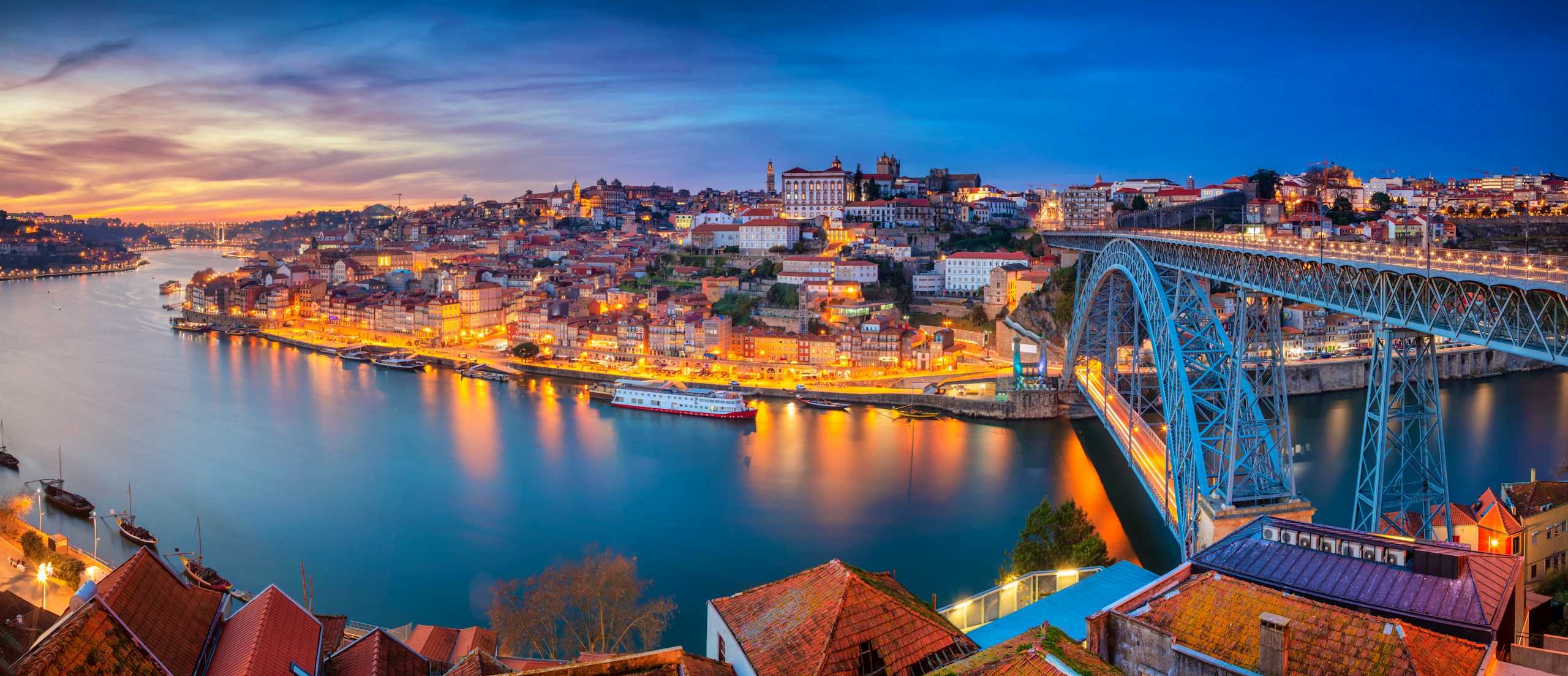
Nine European city breaks you can reach by train from London
Published 1st May 2026
Click on these links to jump to specific sections:
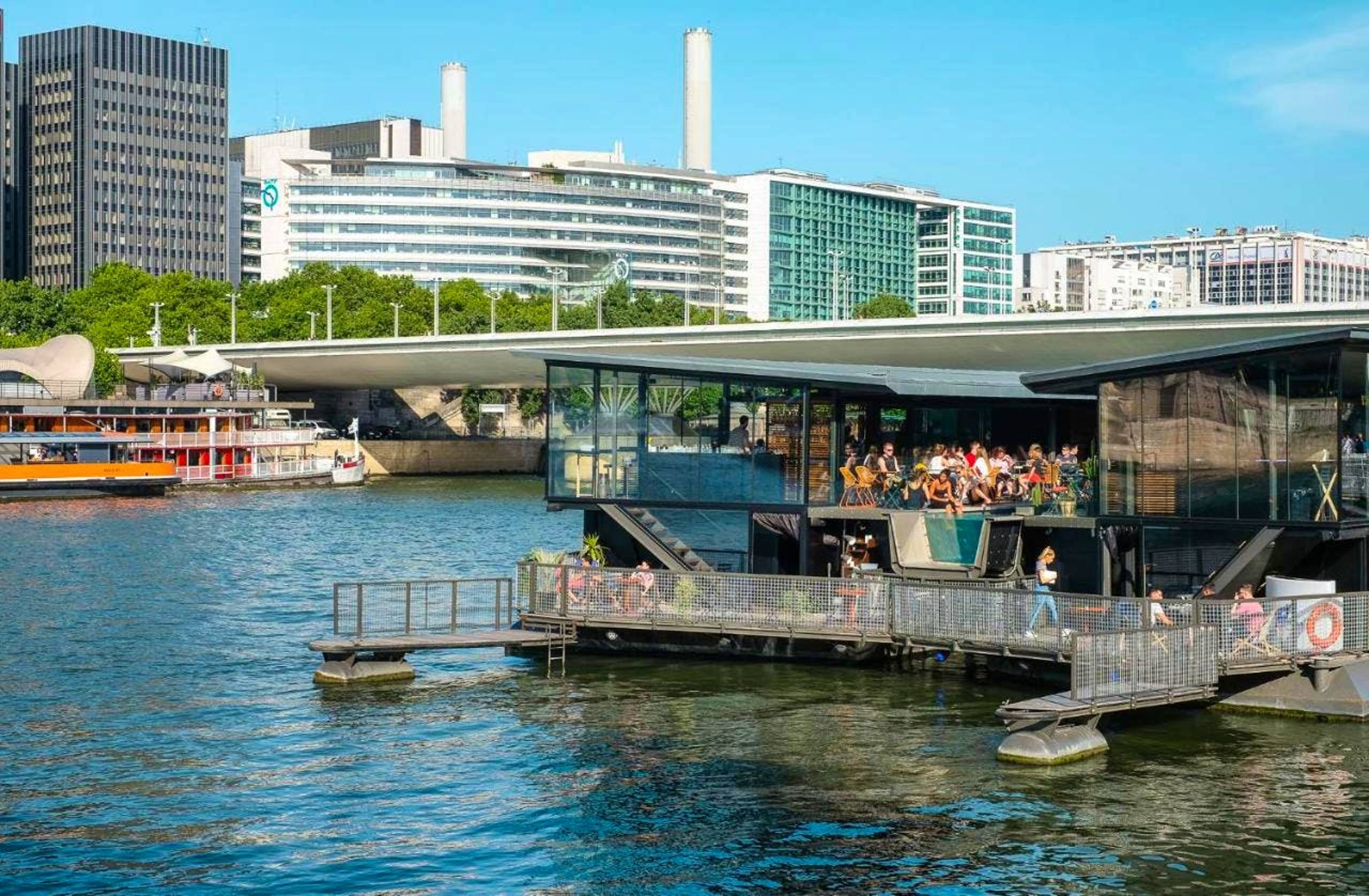
Paris, France
Paris is one of those rare cities that lives up to every cliché — and then quietly exceeds it. Arriving by train from London only adds to the romance, with the Eurostar delivering you straight into the heart of the city at Gare du Nord in just over two hours. From there, it’s all grand boulevards, elegant Haussmann architecture and café-lined streets. Whether you’re planning a first Paris city break or returning for another weekend, there’s always something new to uncover — from hidden wine bars in Le Marais to peaceful corners along the Seine. It’s a city made for wandering, lingering and indulging, where even the simplest moments feel cinematic.
- Direct Eurostar from London: Trains run from London St Pancras International to Paris Gare du Nord in around 2h 20m, with multiple departures daily.
- City centre to city centre: Both stations are centrally located, making it one of the easiest and most convenient ways to travel to Paris.
- No airport hassle: Skip long security lines and baggage waits — arrive, step off the train and start exploring immediately.
- Flexible ticket options: Choose from standard, plus and business premier classes, with fares often cheaper when booked in advance.
- Easy onward travel: From Gare du Nord, connect quickly to the Metro, RER trains or taxis to reach neighbourhoods across Paris.
- Easy train access from London: The Eurostar makes Paris one of the easiest European city breaks, with direct journeys into Gare du Nord in around 2h 20m.
- Iconic landmarks everywhere: From the Eiffel Tower to Notre-Dame and Sacré-Cœur, world-famous sights are woven into everyday life.
- Incredible food scene: Bakeries, bistros and Michelin-starred restaurants make Paris one of the best food cities in Europe.
- Neighbourhood variety: Explore the charm of Montmartre, the elegance of Saint-Germain-des-Prés and the buzz of Canal Saint-Martin.
- Year-round appeal: Paris works in every season, whether it’s spring picnics or winter markets.
- See the Eiffel Tower: Visit one of the most famous landmarks in the world, or admire it sparkling at night from Trocadéro.
- Visit the Louvre Museum: One of the largest museums in the world, home to the Mona Lisa and countless masterpieces.
- Walk along the River Seine: Stroll past historic bridges and bouquinistes, especially beautiful at sunset.
- Explore Montmartre and Sacré-Cœur: A hilltop neighbourhood with artistic history and panoramic city views.
- Discover Musée d’Orsay: A must-visit Paris museum for Impressionist art, set inside a stunning former railway station.
- Wander Canal Saint-Martin: A local favourite for relaxed walks, waterside cafés and boutique shopping.
- Visit the Promenade Plantée (Coulée Verte): An elevated park built on a former railway line, often called Paris’s answer to the High Line.
- Explore covered passages: Hidden shopping arcades like Passage des Panoramas offer a glimpse of old Paris.
- Browse Marché des Enfants Rouges: The oldest covered market in Paris, perfect for casual street food and local flavours.
- Discover the Musée de la Vie Romantique: A peaceful, lesser-known museum with a pretty garden café in the 9th arrondissement.
- Spring (March–May): One of the best times for a Paris city break, with blooming gardens and perfect weather for sightseeing.
- Summer (June–August): Long days and warm evenings are ideal for Seine walks, outdoor dining and festivals.
- Autumn (September–November): Fewer crowds, golden light and a more relaxed atmosphere make this a great time to visit Paris.
- Winter (December–February): Christmas markets, festive lights and quieter attractions give the city a magical feel.
Some of our favourite Paris stays
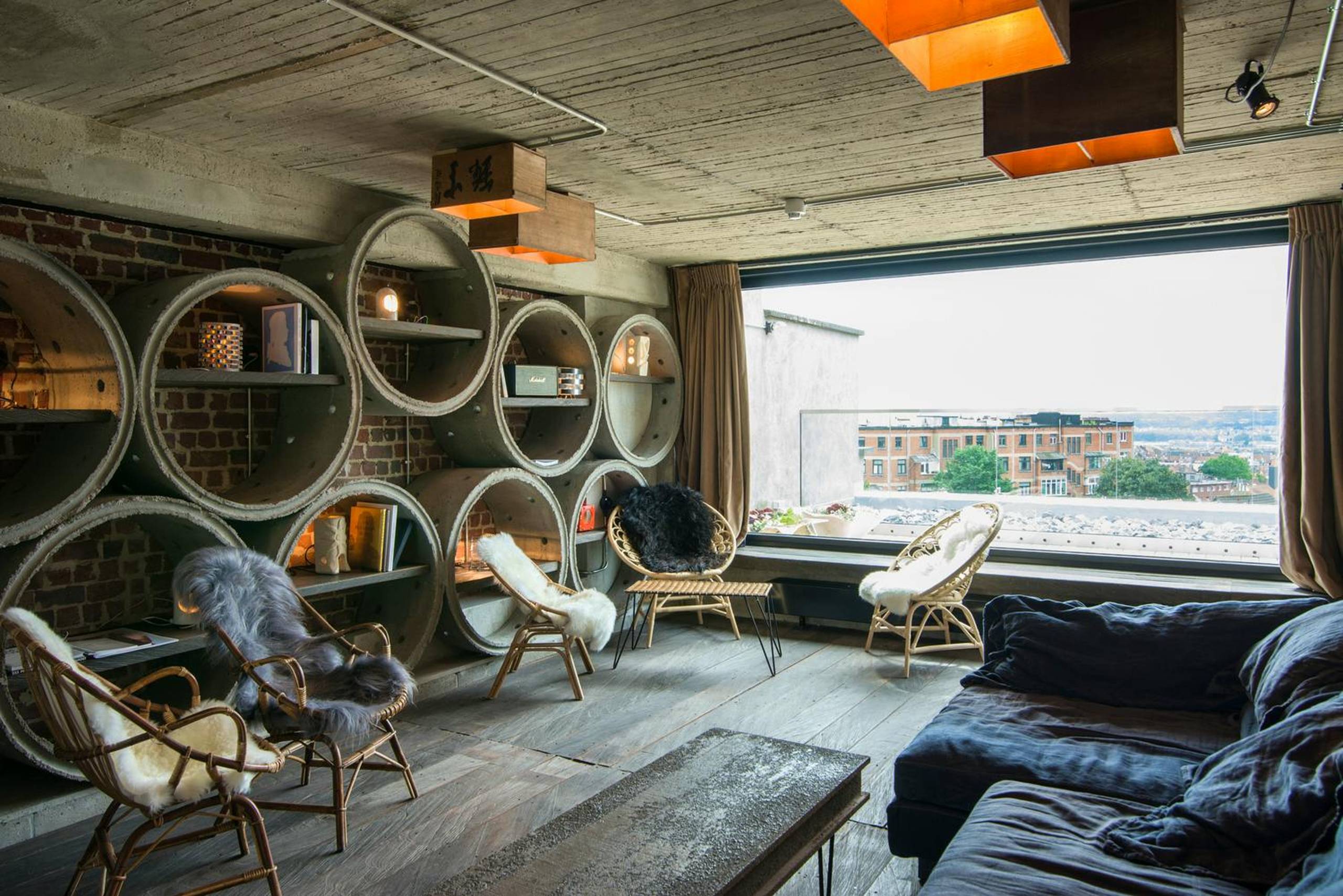
Brussels, Belgium
Brussels is often overlooked in favour of its more famous neighbours, but that’s exactly part of its charm. Arriving by train from London in just two hours, you’re dropped straight into a city of ornate guild houses, grand squares and a quietly creative energy. It’s a place where elegant architecture meets comic book culture, ???? long lunches spill into lively evenings and some of Europe’s best food and beer are simply part of daily life. For a relaxed, flavour-filled city break with a slightly offbeat edge, Brussels delivers.
- Direct Eurostar from London: Trains run from London St Pancras International to Brussels Midi/Zuid in around 2 hours, with frequent daily departures.
- Quick and convenient: One of the fastest international train routes from London, ideal for a short weekend break.
- City centre arrival: Brussels Midi is well connected to the Metro, trams and taxis, making it easy to reach the city centre in minutes.
- No airport queues: Skip the hassle of flying and arrive relaxed, right in the heart of Belgium’s capital.
- Great onward connections: Brussels is a major rail hub, with easy links to Bruges, Ghent and Antwerp.
- Easy access from London: One of the quickest European city breaks by train, perfect for a spontaneous getaway.
- Striking architecture: The Grand Place is one of the most beautiful squares in Europe, surrounded by ornate historic buildings.
- Food and drink culture: Famous for waffles, chocolate, frites and an incredible range of Belgian beers.
- Quirky personality: Comic book murals, surreal art and a slightly eccentric edge give Brussels real character.
- Compact and walkable: Many of the main sights are within easy walking distance of each other.
- Visit the Grand Place: A UNESCO World Heritage site and the city’s showstopping central square.
- See Manneken Pis: Brussels’ famously cheeky statue, often dressed in different costumes.
- Explore the Royal Galleries of Saint Hubert: Beautiful covered arcades filled with shops, cafés and chocolate boutiques.
- Tour the Atomium: A futuristic landmark offering exhibitions and panoramic views of the city.
- Sample Belgian chocolate and beer: Visit local chocolatiers and traditional bars to experience the city’s best flavours.
- Follow the comic strip trail: Discover colourful murals dedicated to Tintin and other Belgian comic icons throughout the city.
- Visit the Magritte Museum: Dive into the surreal world of Belgium’s most famous artist.
- Explore Saint-Gilles: A lesser-known neighbourhood full of Art Nouveau buildings, cafés and local life.
- Browse local markets: Head to places like Place du Jeu de Balle for antiques, vintage finds and a lively atmosphere.
- Relax in Parc du Cinquantenaire: A spacious park with grand arches, perfect for a peaceful break from the city streets.
- Spring (March–May): Mild weather and blooming parks make it a lovely time to explore the city on foot.
- Summer (June–August): Festivals, outdoor cafés and longer days bring a lively atmosphere to the city.
- Autumn (September–November): Cooler temperatures and fewer crowds are ideal for museum visits and cosy dining.
- Winter (December–February): Christmas markets, festive lights and warming food make Brussels especially charming.
Some of our favourite Brussels stays
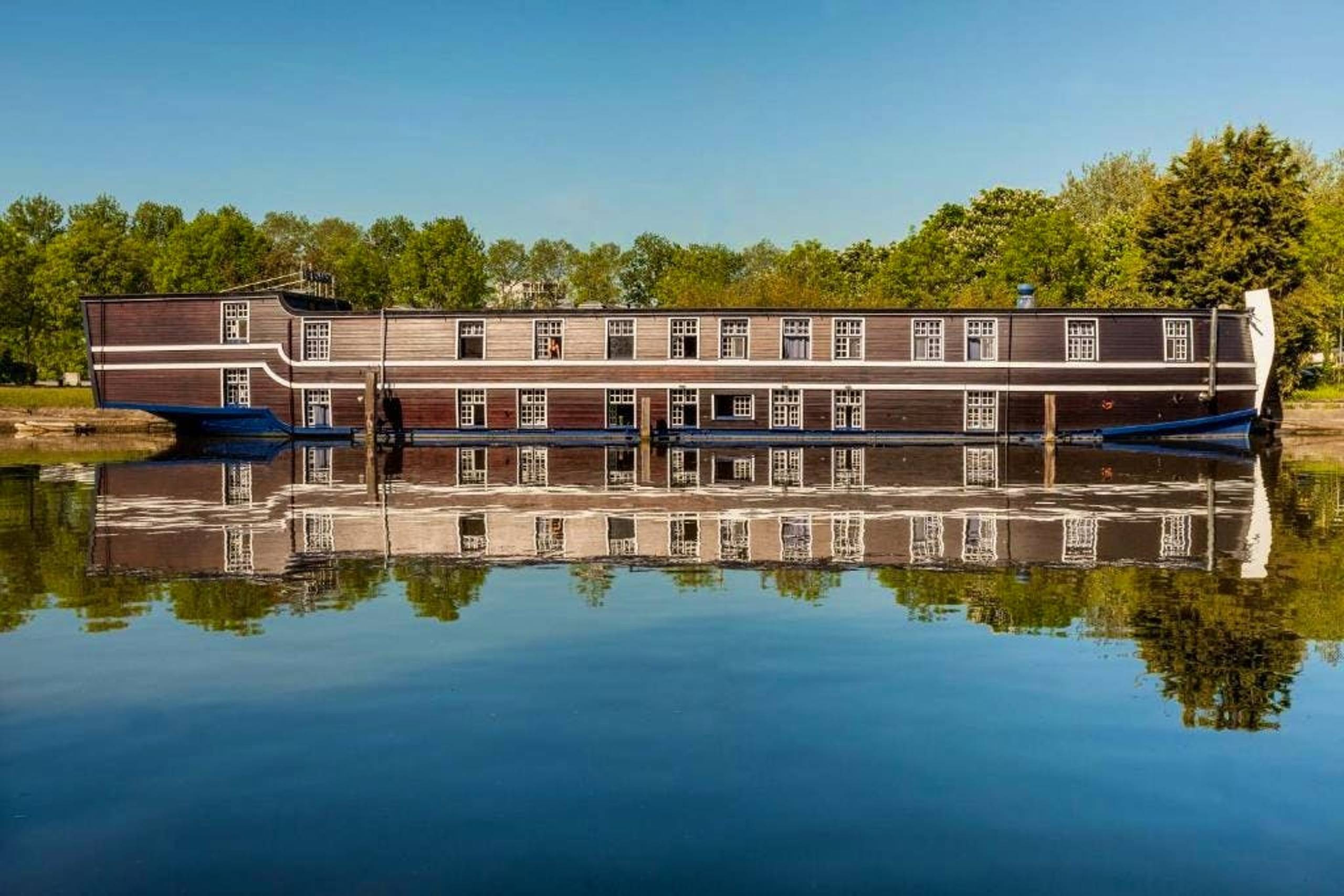
Bruges, Belgium
Bruges feels like stepping straight into a fairytale. Just a short journey from London by train, this perfectly preserved medieval city is all cobbled streets, winding canals and gabled houses reflected in still water. It’s slower, quieter and more intimate than Brussels, making it ideal for a romantic weekend or a gentle escape from city life. Think horse-drawn carriages, cosy cafés and evenings spent wandering lantern-lit lanes — Bruges is pure storybook magic, with just enough buzz to keep things interesting.
- Eurostar + easy connection: Take the Eurostar from London St Pancras to Brussels Midi (around 2 hours), then a direct train to Bruges in just under 1 hour.
- Simple and seamless journey: Connections in Brussels are straightforward, with frequent onward trains to Bruges.
- Arrive close to the centre: Bruges station is just a short walk or quick bus ride from the historic old town.
- No airport stress: Travel city centre to city centre without long queues or baggage waits.
- Ideal for a weekend break: The short total journey time makes Bruges perfect for a quick and easy escape.
- Fairytale setting: Canals, medieval buildings and cobbled lanes create one of the most picturesque cities in Europe.
- Perfectly walkable: The compact historic centre is ideal for slow wandering and getting lost.
- Romantic atmosphere: Quiet streets, horse-drawn carriages and candlelit restaurants set the mood.
- Great food and drink: Belgian beer, rich stews, waffles and chocolate are all part of the experience.
- Relaxed pace: Bruges is all about slowing down and soaking up the surroundings.
- Climb the Belfry of Bruges: Take in panoramic views over the rooftops after climbing its famous tower.
- Take a canal boat tour: See the city from the water, gliding past historic houses and low bridges.
- Visit Markt Square: The lively central square, surrounded by colourful buildings and cafés.
- Explore the Basilica of the Holy Blood: A unique and historic church said to house a sacred relic.
- Discover Groeningemuseum: A must for art lovers, showcasing Flemish masterpieces.
- Walk the city ramparts: Follow the quieter outer canals for peaceful views away from the crowds.
- Visit Sint-Anna Quarter: A charming, lesser-visited neighbourhood with windmills and local life.
- Explore Begijnhof: A serene courtyard of whitewashed houses, offering a calm escape.
- Browse local chocolate shops: Skip the big names and seek out smaller artisan chocolatiers.
- Cycle into the countryside: Rent a bike and explore the flat Flemish landscapes just beyond the city.
- Spring (March–May): Flowers bloom along the canals and the city feels fresh and uncrowded.
- Summer (June–August): Lively and vibrant, with long days perfect for boat trips and outdoor dining.
- Autumn (September–November): A quieter, moodier time with golden tones and cosy cafés.
- Winter (December–February): Christmas markets and festive lights make Bruges feel especially magical.
Some of our favourite Bruges stays
Amsterdam, Netherlands
Amsterdam is one of Europe’s most effortlessly cool city breaks — a place where historic charm meets a laid-back, creative spirit. Arriving by train from London feels almost surreal, stepping straight into a world of canals, gabled townhouses and bike-filled streets. It’s a city best explored slowly: mornings spent wandering waterside neighbourhoods, afternoons in world-class museums, and evenings drifting between cosy bars and candlelit restaurants. Whether you’re here for culture, nightlife or simply the atmosphere, Amsterdam has a way of making you feel instantly at home.
- Direct Eurostar from London: Trains run from London St Pancras International to Amsterdam Centraal in around 4 hours, with direct services available.
- City centre arrival: Amsterdam Centraal is right in the heart of the city, making it easy to start exploring immediately.
- Comfortable and scenic journey: Sit back and relax as you travel through the English countryside, Belgium and the Netherlands.
- No airport hassle: Avoid security queues and long transfers — just board and go.
- Simple return journey: Return trains may require a quick change in Brussels, depending on the service.
- Iconic canals and architecture: The city’s UNESCO-listed canal ring is endlessly beautiful, especially at sunrise and sunset.
- Cycling culture: Bikes rule the streets, giving the city a relaxed, eco-friendly feel.
- World-class museums: From the Rijksmuseum to the Van Gogh Museum, culture lovers are spoilt for choice.
- Vibrant neighbourhoods: Explore Jordaan’s indie boutiques, De Pijp’s food scene and the creative energy of Amsterdam Noord.
- Laid-back atmosphere: There’s a sense of ease here — perfect for slow, enjoyable city breaks.
- Take a canal cruise: One of the best ways to see the city, drifting past historic houses and bridges.
- Visit the Anne Frank House: A powerful and moving insight into history, and one of Amsterdam’s most important sites.
- Explore the Rijksmuseum: Home to Dutch masterpieces, including works by Rembrandt and Vermeer.
- Wander the Jordaan district: A picturesque neighbourhood filled with cafés, galleries and boutique shops.
- Visit the Van Gogh Museum: Discover the life and work of one of the world’s most famous artists.
- Explore Amsterdam Noord: Catch the free ferry across the IJ for street art, creative spaces and waterside hangouts.
- Visit NDSM Wharf: A former shipyard turned cultural hub with markets, events and bold urban art.
- Discover De Hallen: A stylish indoor food hall and cinema set in a converted tram depot.
- Cycle through Vondelpark at sunrise: Experience the city at its calmest, alongside locals starting their day.
- Browse local markets: Head to Albert Cuyp Market for street food, vintage finds and a lively atmosphere.
- Spring (March–May): One of the best times to visit, with tulips in bloom and mild weather for exploring.
- Summer (June–August): Long days and a lively atmosphere, perfect for canal-side drinks and outdoor events.
- Autumn (September–November): Fewer crowds, golden leaves and a cosy, relaxed vibe.
- Winter (December–February): Festive lights, quieter streets and the chance to see frozen canals in colder spells.
Some of our favourite Amsterdam stays
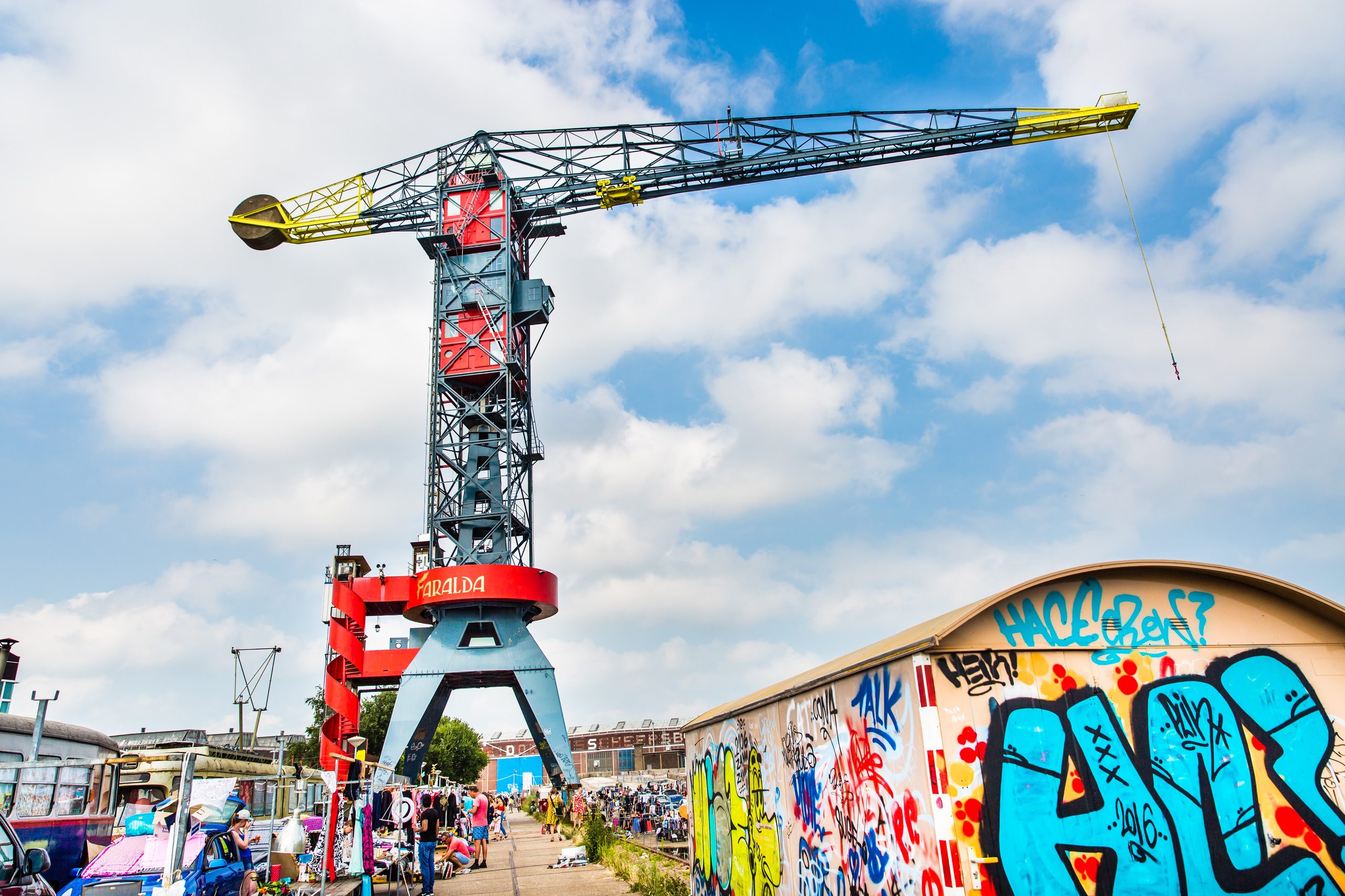
Crane Hotel Faralda
Amsterdam
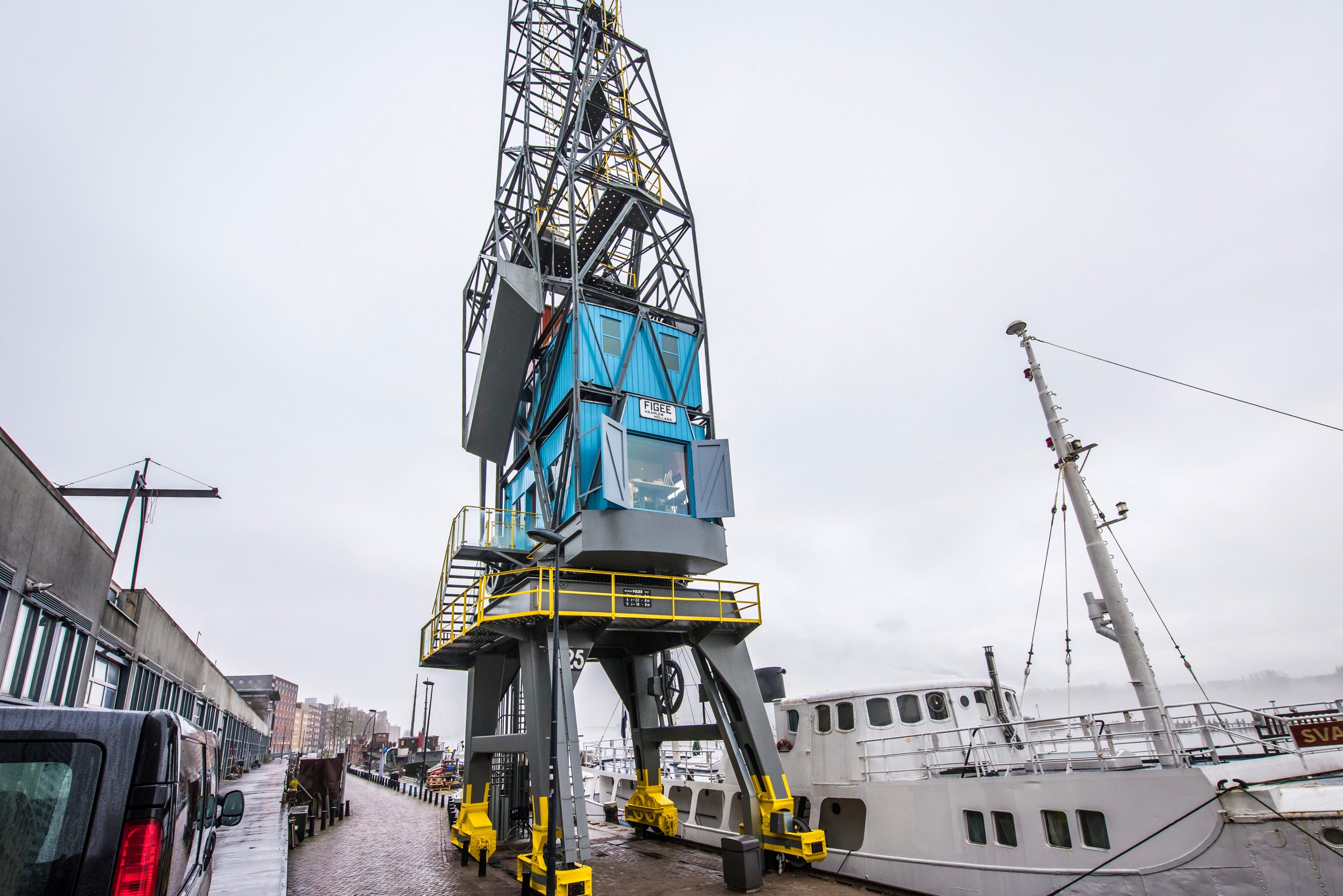
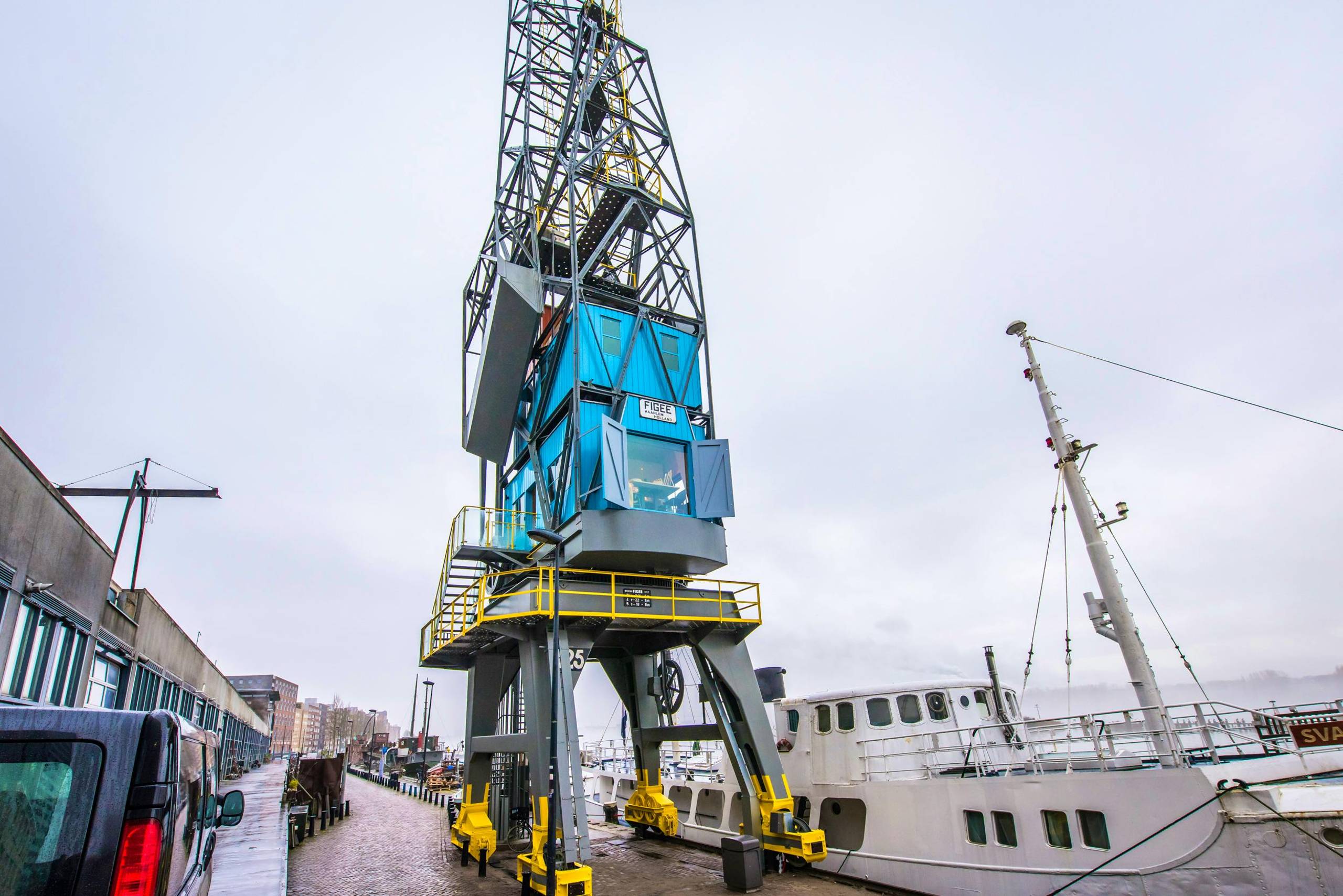
Amsterdam the Crane by YAYS
Amsterdam
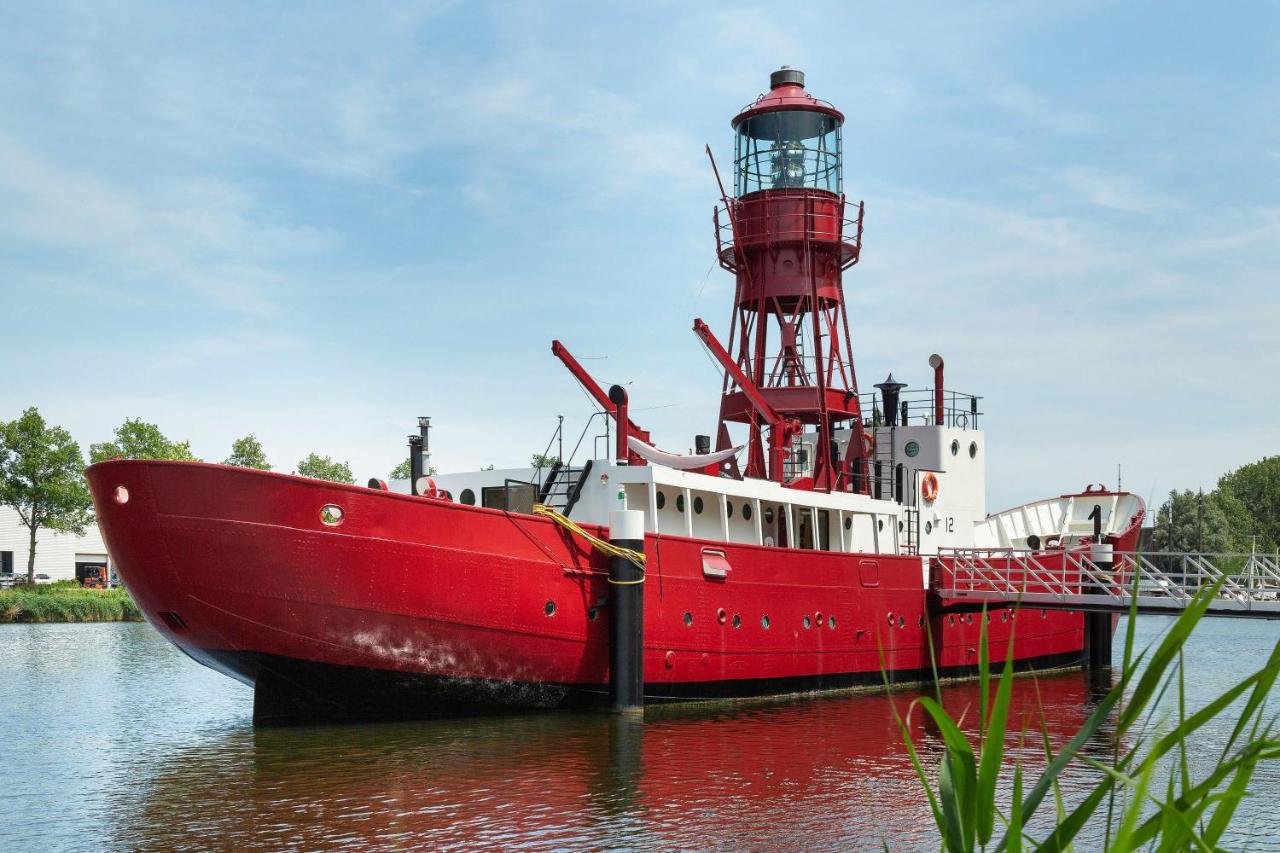
Lightship Amsterdam
Amsterdam
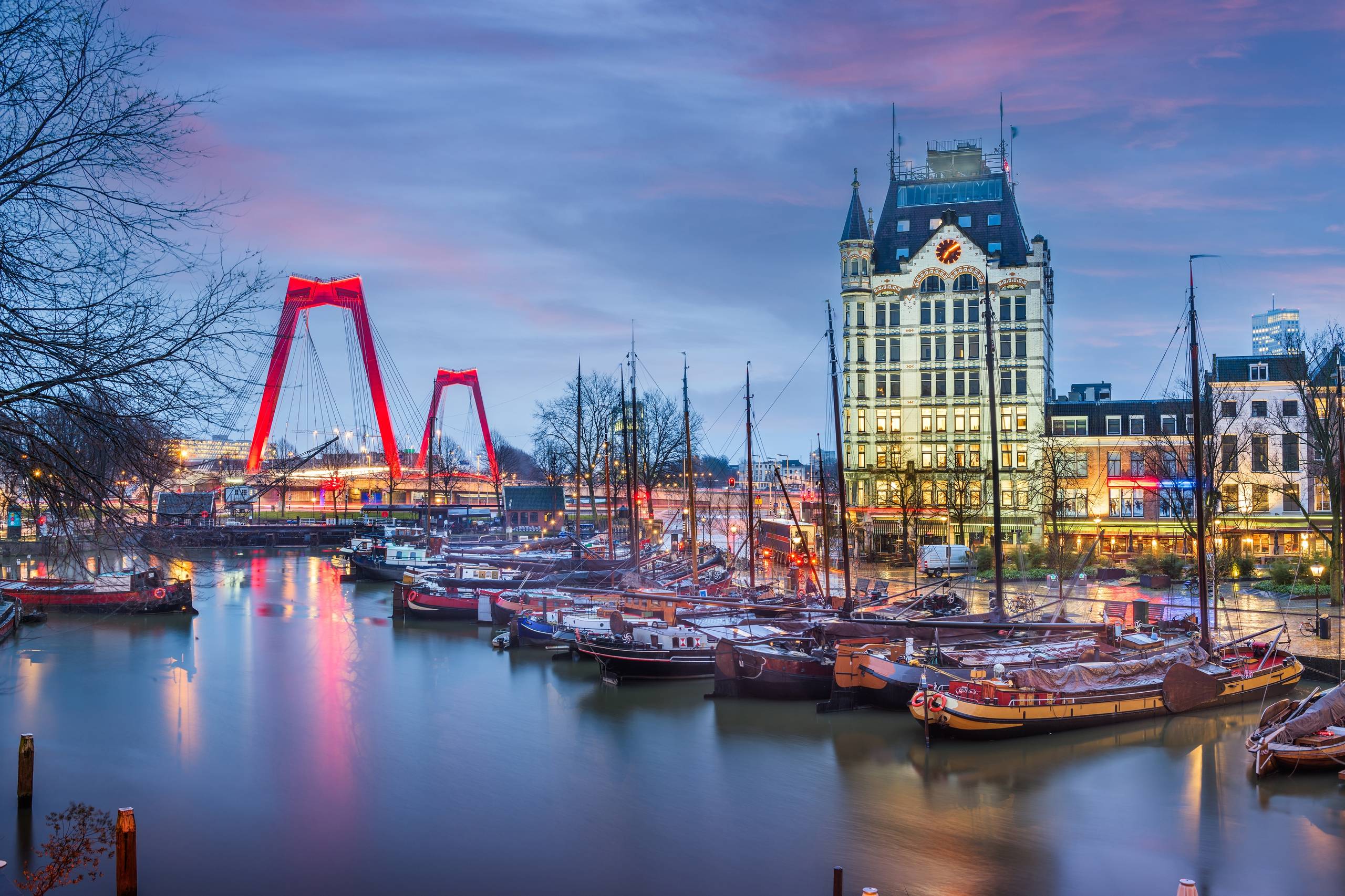
Rotterdam, Netherlands
Rotterdam is a completely different take on the Dutch city break — bold, modern and full of creative energy. Rebuilt after World War II, it’s a place of striking architecture, cutting-edge design and a thriving cultural scene. Arriving by train from London, you’ll step into a city that feels fresh and forward-thinking, with dramatic skylines, buzzing food halls and a dynamic waterfront. It’s less about postcard perfection and more about innovation, making Rotterdam a brilliant choice for something a little different.
- Eurostar + quick connection: Take the Eurostar from London St Pancras to Brussels (around 2 hours), then a fast train to Rotterdam in just over 1 hour.
- Easy transfer in Brussels: Connections are simple, with frequent services running throughout the day.
- Central arrival: Rotterdam Centraal is right in the city, within walking distance or a short tram ride from key areas.
- Comfortable journey: Travel smoothly between countries without airport delays or long check-ins.
- Great for multi-city trips: Easily combine Rotterdam with Amsterdam, The Hague or Antwerp by rail.
- Striking modern architecture: From cube houses to soaring skyscrapers, it’s one of Europe’s most design-led cities.
- Creative vibe: Art, fashion and innovation are woven into everyday life here.
- Foodie destination: Trendy food halls like Markthal and a diverse dining scene make it a great place to eat.
- Waterfront setting: The River Maas gives the city an open, expansive feel with great views.
- Less crowded than Amsterdam: A more local, laid-back atmosphere with fewer tourists.
- Visit the Markthal: A huge indoor food market with stalls, restaurants and a spectacular ceiling mural.
- See the Cube Houses (Kubuswoningen): One of Rotterdam’s most famous architectural landmarks.
- Climb the Euromast Tower: For panoramic views over the city and surrounding waterways.
- Explore the Erasmus Bridge: An iconic modern structure connecting different parts of the city.
- Take a harbour tour: Discover one of Europe’s largest ports from the water.
- Explore Katendrecht: A revitalised dockside neighbourhood with cool cafés, bars and creative spaces.
- Visit Fenix Food Factory: A smaller, local alternative to Markthal with artisan producers and a relaxed vibe.
- Cycle along the Maas: Follow riverside paths for a different perspective on the city.
- Discover street art in Witte de Withstraat: A lively cultural street filled with galleries, murals and nightlife.
- Take a water taxi: A fun and unique way to get around the city via its waterways.
- Spring (March–May): Mild weather and fewer crowds make it ideal for exploring on foot or by bike.
- Summer (June–August): Festivals, outdoor dining and long days bring the city to life.
- Autumn (September–November): A quieter season with a creative, cosy atmosphere.
- Winter (December–February): Crisp days, festive markets and a more relaxed pace across the city.
Some of our favourite Rotterdam stays
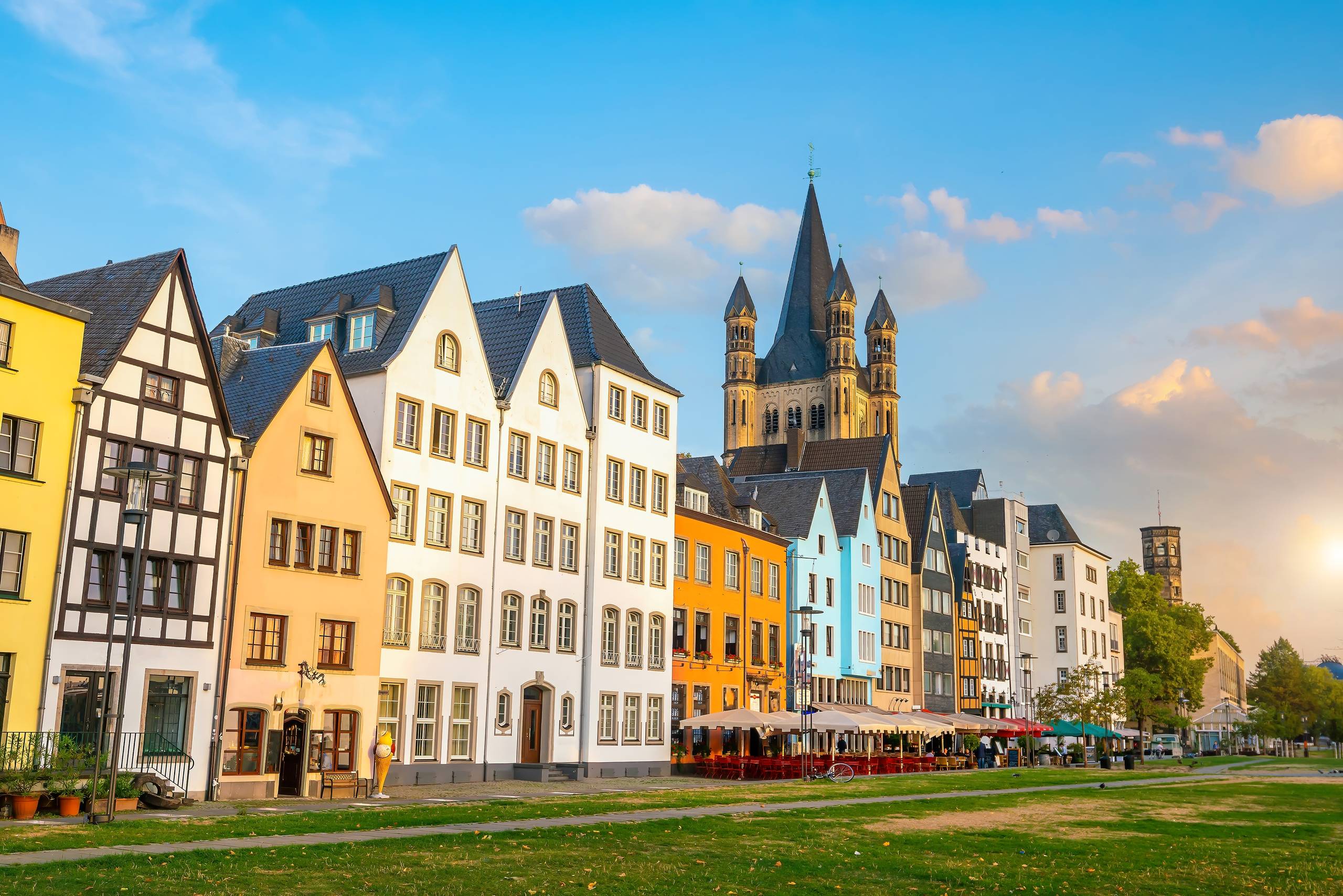
Cologne, Germany
Cologne is one of those cities that quietly wins you over. Arriving by train from London, you’re greeted by the dramatic sight of Cologne Cathedral rising above the Rhine — a landmark so striking it sets the tone for the whole trip. But beyond the Gothic grandeur, Cologne has a warm, welcoming feel, with lively beer halls, riverside walks and a down-to-earth energy that makes it easy to settle in. It’s a city that blends history with a relaxed, local vibe — perfect for an easy, culture-filled escape.
- Eurostar + high-speed connection: Take the Eurostar from London St Pancras to Brussels (around 2 hours), then a direct ICE train to Cologne in approximately 2 hours.
- Smooth connections in Brussels: The transfer is simple, with frequent high-speed trains running to Cologne throughout the day.
- Central arrival point: Cologne Hauptbahnhof (main station) is right next to the cathedral and within walking distance of the old town.
- Comfortable long-distance travel: Spacious trains and scenic routes make the journey part of the experience.
- Ideal for multi-stop trips: Easily combine Cologne with other German cities like Düsseldorf or Frankfurt by rail.
- Iconic cathedral setting: Cologne Cathedral (Kölner Dom) dominates the skyline and is one of Europe’s most impressive landmarks.
- Lively beer culture: Traditional brewhouses serve Kölsch beer in a fun, sociable atmosphere.
- Riverside charm: The Rhine adds a scenic backdrop, perfect for walks and relaxed evenings.
- Friendly, local feel: Less polished than some cities, but full of personality and warmth.
- Great base for exploring: Well connected to other cities in western Germany and beyond.
- Visit Cologne Cathedral: Climb the tower for incredible views and explore this UNESCO World Heritage site.
- Walk along the Rhine promenade: Enjoy riverside views, especially at sunset.
- Explore the Old Town (Altstadt): Colourful houses, cobbled streets and plenty of traditional pubs.
- Tour a Kölsch brewery: Experience the city’s unique beer culture in places like Früh or Gaffel.
- Visit Museum Ludwig: A top modern art museum with works by Picasso, Warhol and more.
- Explore the Belgian Quarter: A trendy neighbourhood full of independent shops, cafés and bars.
- Visit Flora und Botanischer Garten: A peaceful green space with beautifully maintained gardens.
- Discover Ehrenfeld: A creative district known for street art, live music and a youthful vibe.
- Walk across Hohenzollern Bridge: Famous for its love locks and great views back towards the cathedral.
- Browse local markets: Seasonal and weekly markets offer food, crafts and a glimpse into local life.
- Spring (March–May): Mild weather and blooming parks make it a great time for sightseeing.
- Summer (June–August): Warm days are perfect for riverside walks, beer gardens and outdoor events.
- Autumn (September–November): Fewer tourists and a relaxed atmosphere, ideal for exploring museums and neighbourhoods.
- Winter (December–February): Famous Christmas markets transform the city into a festive destination.
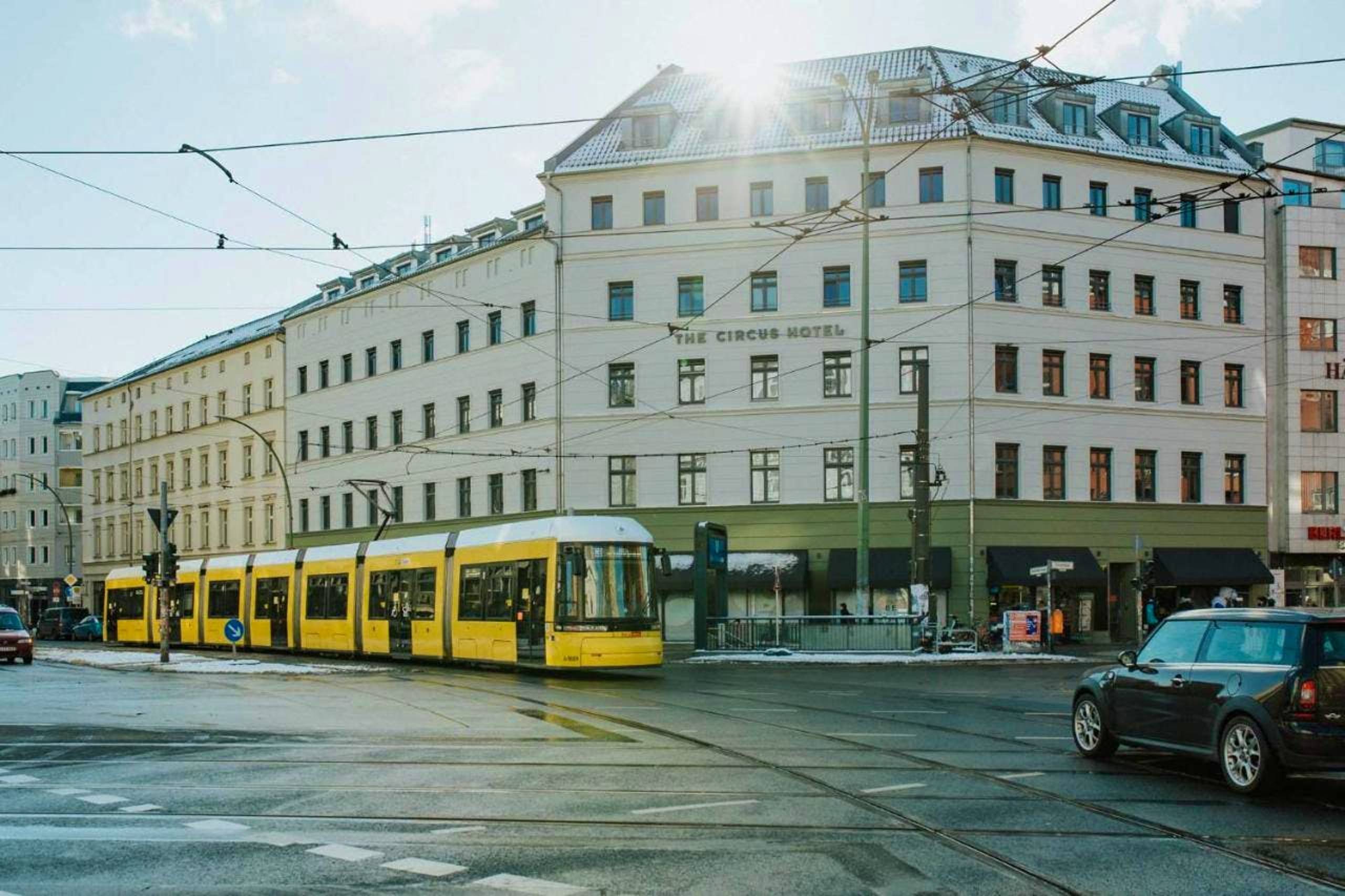
Berlin, Germany
Berlin is a city that constantly reinvents itself — raw, creative and full of contrasts. Arriving by train from London feels like stepping into a place where history and modern culture collide, from remnants of the Berlin Wall to cutting-edge galleries and legendary nightlife. It’s not polished in the traditional sense, but that’s exactly the appeal. Berlin is all about freedom, expression and discovery — whether you’re exploring its neighbourhoods, diving into its past or just soaking up its effortlessly cool atmosphere.
- Eurostar + high-speed connections: Take the Eurostar from London St Pancras to Brussels (around 2 hours), then connect to an ICE train to Berlin, with total journey times of around 7–8 hours.
- Simple changes en route: Typically one change in Brussels and sometimes another in Cologne, with smooth, well-timed connections.
- Central arrival: Berlin Hauptbahnhof (main station) is centrally located with excellent transport links across the city.
- Relaxed long-distance travel: Spacious trains, onboard dining and scenic routes make the journey part of the experience.
- Ideal for slow travel: A great option for those looking to avoid flying and enjoy the journey across Europe.
- Rich, layered history: From the Berlin Wall to Brandenburg Gate, the city’s past is visible everywhere.
- Creative energy: A global hub for art, music and design, with an ever-evolving cultural scene.
- Diverse neighbourhoods: Each district has its own personality, from trendy Kreuzberg to elegant Charlottenburg.
- Legendary nightlife: From underground clubs to laid-back bars, Berlin’s nightlife is world-famous.
- Green and spacious: Parks, lakes and wide boulevards give the city a surprisingly open feel.
- Visit the Brandenburg Gate: One of Germany’s most iconic landmarks and a symbol of unity.
- Explore the Berlin Wall Memorial: A powerful site that tells the story of the city’s division and reunification.
- Walk through Museum Island: A UNESCO-listed complex of world-class museums.
- See the Reichstag Building: Visit the glass dome for panoramic views over the city.
- Stroll through Tiergarten: Berlin’s central park, perfect for a break from sightseeing.
- Explore Tempelhofer Feld: A former airport turned vast public park, popular for cycling and picnics.
- Discover RAW Gelände: A gritty cultural complex filled with street art, bars and markets.
- Visit Teufelsberg: An abandoned Cold War listening station with incredible views and urban art.
- Wander through Prenzlauer Berg side streets: Quiet, leafy avenues with independent cafés and boutiques.
- Swim in one of Berlin’s lakes: Head to places like Wannsee for a refreshing escape from the city.
- Spring (March–May): Blossoming parks and mild weather make it a great time to explore on foot or by bike.
- Summer (June–August): Festivals, open-air events and lakeside days bring the city to life.
- Autumn (September–November): Fewer crowds and a more relaxed pace, with golden colours across the parks.
- Winter (December–February): Christmas markets, cosy bars and a moody atmosphere define the colder months.
Some of our favourite Berlin stays
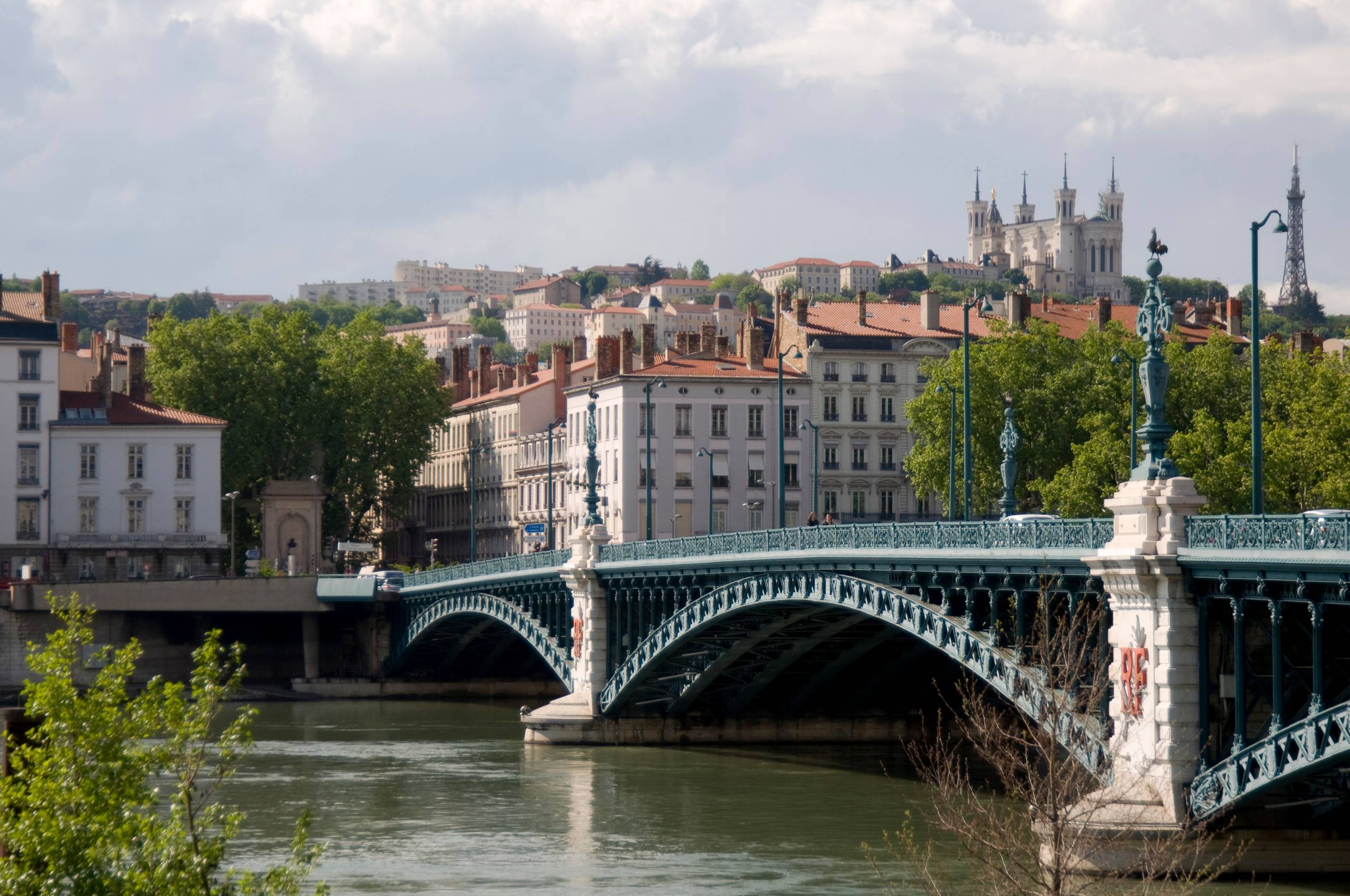
Lyon, France
Lyon is one of France’s best-kept secrets — a city that blends grand architecture, riverside beauty and a world-famous food scene without the crowds of Paris. Arriving by train from London via Paris, you’re rewarded with a destination that feels both elegant and refreshingly authentic. Set between the Rhône and Saône rivers, Lyon is made for wandering, from its Renaissance old town to its sunlit squares and hidden passageways. It’s a place to slow down, eat incredibly well and soak up a distinctly French atmosphere that feels a little more local, a little more lived-in.
- Eurostar + TGV connection: Take the Eurostar from London St Pancras to Paris Gare du Nord (around 2h 20m), then transfer to a high-speed TGV train to Lyon in around 2 hours.
- Easy transfer in Paris: A short Metro or taxi ride connects Gare du Nord to Gare de Lyon for onward trains.
- Fast total journey time: You can reach Lyon in around 5 hours overall, making it a viable long weekend destination.
- Arrive in the city centre: Lyon Part-Dieu and Lyon Perrache stations are both well connected to the city.
- Comfortable high-speed travel: Smooth, spacious trains make the journey relaxed and enjoyable.
- Food capital of France: Famous for its traditional bouchons, markets and incredible regional cuisine.
- Beautiful old town: Vieux Lyon is a UNESCO-listed maze of Renaissance streets and hidden traboules.
- Riverside setting: The Rhône and Saône create scenic walks, bridges and waterside dining spots.
- Authentic French feel: Less touristy than Paris, with a more relaxed, local atmosphere.
- Cultural richness: Museums, galleries and festivals bring the city to life year-round.
- Explore Vieux Lyon: Wander cobbled streets, pastel buildings and hidden passageways in the old town.
- Visit Basilica of Notre-Dame de Fourvière: Climb or take the funicular for panoramic views over the city.
- Dine in a traditional bouchon: Experience Lyonnaise cuisine in one of the city’s iconic eateries.
- Walk along the rivers: Stroll the banks of the Rhône and Saône, especially at sunset.
- Visit Les Halles de Lyon Paul Bocuse: A legendary indoor food market packed with gourmet produce.
- Discover traboules: Hidden passageways connecting streets and courtyards, unique to Lyon.
- Explore Croix-Rousse: A creative, bohemian neighbourhood with markets, murals and local cafés.
- Visit Musée des Confluences: A striking modern museum at the meeting point of the rivers.
- Relax in Parc de la Tête d'Or: A vast urban park with a lake, botanical gardens and even a zoo.
- Take a river cruise: See the city from a different perspective on the water.
- Spring (March–May): Mild temperatures and blooming parks make it perfect for exploring.
- Summer (June–August): Warm days and long evenings are ideal for riverside dining and festivals.
- Autumn (September–November): A fantastic time for food lovers, with harvest season and fewer crowds.
- Winter (December–February): Visit during the Festival of Lights in December for a truly magical experience.
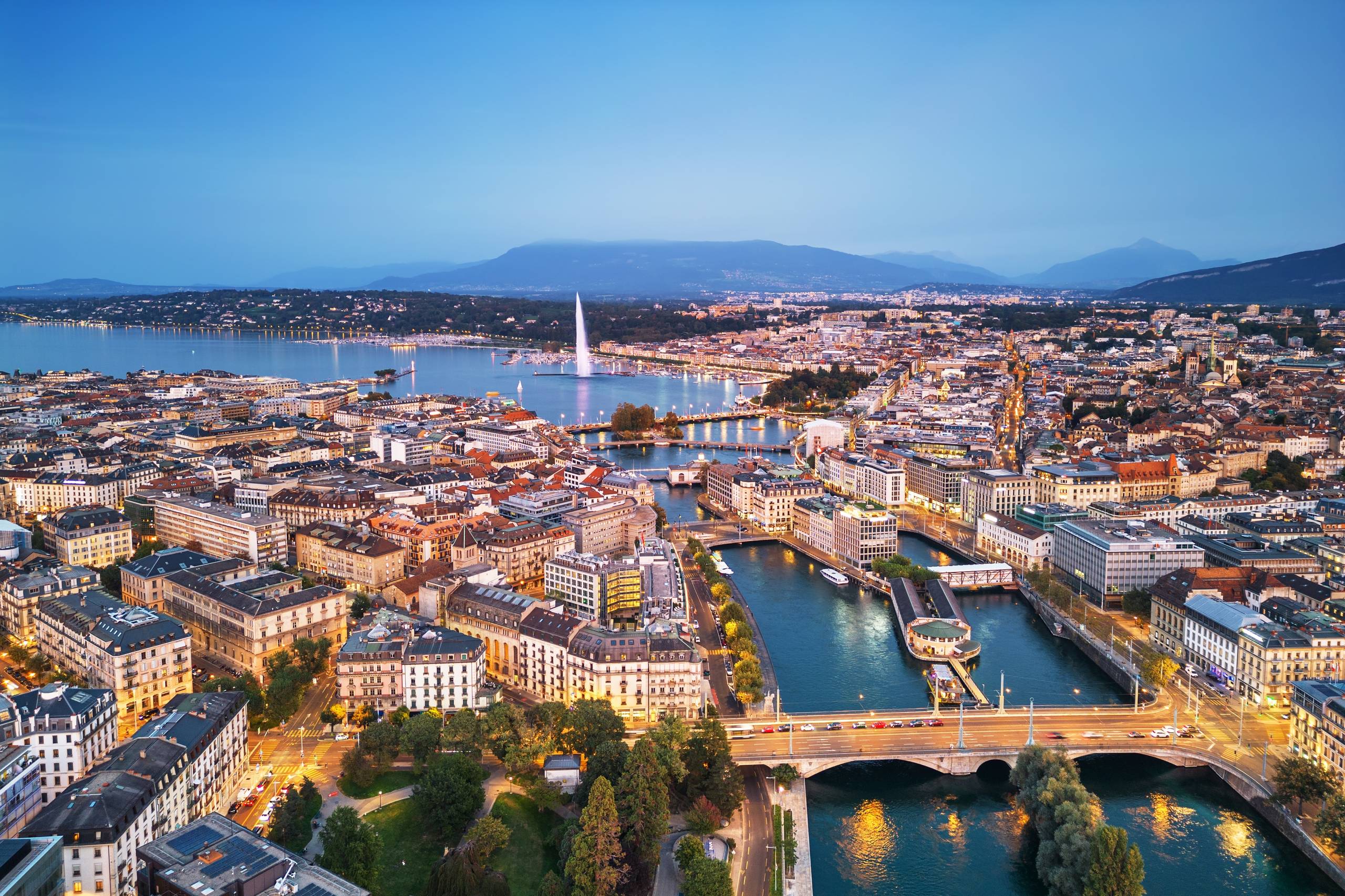
Geneva, Switzerland
Geneva is a city that feels instantly calming — a place where lake and mountains meet, and everything seems to move at a more considered pace. Arriving by train from London via Paris, the journey itself builds anticipation, culminating in views of Lake Geneva framed by the Alps. It’s a refined, polished destination, but one that’s equally suited to slow strolls, lakeside lunches and spontaneous swims in summer. For a city break that feels restorative as well as scenic, Geneva offers something a little different.
- Eurostar + TGV Lyria connection: Take the Eurostar from London St Pancras to Paris Gare du Nord (around 2h 20m), then transfer to a high-speed TGV Lyria train to Geneva in around 3 hours.
- Simple transfer in Paris: A short Metro or taxi ride connects Gare du Nord to Gare de Lyon for onward trains.
- Comfortable long-distance journey: Modern high-speed trains make the trip smooth and relaxing.
- Arrive in the city centre: Geneva Cornavin station is centrally located, within easy reach of the lake and old town.
- Ideal for a scenic trip: The final stretch into Switzerland offers beautiful views of countryside and mountains.
- Stunning natural setting: Lake Geneva with the Alps in the background creates a breathtaking setting.
- Clean and ?????: A calm, organised city that feels like a breath of fresh air.
- Lakeside lifestyle: Swimming, paddleboarding and waterside cafés define summer here.
- International feel: A cosmopolitan city with global influences and excellent food.
- Gateway to the Alps: Easy access to mountains and nearby resorts for day trips.
- See the Jet d’Eau: The city’s iconic water fountain, shooting high above the lake.
- Walk around the Old Town (Vieille Ville): Explore narrow streets, historic buildings and St Pierre Cathedral.
- Stroll along Lake Geneva: Enjoy scenic paths, parks and views across the water.
- Visit the United Nations: Take a tour of one of the world’s most important diplomatic centres.
- Relax at Bains des Pâquis: A popular lakeside spot for swimming, saunas and casual dining.
- Explore Carouge: A charming district with a Mediterranean feel, full of boutiques and cafés.
- Take a boat across the lake: Use the Mouettes boats as part of the public transport system for a different perspective.
- Visit Parc La Grange: A beautiful park with rose gardens and lake views, perfect for a picnic.
- Discover local chocolate shops: Seek out artisan chocolatiers for a quieter tasting experience.
- Cycle along the lakeside: Rent a bike and follow scenic routes just beyond the city centre.
- Spring (March–May): Fresh, green landscapes and fewer crowds make it a lovely time to visit.
- Summer (June–August): The best time for swimming in the lake, outdoor dining and festivals.
- Autumn (September–November): Crisp air and clear views of the mountains create a peaceful atmosphere.
- Winter (December–February): A quieter season in the city, with easy access to nearby ski resorts.
Yes, you can travel to many European cities by train from London via the Eurostar, with direct routes to Paris, Brussels and Amsterdam, plus easy connections to destinations across the continent.
Paris, Brussels and Amsterdam are the easiest with direct trains, while cities like Bruges, Rotterdam, Cologne and Lyon are simple with just one connection.
Journey times range from around 2 hours to Brussels, 2h 20m to Paris, 4 hours to Amsterdam, and up to 7–8 hours for cities like Berlin or Geneva.
Train travel is often more convenient, with city centre to city centre routes, fewer delays and a more comfortable, relaxed experience overall.
Yes, you’ll need a valid passport to travel from the UK to mainland Europe, even when travelling by train.
Prices vary, but booking in advance can make train travel very competitive with flying, especially when you factor in baggage and airport transfer costs.
Eurostar trains depart from London St Pancras International, with arrivals into major European stations like Paris Gare du Nord and Brussels Midi.
Yes, destinations like Paris, Brussels, Bruges and Amsterdam are perfect for weekend breaks thanks to short journey times.
Yes, trains generally have a much lower carbon footprint than flying, making them a more sustainable way to travel.
It’s best to book in advance for the lowest fares and to secure seats, especially on popular routes and peak travel dates.