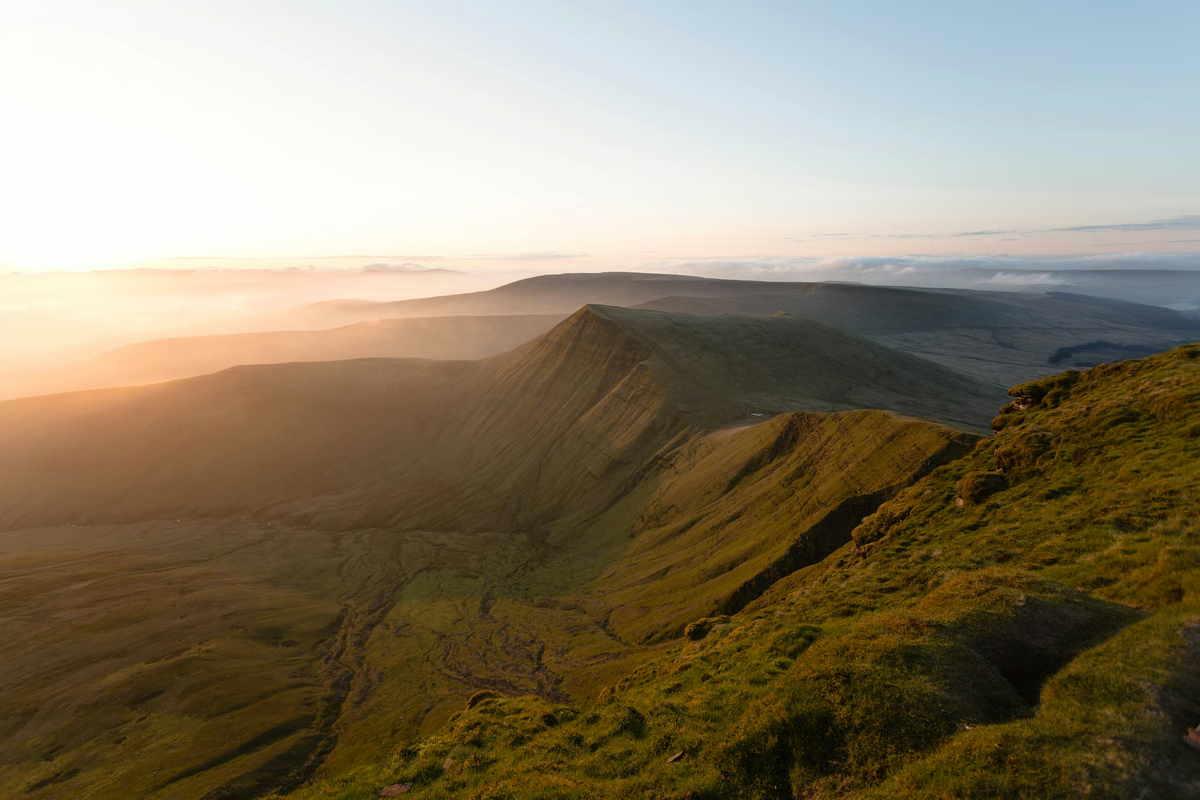
The Welsh Borders travel guide: Best towns, walks, historic sites and hidden gems
Published 26th May 2026
Stretching along the ever-changing boundary between England and Wales, the Welsh Borders are one of Britain’s most rewarding yet often overlooked regions for a countryside escape. Filled with rolling hills, ancient market towns, dramatic castles, winding rivers and peaceful valleys, this diverse area blends Welsh and English heritage in a way that feels entirely unique. Whether you’re exploring the literary streets of Hay-on-Wye, hiking through the Shropshire Hills, discovering hidden ruins in the Black Mountains or enjoying slow afternoons in cosy country pubs, the Welsh Borders offer a quieter, more characterful way to experience the UK.
Perfect for walking holidays, foodie breaks, family adventures and scenic road trips, the Welsh Borders combine natural beauty with centuries of history and culture. In this guide, we’ll explore some of the best towns and villages, outdoor adventures, historic landmarks and hidden gems across the region, alongside practical travel tips and seasonal inspiration to help you plan the perfect Welsh Borders getaway.
Click on the links below to skip to that section of our guid
- Where are the Welsh Borders?
- Best towns and villages in the Welsh Borders
- Best outdoor adventures in the Welsh Borders
- Best family days out in the Welsh Borders
- Best historic spots in the Welsh Borders
- Best hidden gems in the Welsh Borders
- How to get to the Welsh Borders
- Best time of year to visit the Welsh Borders
Where are the Welsh Borders?
The Welsh Borders are the areas that stretch along the boundary between England and Wales, forming a region filled with rolling countryside, historic towns, river valleys and mountain landscapes. Rather than being a formally defined destination with exact boundaries, the Welsh Borders are better understood as a collection of counties, market towns and rural landscapes shaped by centuries of shared Welsh and English history. The region extends from north-east Wales down towards south-east Wales, blending together some of the most scenic and culturally rich parts of both countries.
The area is also commonly referred to as “The Marches”, a historic term dating back to medieval times when powerful Marcher Lords controlled territories along the border between England and Wales. This long and often turbulent history has left behind an extraordinary concentration of castles, abbeys, fortified towns and ancient landscapes that still define the region today. Even now, the Welsh Borders retain a strong sense of identity shaped by both Welsh and English influences, creating a culture that feels distinct from either country alone.
Although there’s no single official definition of the Welsh Borders, the region generally includes parts of:
- Herefordshire: Known for its rolling countryside, cider orchards, black-and-white villages and market towns such as Hereford and Ross-on-Wye.
- Shropshire: Home to Ludlow, Church Stretton and the Shropshire Hills National Landscape.
- Monmouthshire: A scenic south-east Welsh county filled with castles, valleys and historic towns.
- Powys: One of the largest and most rural counties in Wales, known for mountains, forests and outdoor adventures.
- Wrexham and north-east Wales: Border areas rich in industrial heritage and countryside scenery.
- Gloucestershire near the Wye Valley: Including areas close to the Forest of Dean and the lower Wye Valley.
One of the things that makes the Welsh Borders so special is the sheer variety of landscapes packed into the region. In some areas, you’ll find gentle rolling farmland, orchard-filled valleys and peaceful riverside villages, while elsewhere the scenery becomes far more dramatic, with mountain ridges, dense woodland and sweeping hilltop views. The transition between English countryside and rugged Welsh landscapes often happens remarkably quickly, giving the region a huge amount of visual diversity within a relatively compact area.
The cultural blend of England and Wales is equally noticeable throughout the Welsh Borders. Place names, architecture, local traditions and even food reflect centuries of shared influence between the two nations. Visitors can move from medieval English market towns to remote Welsh valleys within the space of a single afternoon, experiencing subtle changes in language, landscape and atmosphere along the way. This combination of natural beauty, deep-rooted history and cultural crossover is what gives the Welsh Borders such a unique and memorable identity.
Best towns and villages in the Welsh Borders
One of the greatest joys of exploring the Welsh Borders is discovering the region’s characterful towns and villages, each offering its own unique blend of history, scenery and local culture. From medieval market towns filled with independent shops and traditional pubs to creative literary hubs and peaceful countryside villages surrounded by hills and valleys, the Welsh Borders are packed with places that feel wonderfully timeless. Whether you’re searching for foodie destinations, historic streets, scenic walking bases or slower-paced rural escapes, there’s an incredible variety of places to explore across the borderlands.
Many of the Welsh Borders’ towns sit against a backdrop of rolling countryside, river valleys and ancient landscapes, making them ideal bases for both sightseeing and outdoor adventures. Some are known for their castles and centuries-old architecture, while others are celebrated for bookshops, festivals, local produce or access to walking trails. Together, they showcase the rich mix of Welsh and English heritage that gives the region so much of its charm and identity.
Ludlow
- Best for: Foodie breaks, historic charm and countryside walks.
- Vibe: Relaxed, independent and beautifully historic.
- Don’t miss: Ludlow Castle and the town’s renowned food scene.
- Ideal stay length: 2–3 days.
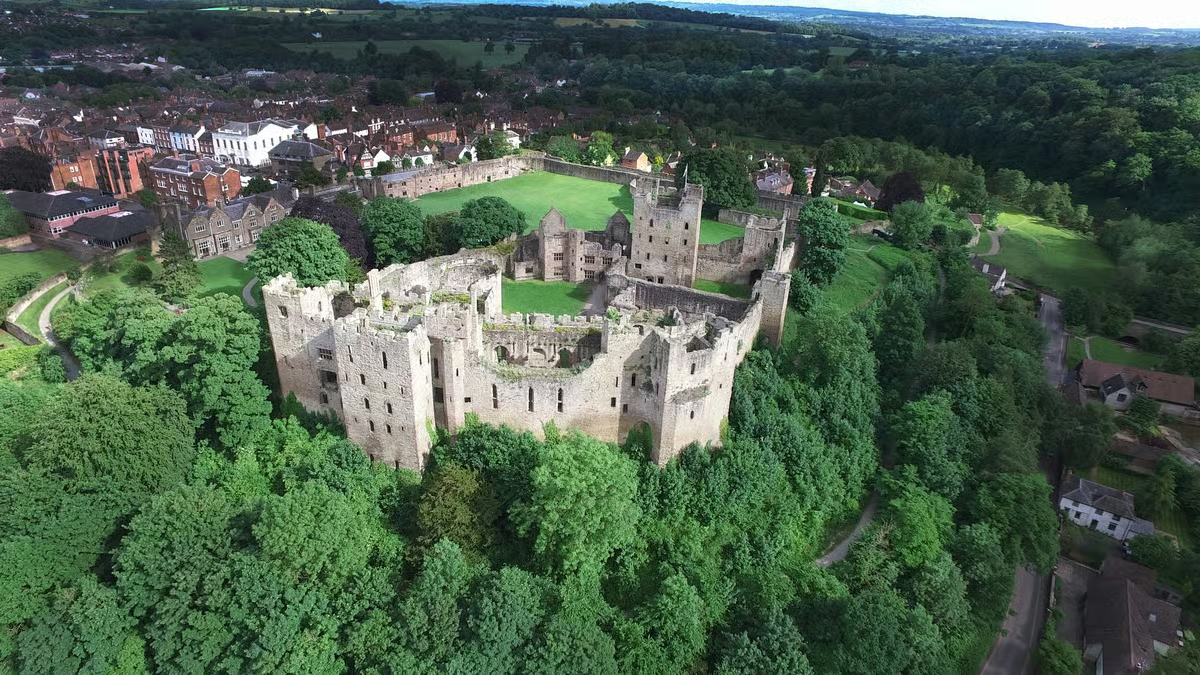
Often considered one of the finest market towns in England, Ludlow blends medieval history with an outstanding food and drink scene, all surrounded by the rolling countryside of south Shropshire. Timber-framed buildings, narrow cobbled streets and centuries-old inns give the town a timeless atmosphere, while independent cafés, delis, bakeries and restaurants have helped establish Ludlow as one of the Welsh Borders’ top foodie destinations. Sitting close to the Shropshire Hills National Landscape, it also makes an excellent base for walking holidays, scenic drives and slower countryside escapes.
At the heart of the town sits Ludlow Castle, a striking medieval fortress overlooking the River Teme, while the bustling market square and surrounding streets are filled with independent shops, antiques stores and welcoming pubs. Throughout the year, Ludlow hosts popular food festivals and cultural events that add even more energy to the town’s already lively atmosphere. Despite its reputation and popularity, Ludlow still manages to feel peaceful and authentic, making it one of the most rewarding places to visit in the Welsh Borders.
- Exceptional food scene: Ludlow is packed with excellent restaurants, independent cafés, local markets and artisan producers.
- Rich medieval history: From Ludlow Castle to its timber-framed buildings, the town is full of historic character.
- Fantastic walking access: The surrounding Shropshire countryside offers superb walking routes and scenic landscapes.
- Independent atmosphere: Boutique shops, bookshops and antiques stores give Ludlow a creative and welcoming feel.
- Perfect for year-round breaks: Cosy pubs and lively festivals make Ludlow equally appealing in every season.

Hay-on-Wye
- Best for: Book lovers, creative escapes and riverside walks.
- Vibe: Bohemian, literary and wonderfully laid-back.
- Don’t miss: The town’s famous independent bookshops and Hay Festival.
- Ideal stay length: 2–3 days.
Sitting on the edge of the Brecon Beacons near the River Wye, Hay-on-Wye is one of the Welsh Borders’ most distinctive and celebrated towns. Internationally famous for its second-hand and independent bookshops, the town has long attracted writers, artists and creative travellers looking for inspiration and slower-paced countryside living. Its colourful streets are lined with cafés, galleries, boutiques and cosy pubs, while the surrounding landscapes offer excellent opportunities for walking, kayaking and exploring the wider border countryside.
Although best known for the annual Hay Festival, which draws visitors from around the world, Hay-on-Wye has a charm that lasts throughout the year. The town’s relaxed atmosphere, literary heritage and beautiful setting make it equally suited to quiet weekend breaks, scenic road trips and longer countryside escapes. Whether you’re browsing shelves in a tucked-away bookshop or watching the river drift past after a day exploring the hills, Hay-on-Wye feels deeply peaceful and endlessly characterful.
- World-famous bookshops: Independent and second-hand bookshops can be found throughout the town.
- Creative atmosphere: Hay has a relaxed, artistic energy that feels inspiring and unique.
- Beautiful riverside setting: The River Wye adds scenic walks and outdoor activities to the experience.
- Excellent festival town: The Hay Festival brings world-class writers, thinkers and performers to the area.
- Gateway to the Brecon Beacons: It’s perfectly placed for exploring nearby mountains and countryside.
Monmouth
- Best for: Riverside scenery, history and outdoor adventures.
- Vibe: Historic, welcoming and scenic.
- Don’t miss: Exploring the Wye Valley and Monnow Bridge.
- Ideal stay length: 2–4 days.
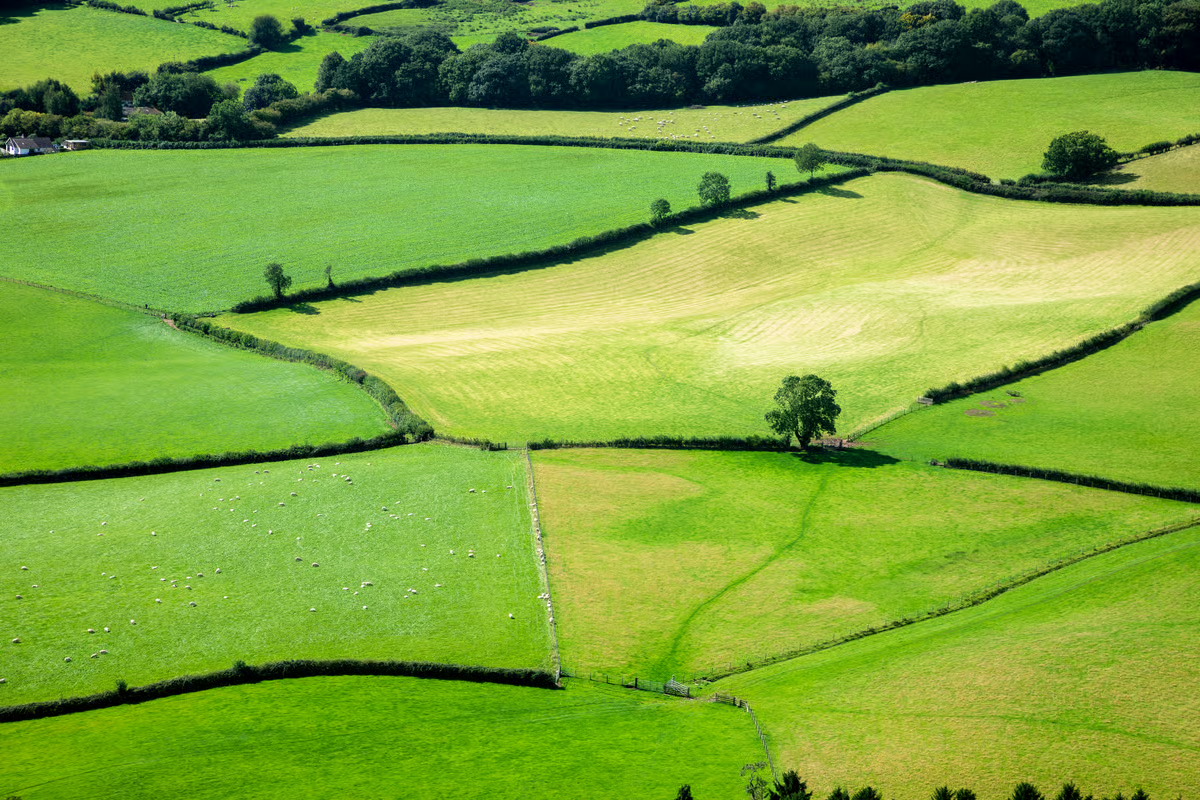
Positioned where the River Monnow meets the River Wye, Monmouth is one of the Welsh Borders’ most attractive historic towns and an excellent base for exploring the surrounding countryside. The town combines medieval heritage with a lively atmosphere, featuring independent shops, traditional pubs, cafés and elegant Georgian architecture. Its location near the Wye Valley, Forest of Dean and Black Mountains makes it especially popular with walkers, cyclists and anyone looking to combine outdoor adventures with relaxed town life.
Monmouth’s long history is still visible throughout the town, from its historic streets and ancient bridge gatehouse to nearby castles and abbey ruins scattered across the surrounding landscape. Despite its rich heritage, Monmouth feels vibrant rather than overly touristy, with a friendly local atmosphere and easy access to some of the Welsh Borders’ most spectacular scenery. It’s an ideal destination for visitors wanting both countryside exploration and a comfortable town base.
- Perfect Wye Valley location: Monmouth is ideally placed for exploring one of the UK’s most scenic regions.
- Historic character: Ancient bridges, churches and medieval streets give the town plenty of charm.
- Great for outdoor activities: Walking, cycling and kayaking are all popular nearby.
- Excellent local food and pubs: Traditional pubs and independent cafés create a welcoming atmosphere.
- Easy to explore nearby landmarks: Tintern Abbey, the Forest of Dean and the Black Mountains are all within easy reach.
Church Stretton
- Best for: Walking holidays, peaceful countryside escapes and nature lovers.
- Vibe: Quiet, scenic and outdoorsy.
- Don’t miss: Hiking on the Long Mynd and Carding Mill Valley.
- Ideal stay length: 2–3 days.
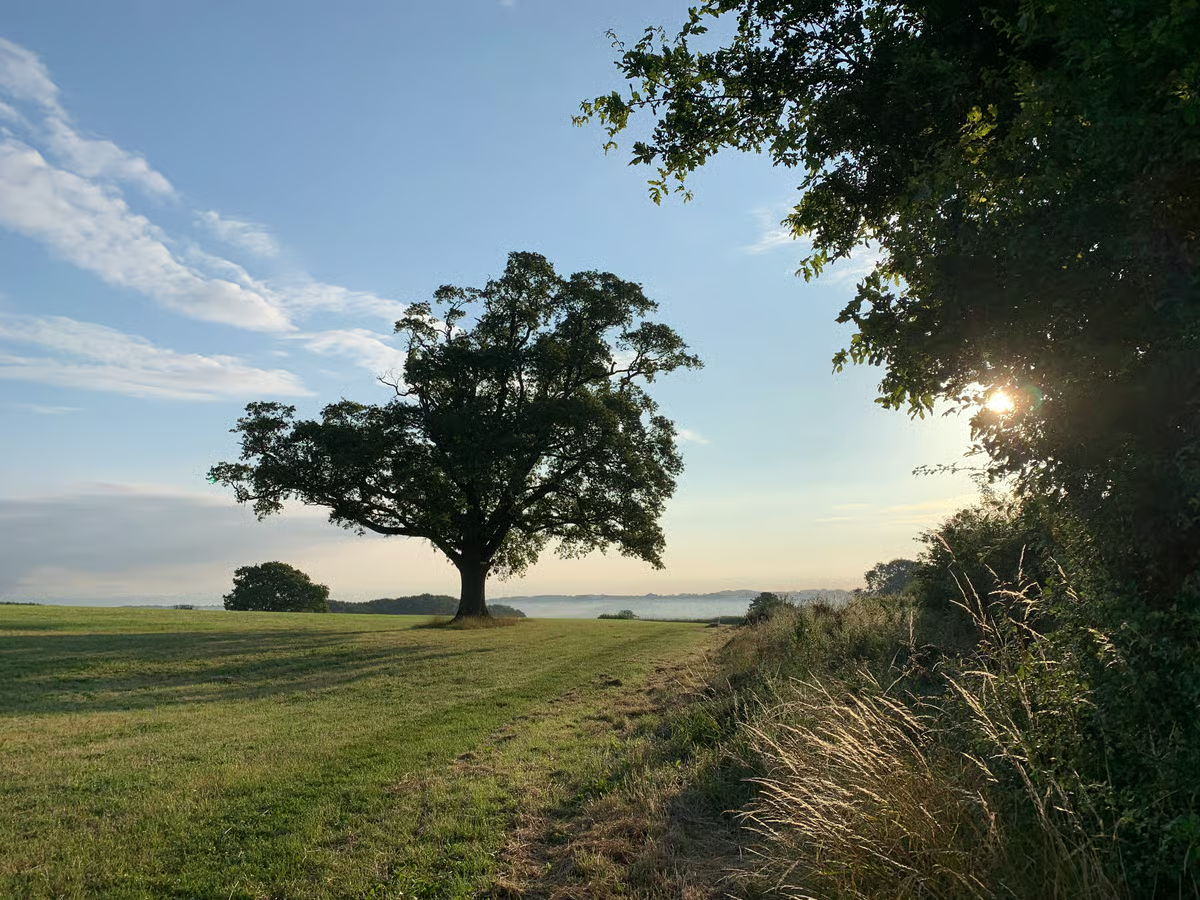
Nestled within the Shropshire Hills National Landscape, Church Stretton is often described as “Little Switzerland” thanks to its dramatic hillsides and beautiful natural surroundings. This small market town is one of the best bases in the Welsh Borders for walkers and outdoor enthusiasts, offering immediate access to some of the region’s finest hiking routes, panoramic viewpoints and rolling countryside. Despite its popularity with walkers, Church Stretton has retained a peaceful, friendly atmosphere that makes it ideal for slower-paced rural escapes.
The town itself is compact but full of charm, with traditional pubs, independent cafés and local shops sitting beneath the surrounding hills. The nearby Long Mynd and Carding Mill Valley provide endless opportunities for walking, cycling and wildlife spotting, while scenic driving routes connect visitors to nearby villages and market towns across Shropshire and the wider Borders region. Whether you’re planning an active holiday or simply looking to unwind in nature, Church Stretton offers a perfect balance of scenery and tranquillity.
- Outstanding walking routes: The Long Mynd and surrounding hills offer some of the best hikes in the region.
- Peaceful countryside atmosphere: The town feels calm, uncrowded and deeply connected to nature.
- Beautiful scenery: Rolling hills, valleys and moorland create spectacular landscapes in every direction.
- Great outdoor base: Walking, cycling and photography opportunities are all on the doorstep.
- Traditional market town charm: Independent cafés, pubs and local shops give the town a welcoming feel.
Best outdoor adventures in the Welsh Borders
From dramatic hills and ancient forests to winding river valleys and waterfall-filled national parks, the Welsh Borders are one of the UK’s best regions for outdoor adventures. Whether you’re planning long countryside walks, scenic bike rides, wild swimming trips or peaceful days exploring nature, the landscapes here offer an incredible variety of experiences. One of the region’s greatest strengths is how quickly the scenery changes, with gentle rolling farmland giving way to rugged hills, dense woodland and panoramic mountain views within a relatively short distance.
The Welsh Borders are particularly well suited to slower, nature-focused travel. Many of the area’s best outdoor spaces feel far quieter and less crowded than some of the UK’s more famous national parks, making them ideal for relaxed walking holidays and scenic countryside escapes. From the high ridges of the Shropshire Hills to the riverside beauty of the Wye Valley, these landscapes showcase some of the very best scenery along the England-Wales border.
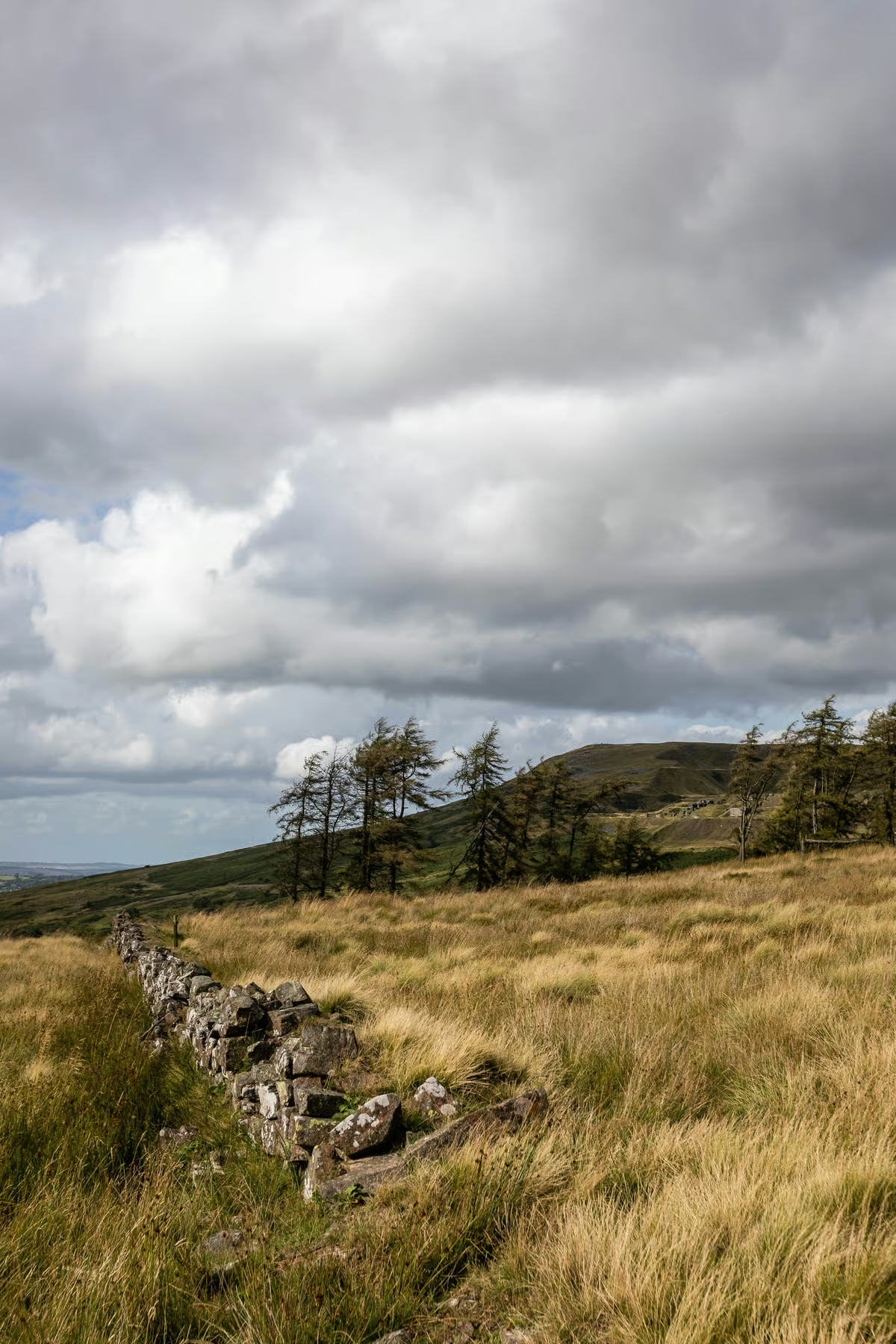
Shropshire Hills
- Best for: Hiking, scenic drives and panoramic countryside views.
- Vibe: Peaceful, dramatic and wonderfully unspoilt.
- Don’t miss: Walking the Long Mynd and exploring Carding Mill Valley.
- Ideal stay length: 2–4 days.
Designated as a National Landscape, the Shropshire Hills are one of the Welsh Borders’ most spectacular outdoor destinations. This rolling landscape of heather-covered hills, steep valleys and open moorland is ideal for walkers, cyclists and anyone wanting to immerse themselves in nature. The area feels wonderfully wild in places, yet remains quieter and less commercialised than many of the UK’s larger national parks, making it perfect for slower-paced countryside escapes.
Among the highlights are the Long Mynd, a dramatic plateau with sweeping views across the surrounding countryside, and Carding Mill Valley, a beautiful walking area filled with streams, waterfalls and scenic hiking trails. Beyond the popular routes, the wider hills are dotted with peaceful villages, winding lanes and countless viewpoints that reward visitors willing to explore further.
- Outstanding walking routes: The area is packed with trails ranging from gentle countryside rambles to challenging hill hikes.
- Spectacular scenery: Rolling hills, valleys and moorland create beautiful views in every season.
- Peaceful atmosphere: The landscape feels quieter and less crowded than many better-known UK hiking destinations.
- Fantastic photography opportunities: Sunrise, misty valleys and dramatic hilltop views make this a dream for photographers.
- Great access from market towns: Places like Church Stretton and Ludlow make ideal nearby bases.
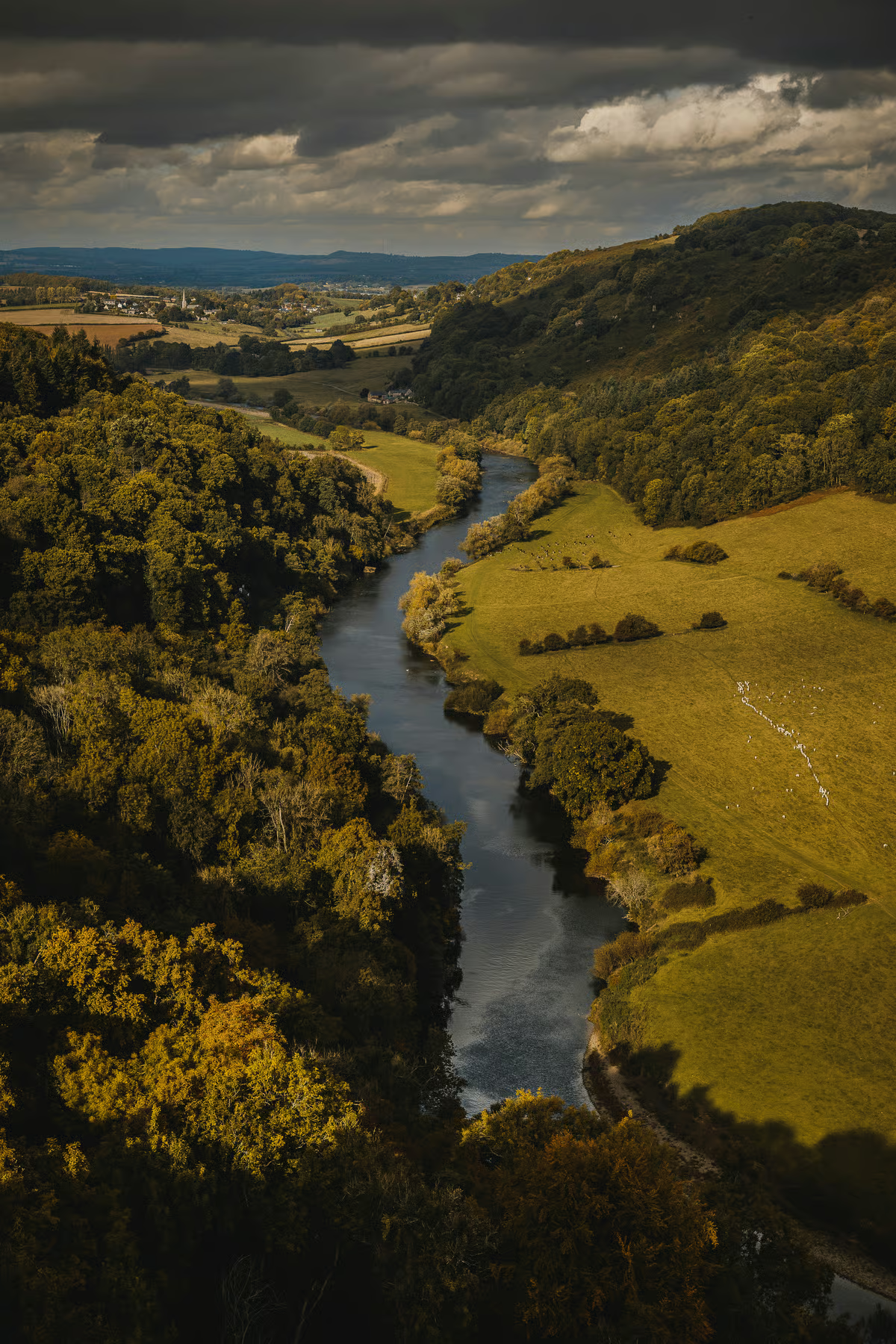
Wye Valley
- Best for: Riverside adventures, kayaking and scenic countryside escapes.
- Vibe: Lush, romantic and deeply scenic.
- Don’t miss: Symonds Yat viewpoint and Tintern Abbey.
- Ideal stay length: 2–4 days.
Stretching along the River Wye between England and Wales, the Wye Valley is one of the UK’s most beautiful river landscapes. Dense woodland, limestone cliffs, winding river bends and historic ruins combine to create scenery that feels both dramatic and peaceful. Designated as a National Landscape, the valley is particularly popular for canoeing, kayaking and riverside walking, while scenic viewpoints such as Symonds Yat Rock offer breathtaking panoramas across the forested landscape below.
The Wye Valley also blends outdoor adventure with rich history and charming villages, making it ideal for visitors who want more than just hiking trails. Tintern Abbey, one of the region’s most iconic landmarks, sits among wooded hills beside the river, while nearby towns and pubs provide cosy places to stop after a day outdoors. Whether you’re paddling along the river or exploring woodland trails, the Wye Valley offers some of the Welsh Borders’ most memorable scenery.
- Beautiful riverside scenery: The combination of woodland, cliffs and river views is truly spectacular.
- Excellent outdoor activities: Canoeing, kayaking, hiking and cycling are all hugely popular here.
- Iconic viewpoints: Symonds Yat offers some of the best panoramic views in the Welsh Borders.
- Historic landmarks: Tintern Abbey adds atmosphere and history to the surrounding landscape.
- Perfect for slow travel: The valley’s peaceful pace makes it ideal for relaxed countryside escapes.
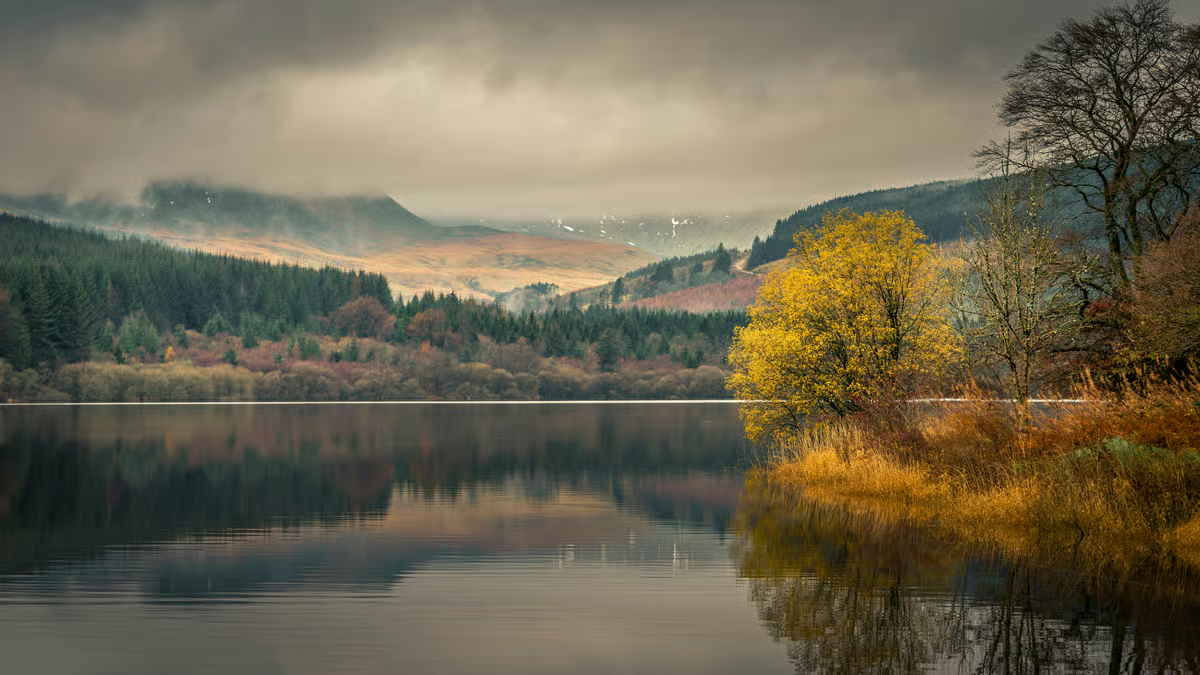
Brecon Beacons (Bannau Brycheiniog)
- Best for: Mountain hikes, waterfalls and stargazing.
- Vibe: Wild, adventurous and awe-inspiring.
- Don’t miss: Pen y Fan and waterfall country.
- Ideal stay length: 3–5 days.
Although extending beyond the traditional Welsh Borders region, the Brecon Beacons National Park — officially known as Bannau Brycheiniog — is one of the area’s most exciting outdoor destinations. Famous for its sweeping mountain landscapes, dramatic waterfalls and dark night skies, the park attracts hikers, cyclists and nature lovers from across the UK. The scenery here feels bigger and wilder than much of the surrounding border countryside, with rugged peaks, open moorland and remote valleys creating endless opportunities for adventure.
One of the park’s best-known highlights is Pen y Fan, the highest peak in southern Britain, while waterfall country near Ystradfellte offers scenic woodland trails leading to cascading waterfalls and hidden plunge pools. Thanks to its designation as an International Dark Sky Reserve, the Brecon Beacons are also one of the best places in the UK for stargazing, especially during clear winter nights.
- Incredible hiking opportunities: From mountain climbs to waterfall walks, there’s something for every ability level.
- Dramatic landscapes: Wide-open peaks and deep valleys create some of Wales’ most spectacular scenery.
- Excellent stargazing: The park’s dark skies make it one of the UK’s top destinations for seeing the stars.
- Waterfall country: Woodland trails and cascading waterfalls add another layer of adventure to the region.
- Perfect for active breaks: Hiking, cycling, wild swimming and photography are all hugely popular here.
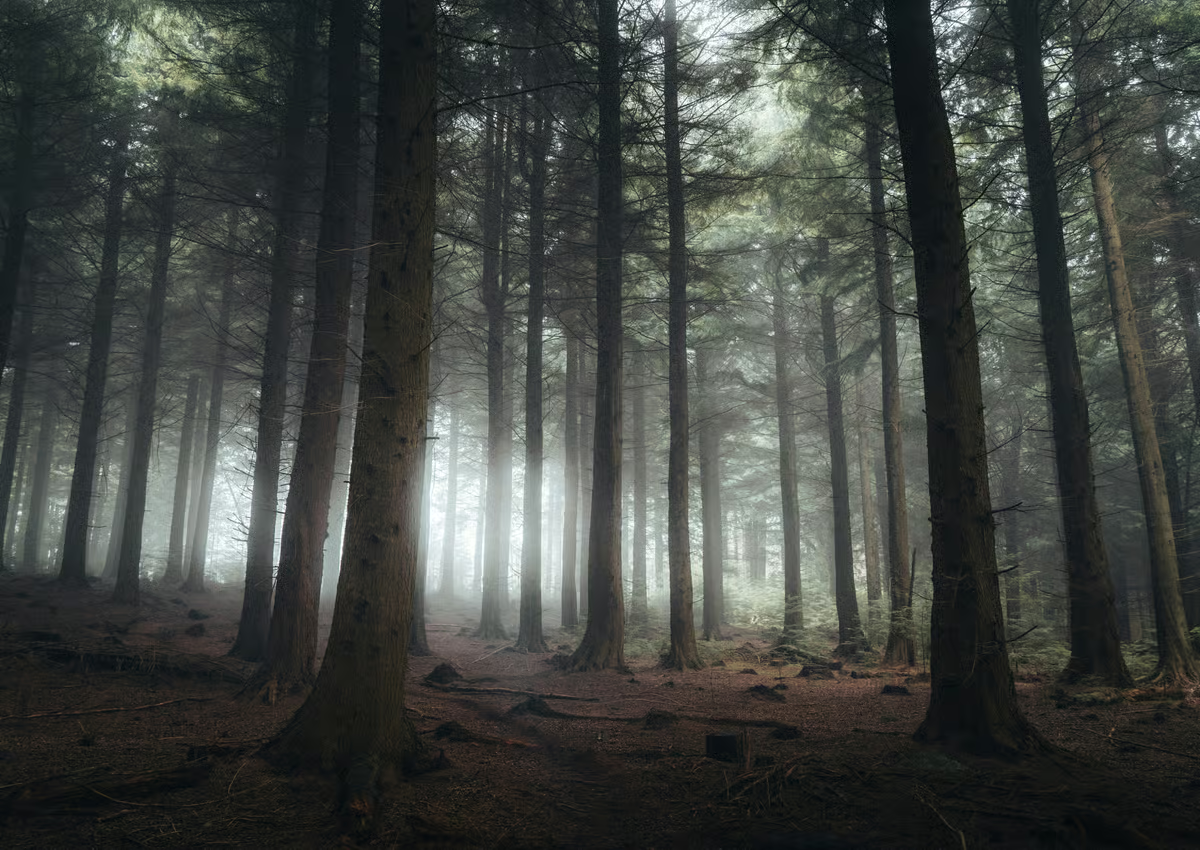
Forest of Dean
- Best for: Woodland walks, cycling and family-friendly adventures.
- Vibe: Ancient, atmospheric and adventurous.
- Don’t miss: Puzzlewood and the forest sculpture trails.
- Ideal stay length: 2–3 days.
Bordering the Wye Valley, the Forest of Dean is one of England’s oldest and most enchanting woodlands. Filled with towering trees, moss-covered paths and hidden clearings, the forest feels wonderfully immersive and atmospheric throughout the year. It’s particularly popular with families and outdoor enthusiasts thanks to its excellent cycling trails, walking routes and adventure activities, while quieter corners of the forest still offer a strong sense of escape and wilderness.
The forest is also home to unique attractions such as Puzzlewood, whose twisting pathways and magical scenery have inspired numerous fantasy films and television shows. Sculpture trails, wildlife walks and family-friendly activity centres make the Forest of Dean especially versatile, offering everything from relaxed nature walks to adrenaline-filled outdoor adventures.
- Beautiful ancient woodland: The forest feels immersive, peaceful and rich in natural beauty.
- Fantastic cycling trails: Well-maintained routes make it one of the UK’s top forest cycling destinations.
- Great for families: Outdoor activities and attractions make it ideal for multi-generational trips.
- Unique woodland attractions: Puzzlewood and sculpture trails add creativity and character to the forest.
- Excellent year-round destination: The forest is beautiful in every season, especially during autumn.
Best family days out in the Welsh Borders
The Welsh Borders are packed with family-friendly attractions that combine outdoor adventure, wildlife, history and hands-on experiences for all ages. Whether you’re travelling with younger children looking for animal encounters and woodland adventures or older kids interested in history, activity trails and interactive museums, the region offers a huge variety of memorable days out. One of the biggest advantages of a family break in the Welsh Borders is the balance between scenic countryside and accessible attractions, allowing visitors to combine nature, learning and entertainment in a relaxed setting.
Many of the region’s best family attractions are set against beautiful backdrops of forests, hills and valleys, making the experience feel far more immersive than a typical indoor attraction. From safari parks and underground mining museums to magical woodland trails and small farm parks, there are plenty of ways to keep children entertained while still enjoying the landscapes and slower pace that make the Welsh Borders so special.
West Midland Safari Park
- Best for: Animal lovers and adventure-filled family days out.
- Vibe: Exciting, interactive and action-packed.
- Don’t miss: The drive-through safari experience.
- Ideal stay length: Half-day to full-day visit.
Located just east of the Welsh Borders near Bewdley, West Midland Safari Park is one of the region’s most popular family attractions. The park combines a large drive-through safari with theme park rides, animal encounters and educational experiences, making it ideal for families with children of all ages. Visitors can see everything from giraffes and rhinos to lions and elephants from the comfort of their own vehicle, creating a safari-style experience that feels far more immersive than a traditional zoo visit.
Beyond the safari itself, the park also features walk-through animal areas, amusement rides and themed attractions that help turn the day into a full family adventure. It’s particularly well suited to younger children and animal enthusiasts, while its location near the Welsh Borders makes it easy to include as part of a wider countryside break.
### Big Pit National Coal Museum
- Best for: Educational family trips and interactive history experiences.
- Vibe: Fascinating, immersive and thought-provoking.
- Don’t miss: The underground mine tour with former miners.
- Ideal stay length: Half-day visit.
Set within the beautiful landscape of South Wales, Big Pit National Coal Museum offers one of the UK’s most unique and engaging family experiences. This former working coal mine gives visitors the chance to explore the underground world that once shaped much of Wales’ industrial history. Guided tours led by former miners take visitors deep below ground, offering a fascinating insight into the realities of coal mining and the communities built around it.
Despite its educational focus, Big Pit is highly interactive and accessible for families, with exhibitions, machinery displays and storytelling helping bring the history to life. The surrounding countryside also adds to the experience, making it easy to combine the museum with wider exploration of the Brecon Beacons and surrounding Welsh Borders landscapes.
### The Small Breeds Farm Park & Owl Centre
- Best for: Younger children and relaxed countryside family days out.
- Vibe: Friendly, hands-on and wholesome.
- Don’t miss: Owl displays and animal feeding experiences.
- Ideal stay length: Half-day visit.
Located near Kington in Herefordshire, The Small Breeds Farm Park & Owl Centre is a charming family attraction that focuses on smaller animals, rare breeds and interactive experiences. The farm is home to a wide range of friendly animals including miniature donkeys, rabbits, goats and alpacas, alongside one of the UK’s largest collections of owls. Its smaller scale and relaxed atmosphere make it especially appealing for families with younger children.
The attraction is designed to encourage close interaction with animals, creating a calm and welcoming environment that feels far more personal than larger theme parks or zoos. Surrounded by the peaceful countryside of the Welsh Borders, it’s an ideal stop during a slower-paced family getaway focused on nature and outdoor exploration.
### Puzzlewood
- Best for: Magical woodland adventures and imaginative family days out.
- Vibe: Enchanting, atmospheric and adventurous.
- Don’t miss: The twisting woodland paths and moss-covered scenery.
- Ideal stay length: Half-day visit.
Hidden within the Forest of Dean, Puzzlewood is one of the most unique and visually striking attractions in the Welsh Borders region. Its winding pathways, ancient trees, moss-covered rocks and wooden bridges create a landscape that feels almost otherworldly, helping inspire scenes in numerous fantasy films and television series. For children, the woodland feels like stepping directly into a fairy tale, while adults are often equally captivated by the atmosphere and natural beauty.
Although Puzzlewood is relatively compact, it offers plenty to explore, with hidden corners, elevated walkways and woodland trails encouraging visitors to slow down and wander. The attraction is especially popular with families looking for something imaginative and immersive rather than fast-paced, and it pairs perfectly with wider exploration of the Forest of Dean and Wye Valley.
Best historic spots in the Welsh Borders
The Welsh Borders are steeped in centuries of history, with landscapes shaped by ancient kingdoms, medieval conflicts, religious movements and shifting national boundaries. Few regions in Britain offer such a rich mix of castles, abbeys, defensive earthworks and historic towns, all set against dramatic countryside scenery. From ruined monasteries hidden within wooded valleys to mighty castles overlooking market towns, the Welsh Borders are filled with places that bring the past vividly to life.
Much of the region’s history centres around the long and often turbulent relationship between England and Wales, particularly during the medieval period when castles and fortified settlements were built to control the borderlands. Today, these historic sites offer far more than just fascinating stories — many also sit within some of the region’s most beautiful landscapes, making them ideal for combining sightseeing with walking, photography and countryside exploration.
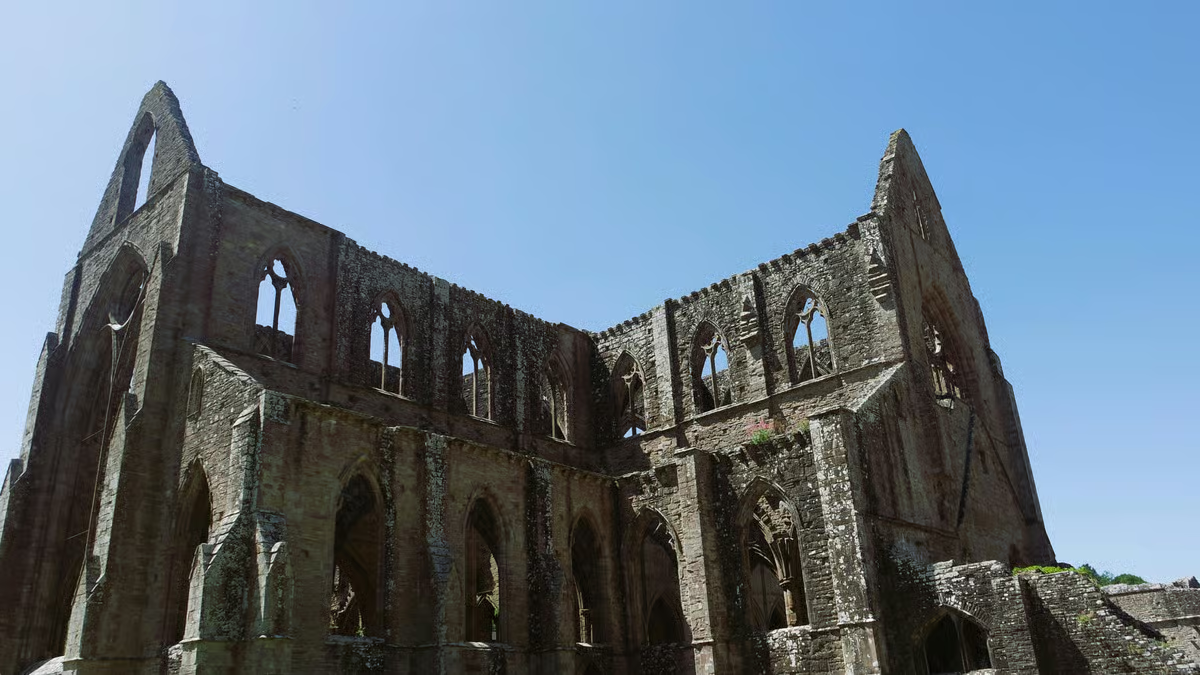
Tintern Abbey
- Best for: Medieval history, photography and scenic riverside walks.
- Vibe: Atmospheric, romantic and deeply historic.
- Don’t miss: The abbey ruins framed by the wooded Wye Valley hills.
- Ideal stay length: Half-day to full-day visit.
Nestled within the lush scenery of the Wye Valley, Tintern Abbey is one of the most iconic and visually striking historic sites in the Welsh Borders. Founded in the 12th century by Cistercian monks, the abbey became one of the wealthiest religious institutions in Wales before eventually falling into ruin following the dissolution of the monasteries under Henry VIII. Today, its roofless Gothic arches and towering stone walls create an unforgettable setting that feels both grand and peaceful.
The abbey’s dramatic riverside location only adds to its appeal, with wooded hills rising behind the ruins and scenic walking trails weaving through the surrounding valley. Tintern itself remains a charming village filled with cafés, pubs and viewpoints, making the abbey a perfect destination for visitors wanting to combine history with outdoor exploration and countryside scenery.
- Incredible atmosphere: The soaring ruins feel dramatic, peaceful and deeply evocative.
- Beautiful Wye Valley setting: Woodland, river views and surrounding hills make the scenery unforgettable.
- Rich medieval history: Tintern Abbey offers a fascinating glimpse into monastic life in Wales.
- Excellent walking access: Nearby trails and viewpoints make it easy to combine history with nature.
- Perfect for photography: The Gothic architecture and surrounding landscape create stunning photo opportunities.
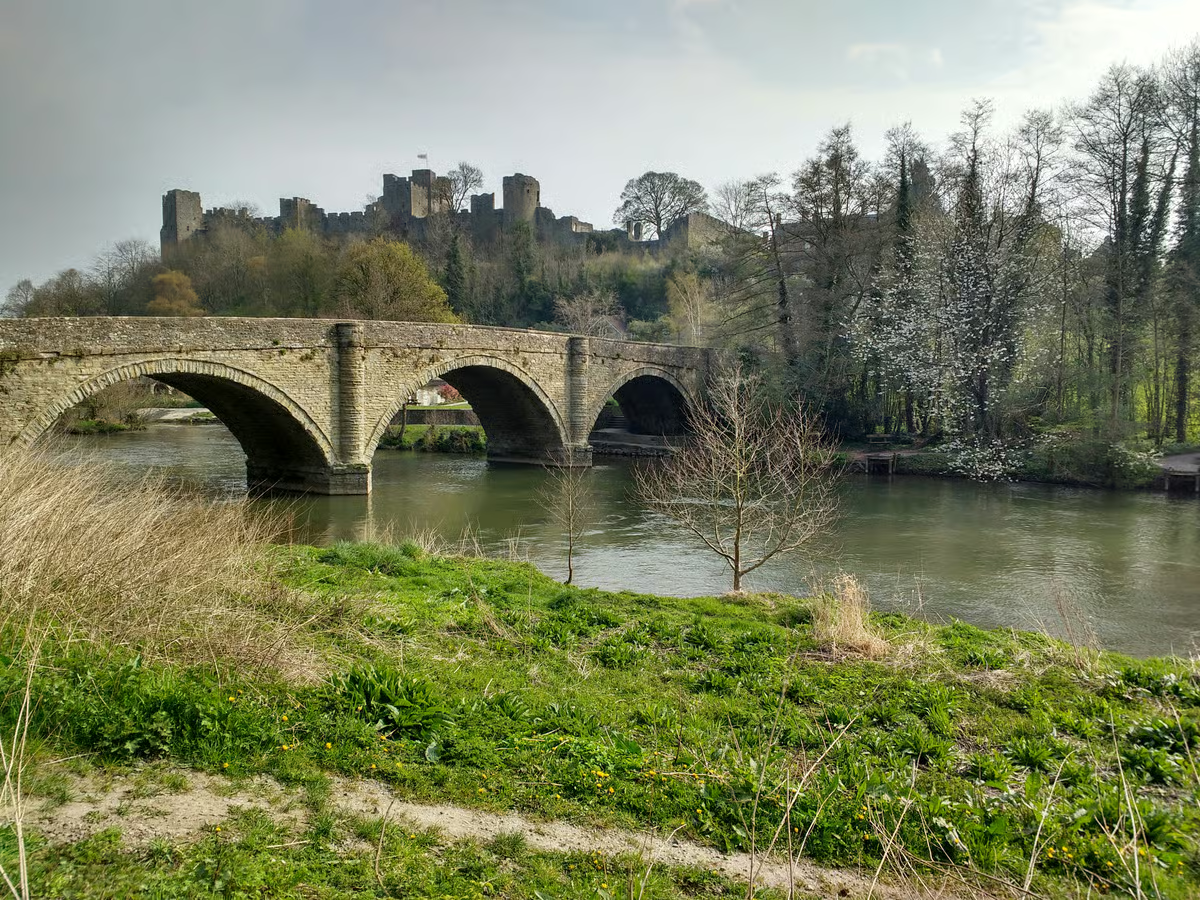
Ludlow Castle
- Best for: Castle lovers, medieval history and market town exploring.
- Vibe: Historic, commanding and characterful.
- Don’t miss: The castle’s views across the River Teme and surrounding countryside.
- Ideal stay length: Half-day visit alongside exploring Ludlow.
Standing proudly above the River Teme, Ludlow Castle is one of the finest medieval fortresses in the Welsh Borders and an essential stop for anyone interested in the region’s history. Built shortly after the Norman conquest, the castle played a hugely important role in controlling the borderlands between England and Wales and later became a powerful political centre during the medieval period. Its towers, stone walls and vast courtyards still dominate the skyline of Ludlow today.
Although partially ruined, the castle remains remarkably atmospheric, with visitors able to wander through ancient halls, climb defensive towers and imagine life within one of the most strategically important strongholds in the Marches. Combined with Ludlow’s beautiful streets, markets and independent food scene, the castle forms the centrepiece of one of the Welsh Borders’ most rewarding historic destinations.
- Impressive medieval architecture: Towers, walls and ruins give the castle huge visual impact.
- Fascinating border history: The castle played a major role in the story of the Welsh Marches.
- Great views: Elevated positions overlook Ludlow and the surrounding countryside beautifully.
- Easy to combine with town exploring: Ludlow’s shops, pubs and restaurants are right on the doorstep.
- Atmospheric ruins: The partially ruined interiors create a strong sense of stepping back in time.
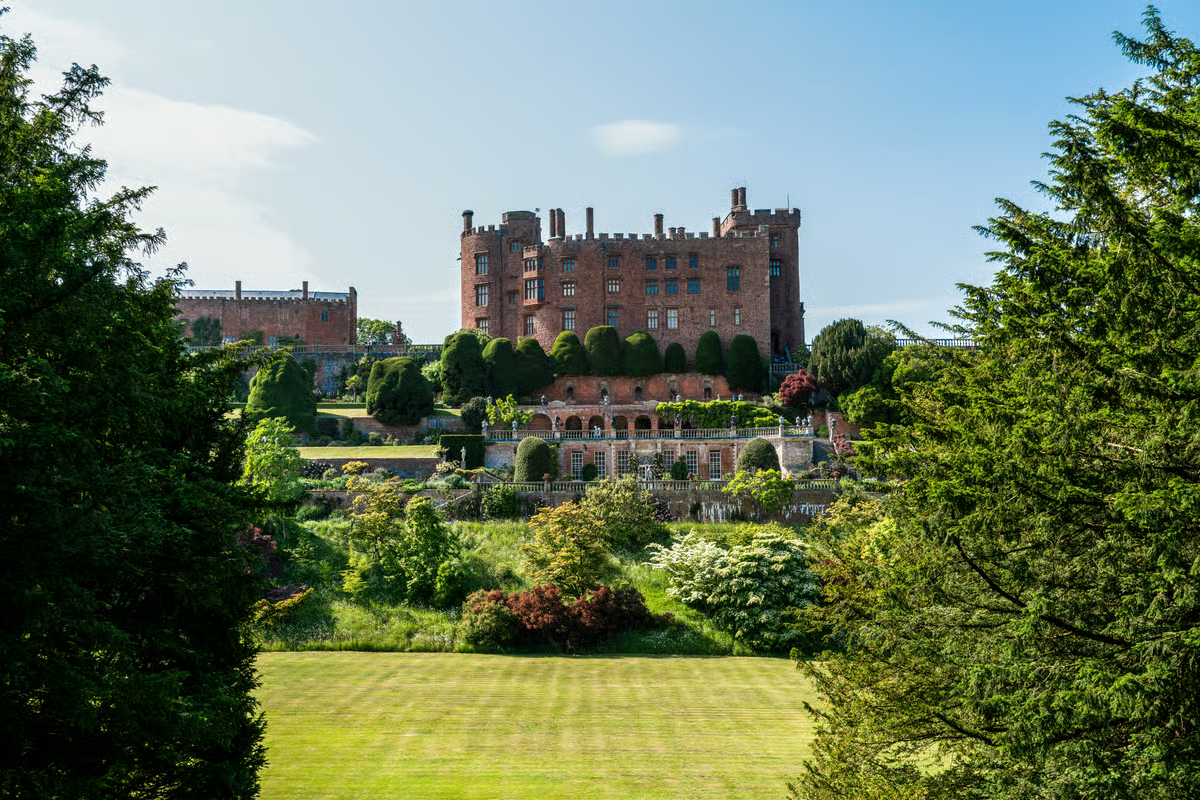
Powis Castle
- Best for: Grand interiors, historic estates and garden lovers.
- Vibe: Elegant, stately and beautifully preserved.
- Don’t miss: The famous terraced gardens overlooking the valley below.
- Ideal stay length: Half-day to full-day visit.
Located near Welshpool in Powys, Powis Castle is one of the Welsh Borders’ most impressive stately homes, combining medieval origins with lavish interiors and world-famous gardens. Originally built as a fortress by Welsh princes during the 13th century, the castle later evolved into a grand aristocratic residence filled with fine art, antiques and richly decorated state rooms. Today, it is managed by the National Trust and remains one of the region’s standout heritage attractions.
While the interiors are spectacular, many visitors are most captivated by the castle’s dramatic terraced gardens, which cascade down the hillside in layers of clipped yew hedges, colourful planting and sweeping views across the surrounding countryside. The combination of history, architecture and landscape design makes Powis Castle feel very different from the region’s more rugged medieval ruins, offering a more refined but equally fascinating glimpse into the Borders’ past.
- Spectacular terraced gardens: The gardens are among the most beautiful and distinctive in Wales.
- Lavish interiors: Ornate rooms, artwork and antiques create a wonderfully grand atmosphere.
- Strong Welsh heritage: The castle’s origins connect directly to Welsh princes and border history.
- Beautiful countryside setting: Views across the surrounding valley add to the experience.
- Excellent National Trust property: It’s beautifully maintained and rewarding to explore year-round.
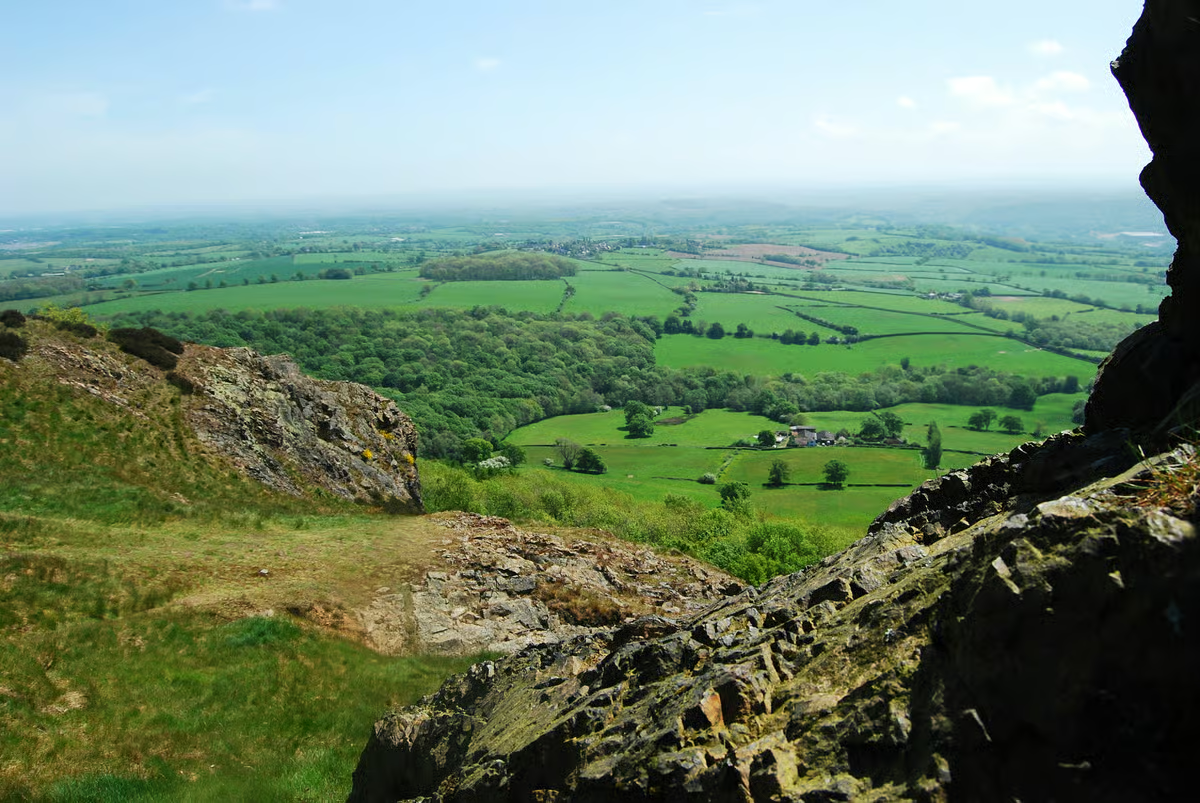
Offa’s Dyke
- Best for: Historic walking holidays and landscape exploration.
- Vibe: Ancient, rugged and quietly fascinating.
- Don’t miss: Walking sections of the Offa’s Dyke Path through the hills.
- Ideal stay length: Flexible from day walks to multi-day hikes.
Stretching for around 177 miles along much of the England-Wales border, Offa’s Dyke is one of Britain’s most remarkable historic landmarks. Built during the 8th century under King Offa of Mercia, this vast earthwork was designed to mark and defend the boundary between Anglo-Saxon England and the Welsh kingdoms. Although parts of the dyke have faded over time, long stretches remain clearly visible across hillsides, valleys and countryside throughout the Welsh Borders.
Today, Offa’s Dyke is perhaps best known for the Offa’s Dyke Path, a long-distance walking trail that follows much of the ancient earthwork through some of the region’s most spectacular scenery. The route passes through quiet countryside, historic towns and dramatic hill landscapes, making it one of the best ways to experience both the natural beauty and deep-rooted history of the Welsh Borders at the same time.
- Unique ancient history: Few UK landmarks offer such a direct connection to early medieval Britain.
- Fantastic long-distance walking: The Offa’s Dyke Path is one of the UK’s great walking routes.
- Beautiful border landscapes: Hills, valleys and countryside scenery stretch across much of the route.
- Peaceful atmosphere: Many sections feel wonderfully remote and untouched.
- Combines history with adventure: It’s the perfect way to experience both heritage and nature together.
Clun Valley
- Best for: Slow travel, peaceful walking holidays and countryside escapes.
- Vibe: Remote, tranquil and beautifully unspoilt.
- Don’t miss: The rolling hills and tiny villages scattered across the valley.
- Ideal stay length: 2–4 days.
Tucked away in southern Shropshire close to the Welsh border, Clun Valley is one of the quietest and most underrated corners of the Welsh Borders. This deeply rural landscape is defined by rolling green hills, winding country lanes, sheep-filled fields and tiny villages that seem almost untouched by time. The valley’s peaceful atmosphere makes it ideal for travellers looking to truly switch off and experience a slower pace of countryside life away from busy tourist hotspots.
Walking is one of the best ways to explore the valley, with footpaths and hill trails leading through open countryside and panoramic viewpoints. Thanks to its low levels of light pollution, the area is also known for its exceptionally dark skies, making it a beautiful destination for stargazing during clear evenings. Clun Valley may lack major attractions, but that’s very much part of its charm.
- Wonderfully peaceful atmosphere: The valley feels calm, quiet and far removed from busy modern life.
- Excellent walking routes: Hills, valleys and countryside trails make it perfect for walkers.
- Beautiful dark skies: Minimal light pollution creates fantastic stargazing opportunities.
- Authentic rural character: Tiny villages and country lanes give the area timeless charm.
- Ideal for slow travel: It’s the perfect destination for relaxing countryside escapes.
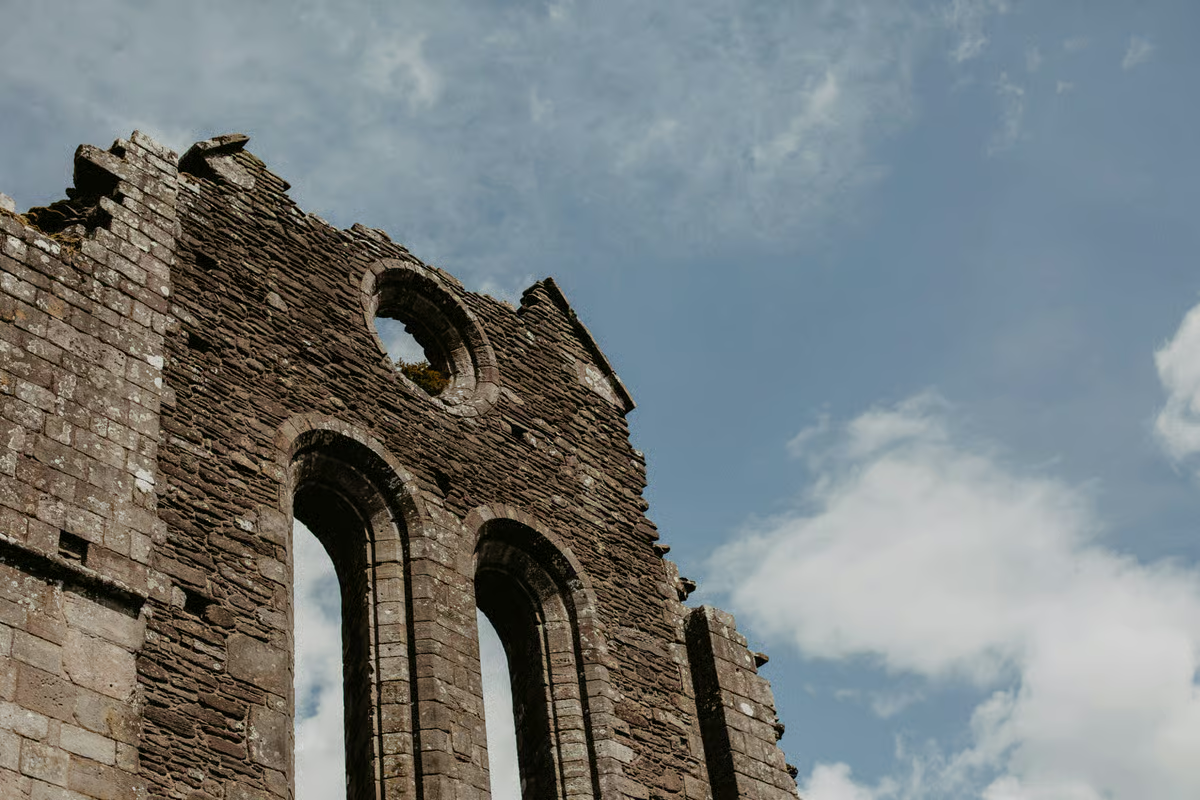
Llanthony Priory
- Best for: Historic ruins, mountain scenery and remote escapes.
- Vibe: Atmospheric, dramatic and wonderfully secluded.
- Don’t miss: The priory ruins surrounded by the Black Mountains.
- Ideal stay length: Half-day visit or overnight nearby stay.
Hidden deep within the Vale of Ewyas in the Black Mountains, Llanthony Priory is one of the Welsh Borders’ most atmospheric historic sites. The ruined Augustinian priory sits within a dramatic valley surrounded by steep green hills, creating a setting that feels both remote and cinematic. Founded during the 12th century, the priory was once an important religious centre before centuries of conflict and decline gradually left it in ruins.
Part of what makes Llanthony Priory so special is the journey to reach it. Narrow country roads wind through the mountains and valleys, gradually revealing the ruins against one of the most spectacular landscapes in the region. Even during busier travel periods, the area often remains wonderfully peaceful, adding to the feeling of discovery and escape.
- Stunning remote location: The surrounding Black Mountains create an unforgettable setting.
- Beautiful historic ruins: The priory remains atmospheric and visually striking centuries later.
- Quiet and uncrowded: It often feels far calmer than more famous historic attractions.
- Fantastic scenic drives: The surrounding roads are among the most beautiful in the Welsh Borders.
- Perfect for photographers: Ruins, mountains and changing light create incredible scenery.
Judge’s Lodging, Presteigne
- Best for: Hidden history, unusual museums and cultural day trips.
- Vibe: Curious, fascinating and quietly atmospheric.
- Don’t miss: The restored Victorian courtroom and judge’s apartments.
- Ideal stay length: Half-day visit.
Located in the small border town of Presteigne, Judge’s Lodging is one of the Welsh Borders’ most unusual historic attractions. This carefully restored Victorian courthouse and judge’s residence offers visitors a fascinating glimpse into the legal and social history of the 19th century. Walking through the building feels remarkably immersive, with original furnishings, prison cells, courtrooms and living quarters helping bring the stories of the building vividly to life.
Unlike larger museums, Judge’s Lodging feels intimate and personal, making it especially rewarding for visitors interested in overlooked corners of British history. Presteigne itself is also worth exploring, with its quiet streets, independent businesses and surrounding countryside adding to the sense of discovering somewhere many travellers simply pass by.
- Unique historical experience: Few museums feel as immersive or atmospheric as this one.
- Fascinating Victorian details: Courtrooms, prison cells and living spaces are beautifully preserved.
- Often overlooked: It remains one of the region’s lesser-known but most rewarding attractions.
- Charming location: Presteigne is a lovely small town with plenty of character.
- Excellent for rainy days: It’s a great indoor attraction without feeling overly touristy.
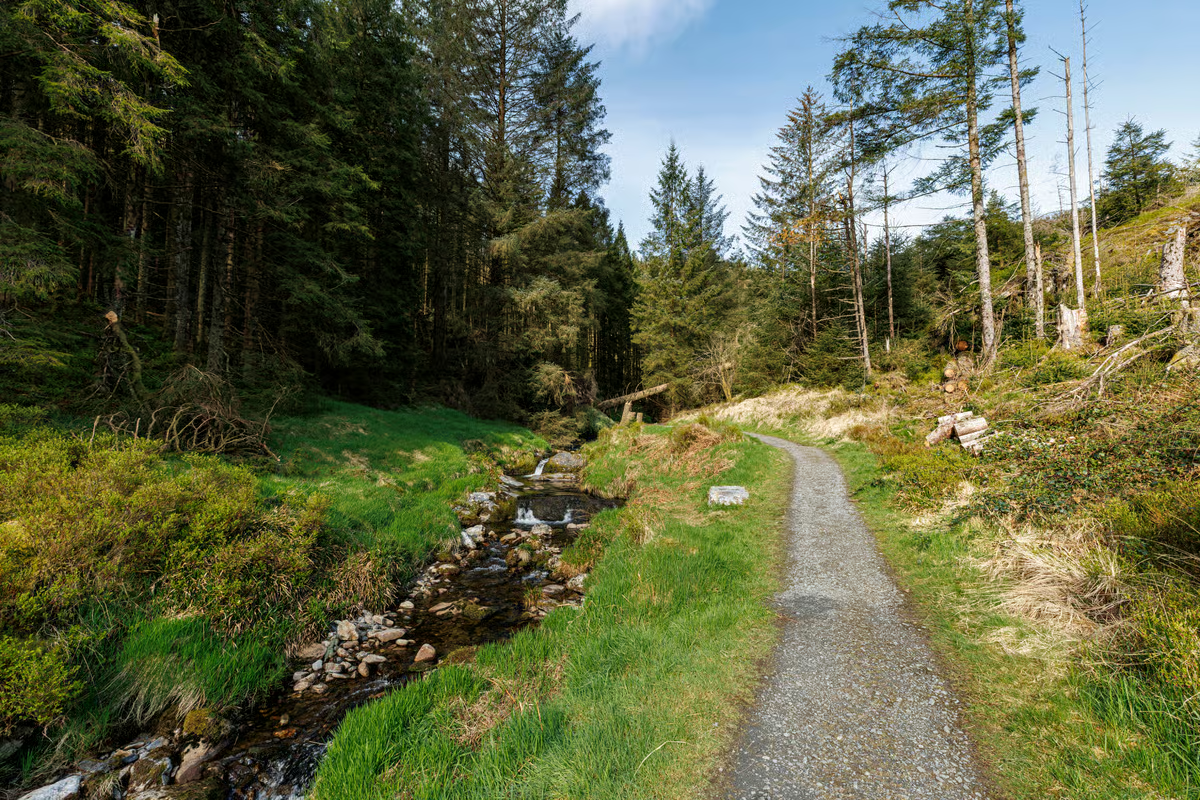
Hafren Forest
- Best for: Woodland walks, waterfalls and peaceful nature escapes.
- Vibe: Wild, calming and beautifully remote.
- Don’t miss: Walking to the source of the River Severn.
- Ideal stay length: Half-day to full-day visit.
Situated near Llanidloes in Mid Wales, Hafren Forest is one of the Welsh Borders’ most peaceful outdoor destinations. The forest stretches across hillsides and valleys close to the source of the River Severn, offering a mix of dense woodland, waterfalls, riverside trails and scenic viewpoints. Compared to some of the region’s better-known forests and national parks, Hafren Forest feels far quieter and more untouched, making it ideal for travellers seeking solitude and nature.
A series of walking routes lead visitors through the forest and up towards the river’s source high in the Cambrian Mountains, with waterfalls and wooden bridges adding to the scenery along the way. The atmosphere here changes beautifully with the seasons, from vibrant green woodland in spring to misty trails and golden foliage during autumn.
- Peaceful woodland scenery: The forest feels calm, remote and wonderfully immersive.
- Beautiful waterfall walks: Trails follow rivers and cascades through the trees.
- Fewer crowds: Hafren Forest often feels far quieter than more famous outdoor destinations.
- Excellent walking routes: There are plenty of trails for different abilities and fitness levels.
- Perfect for nature lovers: Wildlife, rivers and mountain scenery create a rich outdoor experience.
How to get to the Welsh Borders
Despite feeling wonderfully rural and removed from busy city life, the Welsh Borders are surprisingly easy to reach from many parts of the UK. Stretching along the boundary between England and Wales, the region is well connected by road and rail, with scenic routes that quickly give way to rolling countryside, market towns and river valleys. Whether you’re planning a walking holiday in the Shropshire Hills, a foodie break in Ludlow or a countryside retreat near the Wye Valley, travelling to the Welsh Borders is often far simpler than many visitors expect.
One of the joys of visiting the Welsh Borders is the journey itself. As motorways become winding country roads and urban landscapes fade into hills, forests and farmland, the transition into the region feels like part of the escape. While having a car offers the greatest flexibility for exploring remote villages and hidden outdoor spaces, many of the Welsh Borders’ best-known towns are also easily accessible by train, making the region suitable for both road trips and car-free countryside breaks.
### By car
- Best for: Flexible road trips and countryside exploring.
- Vibe: Scenic, adventurous and easy-going.
- Don’t miss: Driving through the Wye Valley or the Shropshire Hills.
- Ideal travel style: Multi-stop itineraries and outdoor-focused breaks.
Travelling by car is one of the easiest and most rewarding ways to explore the Welsh Borders. The region is easily accessible from Birmingham, Manchester, Bristol and Cardiff, with major routes including the M5, M50, A49 and A40 connecting visitors to towns and countryside destinations across the borderlands. Once you arrive, having your own transport makes it far easier to reach remote villages, scenic viewpoints, walking routes and historic sites that are often difficult to access by public transport.
The driving routes themselves are often part of the experience, particularly in areas such as the Wye Valley, Black Mountains and southern Shropshire, where quiet roads wind through dramatic scenery and picturesque market towns. Travelling by car also makes it easy to combine several parts of the Welsh Borders into one trip, from castles and countryside walks to hidden valleys and riverside villages.
### By train
- Best for: Relaxed countryside breaks without driving.
- Vibe: Scenic, simple and stress-free.
- Don’t miss: Rail journeys through the Welsh countryside and border landscapes.
- Ideal travel style: Weekend escapes and slower travel.
Many of the Welsh Borders’ most popular towns are surprisingly well connected by rail, making the region an excellent choice for car-free countryside breaks. Main stations such as Hereford, Shrewsbury, Ludlow and Abergavenny provide easy access to key parts of the region, with regular services from London, Birmingham, Manchester and Cardiff. Travelling by train also allows visitors to sit back and enjoy some of the region’s beautiful scenery before even arriving at their destination.
Rail travel works particularly well for visitors planning town-based stays combined with walking, local sightseeing and pub-filled weekends away. While some remote areas still require taxis or local buses to reach, many of the Welsh Borders’ best-loved towns are compact, walkable and perfectly suited to slower-paced rail travel.
### By bike
- Best for: Active holidays and scenic countryside adventures.
- Vibe: Slow-paced, outdoorsy and immersive.
- Don’t miss: Quiet country lanes and National Cycle Routes through the hills.
- Ideal travel style: Cycling holidays and nature-focused escapes.
The Welsh Borders are an excellent destination for cycling holidays thanks to their quiet roads, rolling hills and wide variety of landscapes. National Cycle Routes weave through many parts of the region, while countless smaller country lanes offer peaceful rides through valleys, woodland and market towns. Whether you’re looking for gentle riverside routes or more challenging hill climbs, there are cycling opportunities suitable for a wide range of abilities.
Cycling also allows visitors to experience the region at a slower pace, making it easier to appreciate the scenery, wildlife and hidden corners often missed when travelling by car. Areas such as the Wye Valley, Forest of Dean and Shropshire Hills are particularly popular with cyclists thanks to their combination of scenic routes and welcoming countryside pubs and cafés.
### By coach
- Best for: Budget-friendly countryside breaks and simple travel.
- Vibe: Affordable, practical and low-stress.
- Don’t miss: Combining coach travel with local rail connections.
- Ideal travel style: Flexible and lower-cost getaways.
Coach services provide another affordable way to reach parts of the Welsh Borders, particularly from nearby cities such as Birmingham, Cardiff and Bristol. National coach operators connect many larger towns close to the border region, while local buses help visitors continue onwards into surrounding countryside destinations. Although public transport can be slower than driving, it often allows for a far more relaxed journey through the landscapes of the region.
Travelling by coach works especially well for visitors planning to stay in one location rather than moving around frequently. Combined with rail travel and local taxi services, it’s entirely possible to enjoy a slower-paced Welsh Borders break without needing to drive.
Best time of year to visit the Welsh Borders
The Welsh Borders are a year-round destination, with each season bringing its own atmosphere, colours and opportunities for exploring the region. From spring wildflowers and long summer evenings to golden autumn woodlands and cosy winter escapes, the changing landscapes give the Welsh Borders a very different feel throughout the year. The best time to visit often depends on the kind of break you’re looking for, whether that’s outdoor adventure, peaceful countryside walks, seasonal festivals or relaxing pub-filled weekends away.
One of the region’s biggest strengths is how well it suits slower travel in every season. Even during busier summer months, many parts of the Welsh Borders remain far quieter than some of the UK’s more famous tourist destinations, while autumn and winter bring a particularly peaceful charm to the hills, valleys and market towns. Whatever time of year you visit, you’ll find beautiful scenery, welcoming places to stay and plenty of opportunities to reconnect with nature and history.
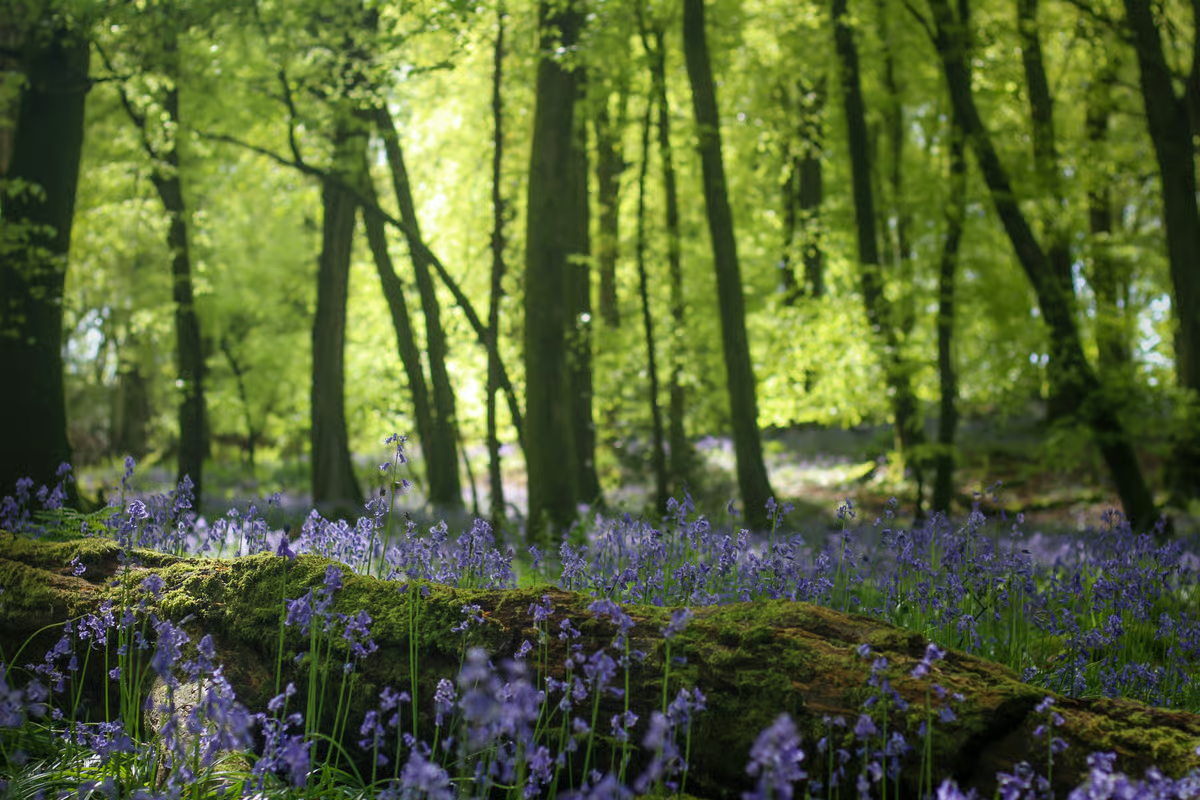
Spring
- Best for: Walking holidays, nature lovers and quieter countryside breaks.
- Vibe: Fresh, peaceful and full of new life.
- Don’t miss: Wildflowers, lambing season and blossom-covered valleys.
- Ideal stay length: 2–4 days.
Spring is one of the most rewarding times to visit the Welsh Borders, as the countryside begins to burst back into colour after winter. Hillsides turn bright green, woodland floors fill with bluebells and wild garlic, and lambs appear across the region’s rolling farmland. The landscapes feel especially fresh and peaceful during this time of year, making spring ideal for scenic walks, countryside drives and slower-paced escapes before the busier summer season arrives.
Temperatures are generally mild and comfortable for outdoor exploring, particularly in areas such as the Shropshire Hills, Wye Valley and Brecon Beacons. Spring is also an excellent season for wildlife spotting, photography and riverside walks, with waterfalls and forests often looking particularly dramatic after wetter winter months.
- Beautiful countryside colours: Fresh green hills and spring flowers transform the landscapes.
- Excellent walking weather: Cooler temperatures make hiking and exploring especially enjoyable.
- Quieter atmosphere: Many attractions and trails feel peaceful before summer crowds arrive.
- Wildlife and lambing season: Spring brings plenty of opportunities to experience rural life.
- Perfect for scenic drives: Valleys, blossom and changing landscapes look stunning during springtime.
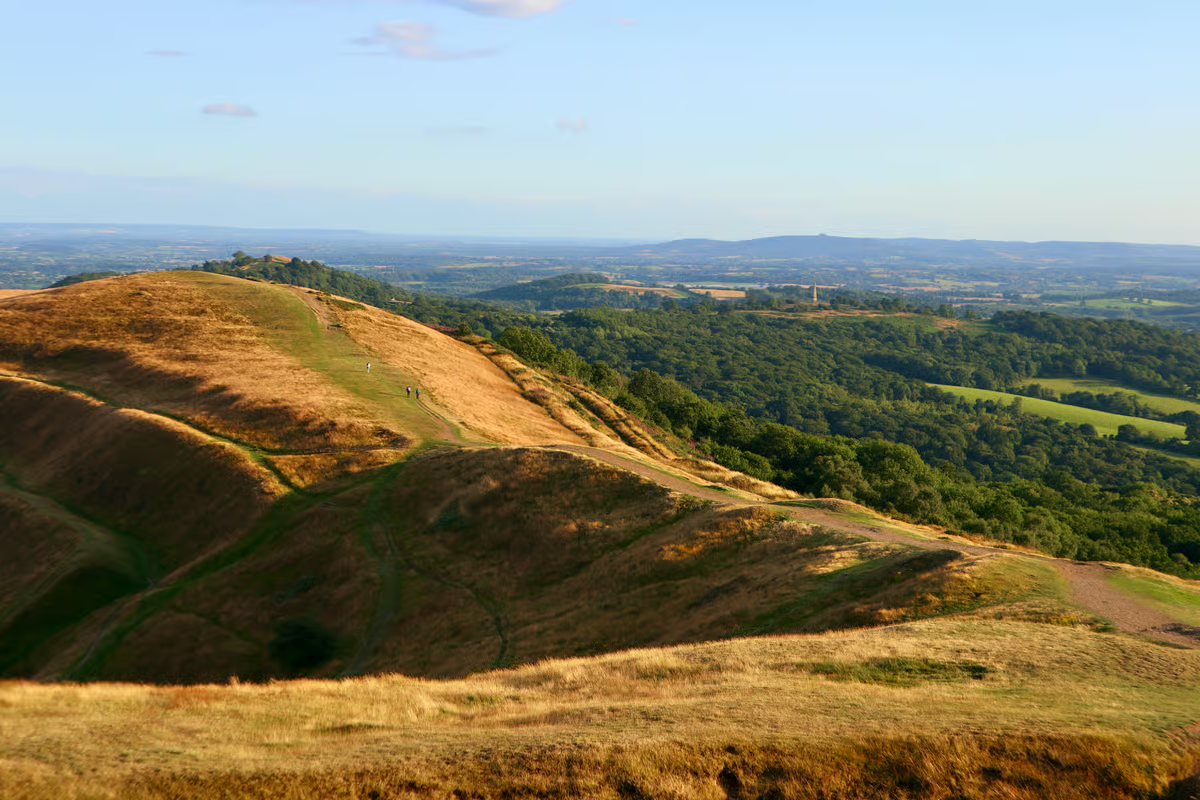
Summer
- Best for: Outdoor adventures, festivals and long countryside days.
- Vibe: Lively, scenic and adventurous.
- Don’t miss: Hay Festival, riverside activities and hilltop sunsets.
- Ideal stay length: 3–5 days.
Summer is the Welsh Borders at its most vibrant, with long daylight hours, lively market towns and excellent conditions for outdoor adventures. This is the best season for hiking in the hills, kayaking along the River Wye, cycling quiet country roads and spending evenings in pub gardens overlooking the countryside. Festivals and local events also bring extra energy to the region, particularly in places such as Hay-on-Wye and Ludlow.
Despite the warmer weather and increased popularity during school holidays, much of the Welsh Borders still feels far calmer and less crowded than many UK tourist hotspots. Visitors can enjoy a wonderful balance of outdoor activities, relaxed countryside living and scenic exploring, all while taking advantage of the region’s longest and brightest days.
- Best weather for exploring: Longer days and warmer temperatures are ideal for outdoor adventures.
- Fantastic festivals: Summer brings literary, food and cultural festivals across the region.
- Excellent riverside activities: Kayaking, canoeing and picnics become especially popular.
- Beautiful evening scenery: Long sunsets and golden countryside light create incredible views.
- Great atmosphere in market towns: Outdoor dining, events and bustling streets bring towns to life.
Autumn
- Best for: Scenic drives, woodland walks and cosy countryside escapes.
- Vibe: Atmospheric, colourful and wonderfully cosy.
- Don’t miss: Autumn colours in the Wye Valley and Forest of Dean.
- Ideal stay length: 2–4 days.
Autumn is arguably one of the most beautiful seasons in the Welsh Borders, especially in woodland areas such as the Wye Valley and Forest of Dean where the landscapes turn vibrant shades of gold, orange and deep red. Misty mornings, quieter roads and crisp countryside walks create a wonderfully atmospheric feel throughout the region, making autumn perfect for slower-paced escapes and scenic road trips.
As temperatures begin to cool, cosy pubs, traditional inns and countryside cottages become even more inviting, particularly after days spent walking through forests and hills. Autumn is also an excellent season for photography, with dramatic skies and colourful landscapes adding extra beauty to many of the region’s most famous viewpoints and historic sites.
- Spectacular woodland colours: Forests and valleys become incredibly scenic during autumn.
- Cosy countryside atmosphere: Pubs, cottages and market towns feel especially welcoming.
- Excellent walking conditions: Cooler weather makes outdoor exploring comfortable and enjoyable.
- Quieter travel season: Many attractions and trails become calmer after summer.
- Beautiful scenic drives: Country roads and hill routes look stunning beneath autumn colours.
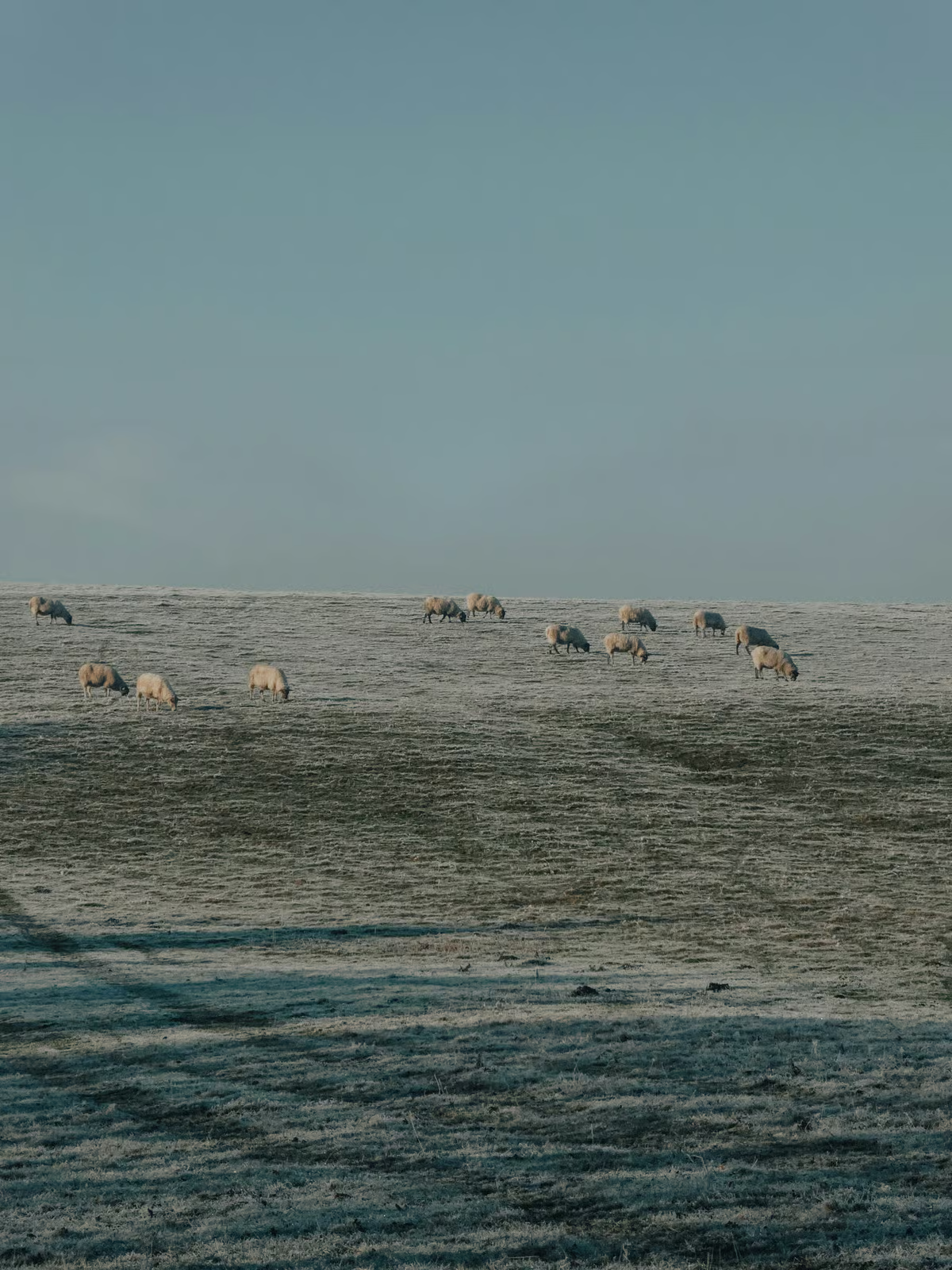
Winter
- Best for: Peaceful retreats, cosy stays and festive market towns.
- Vibe: Quiet, atmospheric and deeply relaxing.
- Don’t miss: Frosty hill landscapes and roaring fires in countryside pubs.
- Ideal stay length: 2–3 days.
Winter transforms the Welsh Borders into a wonderfully peaceful destination filled with frosty hills, quiet villages and cosy countryside escapes. While the weather can be colder and less predictable, the region’s slower pace becomes especially appealing during the winter months. Market towns such as Ludlow and Hay-on-Wye feel atmospheric beneath festive lights, while countryside pubs and cottages provide warm, welcoming places to retreat after crisp winter walks.
Although some higher walking routes can become muddy or challenging in poor weather, winter remains a fantastic season for shorter countryside rambles, scenic drives and relaxed weekends away. Clear days often bring stunning visibility across the hills and valleys, while dark evenings create ideal conditions for stargazing in quieter rural areas.
- Peaceful countryside escapes: Villages and landscapes feel wonderfully calm during winter.
- Cosy pub culture: Fireside pubs and traditional inns are perfect after cold countryside walks.
- Beautiful frosty scenery: Hills, valleys and forests take on a magical winter atmosphere.
- Festive market towns: Seasonal events and Christmas lights add charm to historic towns.
- Perfect for relaxing breaks: Winter encourages slower travel and cosy countryside stays.
Some of our favourite stays in the Welsh Borders
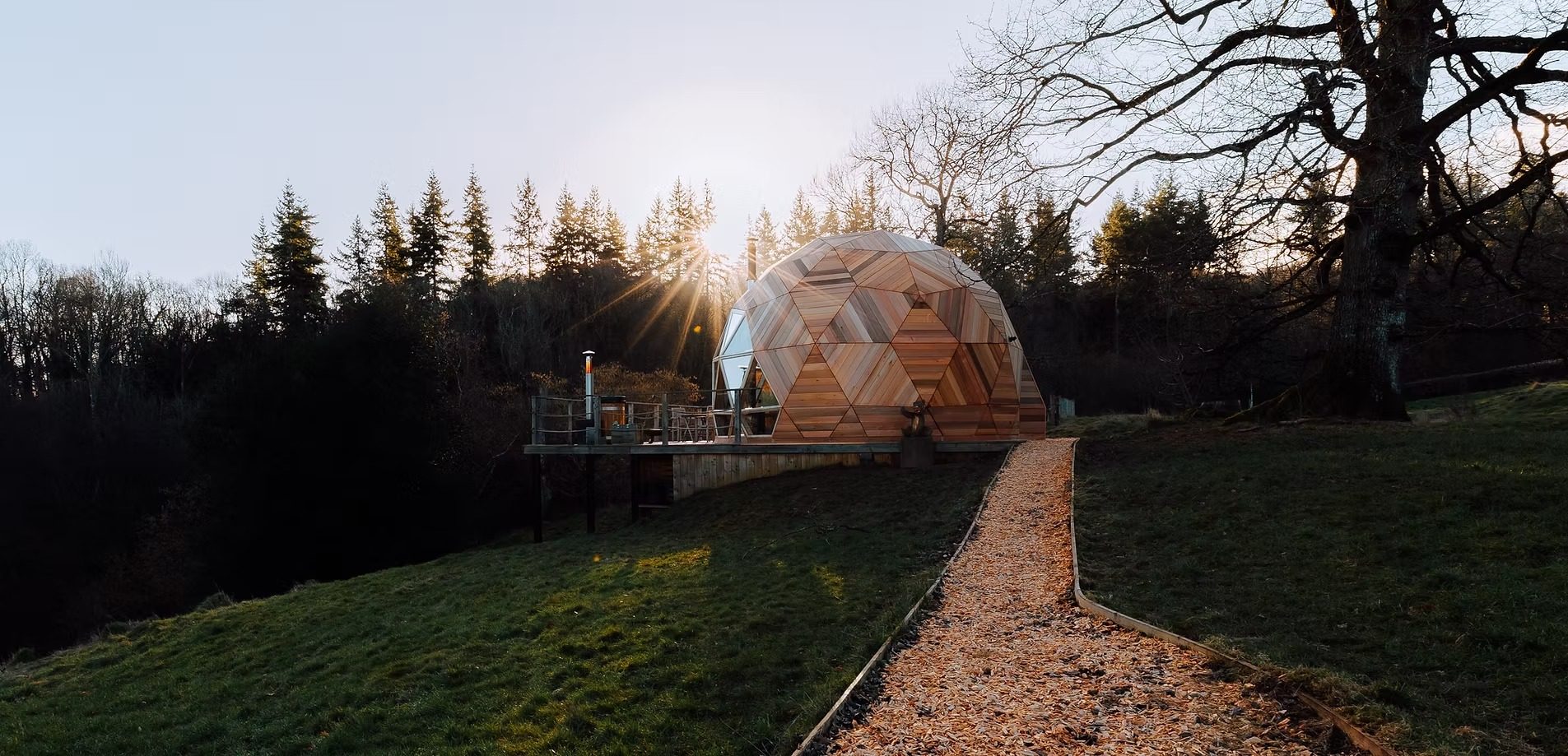
Nova Dome
Hereford
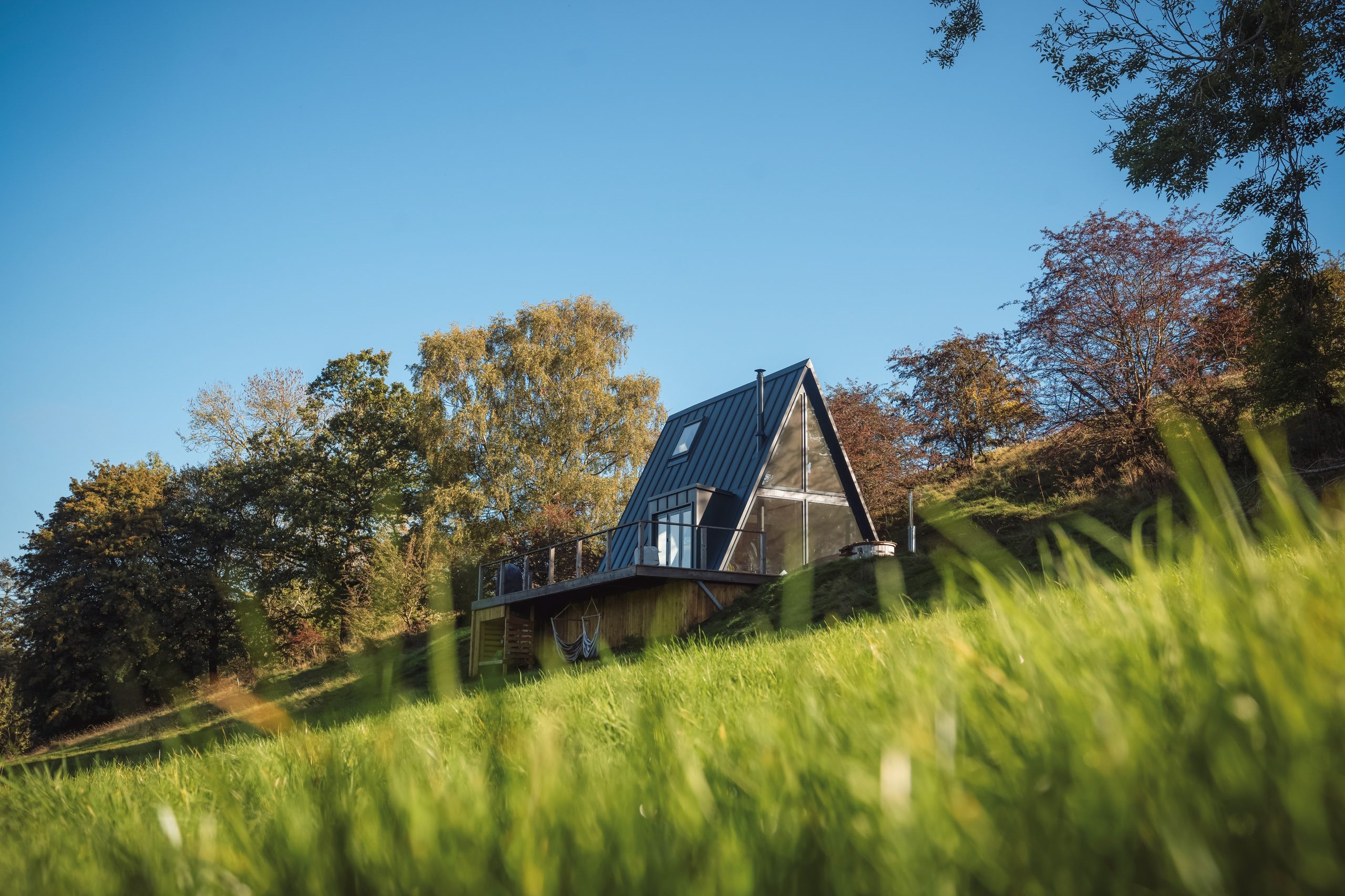
The A Frame
Hereford
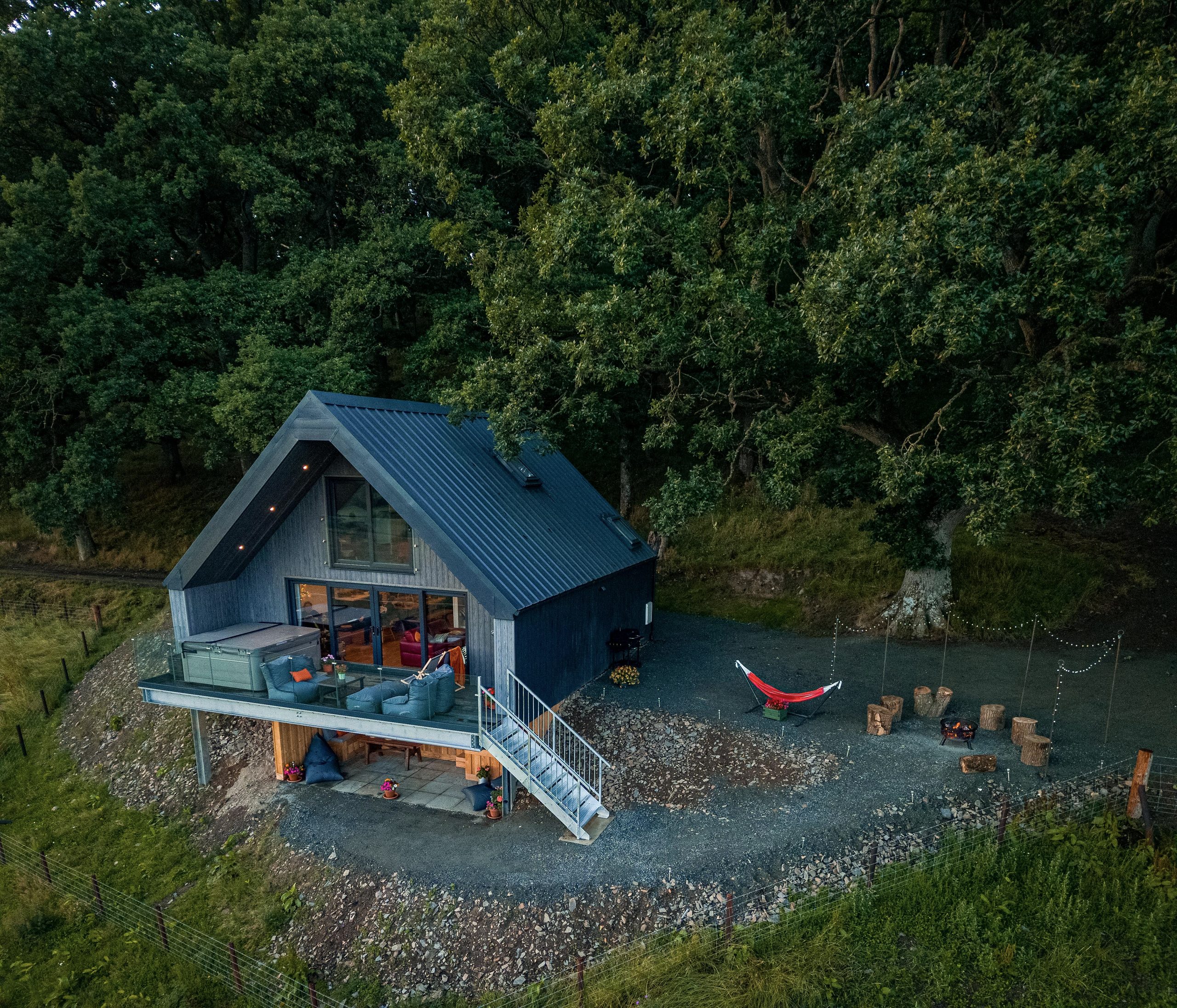
Oolert at Rhiw Wood Treehouses
Llandrindod Wells
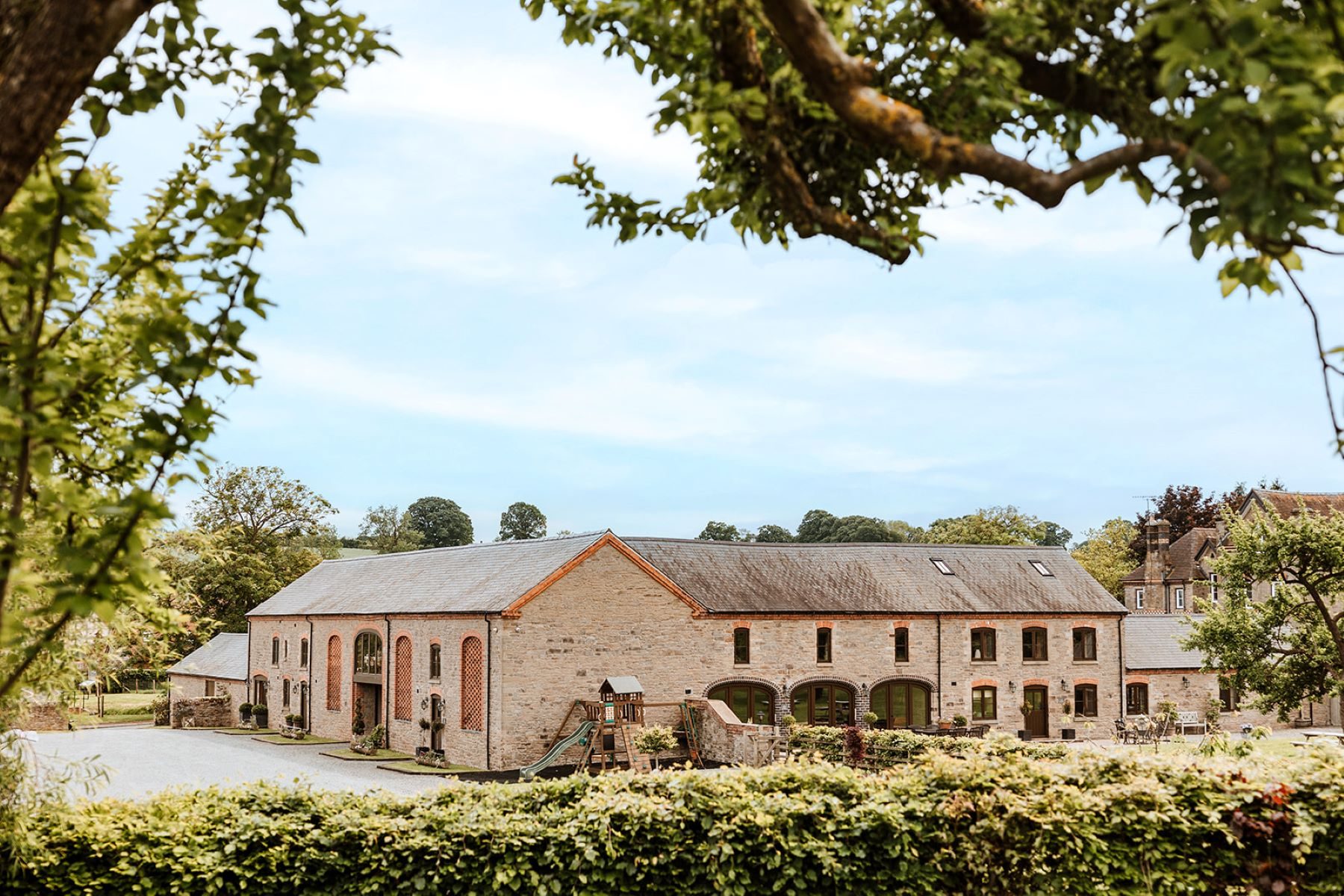
The Barns
Kington
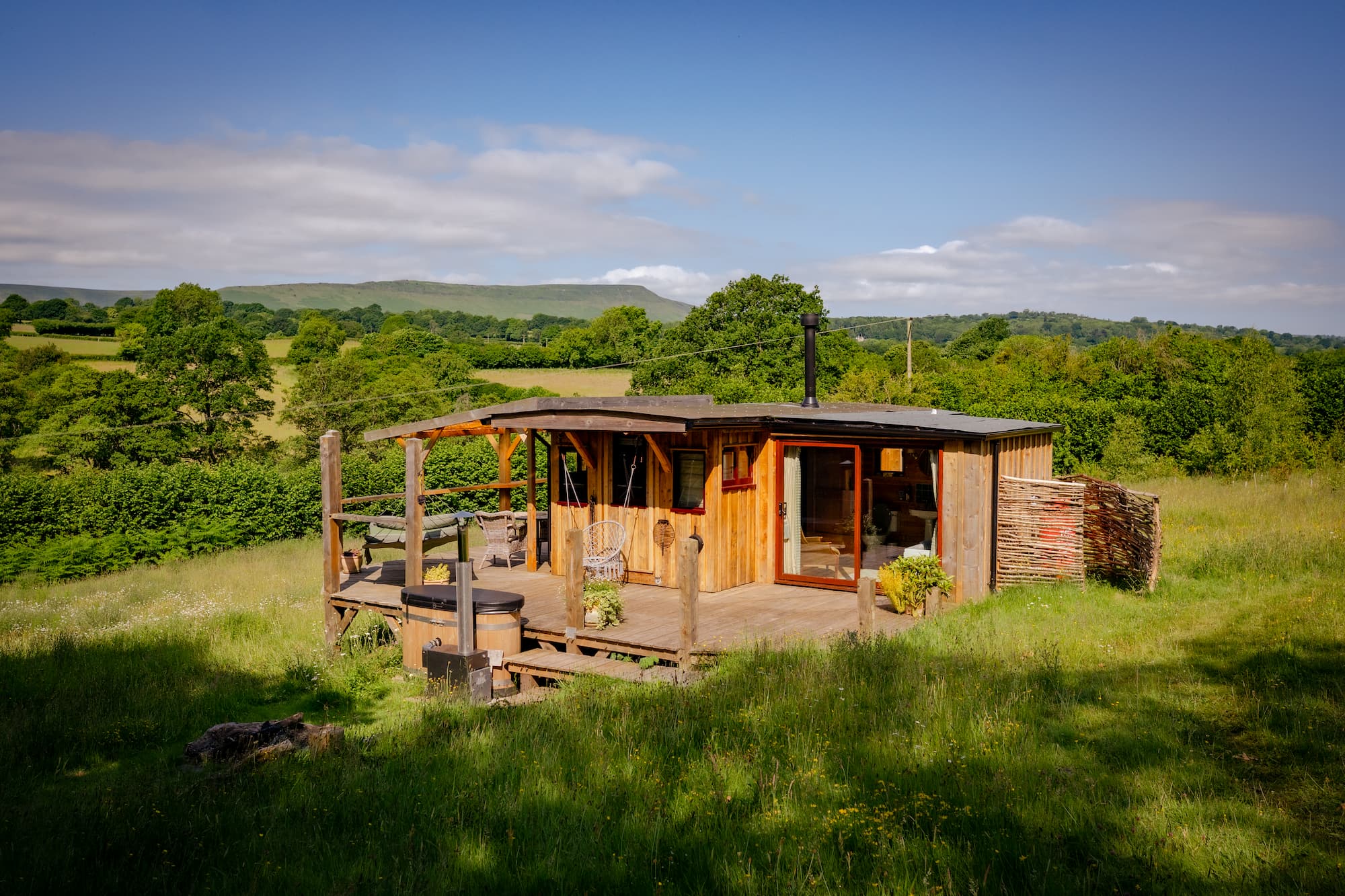
Cobnut Cabin
Hereford
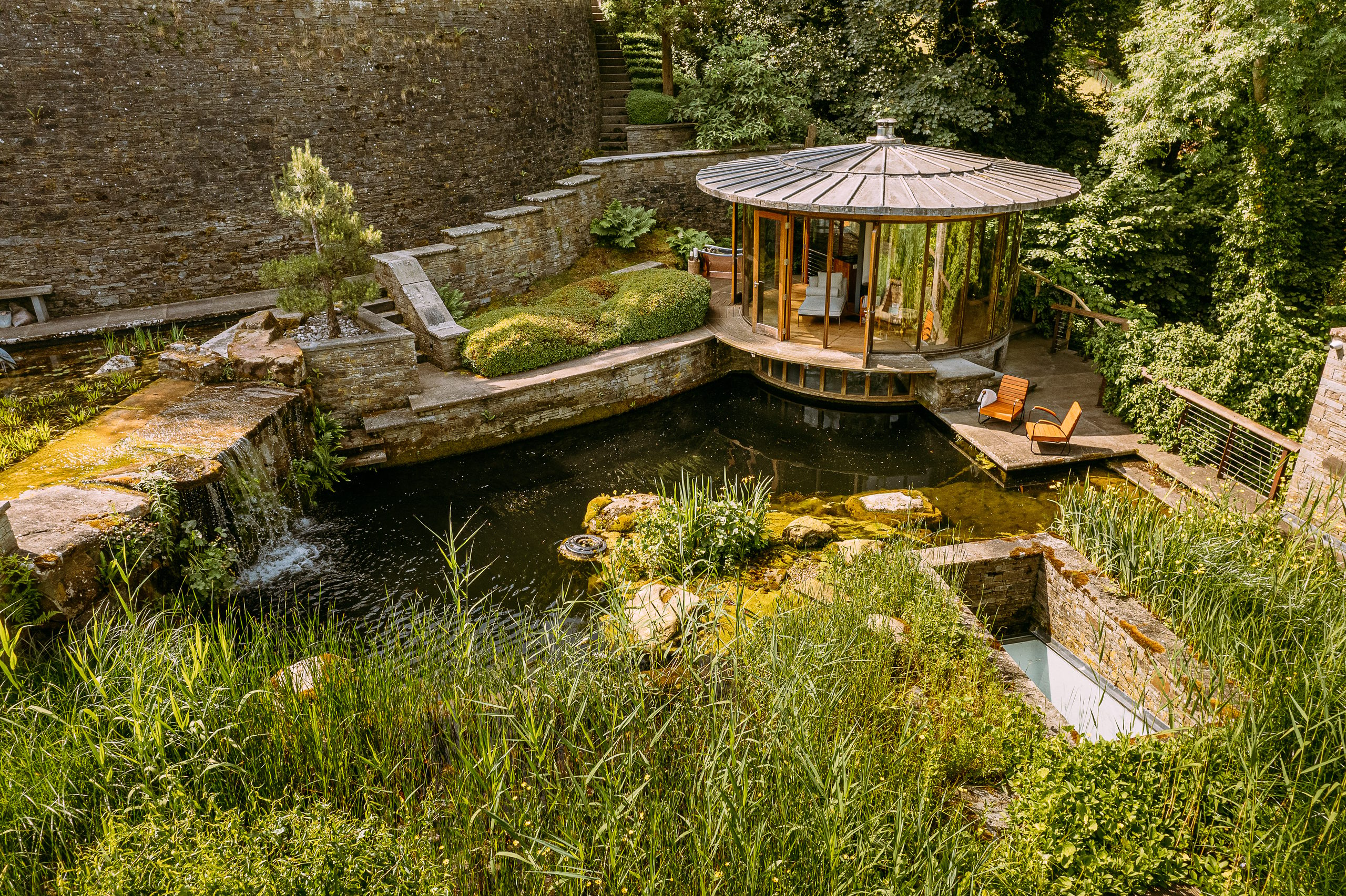
The Roundhouse
Ross-on-Wye
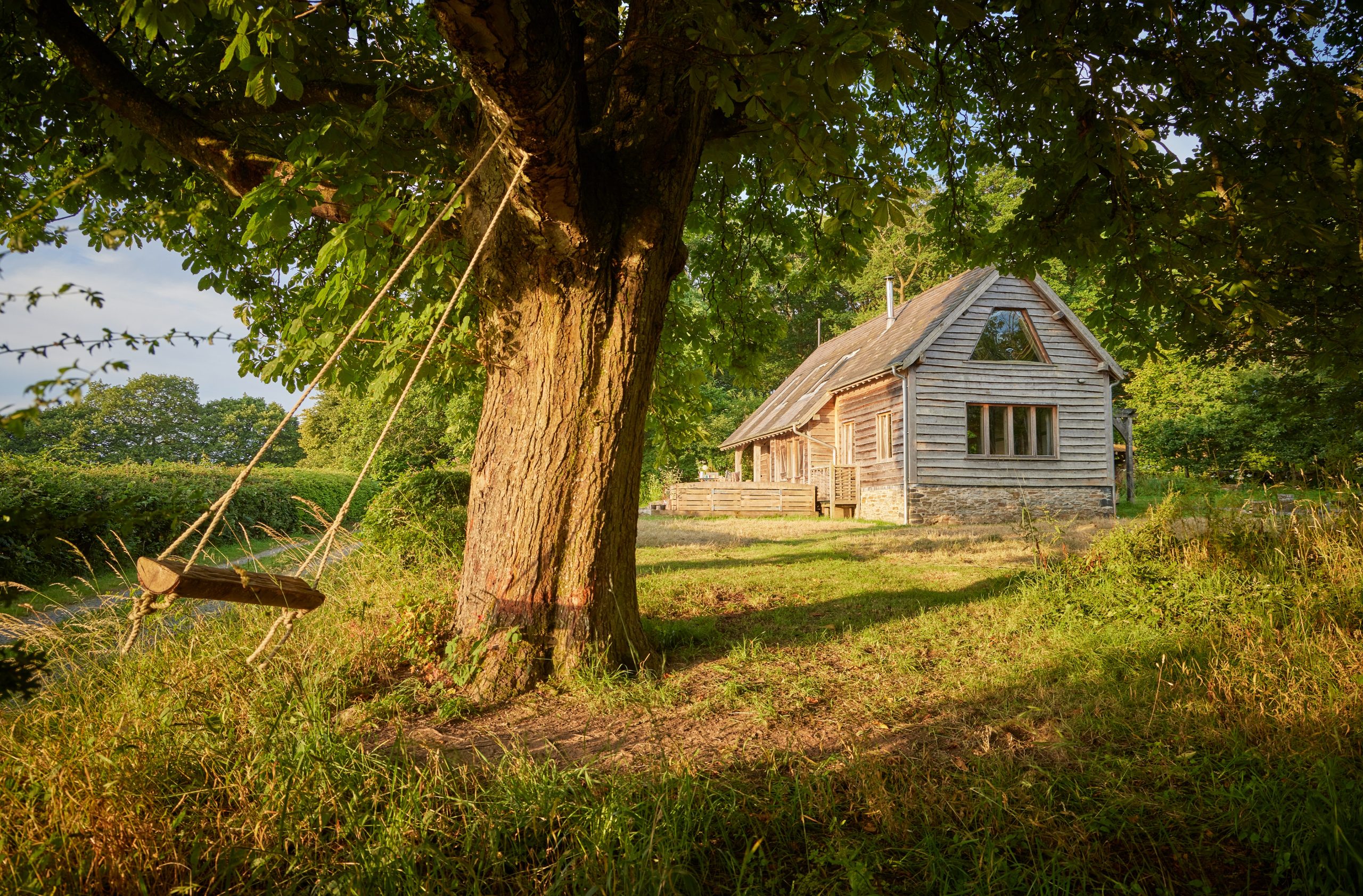
Cruckbarn
Leominster
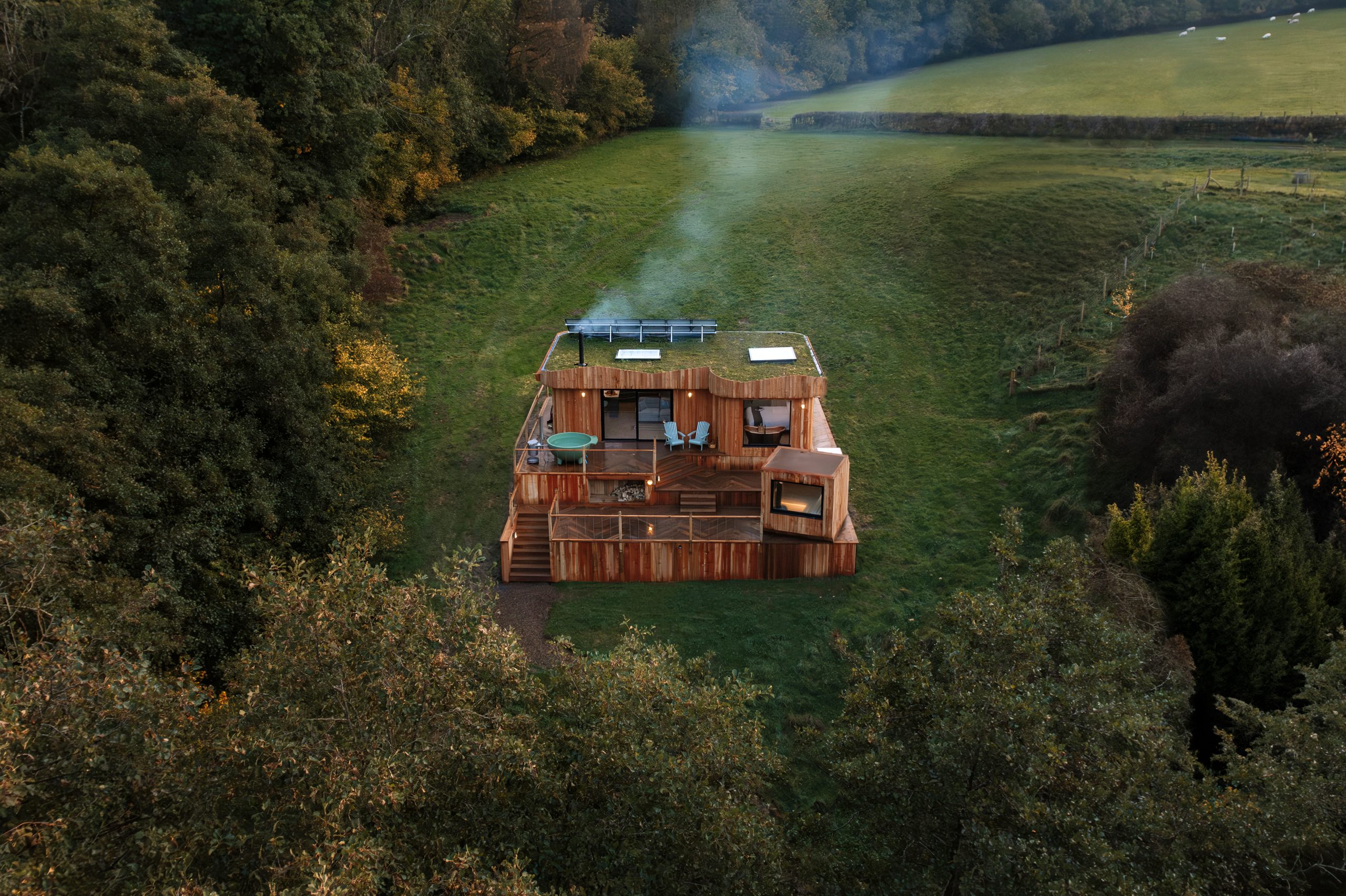
The Scandi Cabin
Hereford
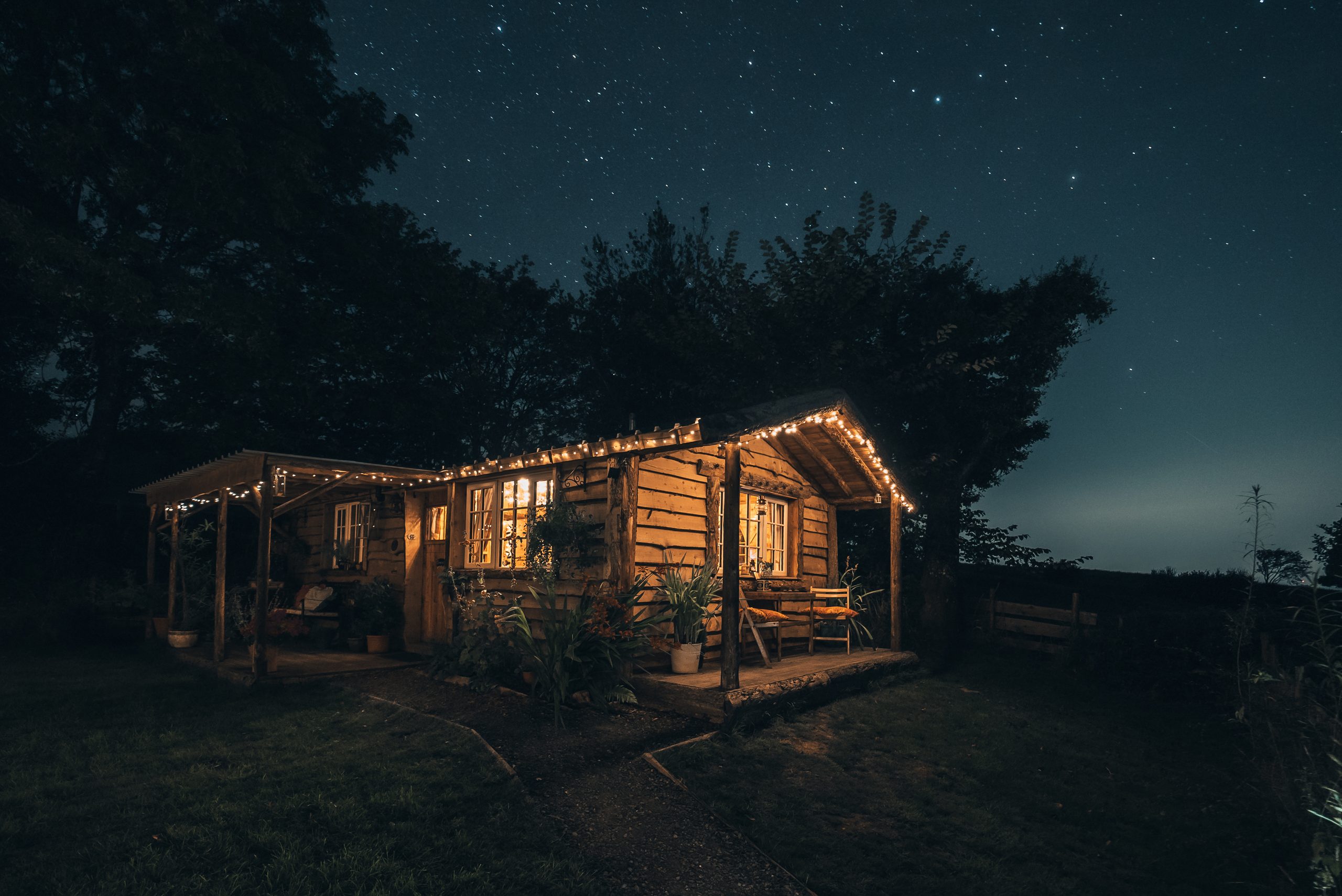
Coety Bach
Llandrindod Wells
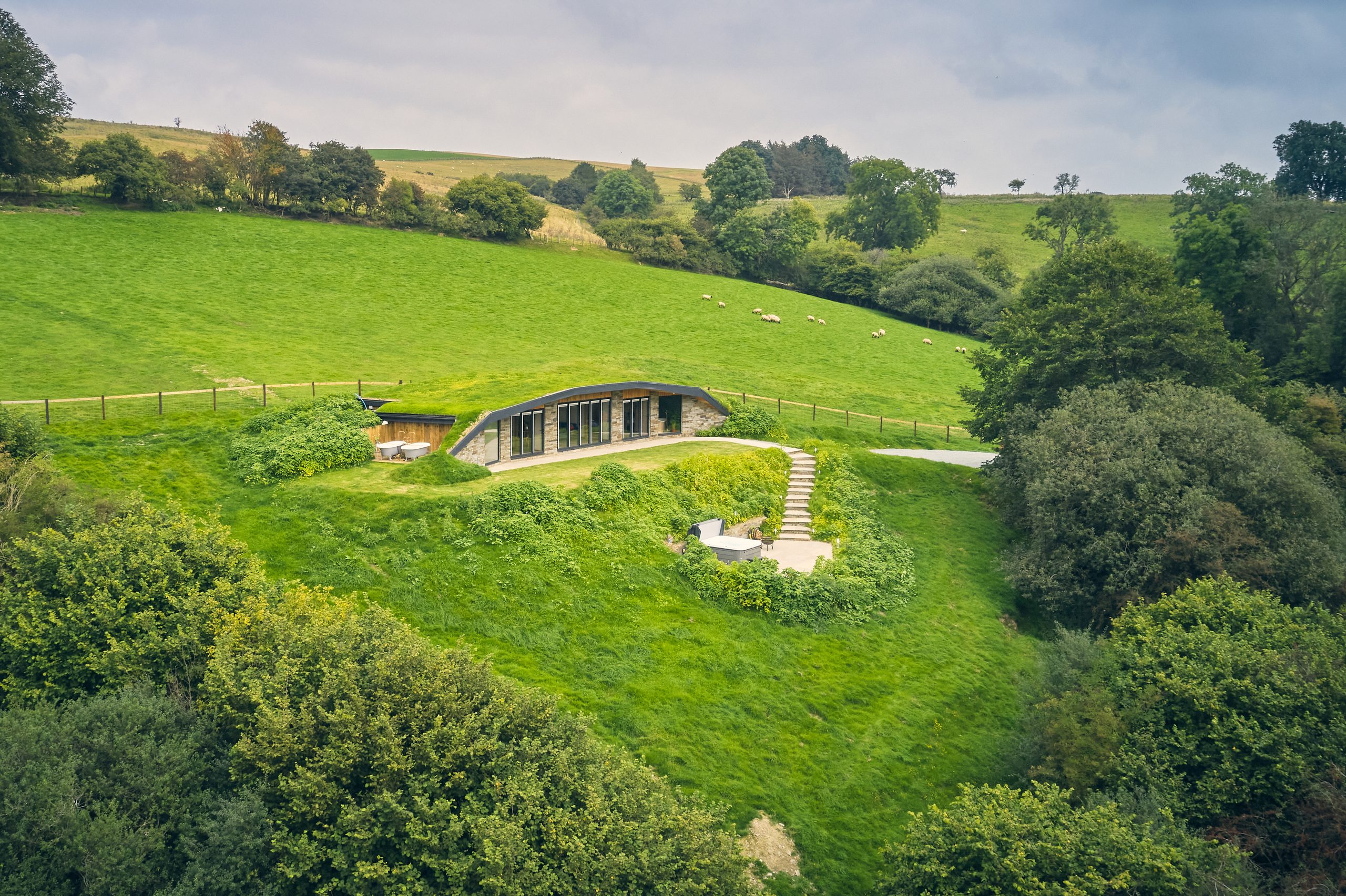
The Nest
Knighton
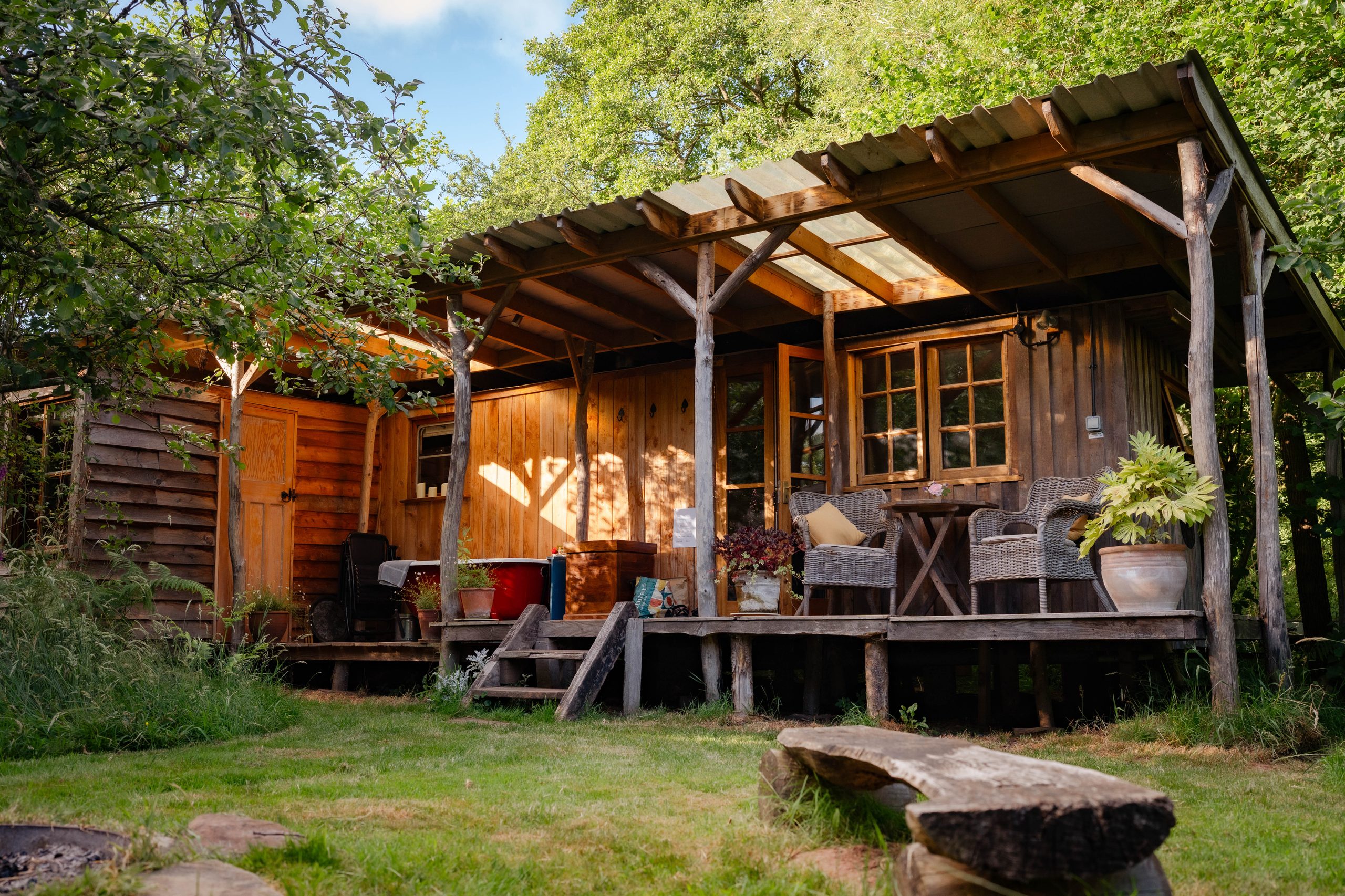
Kingfisher Cabin
Hereford
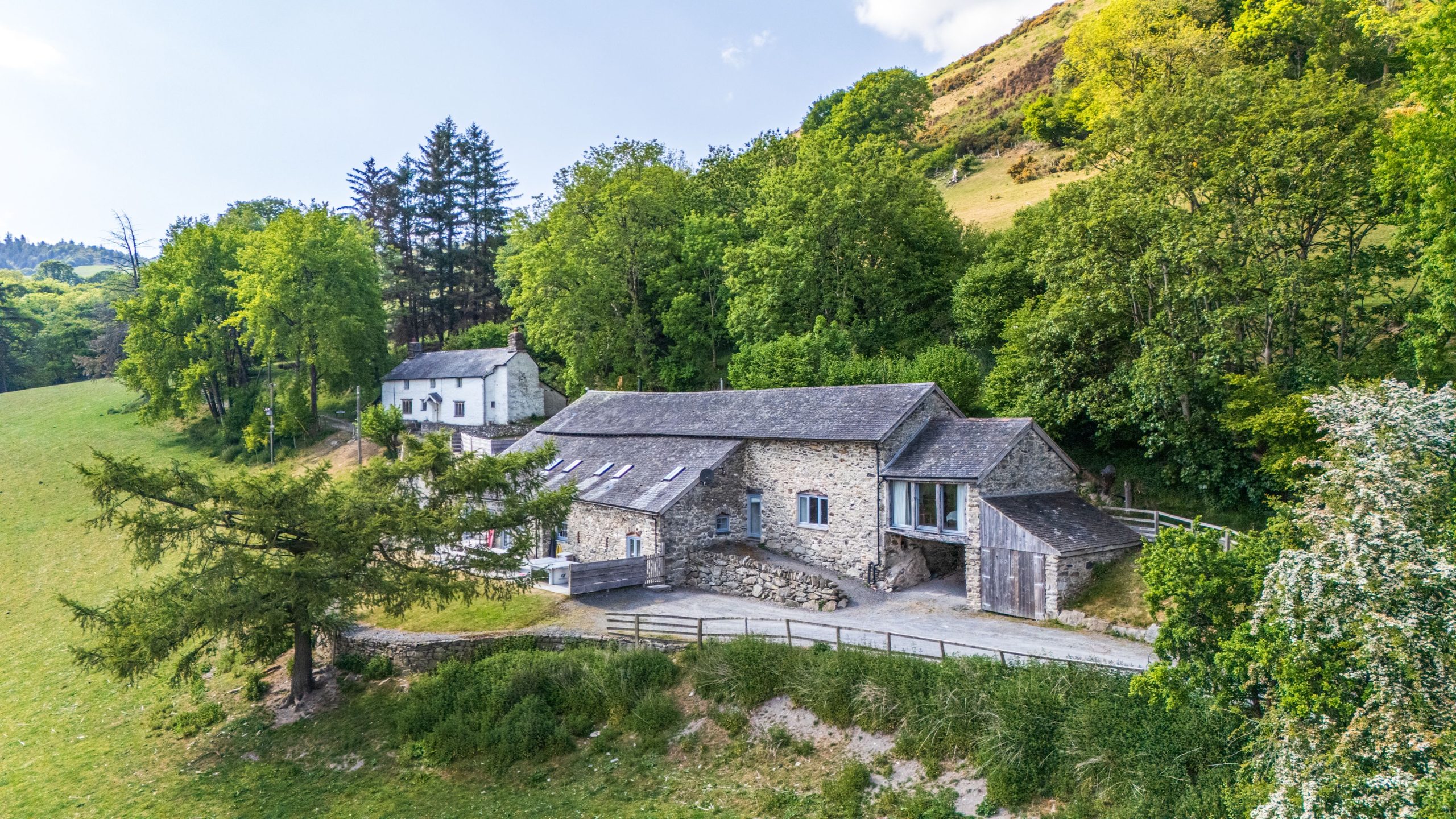
Upper Valley Barn
Powys
The Welsh Borders are the regions that stretch along the boundary between England and Wales, including parts of Herefordshire, Shropshire, Monmouthshire, Powys and the Wye Valley.
The Welsh Borders are known for rolling countryside, historic market towns, castles, walking trails, river valleys and the unique blend of Welsh and English heritage.
Popular towns include Ludlow, Hay-on-Wye, Monmouth and Church Stretton, each offering history, independent shops, scenic surroundings and excellent food and drink.
Yes, the Welsh Borders are ideal for walking holidays thanks to landscapes such as the Shropshire Hills, Wye Valley, Offa’s Dyke and Brecon Beacons.
Visitors can enjoy hiking, cycling, kayaking, canoeing, wildlife spotting, scenic drives and exploring forests, mountains and river valleys.
The Welsh Borders are beautiful year-round, though spring and autumn are especially popular for walking, scenery and quieter countryside escapes.
Yes, the region offers plenty of family-friendly attractions including safari parks, woodland trails, castles, museums and outdoor adventure activities.
Yes, many towns including Ludlow, Hereford and Abergavenny are accessible by train, though having a car provides greater flexibility for exploring rural areas.
Hidden gems include Clun Valley, Llanthony Priory, Hafren Forest and Judge’s Lodging in Presteigne.
A long weekend is ideal for exploring one area, while 5–7 days allows you to experience multiple towns, landscapes and attractions across the region.