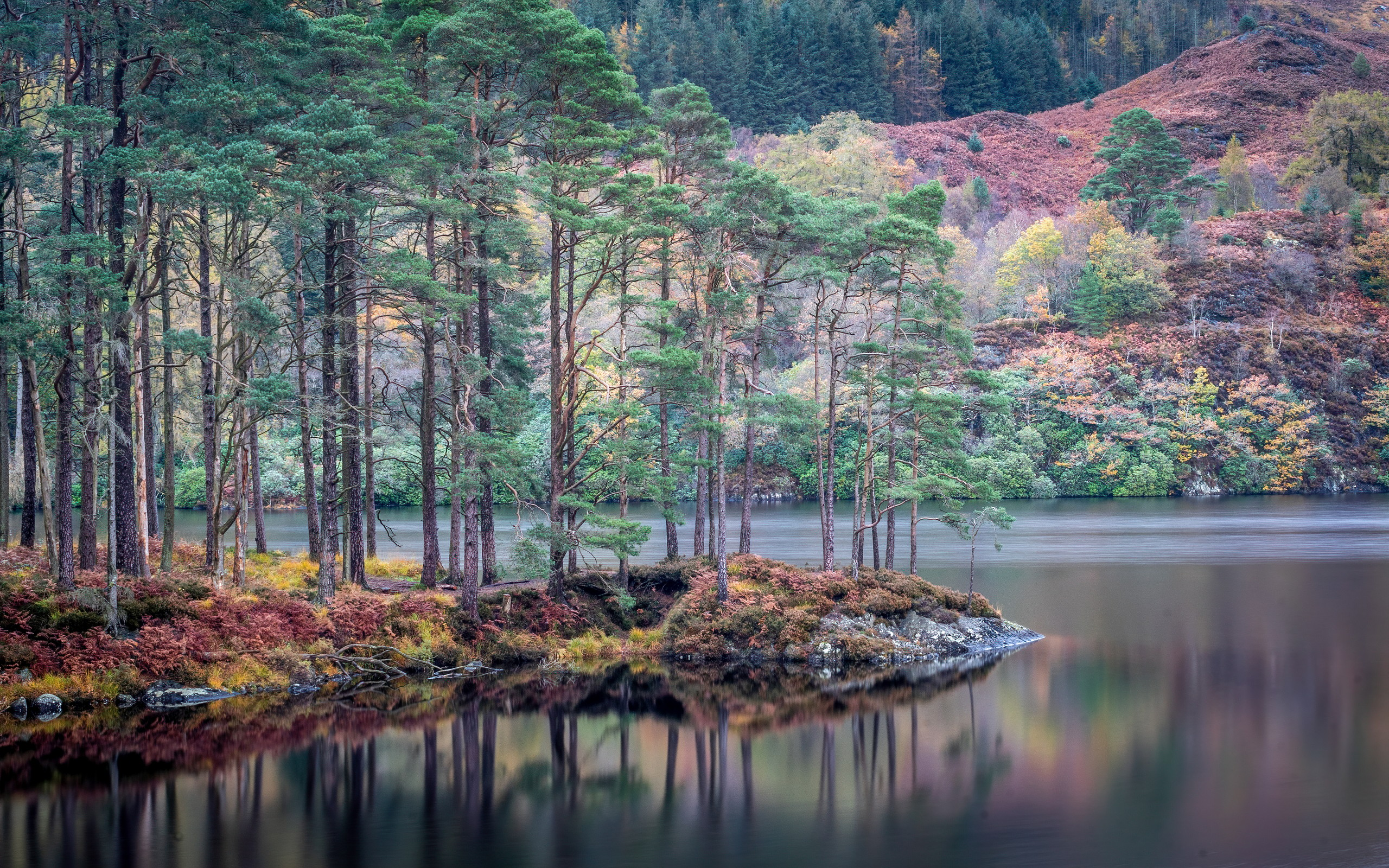
A guide to the UK’s most beautiful lochs, lakes and rivers
Published 17th March 2026
Across the UK, water shapes some of the most memorable landscapes you can experience. From vast glacial lakes edged by mountains to quiet rivers winding through countryside, these places offer a sense of calm, scale and connection to nature that’s hard to replicate elsewhere. Some feel dramatic and elemental, others soft and slow, but all have a way of drawing you in.
Rather than regions, this guide focuses on individual lakes, lochs and rivers. Each one has its own character, its own atmosphere, and its own way of showing off the beauty of waterside Britain.
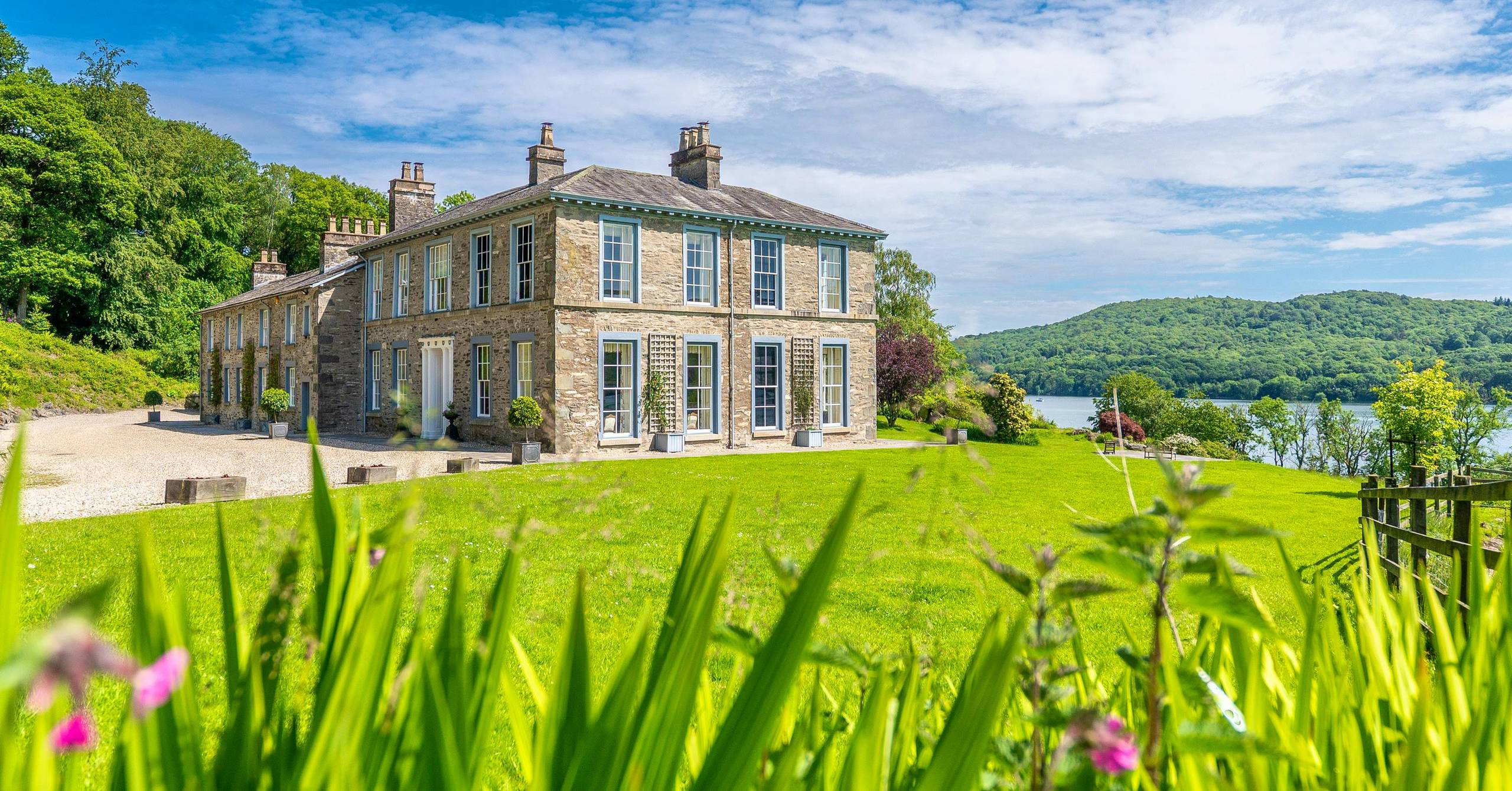
Windermere, Lake District
There’s a reason Windermere is so well known. As England’s largest lake, it has a sense of scale that immediately stands out, with long stretches of open water framed by soft hills and distant fells. Depending on the time of day, it can feel lively and expansive or completely still and reflective.
Early mornings are often the most memorable, when mist sits low over the surface and the lake feels almost untouched. By evening, the light softens and reflections stretch across the water, creating that classic Lake District atmosphere.
- Take to the water – Boat trips, kayaking or paddleboarding across wide open stretches
- Walk the shoreline – Gentle routes with constant lake views
- Stop in lakeside towns – Bowness and Ambleside for cafés and relaxed wandering
- By car - Easily accessible via the M6, with routes into Windermere and surrounding towns
- By train - Direct trains to Oxenholme, with connections to Windermere station
- By bus - Regular local buses connect key areas around the lake
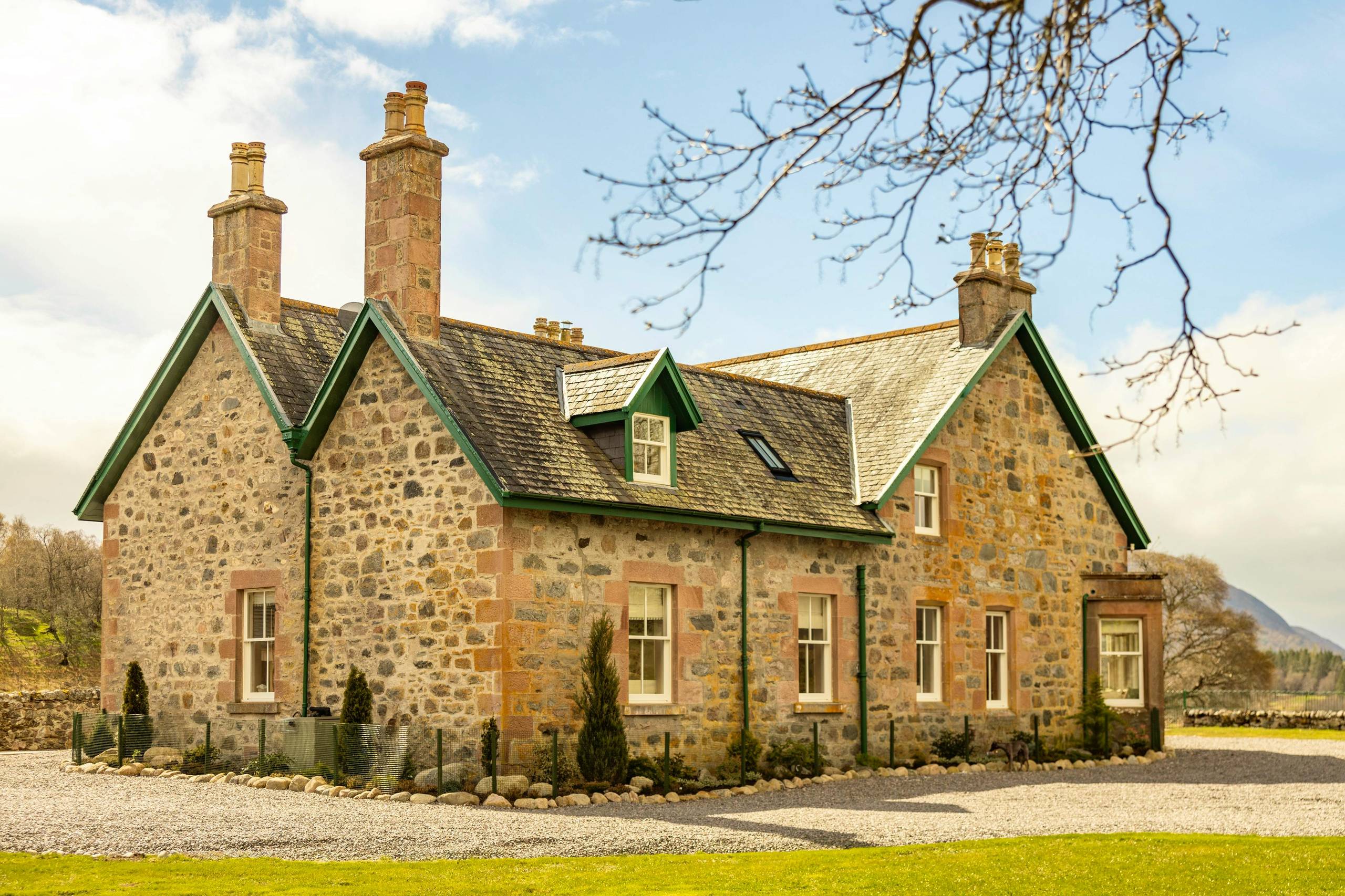
Loch Ness, Scottish Highlands
Loch Ness is one of the most iconic bodies of water in the UK, but beyond its legend, it’s the scale and atmosphere that leave the strongest impression. Long, deep and often dark in tone, the loch cuts through the landscape with a quiet intensity.
Weather plays a huge role here. On misty days, the water and surrounding hills blur into one, creating a sense of mystery. When the skies clear, the full length of the loch reveals itself, stretching out into the distance.
- Walk sections of the Great Glen Way – Elevated views over the loch
- Visit Urquhart Castle – A historic viewpoint right on the water’s edge
- Take a boat trip – Experience the scale from the centre of the loch
- By car - Around 30 minutes from Inverness via the A82
- By train - Nearest station is Inverness, followed by a short drive or bus
- By bus - Regular services run along the loch from Inverness
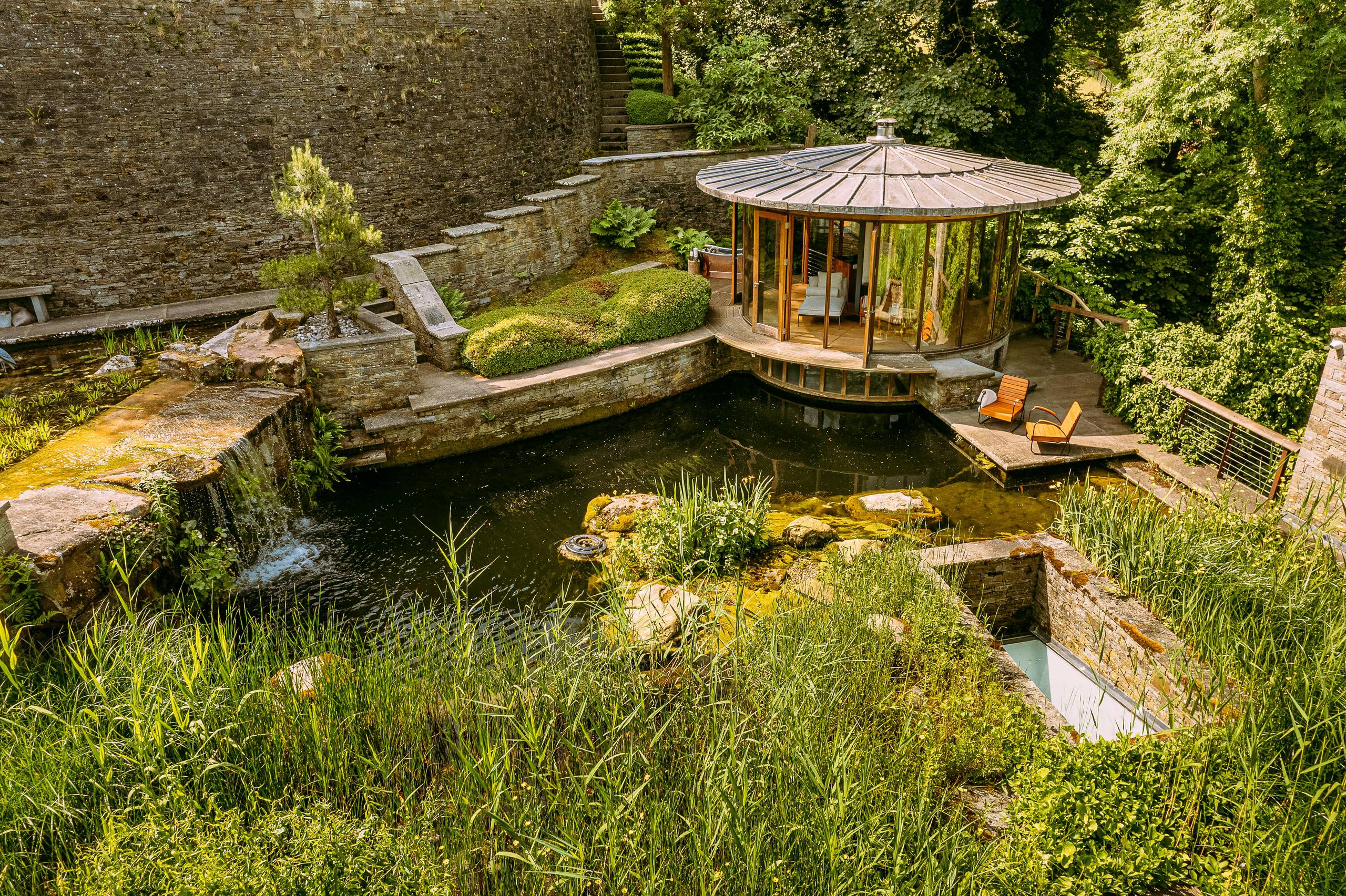
The River Wye, Welsh Borders
The River Wye feels entirely different from the lakes and lochs. It moves slowly through the landscape, curving between wooded hills, open meadows and historic sites. There’s a softness to it that encourages you to slow down and follow its pace.
At certain points, the river opens out into wide, gentle bends. In others, it narrows and winds through tree-lined sections where the only sounds are water and birdsong.
- Canoe down the river – One of the best ways to experience its changing scenery
- Walk to Symonds Yat Rock – For a sweeping view over the valley
- Visit Tintern Abbey – Set just beside the river, adding to its atmosphere
- By car - Accessible via the A40 and M50, depending on your route
- By train - Stations at Hereford and Chepstow provide good access
- By bus - Local services connect key villages and riverside spots
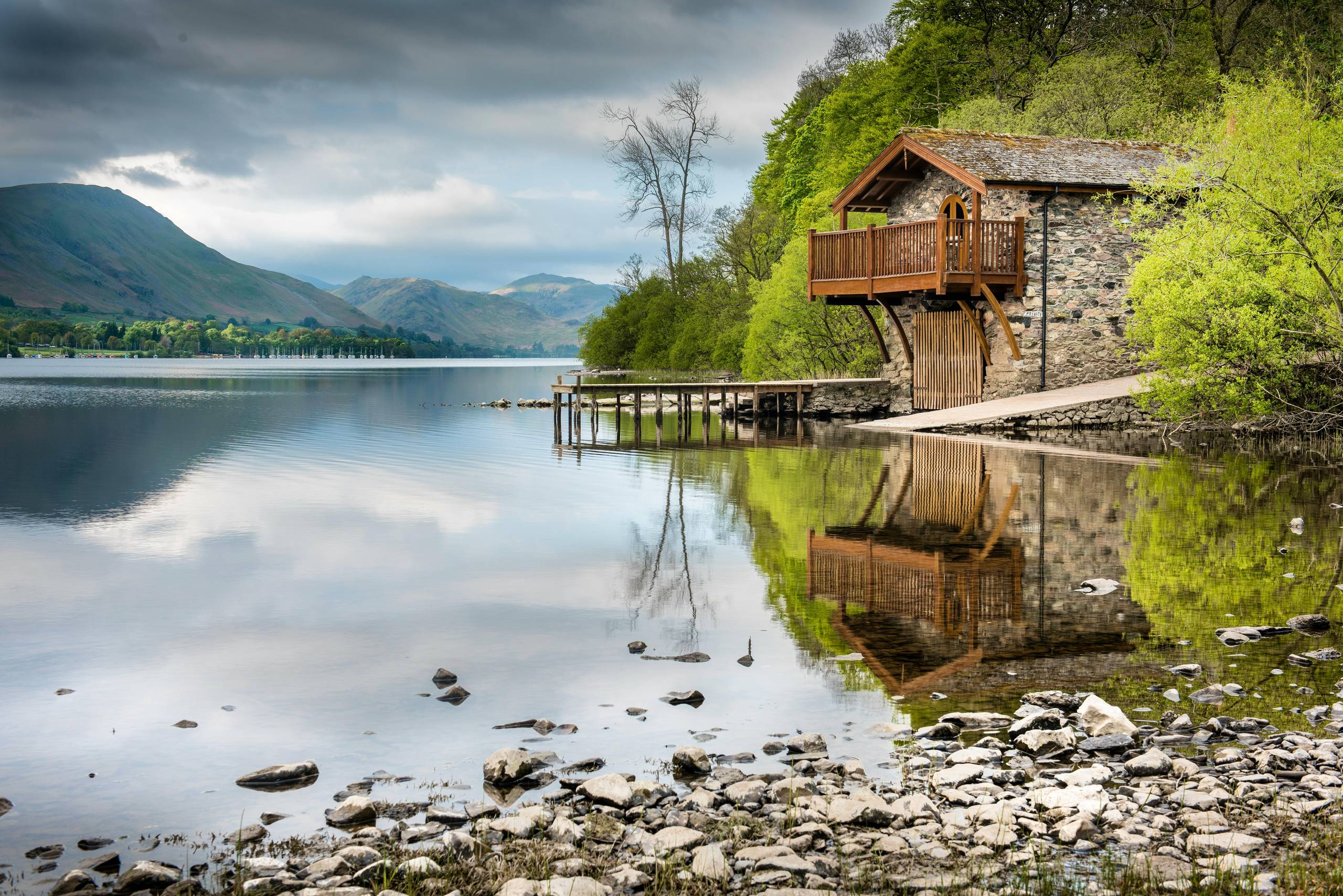
Ullswater, Lake District
Often considered one of the most beautiful lakes in England, Ullswater has a more peaceful feel than its larger neighbour, Windermere. It stretches in a long, narrow shape, with dramatic slopes rising from its edges.
There’s a sense of depth and quiet here. Even on busier days, it’s easy to find quieter sections where the lake feels completely still.
- Ride the Ullswater Steamers – A slower, scenic way to explore
- Walk part of the Ullswater Way – A route that loops around the lake
- Swim in quiet coves – Hidden spots along the shoreline
- By car - Easily reached from the M6 via Penrith
- By train - Penrith station is the closest, followed by a short drive
- By bus - Seasonal bus routes connect surrounding villages
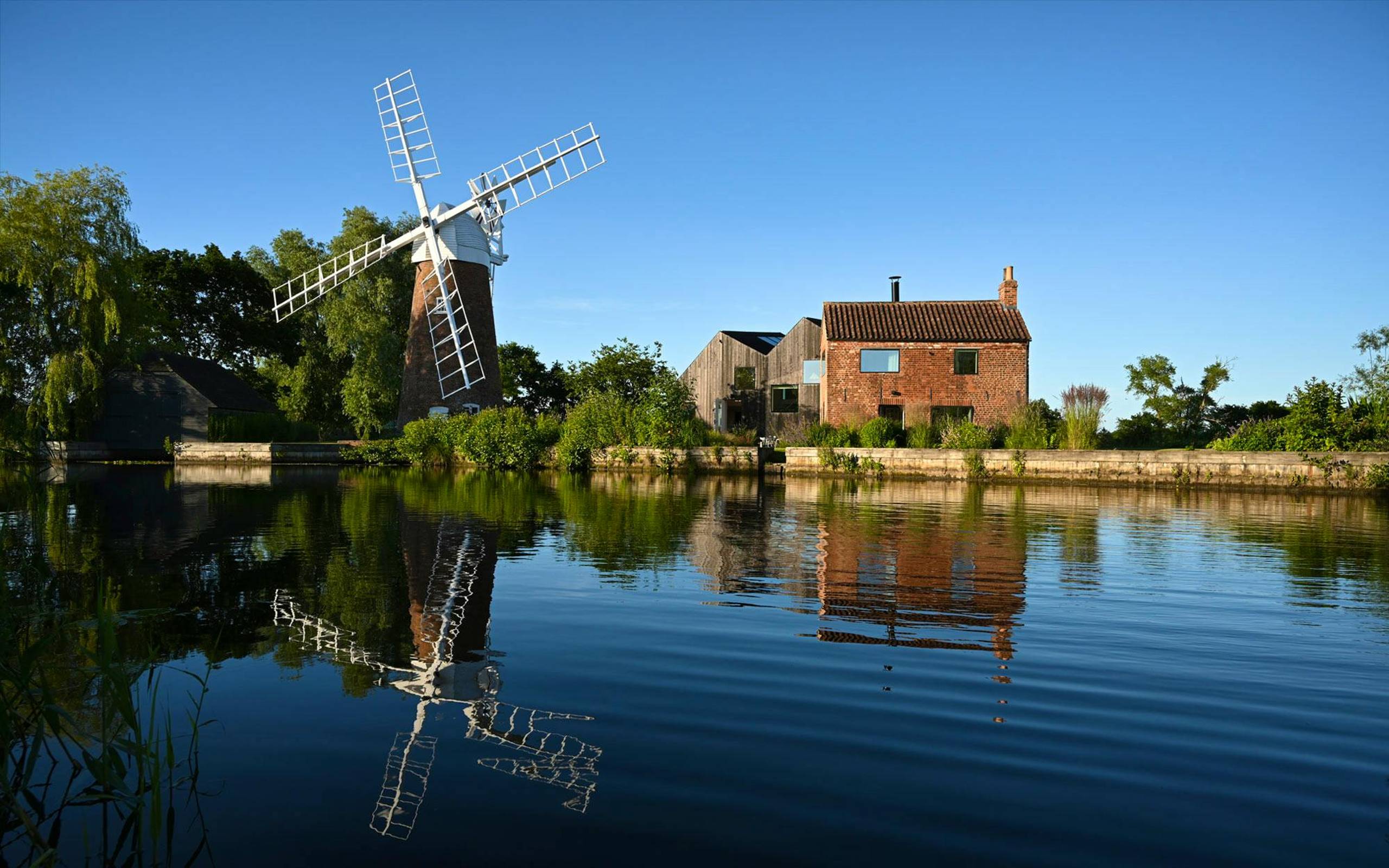
River Bure, the Norfolk Broads
The River Bure is one of the main waterways that forms the Norfolk Broads, and it captures everything that makes this landscape so distinctive. The water moves slowly through wide, open surroundings, with reed beds lining the edges and big skies stretching overhead.
There’s a quiet rhythm here. Boats drift past, wildlife moves through the reeds, and the horizon always feels just out of reach.
- Hire a boat – Explore at your own pace along the waterways
- Watch for wildlife – Birds and rare species throughout the area
- Stop at riverside pubs – Many accessible directly from the water
- By car - Accessible via the A47 and surrounding roads
- By train - Norwich station, with connections to Wroxham
- By bus - Local routes connect Norwich to Broads villages
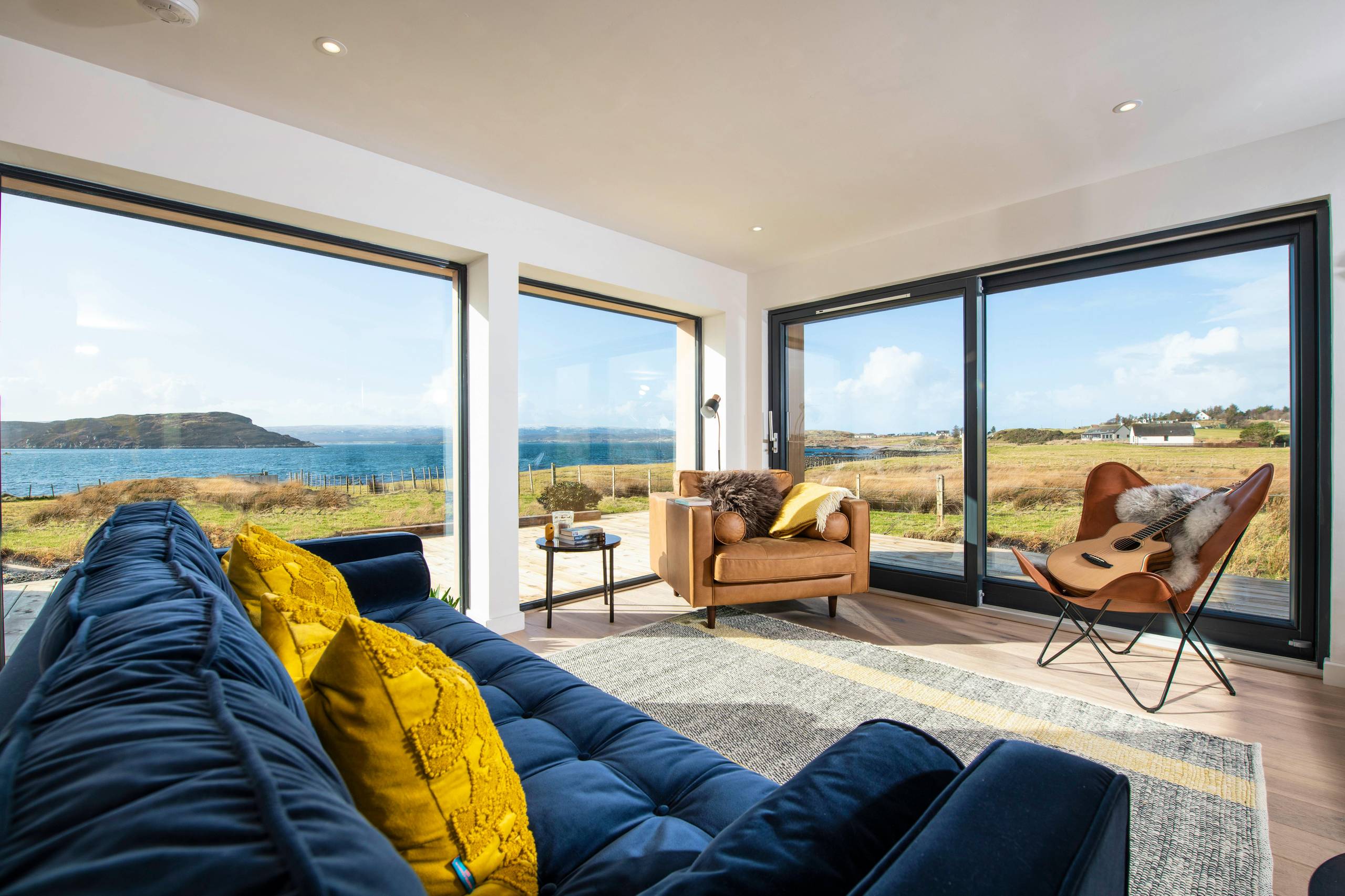
Loch Maree, Scottish Highlands
Loch Maree feels more remote than many of Scotland’s better-known lochs. Surrounded by mountains and scattered with small islands, it has a raw, untouched quality that defines much of the Highlands.
The water here is often incredibly clear, and on still days, the reflections of the surrounding peaks can feel almost perfect.
- Explore the shoreline – Quiet, uncrowded stretches of lochside
- Take in mountain views – Some of the most striking in Scotland
- Photograph the landscape – Especially in early morning light
- By car - Best accessed via the A832, with a car essential
- By train - Nearest station is Achnasheen, followed by a drive
- By bus - Limited services, so planning ahead is essential
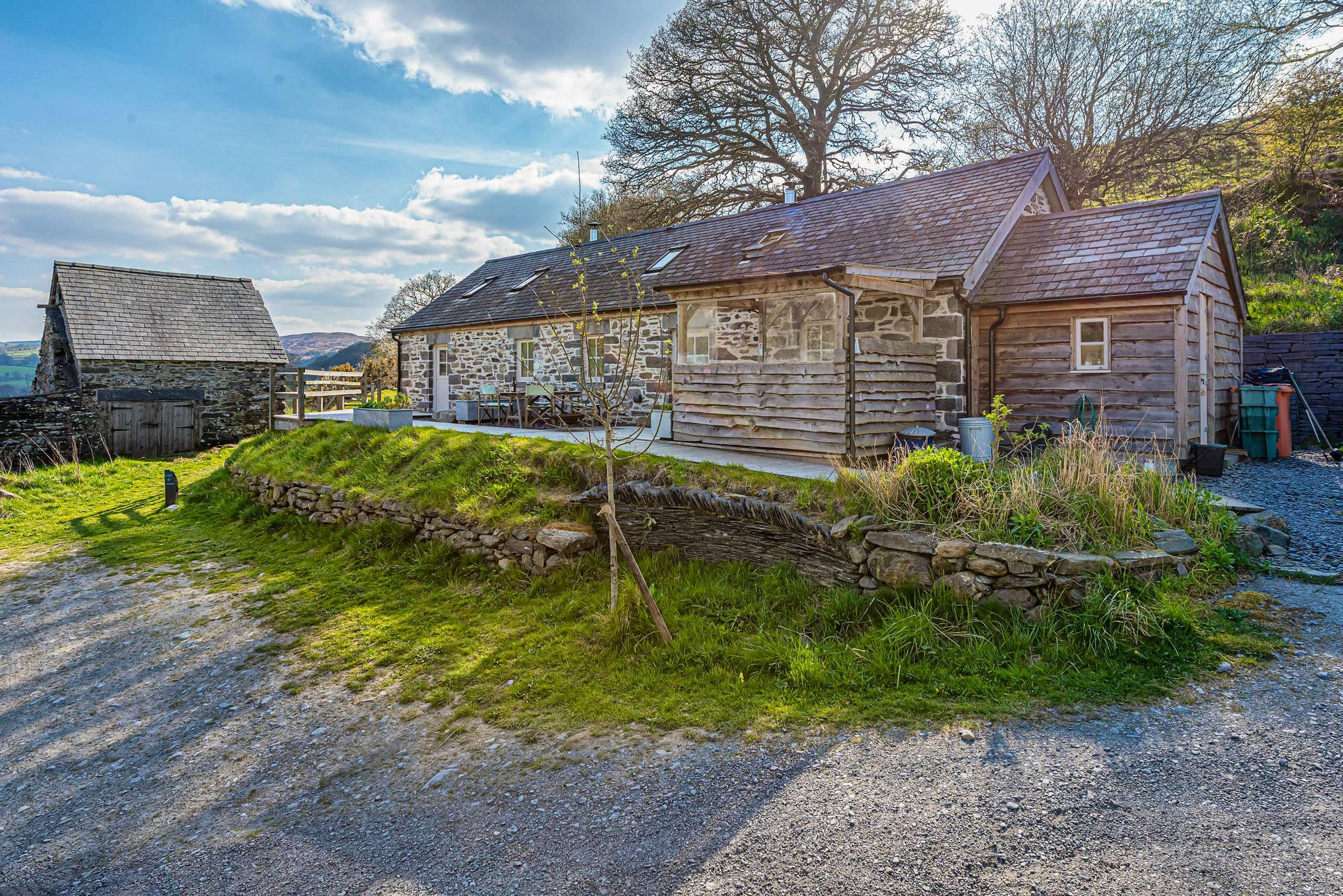
Llyn Idwal, Eryri (Snowdonia)
Llyn Idwal sits high within a dramatic mountain setting in North Wales, surrounded by steep, rocky slopes. It’s not a large lake, but its position gives it a powerful presence.
The air feels cooler here, the landscape more rugged. It’s a place that feels shaped by the elements, where the water mirrors the peaks that rise sharply above it.
- Walk the circular route – A short but striking loop around the lake
- Explore the surrounding mountains – For more challenging hikes
- Take in the atmosphere – One of the most dramatic settings in Wales
- By car - Located off the A5, with parking nearby
- By train - Bangor station, followed by a bus or taxi
- By bus - Services run along the A5 route through Snowdonia
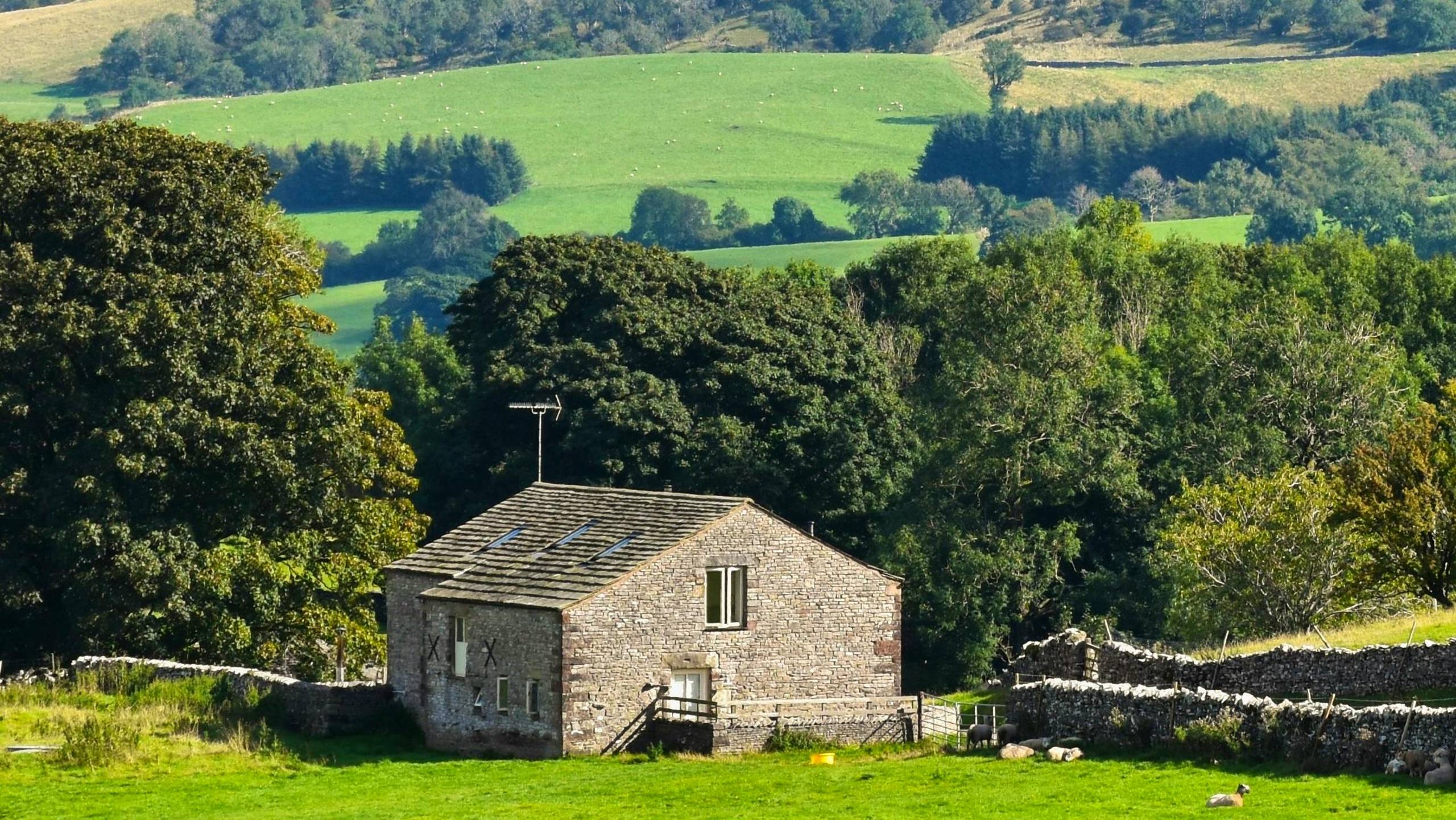
River Wharfe, Yorkshire Dales
The River Wharfe is one of the defining features of the Yorkshire Dales, cutting through limestone landscapes and creating a mix of gentle stretches and more dramatic sections.
In places, it flows calmly through open fields. In others, it moves quickly over rocks and past waterfalls, giving it a varied and ever-changing character.
- Walk near Bolton Abbey – Including the famous stepping stones
- Follow riverside paths – Easy access to some of the best scenery
- Explore nearby villages – Traditional Dales charm throughout
- By car - Easily reached via local roads from Skipton and Harrogate
- By train - Skipton station is the closest major stop
- By bus - Local buses connect surrounding villages and access points
Final thoughts
From vast, open lakes to winding rivers and remote Highland lochs, the UK’s waterscapes offer an incredible range of experiences. Each one has its own pace, its own atmosphere and its own way of shaping the landscape around it.
Some invite adventure, others encourage stillness. But all offer the same essential draw, the chance to slow down, take in your surroundings, and experience the UK from the edge of the water.
Some of the most beautiful lakes in the UK include Windermere and Ullswater in the Lake District, as well as Llyn Idwal in Snowdonia. Each offers a different atmosphere, from wide open waters to dramatic mountain settings.
A loch is simply the Scottish word for a lake. While the landscapes may differ, the term itself is regional rather than describing a different type of water.
Loch Ness is the most famous loch in the UK, known for its vast size, deep waters and legendary folklore, as well as its striking Highland setting.
Yes, rivers like the River Wye and River Wharfe are known for their scenic beauty, winding through countryside, woodland and historic landscapes.
Many of these locations are accessible by train and bus, especially places like Windermere, Loch Ness and the Norfolk Broads. However, having a car makes it easier to reach quieter or more remote spots.
Popular activities include kayaking, paddleboarding, boating, wild swimming, fishing and walking along the shoreline or riverbanks.
Spring and summer offer the best weather for outdoor activities, while autumn brings quieter surroundings and beautiful colours. Winter can be more dramatic, especially in mountainous or Highland areas.
Yes, many locations cater to beginners, with calm waters, guided experiences and equipment hire available in popular areas like the Lake District and Norfolk Broads.
The Norfolk Broads are a network of slow-moving rivers and shallow lakes, known for their flat landscapes, big skies and relaxed pace, making them quite different from mountainous lake regions.
Waterside destinations offer a unique combination of scenery, tranquillity and outdoor activities. The presence of water adds a calming element that makes these places especially appealing for breaks and escapes.