Why staying in a lighthouse feels like nowhere else on Earth
Published 5th March 2026
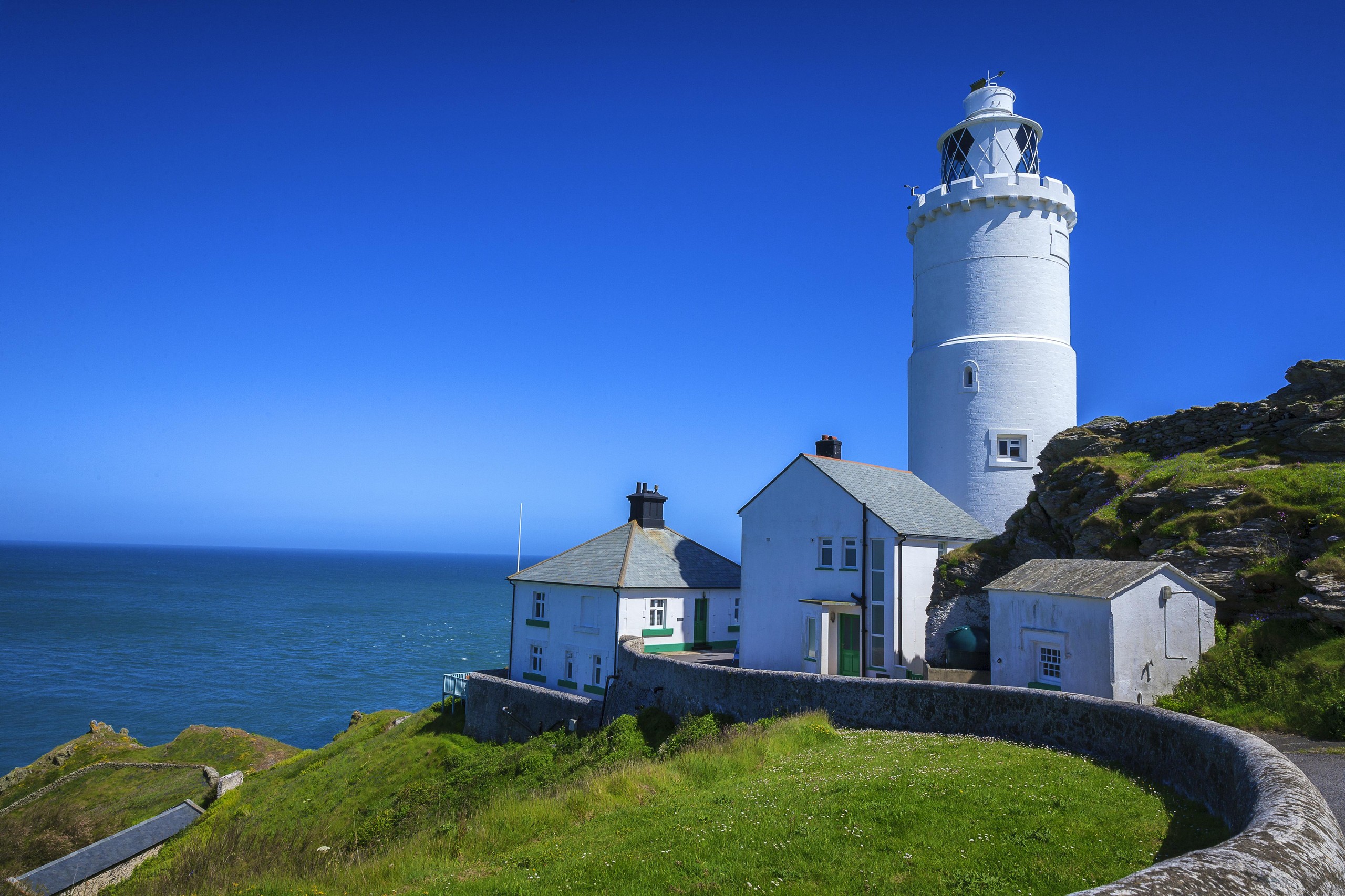
There are certain places that immediately shift your perspective the moment you arrive. A lighthouse is one of them.
Before you even step inside, the setting announces itself. The building stands alone at the edge of land; sometimes perched on cliffs, sometimes rising from lonely headlands, sometimes surrounded by restless sea. It was never designed for comfort or convenience. It was built to face the elements head-on.
That purpose still shapes the experience today. Staying in a lighthouse isn’t just about unusual architecture or coastal views. It’s about inhabiting a place that was once responsible for guiding ships through darkness and storm. A place designed to endure wind, salt and isolation, and to keep watch over the horizon.
For a night or two, you can become part of that landscape. And the result feels unlike any other kind of escape.
Living between sea and sky
Most places offer views. Lighthouses offer immersion.
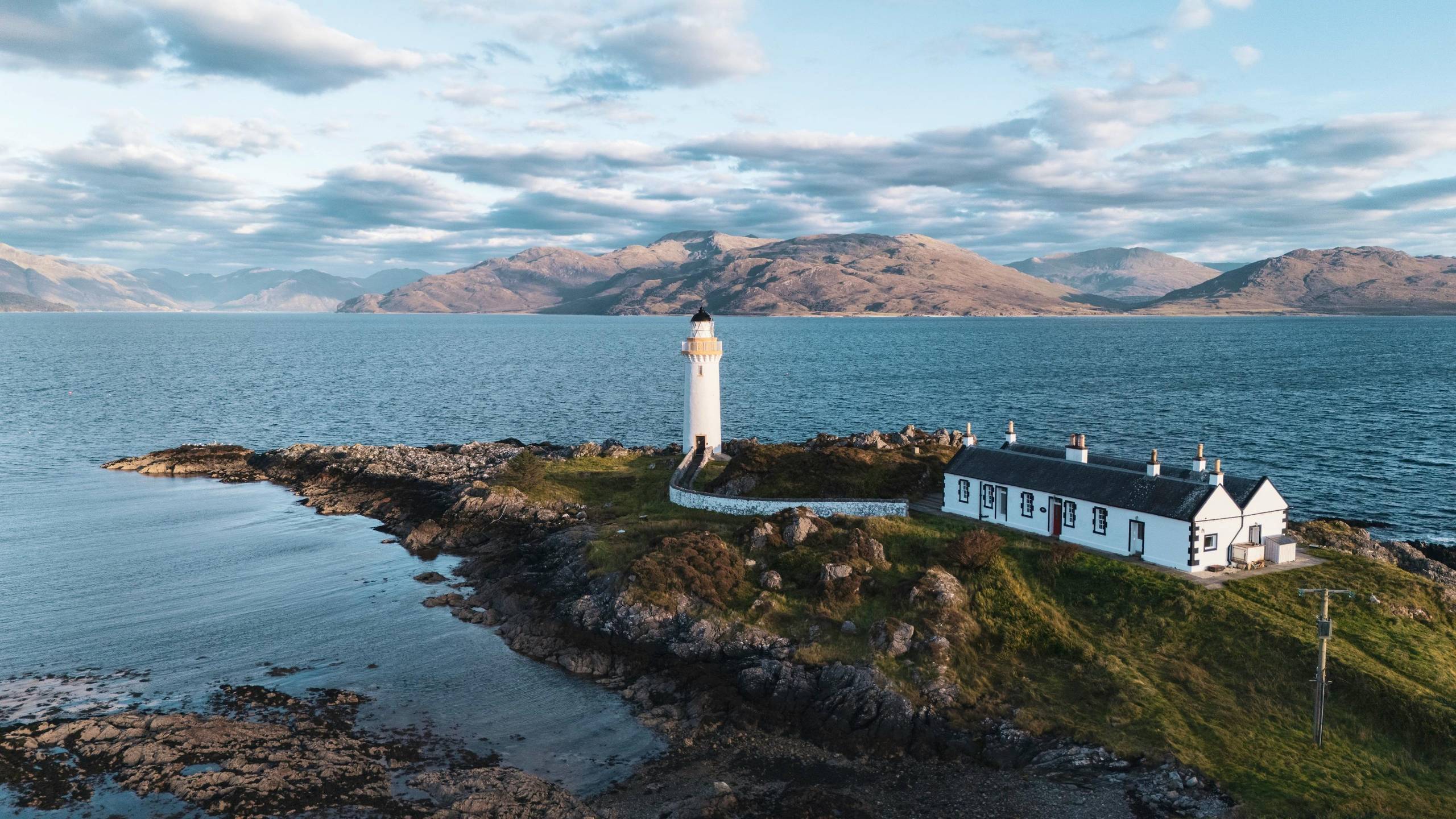
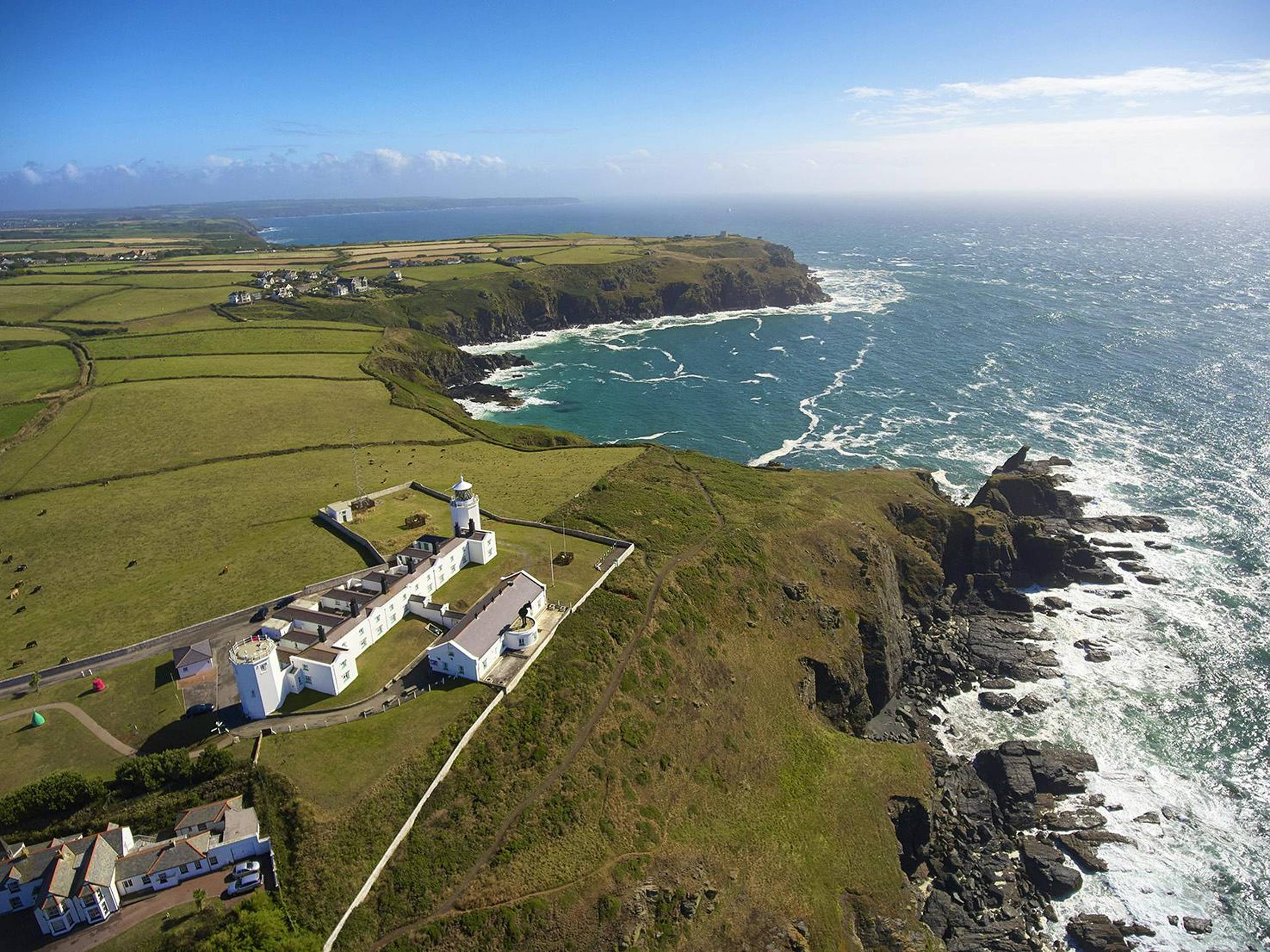
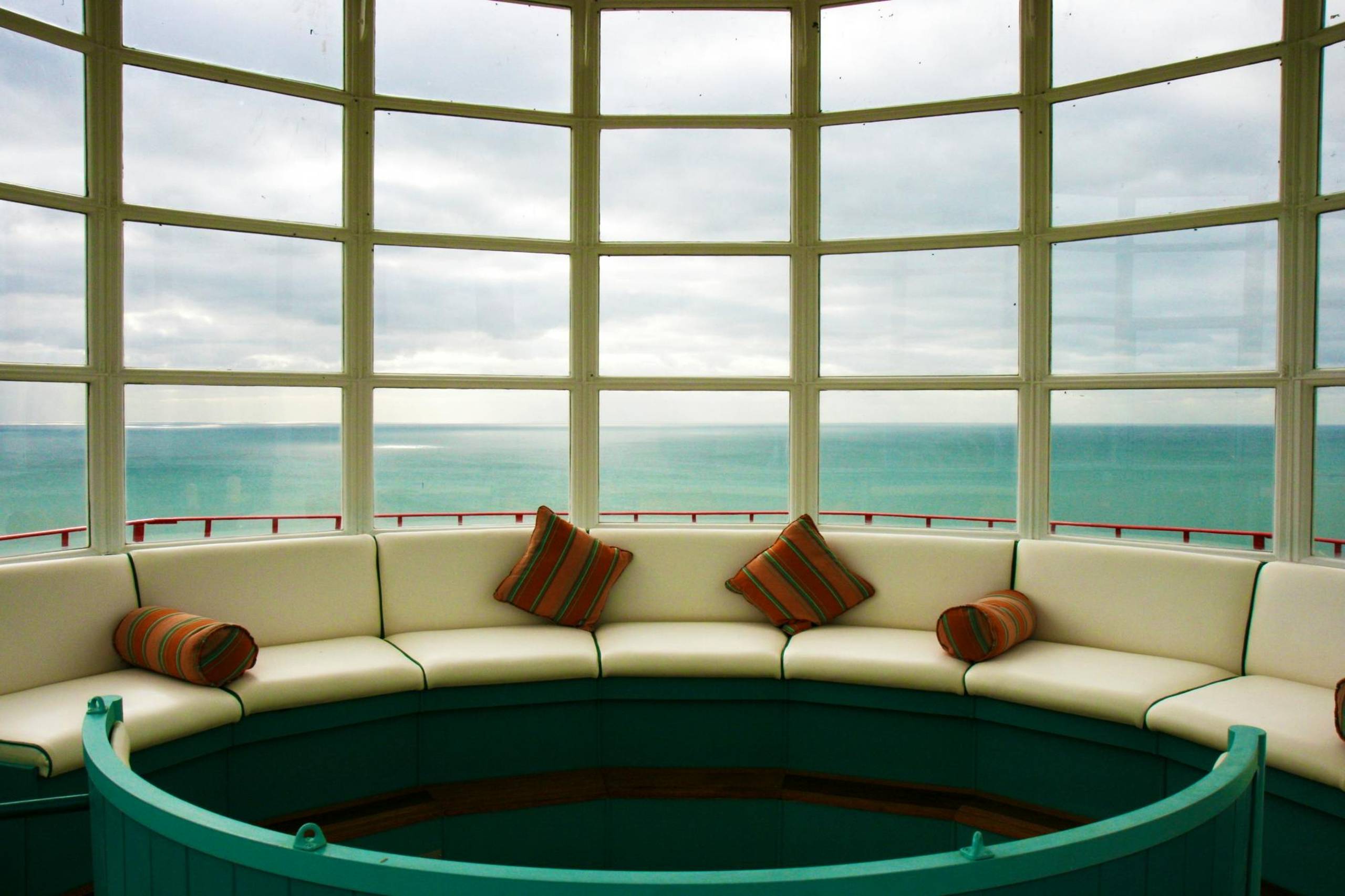
Whether down on the craggy Cornish coast, or perched out on a Hebridean island, lighthouses occupy some of the most dramatic coastal positions around. They sit where land falls away into open water and the horizon stretches endlessly outward. Windows are placed not for decoration but for observation, framing wide, uninterrupted sweeps of sea and sky.
From inside, the outside world feels ever-present.
Morning might arrive with pale light spreading across calm water, the tide sliding quietly along rocks below. By afternoon the sea can shift colour completely, from glassy blue to deep slate under gathering clouds. Even when the weather turns wild, the view only becomes more compelling.
Waves crash against cliffs. Wind rattles the glass. Rain sweeps across the horizon in shifting grey curtains. And through it all, the lighthouse remains exactly where it has always stood.
Few stays place you so directly inside the natural rhythms of a landscape.
A building designed to withstand the elements
Lighthouses were never meant to be gentle buildings.
They were engineered for survival. Thick stone walls, circular towers, narrow windows and sturdy staircases all exist for one reason: resilience. These structures had to endure relentless wind, salt spray and storms that would shake less determined buildings apart.
Staying in one means experiencing that history first-hand.
You notice the solidity immediately. Doors feel heavier. Walls seem thicker. The entire building carries a quiet sense of permanence, as though it has already faced countless seasons and expects many more.
Inside, modern restoration often introduces warmth and comfort without erasing that character. Original stonework sits beside contemporary furnishings. Spiral staircases remain at the heart of the tower. Windows still frame the sea in every direction.
The result is a space that feels both protective and exposed at the same time; a rare architectural balance that makes a lighthouse stay so memorable.
The quiet drama of isolation
Perhaps the most powerful aspect of staying in a lighthouse is the solitude.
These buildings were intentionally placed far from towns and busy harbours. Their role was to warn, guide and protect ships, not to welcome crowds. Many still occupy remote headlands, islands or cliff edges where the surrounding landscape remains largely unchanged.
Arriving often feels like stepping away from the ordinary world.
Roads narrow. Villages thin out. Eventually you reach a point where the lighthouse stands almost alone, surrounded by sea air and open space.
There are fewer passing cars, fewer lights after dark, fewer distractions competing for attention. Instead, the sounds of the coast take over: wind moving through grass, distant waves rolling across rocks, seabirds wheeling overhead.
The isolation isn’t uncomfortable. It’s restorative.
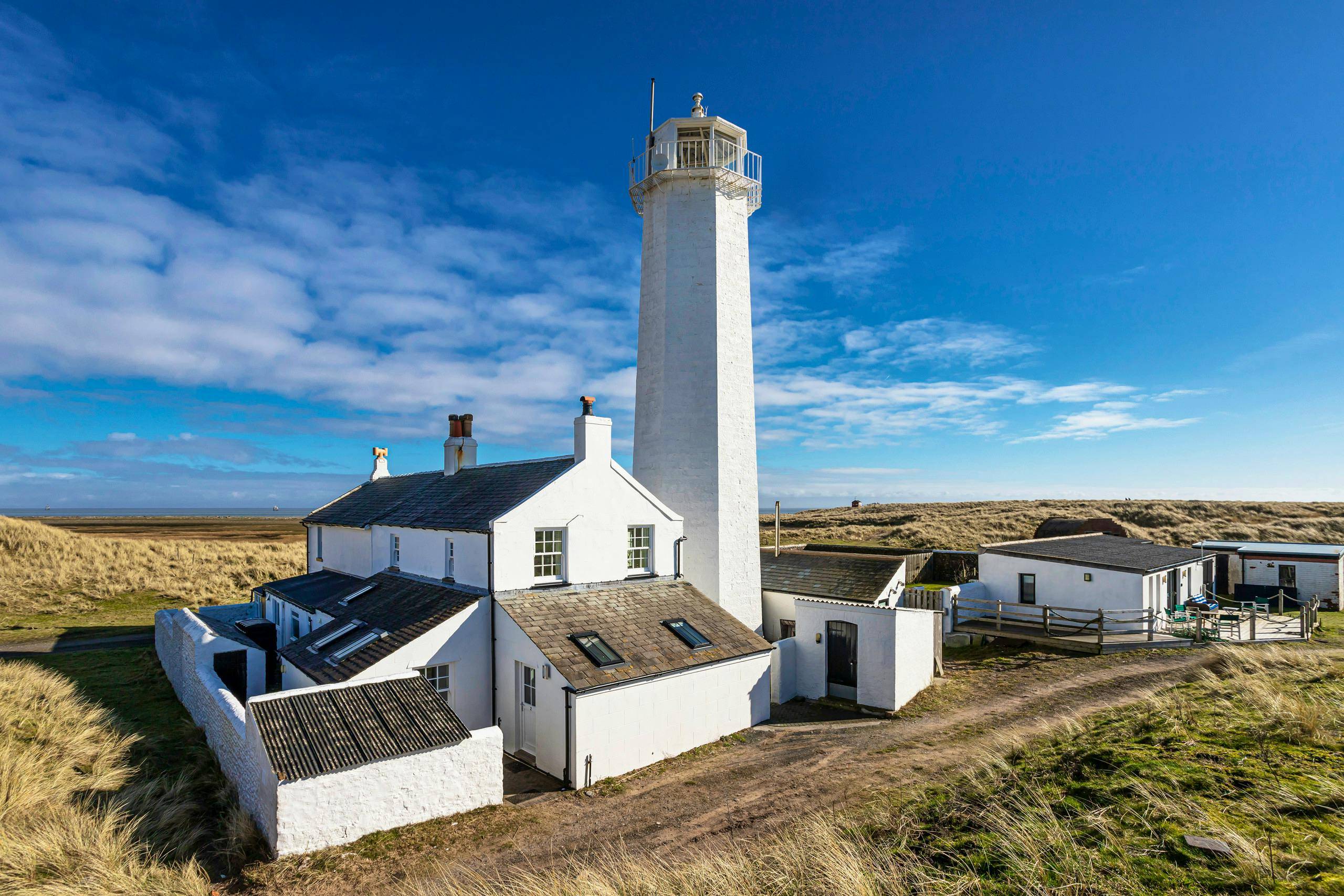
Watching the weather unfold
Nowhere makes you more aware of weather than a lighthouse.
Because these buildings sit directly at the meeting point of land and sea, the sky becomes a constant companion. Conditions shift quickly along coastlines, and from a lighthouse the entire process unfolds in front of you.
Clouds gather over the horizon before drifting inland. Sunlight breaks through in sudden beams across the water. Storms roll in with dramatic speed, transforming the mood of the landscape in minutes.
From inside the tower, the changing weather feels less like a disruption and more like a performance.
Even grey days have their own quiet beauty. Mist softens the edges of distant cliffs. The sea turns metallic and reflective. Waves rise and fall in hypnotic rhythm against the shore.
Then, just as suddenly, the sky might clear again, revealing vast sunsets stretching across the horizon or stars appearing in remarkable clarity once darkness falls.
Few places allow you to witness the atmosphere in motion quite like this.
The legacy of the lighthouse keeper
For generations, lighthouse keepers lived in these buildings year-round.
Their work required patience, routine and resilience. Lamps had to be maintained. Lenses cleaned. Weather monitored. Signals checked through long nights when storms swept across the coast.
Staying in a lighthouse today offers a glimpse, however brief, into that world.
You climb the same spiral stairs they once climbed countless times. You watch the same horizon they studied for approaching ships. You experience the same sense of distance from the mainland bustle.
Of course, modern visitors enjoy comforts the keepers never had. Heating, kitchens and soft bedding replace the practical austerity of working lighthouse quarters.
But the spirit of the building remains.
And with it comes a quiet respect for the people who once kept these lights burning through long winters and unpredictable seas.
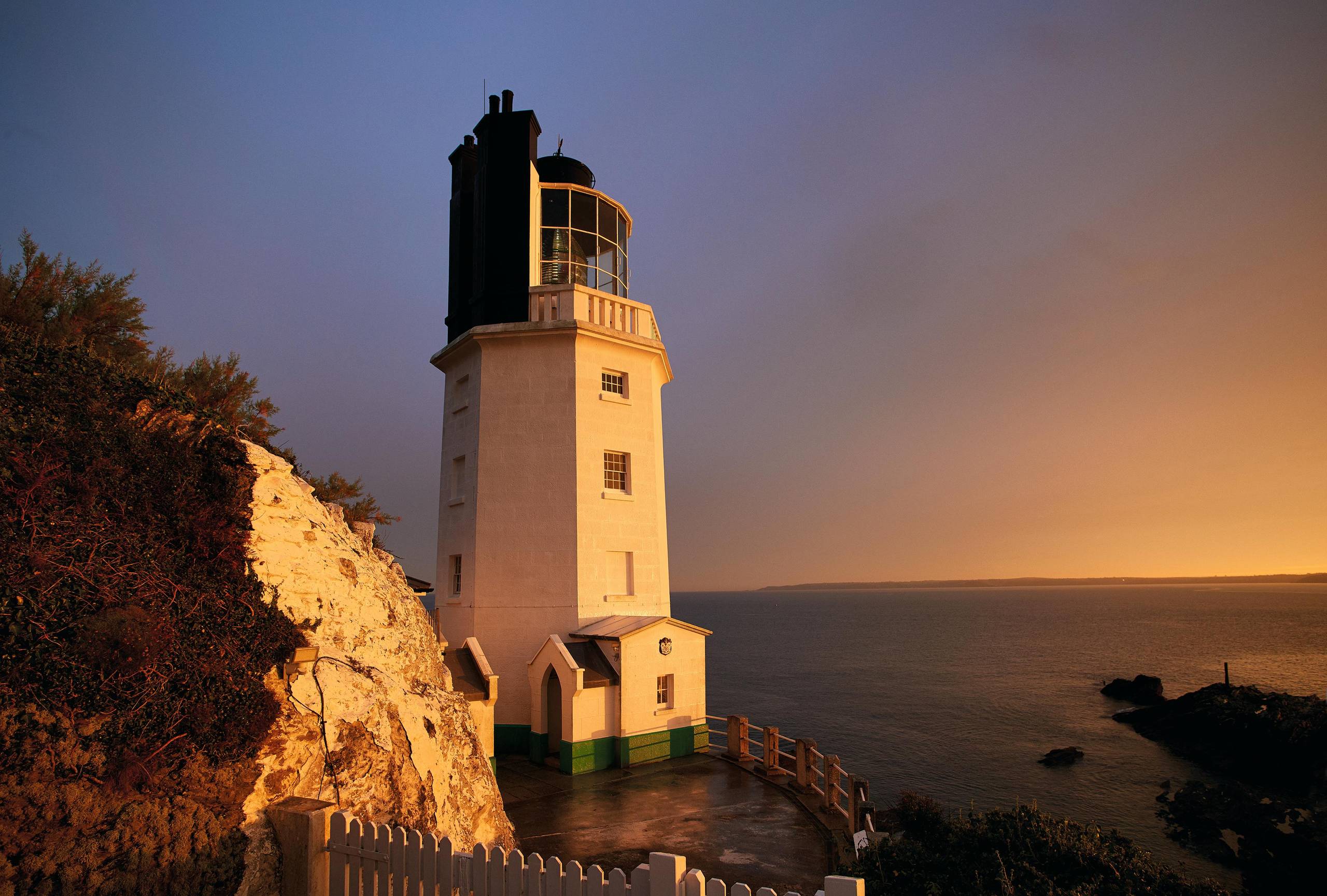
Nights that feel vast and unforgettable
Evenings inside a lighthouse carry a special atmosphere.
As daylight fades, the surrounding landscape begins to shift into silhouettes and reflections. The sea darkens first, followed by the sky, until only the final streaks of sunset remain on the horizon.
Inside, warm lights and sheltered rooms create a cocoon against the growing darkness outside.
Some lighthouses still operate their original lanterns or automated beacons, sending rhythmic flashes out across the water. Others sit peacefully dark, their guiding role now historical rather than practical.
Either way, night brings a sense of vastness that’s difficult to replicate elsewhere.
A stay that stays with you
Many unusual places offer novelty. Few offer atmosphere on the scale of a lighthouse.
Here, architecture, landscape and history all work together to create something distinctive. The building was designed to endure the wild edge of the coast, and that same resilience shapes the experience of staying there today.
You feel the wind more keenly. You notice the light more carefully. You become more aware of the rhythms of sea and weather unfolding around you.
Long after the stay ends, those impressions tend to linger.
The sound of waves below the cliffs. The sight of storms moving across open water. The feeling of standing at a window where keepers once watched the horizon through long nights.
In a world where many places begin to blur together, lighthouse stays remain unmistakably different.
For a short while, you occupy a building that was never meant to be ordinary.
And in doing so, you experience the coast in its most elemental, dramatic form, whilst surrounded by sea, sky and the quiet strength of a structure built to stand exactly where it is.
Some of our favourite lighthouse properties
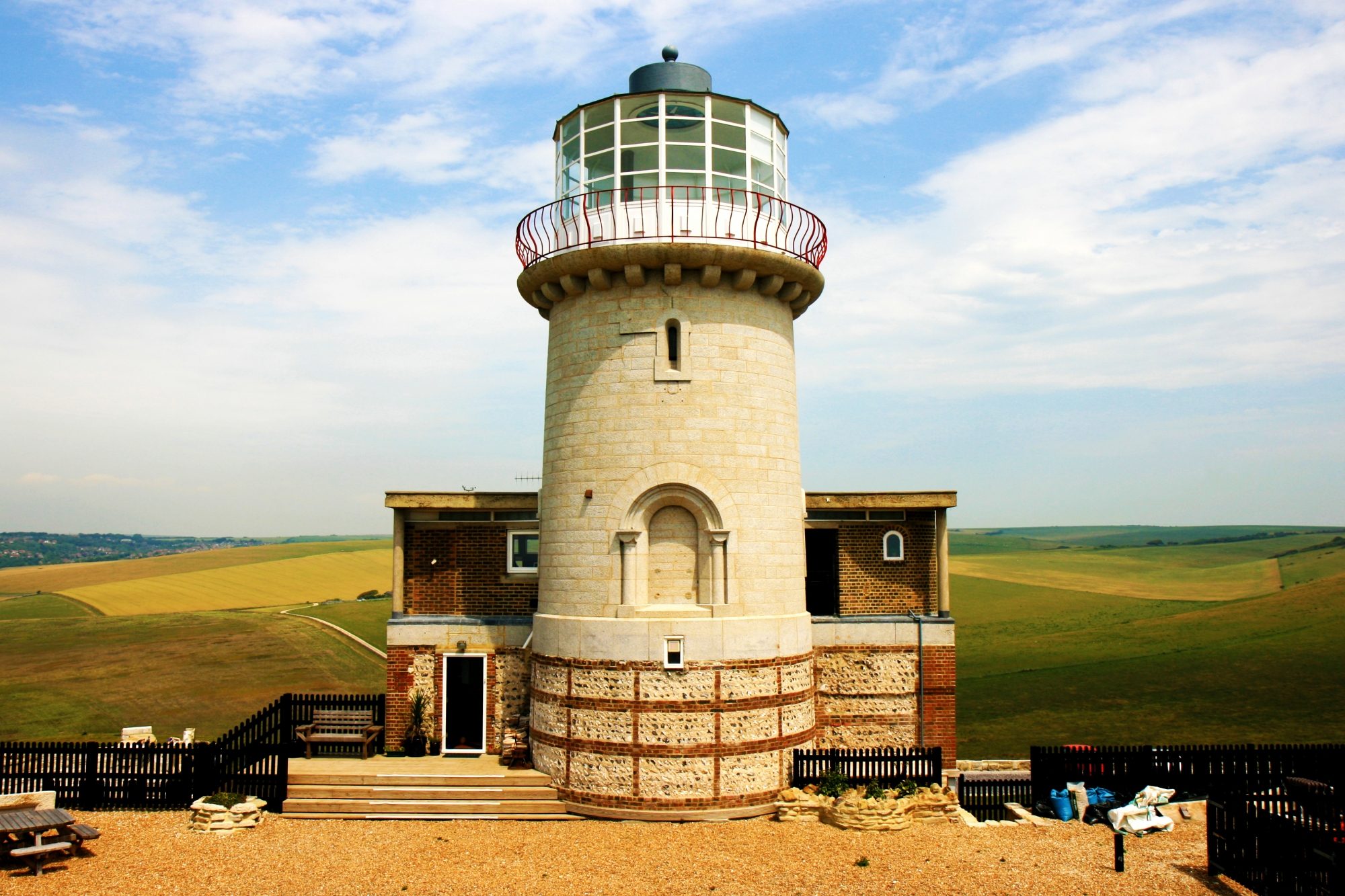
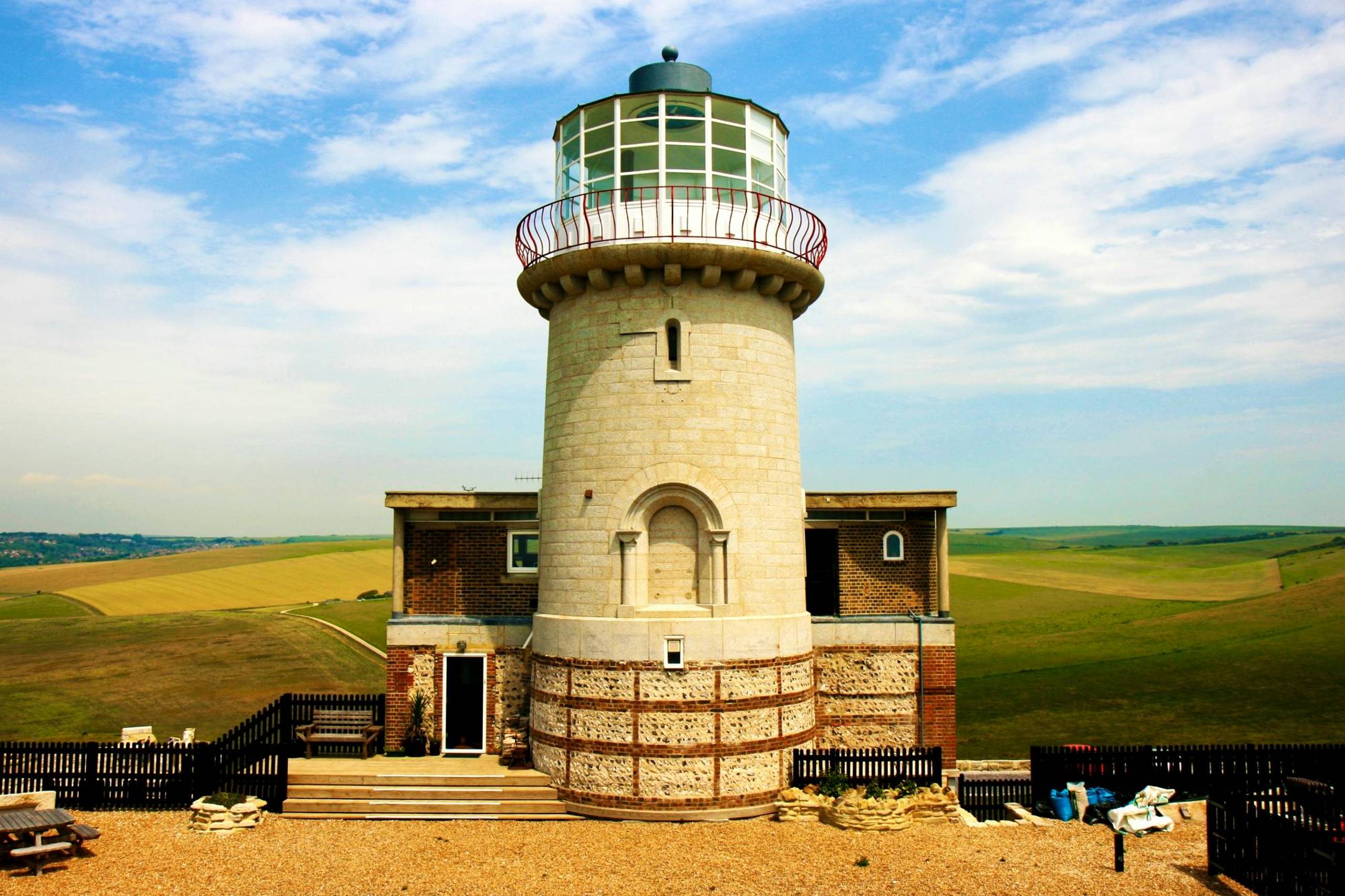
Belle Tout Lighthouse
Eastbourne
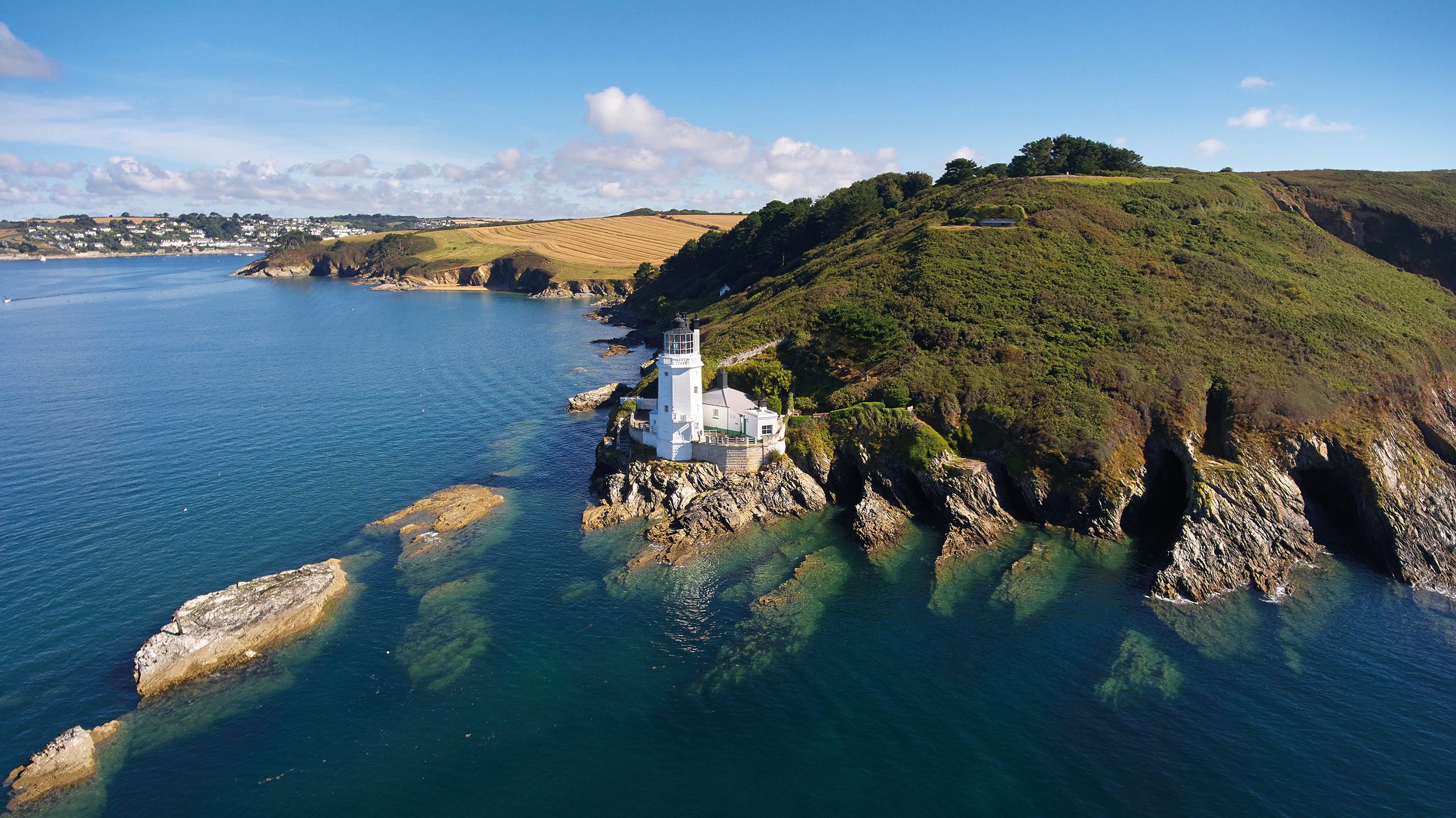
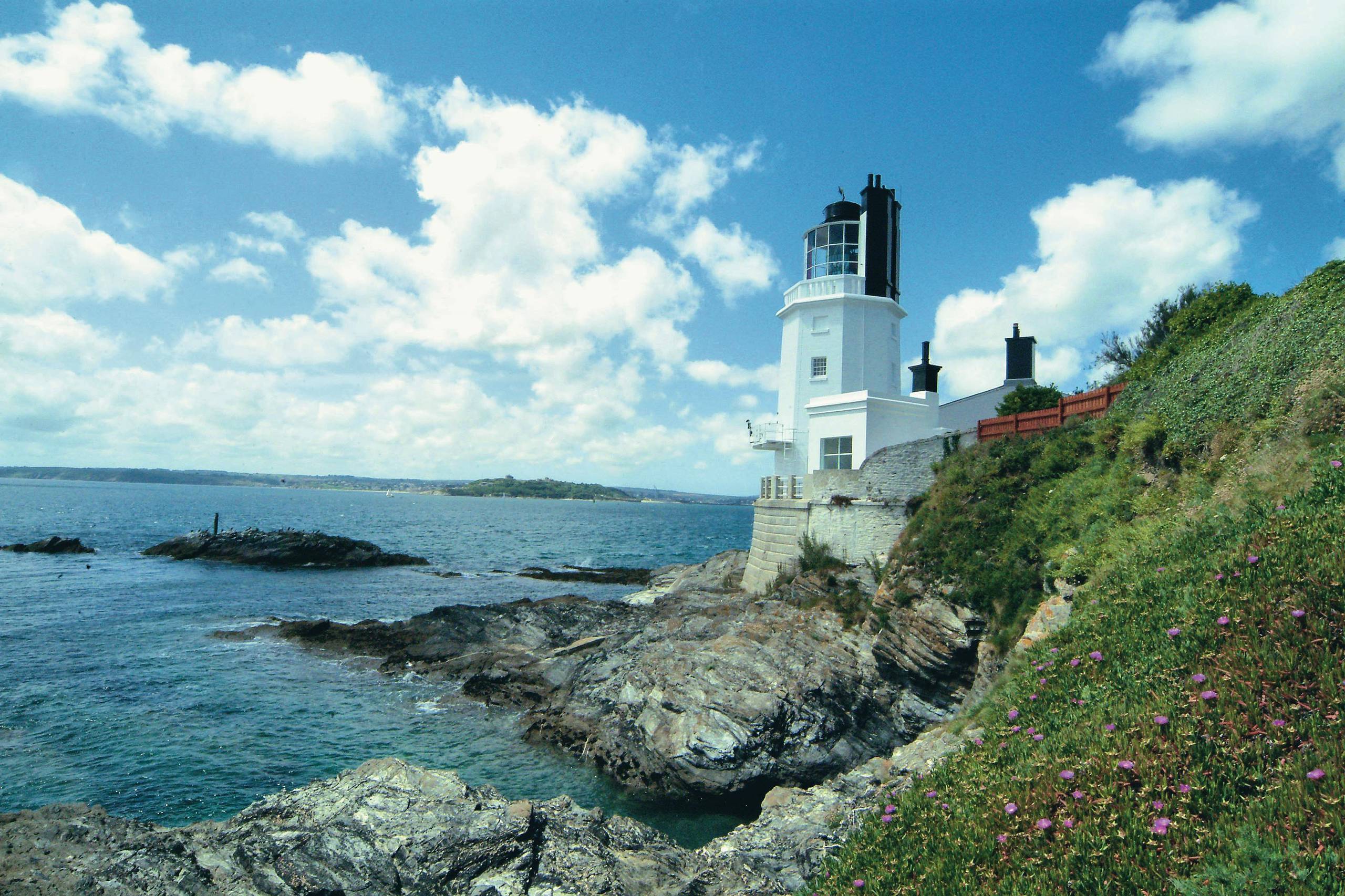
Sally Port Cottage
St Mawes
Staying in a lighthouse is a uniquely immersive coastal experience. Most sit in dramatic, exposed locations with uninterrupted views of the sea and sky. Guests often find themselves surrounded by the sounds of waves, wind and seabirds, creating a sense of solitude and connection to the landscape that’s difficult to find elsewhere.
Yes. While historic lighthouses were originally built for practicality and resilience, many have been carefully restored into comfortable accommodation. Modern lighthouse stays typically include cosy living spaces, fully equipped kitchens, heating and comfortable bedrooms while still preserving the character of the original building.
In many cases, yes. Across the UK and beyond, a number of historic lighthouses and former keeper’s cottages have been converted into holiday accommodation. Some are still operational with automated lights, while others are preserved purely as unique places to stay.
Many lighthouse stays are located in quiet or remote coastal settings, often on headlands, islands or cliff edges. This sense of isolation is part of the appeal, offering peaceful surroundings, big sea views and a chance to disconnect from busy everyday life.
Some lighthouse properties are well suited to families, especially those with spacious keeper’s cottages nearby. However, certain towers may include steep spiral staircases or exposed coastal locations, so it’s always worth checking the specific property details before booking with children.
Many traditional lighthouse towers include spiral staircases leading up to the lantern room or viewing levels. Some accommodation is located in the keeper’s cottages at the base of the lighthouse, while others allow guests to stay within the tower itself. Staircases are often part of the historic character.
In some operational lighthouses the beacon still shines after dark, sending rhythmic flashes out across the sea. In other converted properties the light is no longer active, allowing guests to enjoy dark skies and coastal sunsets without interruption.
Yes. Their coastal locations often make them excellent places to spot seabirds, seals and sometimes dolphins or whales depending on the region. Clifftop paths and nearby beaches can also provide opportunities to explore rich coastal ecosystems.
Lighthouse stays can be rewarding year-round. Summer brings long days and calm seas, while autumn and winter can offer dramatic skies, crashing waves and a cosy atmosphere inside the tower. Each season reveals a different side of the coastline.
Lighthouse stays combine striking architecture, dramatic coastal scenery and a powerful sense of history. Built to face the elements, these buildings sit in some of the most spectacular locations along the coast, creating an experience that feels both adventurous and deeply peaceful.