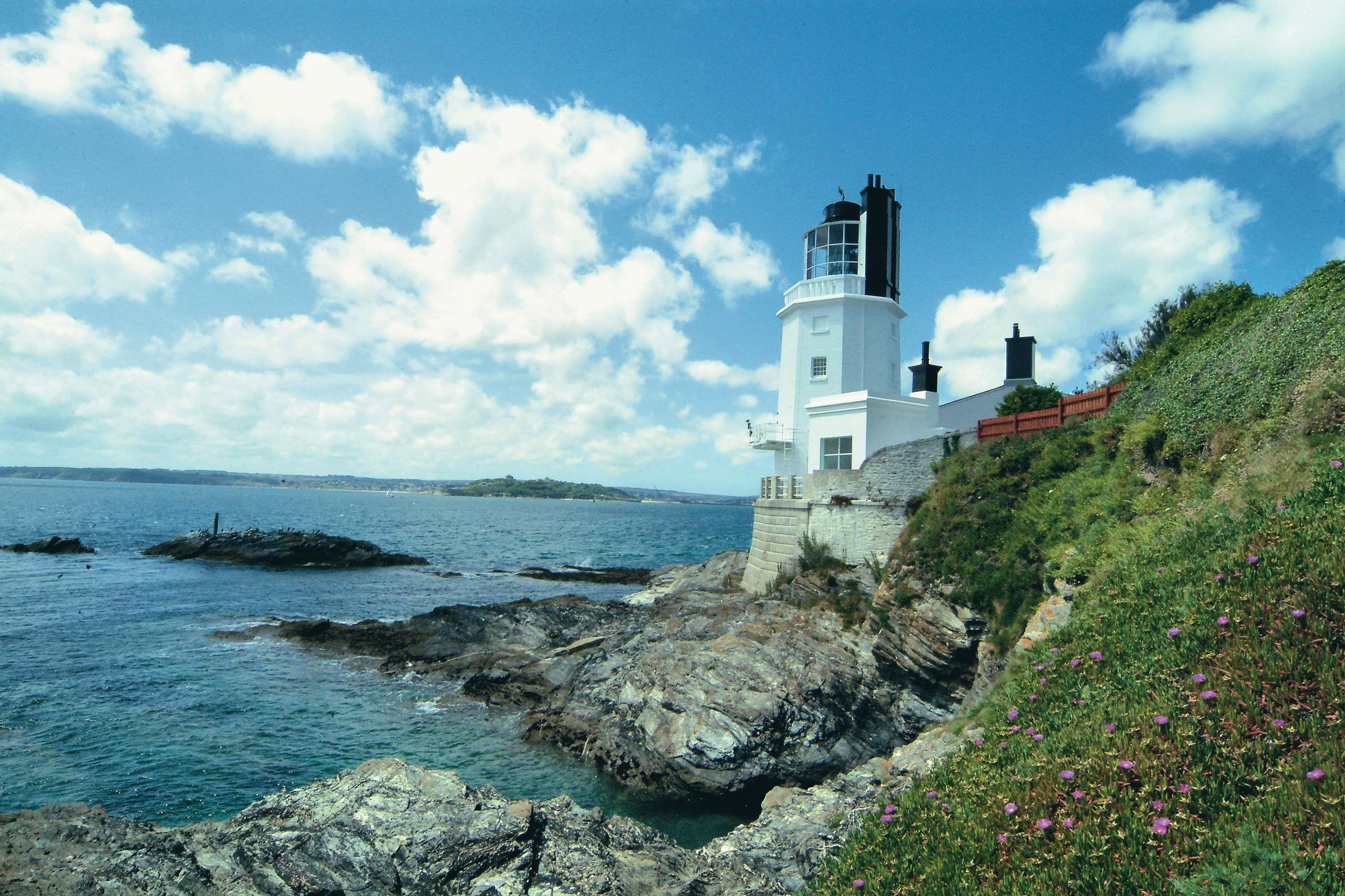
A day in the life of a lighthouse stay
Published 5th March 2026
Staying in a lighthouse brings a different rhythm to a coastal escape. The setting alone changes how a day unfolds. Instead of planning activities around towns or attractions, the focus naturally shifts to the surrounding landscape, the sea and the slow movement of light across the horizon.
Many lighthouse stays sit in places where the coastline feels wide open and slightly removed from everyday life. The result is a stay that follows a simple but memorable pattern, shaped by fresh air, changing skies and the quiet routines of being by the sea.
Here is how a typical day in a lighthouse stay might unfold.
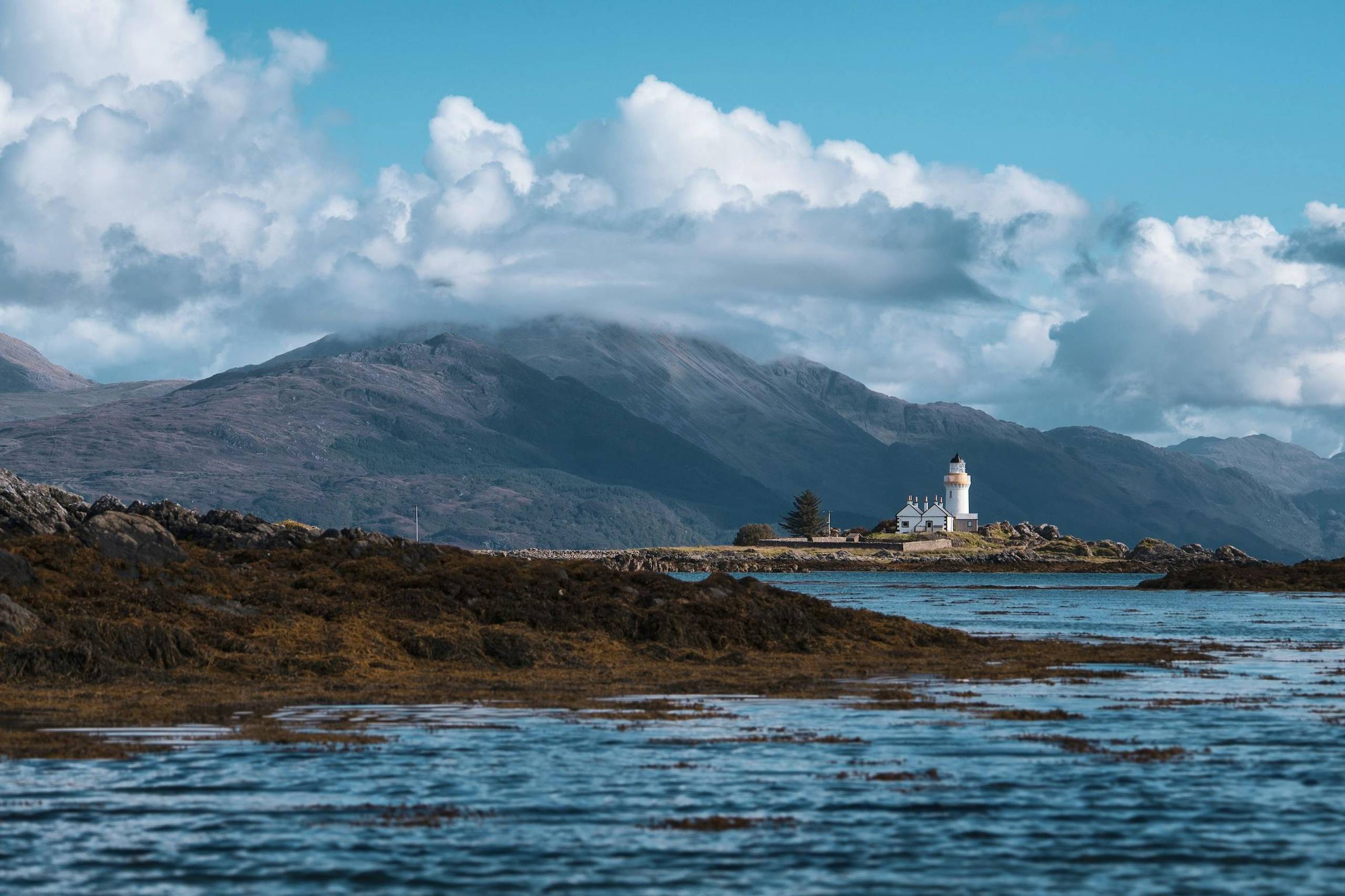
Arrival on a wild headland
The journey to a lighthouse often feels like part of the experience. Roads grow narrower as you approach the coast. Villages thin out. Eventually the landscape opens into wide stretches of grass, rock or cliff edge.
Then the lighthouse appears.
It may rise from the tip of a headland, stand quietly beside a small harbour, or sit just beyond a curve in the coastal path. Either way, the building feels immediately distinct from the houses and cottages you passed earlier.
Arrival tends to bring a moment of pause. The air smells different here, waves crash across rocks, and seabirds circle overhead.
Once inside, the atmosphere shifts again. Lighthouse accommodation is often arranged across several levels, with windows placed to make the most of the surrounding coastline. The interiors balance comfort with character, sometimes keeping original features such as stone walls or curved rooms that follow the shape of the tower.
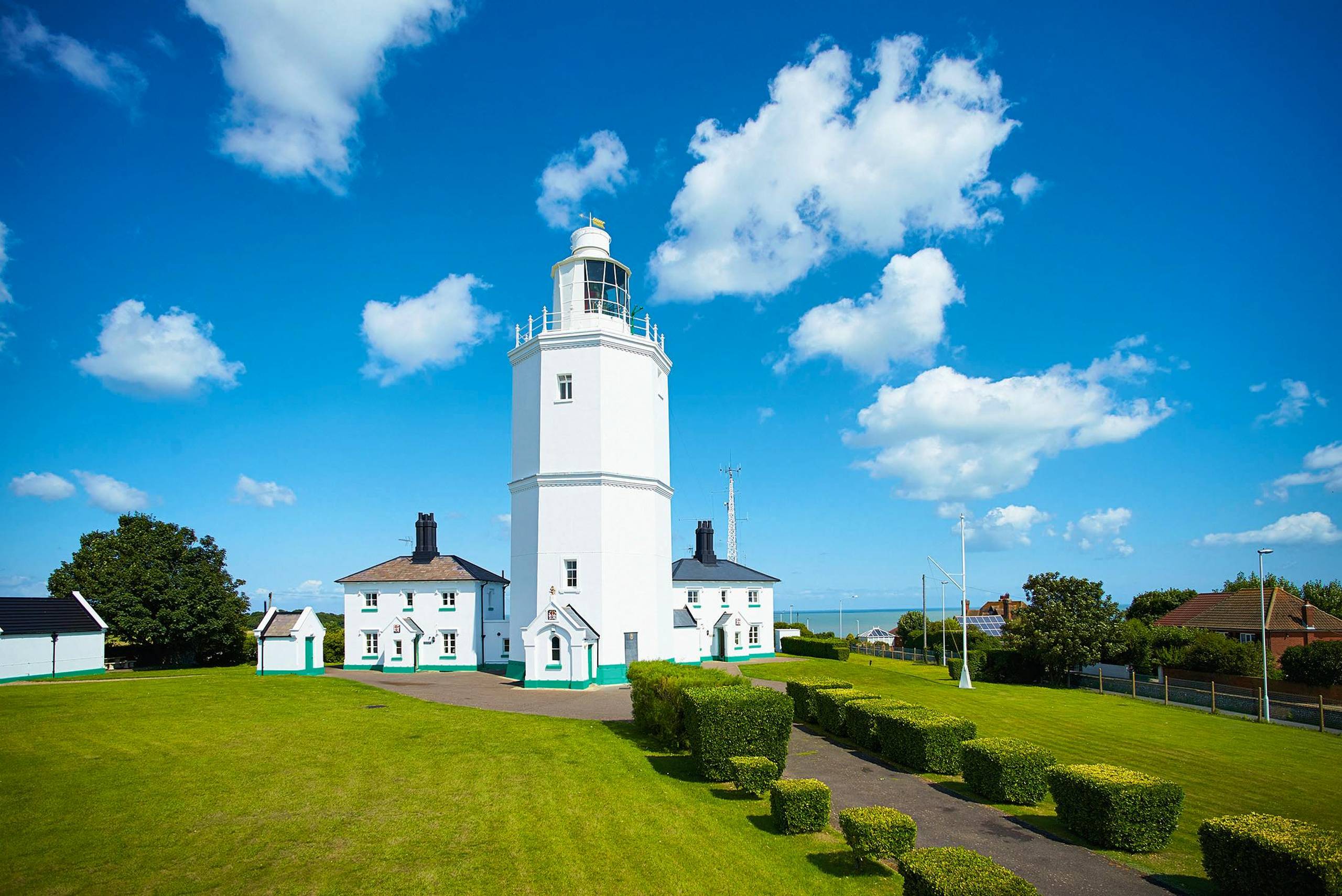
Afternoon coastal walks
Afternoons in a lighthouse stay often begin with a walk.
Coastal paths are rarely far away, and many lighthouses sit directly beside routes that trace the edges of cliffs and bays. Stepping outside places you immediately into the landscape rather than into streets or busy promenades.
The terrain can vary widely. Some paths follow grassy cliff tops with sweeping views across open water. Others wind through rocky coves, sandy beaches or stretches of wild coastal heath.
Walking here is rarely rushed. People tend to slow down, stopping to watch waves break against rocks or to follow the movement of seabirds across the sky. Depending on the location, it may also be possible to spot seals resting along the shoreline or fishing boats moving slowly along the horizon.
Even a short walk can feel refreshing in this setting. The wind, the sea air and the constant movement of the water create a sense of space that is hard to replicate inland.
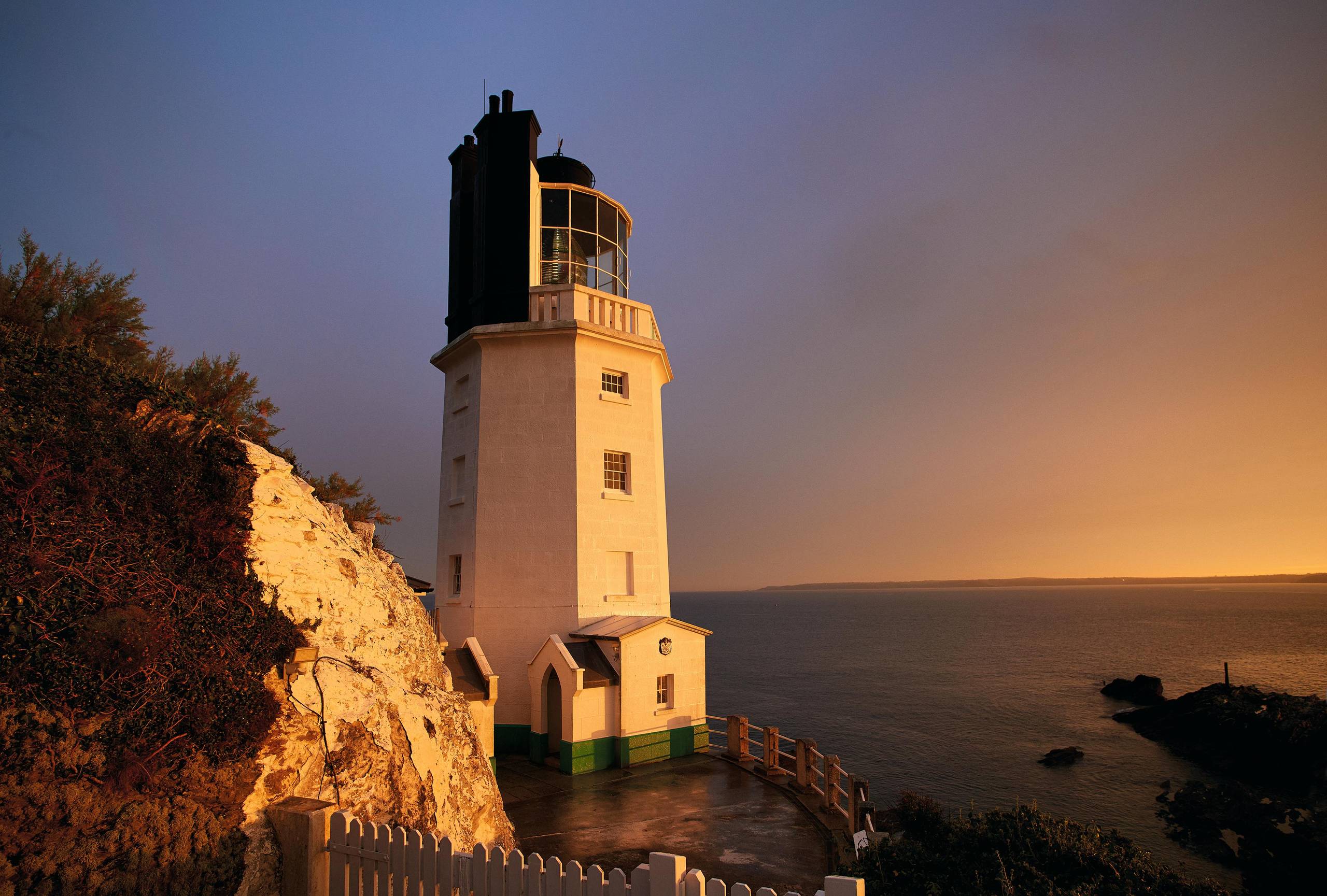
Sunset over the sea
Late afternoon gradually turns into one of the most rewarding parts of the day.
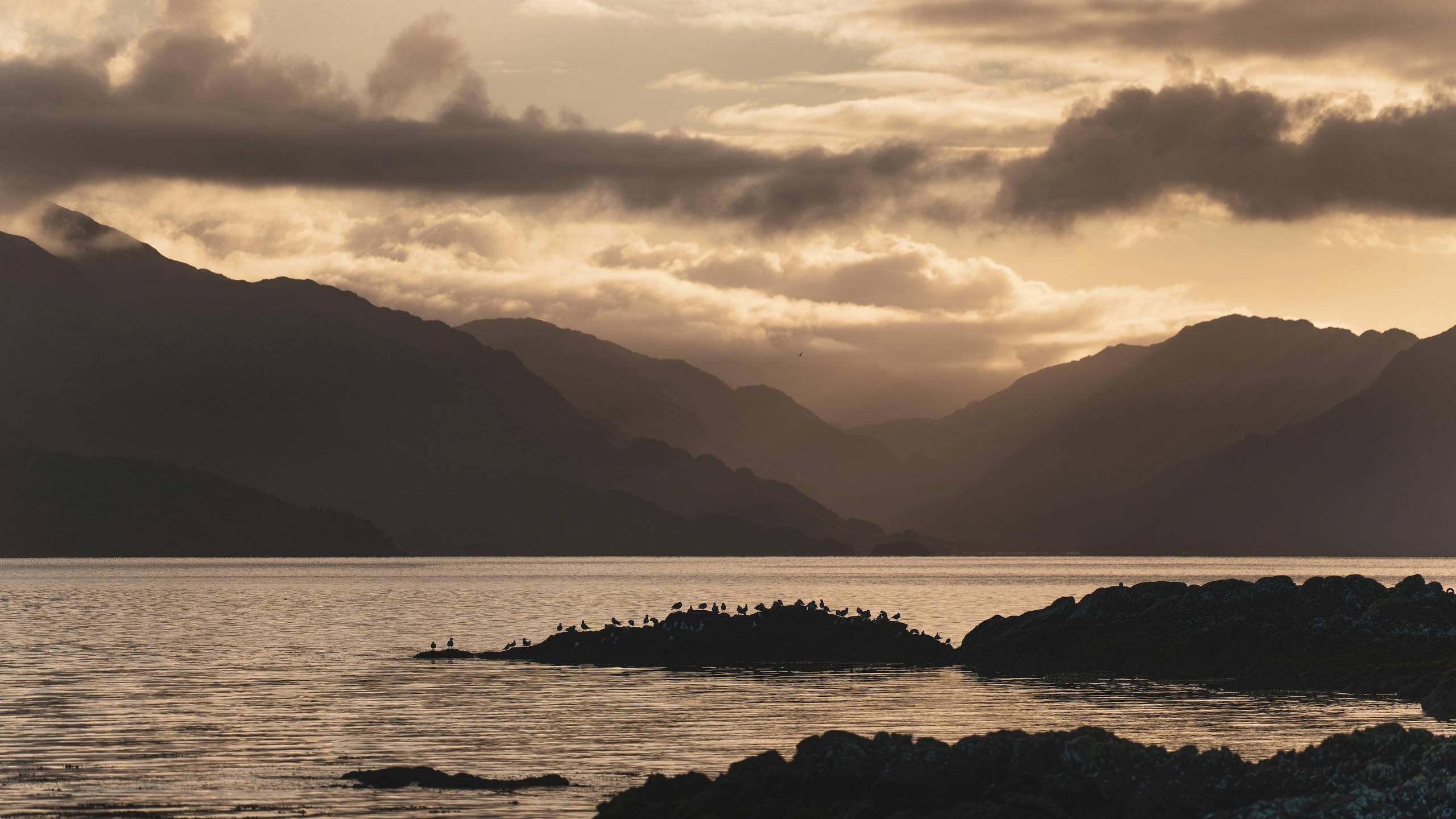
Because many lighthouses face wide, open water, sunsets can be particularly striking. The changing light reflects across the surface of the sea, shifting from pale gold to deeper shades of orange and pink as the sun moves lower.
Watching this from a lighthouse feels slightly different from viewing it elsewhere along the coast. The building often provides an elevated vantage point, allowing the full stretch of horizon to come into view.
Guests may gather on nearby benches, along cliff paths or simply beside the windows to watch the colours deepen. On clear evenings the moment can feel calm and expansive. On cloudier nights the sky sometimes produces even more dramatic patterns as light breaks through the gaps.
As the sun disappears, the coastline slowly darkens. Lights begin to appear in distant villages, fishing boats and passing ships.
Night skies and the beacon
Night brings a quieter pace.
With fewer nearby buildings and very little traffic, lighthouse stays often offer remarkably dark skies. On clear evenings the stars become a natural highlight of the night, spreading across the sky in a way that is difficult to see in towns or cities.
Many guests step outside for a few minutes simply to look up. The sound of the sea continues below, steady and rhythmic, while the horizon fades into darkness.
Some lighthouses still operate automated beacons that flash across the water at regular intervals. Watching the light sweep across the sea can become strangely mesmerising, especially when the rest of the coastline is silent.
Back inside, evenings tend to be simple and relaxed. Cooking dinner, reading by the window or sharing a drink while listening to the waves often feels more than enough entertainment in a place like this.
Morning tides and seabirds
Morning in a lighthouse stay begins with natural light filling the rooms.
Sunrise over the sea can be gentle and gradual, with soft colours spreading across the horizon before the sun rises fully above the water. Early risers sometimes take a short walk outside to watch the day begin along the coast.
The shoreline often looks different in the morning. Tides may have shifted overnight, revealing new stretches of sand or changing the patterns of waves along the rocks.
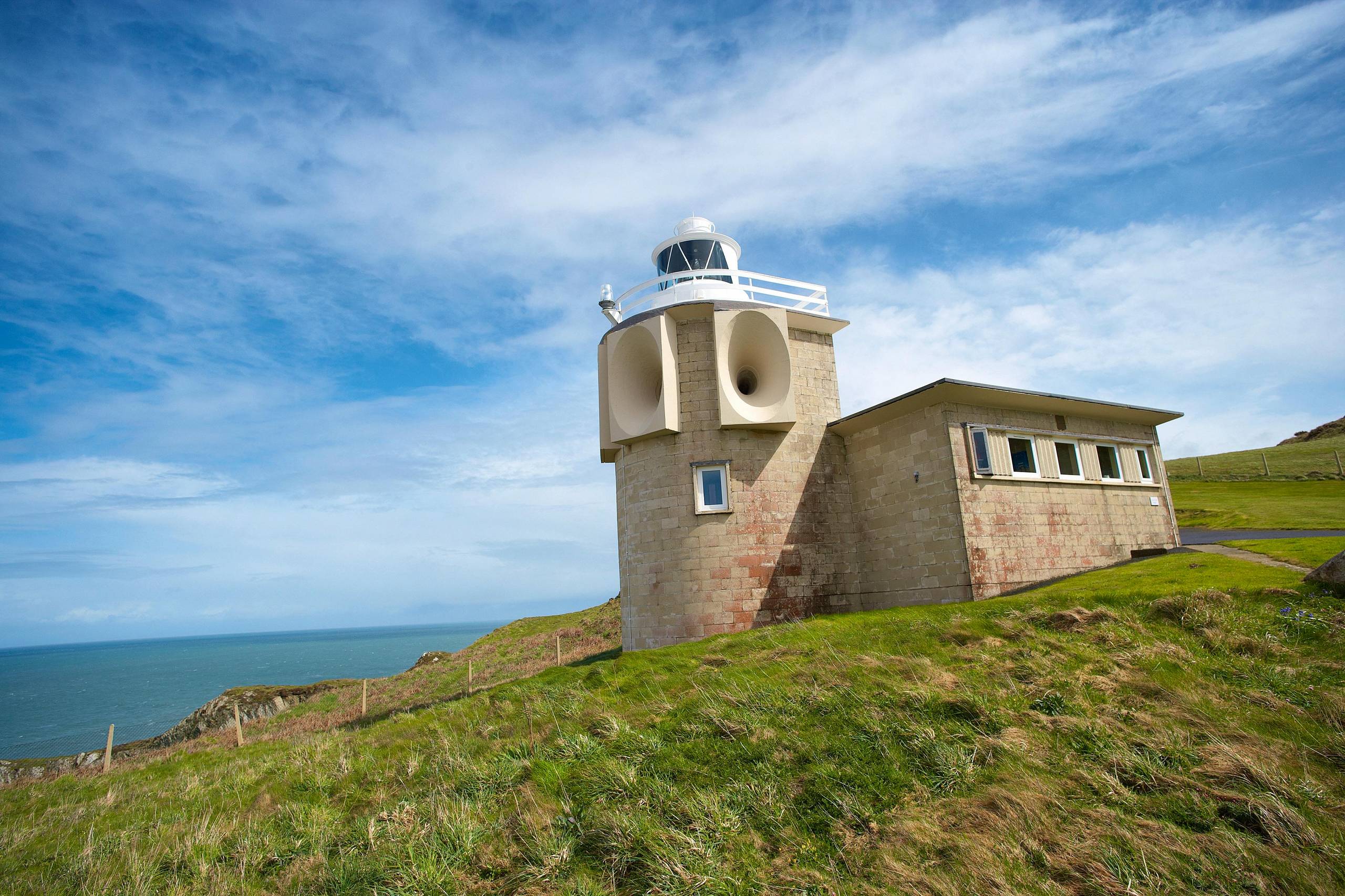
Seabirds are usually active at this time too. Gulls, gannets and other coastal birds sweep across the sky searching for food, while the sea itself begins to brighten as daylight strengthens.
Inside the lighthouse, the morning routine tends to be simple. Coffee by the window, a slow breakfast and another glance at the ever changing view.
Why lighthouse stays feel different
A single day in a lighthouse stay can feel surprisingly full without needing many plans.
The setting naturally provides its own rhythm. Arrival brings the excitement of discovering the location. Afternoons invite exploration along the coast. Evenings offer wide views and shifting light, while nights and mornings reveal a quieter side of the landscape.
Rather than filling time with activities, guests often find themselves simply observing what is already happening around them. The sea, the sky and the changing weather provide a constant backdrop to the day.
It is a reminder that sometimes the most memorable stays are shaped less by what you do and more by where you are.
Some of our favourite lighthouse stays
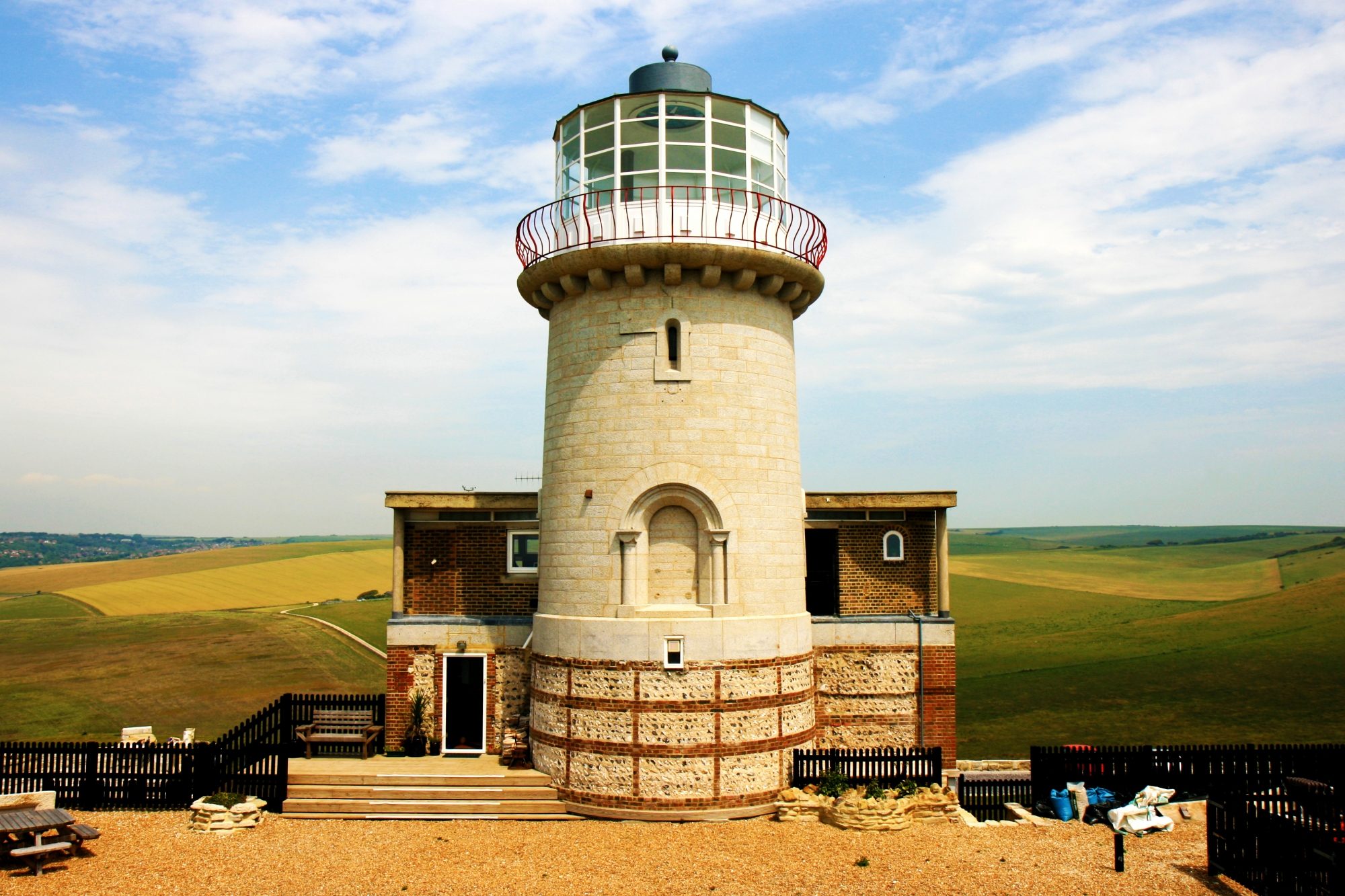
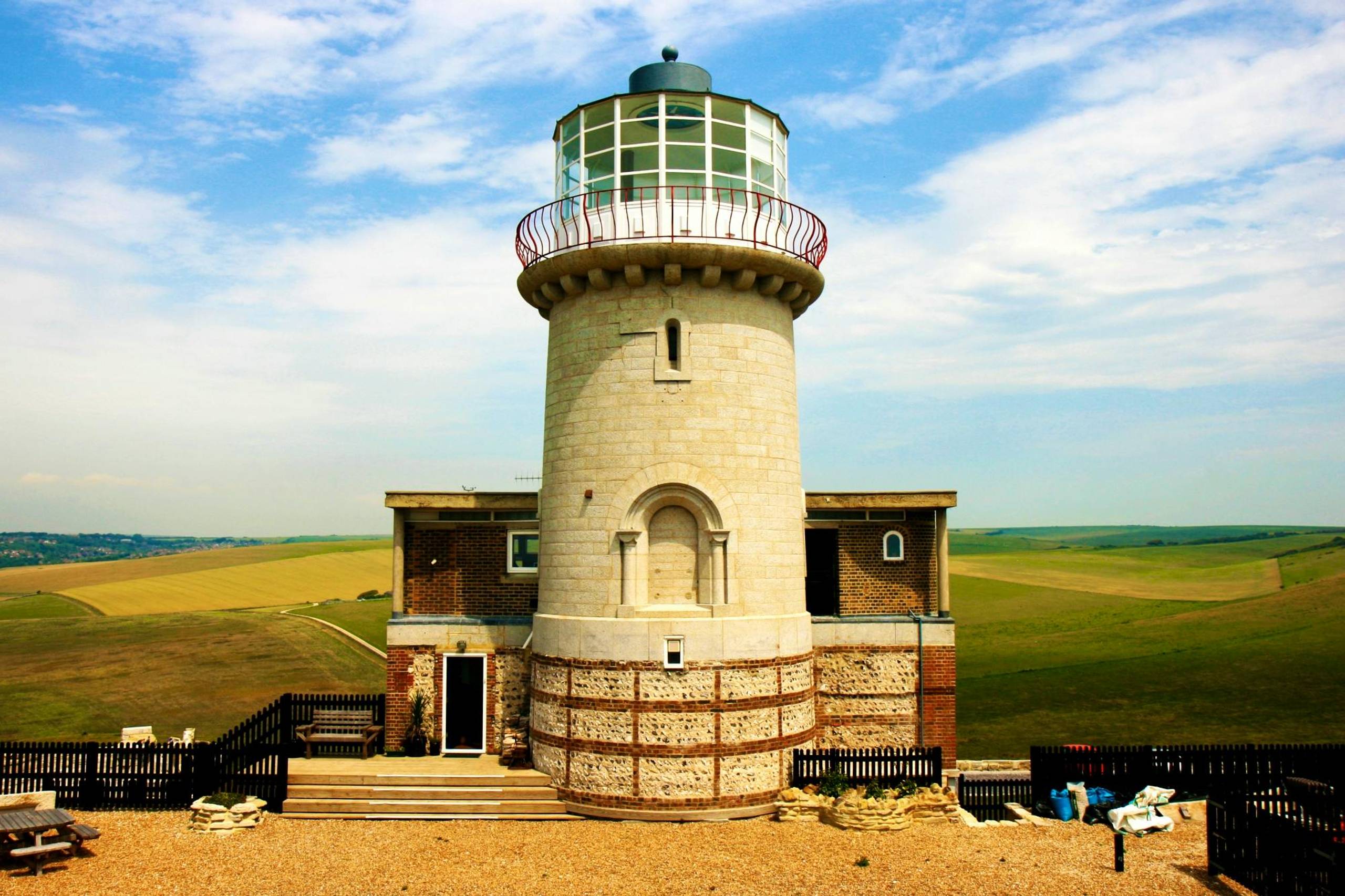
Belle Tout Lighthouse
Eastbourne
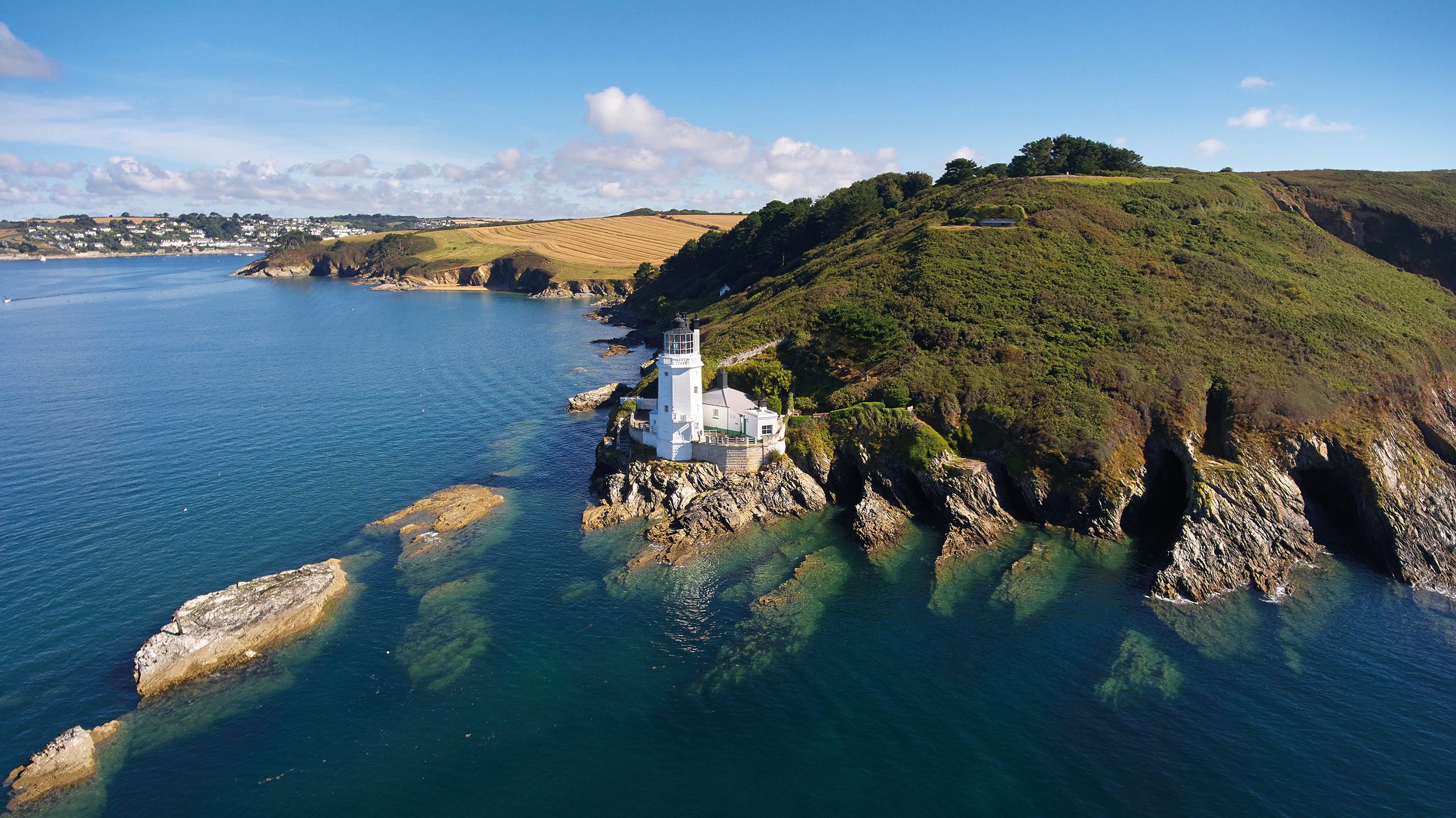
Sally Port Cottage
St Mawes
A lighthouse stay typically centres around coastal scenery, fresh sea air and a slower pace of life. Many properties sit on headlands or cliffs, so guests spend their time enjoying sea views, coastal walks, sunsets and quiet evenings listening to the waves.
Yes. Lighthouses are often located in peaceful coastal settings away from busy towns. This makes them ideal for slow mornings, scenic walks and evenings spent watching the sea or the changing light across the horizon.
Popular activities include coastal walking, wildlife spotting, photography, beach visits and simply enjoying the sea views. Many guests also enjoy reading, cooking and relaxing indoors while watching the landscape outside.
Lighthouse stays can make memorable romantic escapes thanks to their dramatic settings and peaceful atmosphere. Watching sunsets over the sea, stargazing at night and enjoying the quiet surroundings all add to the experience.
Yes. One of the biggest draws of a lighthouse stay is the uninterrupted coastal views. Many are positioned in elevated locations with windows looking out across the sea, cliffs or wide horizons.
Many lighthouses sit beside coastal paths or near scenic walking routes. Guests can often step straight outside and follow cliff-top trails, explore nearby beaches or discover quiet stretches of coastline.
Coastal areas around lighthouses can be great places to spot wildlife. Depending on the location, visitors may see seabirds, seals and sometimes dolphins or porpoises offshore.
Many lighthouse locations have very little surrounding light pollution, especially those in remote coastal areas. On clear nights this can make them excellent places for stargazing.
Yes. Lighthouses are often positioned in unique locations that ordinary houses or hotels cannot occupy. Their elevated viewpoints, historic architecture and open coastal surroundings create a distinctive atmosphere.
Lighthouse stays can be enjoyable in every season. Summer offers long evenings and calm seas, while autumn and winter can bring dramatic skies, powerful waves and a cosy atmosphere indoors.